
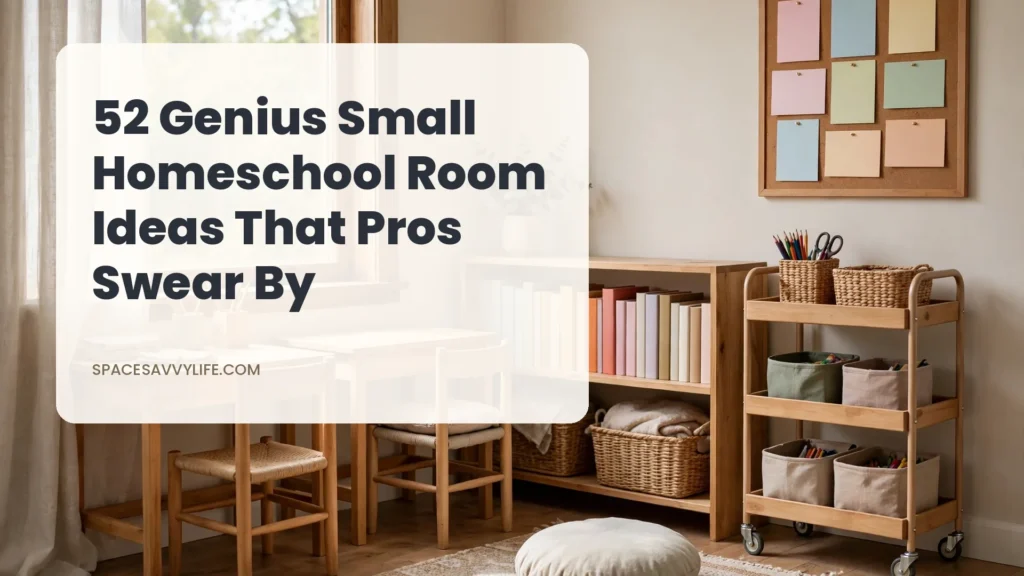
You teach at the kitchen table, then dinner needs that same table back. Books, pencils and half-finished projects spread into every room by Friday. These small homeschool room ideas turn one corner, nook or shared wall into a school zone that packs away fast.
Here are 52 setups covering desks, seating, supply storage, book storage and display walls. Most cost under $60, and many need no drilling at all. Pick one corner and give it a school job today.
1. Claim One Corner With a Small Rug
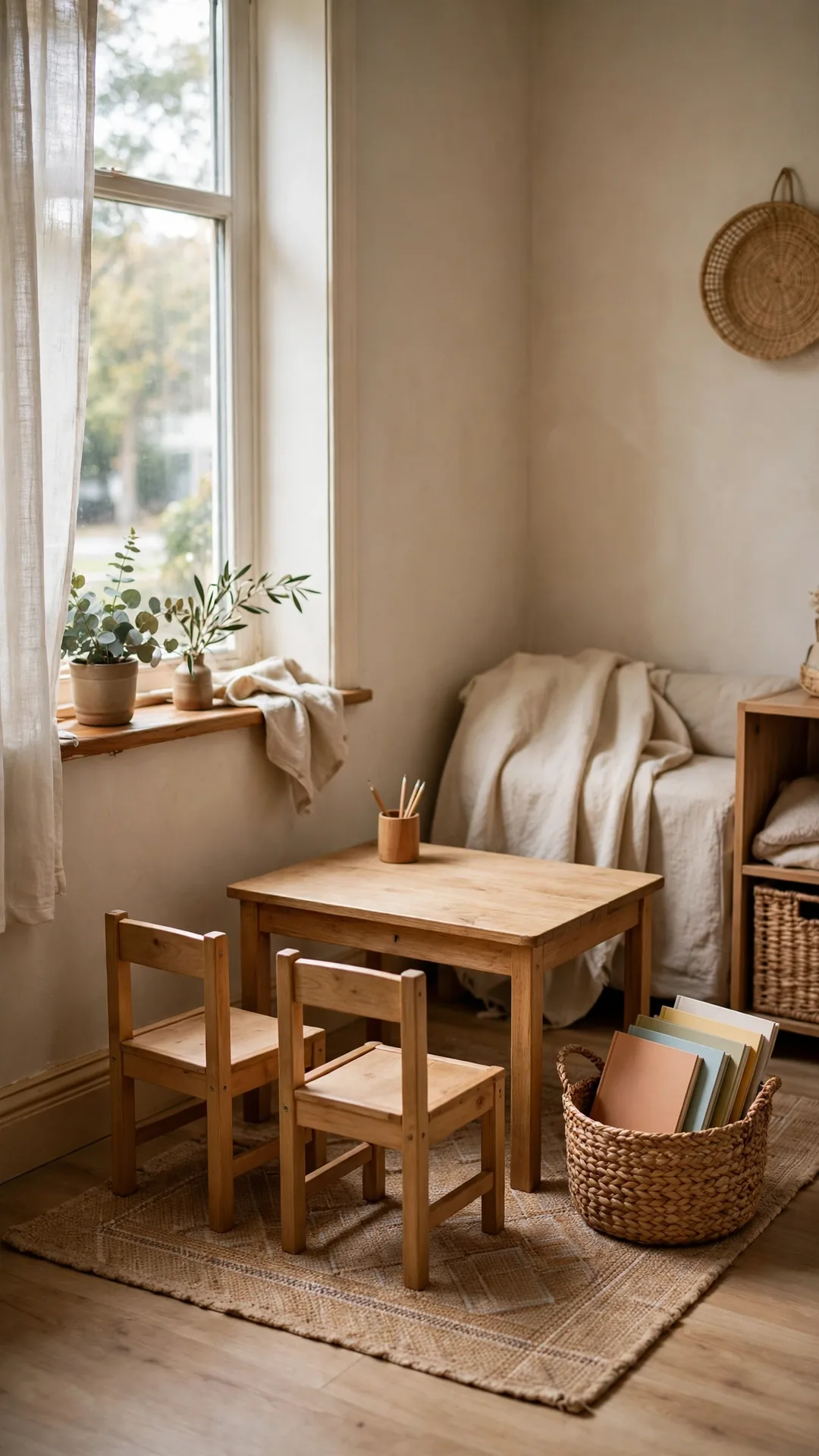
A plain rug tells everyone where school starts and ends. It gives kids a clear work zone without walls, doors or furniture moves. Siblings and toys can stay on the other side of the line.
How to do it:
- Pick a rug about 4 by 6 feet for two kids.
- Choose a low pile rug that chairs slide across easily.
- Set the rug in a corner with light from one side.
- Keep every school item on the rug during lessons.
Best for: Open-plan rooms and living room corners.
Budget: $25 to $50
Quick tip: Roll the rug up on weekends to return the room.
2. Start With a Rolling Cart Classroom
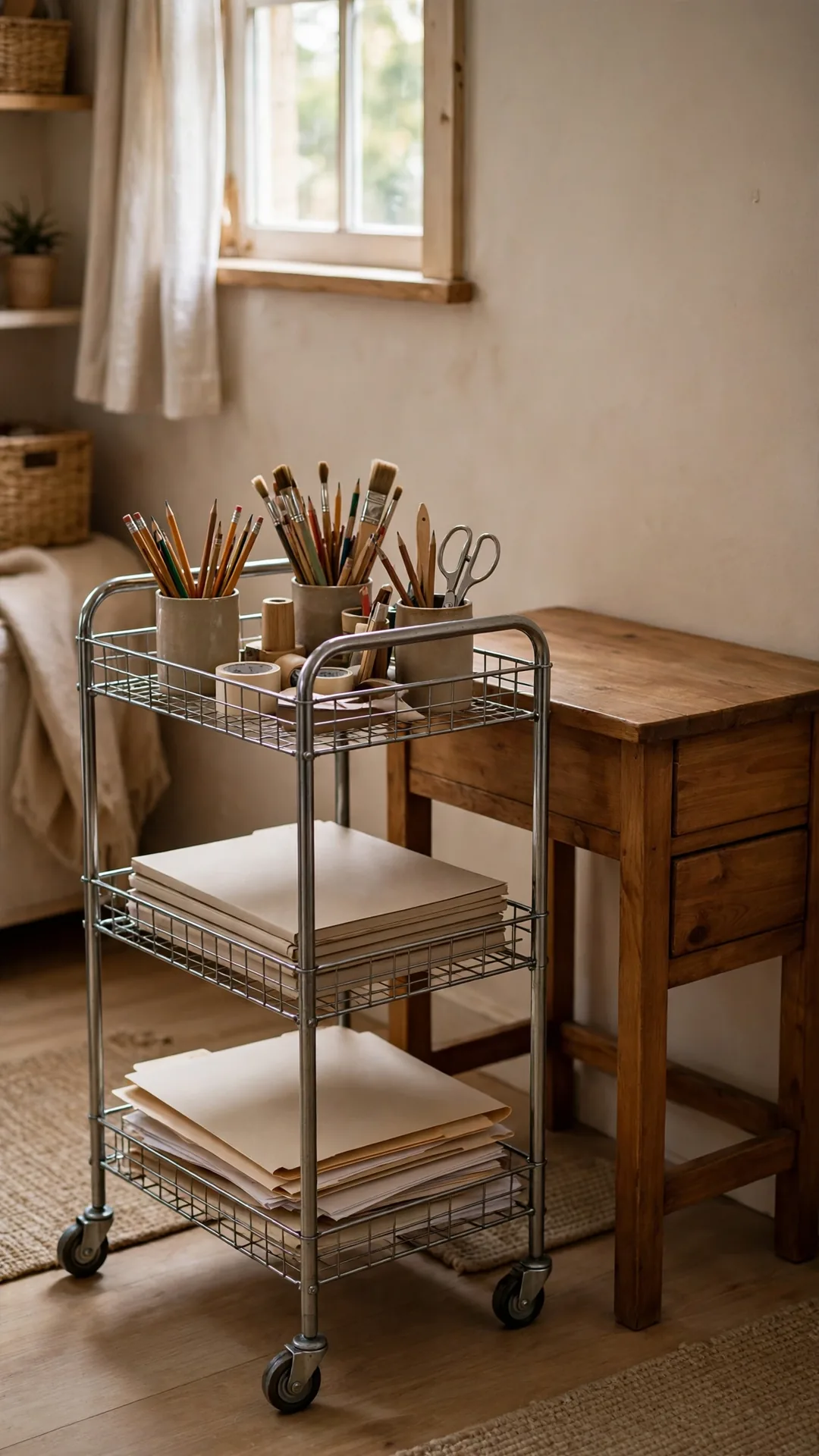
Good small homeschool room ideas often start on wheels. A three-tier cart holds the whole school day in one square foot. Roll it to the table for lessons, then park it in a closet.
How to do it:
- Pick a steel cart about 12 inches deep with locking wheels.
- Give the top tier to daily tools like pencils and scissors.
- Keep workbooks and paper flat on the middle tier.
- Store glue, paint and messy supplies on the bottom tier.
Best for: Families who school at a shared table.
Budget: $25 to $45
Quick tip: One cart per family works if every tier has one job.
3. Use the Dining Table, Then Reset Fast
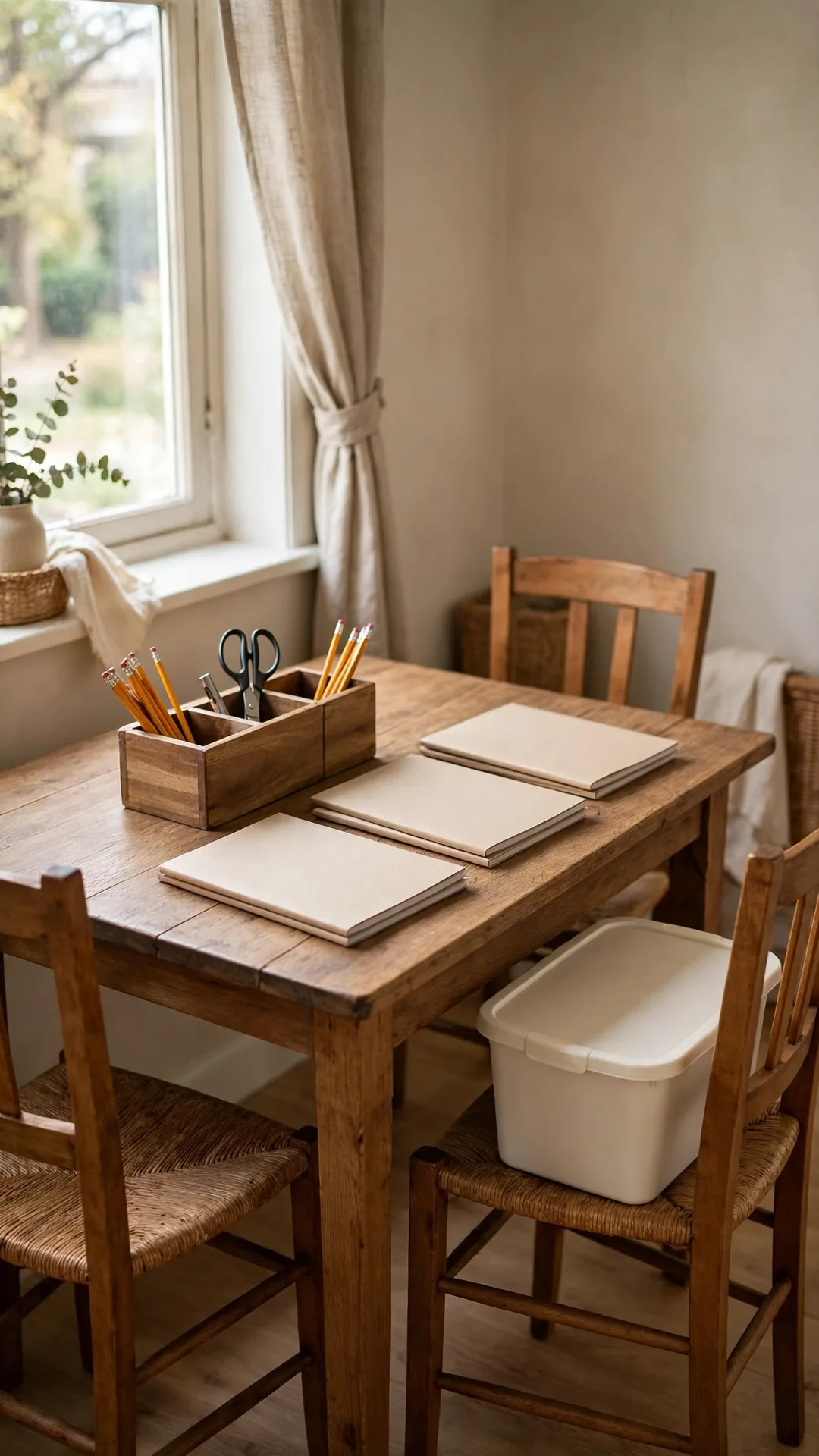
The dining table can host school all morning and dinner at night. The trick is a reset that takes five minutes, not thirty. Open shelves by the table can hold daily supplies, much like these small kitchen open shelving ideas.
How to do it:
- Keep one lidded bin per child under the table edge.
- Set a timer and clear the table in subject order.
- Park the supply caddy on a sideboard between lessons.
- Wipe the surface once so crumbs never meet workbooks.
Best for: Dining rooms that double as classrooms.
Budget: Under $20
Quick tip: Photograph the tidy table so kids copy the reset.
4. Hang a Blank Card Schedule Board

Simple small homeschool room ideas keep the day visible at a glance. A cork board with blank colored cards shows the order of lessons. Swap two cards and the whole afternoon changes without questions.
How to do it:
- Hang a board about 24 by 18 inches above the desk.
- Use one card color per subject, with no words needed.
- Clip finished cards into a small envelope at the side.
- Keep spare blank cards in a cup under the board.
Best for: Visual kids who ask what comes next.
Budget: $10 to $20
Quick tip: Let kids move the finished cards themselves each day.
5. Give Each Child a Color Bin
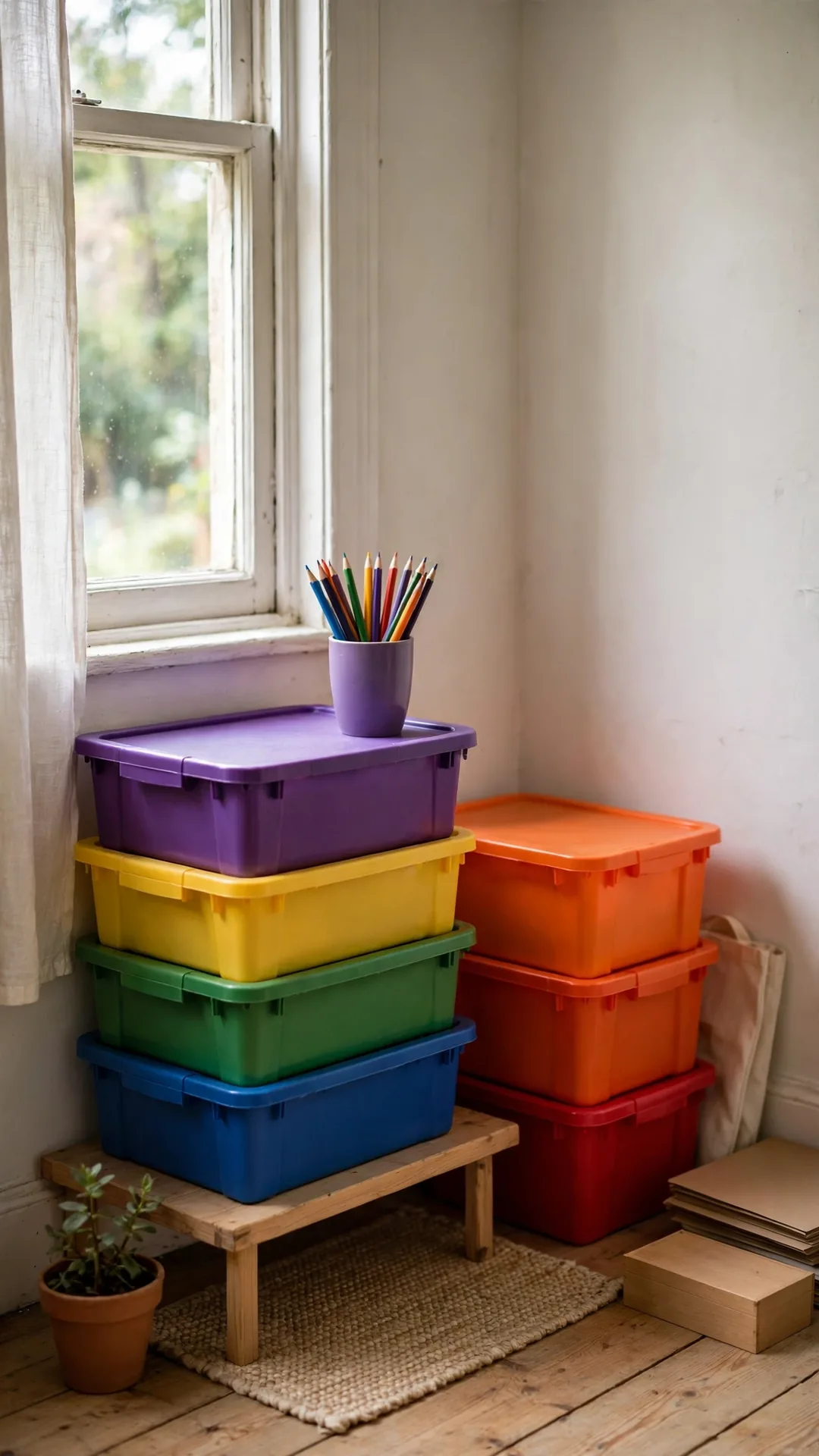
One color per child ends most supply arguments before they start. Each bin holds that child's books, pencils and current projects. Stacks stay neat because nothing gets shared or shuffled.
How to do it:
- Choose bins about 12 by 8 inches with snug lids.
- Match the bin color to a matching pencil cup.
- Stack bins on one low shelf near the table.
- Keep one spare bin for library books and returns.
Best for: Siblings sharing one small work table.
Budget: $8 to $15 per bin
Quick tip: Photograph each bin packed so kids rebuild it fast.
6. Park Daily Supplies in a Desktop Caddy
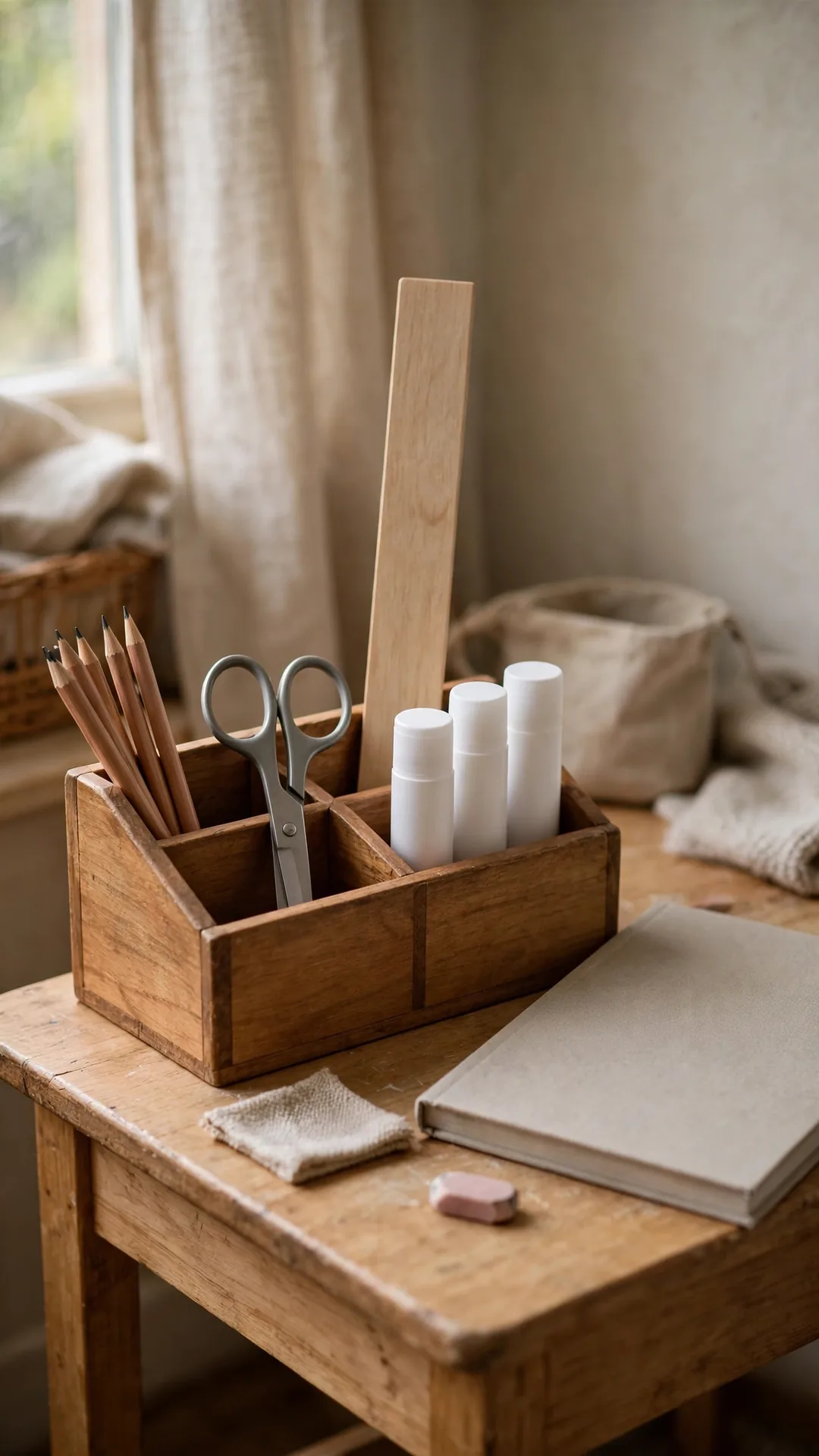
The best small homeschool room ideas keep daily tools within arm's reach. A divided caddy corrals pencils, scissors, glue and rulers in six inches of desk. Carry it to any table and school can start.
How to do it:
- Pick a caddy with one tall slot for rulers.
- Keep only tools used every single day inside it.
- Restock pencils each Friday from a backup box.
- Set the caddy on a tray to catch graphite dust.
Best for: One-table schools with zero spare shelves.
Budget: $8 to $18
Quick tip: Two caddies beat one wide one on narrow tables.
7. Use Clipboards for Work Anywhere
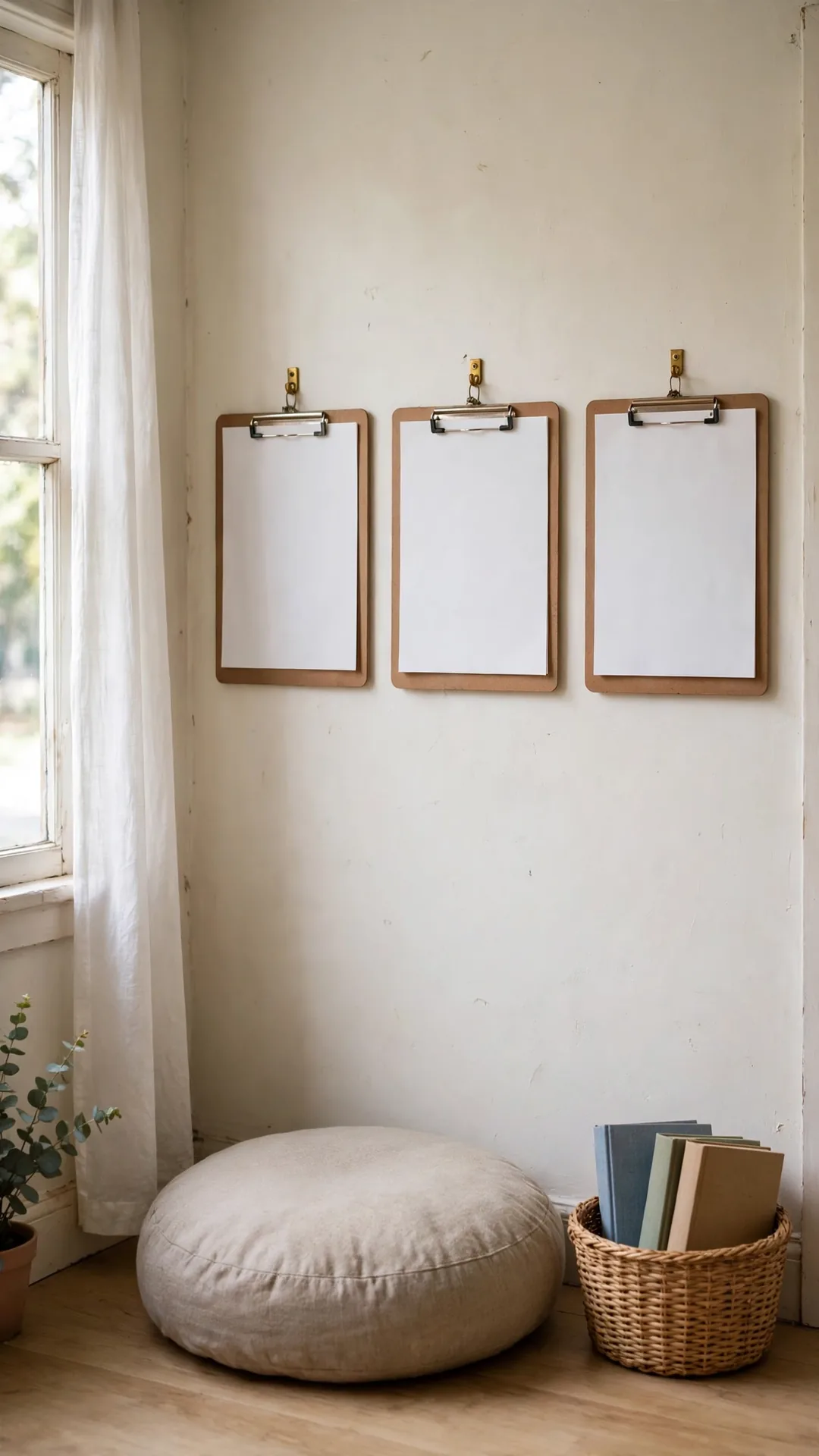
Clipboards free worksheets from the table completely. Kids can write on the sofa, the floor or a sunny step. Hang the boards on hooks and they double as tidy wall storage.
How to do it:
- Buy hardboard clipboards in the standard letter size.
- Clip only today's pages so boards stay light.
- Mount three hooks at child height near the door.
- Keep one board per child plus one spare.
Best for: Kids who fidget at desks all morning.
Budget: $6 to $12
Quick tip: A clipboard plus a cushion makes an instant desk.
8. Keep a Five-Minute Tidy Basket Nearby
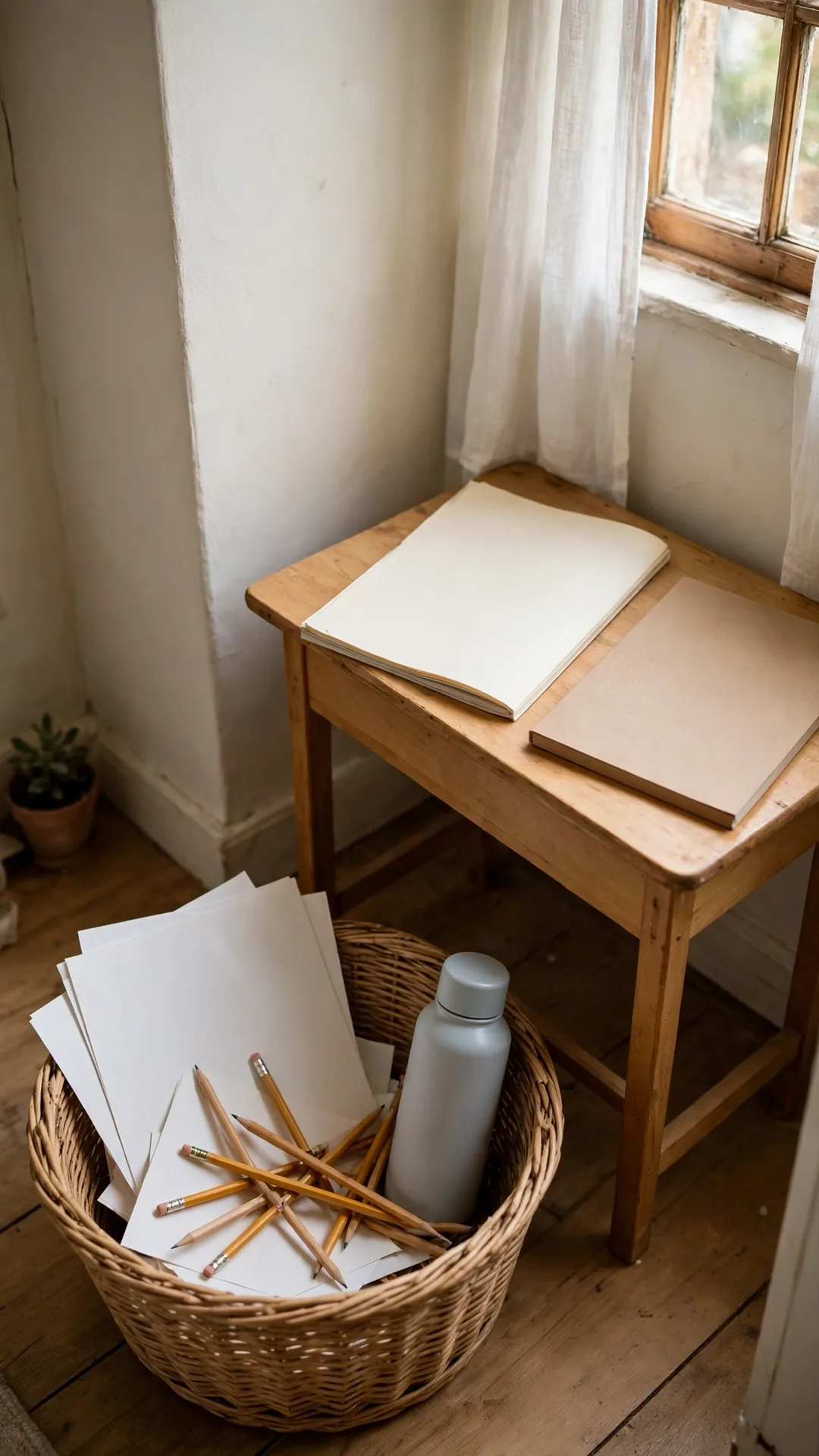
Loose bits land somewhere, so give them one legal home. A catch-all basket swallows stray pencils, paper scraps and small toys during lessons. Empty it each Friday and start Monday clean.
How to do it:
- Pick a woven basket about 12 inches wide with handles.
- Park it within arm's reach of the main table.
- Sort the contents back to their homes each Friday.
- Ban food wrappers so the basket never smells.
Best for: Tables that collect clutter by noon.
Budget: $8 to $15
Quick tip: If it overflows twice, something needs a real home.
9. Fit a Wall-Mounted Fold-Down Desk
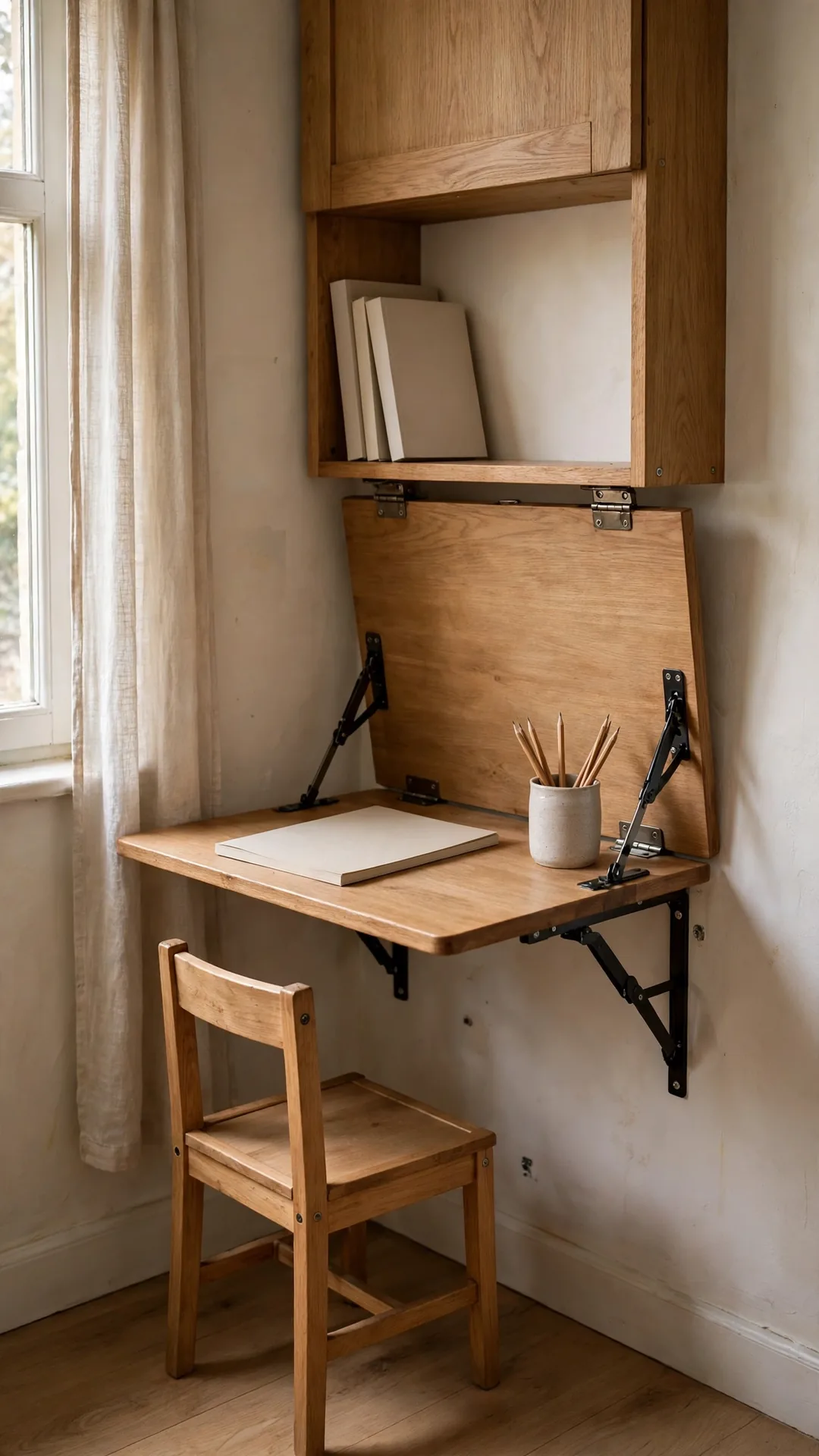
Fold-down furniture anchors many small homeschool room ideas in tight corners. The desk drops down for lessons and folds flat for play. One child gets a real work surface in 16 inches of wall.
How to do it:
- Pick a top about 32 by 20 inches when open.
- Screw the frame into two studs, never drywall alone.
- Set the top about 26 inches high for young kids.
- Add a small wall shelf above for the pencil cup.
Best for: Bedroom corners and narrow spare walls.
Budget: $70 to $140
Quick tip: Measure chair clearance before you fix the height.
10. Use a Narrow Console Table as a Desk
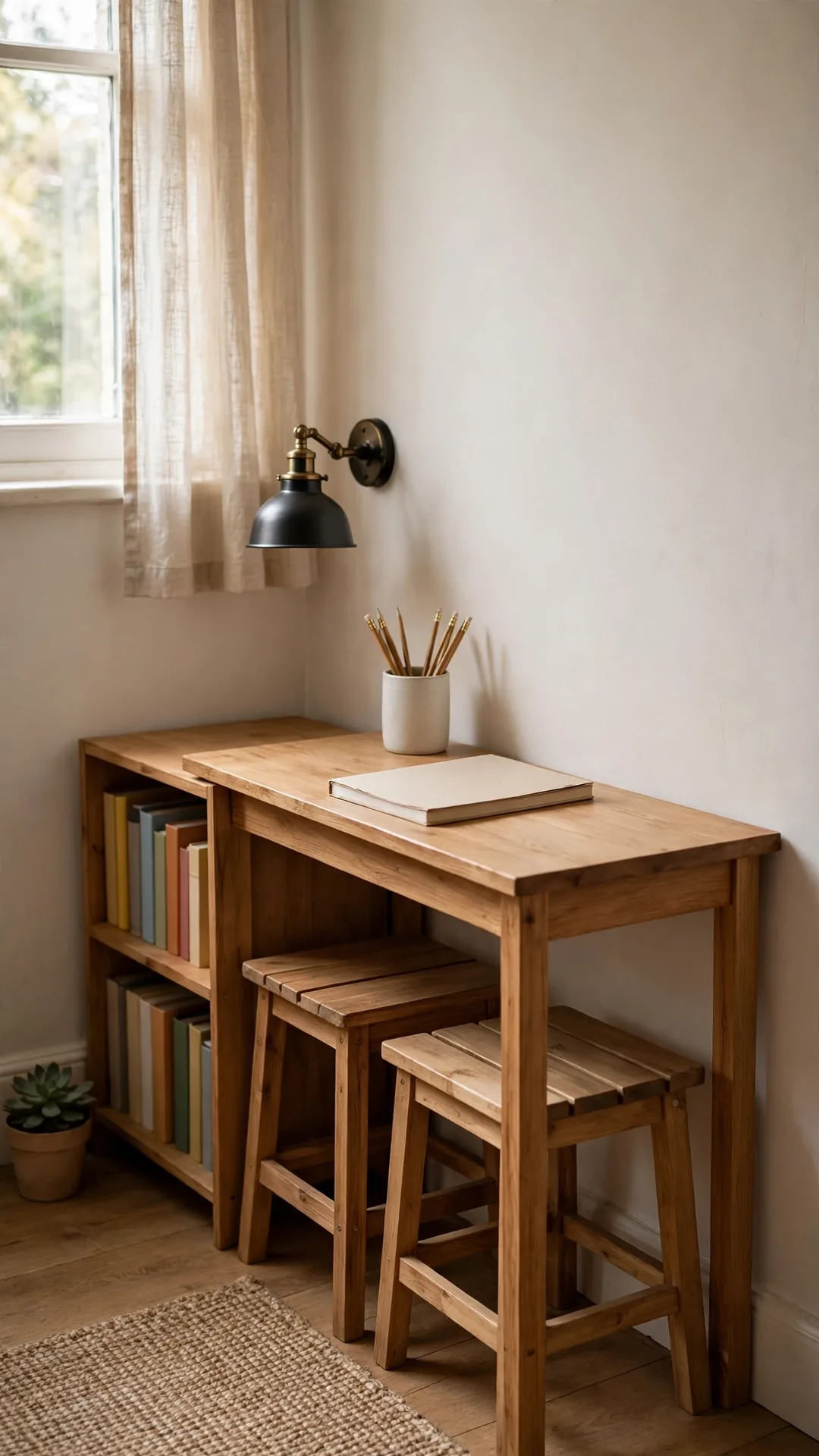
A console table is slim, cheap and easy to find used. Its 12 to 14 inch depth hugs the wall and leaves walking room. Two stools slide under it when lessons end.
How to do it:
- Look for a table 40 to 48 inches long.
- Check that knees fit under the lowest crossbar.
- Add a wall lamp so the surface stays clear.
- Place a low bookcase at one end for supplies.
Best for: Hallways and living room walls.
Budget: $40 to $90
Quick tip: Felt pads under stool legs keep floors quiet.
11. Build a Two-Kid Desk From One Board
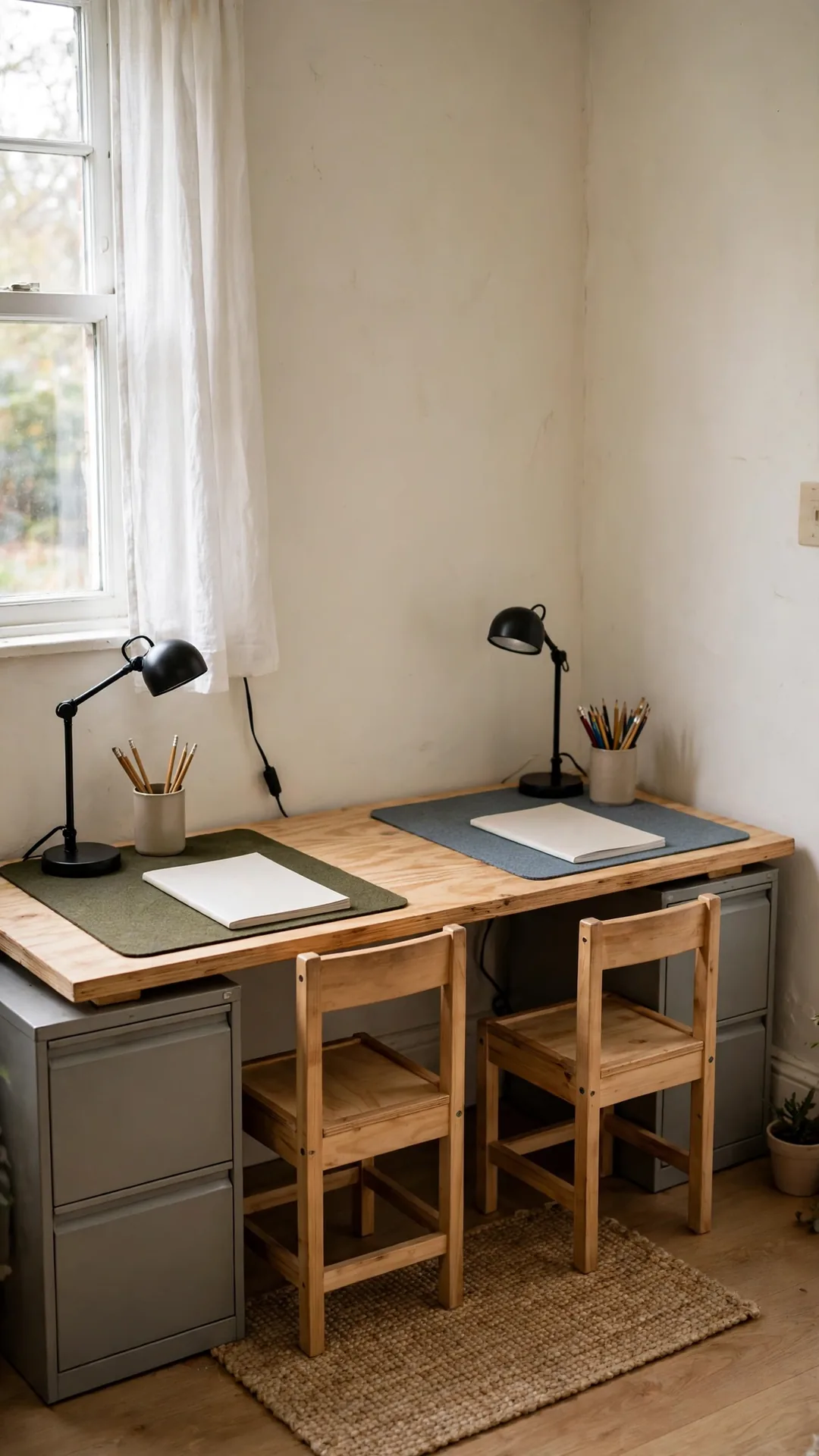
Shared desks sit at the heart of many small homeschool room ideas. One long board on two file cabinets gives each child a clear half. The cabinets swallow workbooks, paper and finished projects between lessons.
How to do it:
- Use a board about 60 by 24 inches, sanded smooth.
- Set two 2-drawer cabinets 44 inches apart as legs.
- Mark each child's half with a desk mat.
- Run one power strip along the back edge for lamps.
Best for: Siblings who work at the same hours.
Budget: $80 to $160
Quick tip: Give each child the drawer bank on their side.
12. Turn a Closet Into a Desk Nook

A closet with the doors off becomes a schoolroom of its own. Shelves above the desk hold books and bins within easy reach. Angi rounds up more homeschool room ideas if a full room conversion is on your list.
How to do it:
- Remove the doors and store them flat somewhere safe.
- Fit a desktop board across the closet's full width.
- Add two shelves above, spaced 12 inches apart.
- Clip a battery light under the top shelf.
Best for: Spare closets near the family room.
Budget: $50 to $120
Quick tip: Paint the inside one pale color to bounce light.
13. Squeeze a Desk Under the Stairs

The wedge under a staircase fits a child desk surprisingly well. The sloped ceiling does not matter when the user is four feet tall. Wall shelves on the tall side hold the term's books.
How to do it:
- Measure the spot where headroom reaches 48 inches.
- Pick a desk no deeper than 20 inches.
- Add a battery lamp since outlets are rare there.
- Keep a small rug under the chair for warmth.
Best for: Dead space in halls and living rooms.
Budget: $45 to $100
Quick tip: Test the seat yourself before the first school day.
14. Add Lap Desks for Flexible Floor Work
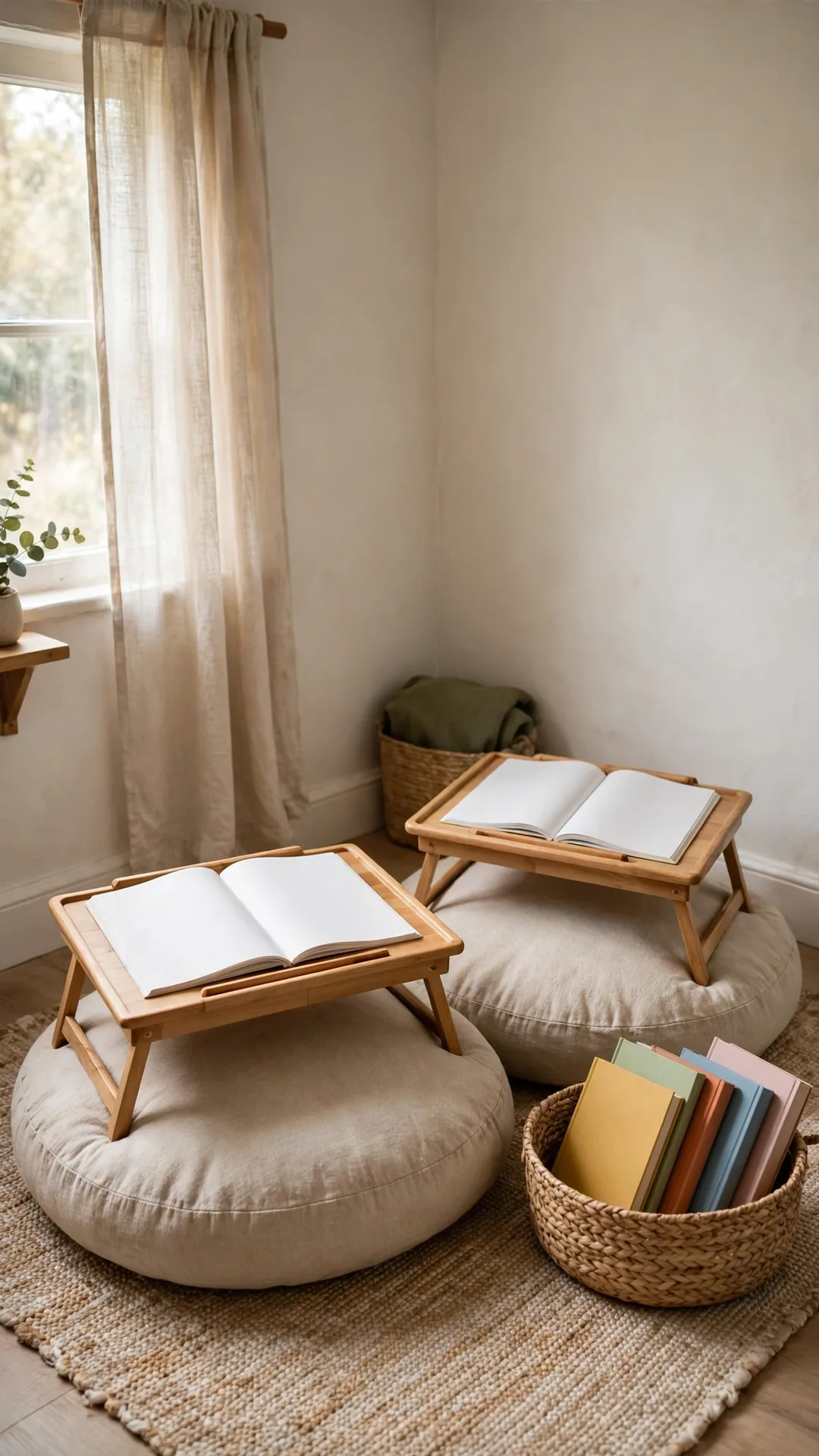
Flexible seating keeps small homeschool room ideas working in shared rooms. A lap desk turns any cushion, step or sofa corner into a writing spot. Store two boards upright in one slim basket.
How to do it:
- Choose lap desks with a flat top near 17 inches wide.
- Pick ones with a soft padded base for floor sitting.
- Keep each board loaded with one subject at a time.
- Stand boards in a basket beside the reading chair.
Best for: Reading and writing practice away from tables.
Budget: $15 to $30 each
Quick tip: Lap desks plus headphones make quiet corners anywhere.
15. Choose a Gateleg Table That Folds Slim
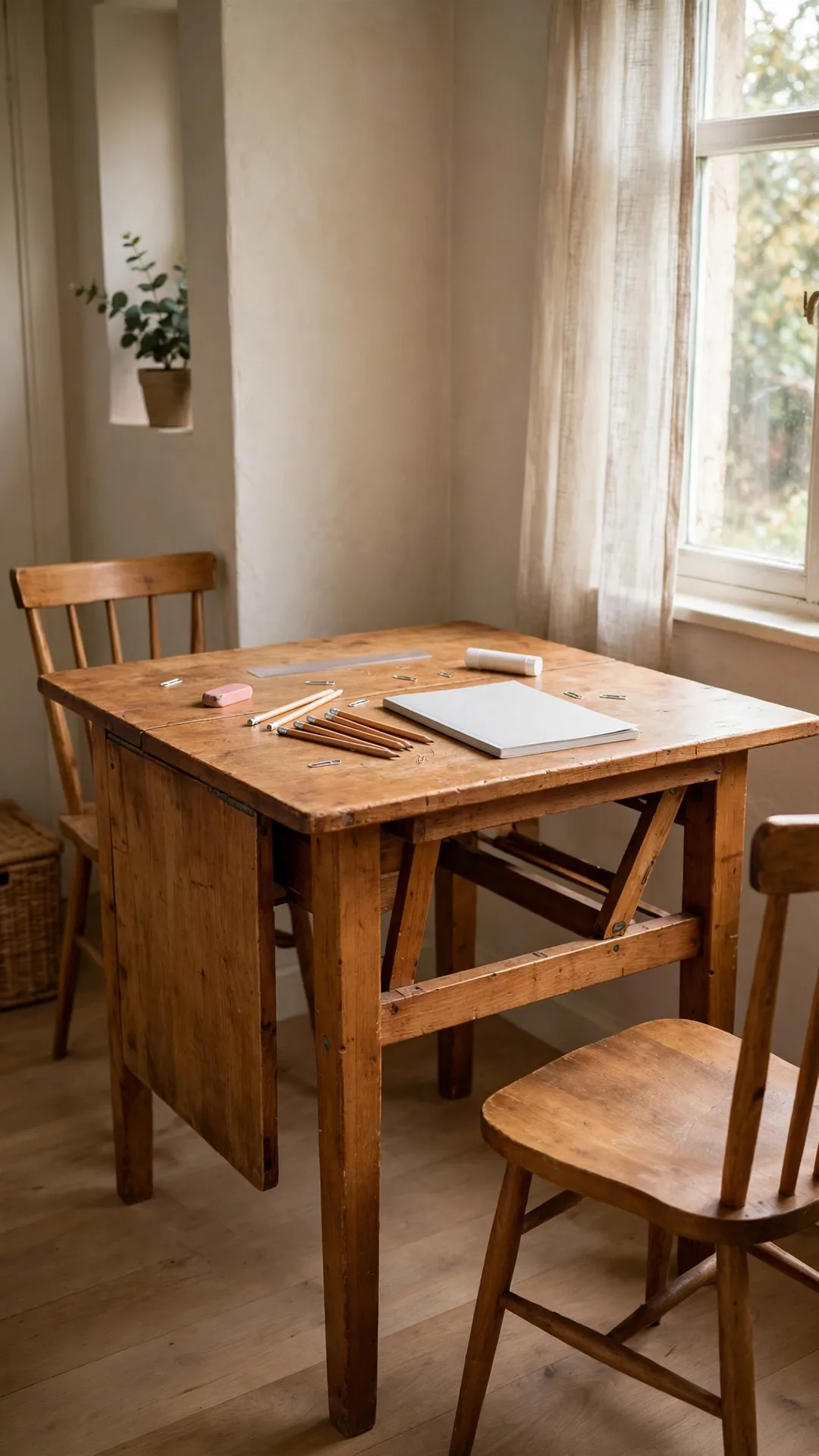
A gateleg table opens wide for school and folds to a sliver after. Both leaves up seats three kids with books spread out. One leaf down, it works as a side table all evening.
How to do it:
- Look for tops near 42 inches across when open.
- Check the folded depth, often under 12 inches.
- Test the hinges and leg swings before you buy used.
- Park it against the wall behind the sofa.
Best for: Rooms that must fully reset daily.
Budget: $60 to $150
Quick tip: Mark which leaf opens first with a tiny dot.
16. Keep a Tray Table for Overflow Seats
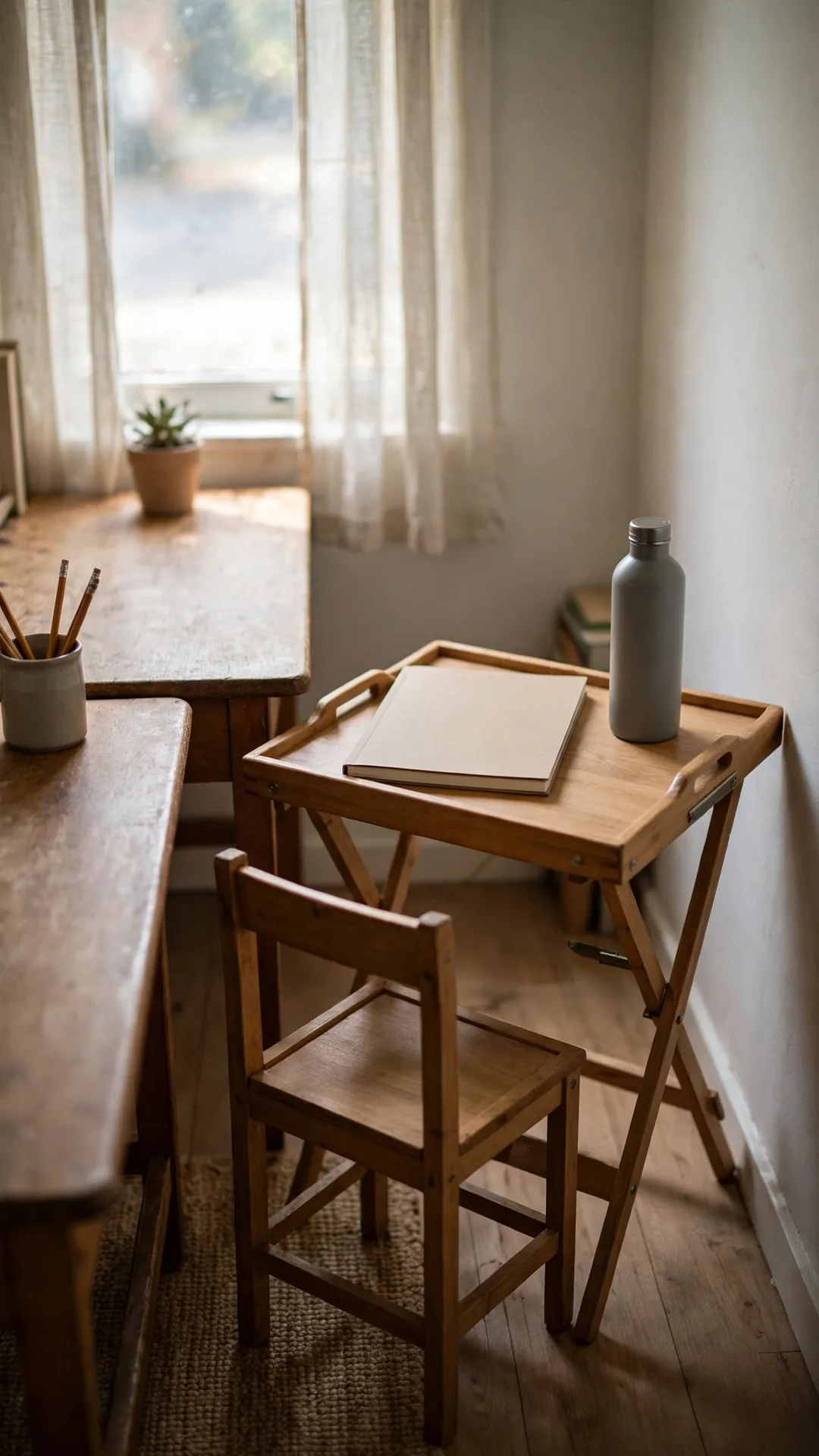
A folding tray table adds one seat in seconds flat. It suits a visiting cousin, a parent helper or a project overflow day. Folded, it slides behind a bookcase and disappears.
How to do it:
- Pick a tray top about 19 by 14 inches.
- Choose a frame that locks open with a firm click.
- Keep the spare table in the same spot daily.
- Wipe the top after art so paint never dries on.
Best for: Growing families with changing group sizes.
Budget: $15 to $35
Quick tip: One tray table per room prevents seat hunting.
17. Pick Chairs That Stack After School
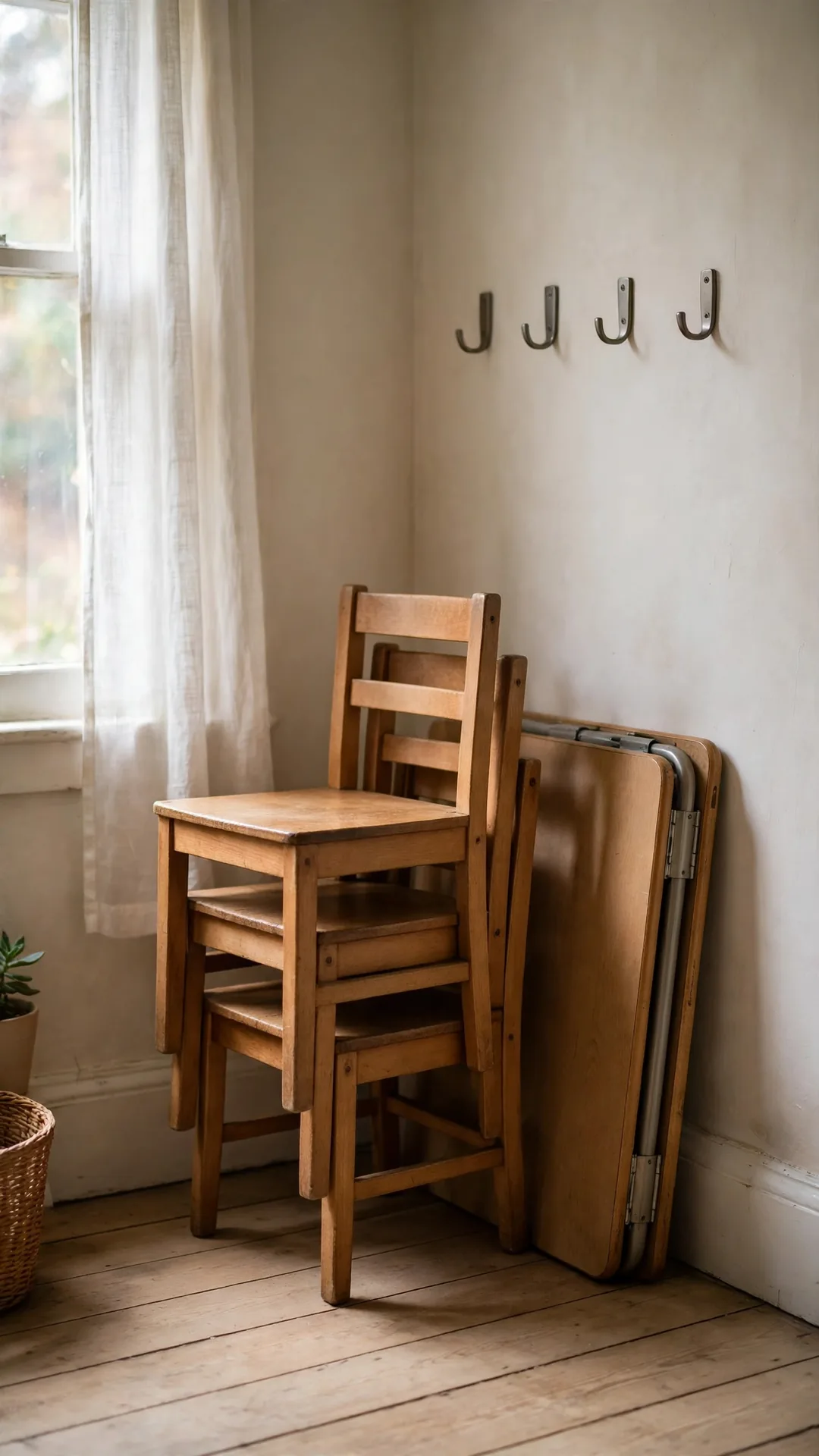
Stacking chairs make small homeschool room ideas easy to pack away. Three chairs stack into one chair's footprint in the corner. Light frames let kids carry and stack them without help.
How to do it:
- Choose chairs with seat heights near 12 to 14 inches.
- Check the stack stands steady at three chairs high.
- Pick smooth plastic or wood that wipes clean fast.
- Add a wall hook row for bags above the stack.
Best for: Corners that host guests on weekends.
Budget: $12 to $25 each
Quick tip: Practice stacking once and it becomes habit fast.
18. Try Floor Cushions Around a Low Table
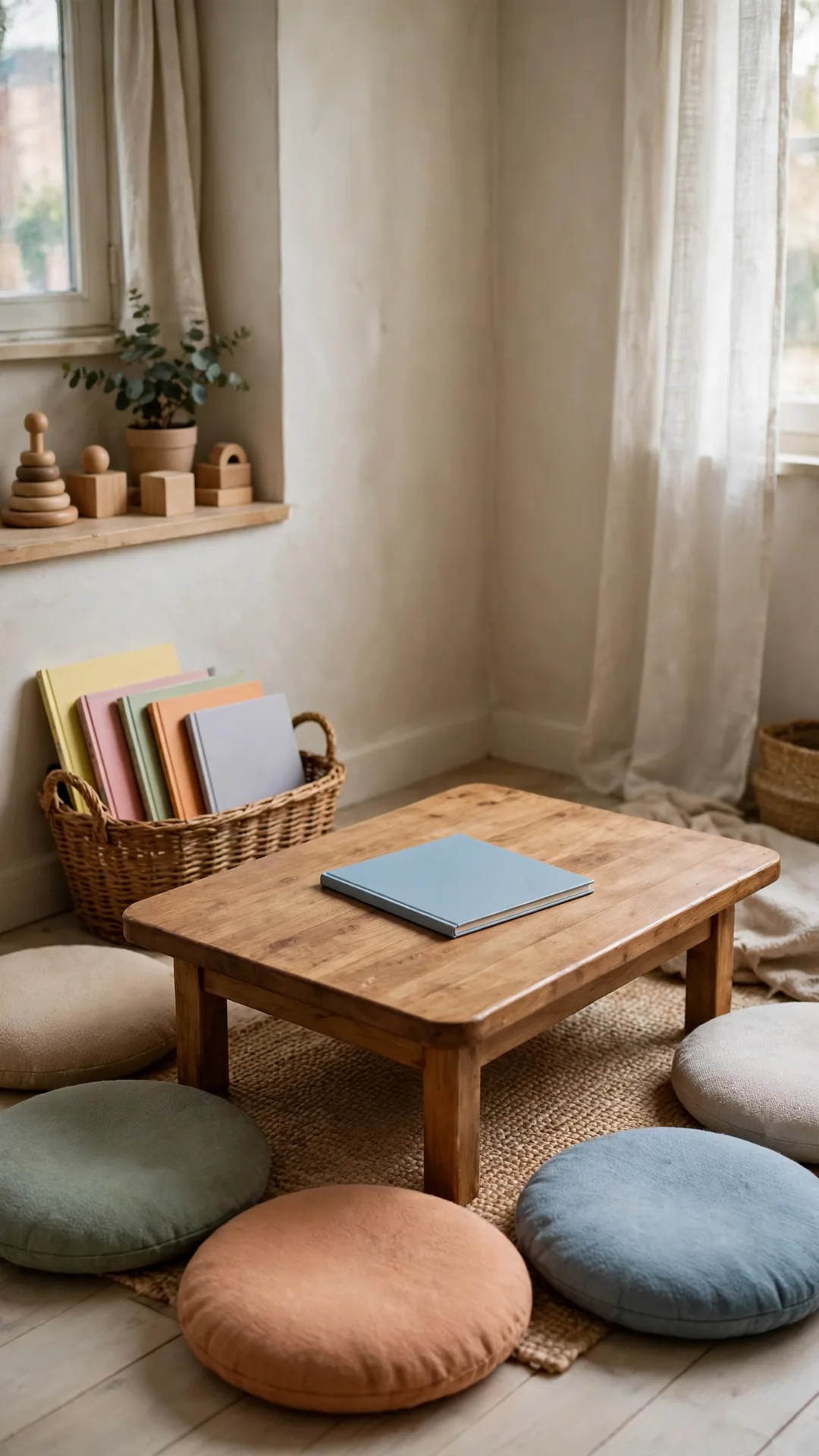
Young kids often work best close to the floor. A low table with cushions suits short lessons and read-aloud time. Corners for preschoolers borrow layout tricks from these space-saving small nursery ideas.
How to do it:
- Use a table about 12 to 14 inches high.
- Pick firm cushions near 16 inches square per child.
- Keep picture books in a basket beside the table.
- Shake cushions weekly and air them in sunlight.
Best for: Preschool and early readers.
Budget: $30 to $60
Quick tip: A washable cushion cover survives juice and glue.
19. Add a Wobble Stool for Restless Kids
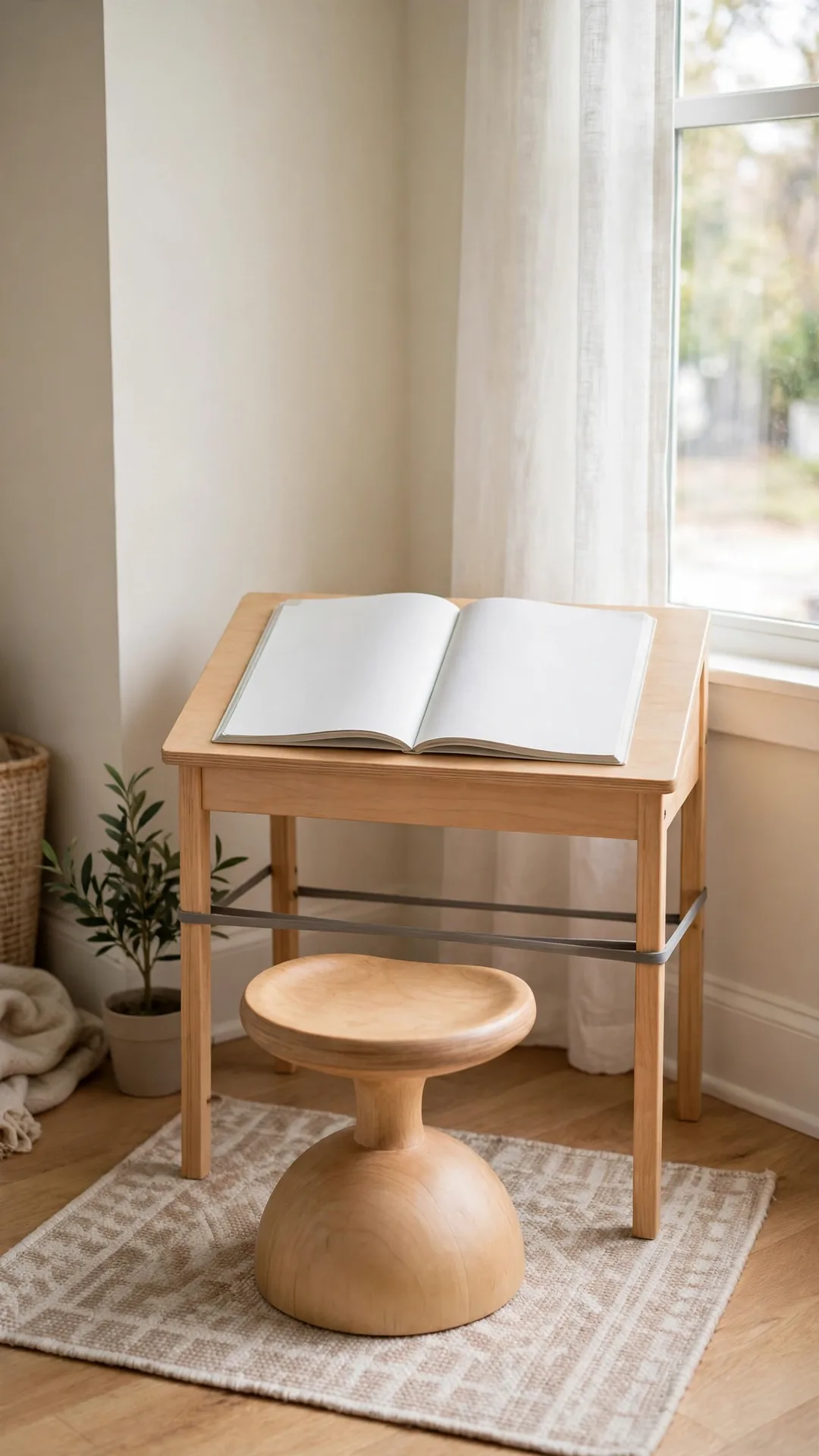
Some kids focus better when their body can move a little. A wobble stool allows quiet rocking while hands stay busy writing. Keep one at the shared desk as the movement seat.
How to do it:
- Pick a stool height that matches your desk edge.
- Choose a wide, weighted base that cannot tip far.
- Set the stool on a rug to dampen noise.
- Rotate who uses it so it stays a treat.
Best for: Wiggly kids during writing practice.
Budget: $35 to $70
Quick tip: One wobble stool per room is plenty for most.
20. Seat Two Kids on One Bench
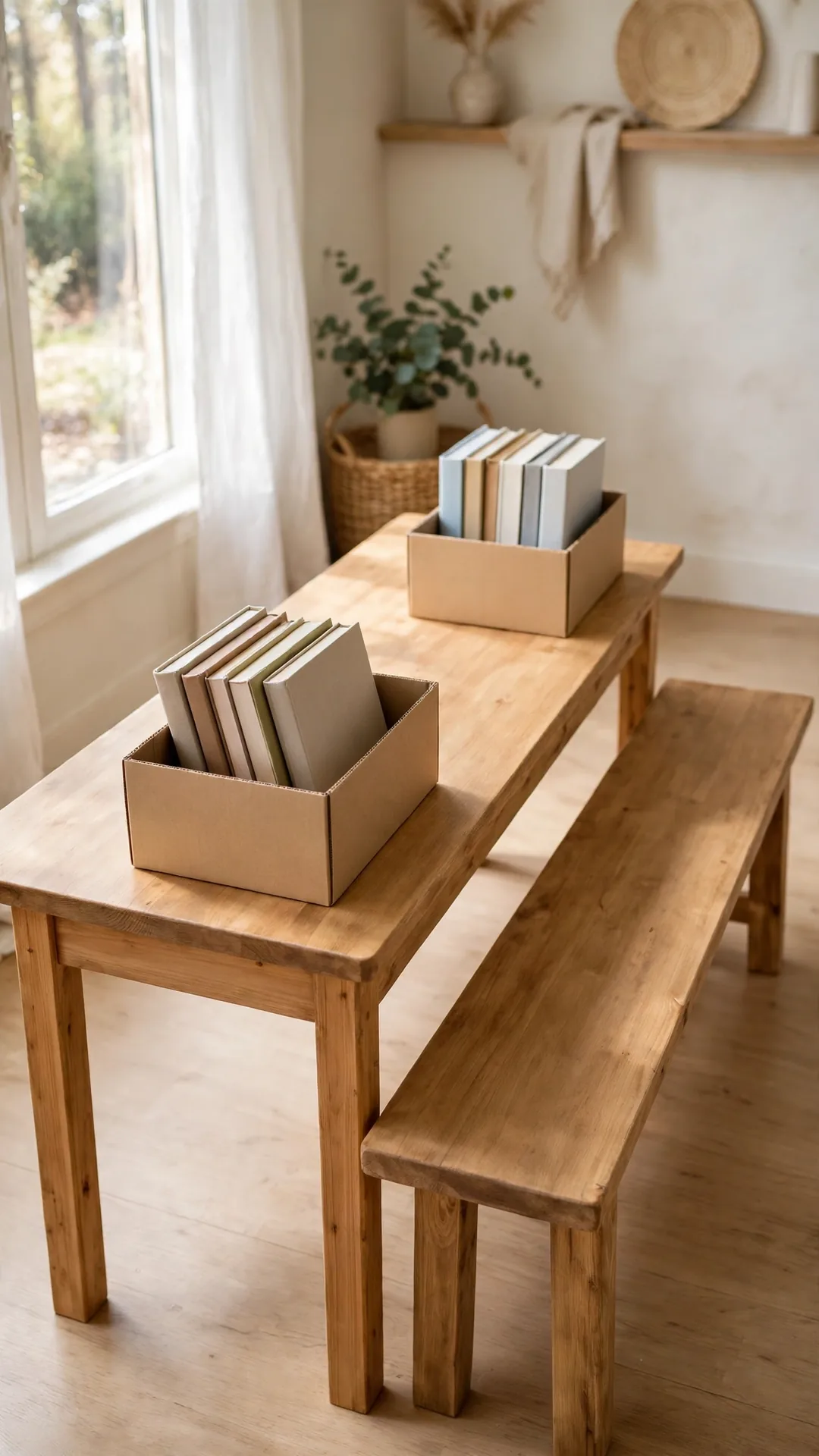
Bench seating keeps small homeschool room ideas social and compact. Two kids share one seat, and the bench slides fully under the table after. A book box at each end keeps their work apart.
How to do it:
- Choose a bench about 40 inches long for two kids.
- Keep the seat height within 2 inches of your chairs.
- Add a thin cushion pad for long writing sessions.
- Slide the bench under the table at day's end.
Best for: Siblings at one shared table.
Budget: $35 to $80
Quick tip: Tape a center line until sharing feels natural.
21. Hang Supply Pockets on Chair Backs
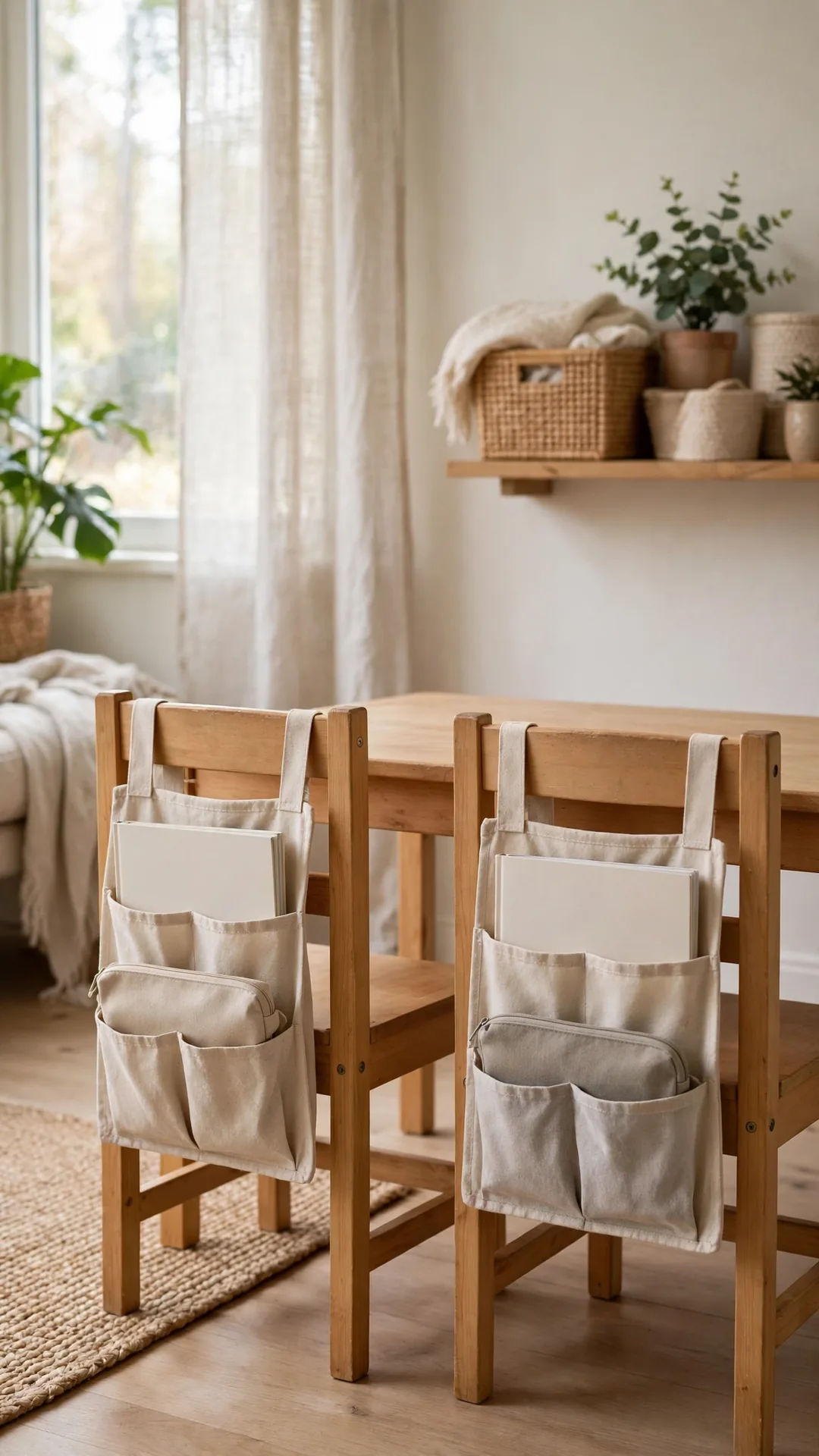
Chair-back pockets put each child's tools right behind them. Workbooks, a pencil case and a water bottle ride along all day. Nothing crosses the table, so elbow wars fade fast.
How to do it:
- Pick pockets that fit your chair backs snugly.
- Use the deep pocket for workbooks and readers.
- Keep pencils in the small top pocket only.
- Shake pockets out over a bin every Friday.
Best for: Shared tables with no side storage.
Budget: $8 to $15 each
Quick tip: One pocket per child ends the supply mix-ups. Color coding each child's pocket helps too.
22. Sort Supplies on a Pegboard Wall
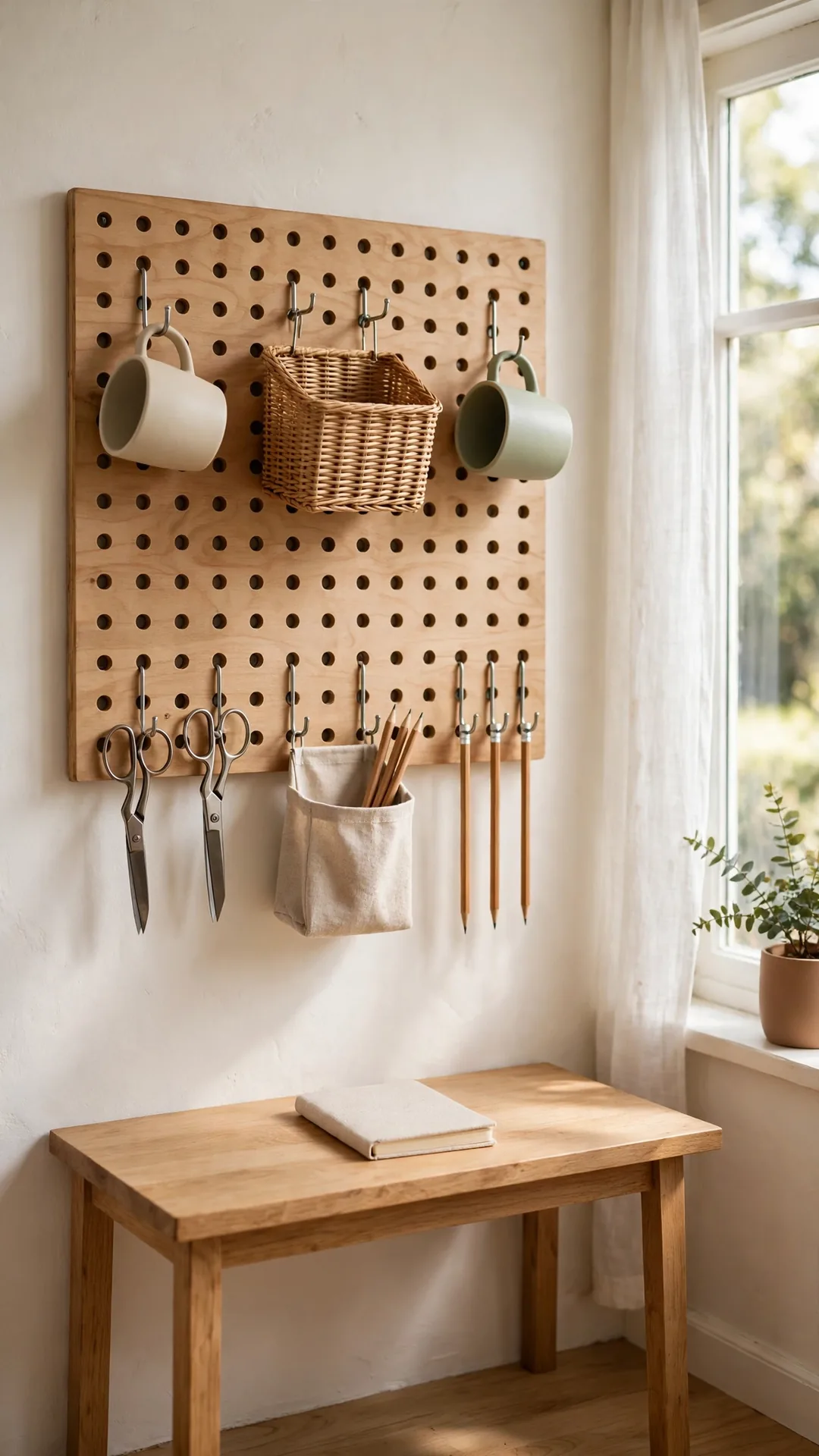
A pegboard turns dead wall into the supply station. Cups, bins and hooks hold everything where small hands can reach. The desk below stays clear for actual work.
How to do it:
- Hang a board about 24 by 36 inches above the desk.
- Anchor the frame into studs or solid masonry.
- Use cups for pencils and bins for glue and tape.
- Keep sharp tools on the highest row, adult side.
Best for: Walls above narrow desks and tables.
Budget: $25 to $50
Quick tip: Outline each cup's spot so returns stay obvious.
23. File Workbooks in Magazine Holders
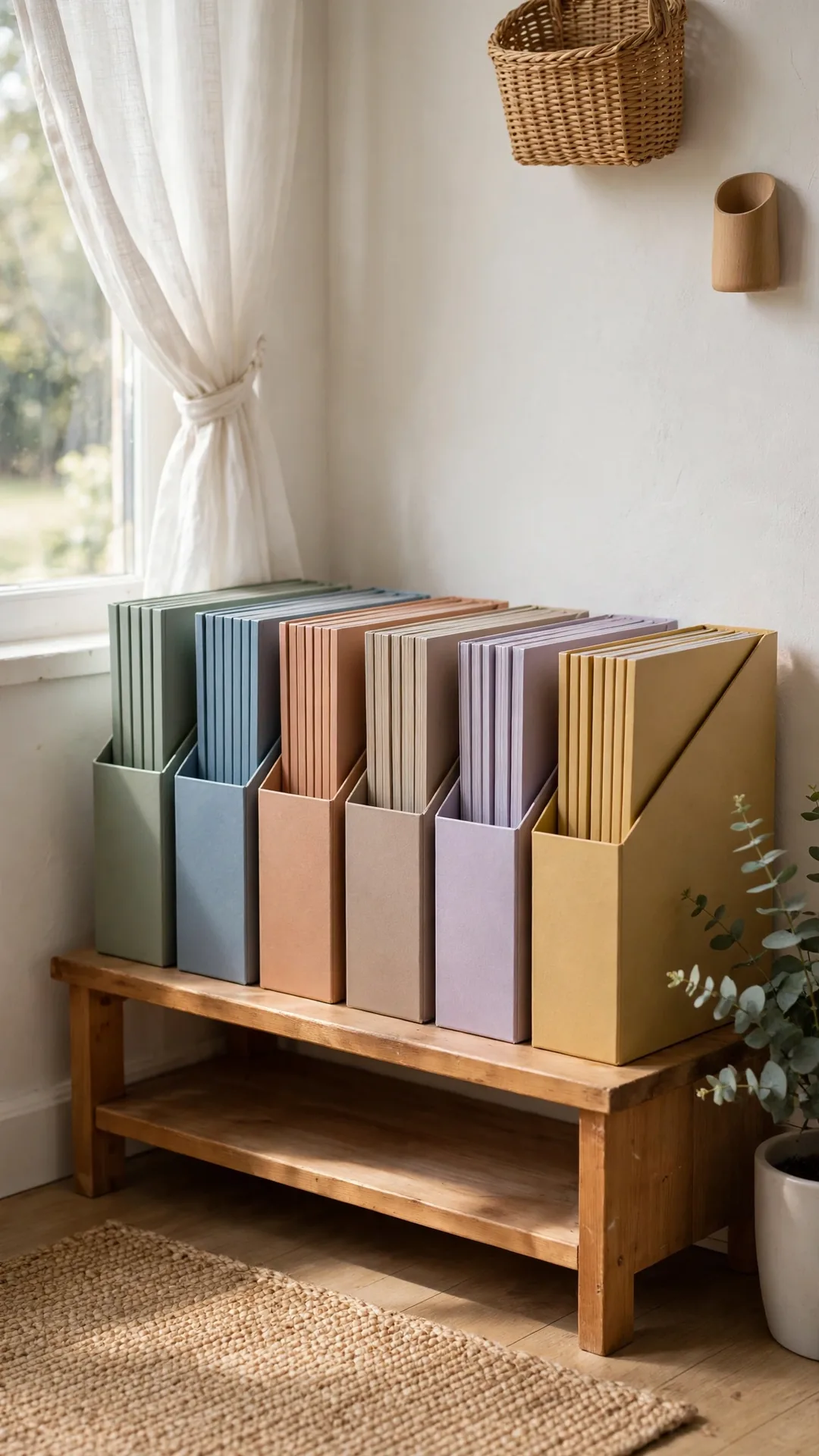
Upright files are small homeschool room ideas that tame workbook piles fast. One holder per subject keeps thin books from sliding into heaps. Labels stay blank here, so color does the sorting work.
How to do it:
- Choose sturdy holders about 4 inches wide each.
- Give math, reading and writing one holder each.
- Face spines out so titles stay easy to scan.
- Stand holders on the desk end or a low shelf.
Best for: Thin workbooks that vanish in stacks.
Budget: $6 to $12 for a set
Quick tip: Retire finished workbooks to a box each term.
24. Keep Daily Supplies in Drawer Towers
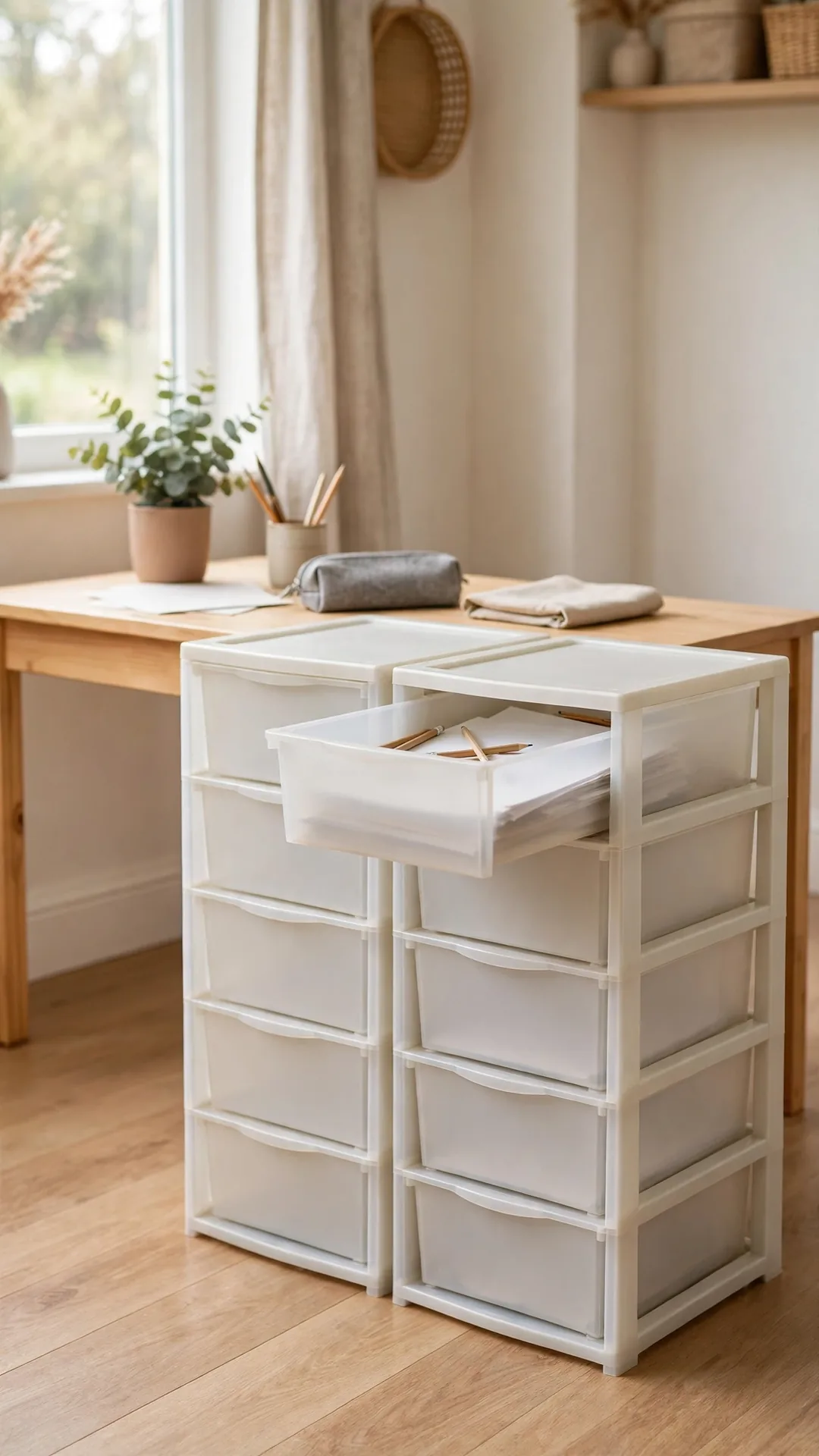
Slim drawer towers swallow the small stuff that clutters tables. One drawer per category keeps paper, pencils and craft bits apart. The flat top doubles as a landing spot for the caddy.
How to do it:
- Pick towers about 12 inches wide and counter height.
- Put daily tools in the top drawer within easy reach.
- Keep heavy paper and books in the lowest drawer.
- Park the tower at the table end, wheels locked.
Best for: Supplies that currently live in piles.
Budget: $20 to $45
Quick tip: Clear drawer fronts end the daily guessing game.
25. Use Clear Door Pockets for Small Supplies
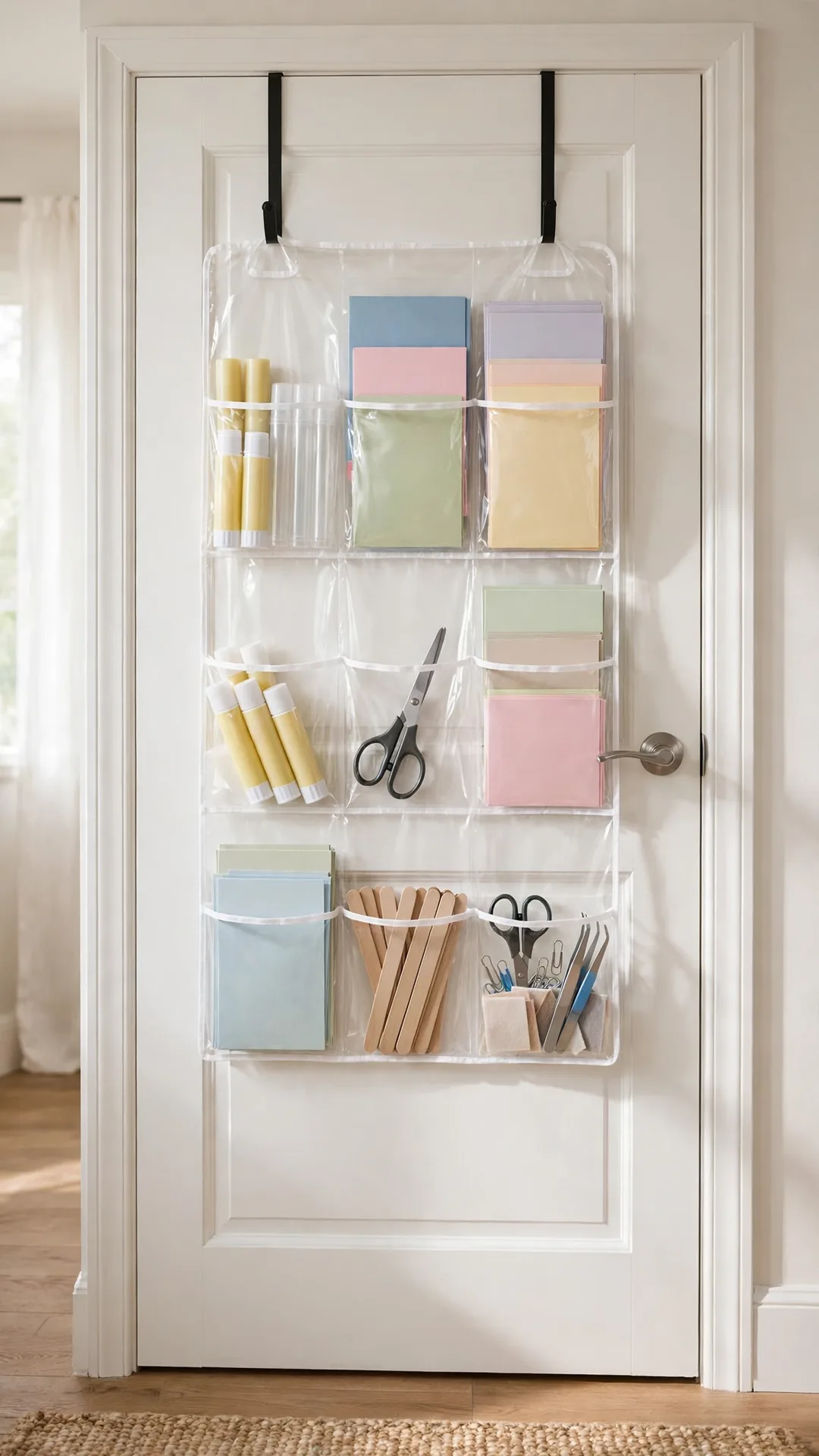
The back of a door holds a surprising amount of school gear. Clear pockets keep flashcards, glue sticks and small tools visible and sorted. The floor and table give up nothing at all.
How to do it:
- Hang the organizer from two sturdy over-door hooks.
- Put heavy items in the lowest pockets only.
- Give each row one job, like cards or crafts.
- Check the door still closes fully before loading it.
Best for: Doors near the school table.
Budget: $10 to $20
Quick tip: A shoe organizer with 24 pockets fits most kits.
26. Store Art Supplies in a Divided Tote
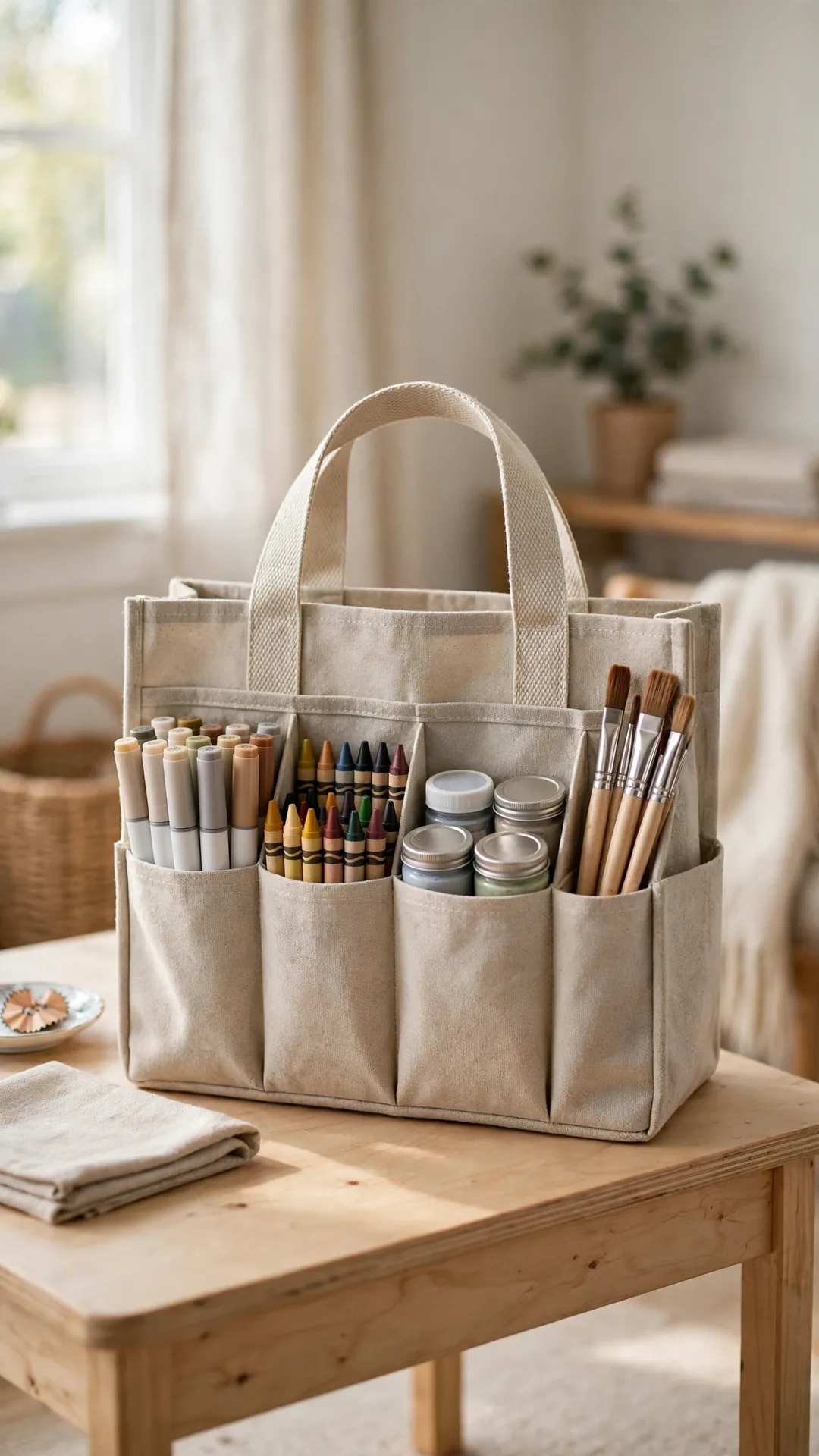
Portable art storage belongs in most small homeschool room ideas for shared tables. One tote carries markers, crayons, paint and brushes to any surface. When art ends, the whole mess leaves with one handle.
How to do it:
- Pick a tote with at least six divided sections.
- Keep paints in one sealed section with a lid.
- Add a small trash cup inside for peelings and scraps.
- Store the tote on a shelf, never on the floor.
Best for: Art lessons at the dining table.
Budget: $10 to $22
Quick tip: Restock the tote during Friday's five-minute tidy.
27. Add a Paper Tray Stack for Worksheets
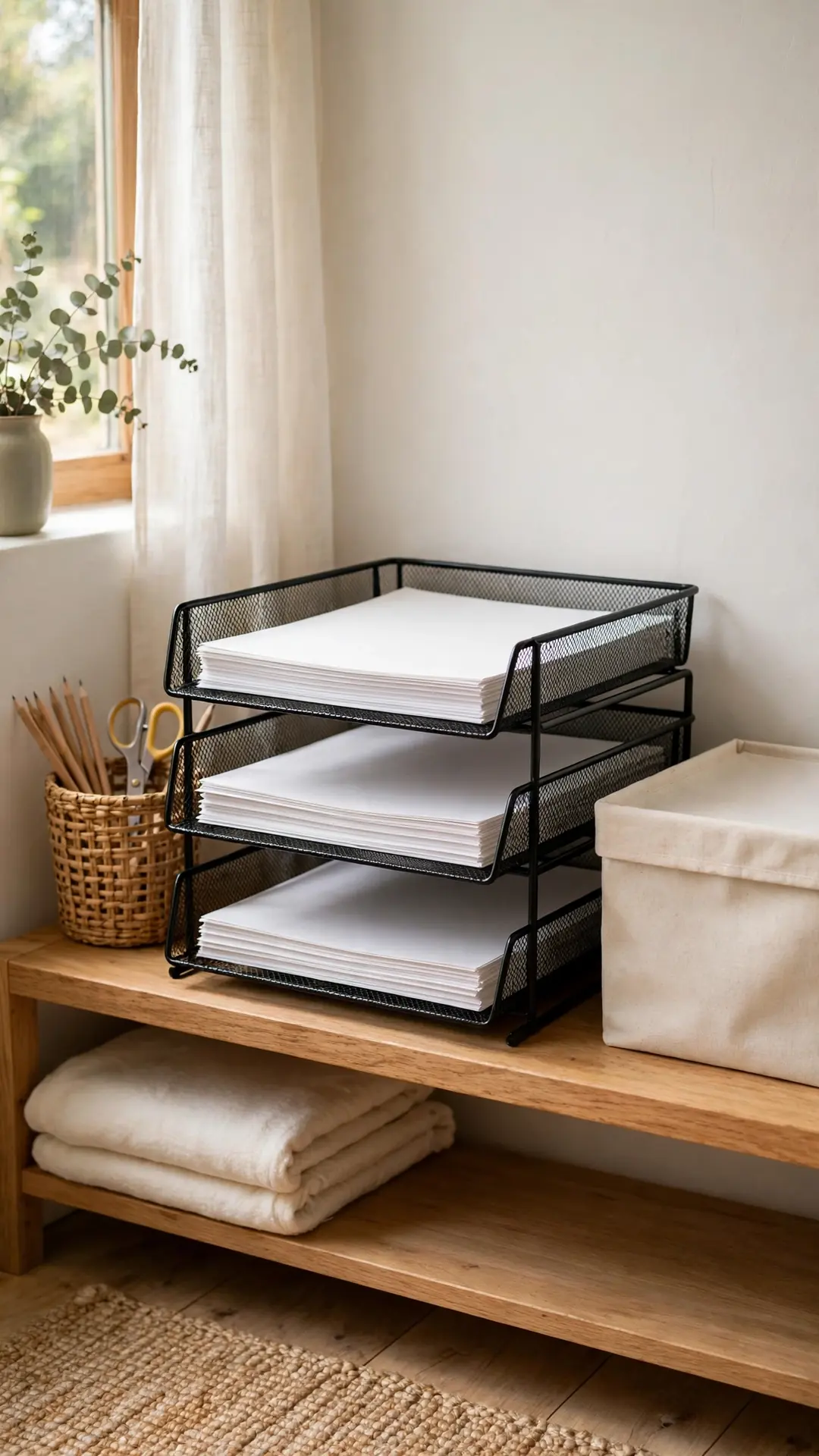
Loose worksheets need a landing system, not a bigger pile. Three stacked trays sort new work, finished work and blank paper. Each tray is one clear decision for small hands.
How to do it:
- Choose trays that fit letter paper with room to spare.
- Put new worksheets in the top tray each morning.
- Move finished pages to the middle tray for checking.
- Keep blank paper in the bottom tray only.
Best for: Paper-heavy curriculums and printables.
Budget: $10 to $20
Quick tip: Empty the finished tray every Friday without fail.
28. Mount Cups on the Wall for Pencils
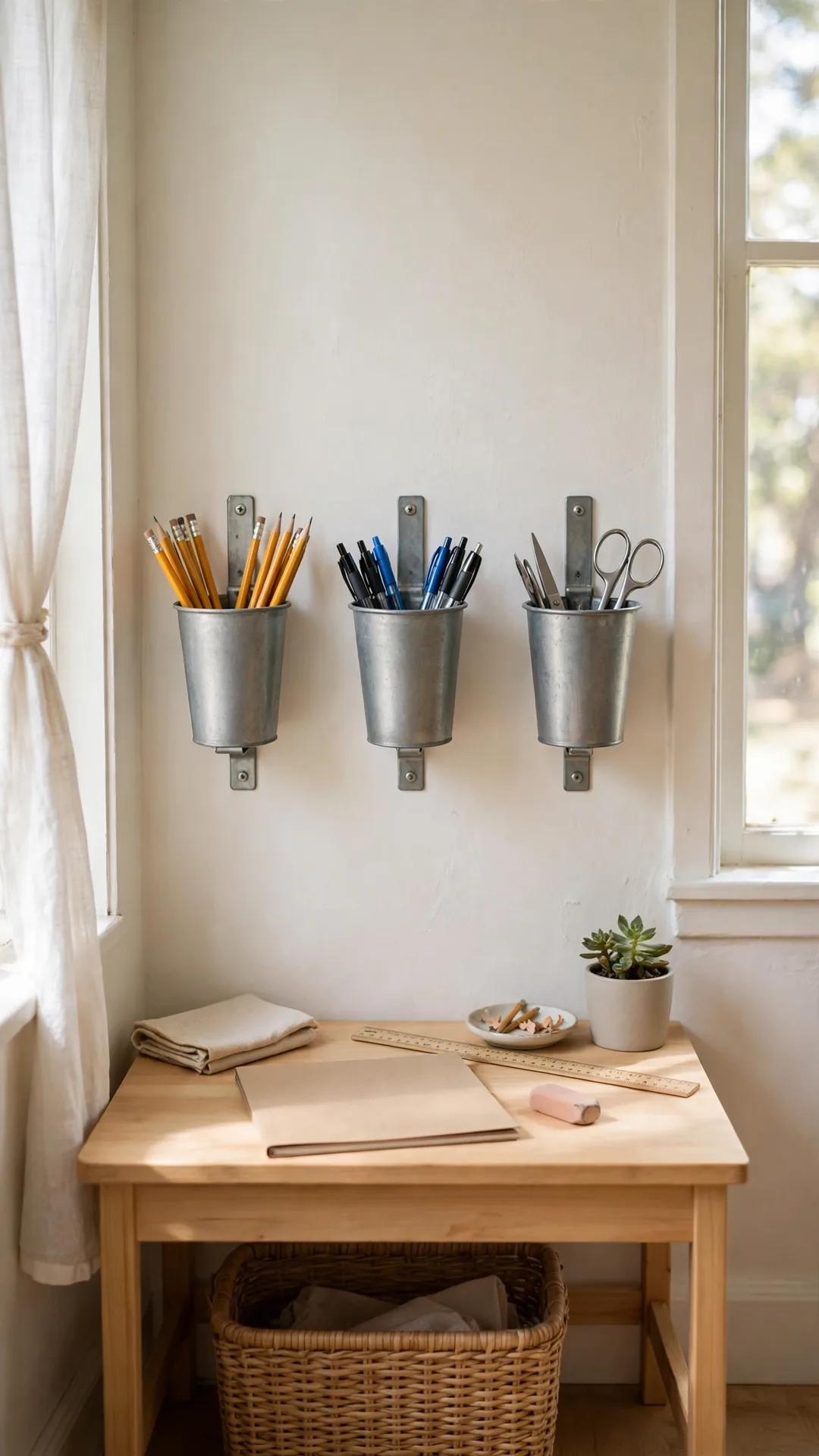
Wall cups lift pencils off the desk and out of the spill zone. Each cup holds one tool type, so grabbing stays fast. Kids can reach them seated, which keeps lessons moving.
How to do it:
- Mount three cups about 40 inches from the floor.
- Use strong adhesive strips if you rent the home.
- Sort pencils, pens and scissors into separate cups.
- Keep one empty cup for broken tips and stubs.
Best for: Desks too small for a caddy.
Budget: $6 to $14
Quick tip: Metal cups survive drops better than thin plastic.
29. Park a Supply Shelf at Kid Height
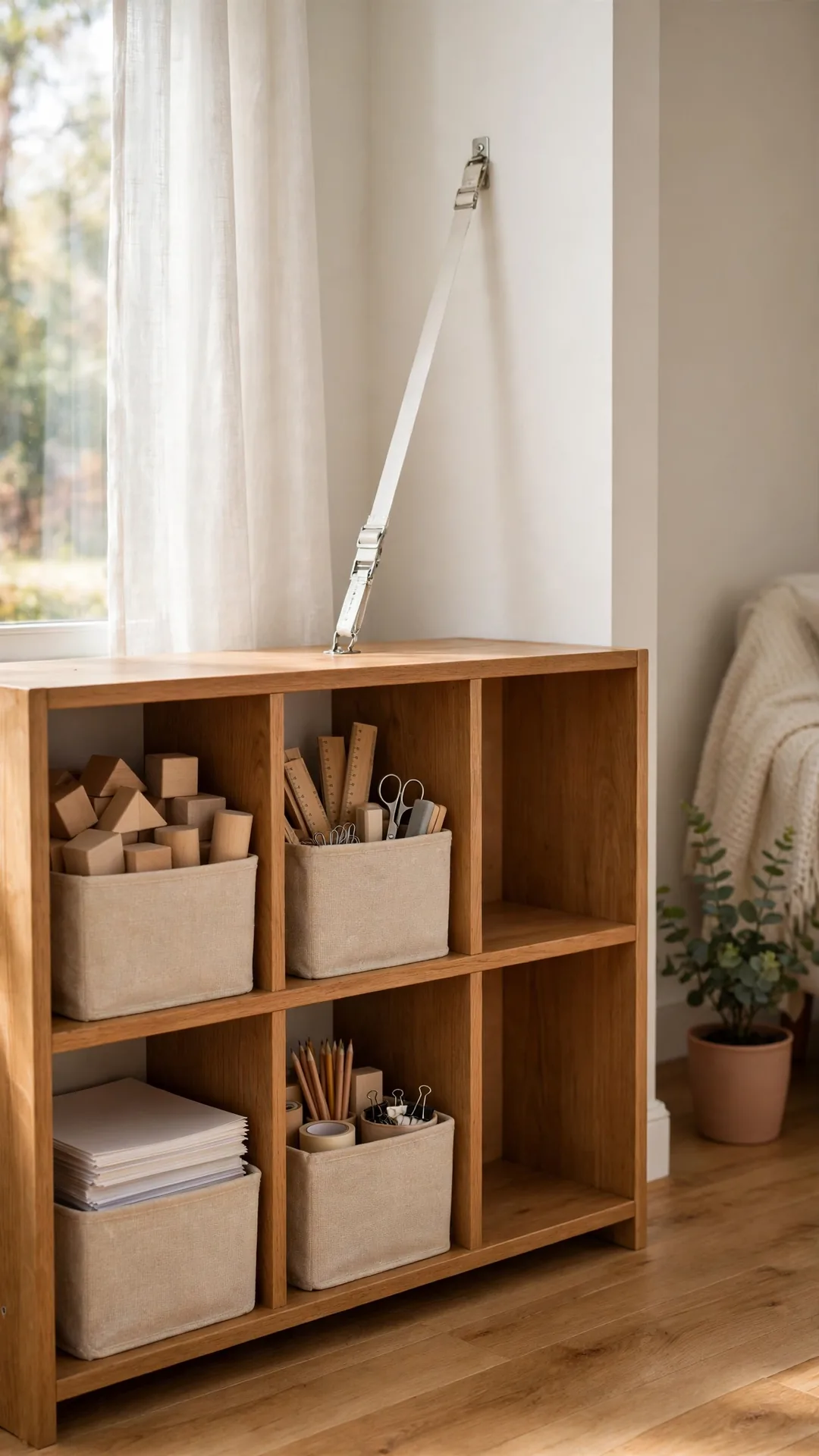
Low shelves power small homeschool room ideas because kids can tidy alone. Bins of blocks, paper and tools sit where small arms reach safely. Anchor the shelf to the wall before anything goes on it.
How to do it:
- Choose a shelf no taller than 36 inches.
- Fix the anti-tip strap to a wall stud first.
- Put heavy bins on the lowest shelf only.
- Leave one shelf slot empty for this week's project.
Best for: Independent tidy-up routines for young kids.
Budget: $30 to $70
Quick tip: Kid-height shelves get used while high ones get forgotten.
30. Face Books Forward in a Slim Rack
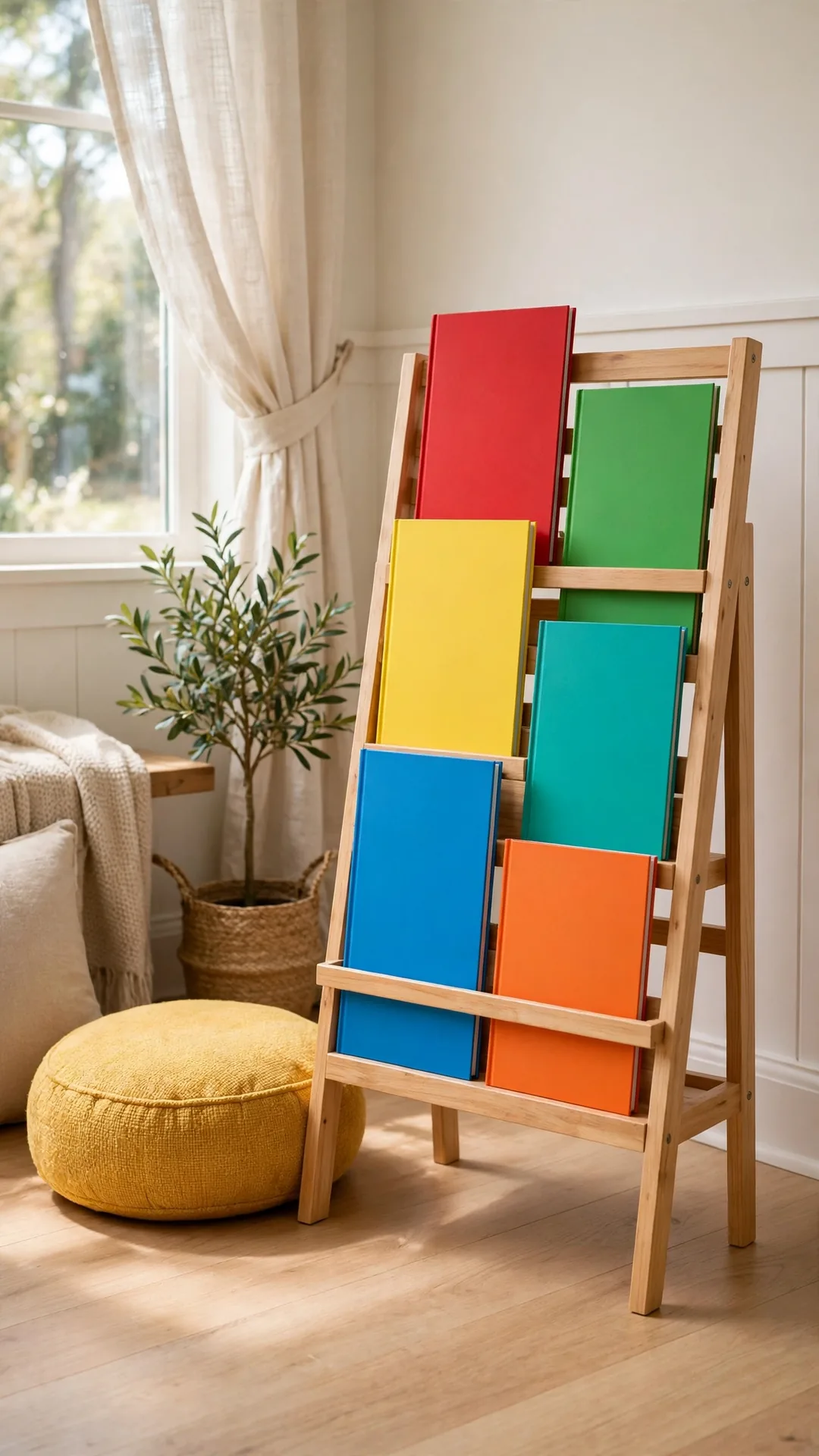
Forward-facing racks let young readers choose by cover, not by spine. The slim frame takes four inches of wall or floor space. The calm, spare look borrows from japandi small apartment ideas, where every object earns its spot.
How to do it:
- Pick a rack with three or four shallow rows.
- Keep only eight to ten books out at once.
- Stand the rack beside the reading cushion or chair.
- Refill rows from the book crate each Sunday.
Best for: Preschoolers and early readers choosing books.
Budget: $25 to $50
Quick tip: Fewer books out means more books actually read.
31. Use a Low Bookcase as a Divider
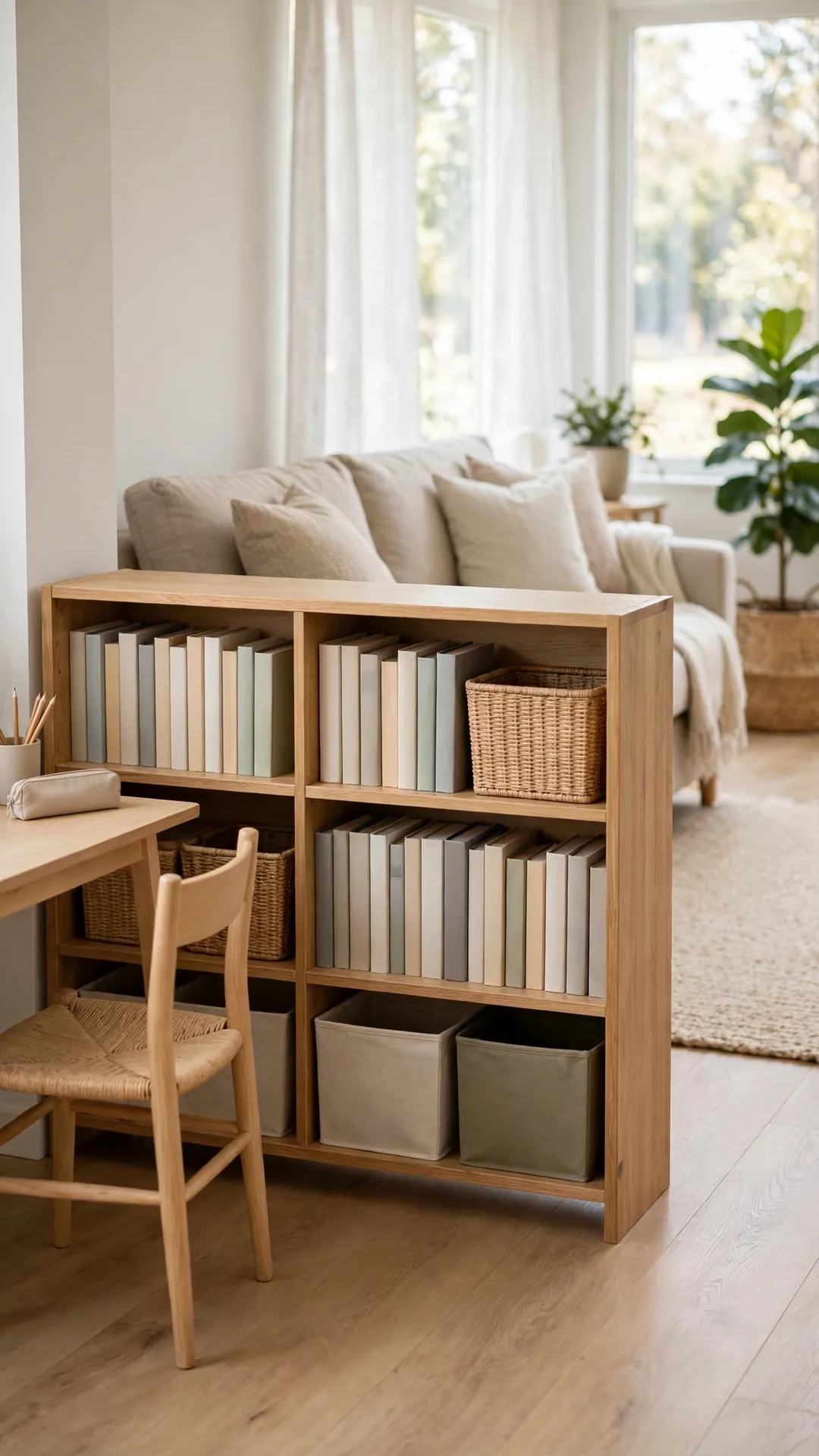
A low bookcase can split one room into school and family zones. Books face the school side while bins hide the mess from the sofa. The look pairs well with these home decor ideas for a living room in a small space.
How to do it:
- Choose a case about 30 to 36 inches tall.
- Anchor it if kids will lean or climb nearby.
- Fill the top with a plant or the supply caddy.
- Leave a walkway of 30 inches behind the case.
Best for: Living rooms that host school daily.
Budget: $45 to $110
Quick tip: Back the case with fabric bins for a clean look.
32. Store Curriculum in Cubes With Blank Tags
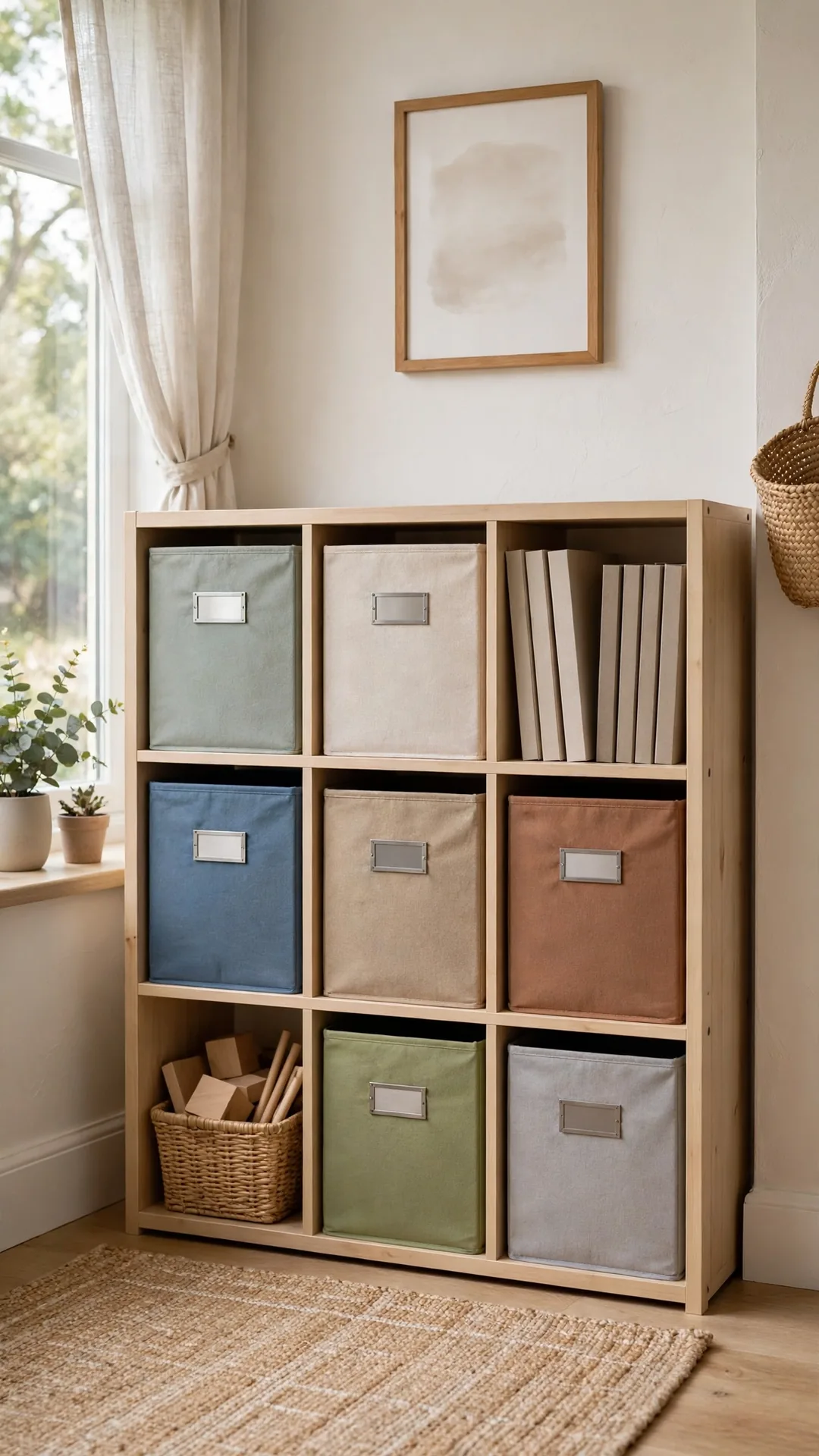
Cube shelves give every subject set a square home of its own. Teacher guides, student books and manipulatives stay together by term. Demme Learning shares homeschool organization ideas for small spaces built around one bin per subject.
How to do it:
- Use 11-inch cubes for standard workbooks and guides.
- Fit one fabric bin per cube for loose pieces.
- Keep this term's cubes at child height for access.
- Move next term's sets to the top row.
Best for: Boxed curriculums with many loose parts.
Budget: $40 to $90
Quick tip: One subject per cube ends the morning hunt.
33. Give Each Term One Book Crate
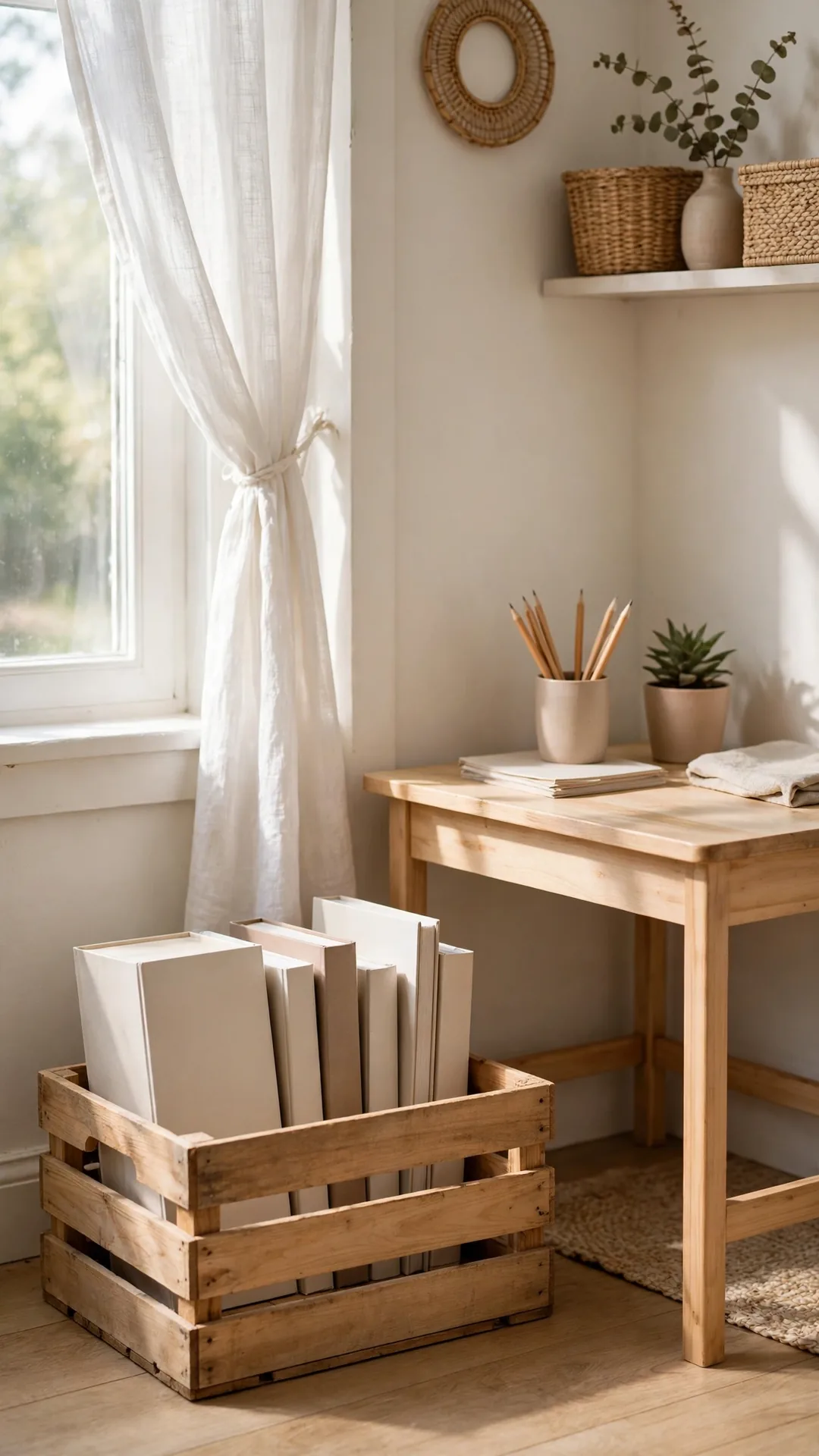
Crates keep small homeschool room ideas tidy one term at a time. This term's readers and workbooks live in one wooden crate by the desk. Last term's books move to a closet, out of sight.
How to do it:
- Pick a crate about 16 by 12 inches inside.
- Stand books upright so covers stay easy to flip.
- Keep the crate on the floor beside the chair.
- Swap crate contents on the first day of term.
Best for: Rotating readers and seasonal unit studies.
Budget: $12 to $25
Quick tip: A crate that feels heavy needs two smaller ones.
34. Add Picture Ledges for Rotating Reads
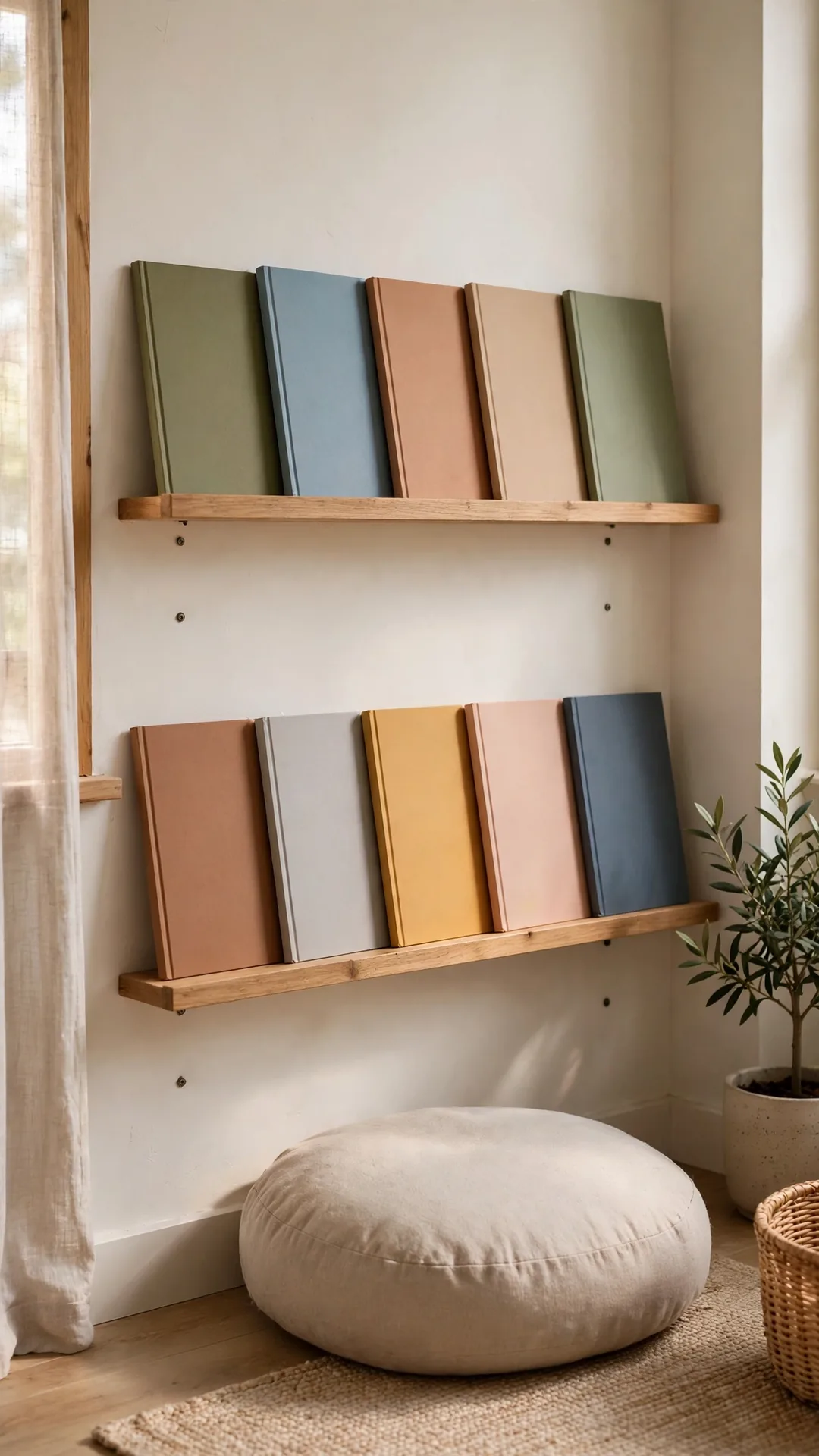
Picture ledges show this week's read-alouds like a tiny bookshop. Covers face out, so choosing a story takes seconds. Swap the lineup each week and old books feel new again.
How to do it:
- Mount ledges about 24 inches long above cushion height.
- Screw ledges into studs, since books add real weight.
- Keep four to six books per ledge, no more.
- Place the reading cushion directly below the ledges.
Best for: Read-aloud corners in bedrooms and nooks.
Budget: $15 to $30 per ledge
Quick tip: Rotate one book daily and interest stays high.
35. Tuck a Book Basket Beside Each Seat
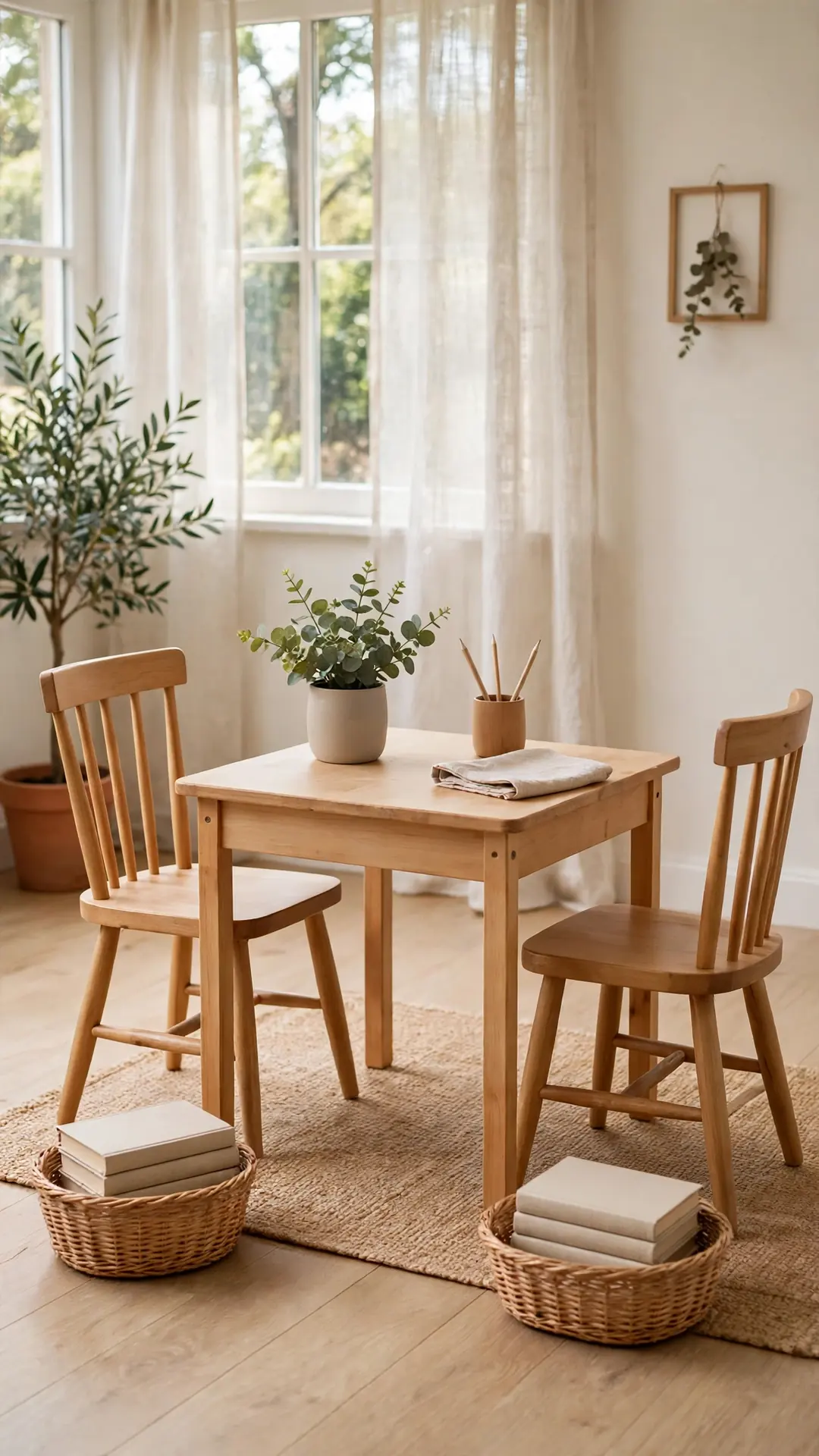
A small basket beside each seat keeps current reading within reach. Kids stop wandering to the shelf mid-lesson for one more book. Each basket holds only what fits without forcing.
How to do it:
- Choose baskets about 10 inches wide with low sides.
- Keep three to five books per basket at most.
- Park baskets under chairs when the floor needs clearing.
- Return stray books to baskets during the tidy.
Best for: Independent reading time at shared tables.
Budget: $6 to $12 each
Quick tip: A full basket is the signal to swap, not stuff.
36. File Finished Work in Slim Binders
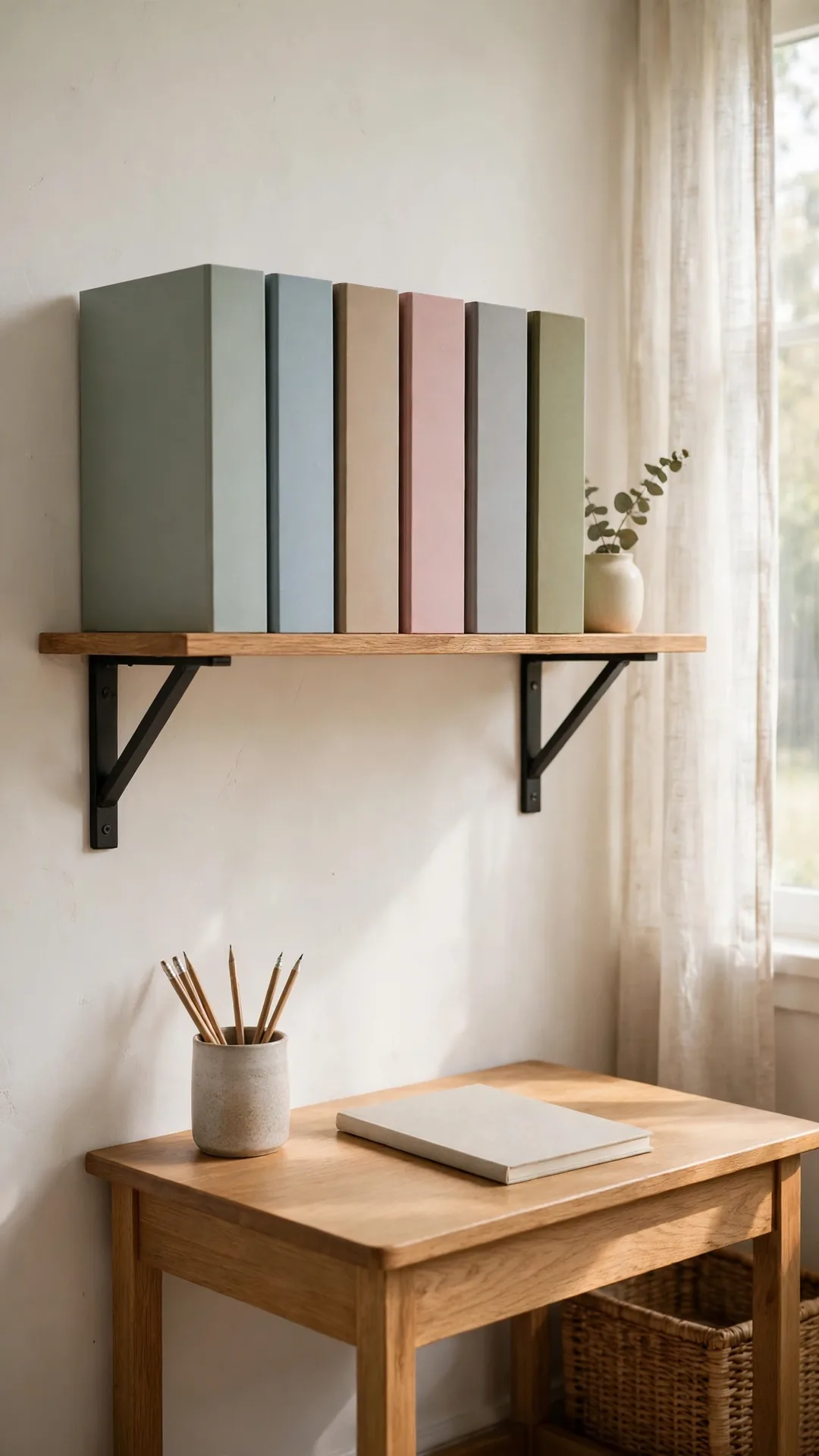
Slim binders give small homeschool room ideas a clean finish line. Finished pages leave the tray and land in one binder per subject. At term's end, the binder becomes the record and the keepsake.
How to do it:
- Use 1-inch binders so full ones stay light.
- Punch pages weekly before the pile grows tall.
- Keep one binder per subject on a single shelf.
- Store last year's binders in a closet box.
Best for: Families who keep work samples yearly.
Budget: $3 to $6 per binder
Quick tip: Date pages as they land and filing stays painless.
37. Hang an Unlabeled World Map
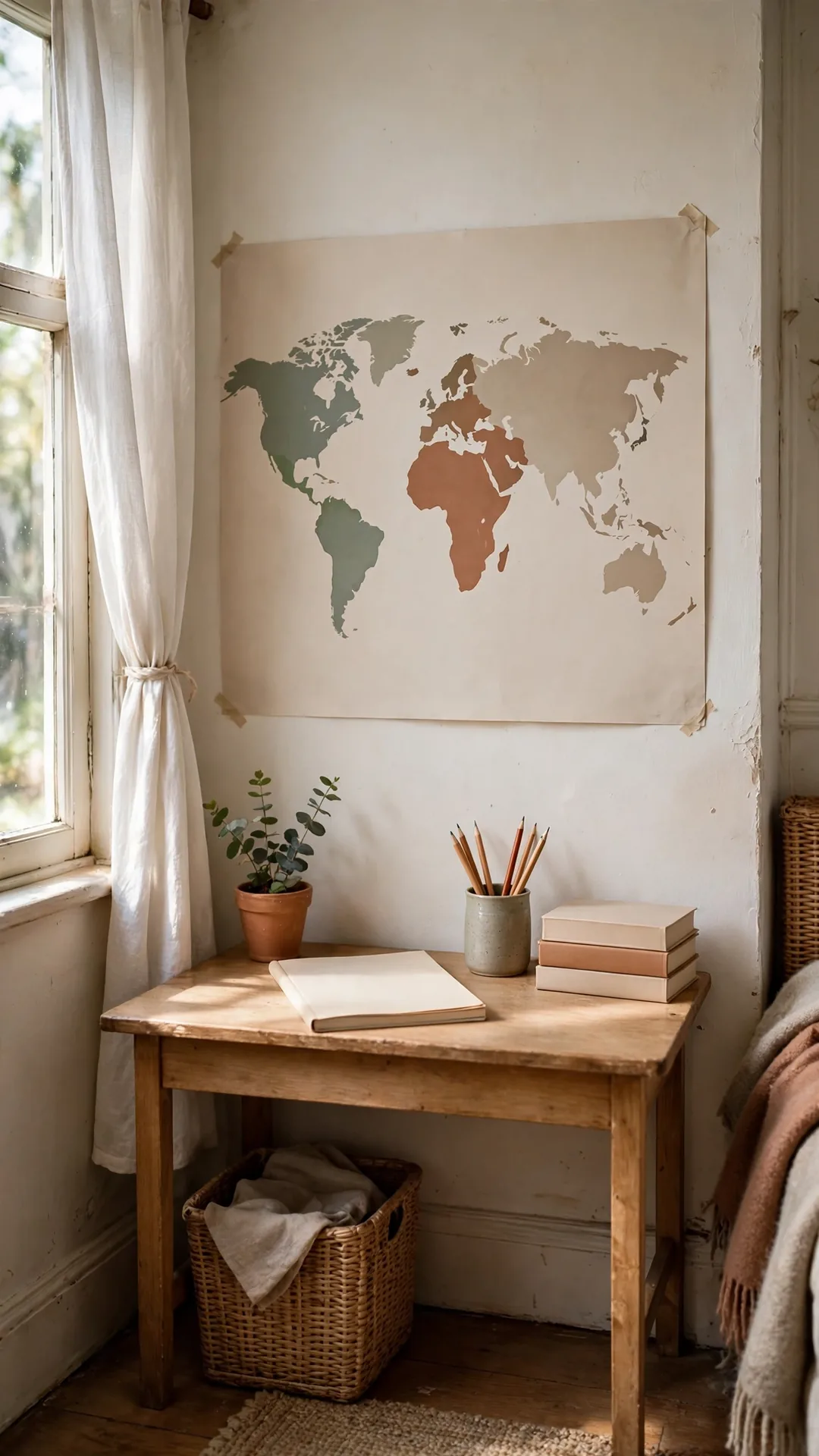
A big map turns a blank wall into a daily reference. Choose one with muted colors and no printed words to keep it calm. Kids point to oceans and continents during stories and lessons.
How to do it:
- Pick a map about 36 by 24 inches for wall space.
- Hang the bottom edge near seated eye level.
- Use removable strips if your walls are rented.
- Keep a pointer stick in the pencil cup nearby.
Best for: Geography talks during read-aloud time.
Budget: $12 to $30
Quick tip: Mark home with one small star sticker together.
38. Pin Finished Work on a Cork Gallery
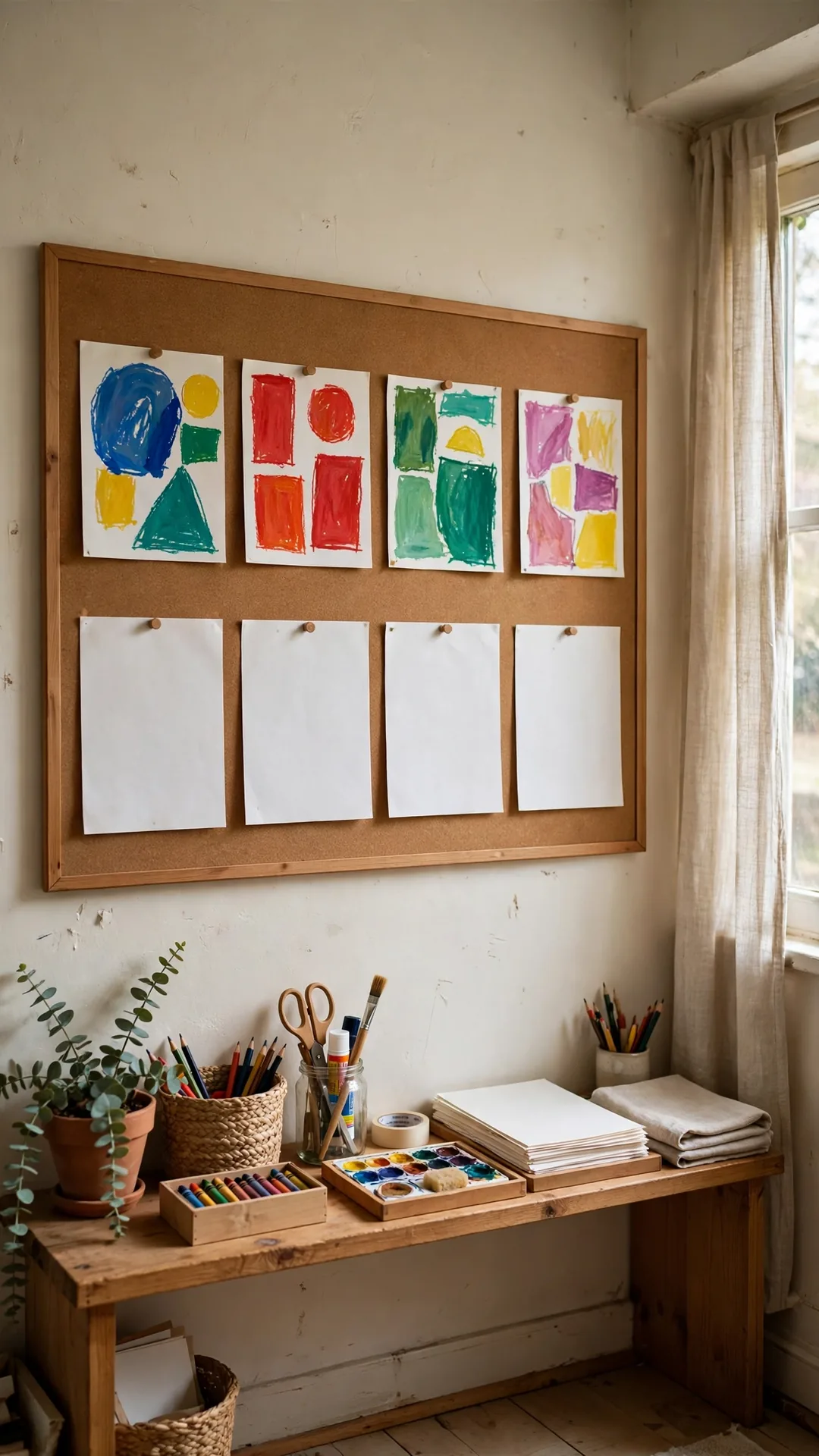
A cork board gallery gives finished work a proud, tidy home. Kids pin their best page each week and retire the rest. The board keeps fridge doors and walls free of tape marks.
How to do it:
- Hang a board about 36 by 24 inches at kid height.
- Use flat push pins only where adults can supervise.
- Give each child one row or one half.
- Clear the board monthly and file the keepers.
Best for: Art and writing worth showing off.
Budget: $15 to $30
Quick tip: One best page per week keeps pinning special.
39. String a Clothesline for Fresh Artwork
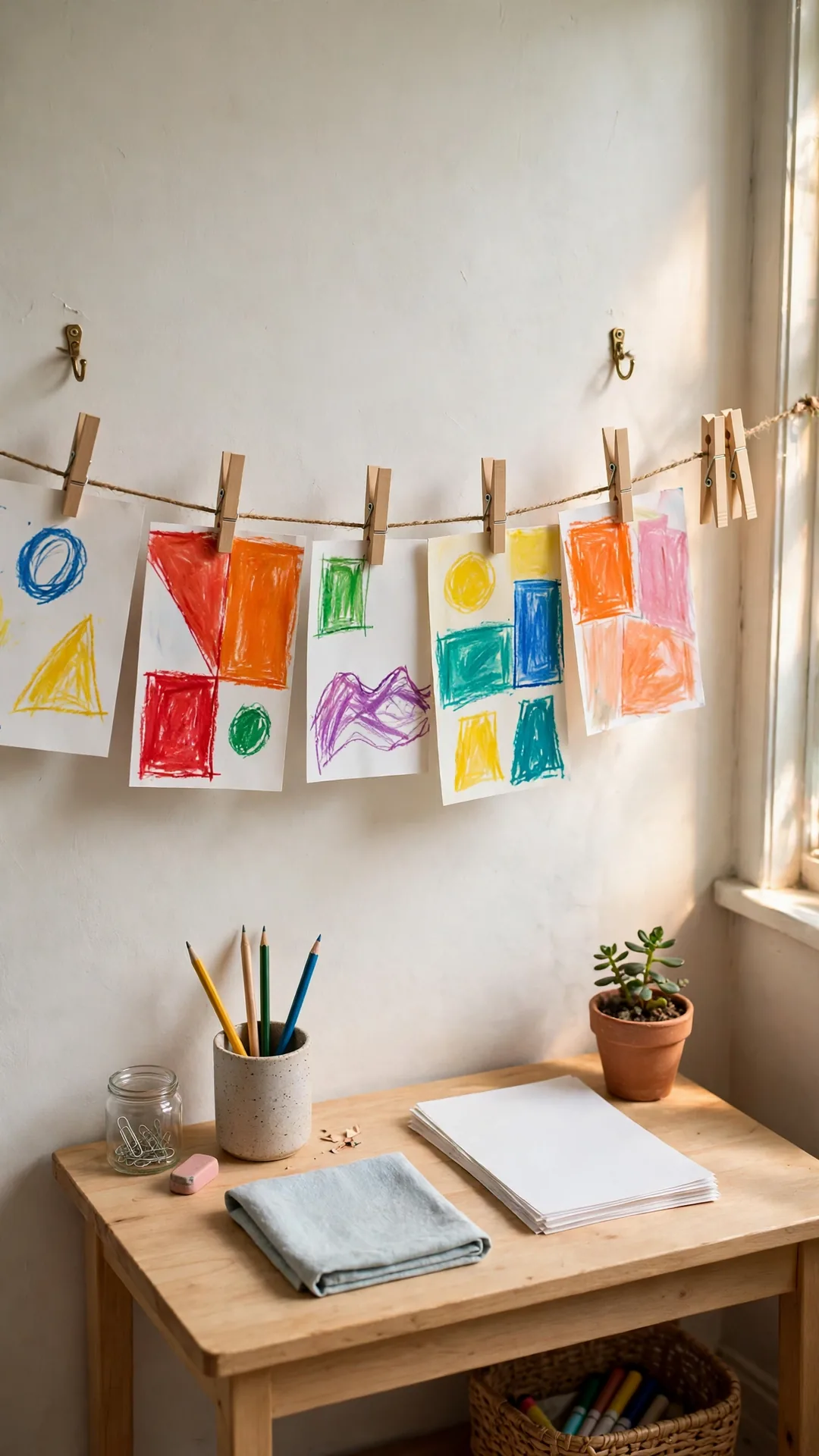
String lines are small homeschool room ideas that double as rotating galleries. Wet paintings dry on the line, then stay up as this week's display. Two hooks and twine turn any wall into a gallery.
How to do it:
- Run twine about 5 feet between two wall hooks.
- Use wooden clothespins that small hands can squeeze.
- Hang the line above desk height, out of walkways.
- Take art down weekly and file or recycle it.
Best for: Painting-heavy weeks and wet projects.
Budget: $5 to $12
Quick tip: Leave two pins empty so new art always fits.
40. Teach From a Blank Easel Whiteboard
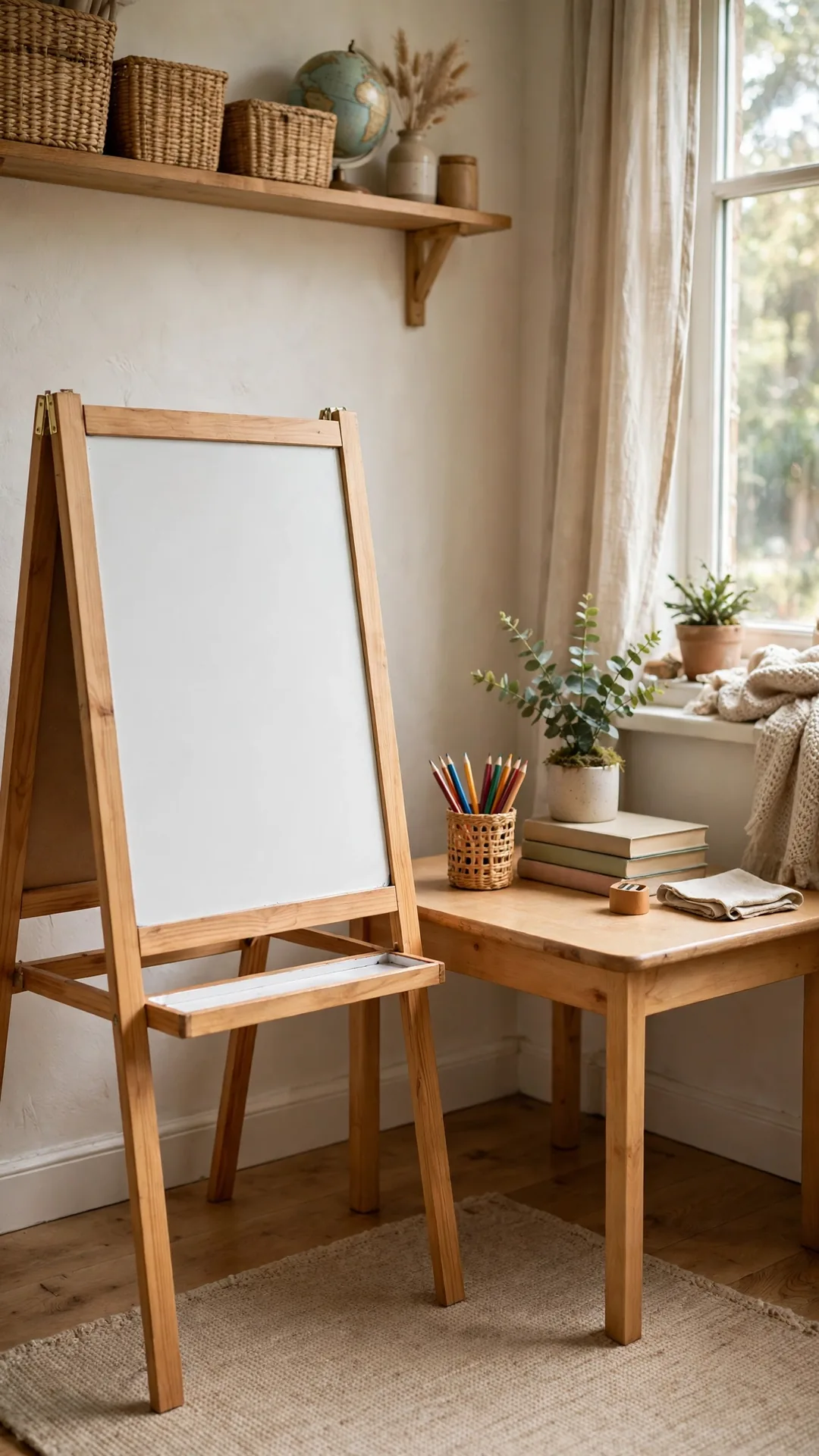
An easel whiteboard brings the lesson to wherever the kids sit. Work the example, then wheel or carry it aside for practice time. The blank board stores flat against a wall between lessons.
How to do it:
- Pick an easel that adjusts from 36 to 48 inches.
- Choose a board near 24 by 18 inches for small rooms.
- Keep markers and an eraser in the easel tray.
- Fold the legs flat before leaning it away.
Best for: Math talks and group lessons.
Budget: $30 to $60
Quick tip: One color marker per step keeps examples clear.
41. Add a Felt Board for Hands-On Lessons
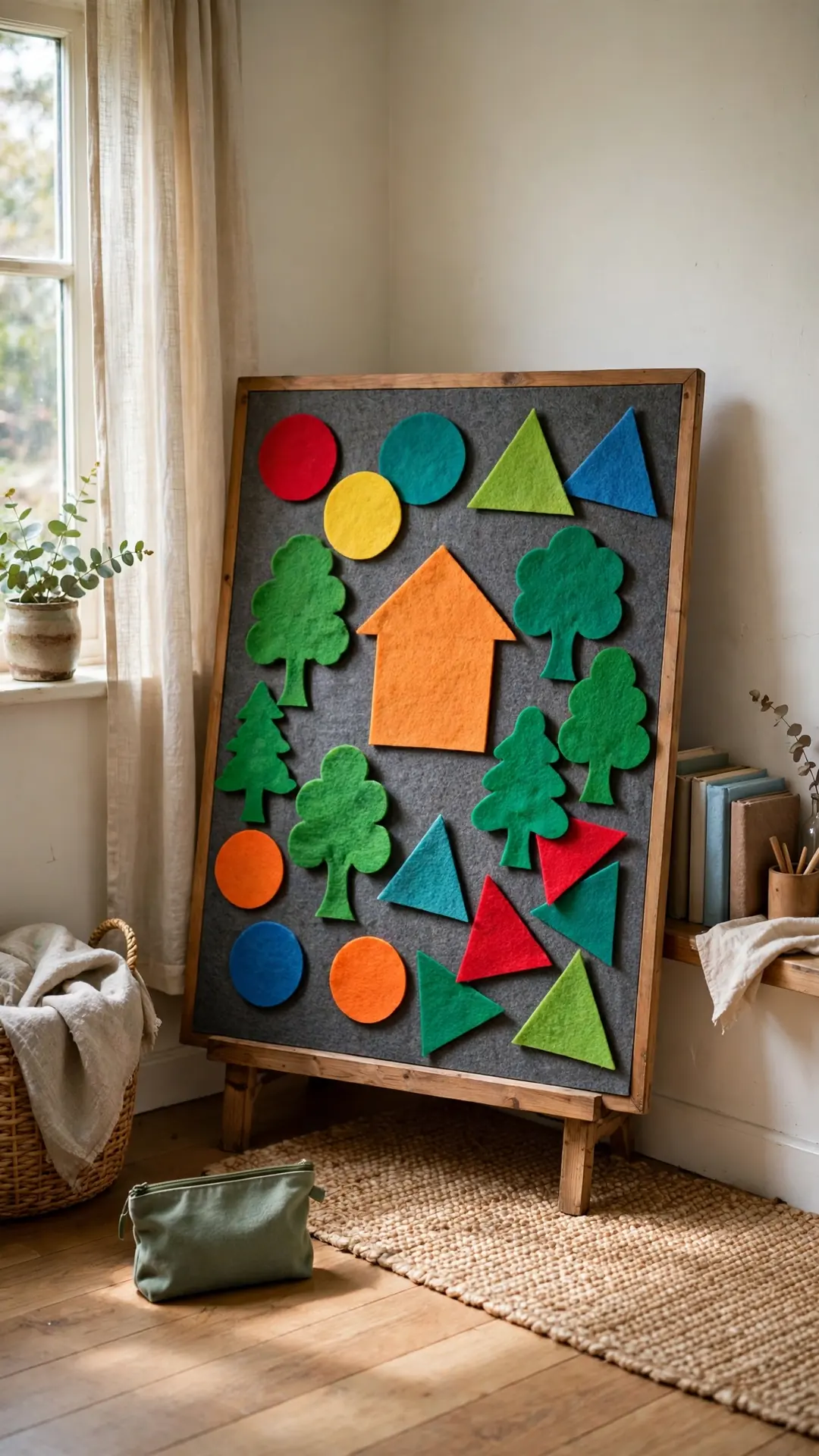
A felt board lets little kids build stories and math with their hands. Colored shapes stick with no glue, tape or mess at all. Lean it on a low stand and store pieces in one pouch.
How to do it:
- Use a board about 24 by 18 inches for table work.
- Cut simple shapes from stiff felt in bright colors.
- Keep pieces in one zip pouch per theme.
- Stand the board where small siblings cannot pull it.
Best for: Preschool story time and counting games.
Budget: $12 to $25
Quick tip: Start with twenty shapes, since more pieces mean more mess.
42. Mount a Shelf for the Read-Aloud Stack
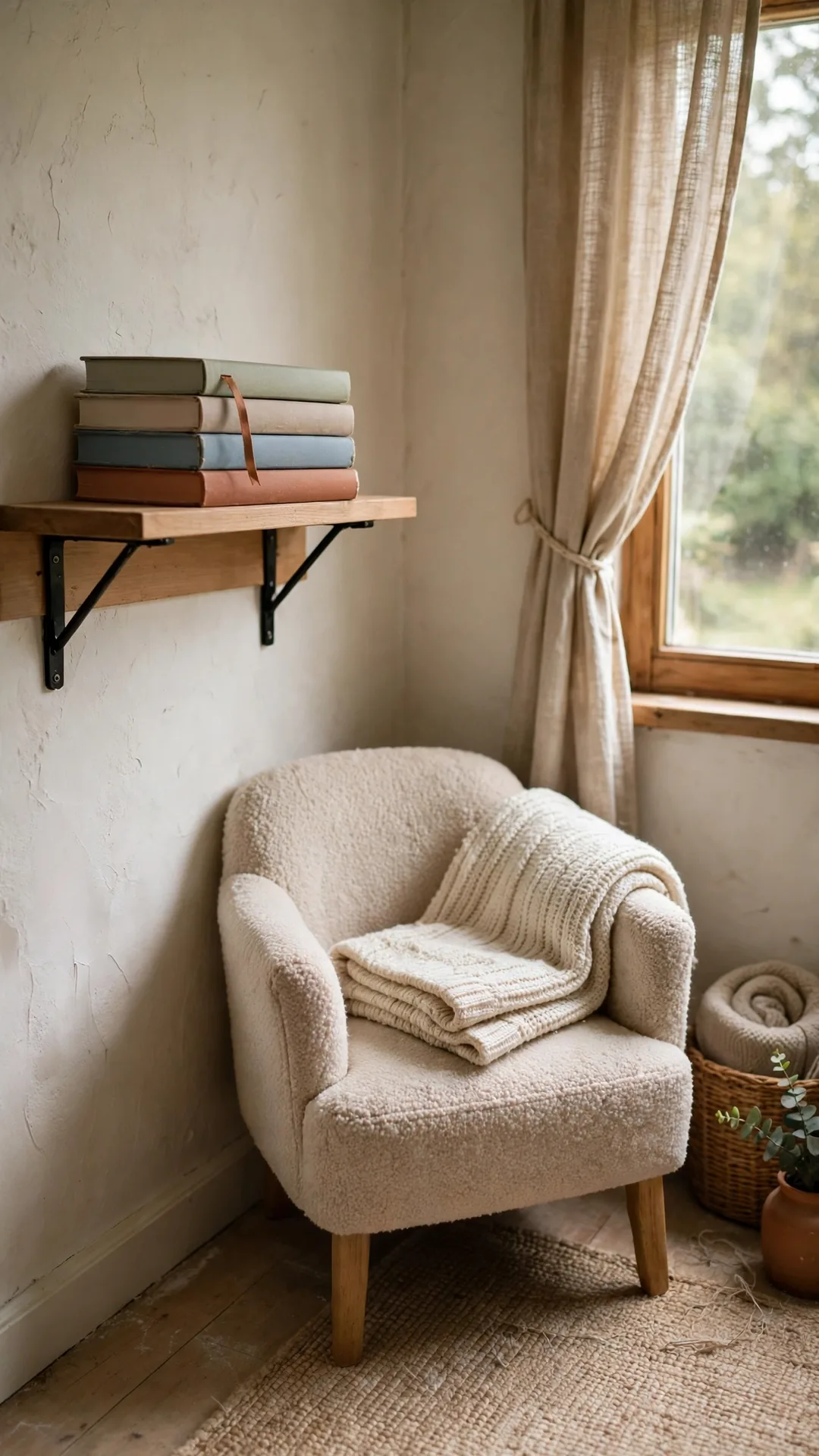
One small shelf beside the reading chair holds the current read-aloud stack. Books stay off the floor and the next chapter is always close. The stack stays short, which keeps the corner calm.
How to do it:
- Mount a shelf about 18 inches long beside the chair.
- Set it at seated arm height for easy grabs.
- Keep the stack at five books or fewer.
- Return finished books to the crate every Sunday.
Best for: Daily read-aloud routines in snug corners.
Budget: $10 to $22
Quick tip: Keep the bookmark in the top book, always.
43. Hang a Pocket Chart With Blank Cards
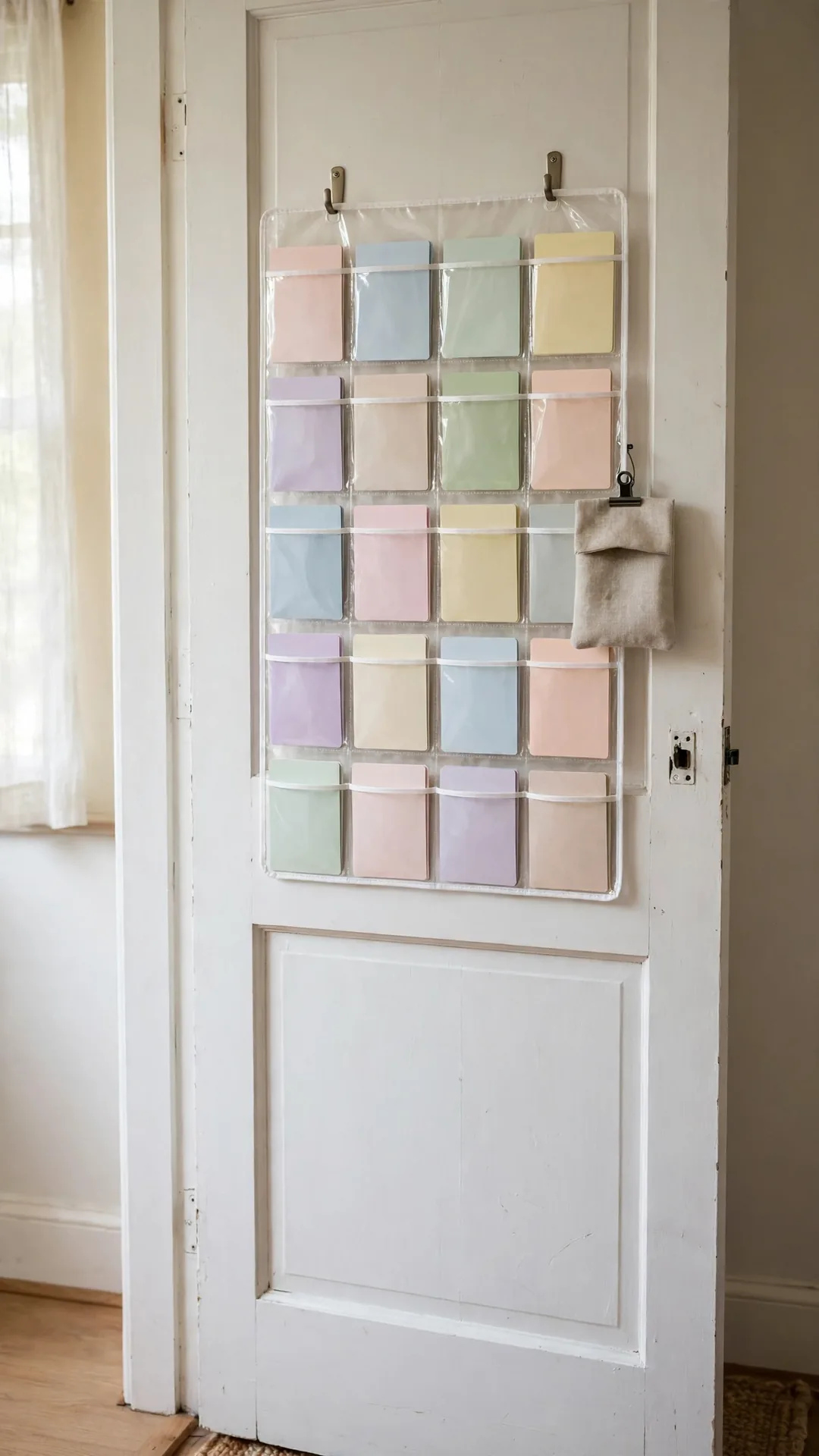
Pocket charts bring small homeschool room ideas onto wasted door space. Clear rows hold blank colored cards for sorting, matching and word games. The chart rolls up when guests come over.
How to do it:
- Pick a chart about 24 by 28 inches with five rows.
- Hang it from two hooks on a door or wall.
- Keep cards in one pouch clipped to the side.
- Use one card color per game or subject.
Best for: Word games and schedule practice.
Budget: $12 to $22
Quick tip: Blank cards invite reuse across every subject.
44. Swap Materials Weekly From a Closet
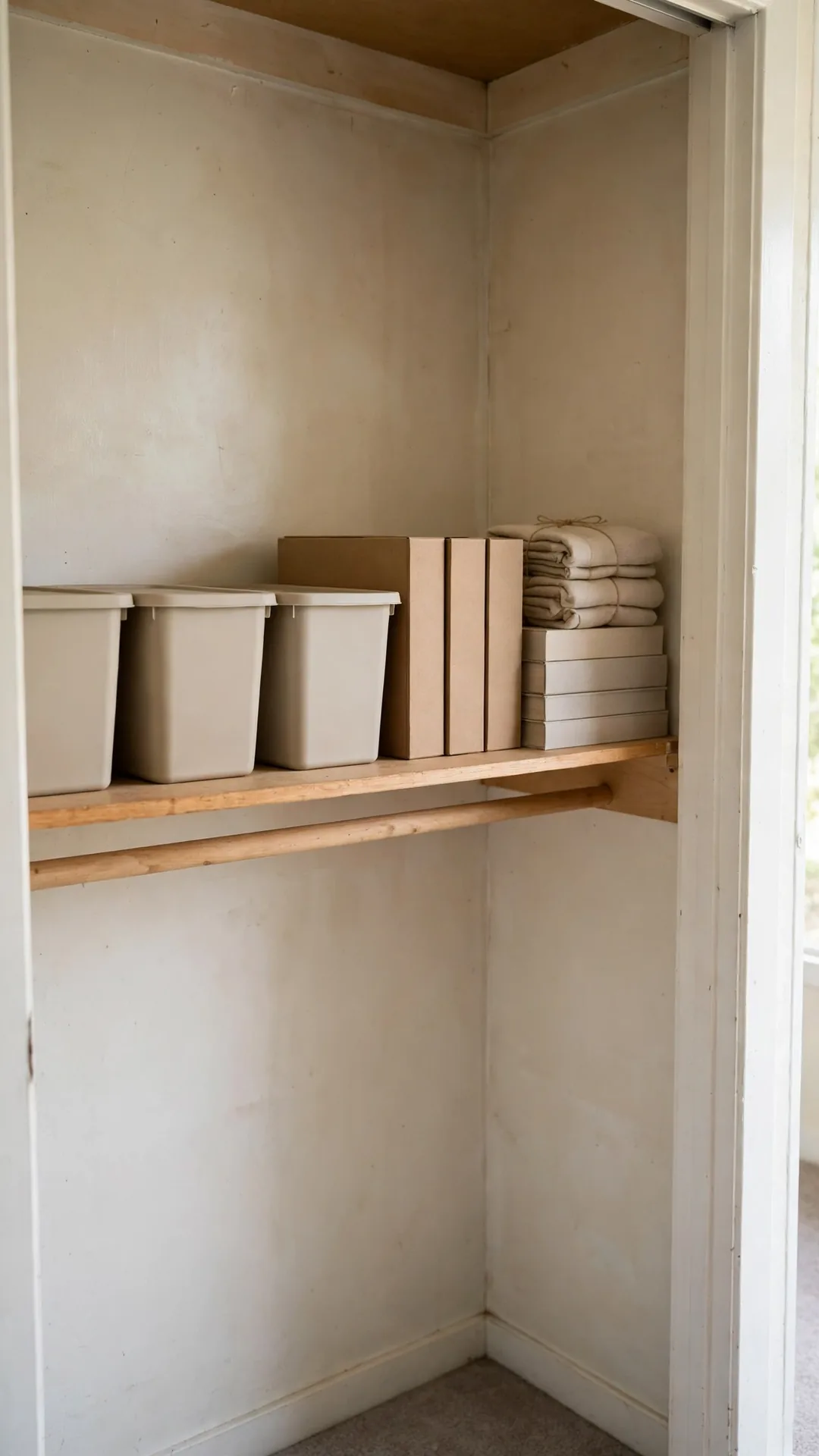
Rotation keeps the school corner fresh without buying more stuff. Back stock waits in a closet: puzzles, games and next month's books. If back stock lives near the laundry, these farmhouse small space laundry room ideas keep those shelves tidy too.
How to do it:
- Give back stock one closet shelf or one high shelf.
- Swap five to eight items every Sunday evening.
- Keep a plain list of what waits in storage.
- Bring one new item out per item put away.
Best for: Small corners that bore kids quickly.
Budget: Free to $15
Quick tip: Rotation day works best on a fixed weekday.
45. Keep Your Parent Station in One Tote
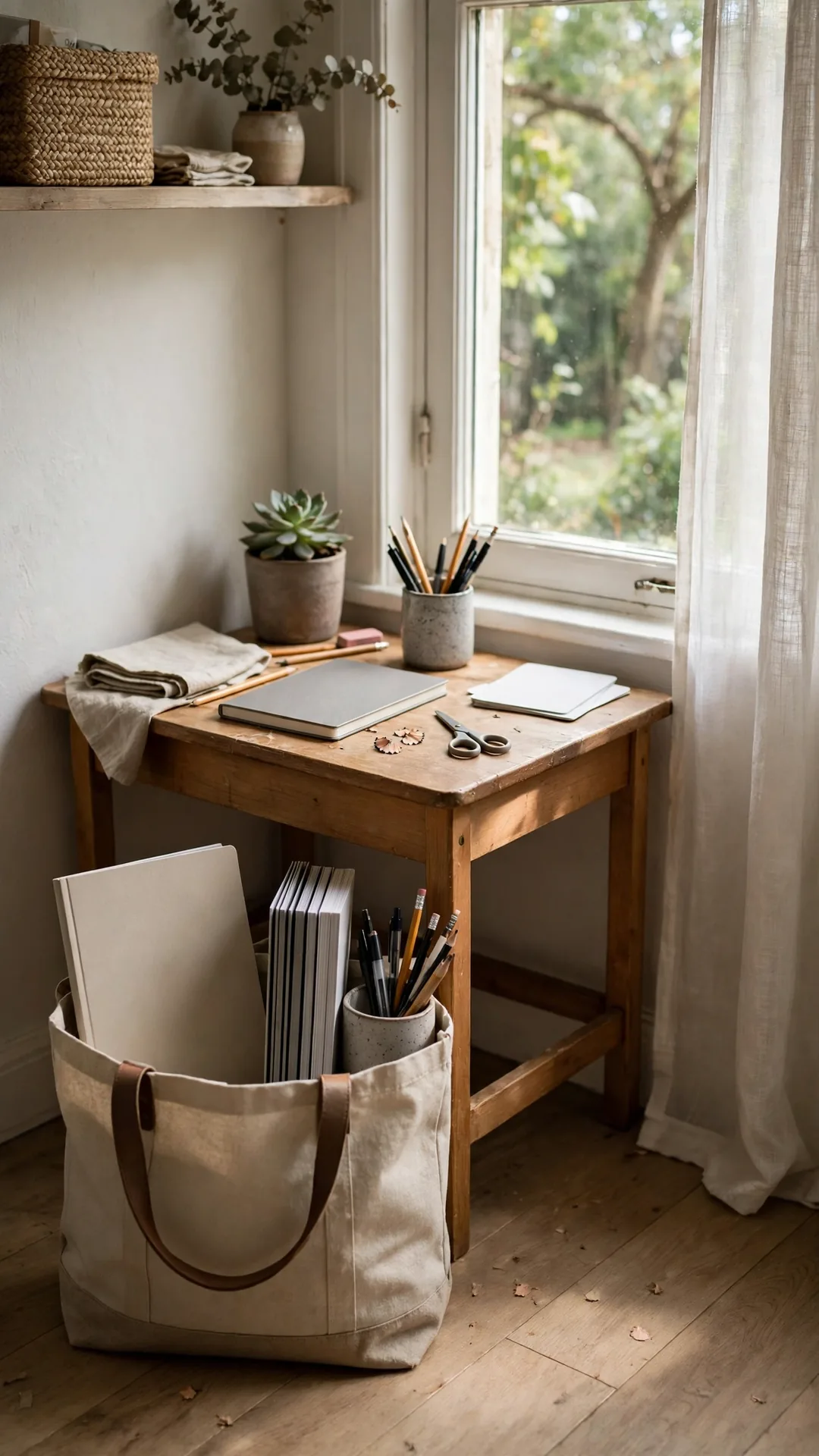
Your guides, planner and pens deserve one home too. A parent tote keeps answer keys and records off the kids' table. Carry it in at lesson time and out again after.
How to do it:
- Pick a tote wide enough for letter-size guides.
- Keep the planner and answer keys in one section.
- Add pens, sticky notes and a small calculator.
- Store the tote on your shelf, not the floor.
Best for: Parents teaching at shared family tables.
Budget: $10 to $20
Quick tip: If it is not for teaching, it leaves the tote.
46. Set Up a Small Shelf Just for You
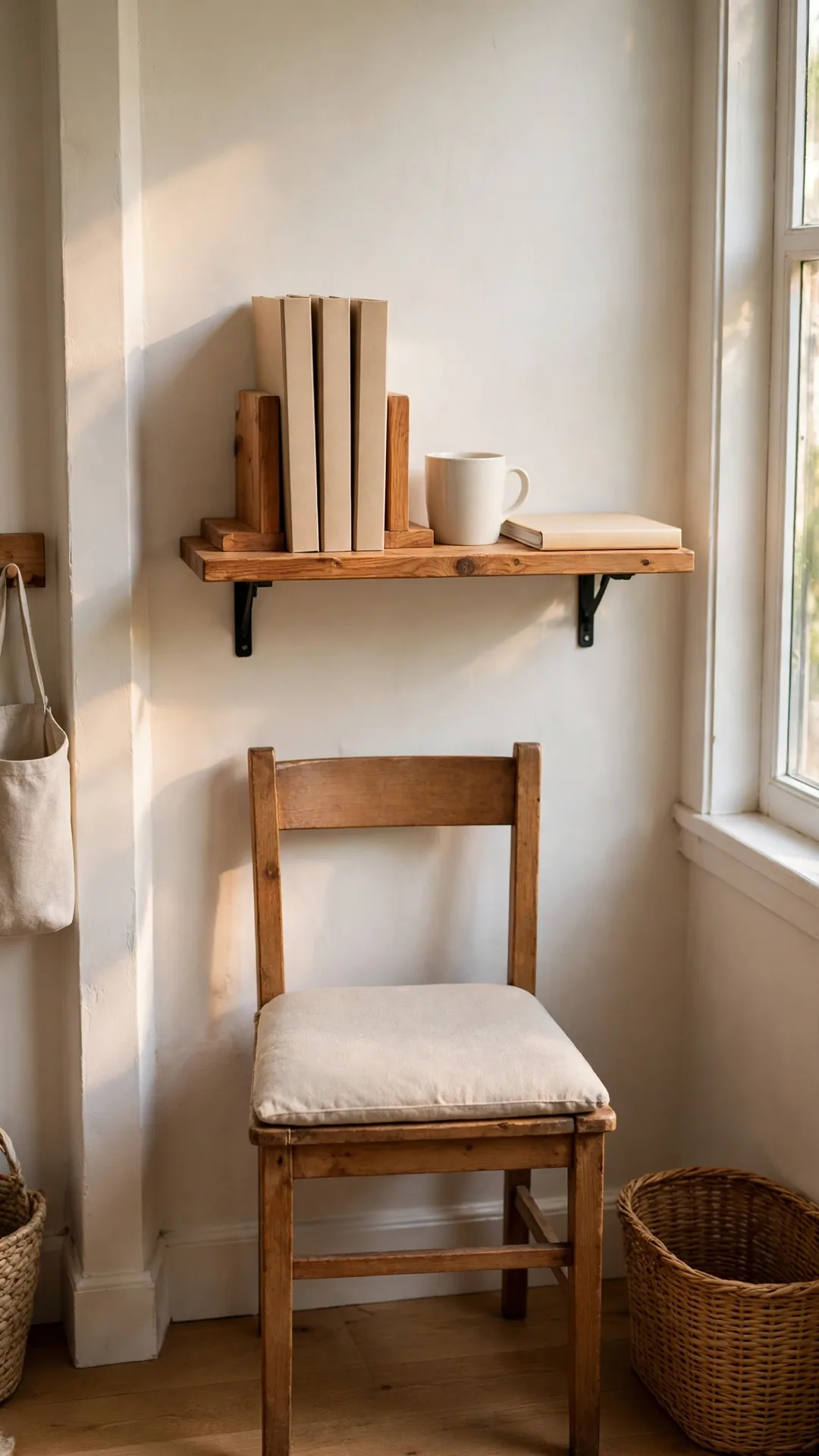
A parent shelf keeps small homeschool room ideas working for the teacher too. Your guides, mug and notebook wait above your seat, out of small hands. Two feet of shelf can hold a whole term's planning.
How to do it:
- Mount one shelf about 24 inches above your chair.
- Keep daily guides standing upright between bookends.
- Leave space for a mug and your phone.
- Store records and grade books in one slim binder.
Best for: Parents who plan at the school table.
Budget: $12 to $25
Quick tip: Kids' supplies never land on the parent shelf.
47. Use One Basket Per Subject Daily
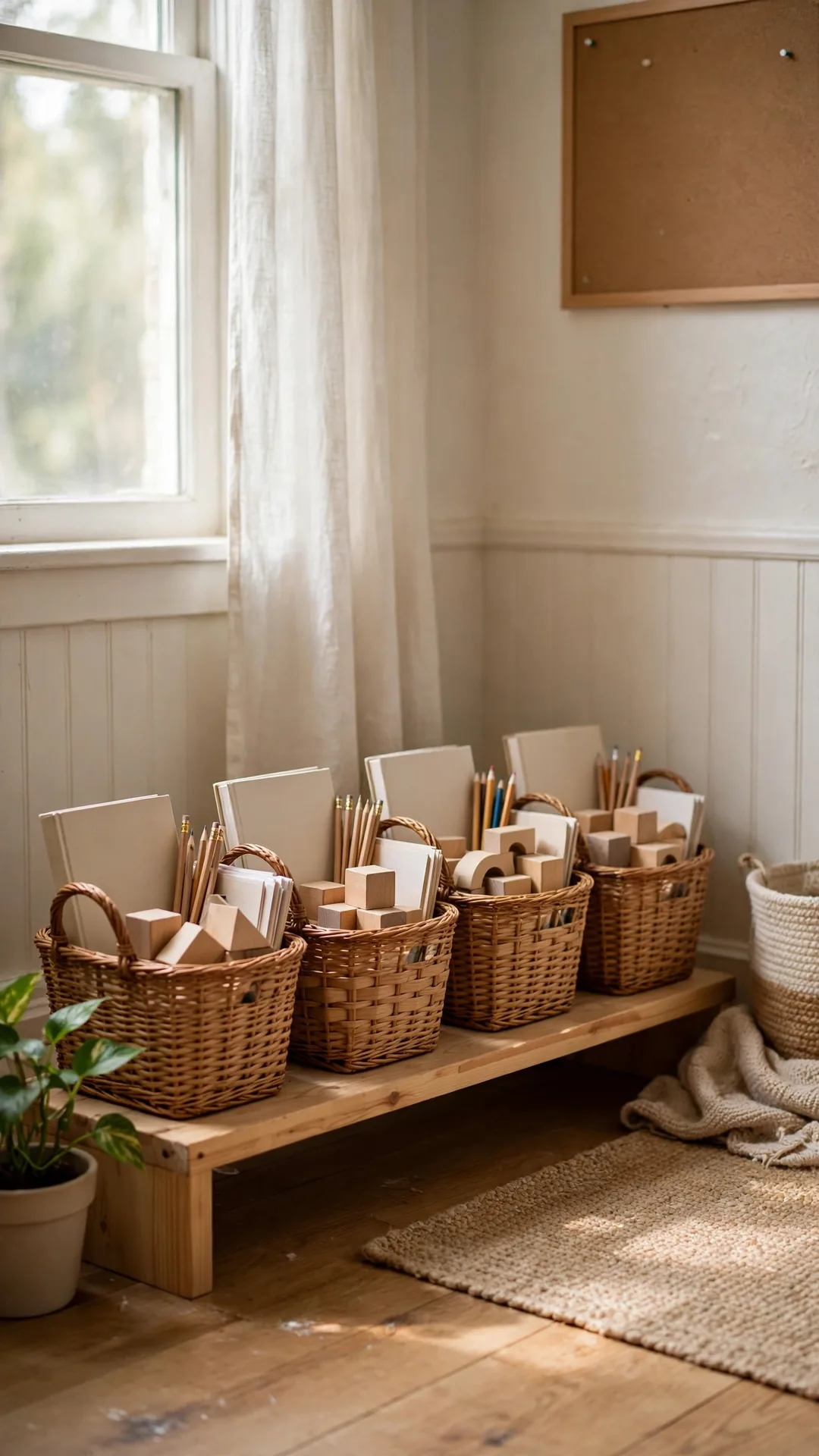
Subject baskets turn setup into a two-minute grab and go. Each basket holds that subject's book, workbook and tools together. Kids fetch the next basket while you clear the last one.
How to do it:
- Use baskets about 12 by 9 inches with handles.
- Line baskets along one low shelf in lesson order.
- Check basket contents during the Friday tidy.
- Keep a spare empty basket for library trips.
Best for: Multi-subject days with young kids.
Budget: $5 to $10 each
Quick tip: Lesson order on the shelf removes daily debates.
48. Start Mornings With a Morning Basket
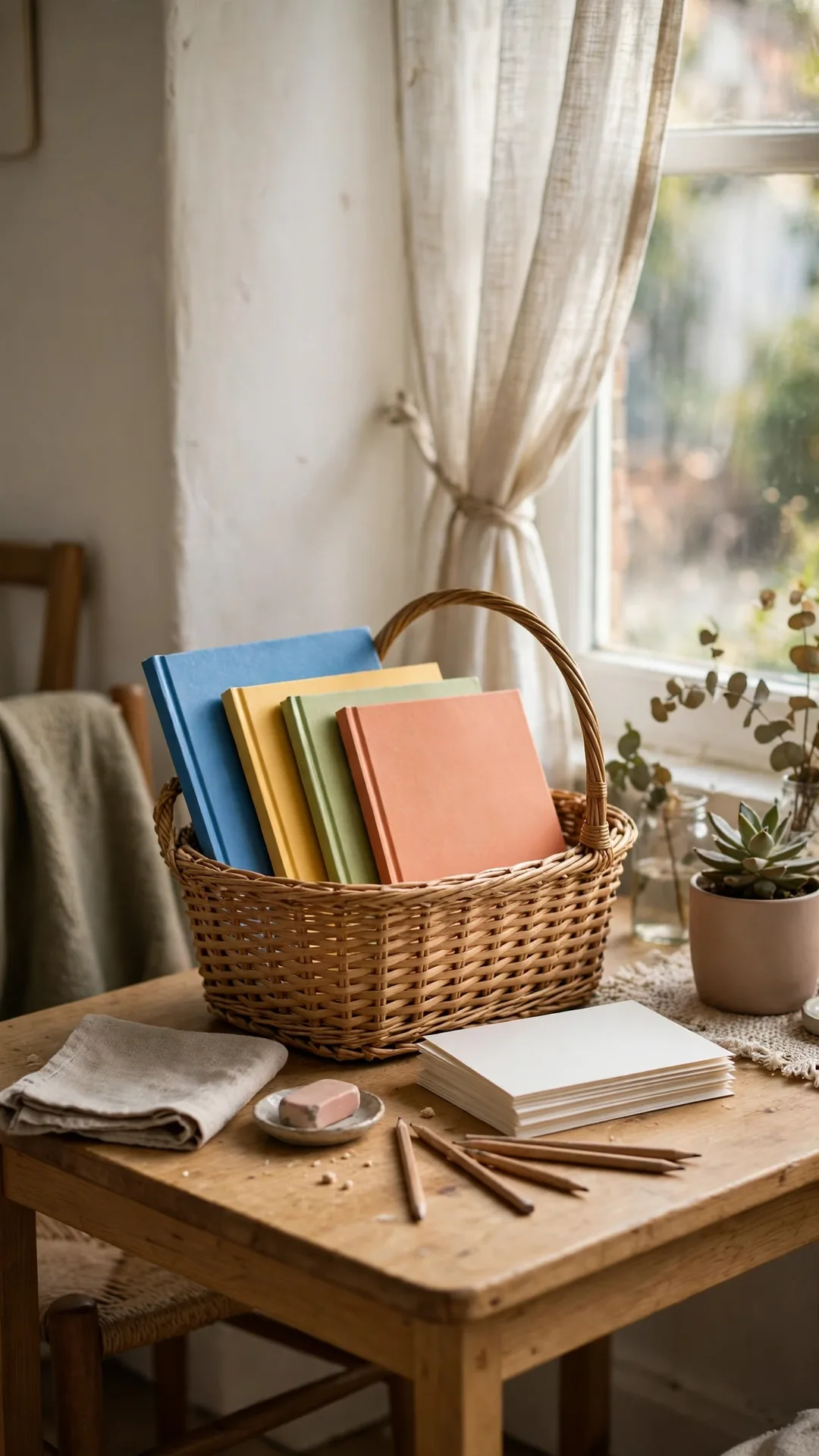
A morning basket gathers the whole family to start the day gently. Picture books, poetry and a puzzle wait inside for after breakfast. One basket on the table signals that school has begun.
How to do it:
- Choose a basket wide enough for picture books.
- Add one poetry book and one hands-on item.
- Refresh the contents every Sunday evening.
- Keep the basket on the reset shelf overnight.
Best for: Slow, shared starts to the school day.
Budget: $10 to $20
Quick tip: Ten quiet minutes here settles the whole morning.
49. Store Games and Puzzles Flat Together
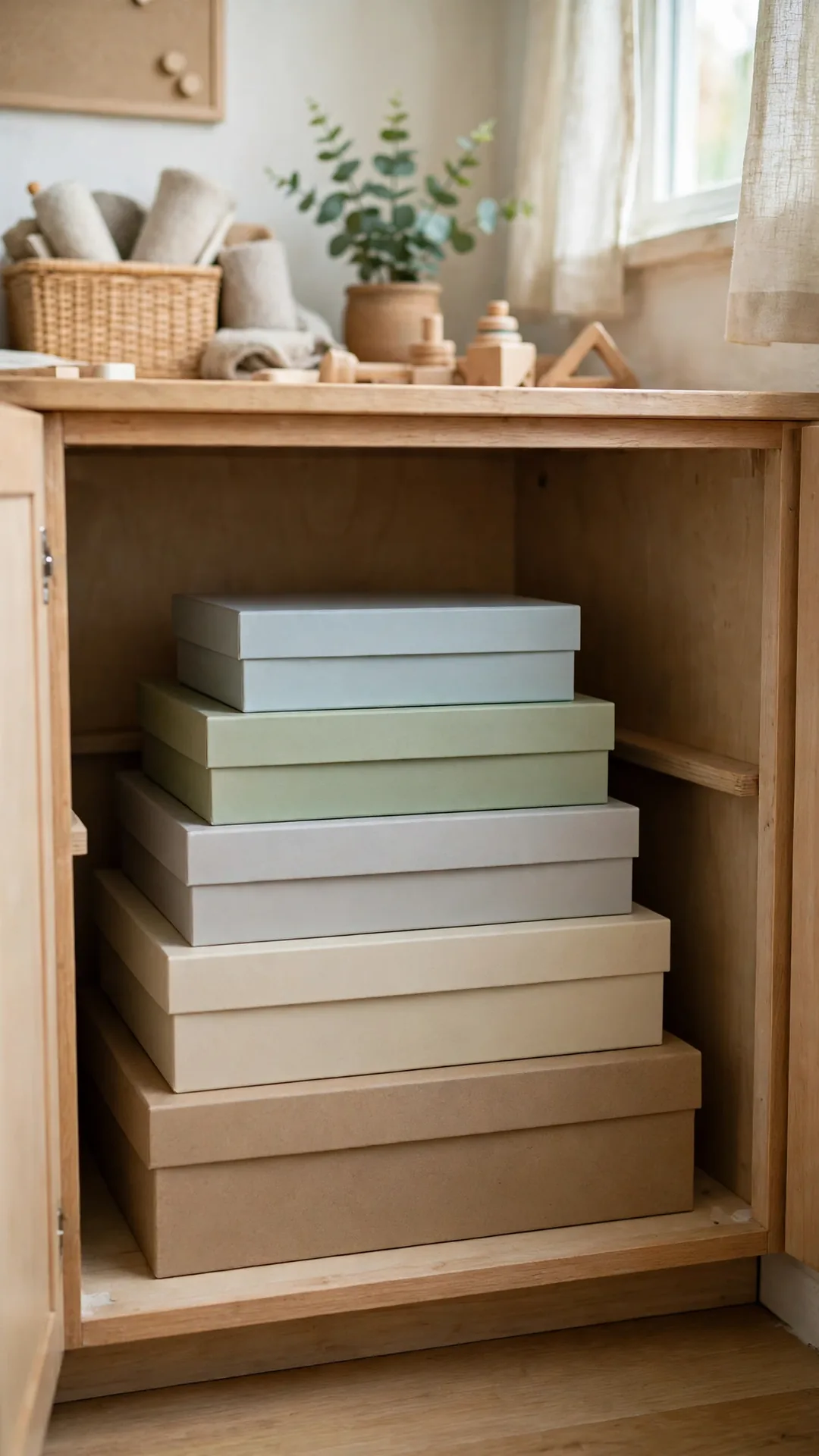
Flat storage keeps small homeschool room ideas calm on game day. Boxes stack neatly in one low cabinet instead of avalanching from a closet. Kids can see every choice without digging or dumping.
How to do it:
- Stack boxes flat, largest on the bottom.
- Keep loose pieces in one small pouch per game.
- Stand the cabinet within reach of the school table.
- Retire broken or outgrown games each term.
Best for: Learning games used several times weekly.
Budget: $8 to $18
Quick tip: Photograph the stack so kids rebuild it right.
50. Give Tablets One Charging Spot
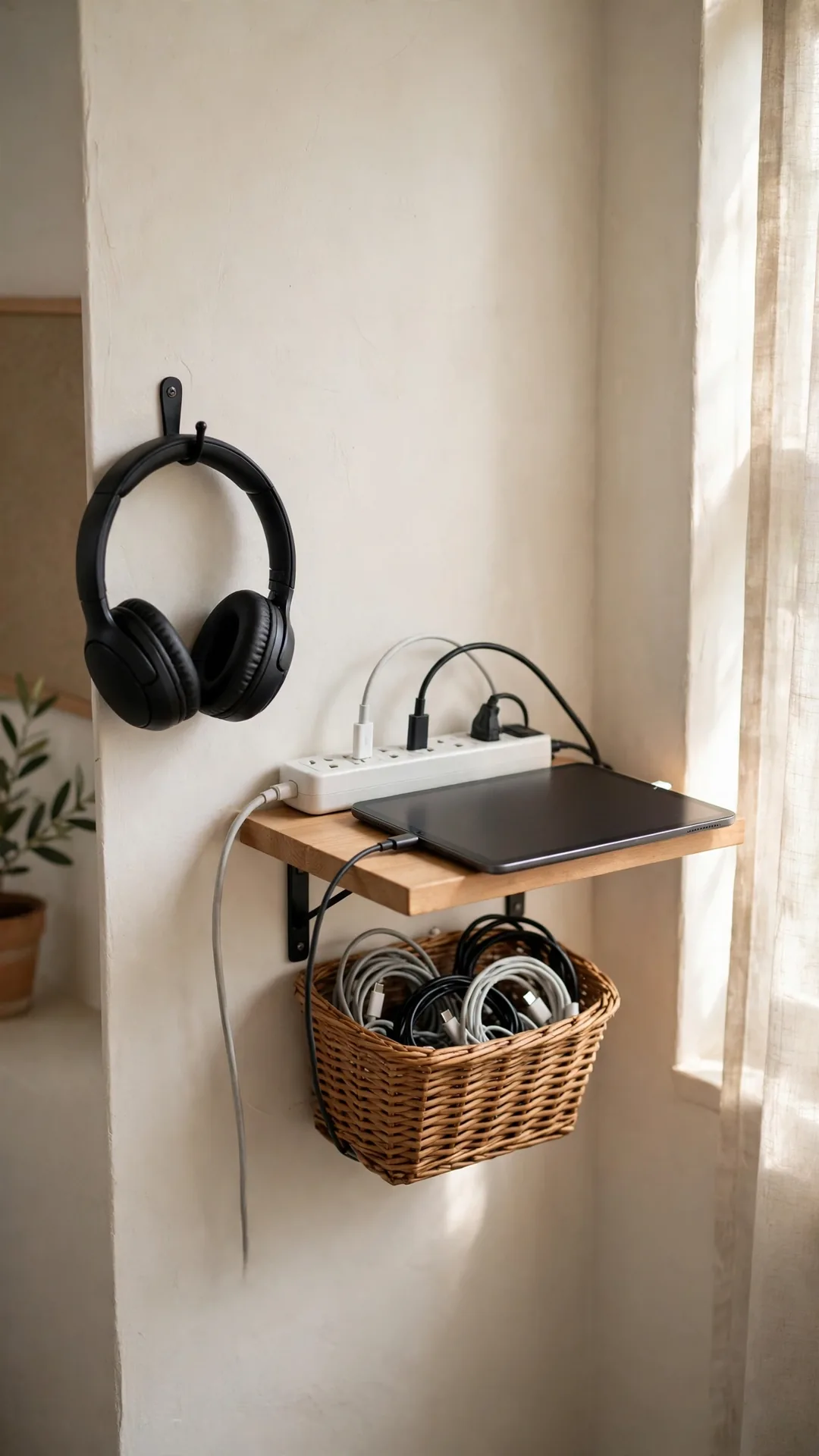
One charging spot ends the daily hunt for cords and devices. A small shelf holds the tablet, headphones and one charging strip. Devices sleep there at night, out of bedrooms and bags.
How to do it:
- Mount or place one shelf near an outlet.
- Use one strip with enough ports for every device.
- Coil spare cords in one small basket below.
- Set a rule: devices charge here, nowhere else.
Best for: Families mixing screen lessons with books.
Budget: $10 to $25
Quick tip: Headphones on a hook never tangle with cords.
51. Roll School Into a Closet at Night
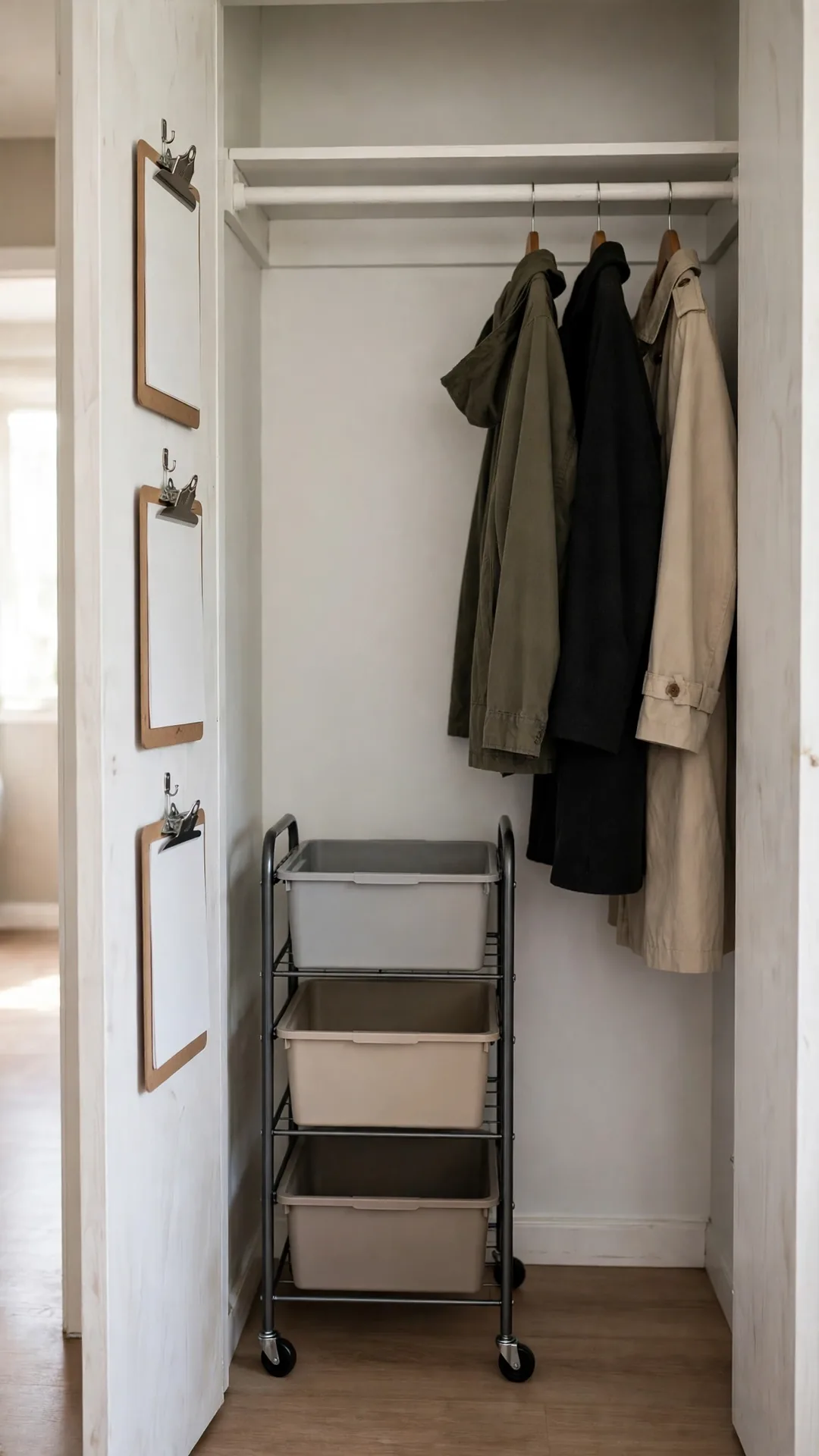
Parking the school away keeps small homeschool room ideas friendly to renters. The cart, cushions and bins roll into a hall closet each evening. Morning setup takes three minutes because everything travels together.
How to do it:
- Measure the closet floor before choosing the cart.
- Keep closet parking order fixed: cart first, bins last.
- Hang clipboards on hooks inside the closet door.
- Leave a walkway so coats still fit beside school.
Best for: Homes where school must fully vanish nightly.
Budget: Free to $20
Quick tip: A parking photo inside the door speeds cleanup.
52. End the Day at One Reset Shelf
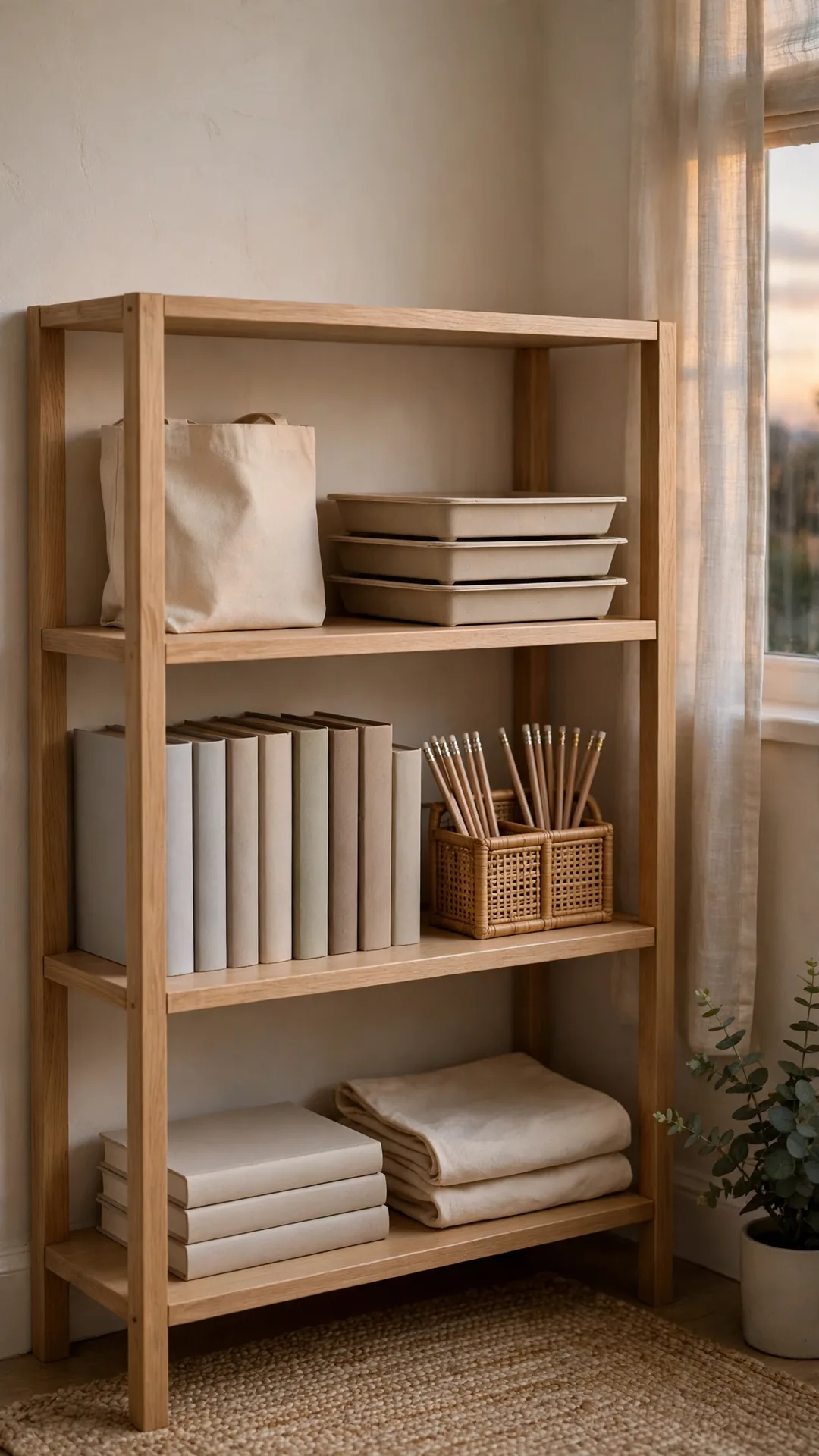
One reset shelf gives every school item a final home each day. Books, caddy, tote and trays return to it in lesson order. Tomorrow starts in two minutes when tonight ends tidy.
How to do it:
- Choose one shelf unit near the school corner.
- Assign each item a fixed spot on the shelf.
- Reset right after the last lesson, not at bedtime.
- Keep the top clear for tomorrow's morning basket.
Best for: Every homeschool, whatever the room size.
Budget: Free
Quick tip: A tidy shelf tonight is tomorrow's head start.
Pick One Corner and Start This Weekend
You do not need a spare room or a big budget to begin. Choose one idea from these small homeschool room ideas and set it up before Monday. Save this post or pin your favorite corner so the plan waits for you.
- 53 Stunning Japandi Small Apartment Ideas That Renters Love - November 22, 2026
- 52 Genius Small Homeschool Room Ideas That Pros Swear By - November 22, 2026
- 53 Smart Linen Closet Organization Ideas for Small Spaces - November 21, 2026