
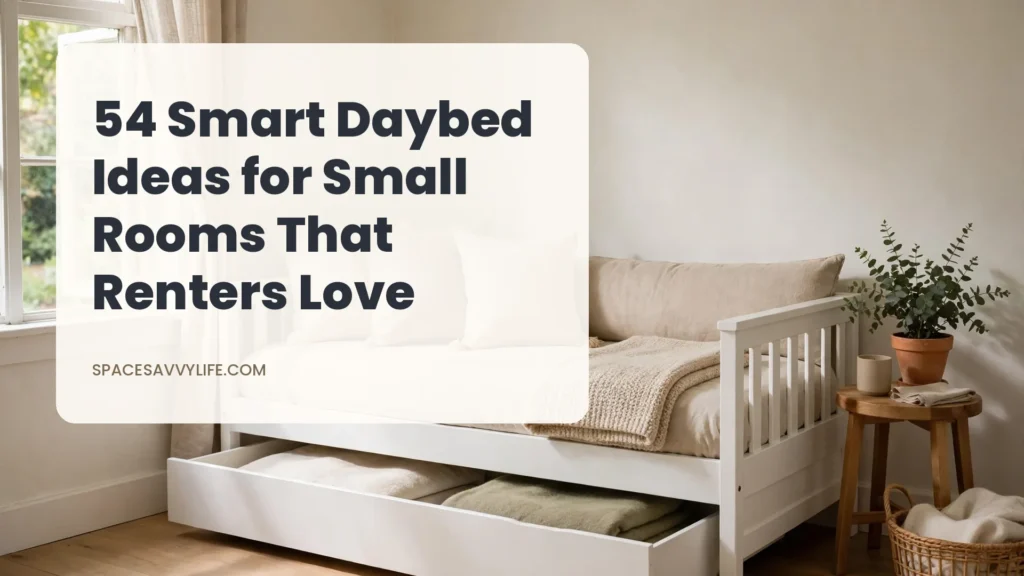
A daybed earns its keep twice in a small room. It plays sofa all day, then turns into a real bed at night. These daybed ideas for small rooms help renters get both jobs done well.
Here are 54 setups, frames and styling tricks to copy. Most picks need no drill and no landlord approval. Measure your wall length first, then pick one idea to start.
1. Dress It Like a Sofa With Bolsters

The best daybed ideas for small rooms treat the bed like a sofa all day. A long bolster along the back hides the bed shape, and three firm cushions make it read as a lounge. The Spruce shares more basics in its guide on how to style a daybed.
How to do it:
- Pick a bolster about 70 inches long and 8 inches wide.
- Stand three seat cushions upright against the back rail.
- Fold a throw in thirds across the foot end.
- Keep the front edge bare so sitting feels easy.
- Store the night pillow inside a closet or basket.
Best for: Studios where the bed sits in plain sight.
Budget: $40 to $90
Quick tip: Match bolster fabric to your curtains for a built-in look.
2. Fold a Throw Across the Foot
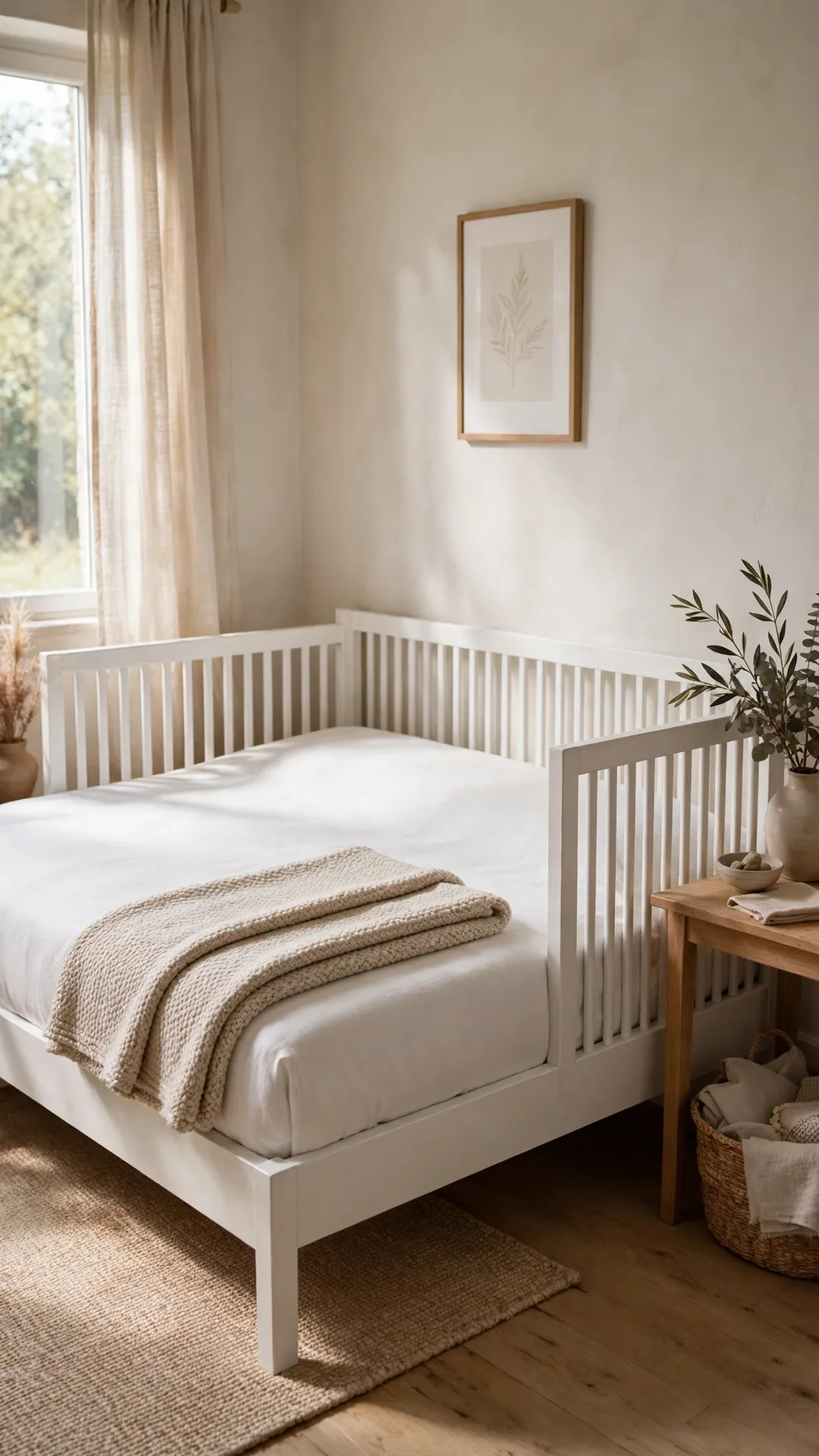
One folded throw turns a plain bed into a styled seat. It adds color without covering the whole mattress. It also hides a worn sheet edge near the foot.
How to do it:
- Choose a throw about 50 by 60 inches.
- Fold it lengthwise into thirds for a neat band.
- Lay the band across the foot third of the bed.
- Tuck the ends under the mattress sides.
- Pick a washable knit for easy weekly cleaning.
Best for: Renters who want color with zero commitment.
Budget: $15 to $35
Quick tip: One bold throw beats three small busy ones.
3. Layer Two Thin Blankets for Color
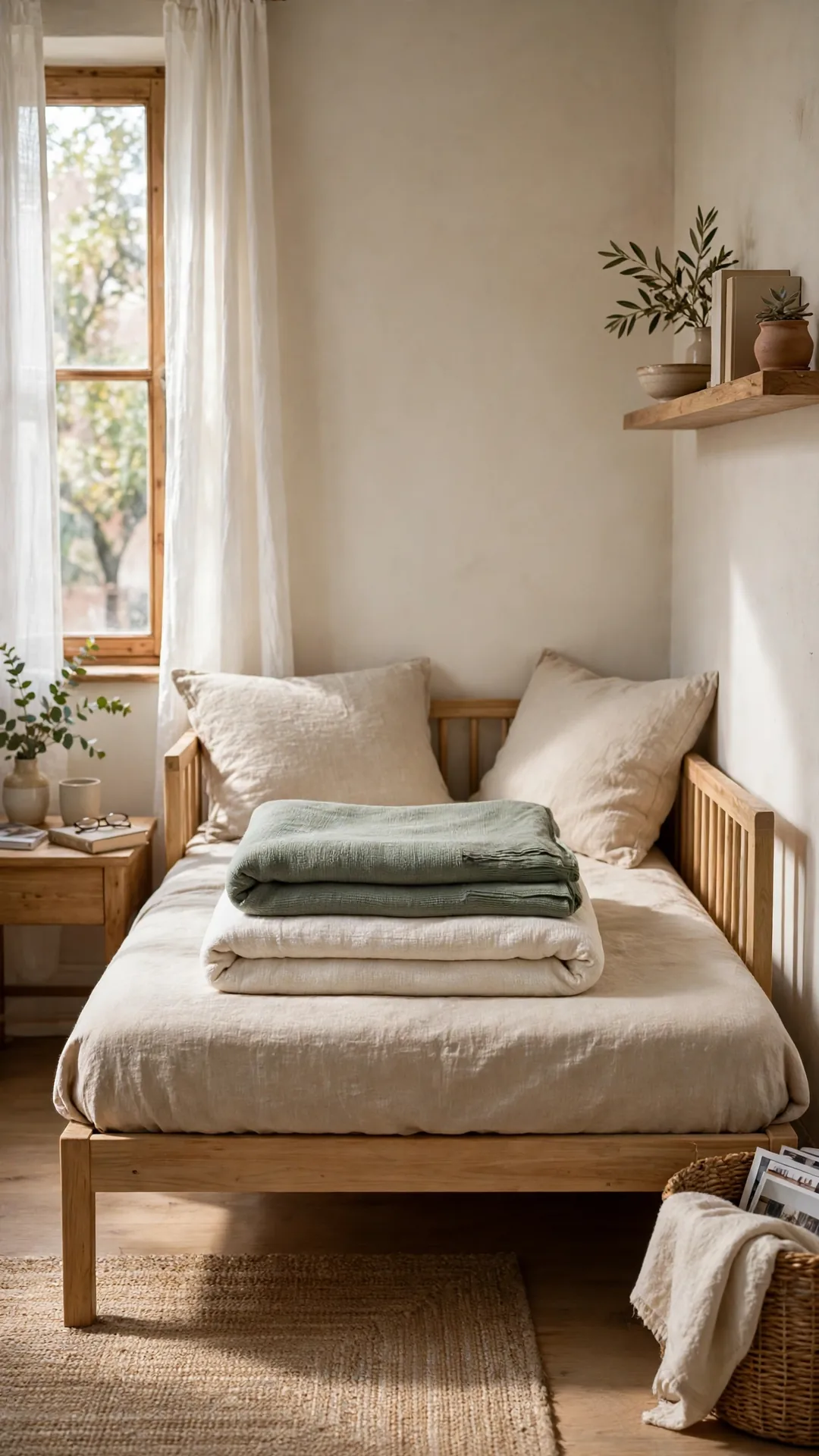
Two thin blankets give you color layers without bulky weight. Fold each one into a wide band and stack them. The bed looks dressed, yet nothing traps heat at night.
How to do it:
- Pick two lightweight blankets in calm, matched tones.
- Fold each into a band about 18 inches wide.
- Lay the darker band first, near the foot.
- Offset the lighter band a few inches above it.
- Swap the top band when you want a change.
Best for: Rooms that feel flat and one-note.
Budget: $25 to $50
Quick tip: Keep both blankets thin so the seat stays firm.
4. Use Big Euro Cushions as a Backrest
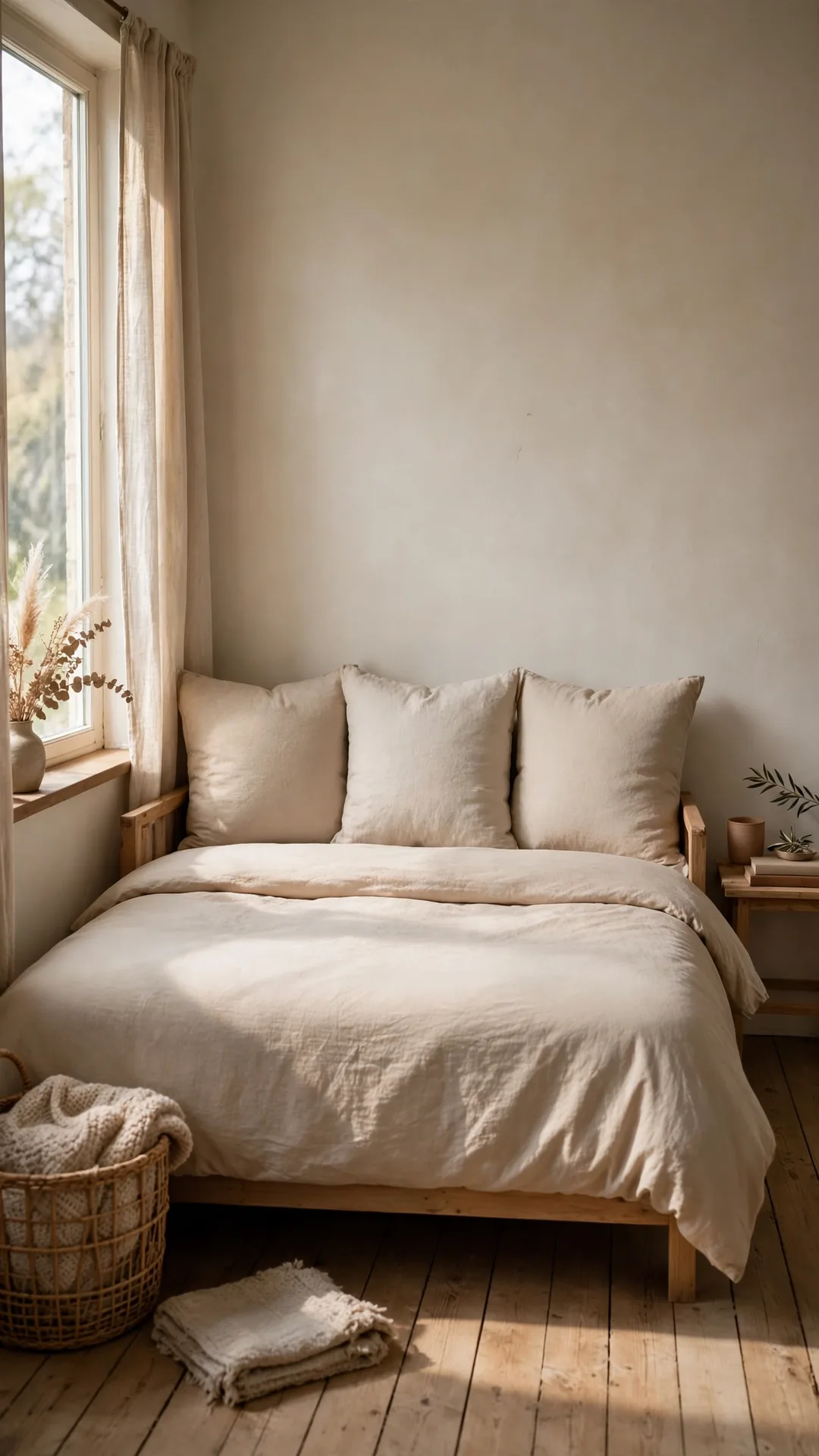
Deep seat cushions are where daybed ideas for small rooms win or lose. A bare mattress is too deep for comfortable sitting. Three euro cushions build a proper backrest along the wall side.
How to do it:
- Buy three euro shams, each 26 by 26 inches.
- Fill them firm so they hold their shape.
- Stand them in a row against the back rail.
- Add one small lumbar cushion in front.
- Fluff and rotate them every few days.
Best for: Anyone who reads or works from the daybed.
Budget: $45 to $100
Quick tip: Firm inserts matter more than fancy covers here.
5. Add a Washable Slipcover in Linen

A slipcover turns a tired frame into a clean sofa shape. Linen-look fabric hides wrinkles and reads calm. Pick a washable one so movie snacks stay low stress.
How to do it:
- Measure the frame length, depth and arm height first.
- Choose a cover made for twin daybeds, 75 inches long.
- Tuck extra fabric deep along the back seam.
- Smooth the seat area flat with your hands.
- Wash it monthly on a gentle cold cycle.
Best for: Renters covering a landlord-owned or dated frame.
Budget: $35 to $80
Quick tip: Natural beige hides dust and pet hair best.
6. Tuck the Bedding Into a Hotel Corner
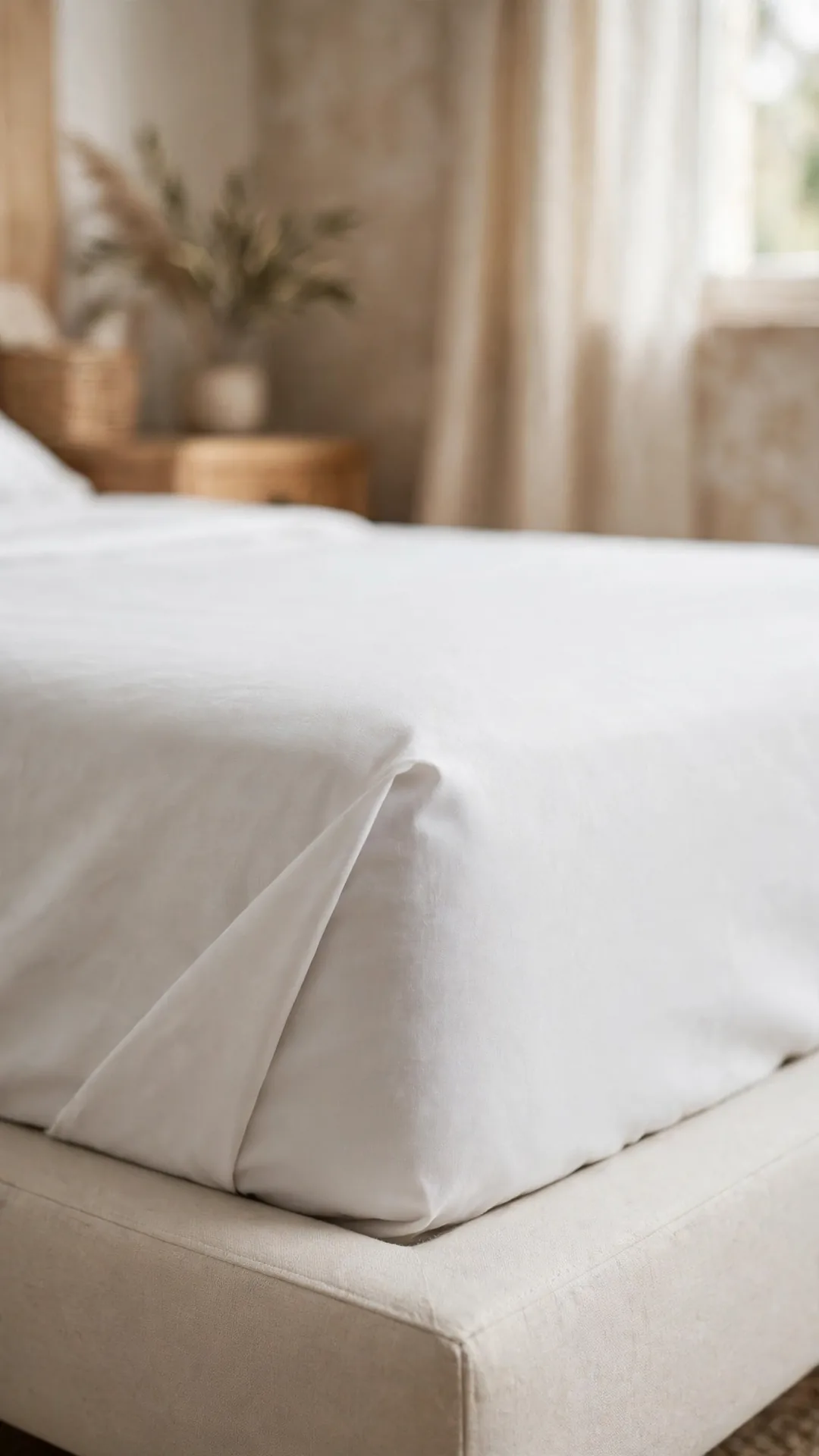
Crisp corners make daybed ideas for small rooms look tidy instead of slept in. A tight tuck removes the messy bed look in minutes. The surface then works as a firm bench seat.
How to do it:
- Fit the sheet snug on all four mattress corners.
- Fold each end corner into a neat triangle.
- Tuck the triangle flap flat under the mattress.
- Run your palm over the top to push out air.
- Finish with one folded blanket at the foot.
Best for: Neat freaks in very visible studio corners.
Budget: Under $10
Quick tip: Deeper pocket sheets grip better and stay tucked.
7. Roll a Quilt Along the Back Edge

A rolled quilt does the job of a bolster for free. It softens the hard back rail along the wall. At night it unrolls into your extra layer.
How to do it:
- Pick a quilt that spans most of the 75-inch length.
- Roll it tight from one long edge.
- Lay the roll against the back rail.
- Stand two cushions in front of the roll.
- Shake and reroll it each morning to keep shape.
Best for: Tight budgets that still want a finished look.
Budget: Under $20
Quick tip: A patterned quilt adds interest to plain bedding.
8. Swap Covers by Season for a Fresh Look

Two cover sets keep one small room feeling new all year. Light cotton suits summer and brightens the seat. A warmer plaid layer makes winter nights feel cozy.
How to do it:
- Keep one light cover set for warm months.
- Keep one darker, warmer set for cold months.
- Store the off-season set in a flat under-bed bin.
- Wash each set before you pack it away.
- Swap accent cushions at the same time.
Best for: Studios that start to feel stale fast.
Budget: $30 to $70
Quick tip: Photograph each setup so restyling takes minutes.
9. Pick a Low-Profile Metal Frame

A low frame suits daybed ideas for small rooms because it keeps sight lines open. Thin metal rails take up almost no visual space, and the room feels bigger. Compare shapes in this roundup of bed ideas for small rooms before you buy.
How to do it:
- Look for a frame height around 12 inches to the deck.
- Choose simple rails with no chunky finials.
- Check the slat spacing suits your mattress type.
- Pick a matte black or white powder coat finish.
- Confirm the frame fits a standard 75-inch twin.
Best for: Low ceilings and tight rental bedrooms.
Budget: $120 to $250
Quick tip: Low frames pair best with an 8-inch mattress.
10. Choose a Wood Frame With Clean Lines
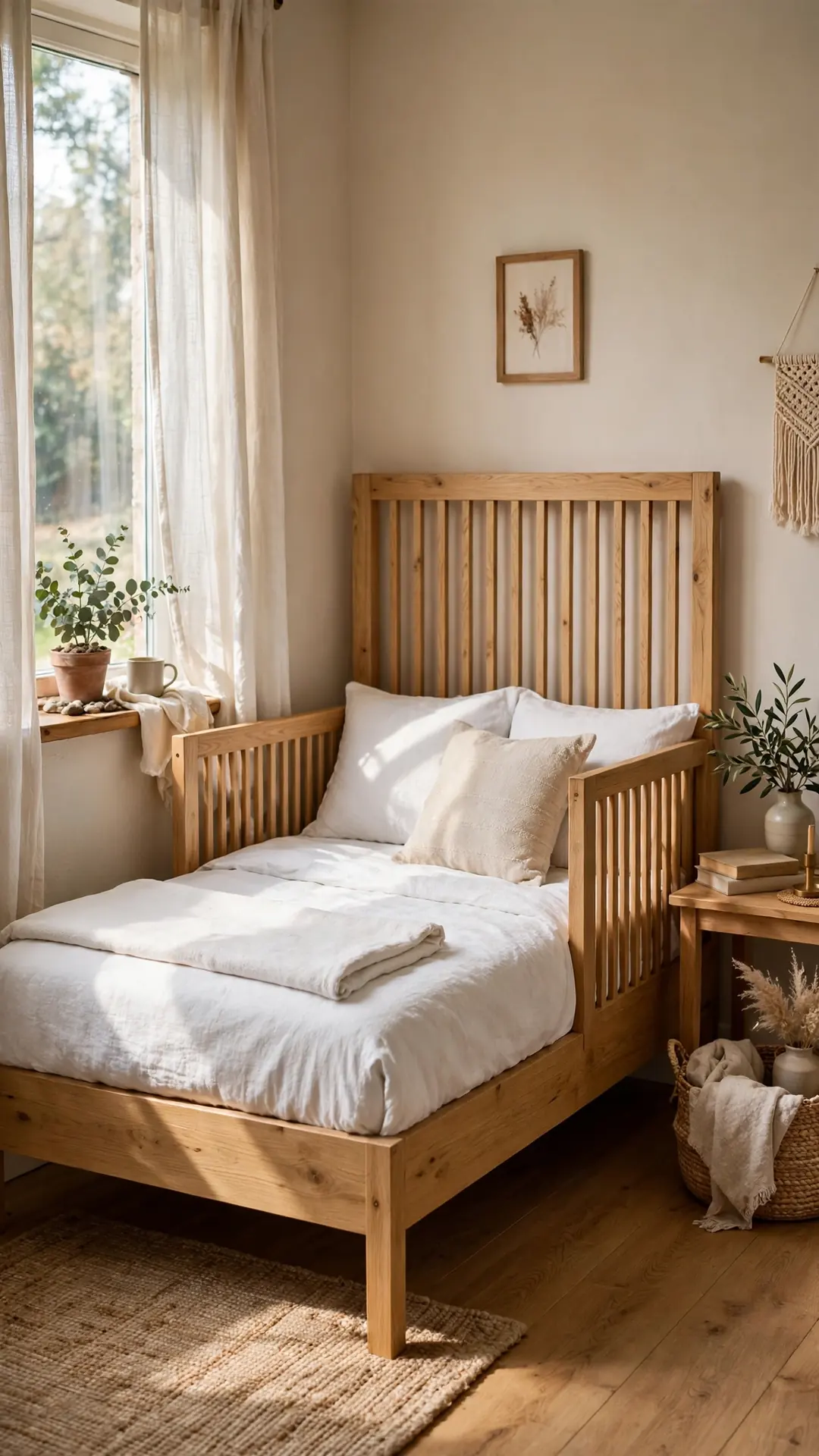
Clean wood lines warm up a boxy rental room fast. Straight slats keep the frame light and honest, pairing well with pale walls and simple bedding. It also fits the calm mood of scandinavian small space decor ideas used across the site.
How to do it:
- Pick pine or oak in a light, natural finish.
- Avoid carved posts that eat visual space.
- Check that slats sit no more than 3 inches apart.
- Sand any rough edge before the mattress goes on.
- Add felt pads under each leg on day one.
Best for: Renters who want warmth without paint.
Budget: $180 to $350
Quick tip: Light wood shows less dust than dark stain.
11. Try an Open-Back Frame for Light
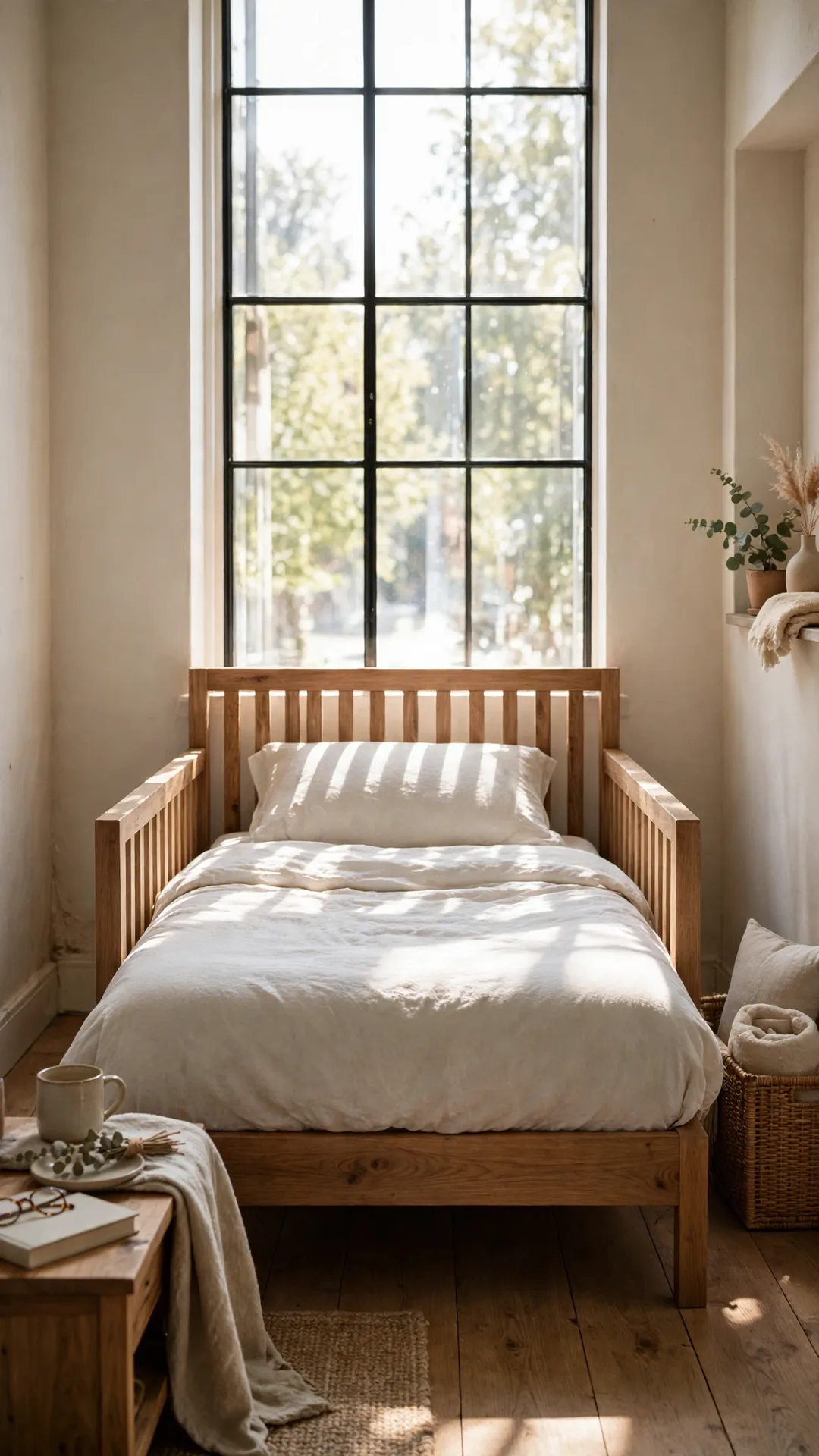
An open back lets daylight pass through the frame. That matters when the bed sits near the only window. Rooms feel less blocked and less boxed in.
How to do it:
- Choose wide-spaced slats or thin metal spindles.
- Place the open side toward the window light.
- Keep cushions low so they do not block the gaps.
- Skip heavy throws draped over the back rail.
- Dust the rails weekly since they stay visible.
Best for: Dim rooms with one small window.
Budget: $130 to $280
Quick tip: Open backs also make dusting fast and easy.
12. Use a Solid Back as a Headboard Wall
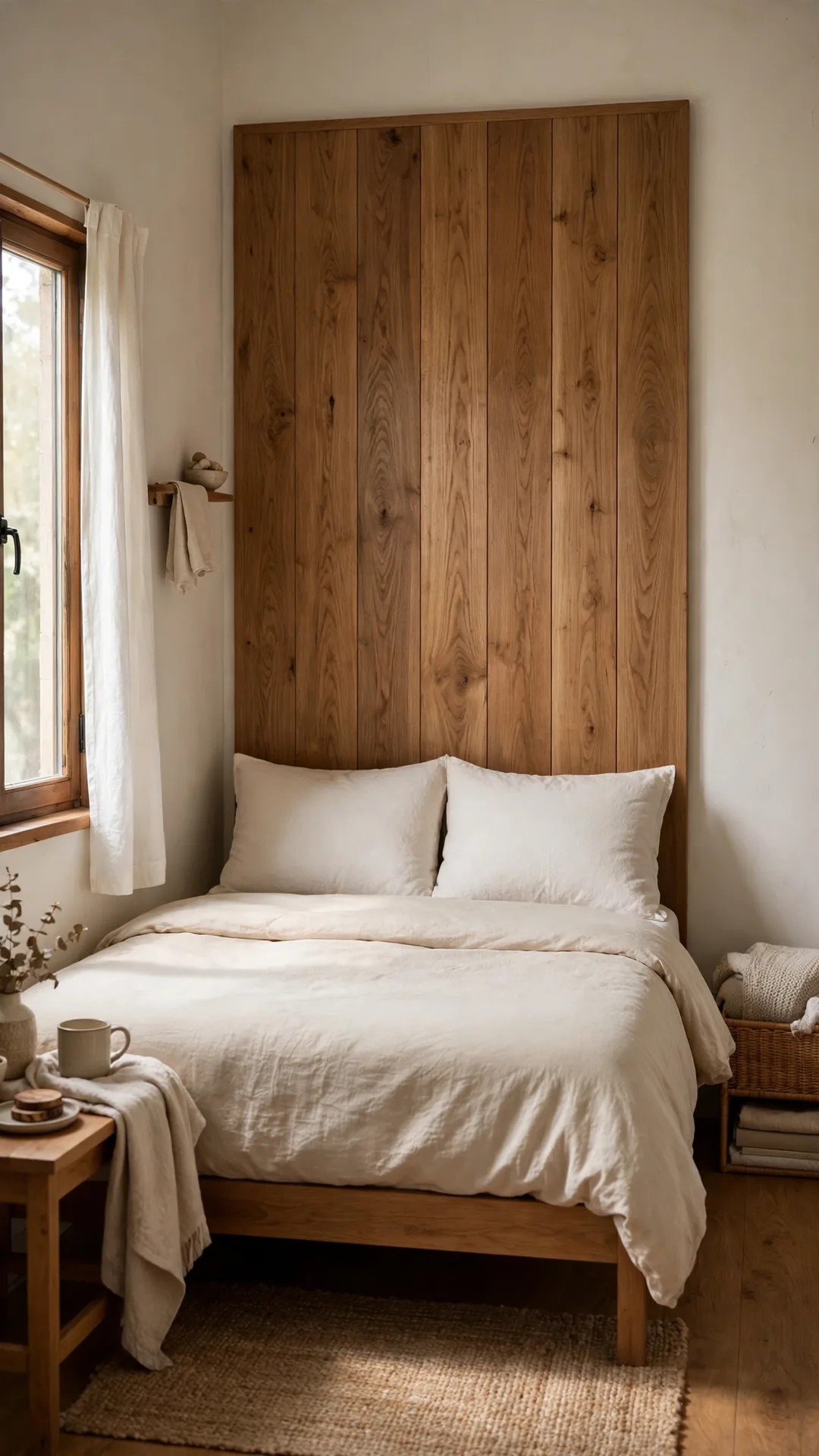
Solid backs anchor daybed ideas for small rooms against a plain wall. The panel works like a headboard and a sofa back in one. It also stops pillows sliding into the wall gap.
How to do it:
- Pick a back panel at least 30 inches tall.
- Push the frame flush so no gap remains.
- Add two firm cushions for lower back support.
- Hang one small picture above the panel center.
- Keep the panel finish matched to other wood tones.
Best for: Beds pushed against a long bare wall.
Budget: $200 to $400
Quick tip: A tall back makes a great backdrop for video calls.
13. Pick an Upholstered Frame for Softness
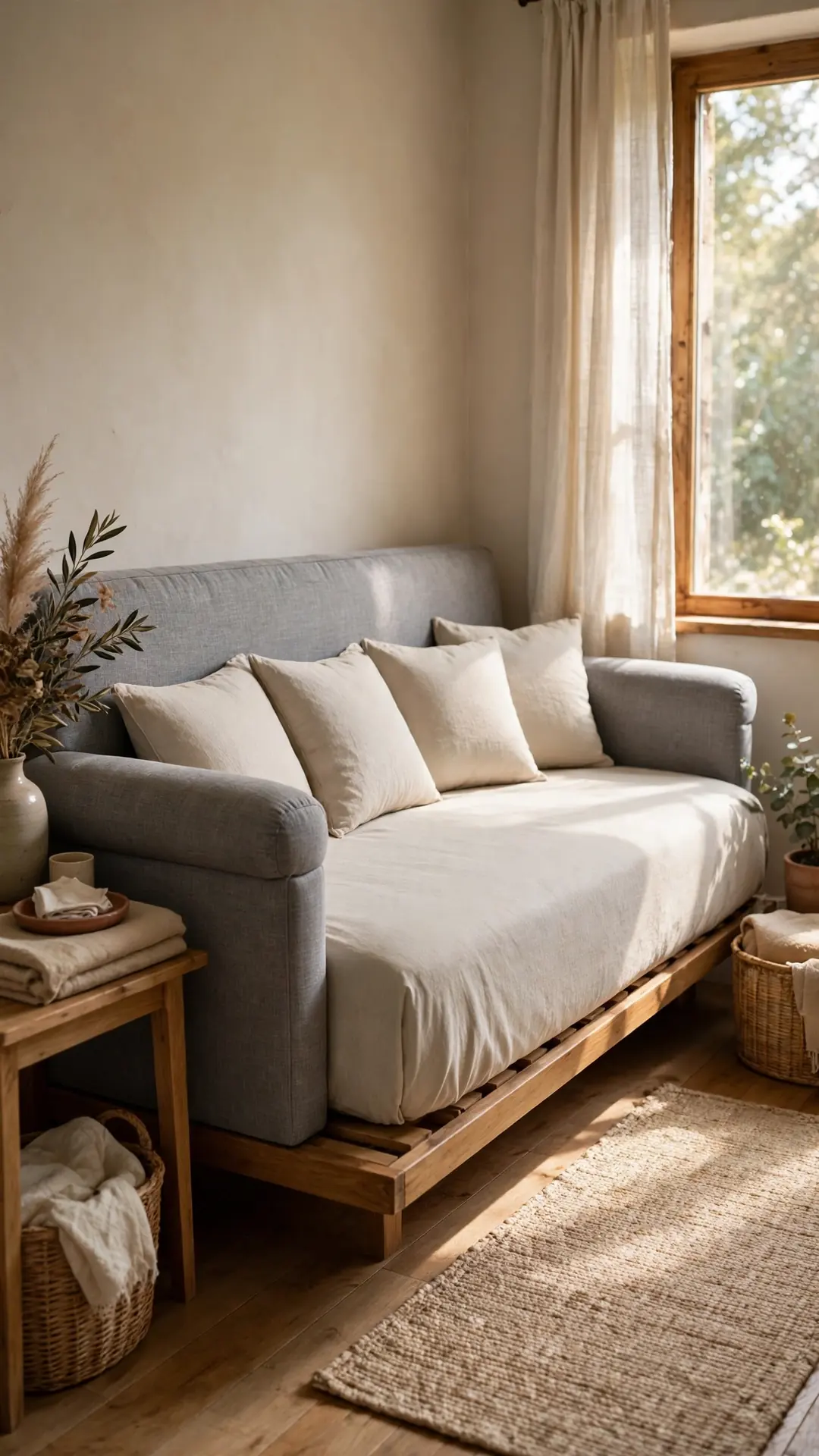
Padded panels turn a bed into a true reading sofa. Soft arms give you a place to lean sideways. The trade-off is bulk, so measure your door width first.
How to do it:
- Measure every doorway before you order the frame.
- Choose tight upholstery with no loose skirts.
- Pick a stain-resistant fabric in a mid tone.
- Keep scatter cushions few so the padding shows.
- Vacuum the panels weekly with a soft brush head.
Best for: Readers who lounge more than they sleep guests.
Budget: $300 to $550
Quick tip: Mid grey hides wear better than cream fabric.
14. Add a Trundle for Sleepover Guests

A trundle turns daybed ideas for small rooms into a two-bed plan. The second bed hides under the frame all day. At night it rolls out in under a minute.
How to do it:
- Check under-frame clearance, usually 12 inches or more.
- Pick a trundle with smooth rolling casters.
- Use a mattress no thicker than 8 inches there.
- Keep the trundle made up with a fitted sheet.
- Leave floor space clear on the pull-out side.
Best for: Kids sleepovers and visiting family.
Budget: $100 to $220
Quick tip: Locking casters stop the trundle drifting at night.
15. Use a Pop-Up Trundle at Mattress Height
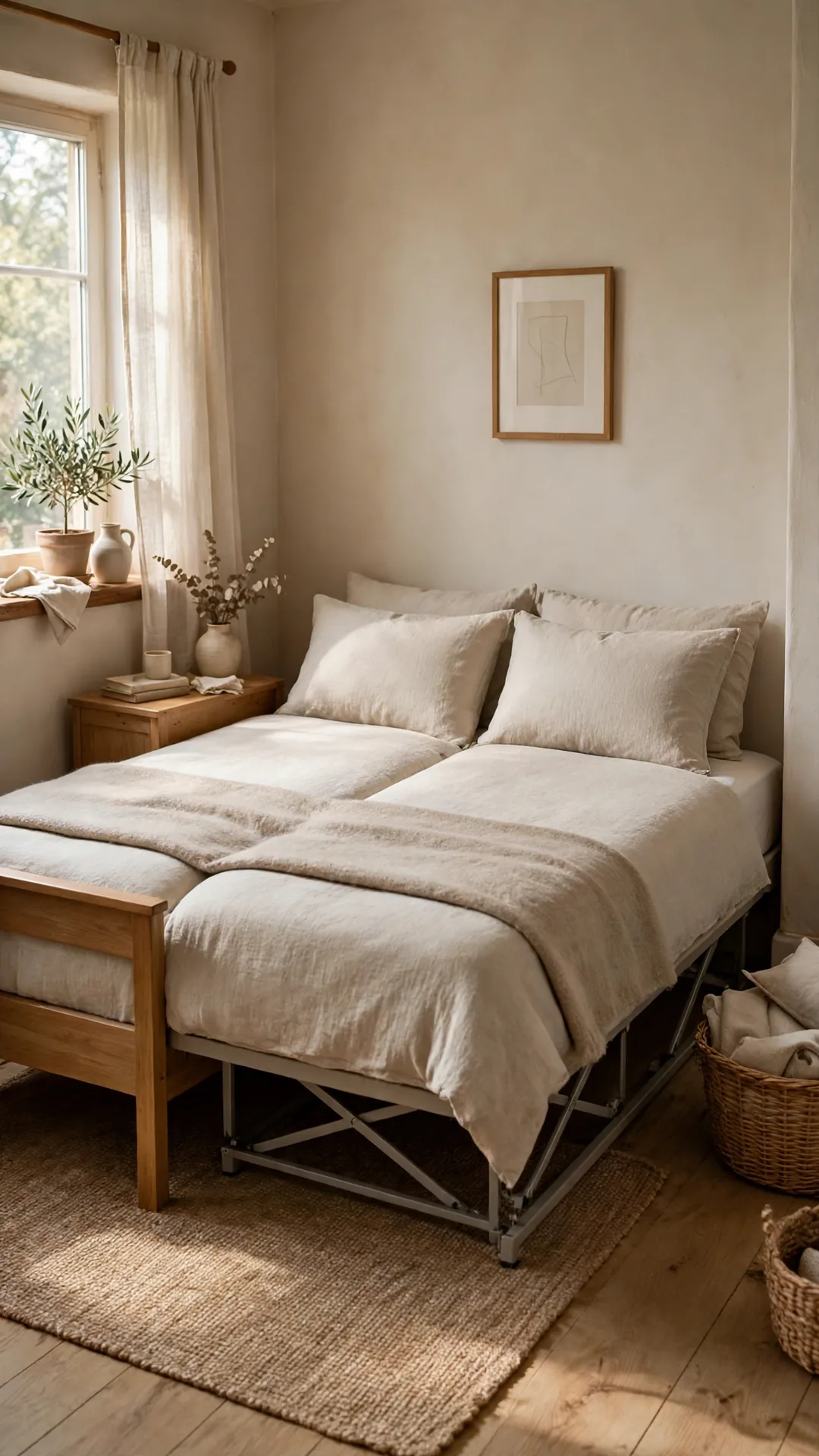
A pop-up trundle lifts the guest bed level with yours. Two twins side by side feel like one wide bed. Couples visiting you will thank you for it.
How to do it:
- Choose a spring-loaded pop-up frame with safety locks.
- Test the lift action before the first guest night.
- Match both mattress heights as closely as you can.
- Bridge the small center gap with a folded blanket.
- Store it lowered so springs rest between visits.
Best for: Hosting couples in a one-room guest space.
Budget: $130 to $260
Quick tip: Practice the lift once so it feels easy later.
16. Choose a Trundle With Storage Drawers
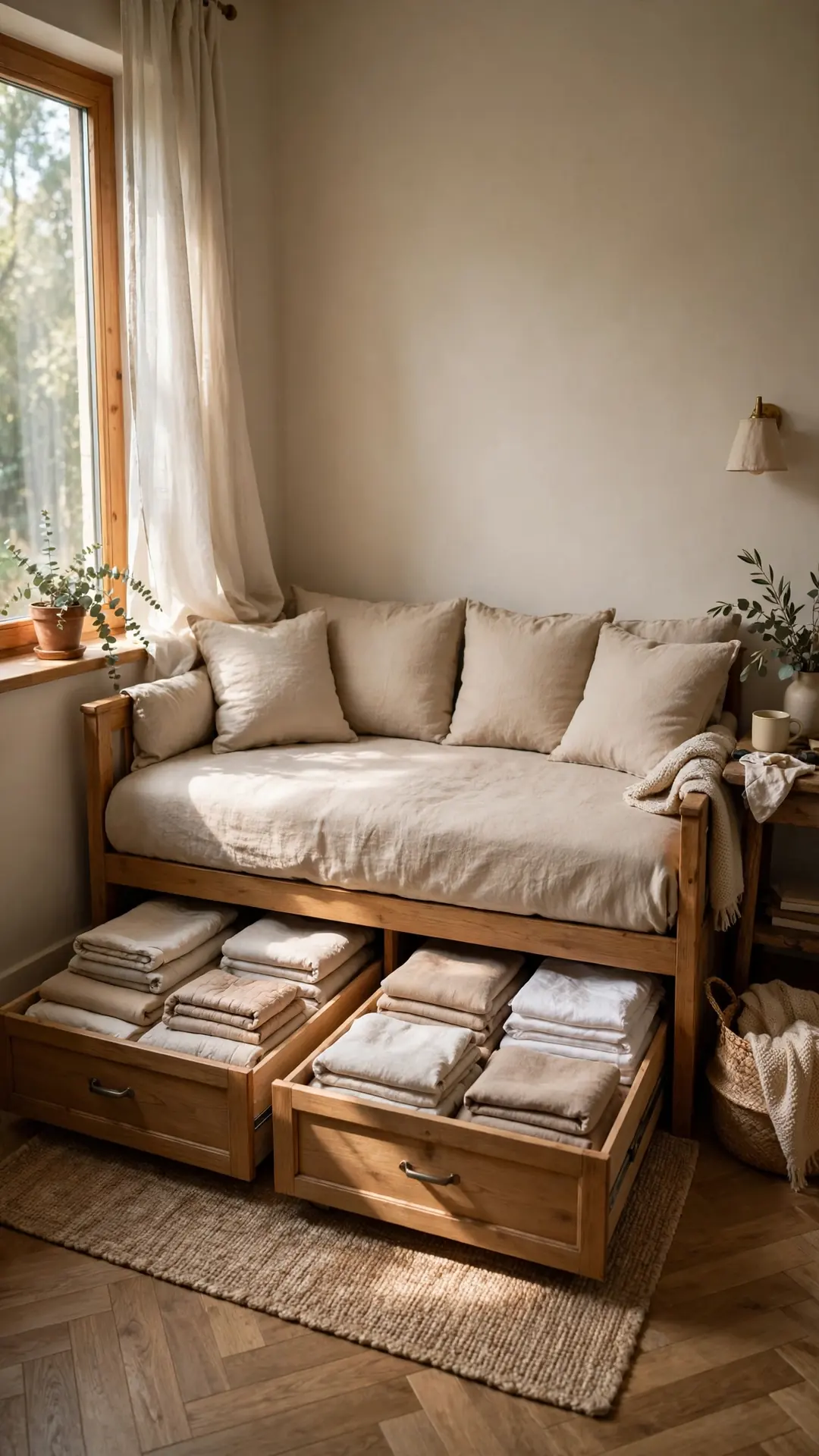
Drawers trade the guest bed for serious hidden storage. Two wide drawers swallow spare bedding and off-season clothes. This pick suits rooms where guests rarely stay over.
How to do it:
- Measure drawer depth before you commit to the frame.
- Line drawers with plain paper to protect fabrics.
- Keep one drawer for bedding, one for clothes.
- Add a small cedar block to keep things fresh.
- Label the drawer fronts on the inside edge only.
Best for: Studios with no spare closet space.
Budget: $200 to $380
Quick tip: Drawers beat a trundle if guests stay twice a year.
17. Push It Lengthwise Against the Long Wall
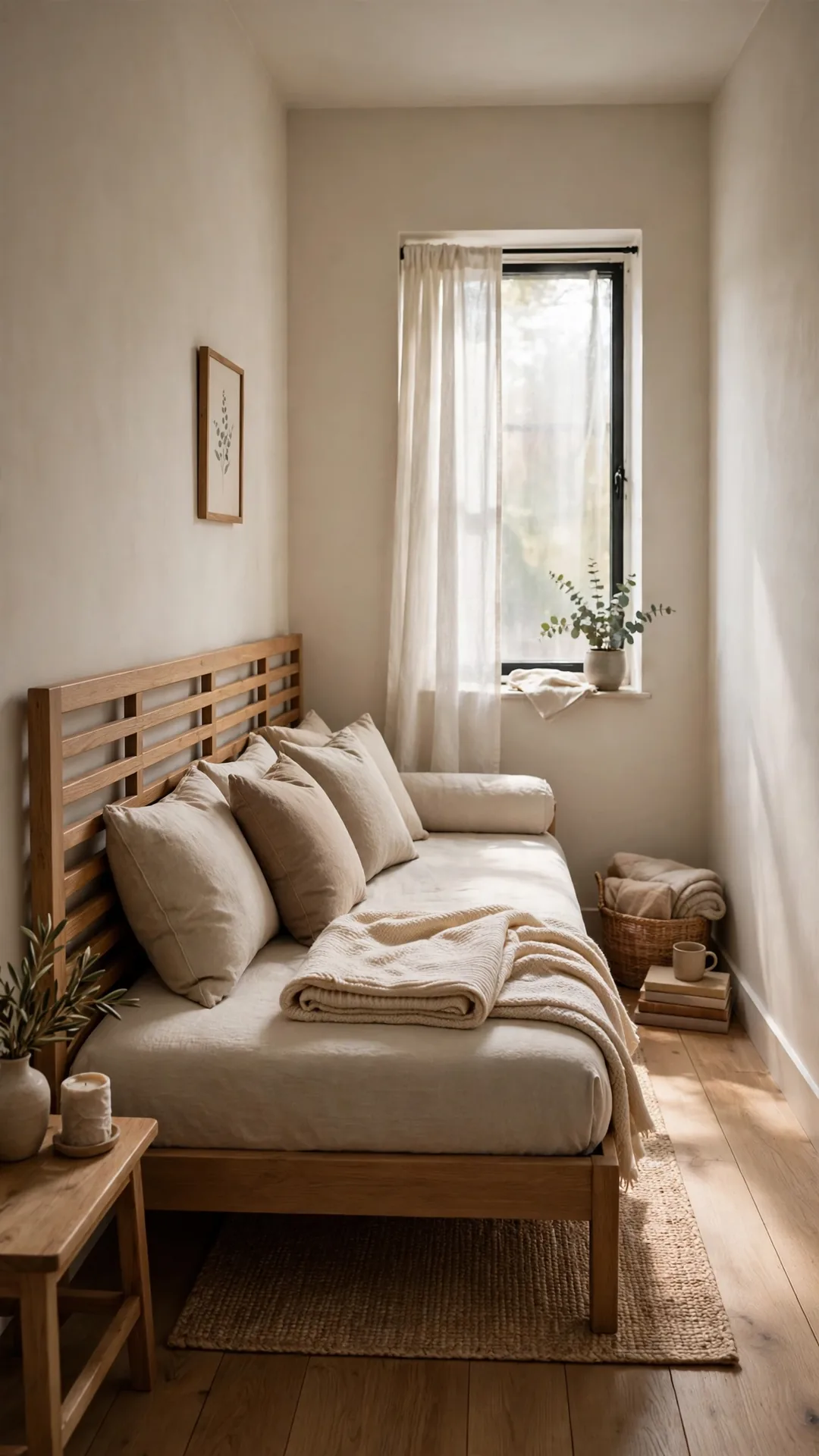
Long walls are gold for daybed ideas for small rooms with tight floor plans. The bed hugs the wall and frees the room center, keeping a clear path from door to window. More layout tricks sit in these small bedroom space saving ideas from the hub.
How to do it:
- Measure the wall and leave 2 inches of slack.
- Center the bed on the wall for balance.
- Push it flush so no dust gap forms behind.
- Keep the front 30 inches of floor fully clear.
- Add a slim rug runner along the front edge.
Best for: Narrow bedrooms around 9 by 11 feet.
Budget: Under $30
Quick tip: Centering the bed makes the room feel planned.
18. Tuck It Under the Window
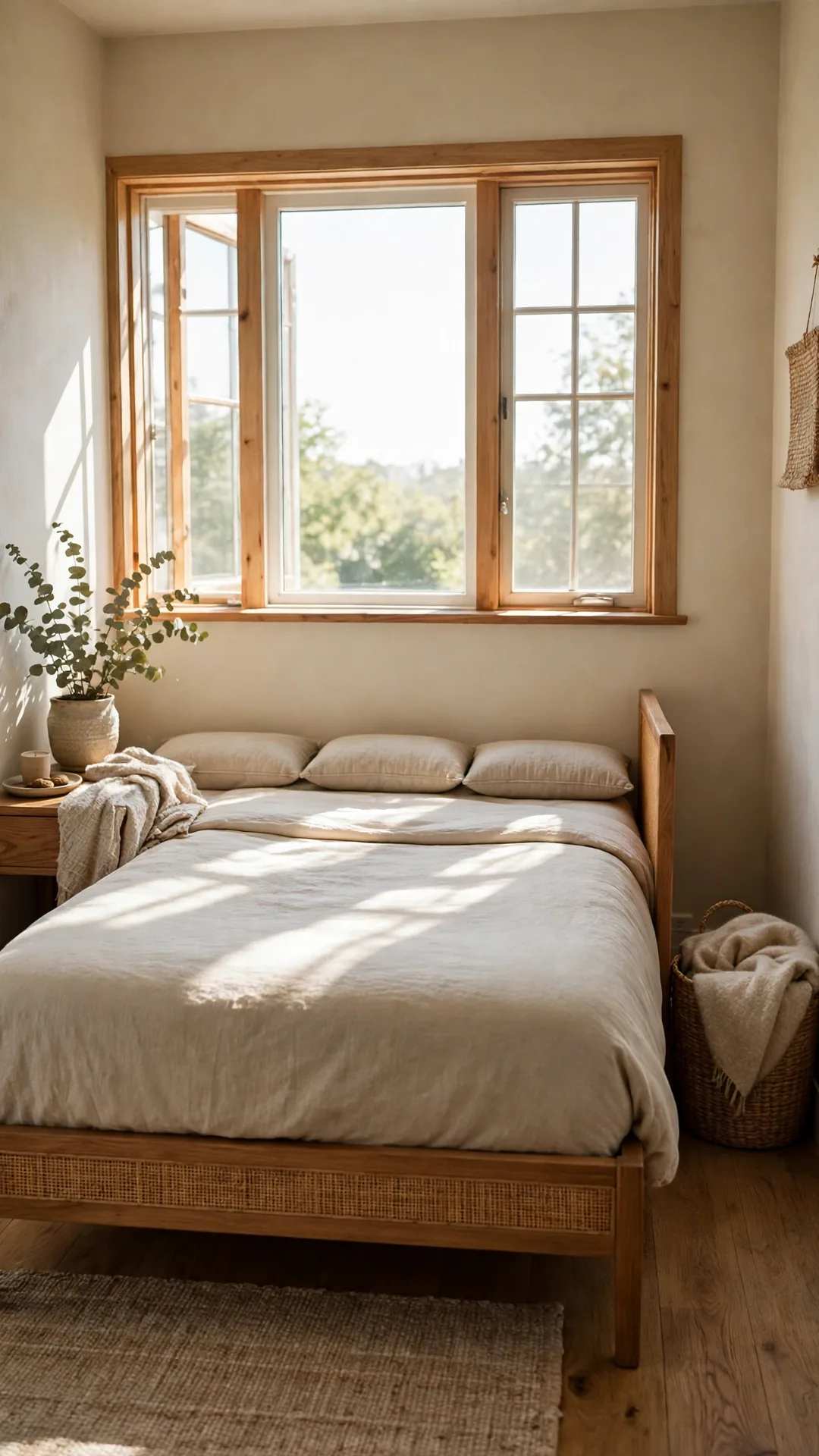
A daybed under the window keeps walls free for storage. Low frames sit under most sill heights with ease. Morning light makes the seat the best spot in the room.
How to do it:
- Measure sill height, often about 30 inches.
- Pick a frame and mattress stack below that line.
- Keep cushions lower than the sill edge.
- Leave 2 inches behind for curtain movement.
- Use blackout lining if street lights bother sleep.
Best for: Rooms where every wall holds a door or closet.
Budget: Under $20
Quick tip: A window seat feel doubles as reading light by day.
19. Float It as a Room Divider
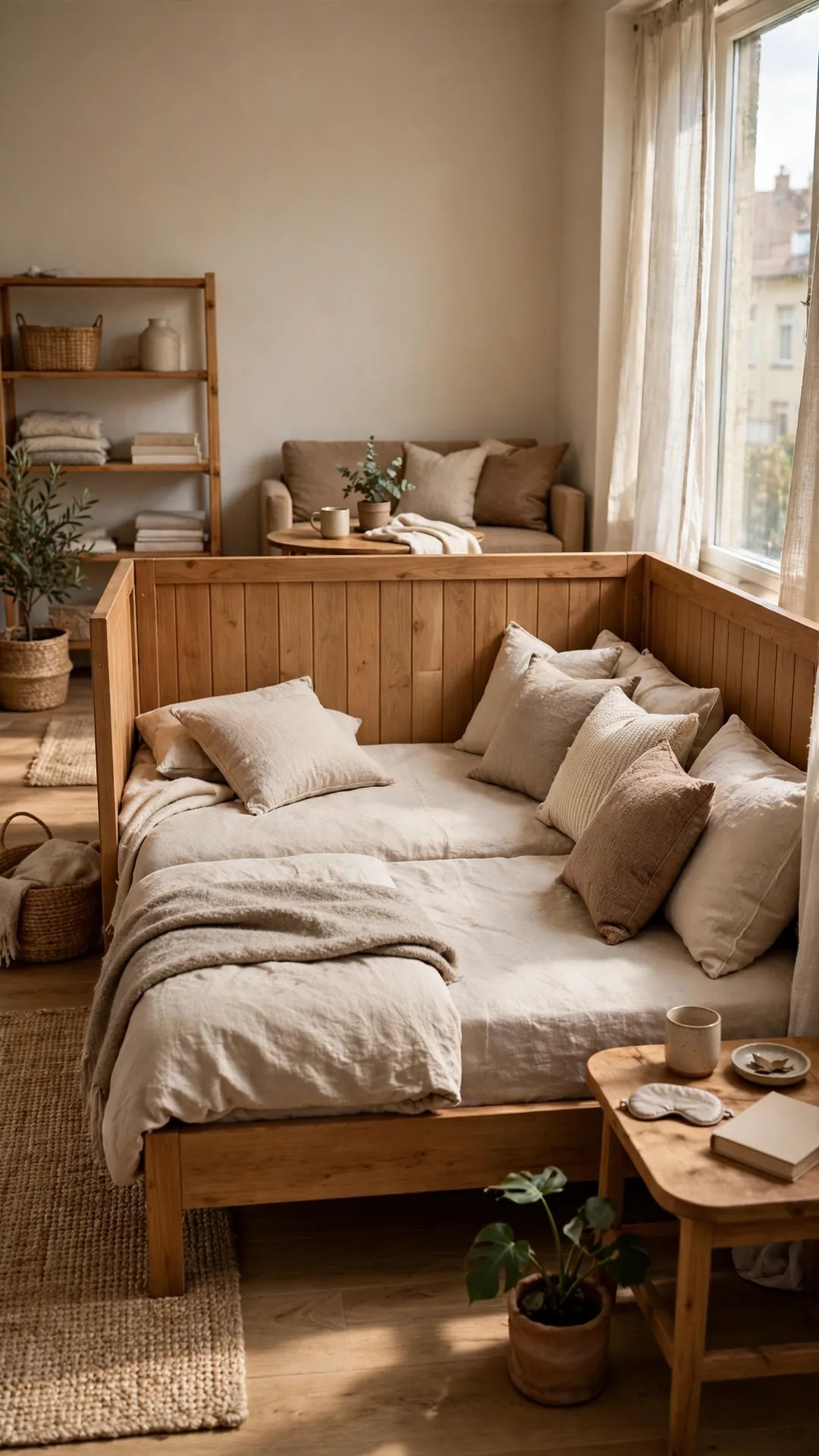
In a studio, the daybed back can split sleep from living. Float it mid-room with the back facing the sofa zone, so each side feels like its own small room. Designers keep asking whether daybeds are replacing sofas in small homes, and this layout shows why.
How to do it:
- Leave at least 24 inches of walkway behind it.
- Face the back toward the living area.
- Add a low shelf or console behind the back rail.
- Keep both sides lit with their own lamp.
- Anchor the look with one rug under the front legs.
Best for: Open studios with no wall to spare.
Budget: Under $40
Quick tip: A console behind the back hides the divider trick.
20. Angle It Into a Corner Nook
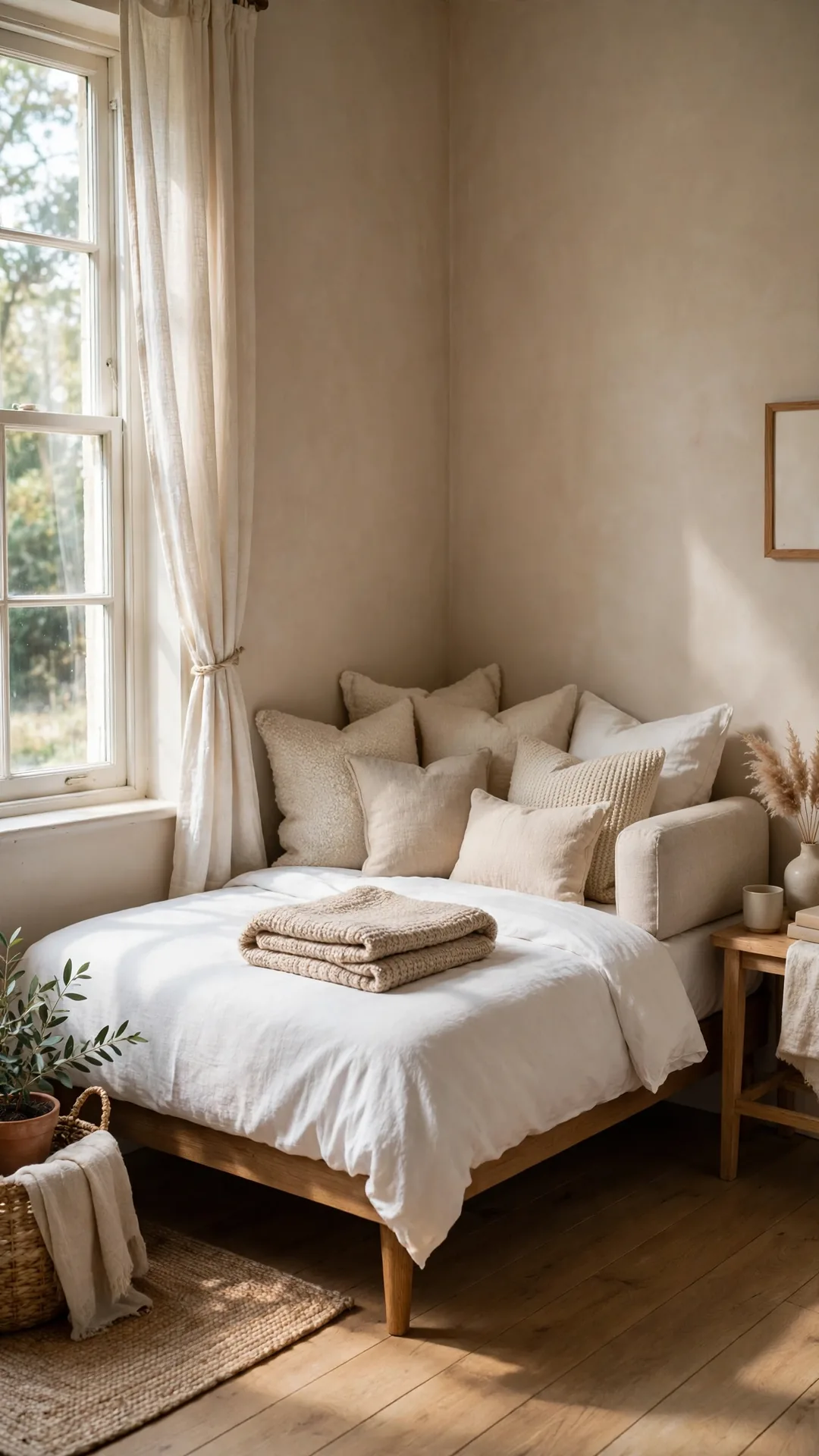
A corner fit makes daybed ideas for small rooms feel built in. The two walls form a natural head and back. The middle of the room stays open for other furniture.
How to do it:
- Push the head end deep into the corner.
- Fill the corner wedge with one big cushion.
- Keep the foot end clear for easy bed making.
- Add a small wall lamp on the side wall.
- Use the wall above for one shelf, not two.
Best for: Square rooms with one dead corner.
Budget: Under $25
Quick tip: A corner wedge cushion stops pillows falling behind.
21. Set It Inside an Alcove Opening
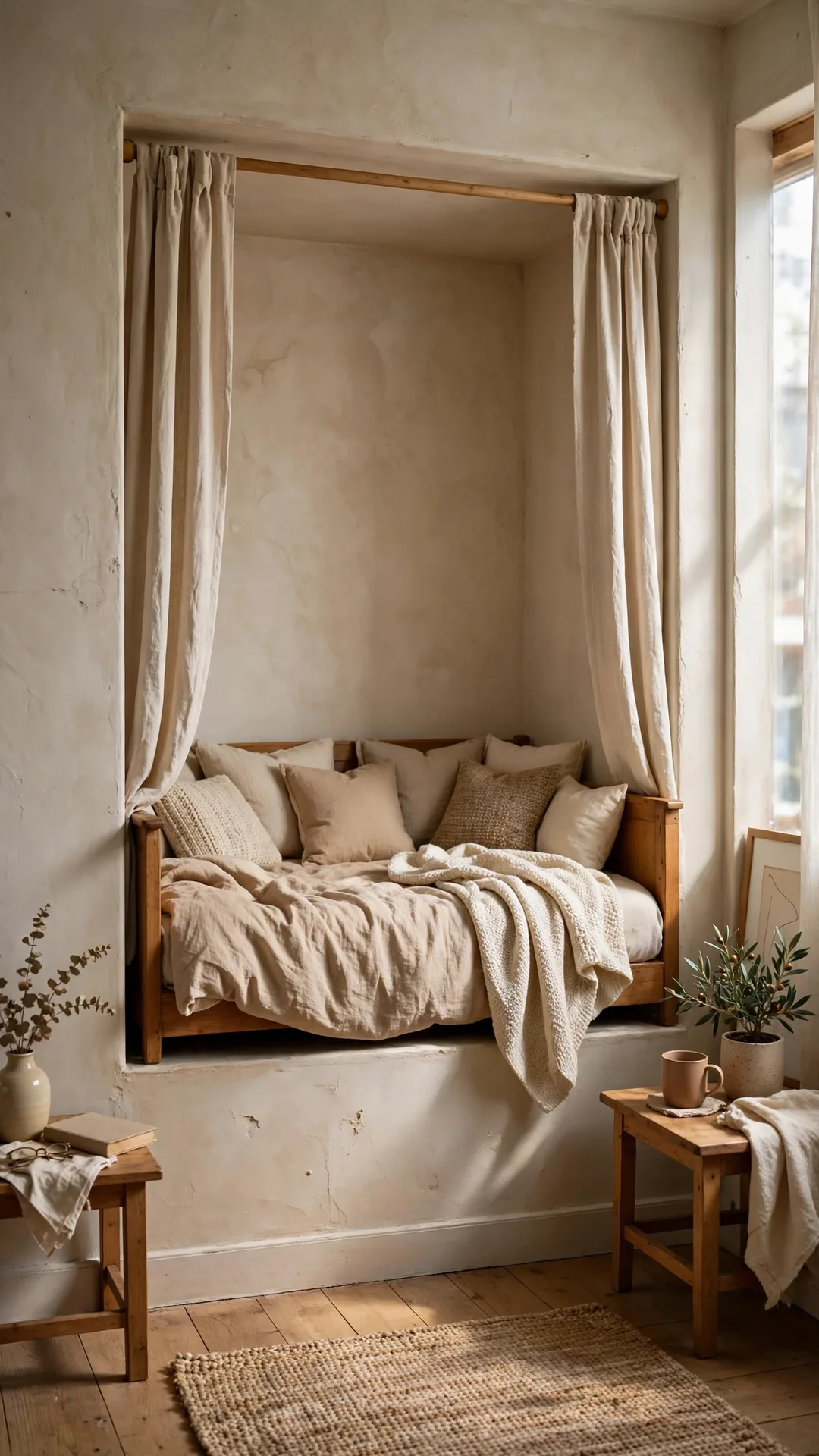
An alcove is a ready-made frame for a daybed. The bed fills the recess and the room gains floor. Curtains at the sides add privacy for guests.
How to do it:
- Measure the alcove width, depth and height first.
- Pick a frame at least 2 inches narrower than the opening.
- Hang plain curtains on a tension rod across the front.
- Add a battery light inside for reading.
- Keep bedding light so the recess feels airy.
Best for: Old apartments with odd recesses and nooks.
Budget: $30 to $80
Quick tip: Paint inside the alcove one shade deeper for depth.
22. Pair Two Daybeds in an L Shape
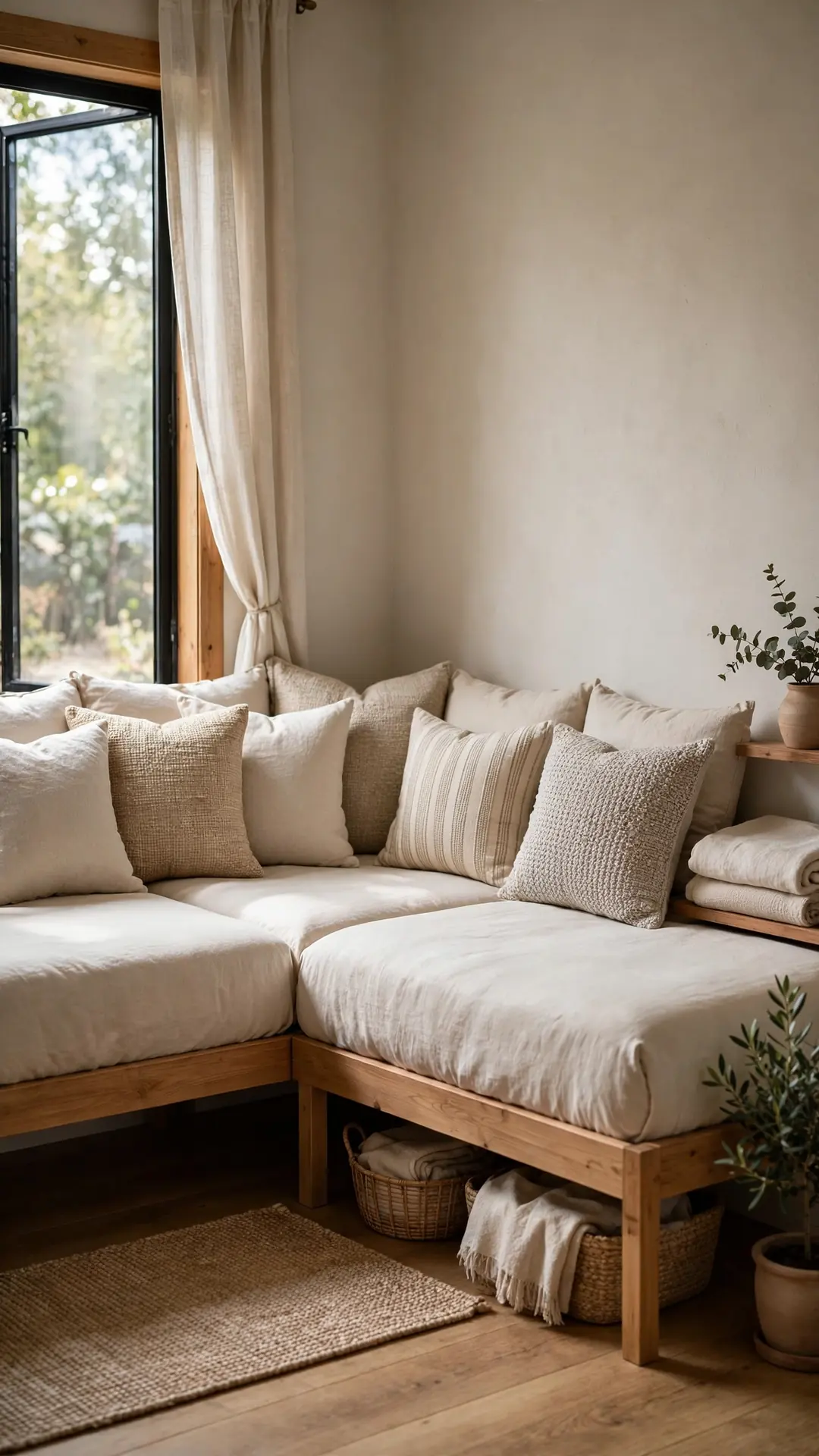
Two daybeds in an L sleep two and seat five. The corner join works like a sectional sofa corner, suiting shared kids rooms and big guest spaces. The shape echoes the built-in feel of banquette seating ideas for small dining rooms in sleep form.
How to do it:
- Match both frame heights so cushions line up.
- Push the corner ends tight together.
- Bridge the join with one wide corner cushion.
- Keep trundle access clear on at least one bed.
- Use matching bedding so the pair reads as one set.
Best for: Siblings sharing one long room.
Budget: $260 to $600
Quick tip: Matching covers make two cheap frames look custom.
23. Center It on the Short Wall
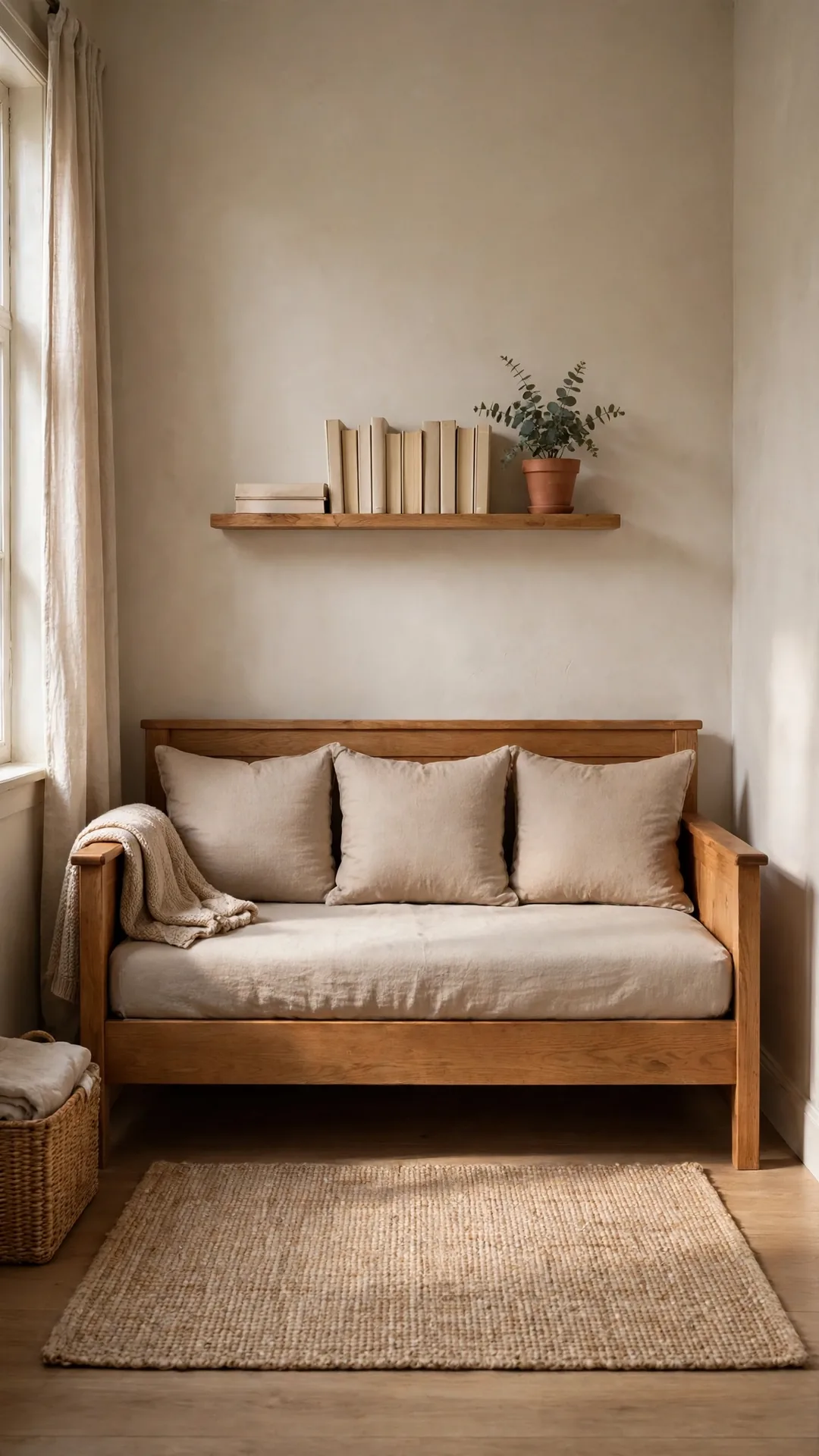
Short walls still work for daybed ideas for small rooms in square layouts. Centering the bed gives both ends a balanced look. You gain two small gaps for a basket and a lamp.
How to do it:
- Center the frame and mark the midpoint first.
- Keep side gaps equal, even if both stay small.
- Hang one shelf or picture above the center.
- Place a basket in one gap, a light in the other.
- Run cords behind the frame, not across the floor.
Best for: Square bedrooms near 10 by 10 feet.
Budget: Under $30
Quick tip: Symmetry makes a small room feel calm fast.
24. Leave a Clear Walkway Beside It
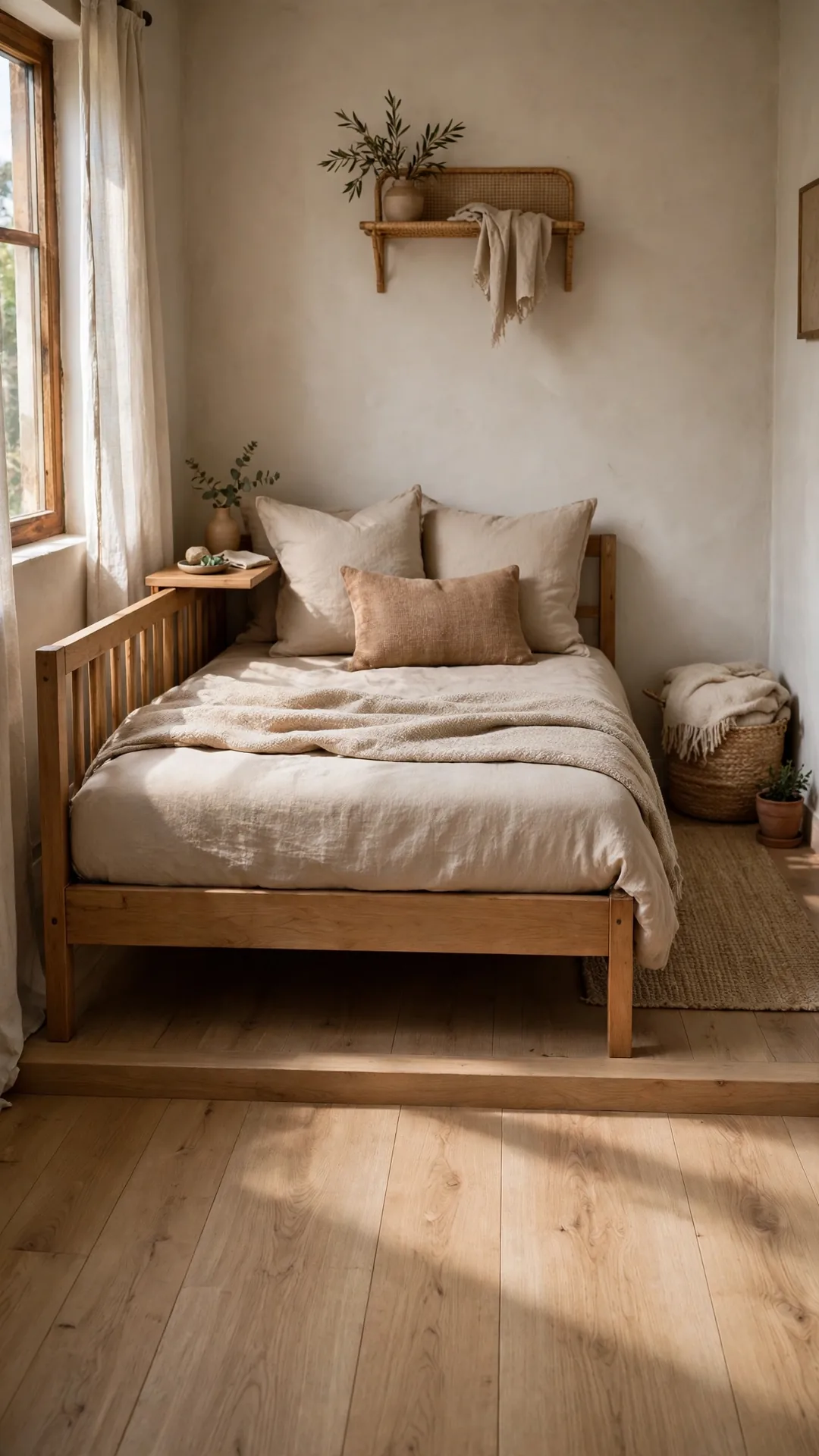
A clear path keeps a small room from feeling jammed. Plan the walkway before the bed goes in, not after. Your shins and your guests will notice the difference.
How to do it:
- Keep 24 to 30 inches of open floor along the front.
- Move bins and baskets out of that strip.
- Choose low storage that tucks under the frame instead.
- Test the path at night with the lights off.
- Keep the trundle pull-out zone inside this strip.
Best for: Rooms shared by two people.
Budget: Under $15
Quick tip: Tape the walkway edges on the floor while arranging.
25. Make It the Only Bed in a Studio
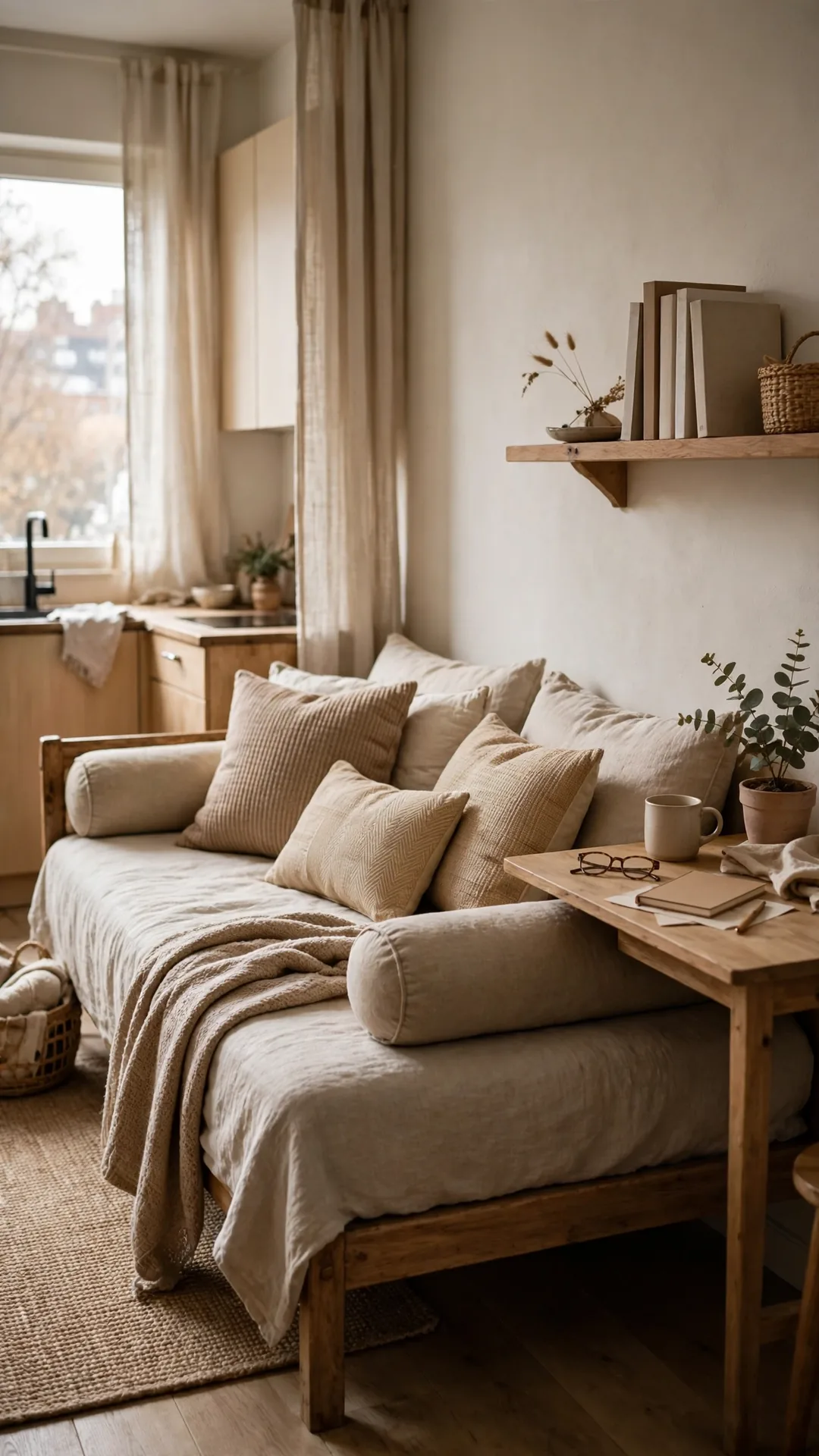
Studio renters lean on daybed ideas for small rooms more than anyone. One piece of furniture must host friends and host sleep. Dress it fully as a sofa so the studio never reads as a bedroom.
How to do it:
- Keep daytime cushions on it every single morning.
- Add a side table so it reads as a living set.
- Face it toward the room, not into a corner.
- Store all bedding out of sight during the day.
- Add one plant and one lamp to finish the scene.
Best for: Studio flats under 400 square feet.
Budget: $50 to $120
Quick tip: A strict morning reset keeps studio life sane.
26. Give Guests a Real Bed in a Spare Room
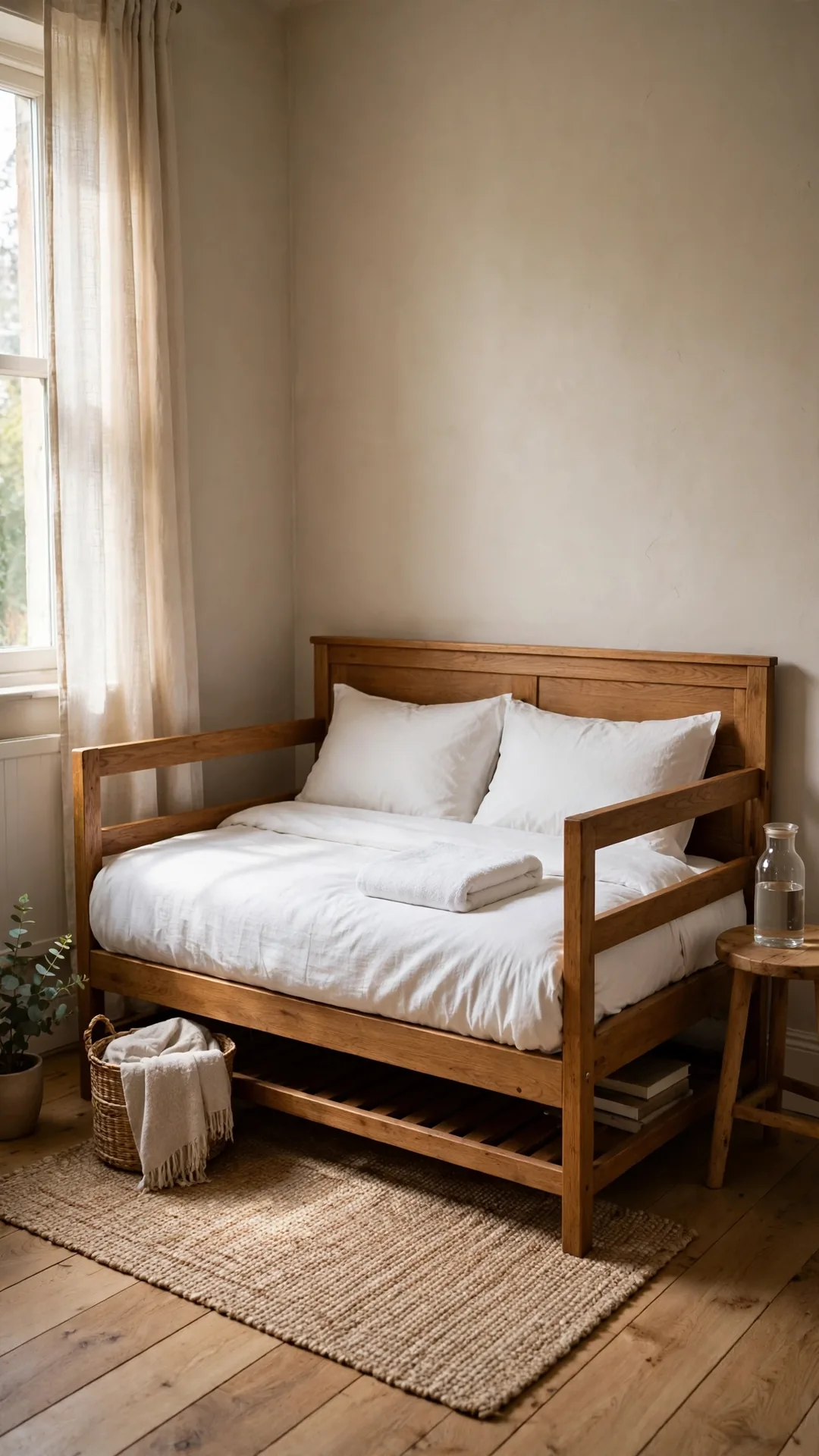
Guests sleep better on a real mattress than on a sofa bed. A daybed gives them that without eating the room. Between visits, the room works as an office or den.
How to do it:
- Make the bed with fresh sheets before guests arrive.
- Lay a folded towel and spare blanket on top.
- Add one firm pillow and one soft pillow.
- Clear a small surface for their phone and water.
- Keep a spare phone charger in the side drawer.
Best for: Spare rooms that double as work space.
Budget: $25 to $60
Quick tip: A small water carafe makes guests feel looked after.
27. Pick a Firm Twin Mattress, Eight Inches

Firm foam keeps daybed ideas for small rooms comfy for sitting and sleep. Soft mattresses sag at the edge where people sit. Eight inches hits the sweet spot for most frames.
How to do it:
- Choose a twin size, 75 by 38 inches.
- Pick medium-firm foam or firm innerspring build.
- Keep thickness between 6 and 8 inches for trundles.
- Check the edge support by sitting on the side.
- Rotate the mattress head to foot each month.
Best for: Daily sleepers who also sit all day.
Budget: $130 to $260
Quick tip: Firm edges matter more than fancy foam layers.
28. Add a Thin Topper for Softer Sitting
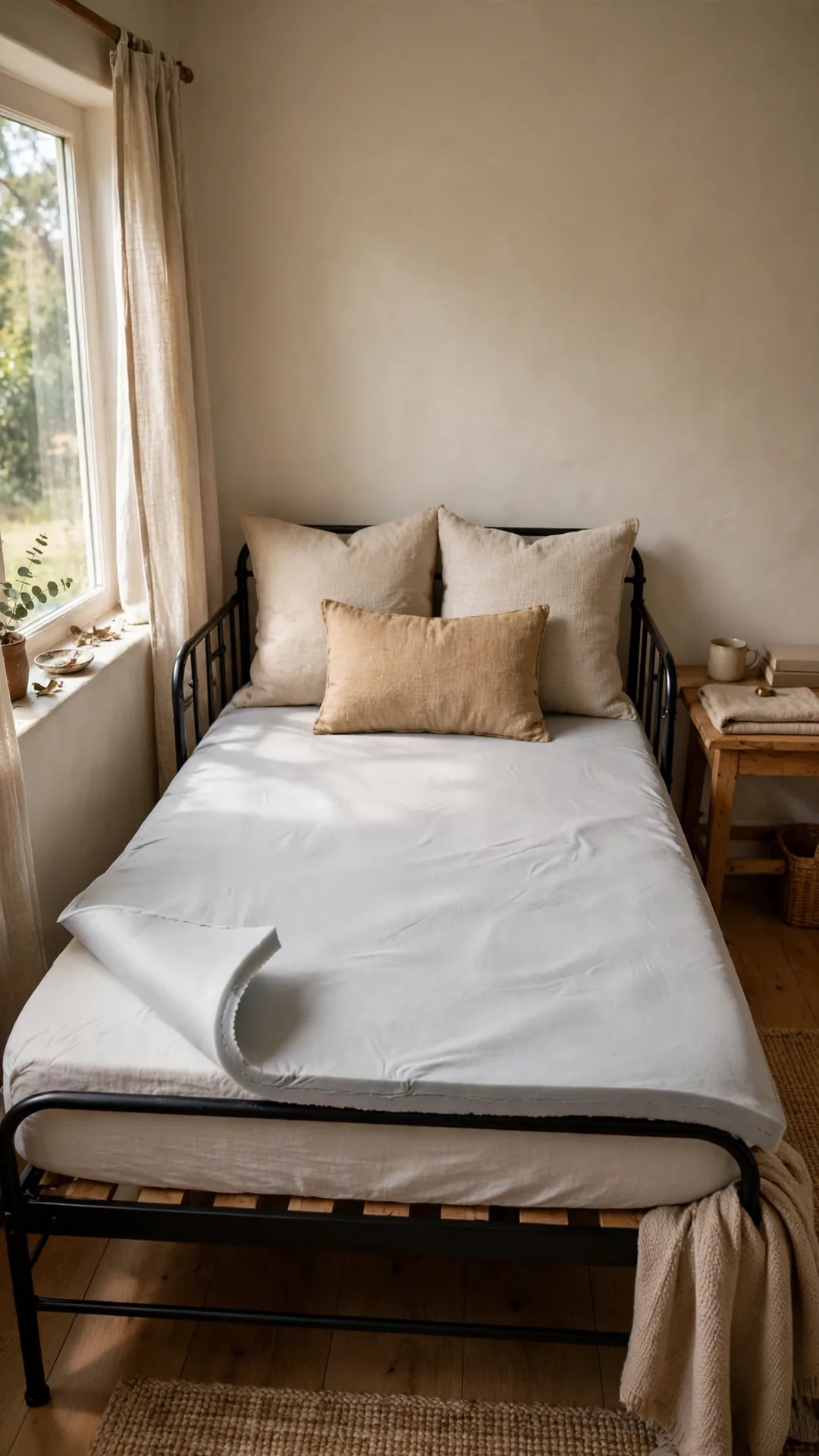
A firm mattress can feel hard during long sits. A thin topper adds a soft layer without sag. It also smooths out seam lines under a cover.
How to do it:
- Pick a topper 1 to 2 inches thick.
- Choose foam with a washable zip cover.
- Lay it flat and let it expand for a day.
- Tuck the sheet over both layers together.
- Air it weekly by folding it back at the foot.
Best for: Bony hips and long reading sessions.
Budget: $35 to $75
Quick tip: Thin toppers keep the seat height sofa-like.
29. Use Fitted Sheets in Sofa Colors
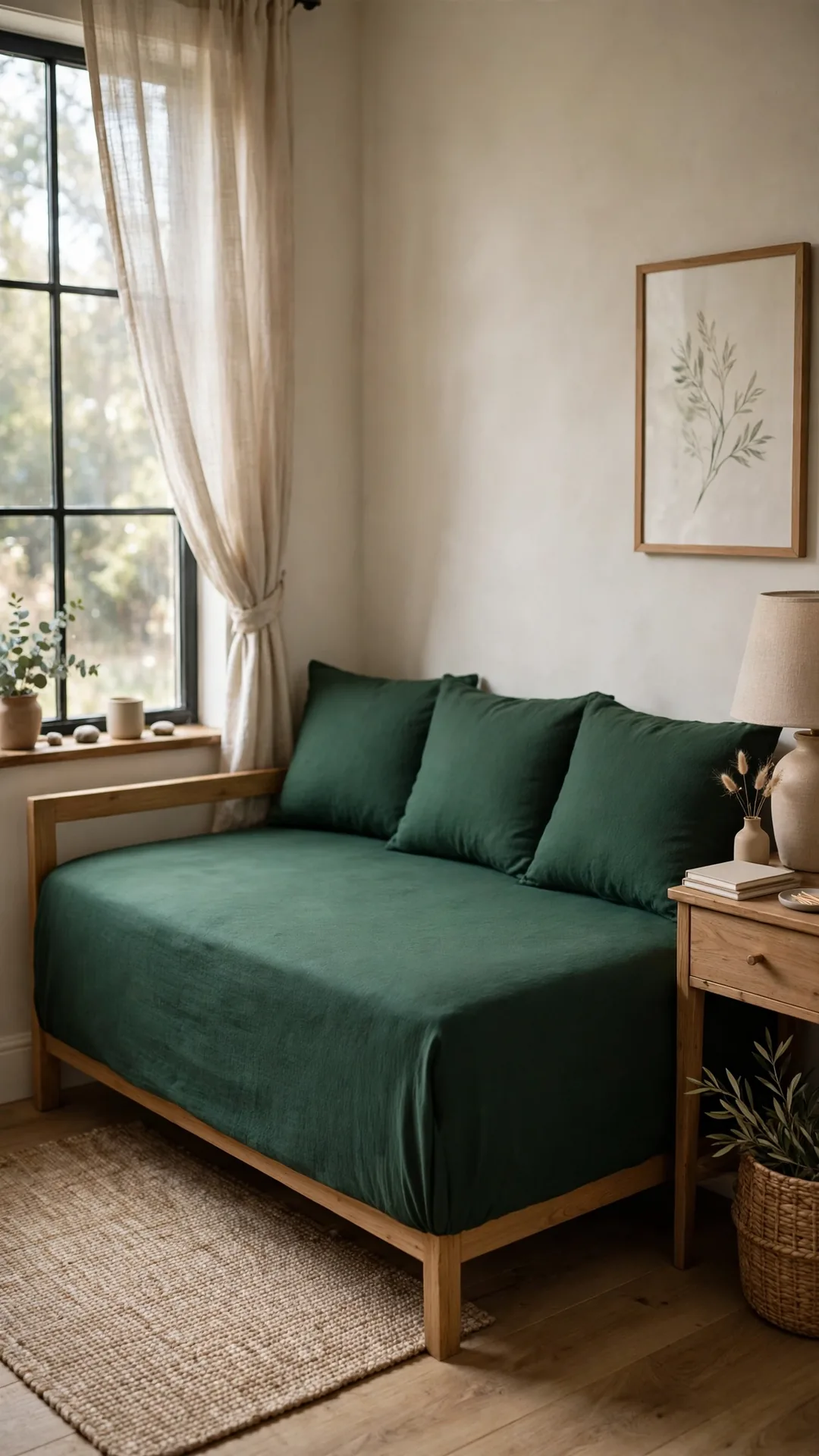
White sheets shout bed, while colored sheets whisper sofa. A fitted sheet in green, rust or navy reads as upholstery. It is also the cheapest restyle on this whole list.
How to do it:
- Pick a deep, calm color that suits the room.
- Choose cotton or microfiber with deep pockets.
- Pull it drum-tight over all four corners.
- Pair it with cushions in a lighter tone.
- Keep a second sheet for laundry day swaps.
Best for: Daytime looks on the tightest budget.
Budget: $12 to $25
Quick tip: Dark sheets hide the bed shape best.
30. Cover the Mattress With a Quilt Daily
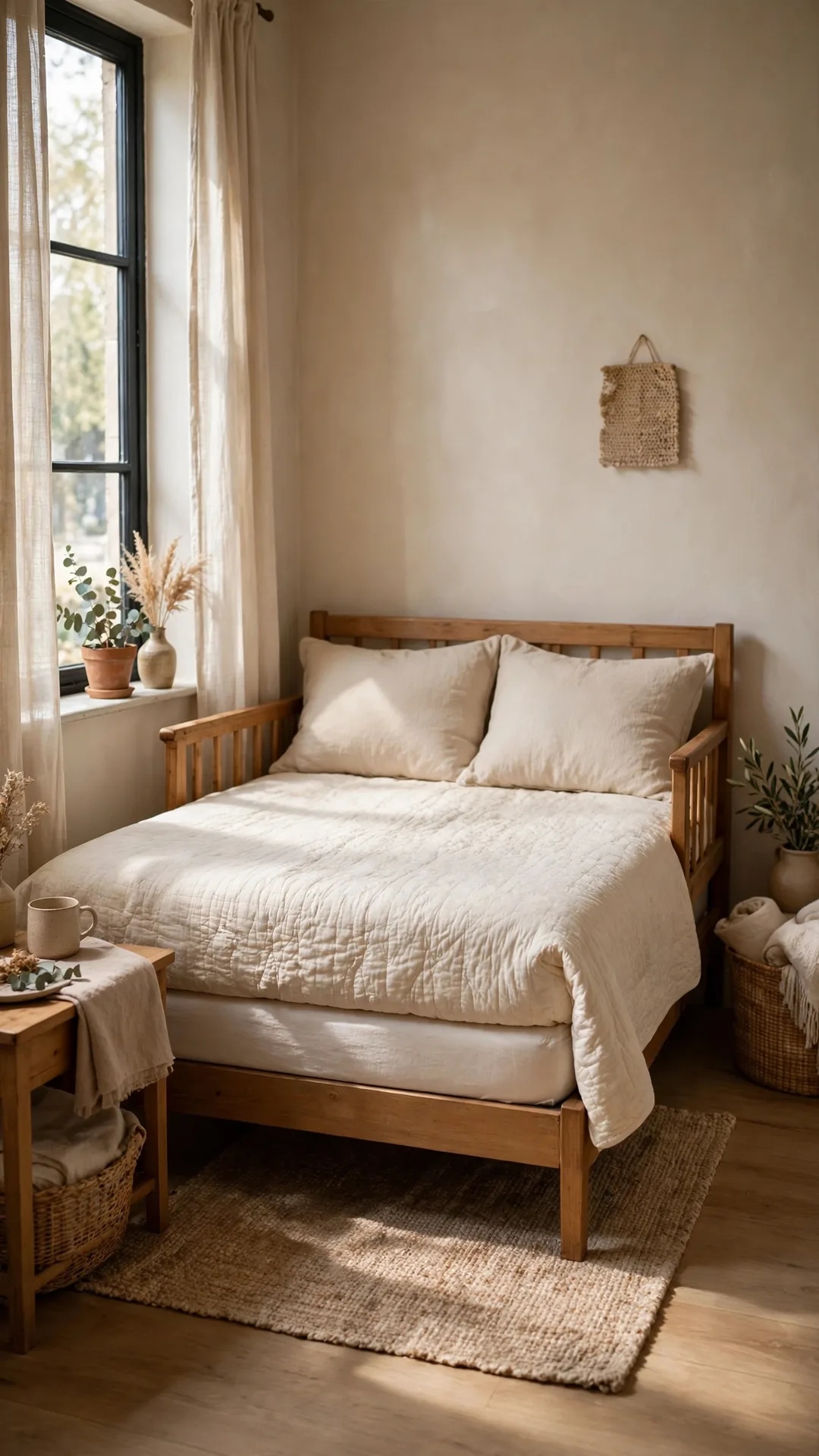
A cover quilt protects daybed ideas for small rooms from daily wear. It shields the sheet from dust, sun and snack crumbs. At night it folds back as your top layer.
How to do it:
- Choose a quilt wide enough to cover the full top.
- Let it hang 6 inches over the front edge.
- Smooth it flat each morning after making the bed.
- Shake it outside once a week.
- Wash it monthly to keep colors bright.
Best for: Sunny rooms where bedding fades fast.
Budget: $30 to $65
Quick tip: A reversible quilt gives two looks for one price.
31. Keep Guest Sheets Inside the Trundle

Guest bedding needs a home that is not your closet. A trundle drawer or the trundle itself stores it well. Guests can then make their bed in minutes.
How to do it:
- Fold one full sheet set into a flat bundle.
- Add a thin blanket and one pillowcase.
- Store the bundle inside a clean pillowcase.
- Keep it in the trundle drawer or under-bed bin.
- Wash the set after every guest stay.
Best for: Hosts with zero linen closet space.
Budget: Under $15
Quick tip: A lavender sachet keeps stored sheets smelling fresh.
32. Store Spare Pillows in a Tall Basket

Night pillows crowd a daybed seat all day long. A tall basket beside the frame swallows two pillows upright, keeping them off the floor and away from dust. The trick borrows from DIY bedroom ideas for small rooms with cats, where pillows stay safe from curious pets.
How to do it:
- Pick a basket at least 20 inches tall.
- Stand pillows upright so they take less room.
- Place the basket at the head end, out of walkways.
- Shake pillows out before they go back at night.
- Wash the basket liner every few weeks.
Best for: Daily sleepers who style the bed each morning.
Budget: $18 to $40
Quick tip: Upright pillows air out better than stacked ones.
33. Stack Two Pillow Rows for Back Support
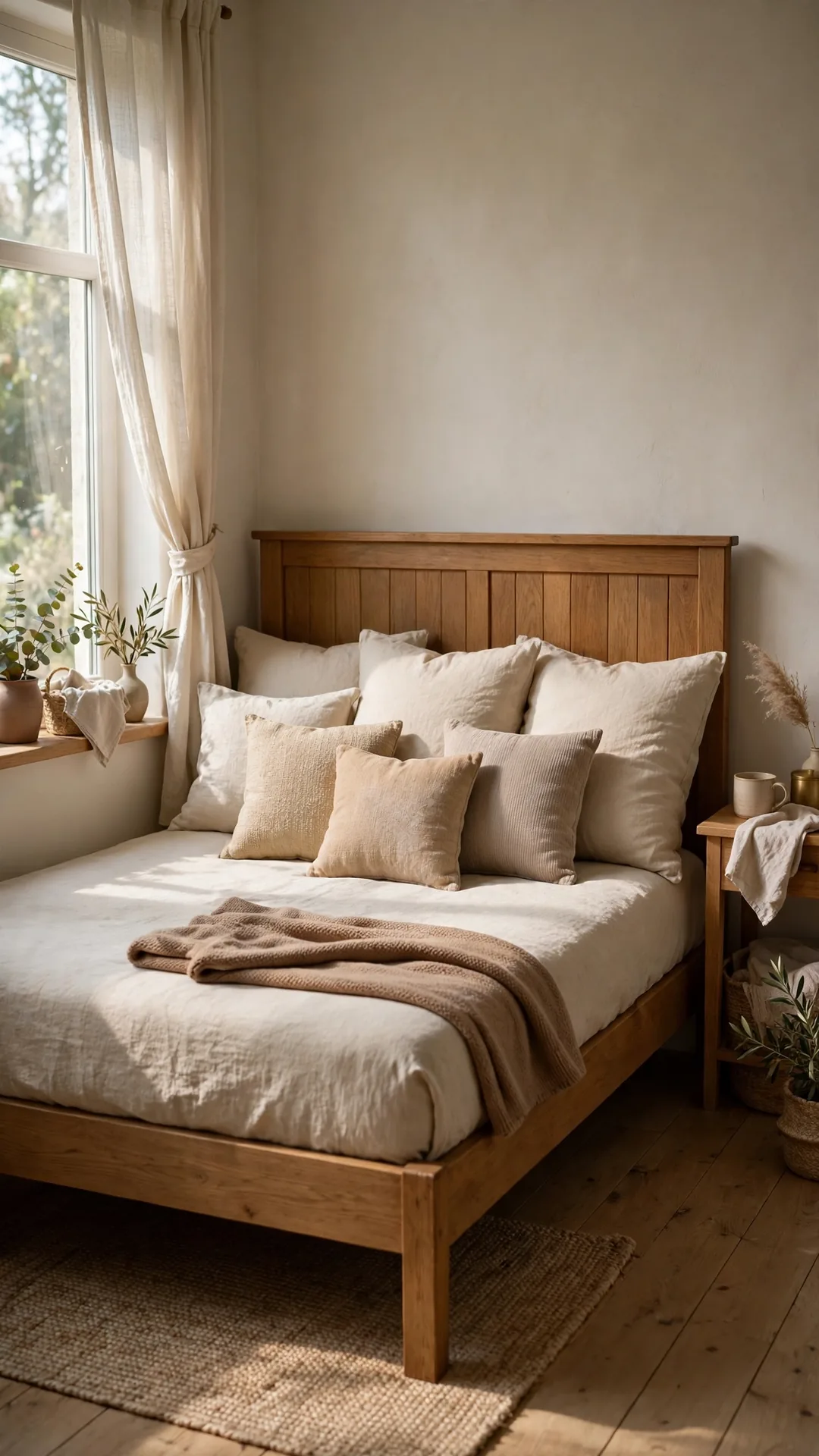
One row of cushions leaves your back unsupported. Two staggered rows mimic a proper sofa back. The front row stays soft while the back row stays firm.
How to do it:
- Stand firm sleeping pillows flat against the back rail.
- Layer softer seat cushions in front of them.
- Offset the front row so seams do not line up.
- Add one small cushion for the lower back gap.
- Restack quickly each morning as part of bed making.
Best for: Movie nights and laptop work in bed.
Budget: $25 to $55
Quick tip: Firm behind soft is the golden rule here.
34. Choose Washable Bedding for Easy Care
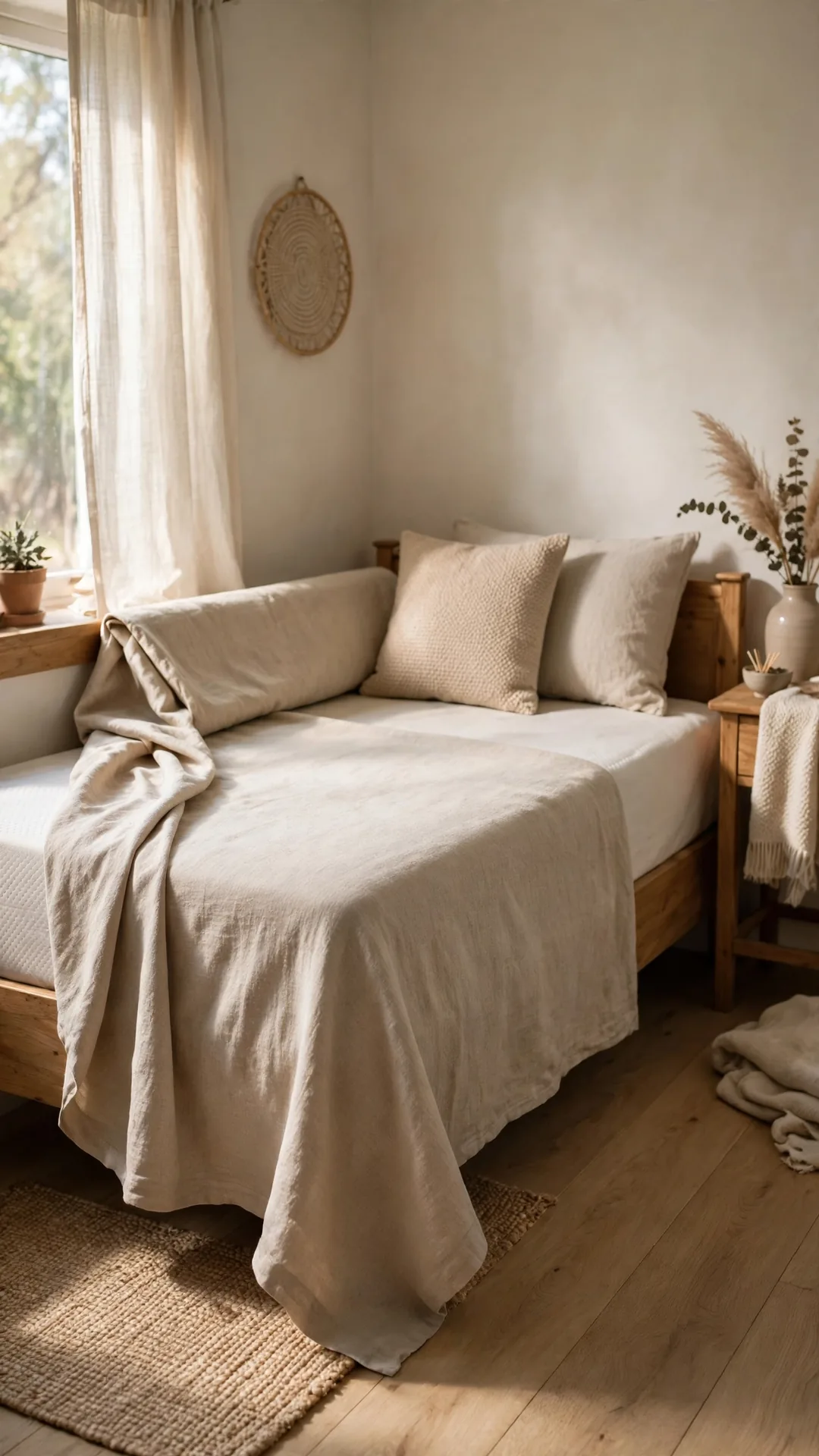
A daybed takes more spills than a normal bed. Washable covers and quilts keep care simple and cheap. Skip dry-clean-only fabrics in a hard-working room.
How to do it:
- Check every label for machine wash before buying.
- Pick cotton or microfiber for the base layers.
- Keep one spare set for wash day.
- Wash covers monthly on a gentle cycle.
- Dry flat or on low heat to stop shrinkage.
Best for: Homes with kids, pets or snack habits.
Budget: $30 to $70
Quick tip: Zippered covers wash better than button ones.
35. Slide Flat Bins Under the Frame
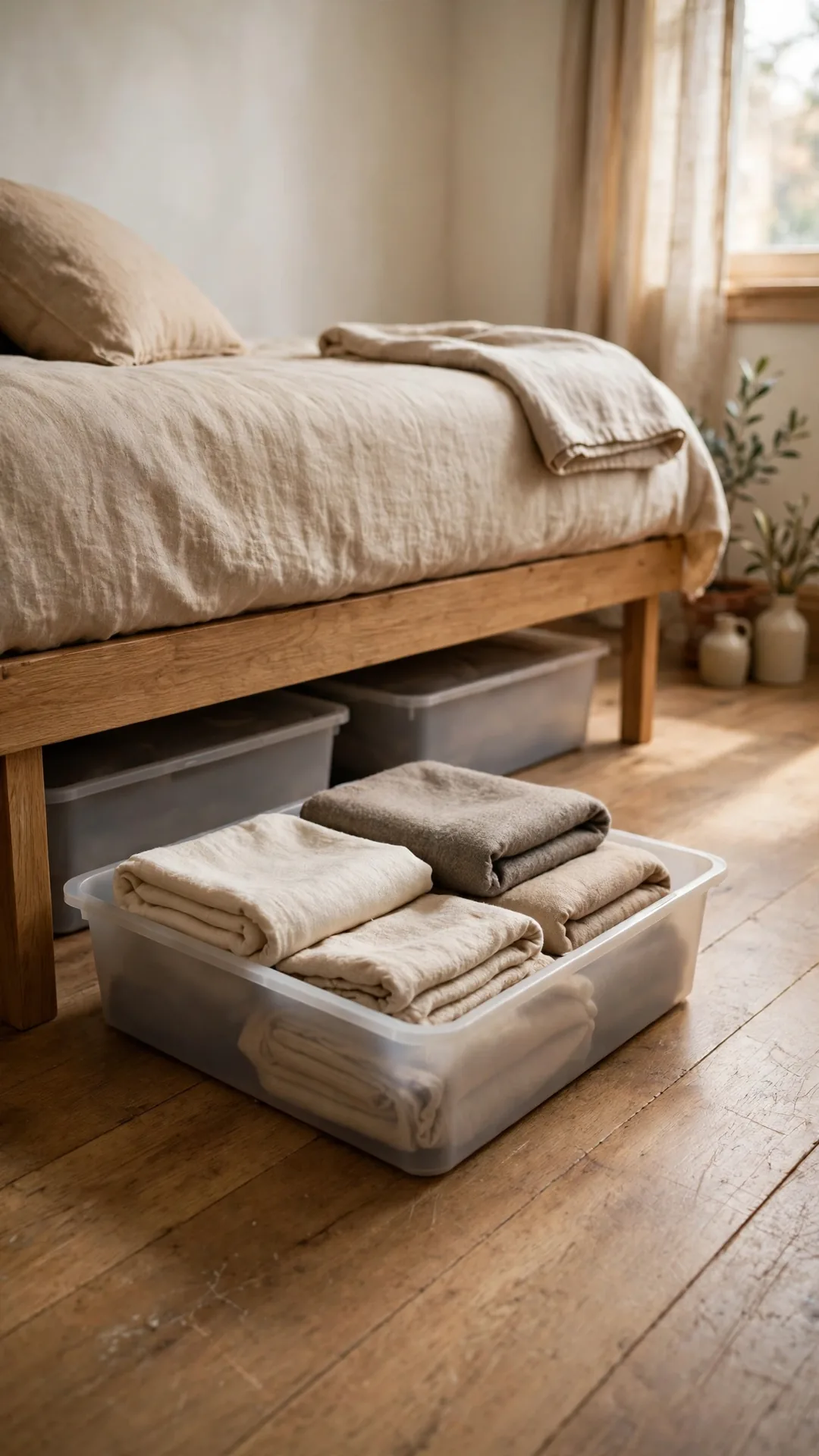
Under-bed space powers daybed ideas for small rooms with zero closets. Flat bins slide into the gap most frames leave. Shoes, books and off-season clothes vanish in seconds.
How to do it:
- Measure the clearance, often 7 to 12 inches.
- Pick bins with lids and small wheels or glides.
- Sort one bin per type of item.
- Keep daily items in the front bin only.
- Slide bins out monthly for a quick floor clean.
Best for: Studios with no storage furniture at all.
Budget: $20 to $45
Quick tip: Wheeled bins save your back on hard floors.
36. Add a Slim Side Table With Drawers
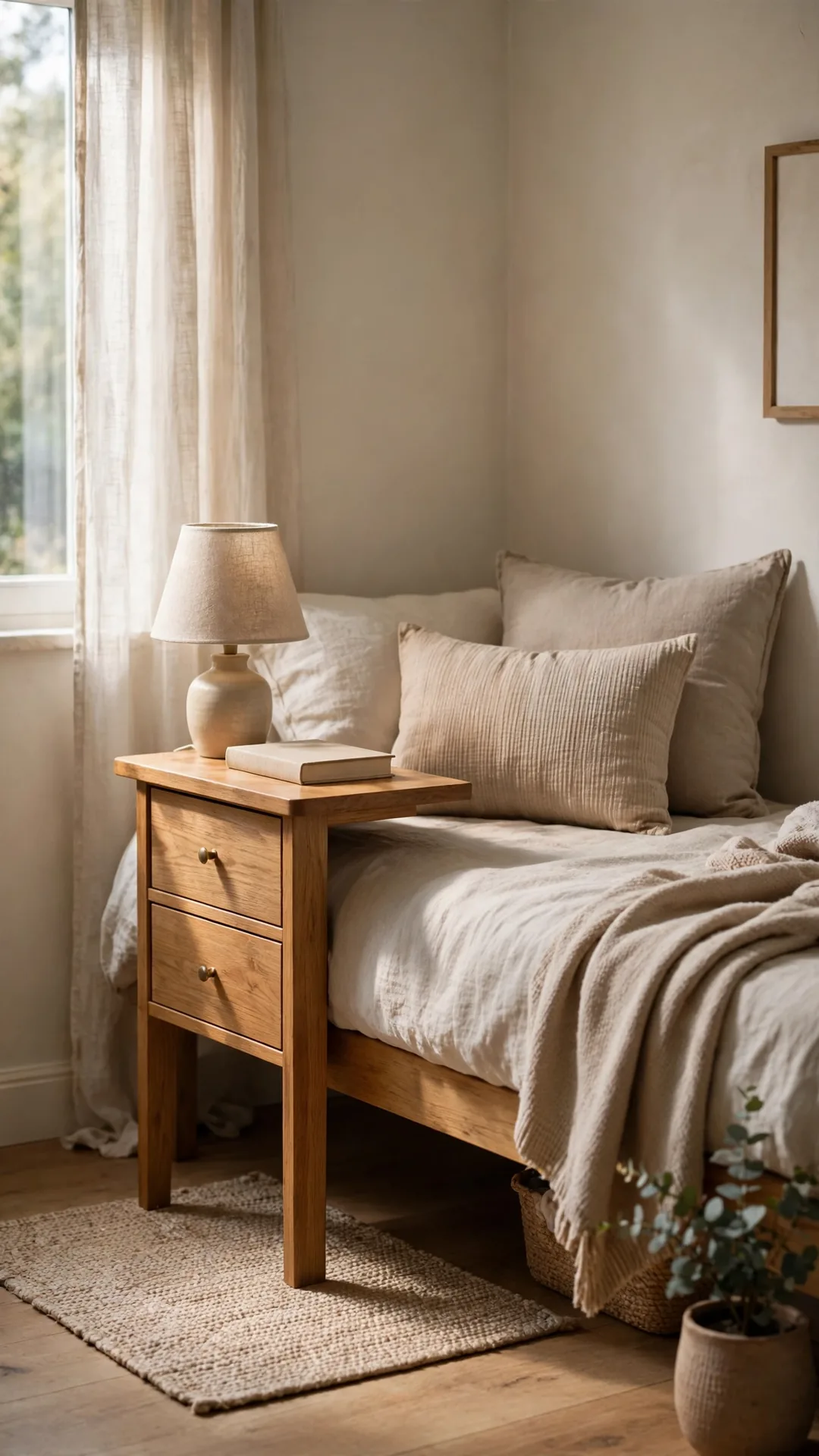
A daybed needs a nightstand that doubles as a sofa end table. Slim drawer tables hold chargers, books and glasses. Two drawers keep the top surface clear.
How to do it:
- Choose a table no wider than 14 inches.
- Match its height to the mattress top.
- Keep the top drawer for nightly items.
- Use the lower drawer for guest supplies.
- Add felt pads so it slides for cleaning.
Best for: Readers who keep too much by the bed.
Budget: $45 to $110
Quick tip: A table at mattress height doubles as a desk edge.
37. Hang a Wall Shelf Above the Back
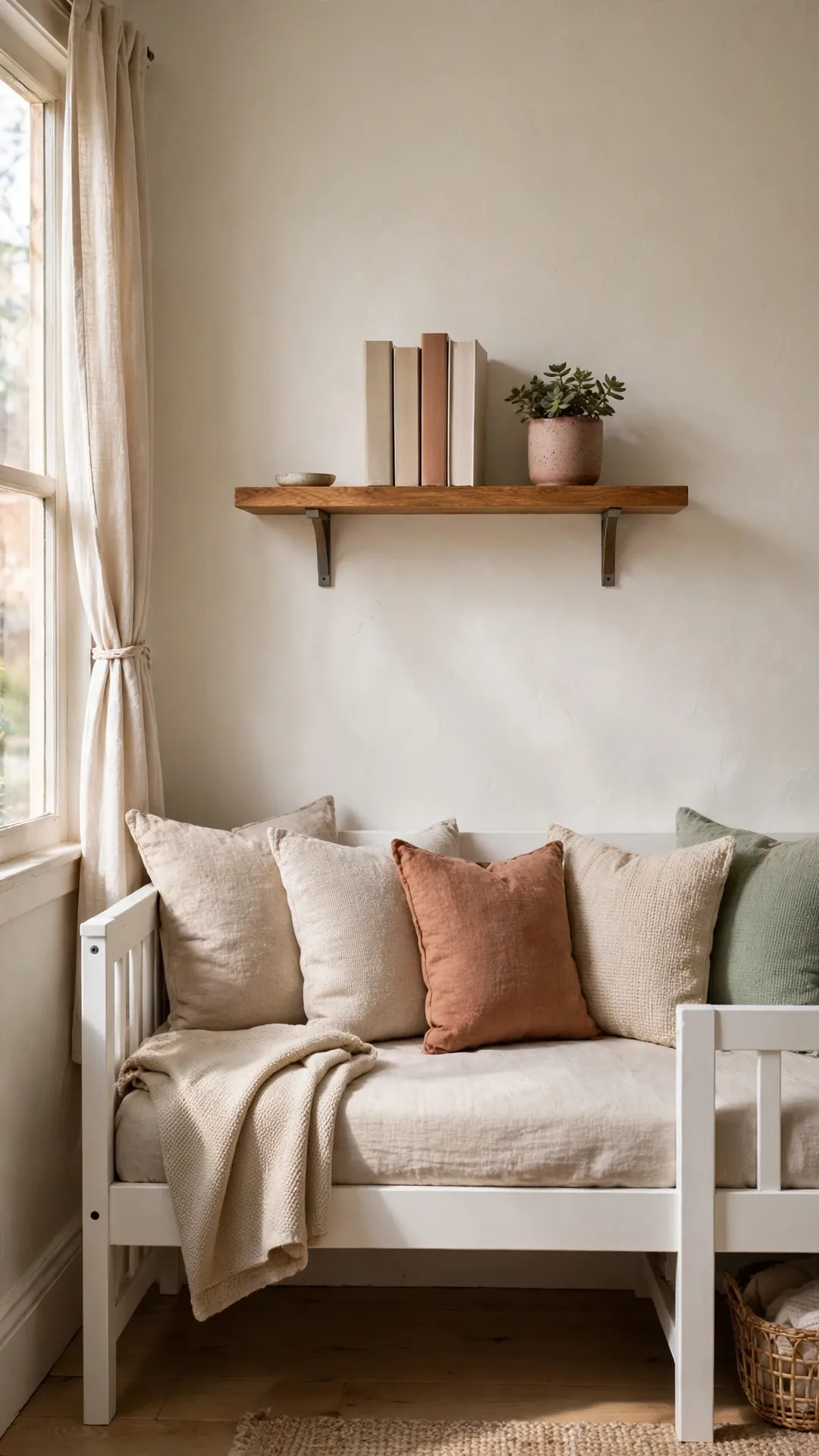
Wall space above the back rail is free storage. One shelf holds books, a plant and a small clock. It keeps the seat clear and the floor empty.
How to do it:
- Mount the shelf about 24 inches above the mattress.
- Hit studs, or use anchors rated for the load.
- Keep heavy items off the shelf ends.
- Leave head clearance for sitting up in bed.
- Limit decor to three items for a calm look.
Best for: Owners who can drill, or strong adhesive strips.
Budget: $20 to $50
Quick tip: Test head clearance before the final screw goes in.
38. Keep a Basket at the Foot for Throws

A foot basket gives daybed ideas for small rooms a tidy end point. Throws stay close without cluttering the seat by day. It anchors the foot end the way a sofa arm would.
How to do it:
- Pick a sturdy basket about 16 inches wide.
- Roll throws so they stand upright inside.
- Keep the basket snug against the foot end.
- Limit it to two throws so it never overflows.
- Shake it out weekly to beat dust buildup.
Best for: Rooms where the sofa look needs an end point.
Budget: $15 to $35
Quick tip: A lidded basket doubles as a tiny side table.
39. Add Hooks Beside It for Robes
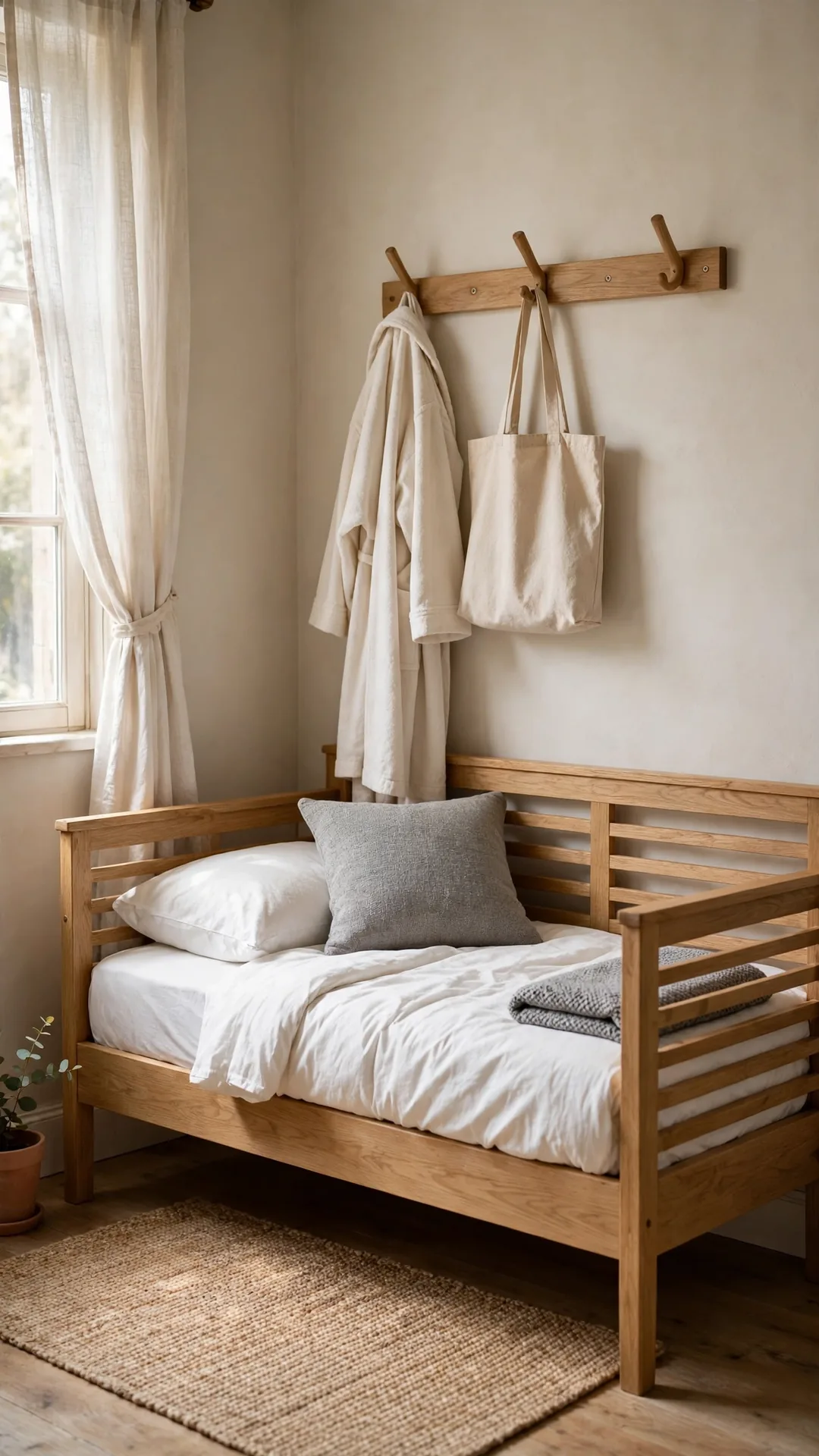
Hooks beside the bed catch robes, bags and tomorrow's outfit. They use wall space that usually sits blank. Renters can swap screws for strong adhesive hooks.
How to do it:
- Place three hooks about 60 inches from the floor.
- Space them 8 inches apart along the wall.
- Use adhesive hooks rated for 5 pounds or more.
- Keep one hook free for guest items.
- Hang nothing heavy above the pillow zone.
Best for: Renters with no closet rod space.
Budget: $10 to $25
Quick tip: Wooden hooks look warmer than chrome ones.
40. Set a Small Bookshelf at the Head

The head end of a daybed often wastes a narrow strip. A low bookshelf fits that strip and works as a headboard. It holds books, a lamp and a morning coffee.
How to do it:
- Pick a shelf about 30 inches tall and 10 inches deep.
- Push it flush against the head end.
- Keep the top shelf for a lamp and one book.
- Store heavier books on the bottom shelf.
- Anchor tall shelves to the wall for safety.
Best for: Book lovers in rooms without a nightstand spot.
Budget: $40 to $95
Quick tip: A shelf at pillow height beats reaching behind you.
41. Roll a Cart Up as a Nightstand

A rolling cart moves where a fixed table cannot. It parks beside the bed at night and rolls away by day. Three tiers hold more than most small nightstands.
How to do it:
- Choose a slim cart under 12 inches wide.
- Keep the lamp and water on the top tier.
- Store books and chargers on the middle tier.
- Park guest supplies on the bottom tier.
- Lock the wheels once it sits in place.
Best for: Renters who rearrange rooms often.
Budget: $25 to $50
Quick tip: Metal carts wipe clean after snack spills.
42. Tuck a Lap Tray Under the Mattress
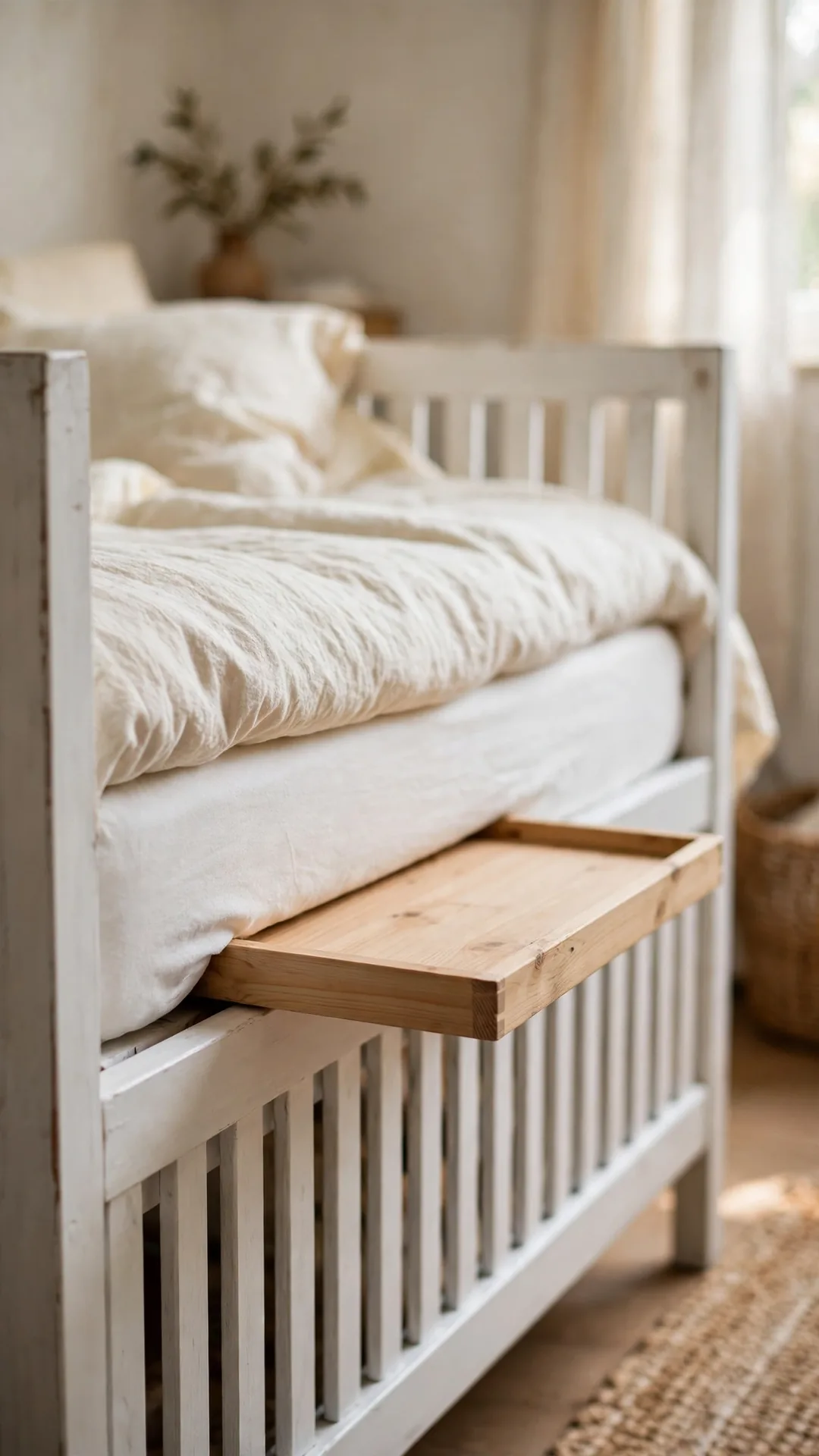
Sofa-mode workers need a flat surface for a laptop. A lap tray slides under the mattress edge when idle. It takes zero floor space and zero storage room.
How to do it:
- Pick a tray with folding legs and a flat top.
- Slide it under the mattress front edge.
- Keep the tray clear of trundle tracks below.
- Use it on the seat, not in bed at night.
- Wipe it down after food or coffee use.
Best for: Laptop workers using the daybed as an office seat.
Budget: $18 to $35
Quick tip: A raised tray edge stops pens rolling off.
43. Clip a Reading Light to the Frame
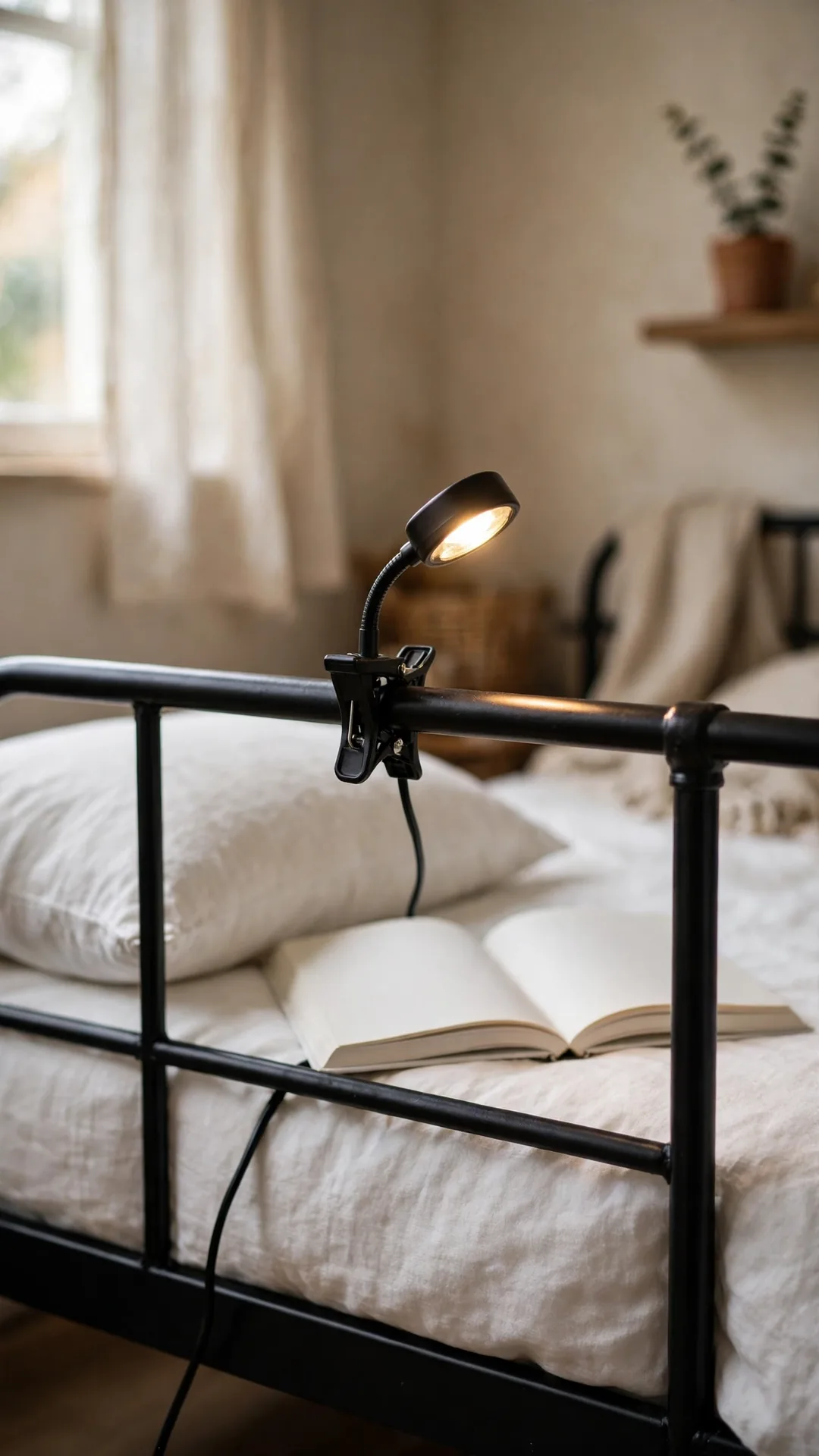
Clip lights add glow to daybed ideas for small rooms without any wiring. The clamp grips a rail or the head end. A flexible neck aims light at your book, not the room.
How to do it:
- Pick a clip light with a padded clamp.
- Grip it on the head rail or back post.
- Choose warm light around 2700K for evenings.
- Keep the cord tucked along the frame edge.
- Recharge or plug it in where cords stay hidden.
Best for: Renters who cannot add wall lights.
Budget: $12 to $28
Quick tip: Warm light makes small rooms feel calmer.
44. Hang a Plug-In Sconce Above It
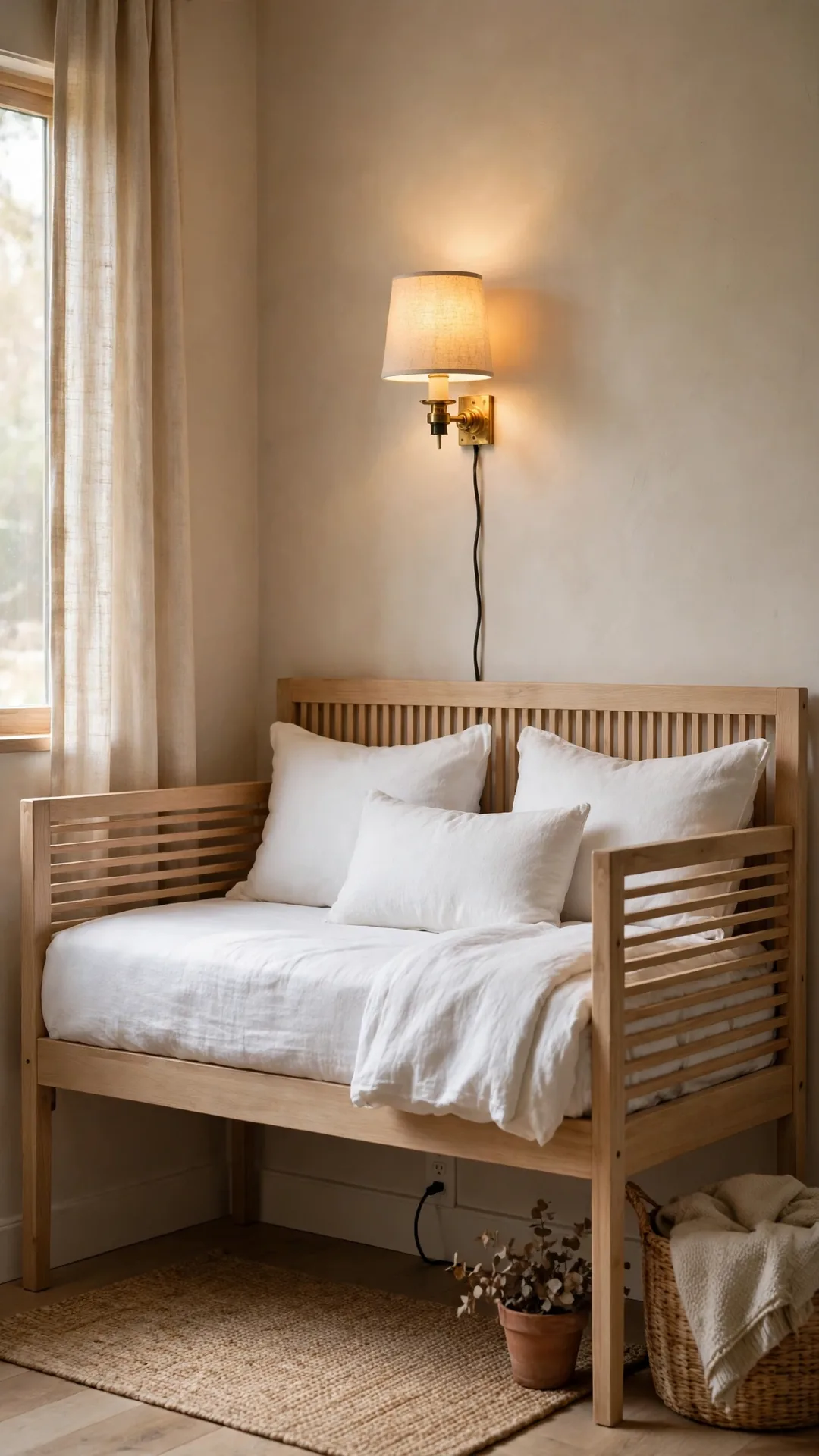
A plug-in sconce gives fixed light with no electrician. The cord runs down the wall to the nearest outlet. It frees the side table for books and water.
How to do it:
- Mount the sconce about 20 inches above the mattress.
- Use two small screws or strong adhesive mounts.
- Run the cord straight down in a slim cover strip.
- Pick a shade that aims light downward.
- Add a cord switch for easy bedtime reach.
Best for: Owners and renters with a spare outlet nearby.
Budget: $30 to $70
Quick tip: A cord cover strip makes the install look wired-in.
45. Drape a Canopy on a Tension Rod
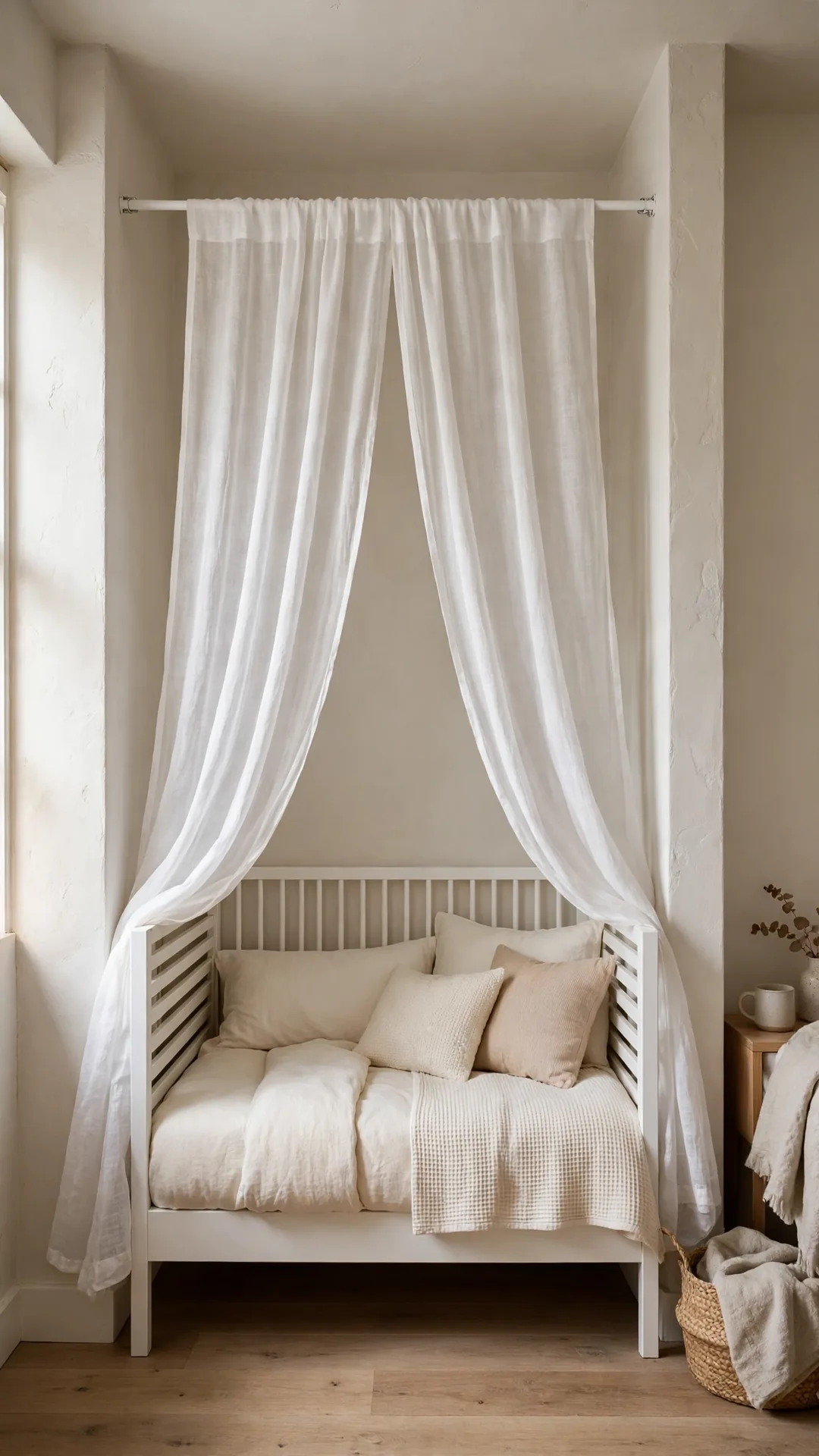
A sheer panel softens a daybed nook without paint or holes. A tension rod wedges between walls or inside an alcove. The fabric adds privacy for guests in shared rooms.
How to do it:
- Measure the gap width before buying the rod.
- Pick a rod rated for light fabric only.
- Hang one sheer panel, not heavy drapes.
- Keep fabric clear of lamps and heaters.
- Wash the panel monthly since it gathers dust.
Best for: Alcove beds and shared sibling rooms.
Budget: $20 to $45
Quick tip: White sheers keep the nook bright, not cave-like.
46. Layer a Rug Under the Front Legs

A rug under the front legs anchors the sofa look. It also warms bare feet on cold mornings. Flatweave styles keep the trundle rolling smoothly.
How to do it:
- Size the rug about 5 by 7 feet for twin beds.
- Slide one third of it under the front legs.
- Choose a low-pile or flatweave finish.
- Add a thin grip pad to stop sliding.
- Keep the trundle path on hard floor, not pile.
Best for: Hard floors in echoey small rooms.
Budget: $35 to $90
Quick tip: Low pile keeps trundle casters moving freely.
47. Add a Small Footstool for Feet-Up Time
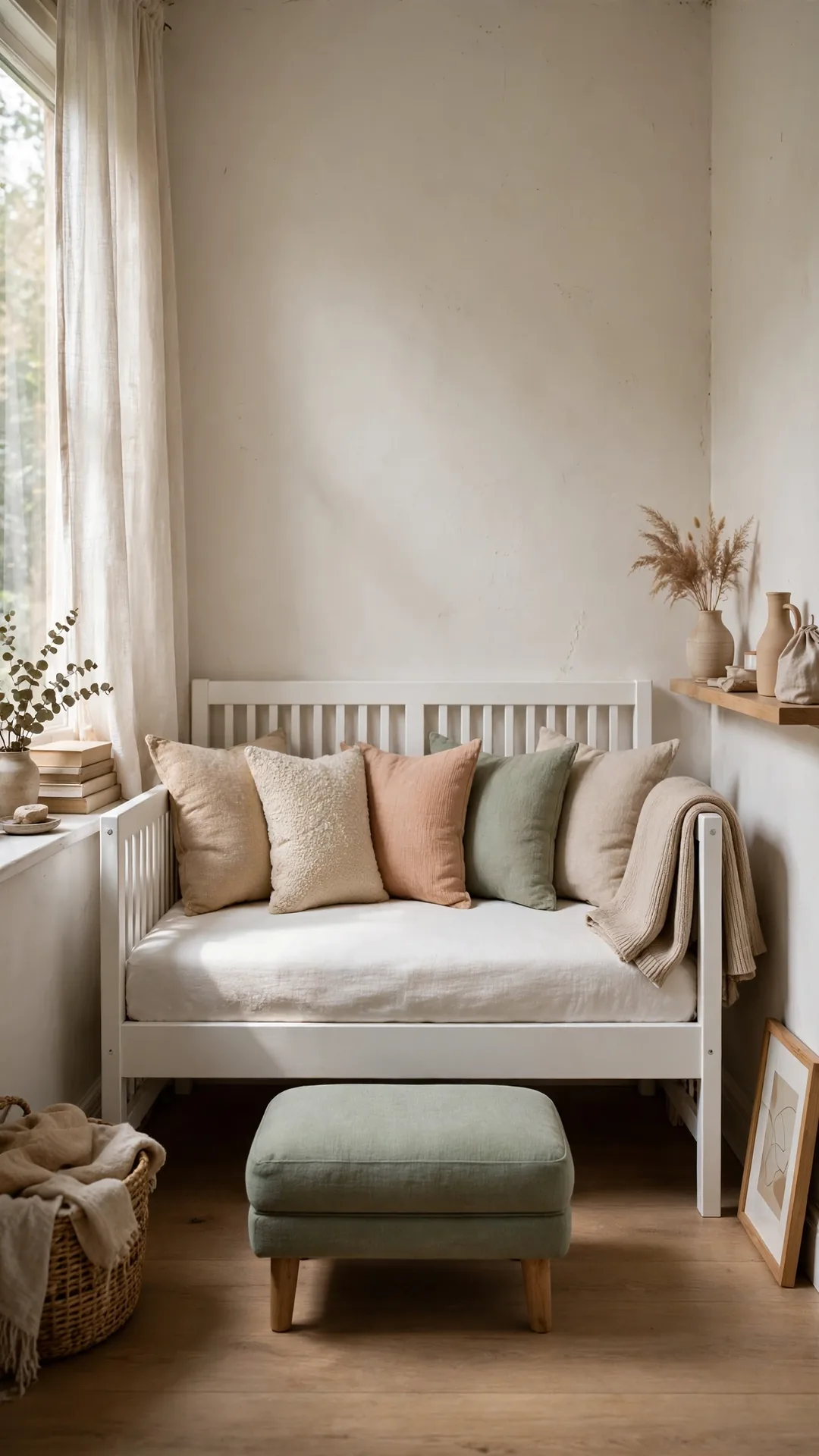
A footstool completes daybed ideas for small rooms set up like sofas. It turns sitting into lounging without a bigger chair. Pick one with storage inside for a double win.
How to do it:
- Choose a stool about 14 inches tall.
- Match its fabric to one cushion color.
- Store remotes or a spare throw inside it.
- Slide it under the window when guests sleep over.
- Keep its top clear so feet land easily.
Best for: Small rooms with no space for an armchair.
Budget: $30 to $70
Quick tip: A storage stool hides clutter in plain sight.
48. Hang Blackout Curtains for Guest Sleep

Guests sleep late when the room stays dark. Blackout curtains on the nearest window fix early sun. They also add a soft, finished frame around the bed.
How to do it:
- Measure the window and add 8 inches of width.
- Hang the rod 4 inches above the frame.
- Use a tension rod if drilling is banned.
- Pick curtains that reach the sill or floor.
- Pair them with sheers for daytime privacy.
Best for: Guest rooms facing east or street lights.
Budget: $25 to $60
Quick tip: Dark rooms also nap better on bright afternoons.
49. Pick a Frame That Bolts Together Fast
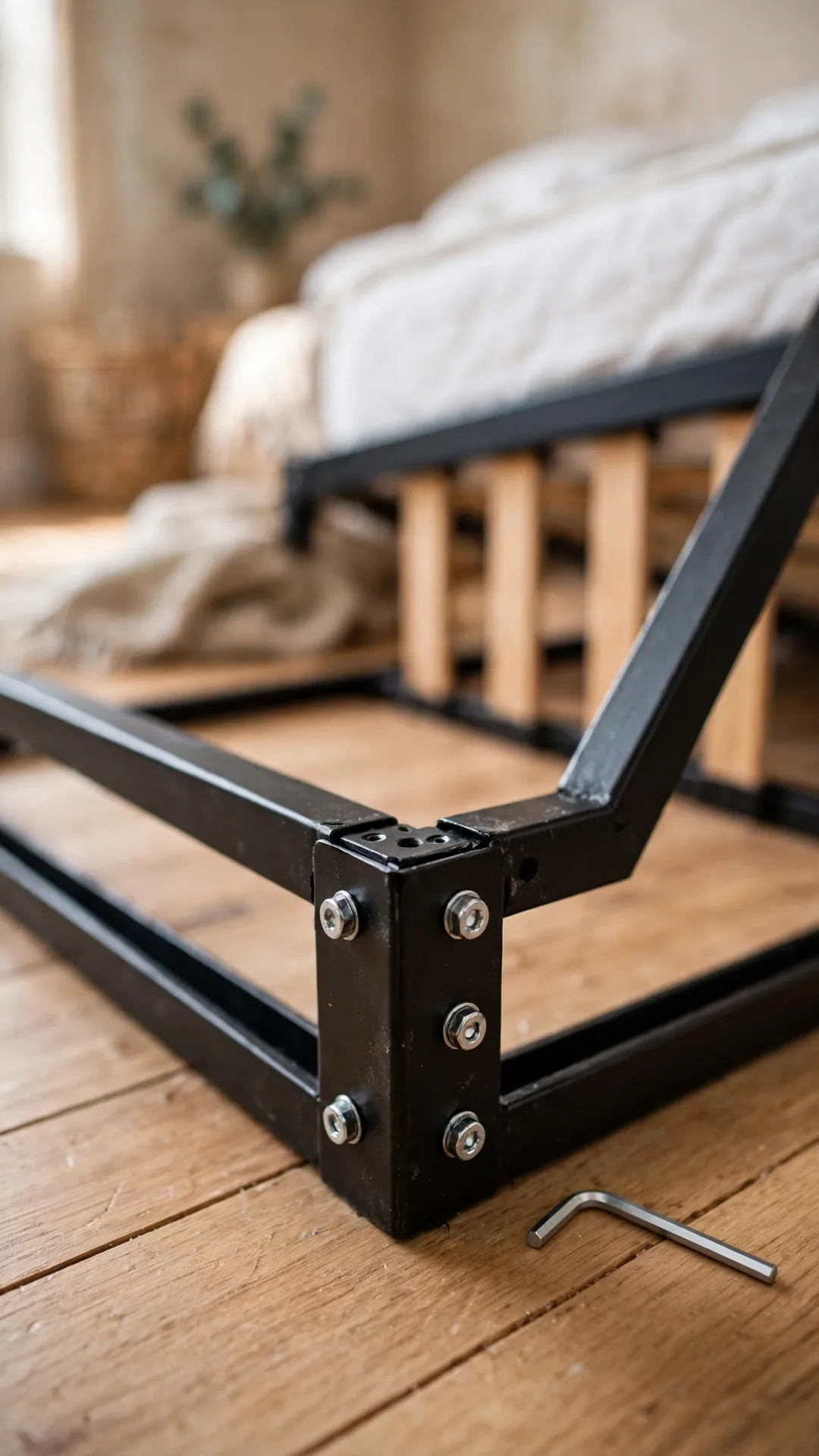
Renters move often, so assembly speed really matters. Bolt-together frames come apart in about fifteen minutes. No glued joints means no snapped parts in the stairwell.
How to do it:
- Read the part count before you buy the frame.
- Keep every bolt and washer in one labeled bag.
- Take photos during the first build for later.
- Tighten bolts again after the first week of use.
- Store the spare parts bag with the frame manual.
Best for: Renters who move every year or two.
Budget: $140 to $280
Quick tip: Number the rails with tape for faster rebuilds.
50. Choose a Lightweight Frame You Can Carry
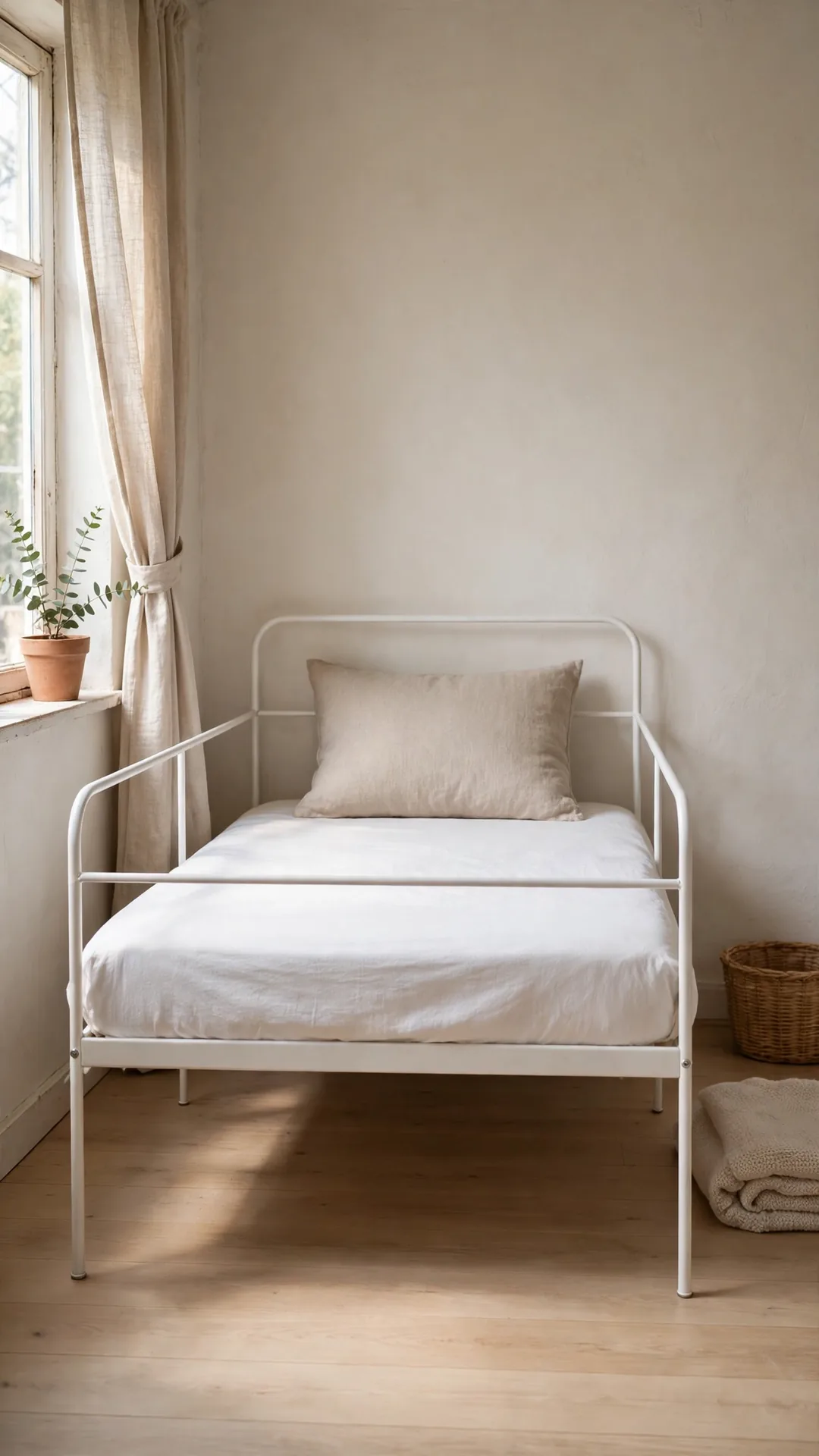
Feather-light frames suit daybed ideas for small rooms in walk-up rentals. One person can carry the parts up three flights. Light frames also slide aside for cleaning day.
How to do it:
- Aim for a full frame weight under 60 pounds.
- Pick aluminum or thin steel tube builds.
- Check the weight rating still suits daily sleep.
- Carry it in parts, never as one wide piece.
- Add felt pads so light frames do not scoot.
Best for: Walk-up flats and solo movers.
Budget: $120 to $240
Quick tip: Light frames need felt pads more than heavy ones.
51. Protect Floors With Felt Pads

Bare metal legs scratch wood floors and cost deposits. Felt pads cost pennies and stick on in minutes. They also quiet the scrape when the trundle rolls out.
How to do it:
- Clean each leg foot before sticking pads on.
- Pick pads sized to the leg foot, round or square.
- Press each pad firm for ten seconds.
- Check pads monthly since they wear thin.
- Keep a spare sheet of pads in a drawer.
Best for: Every renter with wood or laminate floors.
Budget: Under $8
Quick tip: Thicker pads last longer under heavy frames.
52. Skip Anchors With a Freestanding Frame
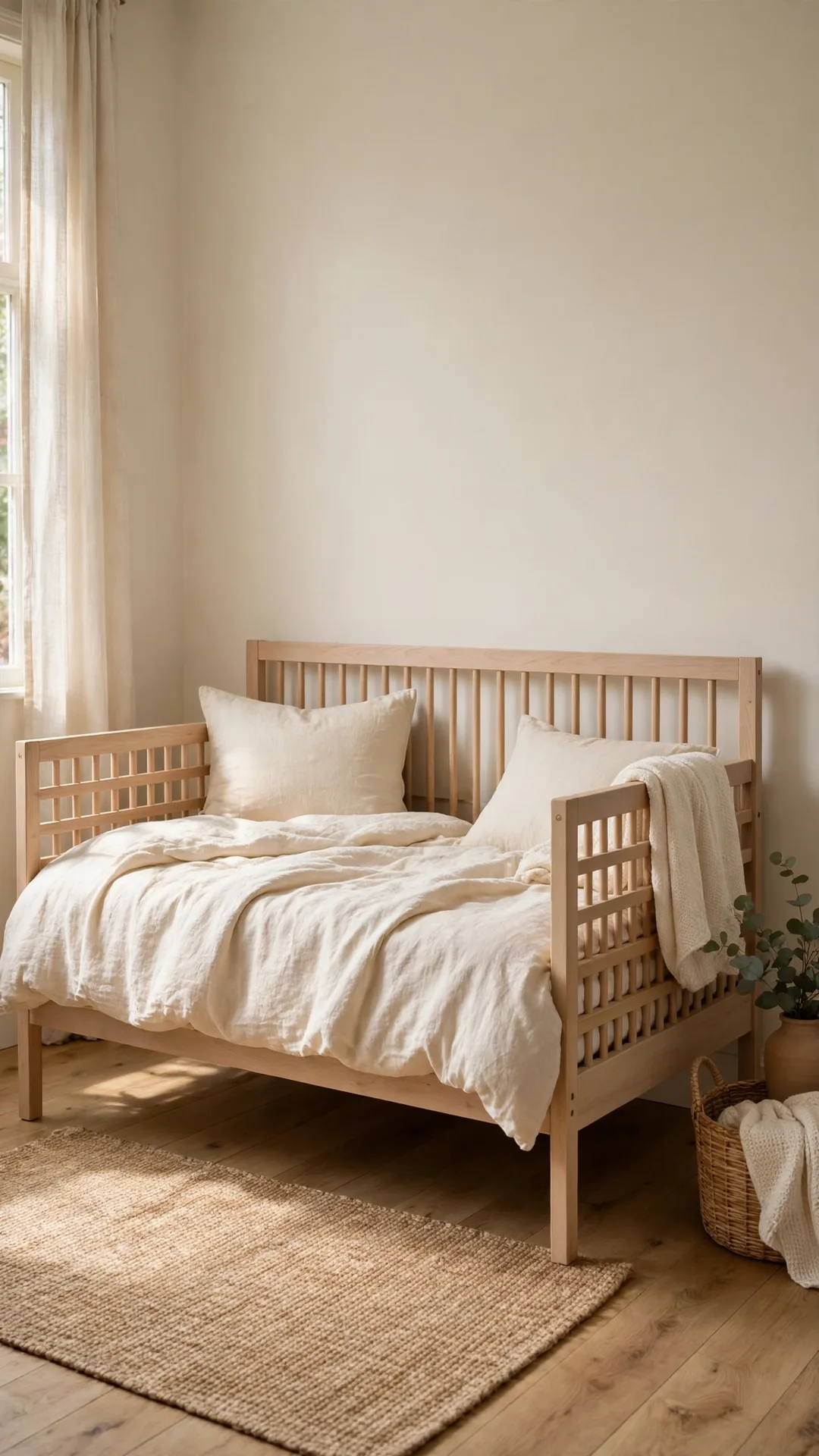
A freestanding frame keeps daybed ideas for small rooms fully landlord safe. Nothing bolts to the wall and nothing needs patching later. The frame stands on its own feet anywhere in the room.
How to do it:
- Choose a frame with a full back and arms.
- Test it for wobble before the mattress goes on.
- Set it on a rug to add grip on hard floors.
- Keep it a few inches off the wall for air flow.
- Skip wall shelves above it if you fear bumps.
Best for: Strict leases with no-drill clauses.
Budget: $160 to $320
Quick tip: Freestanding frames make deep cleaning day much faster.
53. Use Sliders to Rearrange in Minutes

Sliders turn a heavy bed move into a one-person job. They glide over wood, tile and low carpet. Rearranging for guests or cleaning takes minutes, not a team.
How to do it:
- Lift each leg and slip a slider underneath.
- Push from the lowest point of the frame.
- Move slowly so legs stay on the sliders.
- Remove sliders once the bed sits in place.
- Store sliders in the side table drawer.
Best for: Solo renters who restyle rooms often.
Budget: $8 to $15
Quick tip: Sliders also protect floors during the move itself.
54. Tape the Allen Key Under the Frame
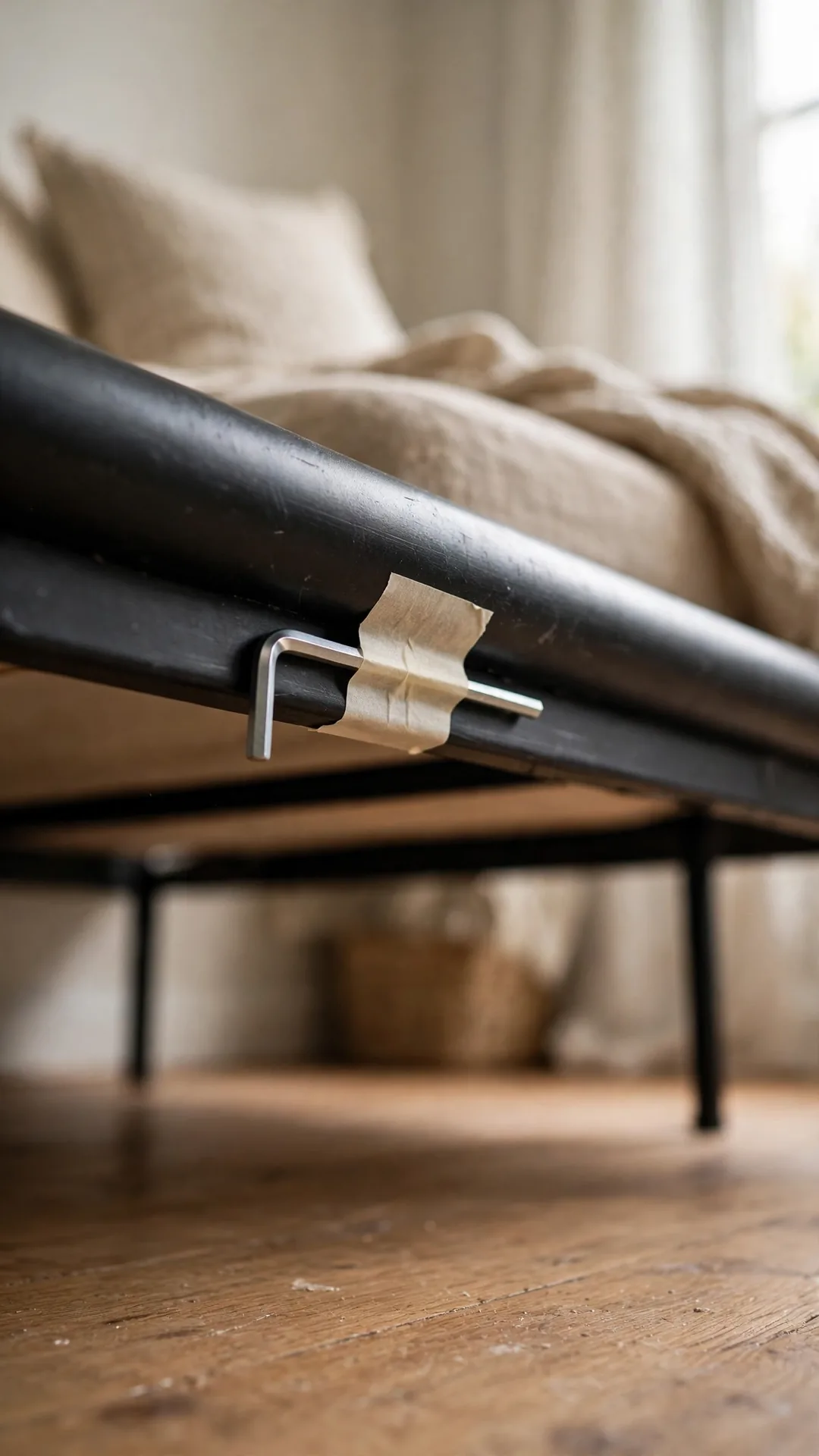
Every bolted frame loosens a little over time. The fix takes seconds when the key lives with the bed. Tape it under the side rail and forget the toolbox hunt.
How to do it:
- Find the exact key size your frame bolts use.
- Seal the key inside a small zip bag.
- Tape the bag flat under the side rail.
- Check bolt tightness every few months.
- Add a spare bolt to the same bag.
Best for: Anyone who hates hunting for tools.
Budget: Under $5
Quick tip: A squeaky frame usually just needs one tightened bolt.
Pick One Idea and Start This Weekend
You do not need a bigger room to sleep and sit well. Start with one of these daybed ideas for small rooms and set it up this weekend. Save this post or pin your favorite idea so the plan is handy when you shop.

- 54 Smart Small Rental Apartment Decorating Ideas You’ll Love - November 25, 2026
- 53 Genius Small Patio Storage Ideas That Look Expensive - November 25, 2026
- 58 Brilliant Small Living Room Lighting Ideas Made Easy - November 24, 2026