

Your bed fills most of the room, and the wall behind it looks bare. A bulky frame would eat inches you cannot spare. These headboard ideas for small bedrooms fix that with slim, smart designs.
Here are 52 panels, pads and builds sized for tight rooms. Most cost under $100 and many hang with no drill at all. Measure your bed width first, then pick one idea to copy.
1. Hang a Fabric Panel on a Rod
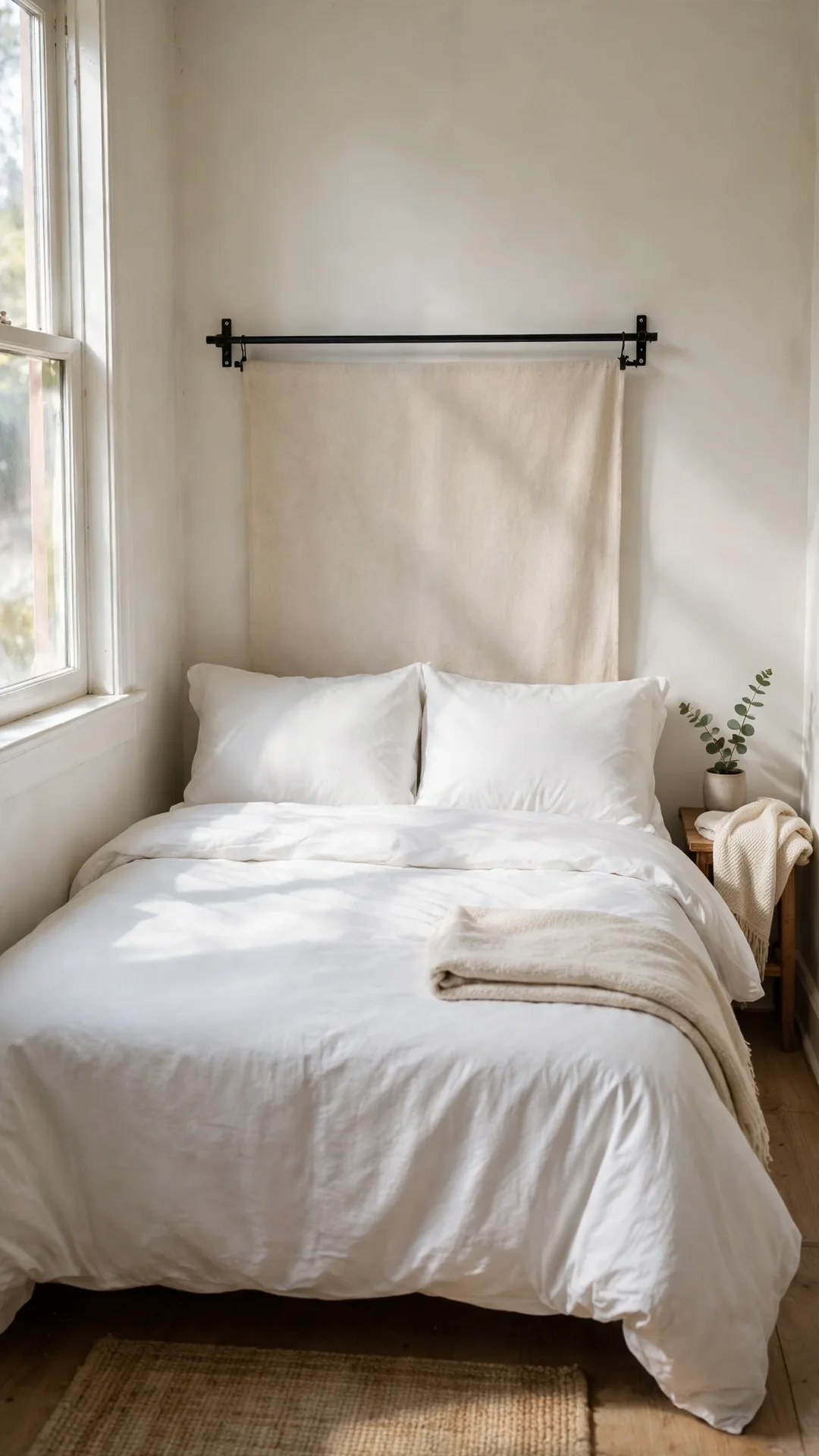
A fabric panel on a rod gives you a headboard in one afternoon. The panel hangs flat, so the bed can sit tight to the wall. Pick a washable fabric, because this spot collects dust fast.
How to do it:
- Measure the bed width and add 4 inches on each side.
- Mount a slim curtain rod about 54 inches above the floor.
- Sew or clip a fabric panel with a rod pocket on top.
- Steam the panel after hanging so it falls straight.
Best for: Renters who want zero damage and a soft look.
Budget: $20 to $45
Quick tip: Swap the fabric each season for a fresh look at no real cost.
2. Lean Oversized Cushions Against the Wall
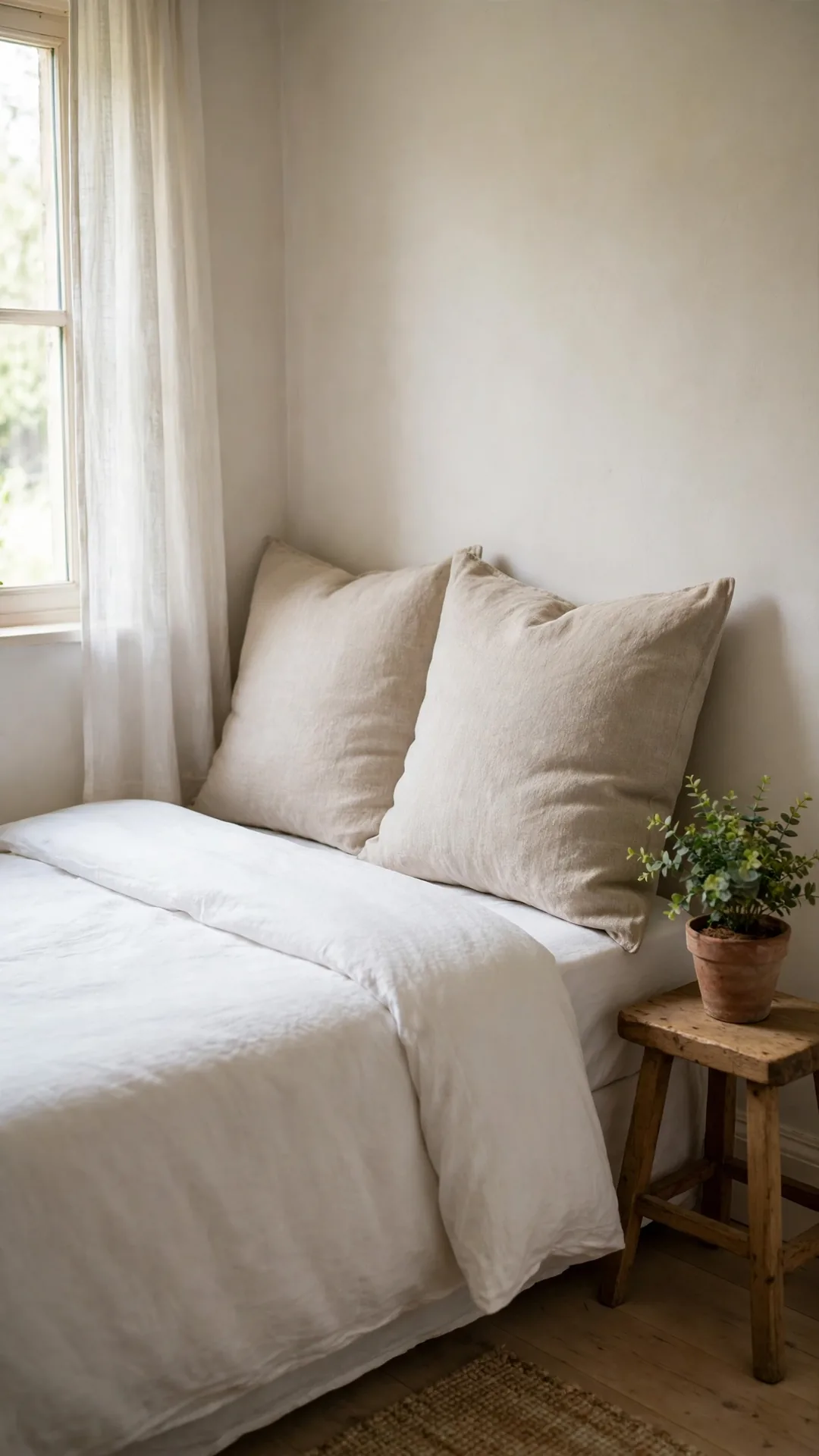
Some of the softest headboard ideas for small bedrooms need no tools at all. Two oversized euro cushions lean on the wall and pad your back. They add height without adding a single inch of depth.
How to do it:
- Choose two euro cushions, each about 26 inches square.
- Pick firm inserts so the cushions hold their shape.
- Stand them upright against the wall behind the pillows.
- Add a slim bolster in front to keep them in place.
Best for: Anyone in a furnished rental or dorm room.
Budget: $25 to $60
Quick tip: Fluff and rotate the cushions weekly so the tops stay plump.
3. Stick on Padded Foam Wall Tiles
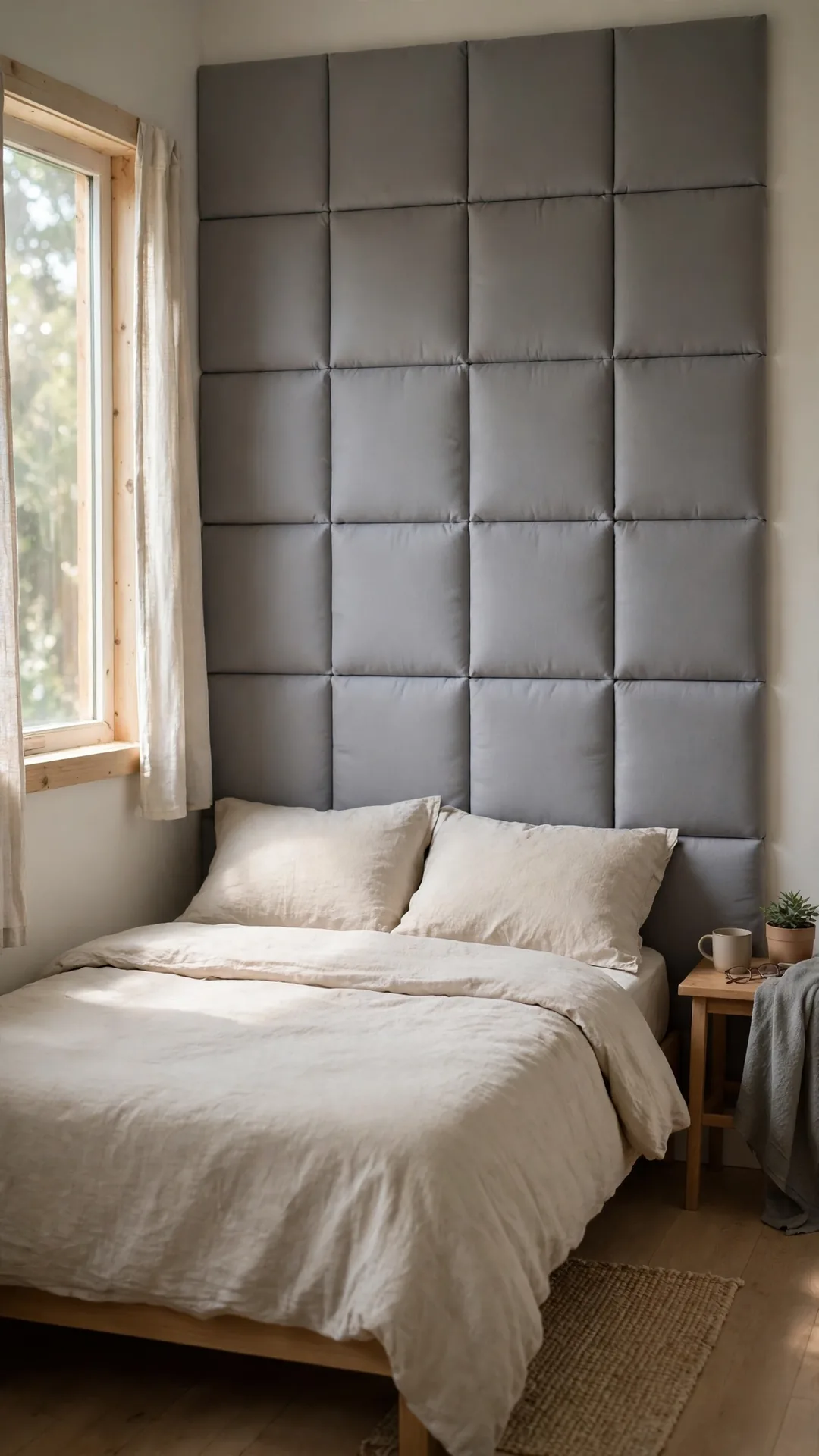
Peel and stick foam tiles build a padded panel in under an hour. Each tile is only about half an inch thick. The soft surface also quiets bumps against the wall.
How to do it:
- Plan a rectangle about 60 inches wide and 30 inches tall.
- Clean the wall and let it dry before you start.
- Stick tiles from the center line outward to stay level.
- Press each edge firmly for a clean seam.
Best for: Renters who want padding without screws or nails.
Budget: $30 to $70
Quick tip: Buy two spare tiles so a damaged one swaps out fast.
4. Paint an Arch Shape Behind the Bed
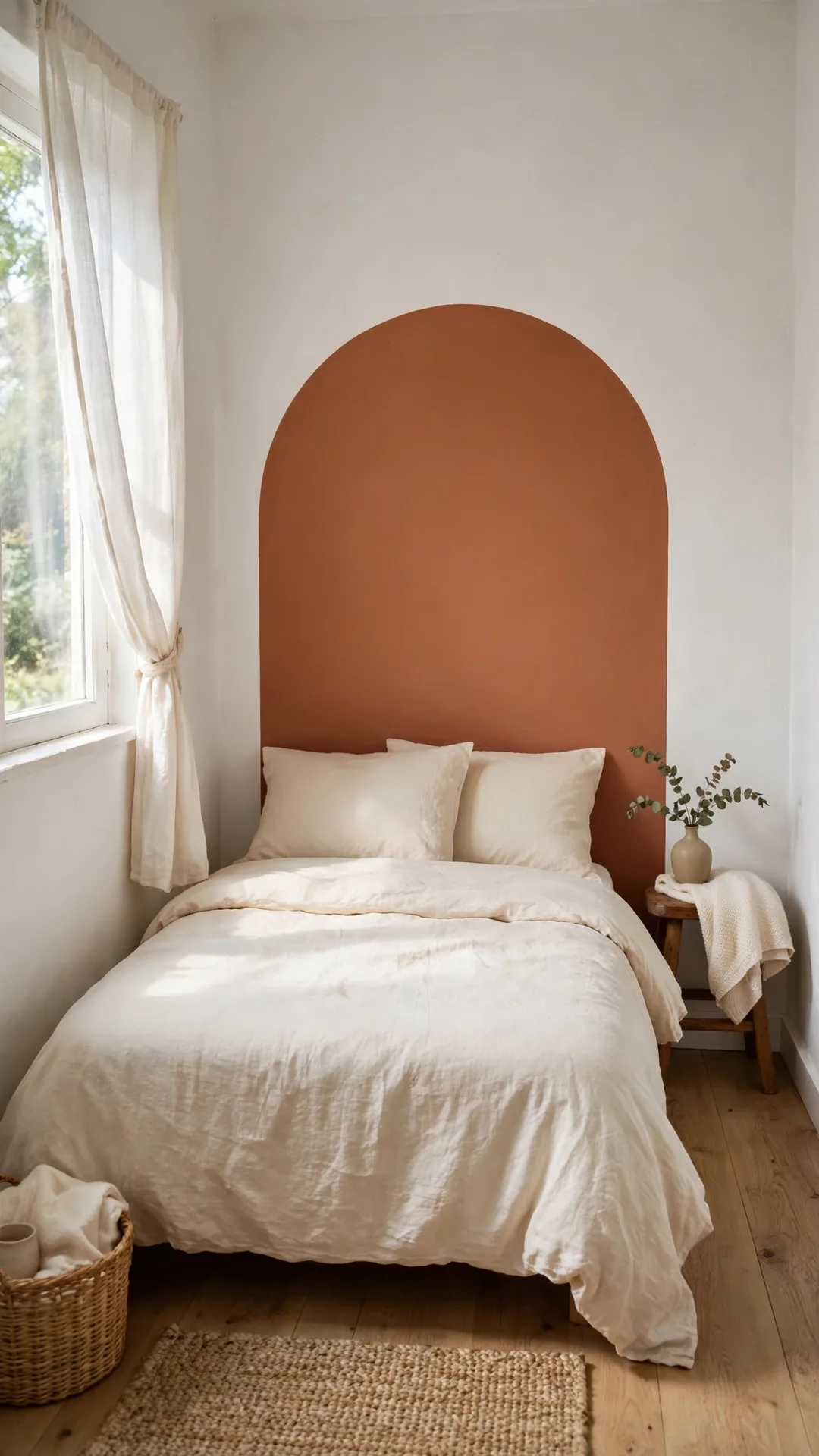
A painted arch fakes a headboard with nothing but paint. The curve frames the bed and draws the eye upward. It takes zero floor space and never wobbles.
How to do it:
- Mark the arch with painter tape, about 66 inches tall.
- Use a string and pencil to draw a clean curve.
- Paint two coats inside the line with a small roller.
- Peel the tape while the second coat is still tacky.
Best for: Tiny rooms where every inch of depth counts.
Budget: $15 to $30
Quick tip: Match the arch width to the bed, not the wall, for balance.
5. Paint a Flat Color Block Panel

Flat color blocks are headboard ideas for small bedrooms on the tightest budgets. A simple painted rectangle reads like a modern panel. It also hides scuffs where pillows rub the wall.
How to do it:
- Tape a rectangle about 8 inches wider than the bed.
- Keep the top edge near 48 inches above the floor.
- Use a matte paint so light does not glare off it.
- Touch up the edges with a small artist brush.
Best for: First apartments and spare rooms on a paint budget.
Budget: $10 to $25
Quick tip: Test the color on a poster board before you commit.
6. Hang a Quilt as a Soft Backdrop
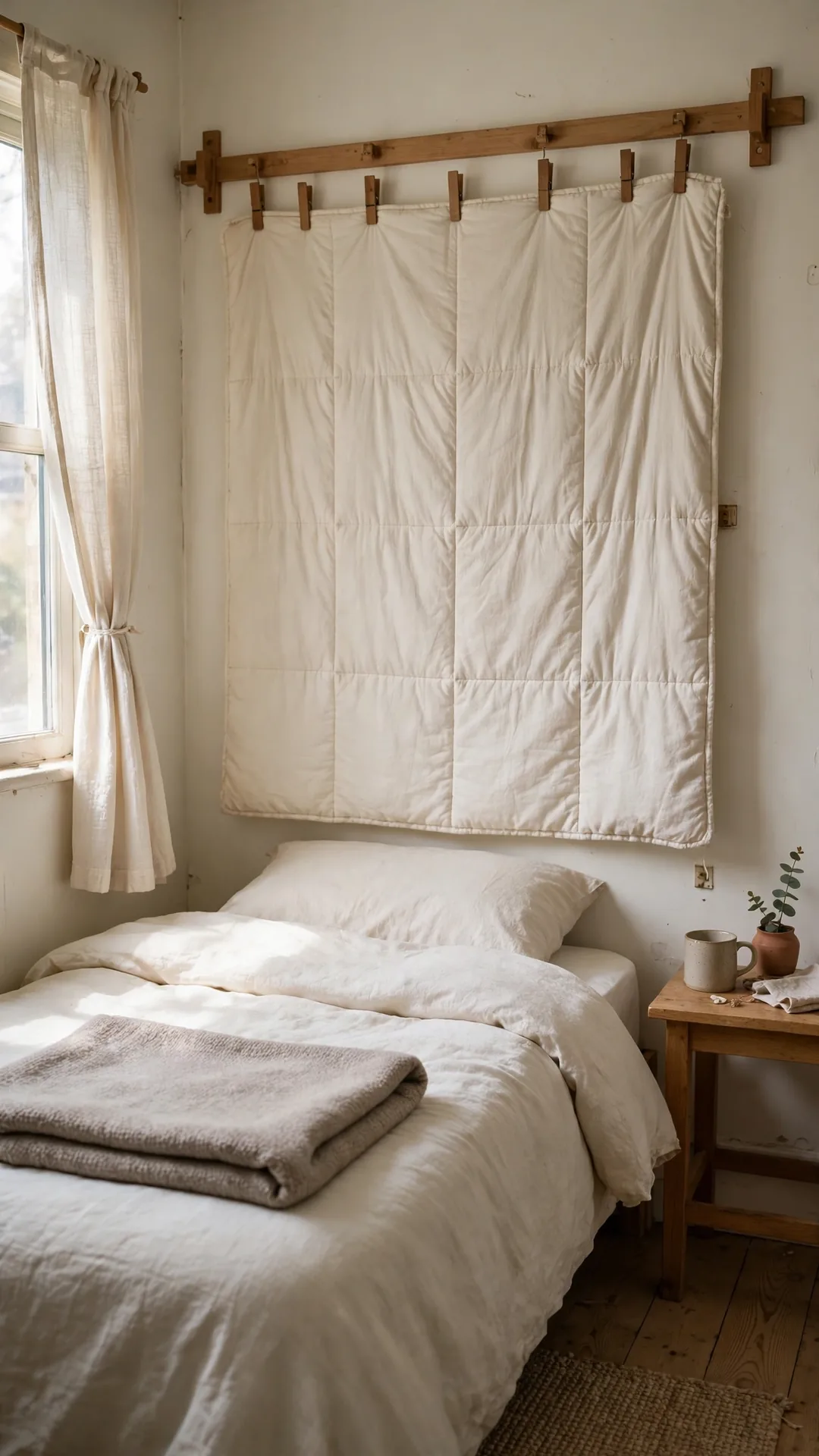
A spare quilt can hang flat and work as a padded backdrop. It softens a hard wall and adds quiet pattern. The quilt still comes down for guests or laundry day.
How to do it:
- Pick a quilt at least as wide as the mattress.
- Hang it from a wood clip rail or cafe clips.
- Keep the bottom edge just behind the pillows.
- Shake it out outdoors once a month to drop dust.
Best for: Homes with spare quilts and a cozy style.
Budget: $10 to $35
Quick tip: Choose a quilt with a plain back for a calmer look.
7. Stand a Folding Screen Behind the Bed
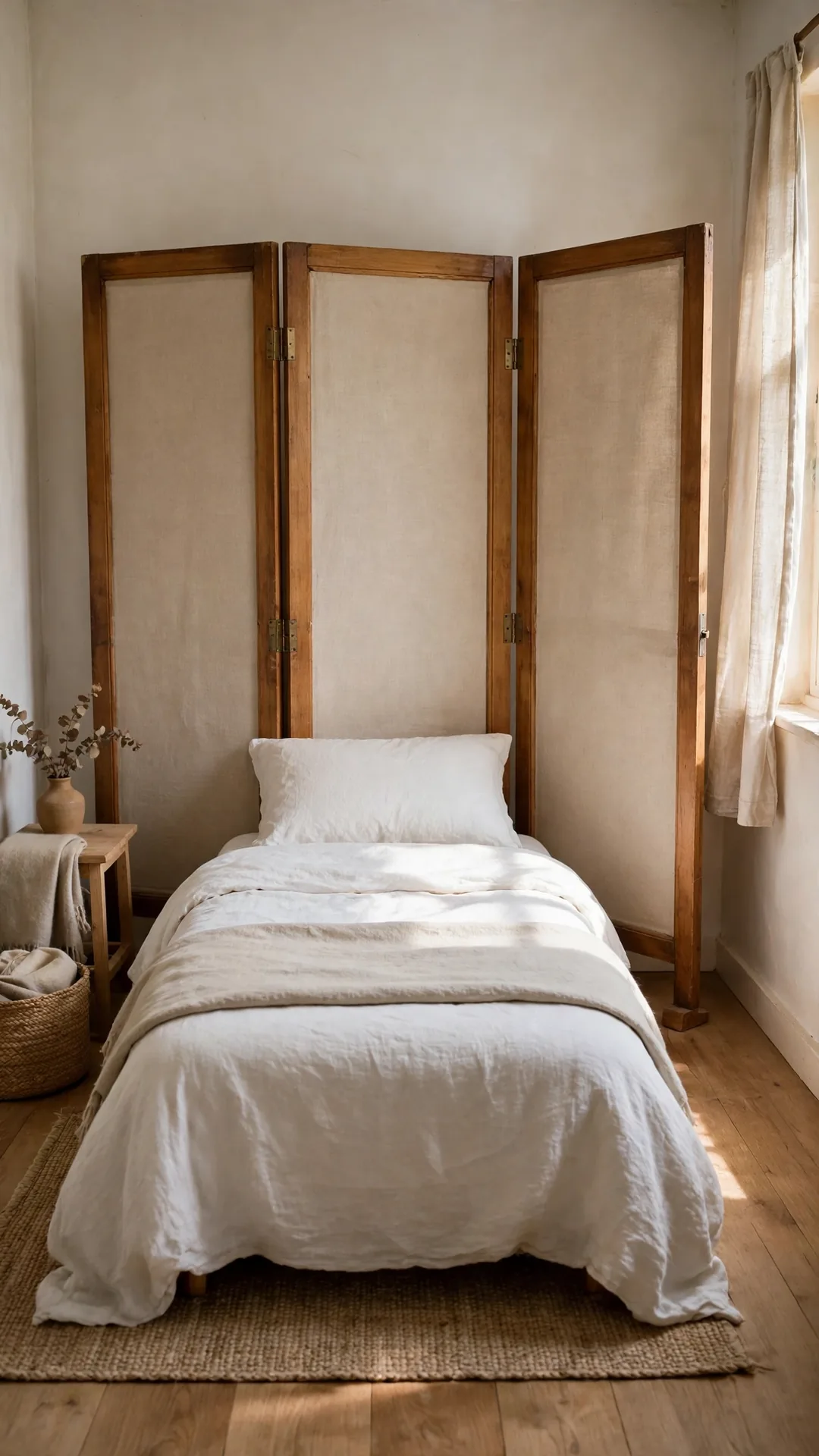
Folding screens are headboard ideas for small bedrooms that hide flaws fast. A screen covers stains, outlets and uneven paint in minutes. It folds flat when you move or want a change.
How to do it:
- Choose a screen about 60 to 70 inches tall.
- Open the panels in a shallow zigzag for balance.
- Leave 2 inches between the screen and the bed frame.
- Add felt pads where the frame touches the floor.
Best for: Renters covering a rough wall without painting.
Budget: $40 to $110
Quick tip: Face the plain side out if the pattern feels too busy.
8. Hang a Flat Weave Rug as Padding

A flat weave rug hangs light and adds real padding. It warms up a cold wall behind thin pillows. The dowel mount keeps the whole thing renter friendly.
How to do it:
- Pick a rug about 4 by 6 feet for a full bed.
- Sew a sleeve along the top edge for a wood dowel.
- Hang the dowel on two sturdy wall hooks.
- Let the rug bottom rest just behind the mattress.
Best for: Cold rooms and beds pushed against outside walls.
Budget: $25 to $60
Quick tip: Vacuum the rug monthly with a soft brush head.
9. Mount a Slim Wood Plank Panel

A slim plank panel gives the bed a finished edge. It sits about an inch off the wall, so depth stays tiny. Match the plank width to your frame using these bed ideas for small rooms as a size guide.
How to do it:
- Cut planks to the bed width plus 2 inches.
- Sand edges smooth and seal with a matte finish.
- Screw a hidden cleat strip to two wall studs.
- Hang the panel so its base hides behind the mattress.
Best for: Small rooms that need a warm, simple focal point.
Budget: $45 to $90
Quick tip: Run the planks horizontal to make the bed feel wider.
10. Hang One Upholstered Wall Panel
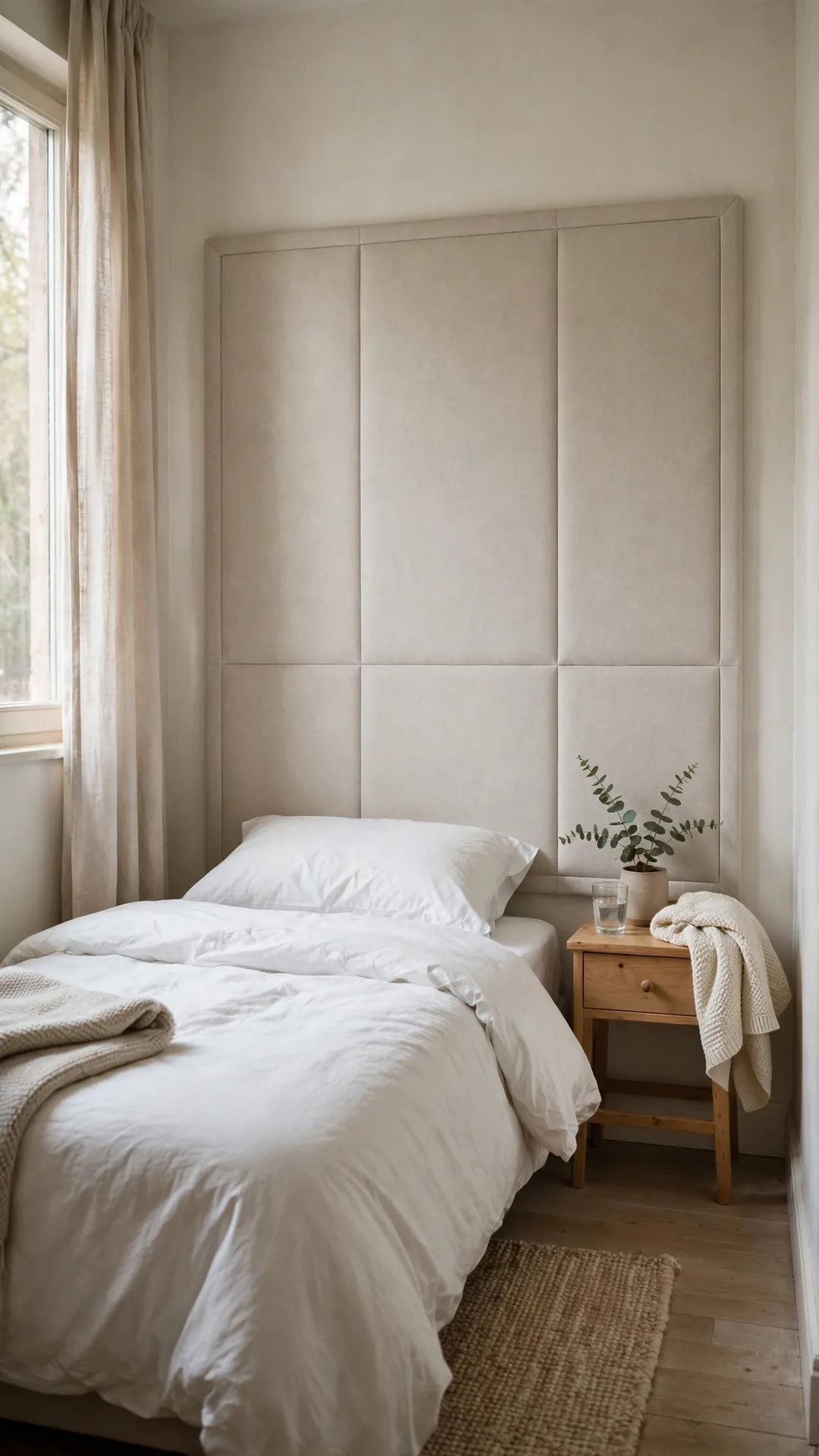
Wall panels are headboard ideas for small bedrooms that skip the frame bulk. One wide upholstered panel hangs like a picture. It pads the wall without legs, rails or footboards.
How to do it:
- Size the panel about 4 inches wider than the mattress.
- Keep the height near 24 to 30 inches above the mattress.
- Hang it on a French cleat rated for 50 pounds.
- Center the panel on the bed, not on the wall.
Best for: Modern rooms that want softness with clean lines.
Budget: $70 to $160
Quick tip: Pick a fabric with a tight weave so it wipes clean.
11. Fit a Narrow Slatted Wood Panel

Vertical slats pull the eye up and make ceilings feel higher. A slat panel can be as shallow as 1 inch deep. Gaps between slats keep the look light, not heavy.
How to do it:
- Use slats about 1.5 inches wide with half inch gaps.
- Mount slats on a thin painted backing board.
- Stop the panel about 30 inches above the mattress.
- Seal the wood so dust wipes off with ease.
Best for: Low ceiling rooms that need height, not bulk.
Budget: $60 to $130
Quick tip: Paint the backing dark so the gaps read as shadow lines.
12. Mount Two Cushion Pads With a Gap
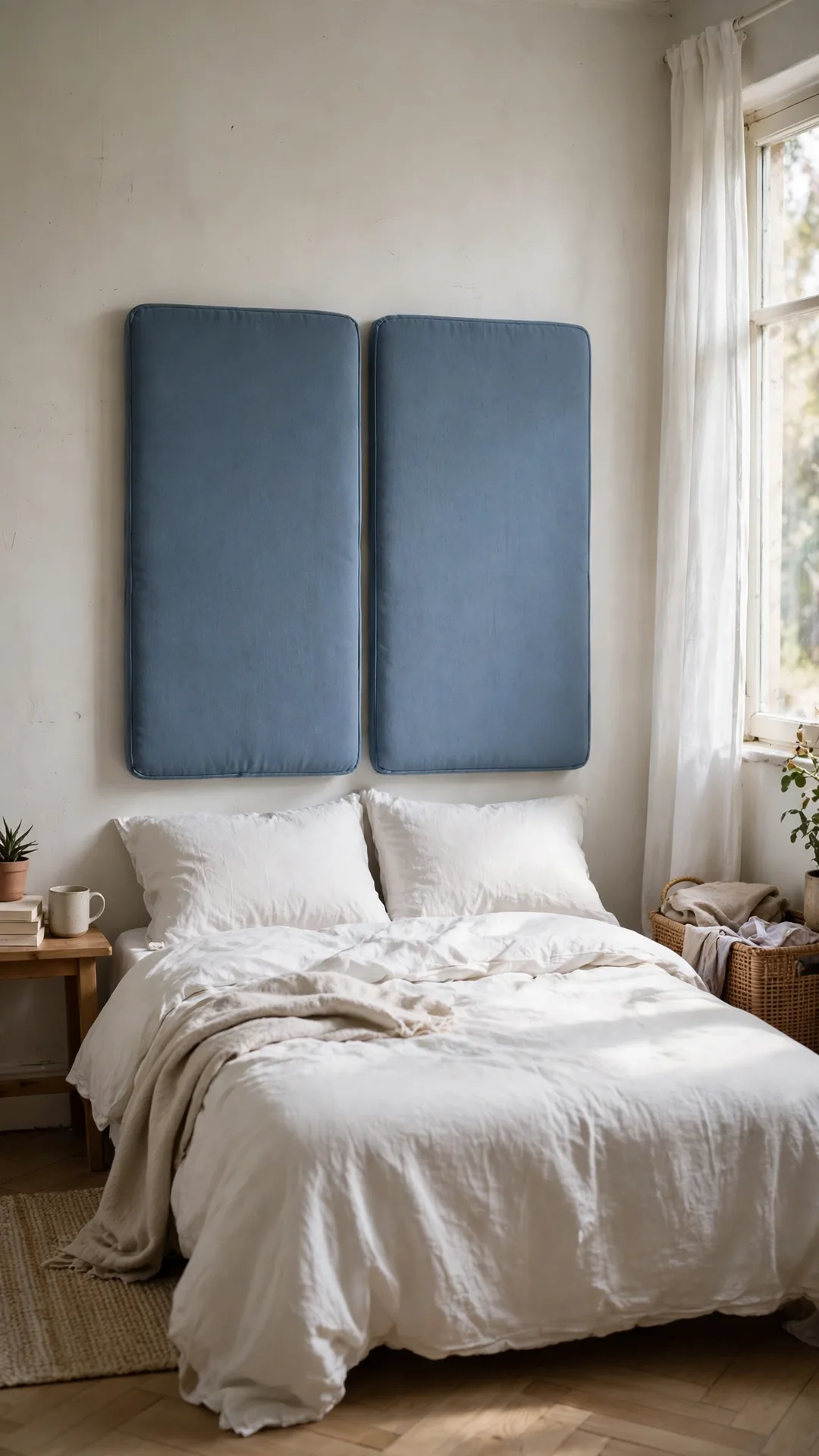
Two separate pads give each sleeper a soft spot. The gap between them keeps the wall from feeling solid. One pad comes down alone for cleaning or repair.
How to do it:
- Choose pads about 24 inches wide and 18 inches tall.
- Mount each pad on its own small cleat.
- Leave a 3 to 4 inch gap between the pads.
- Align the pad tops for a calm, even line.
Best for: Couples who read at different times at night.
Budget: $50 to $110
Quick tip: Match pad fabric to the curtains for a pulled together look.
13. Add a Low Padded Bumper Rail
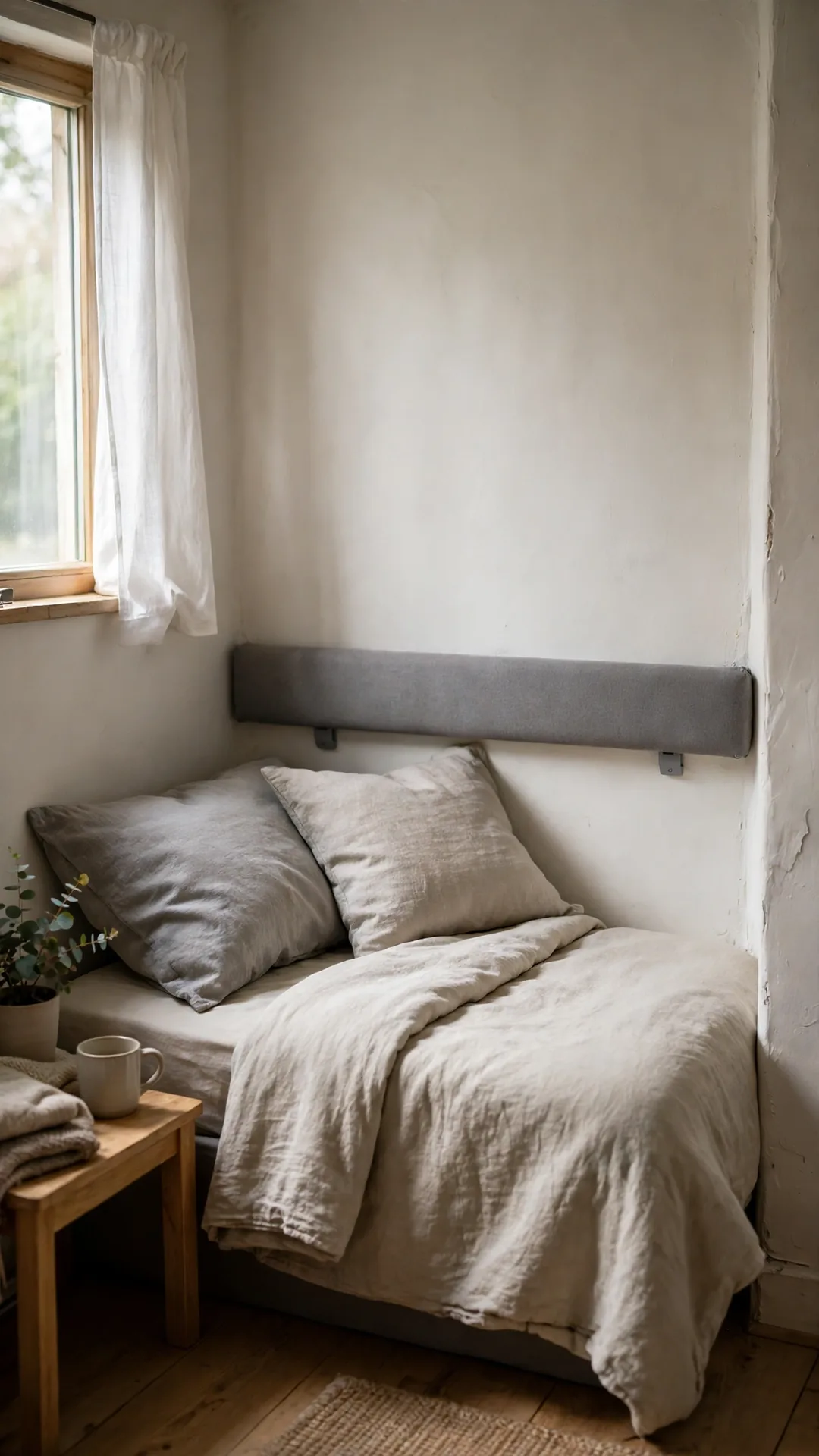
Low rails are headboard ideas for small bedrooms with sloped ceilings. A padded bumper sits just above the pillows. It guards the wall and gives your back a soft rest.
How to do it:
- Cut foam to the bed width and 10 inches tall.
- Wrap the foam in batting and a washable cover.
- Fix the rail with two low profile brackets.
- Keep the top edge below any sloped ceiling line.
Best for: Attic rooms and beds tucked under eaves.
Budget: $30 to $65
Quick tip: Round the foam corners so the cover sits smooth.
14. Hang a Light Rattan Panel
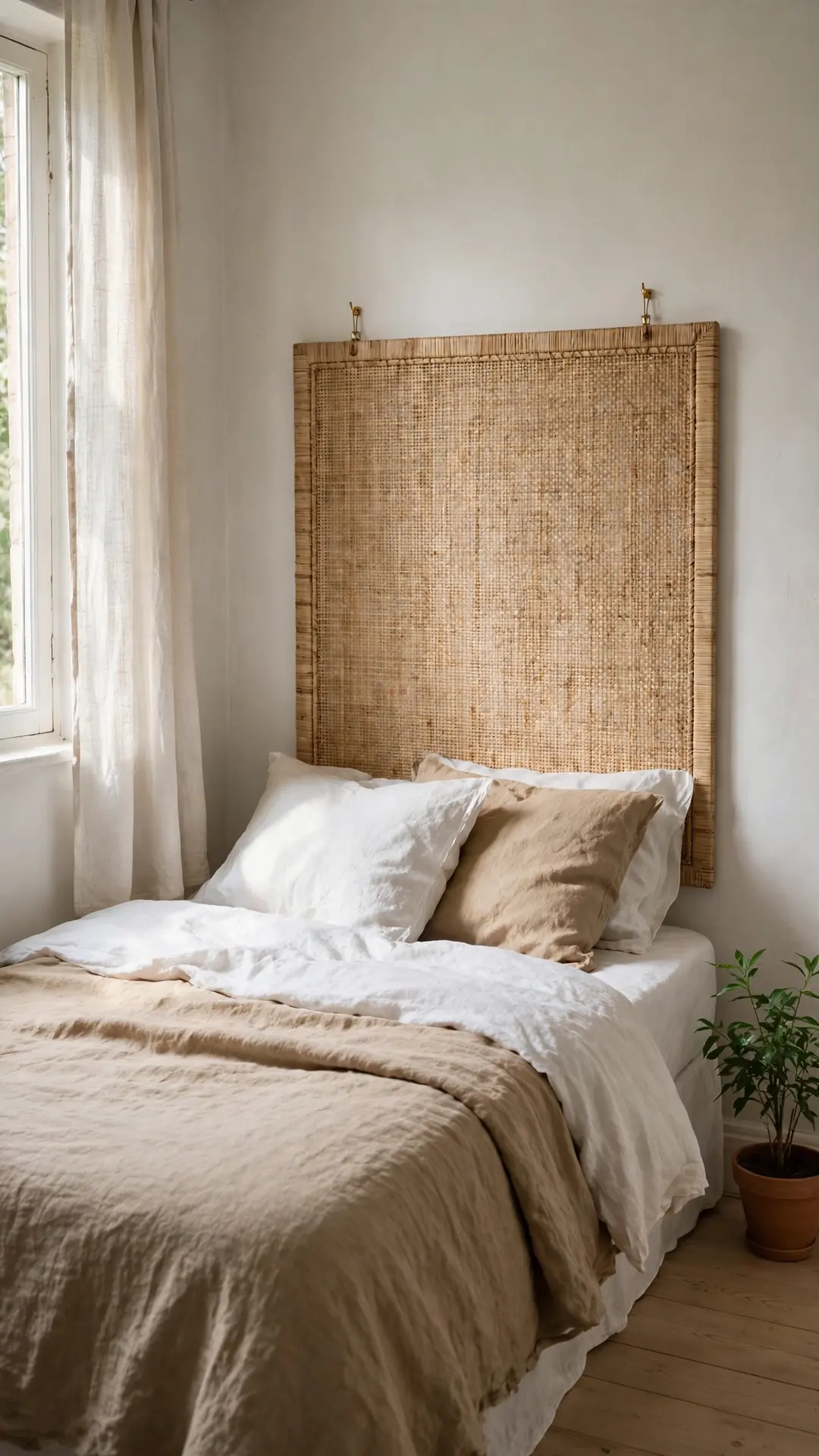
Rattan weighs almost nothing and hangs on two hooks. The open weave keeps a small room feeling airy. It adds texture without dark colors or bulk.
How to do it:
- Choose a panel about as wide as the mattress.
- Hang it from two hooks set into studs or anchors.
- Rest the bottom edge just behind the pillows.
- Dust the weave with a soft brush each month.
Best for: Bright rooms that lean natural and relaxed.
Budget: $35 to $85
Quick tip: Keep rattan away from damp walls so it stays crisp.
15. Frame a Cane Webbing Panel
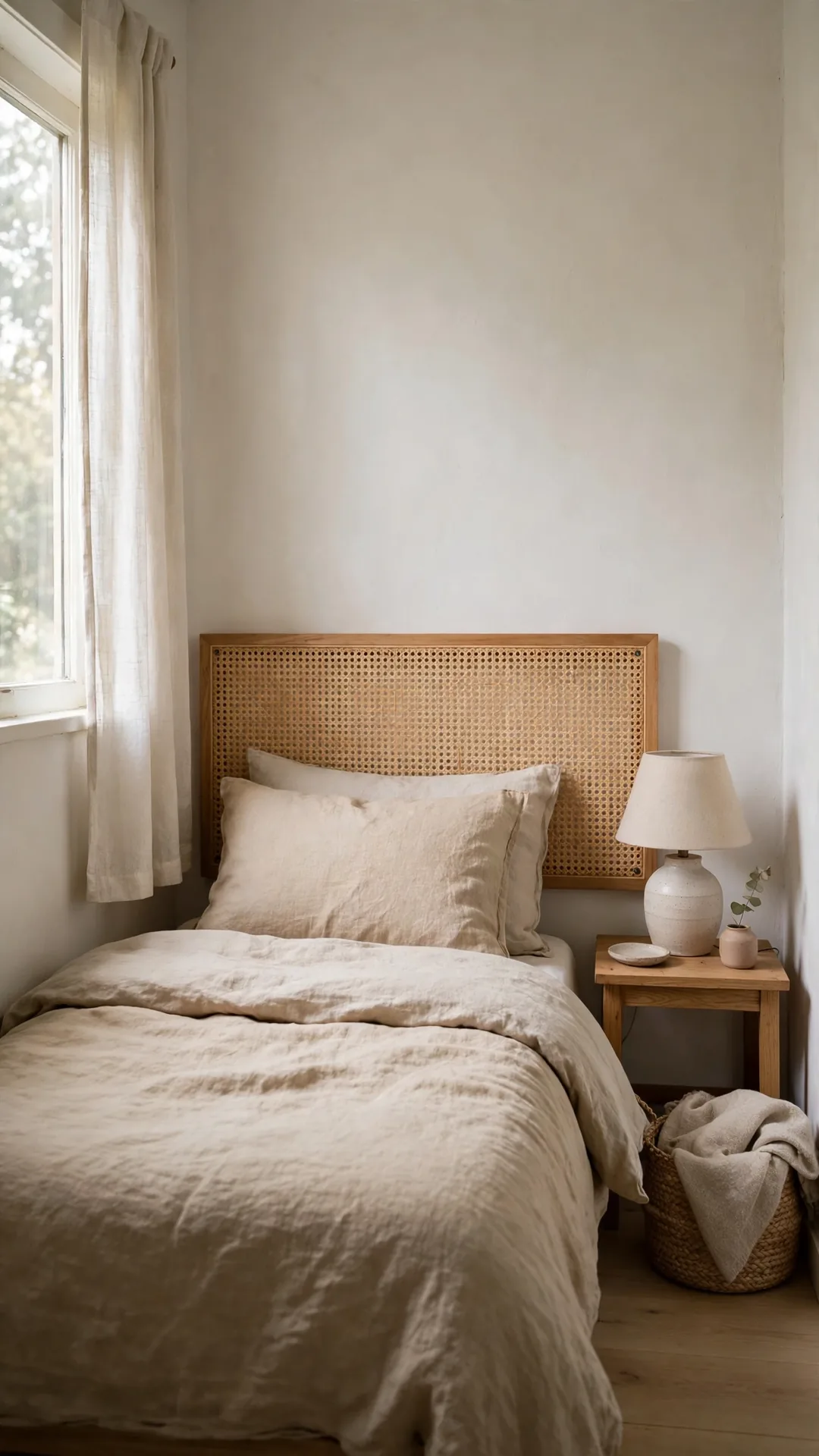
Cane webbing in a slim frame reads light and tailored. Air moves through the weave, which suits warm rooms. The frame depth stays under 2 inches total.
How to do it:
- Build or buy a frame about 58 inches wide.
- Stretch cane webbing and staple it inside the frame.
- Soak the webbing first so it dries drum tight.
- Hang the frame on two level picture hooks.
Best for: Warm bedrooms that want texture without weight.
Budget: $45 to $100
Quick tip: Stain the frame to match other wood in the room.
16. Clip Photos on a Metal Grid Panel

Grid panels are headboard ideas for small bedrooms that change with you. A slim metal grid holds photos, cards and small notes. It fills the wall without paint, fabric or padding.
How to do it:
- Pick a grid about 48 inches wide and 32 inches tall.
- Fix it to the wall with four screws and spacers.
- Clip up plain cards first to test the layout.
- Keep clips above pillow height so nothing pokes you.
Best for: Teens, students and anyone who restyles often.
Budget: $25 to $55
Quick tip: Use wood clips instead of metal for a softer look.
17. Choose a Bookcase Headboard With Shelves
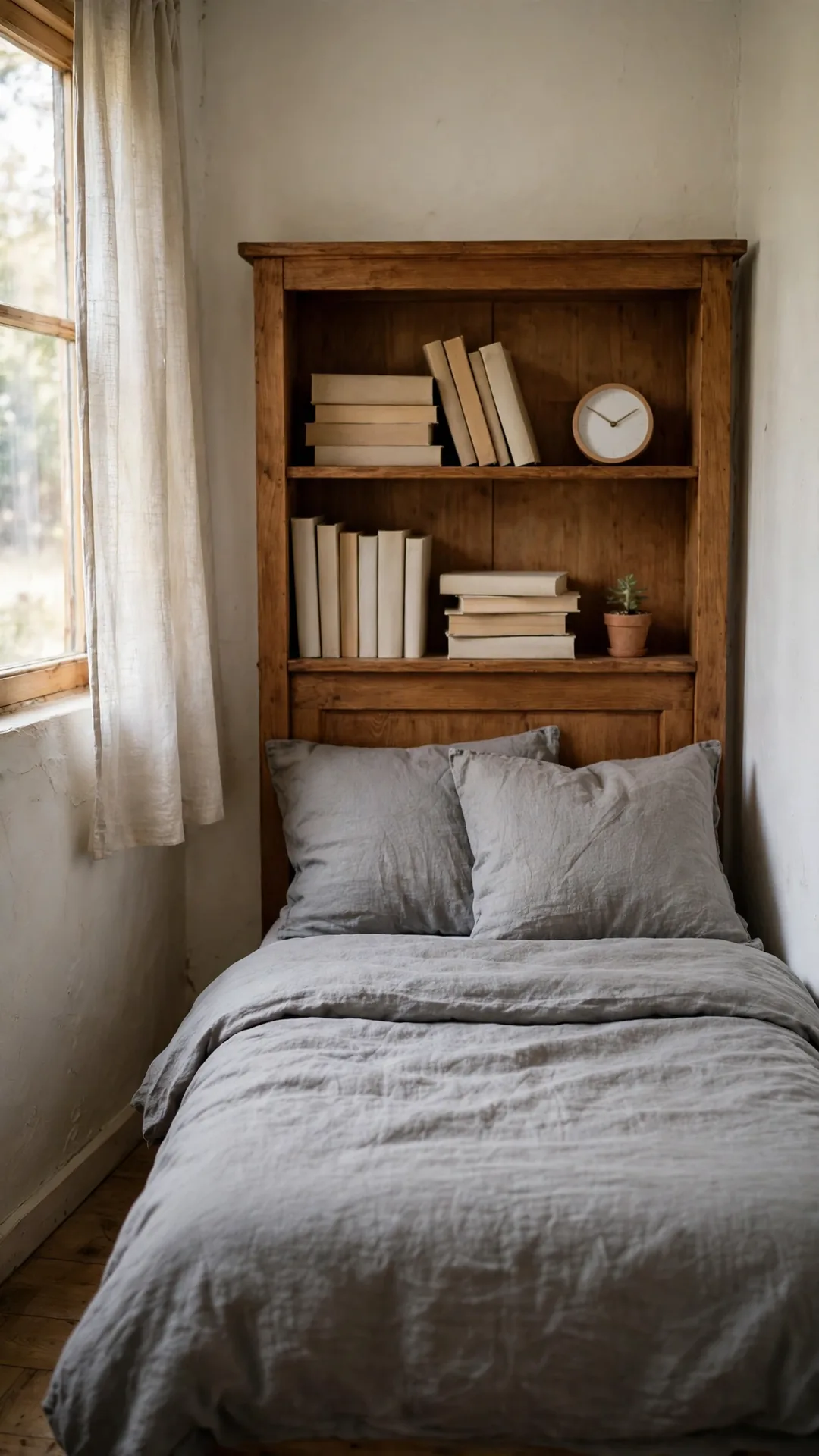
A bookcase headboard trades a few inches for real storage. Open shelves hold books, glasses and a morning alarm. Storage headboards earn their depth, and Houzz shows how to make your headboard work harder with shelves and cabinets.
How to do it:
- Measure your wall depth and allow 8 to 10 inches.
- Pick a unit no wider than the bed frame.
- Anchor the top to the wall so it cannot tip.
- Keep daily items on the shelf at pillow height.
Best for: Readers in rooms with no space for nightstands.
Budget: $90 to $220
Quick tip: Add a small battery light under the top shelf for reading.
18. Pick Sliding Doors on a Cabinet Headboard
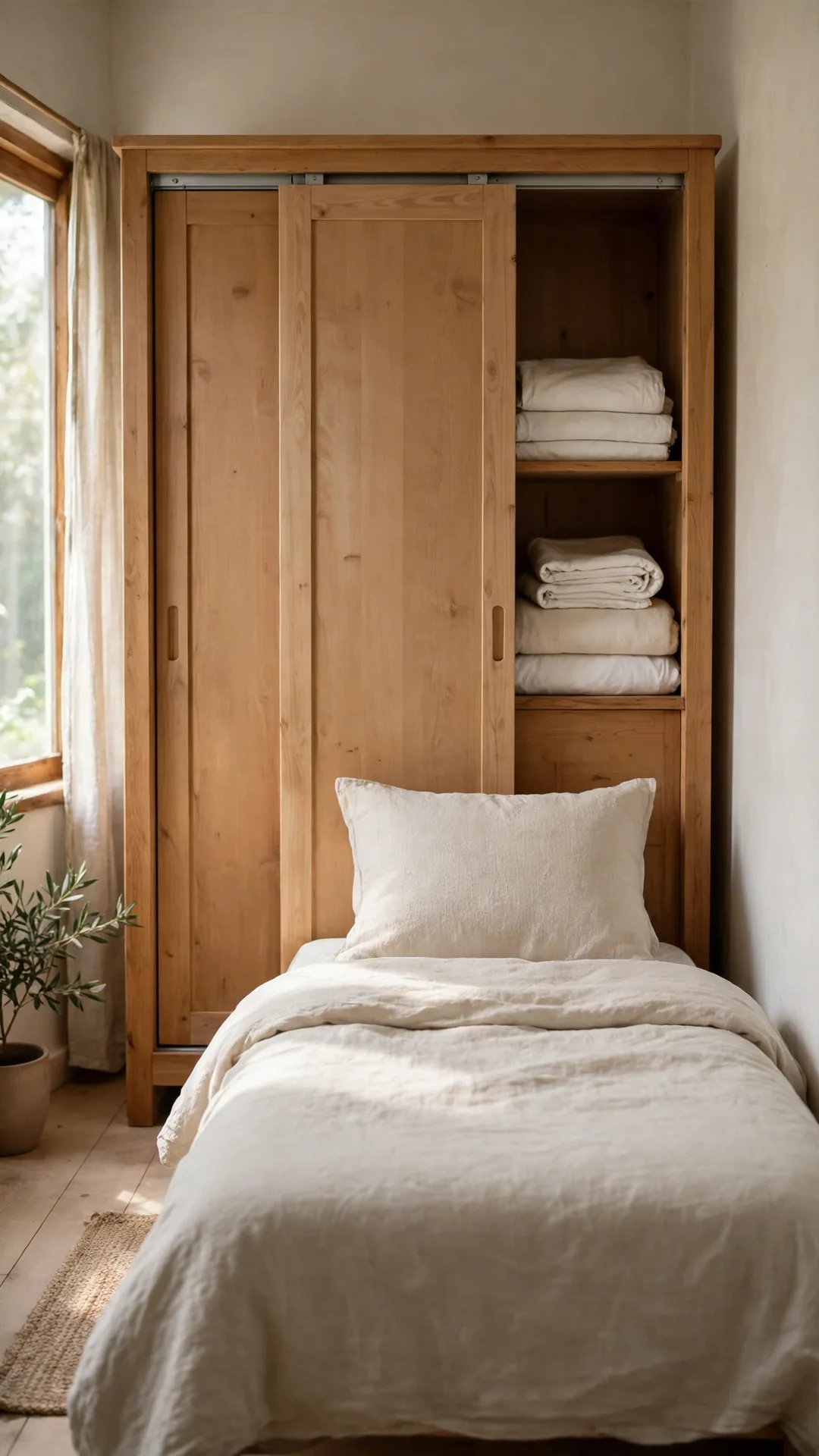
Sliding doors hide clutter without swinging into the room. The cabinet body is deep enough for spare linens. Closed doors give the bed a calm, flat backdrop.
How to do it:
- Choose a cabinet about 10 inches deep at most.
- Check that doors slide clear of pillows and lamps.
- Store spare pillowcases and a light blanket inside.
- Anchor the cabinet to studs at the top corners.
Best for: Tidy minded sleepers who dislike open shelves.
Budget: $120 to $260
Quick tip: Line the shelves with felt so stored items stay quiet.
19. Add Narrow Towers Beside the Panel
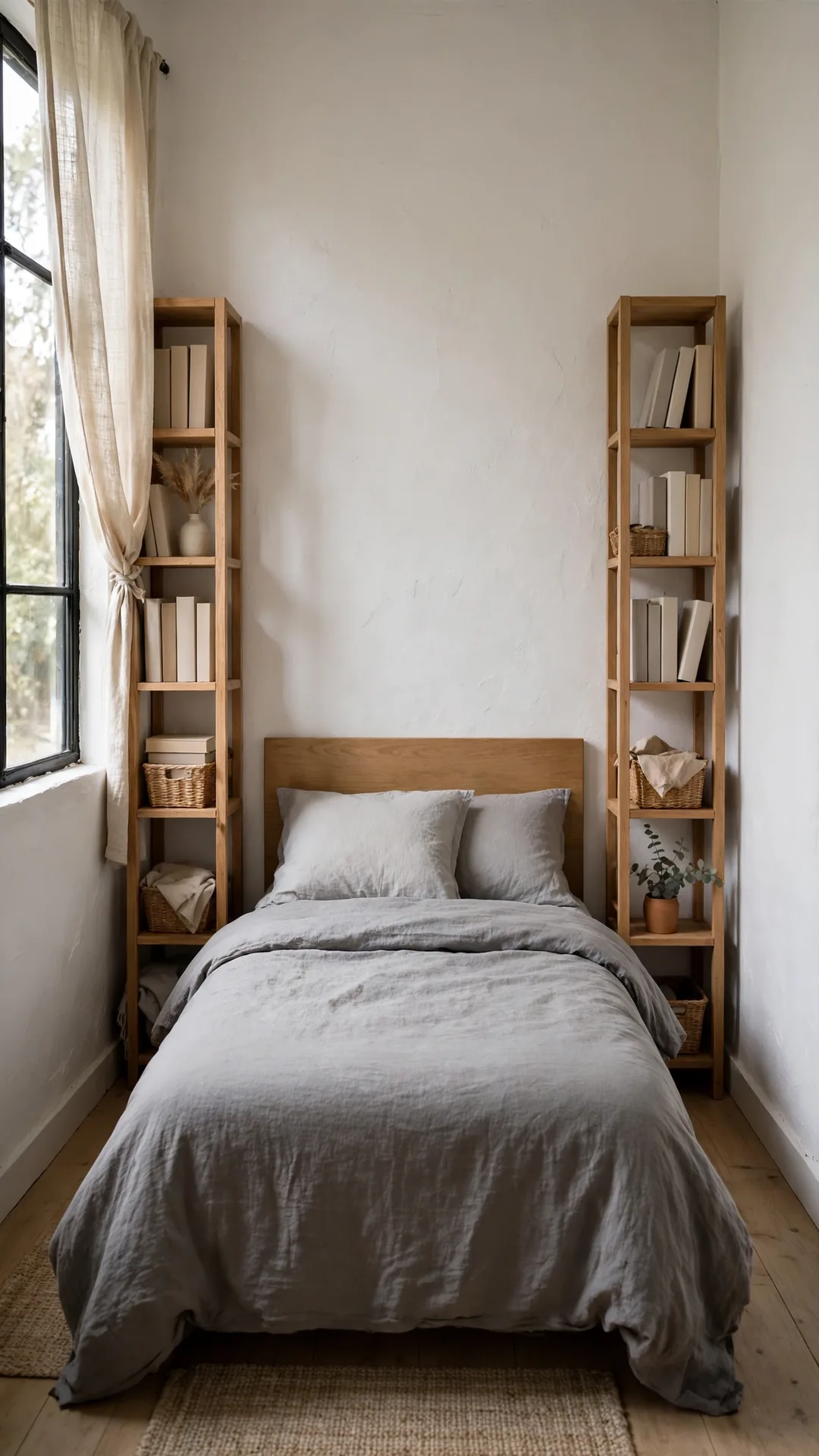
Narrow towers are headboard ideas for small bedrooms short on nightstands. Each tower takes about 12 inches of wall width. They frame the bed and hold lamps, books and chargers.
How to do it:
- Pick towers no deeper than 10 inches.
- Set one tower tight against each side of the bed.
- Anchor both towers to the wall at the top.
- Keep the middle panel plain so the setup stays calm.
Best for: Rooms where a nightstand will not fit at all.
Budget: $70 to $150
Quick tip: Use the lowest shelf for shoes you wear each day.
20. Build a Ledge Along the Headboard Top
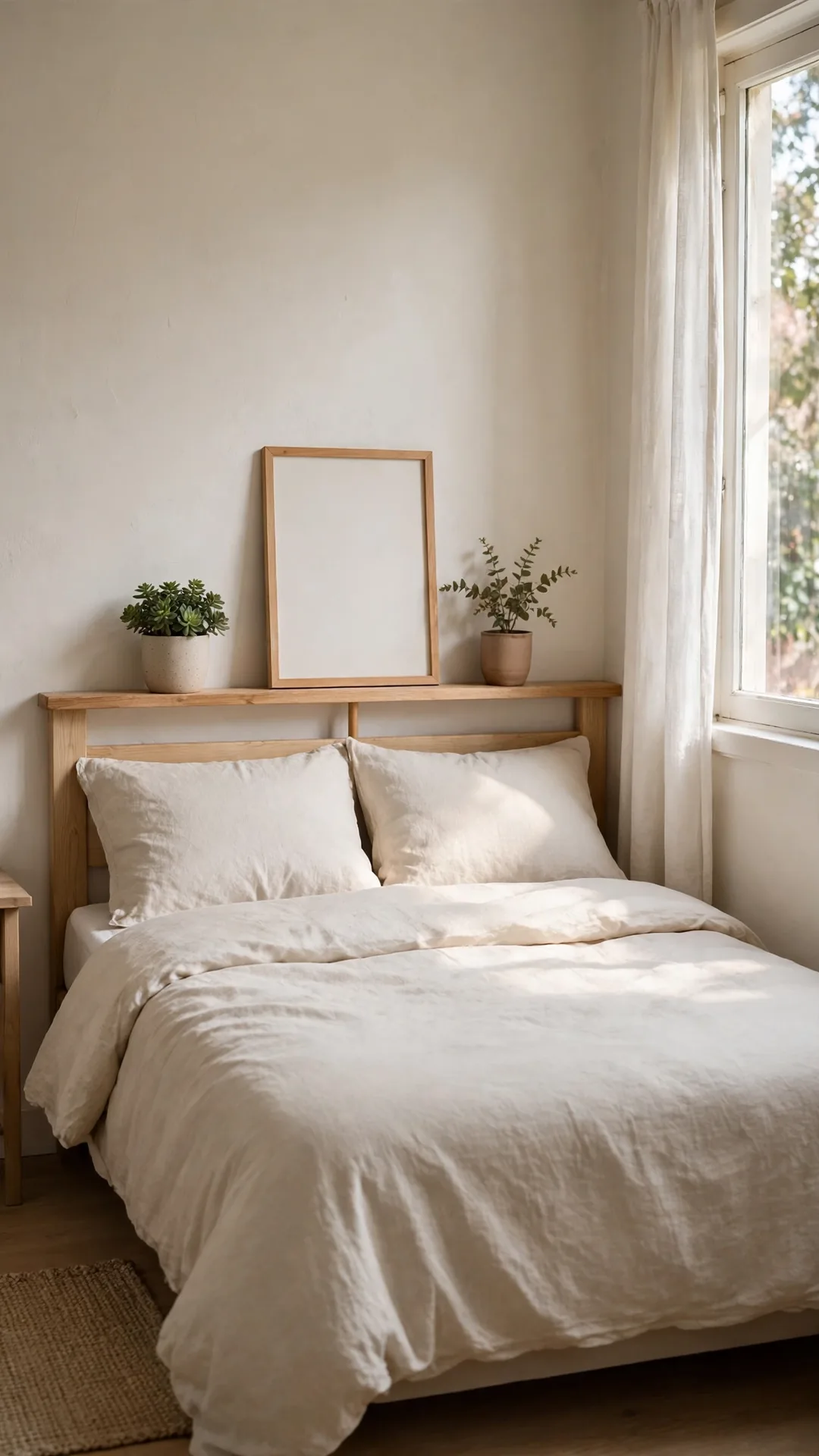
A ledge on top turns dead space into a display shelf. It holds a plant, a clock and one framed print. The ledge adds no depth at pillow level.
How to do it:
- Fix a board about 4 inches deep along the top edge.
- Add a tiny raised lip so items cannot slide off.
- Keep heavy items off the ledge for safety.
- Dust the ledge weekly since it sits up high.
Best for: Plant lovers with no spare shelf space.
Budget: $15 to $40
Quick tip: Stick to three items so the ledge never looks crowded.
21. Use Built-In Nightstand Shelves Both Sides

Built-in side shelves end the hunt for nightstand space. Each shelf sits right where your hand lands. The bed wall becomes one neat, single unit.
How to do it:
- Choose a headboard with shelves about 10 inches wide.
- Check shelf height against your pillow stack.
- Route charger cords through the back gap.
- Keep one shelf for books and one for water.
Best for: Very small rooms with side walls too tight for any tables.
Budget: $110 to $240
Quick tip: Add small felt pads so glasses and bottles sit silent at night.
22. Fit Open Cubbies Above the Pillows
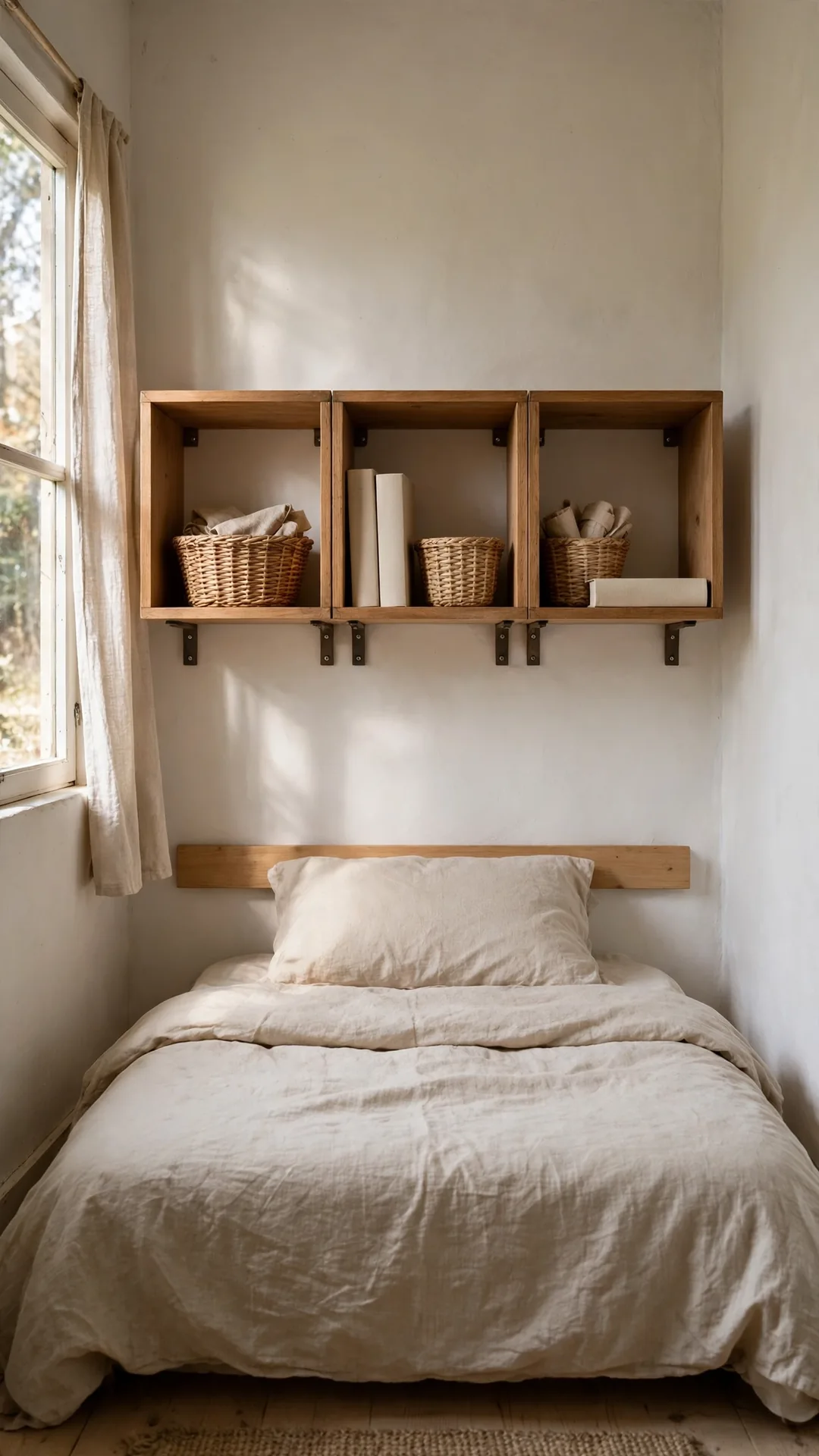
Open cubbies are headboard ideas for small bedrooms that love order. A row above the pillows keeps spares within reach. Baskets inside the cubbies hide the visual mess.
How to do it:
- Mount cubbies so the base sits above head height.
- Use cubbies about 12 inches square and 8 inches deep.
- Hit studs or use anchors rated for the load.
- Fill each cubby with one clear job, like books only.
Best for: Guest rooms that need spare blankets close by.
Budget: $40 to $95
Quick tip: Leave one cubby empty so the row can breathe.
23. Sew Pockets Onto a Fabric Panel
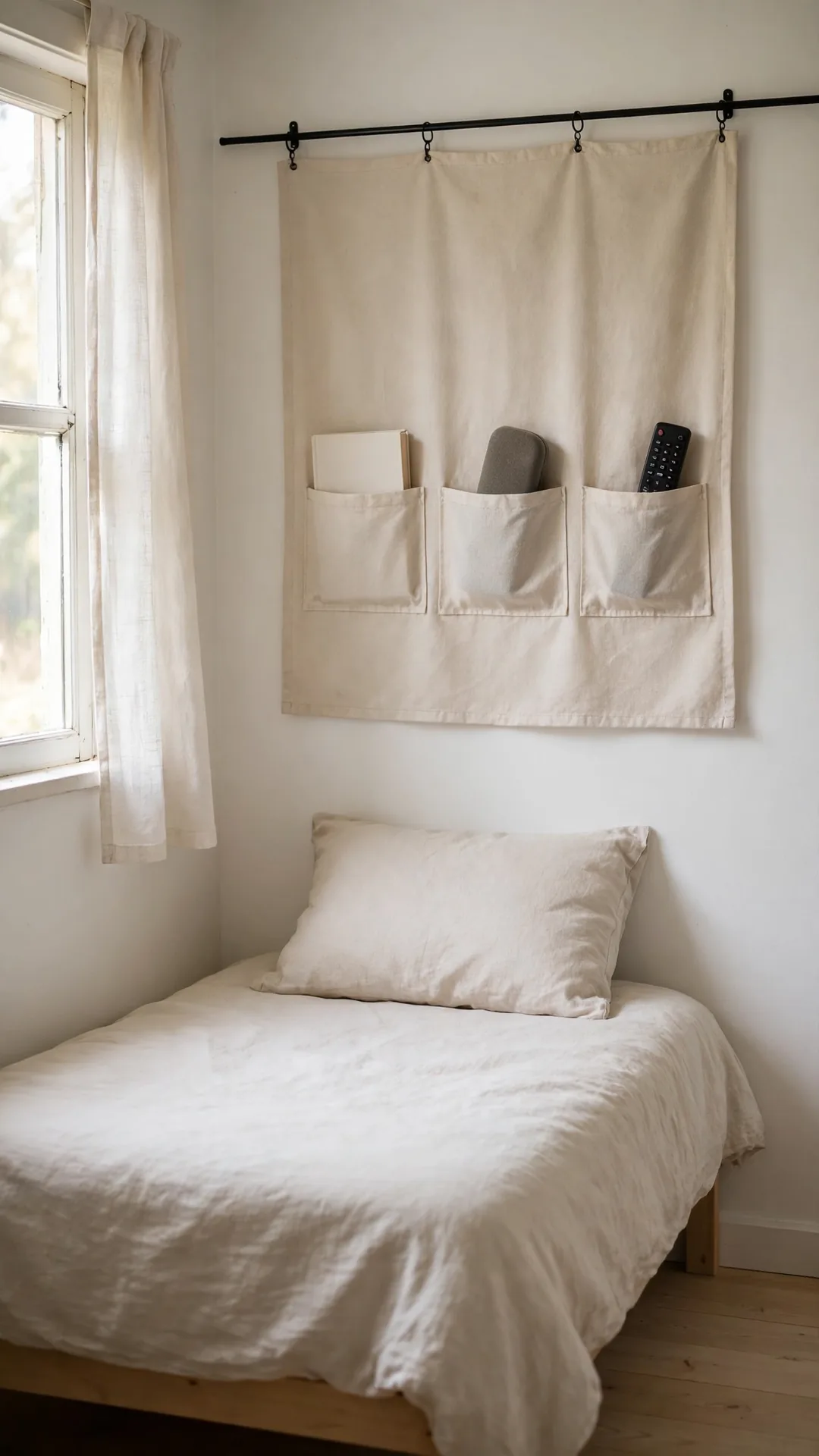
Pockets on a panel keep small gear off the bed. Books, glasses and remotes each get a flat home. The whole thing hangs from one slim rod.
How to do it:
- Sew three pockets about 6 inches deep on a panel.
- Use strong canvas so pockets do not sag.
- Hang the panel so pockets sit above the pillows.
- Empty the pockets weekly so dust stays low.
Best for: Renters who read in bed every night.
Budget: $20 to $45
Quick tip: Make one pocket wide enough for a paperback book.
24. Carve a Shallow Niche Behind the Bed
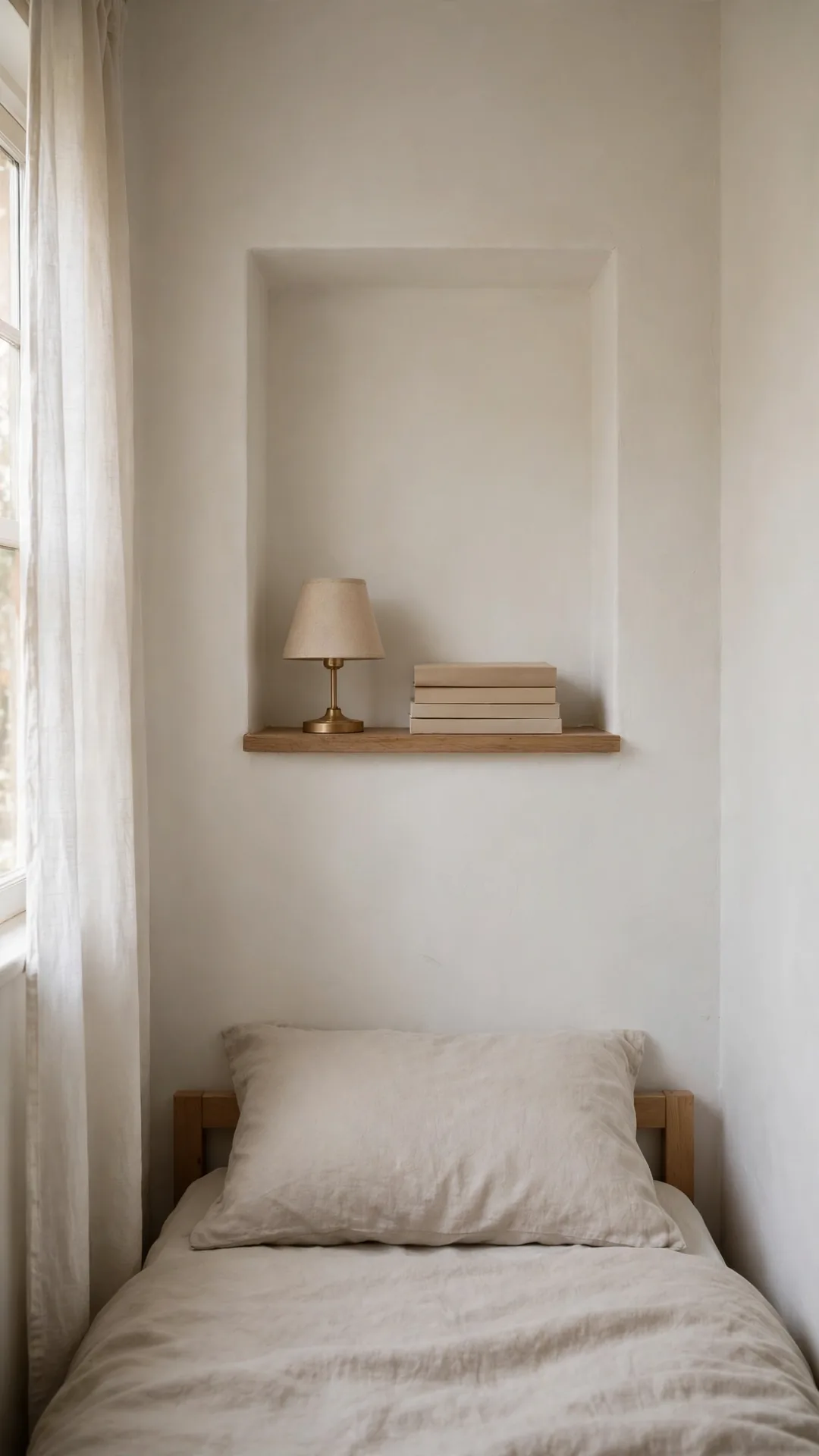
A shallow niche acts like a headboard and a shelf. The recess holds a lamp without any table. It suits stud walls where a cavity already hides.
How to do it:
- Plan a niche about 40 inches wide and 4 inches deep.
- Have a pro check wires and pipes before cutting.
- Line the niche with painted wood for a clean edge.
- Add a small shelf at pillow height inside.
Best for: Owners doing a remodel who want built-in storage.
Budget: $150 to $400
Quick tip: Paint the niche a shade darker for quiet depth.
25. Hide a Compartment Behind a Flip Panel
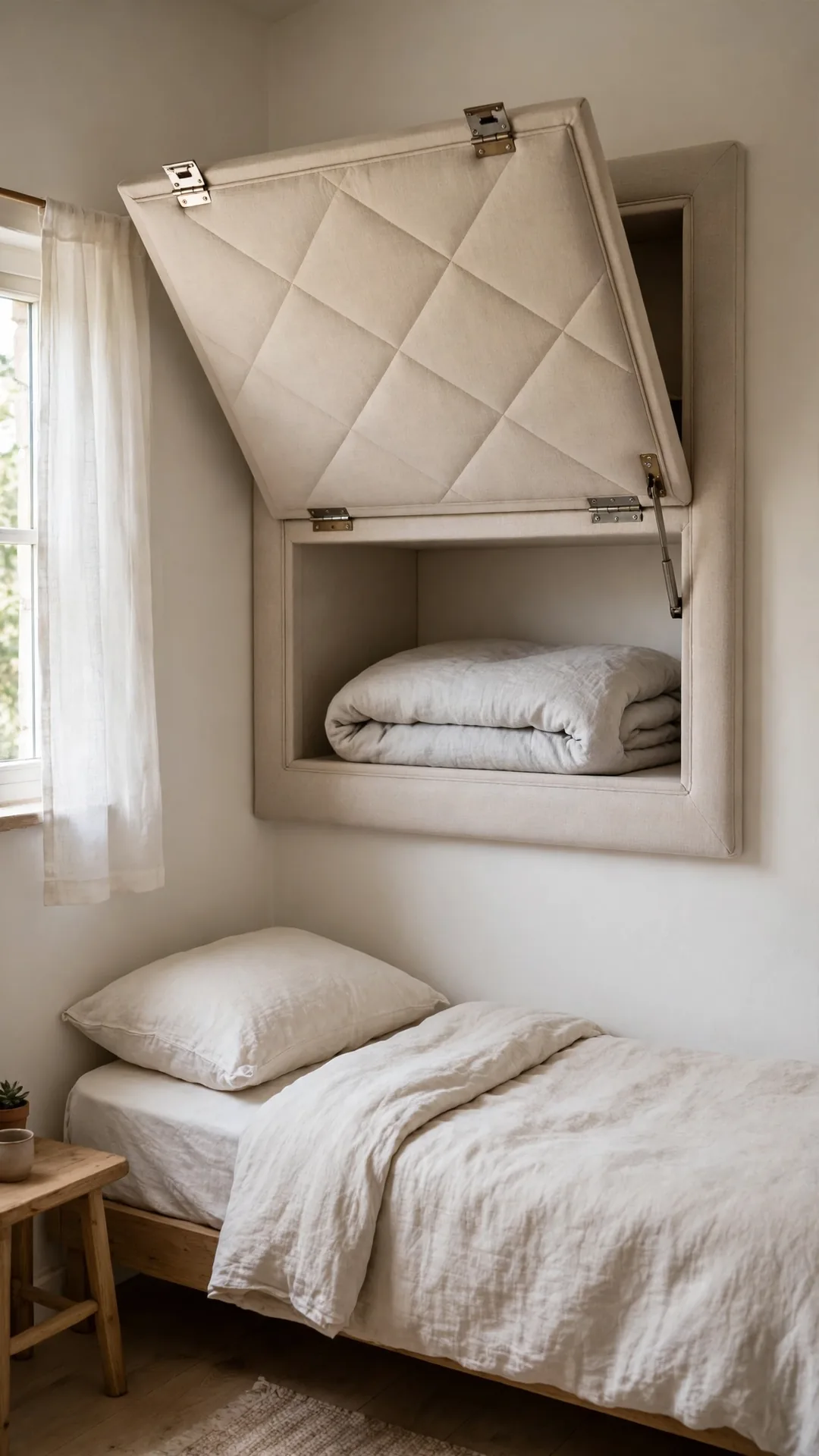
Flip panels are headboard ideas for small bedrooms with secret storage needs. A hinged panel hides a shallow compartment behind it. Spare blankets and off season items vanish from view.
How to do it:
- Build the compartment about 4 inches deep.
- Hang the panel on two strong piano hinges.
- Add a small knob or finger pull at one side.
- Keep stored items light so the panel stays safe.
Best for: Studio renters who need hidden storage for clutter.
Budget: $60 to $130
Quick tip: Store flat items only, like linens and documents.
26. Stack Floating Boxes as a Headboard Wall
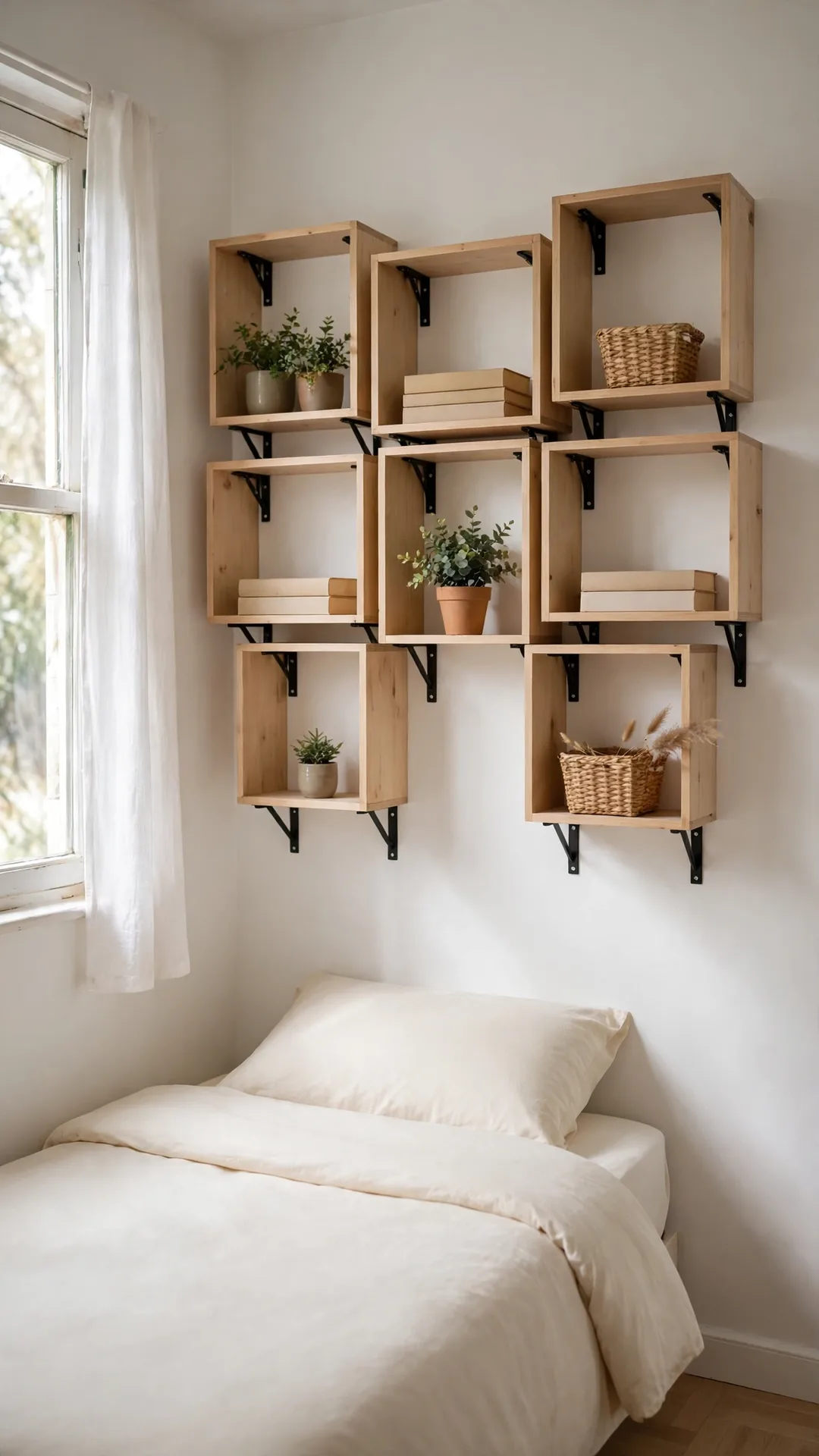
Floating boxes build a storage wall one piece at a time. Each box works as a shelf, a cubby or art. You can start with three and add more later.
How to do it:
- Use boxes about 12 inches wide and 6 inches deep.
- Sketch the grid on the wall with painter tape first.
- Fix each box into a stud or a rated anchor.
- Keep boxes above pillow height for head clearance.
Best for: Slow projects that grow with your budget.
Budget: $35 to $90
Quick tip: Mix one closed box in the grid for hidden storage.
27. Stretch One Panel Wall to Wall
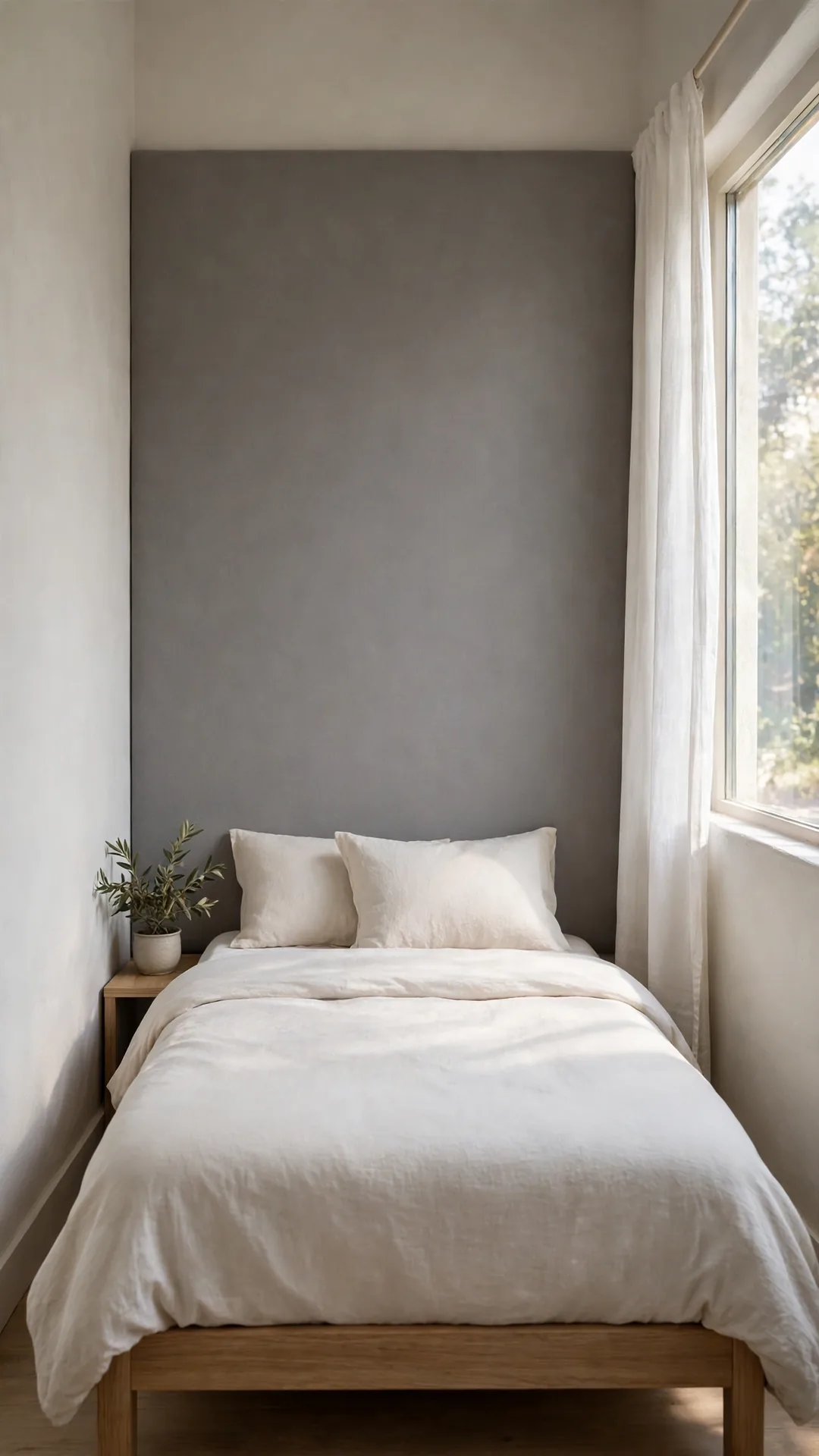
A wall to wall panel makes a small bed feel grand. The wide line tricks the eye into seeing more width. It also ends the gap where pillows slip down.
How to do it:
- Measure the full wall width behind the bed.
- Build the panel in two or three sections for handling.
- Keep the height near 36 inches above the mattress.
- Butt the sections tight so seams all but vanish.
Best for: Narrow rooms that need a strong horizontal line.
Budget: $130 to $280
Quick tip: Run the panel behind nightstands too for one clean sweep.
28. Keep the Profile Low for Low Ceilings
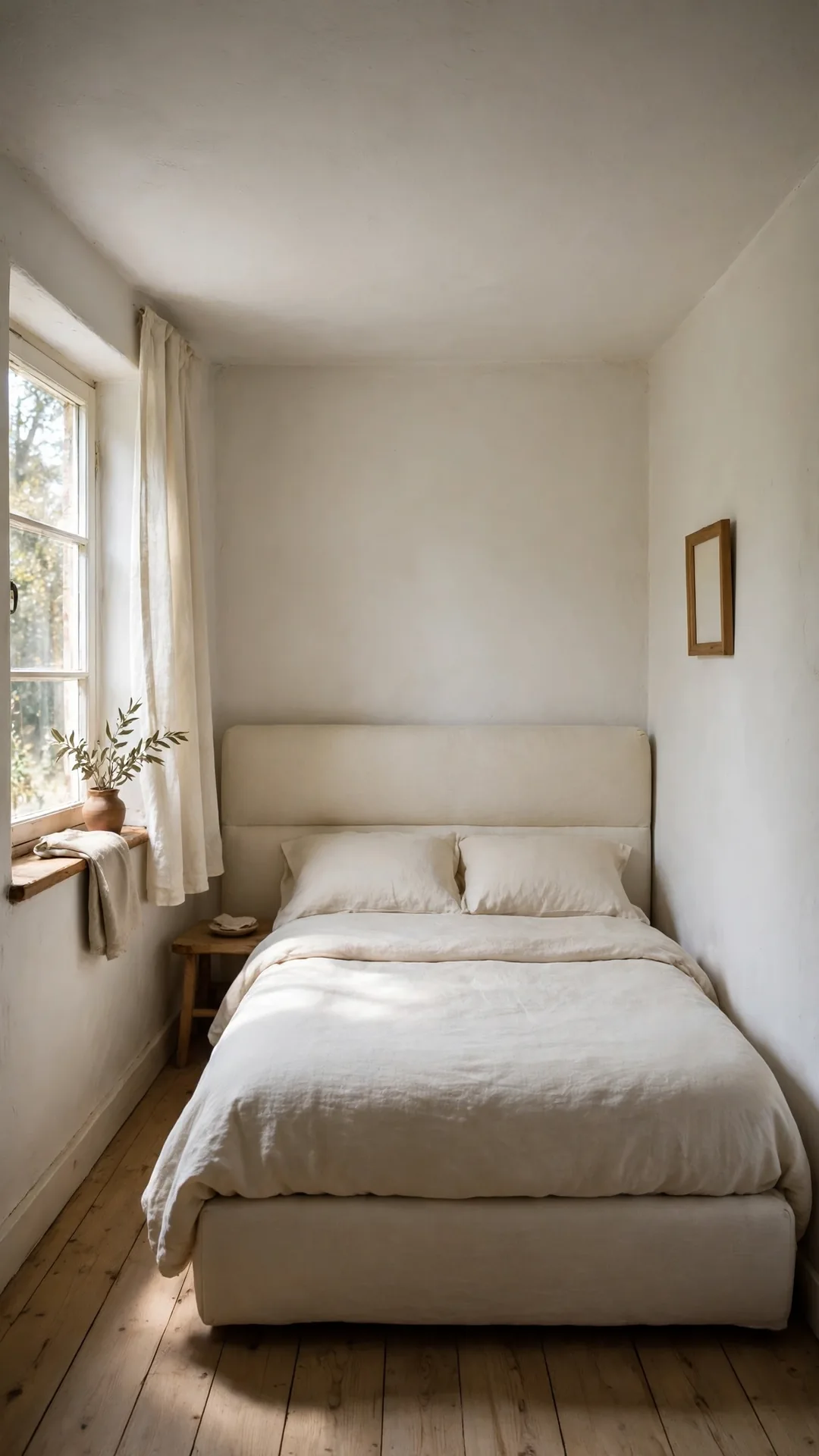
Low panels are headboard ideas for small bedrooms with low ceilings. A wide, short panel keeps the bed zone grounded. It leaves wall above for one piece of art.
How to do it:
- Cap the panel at 20 to 24 inches above the mattress.
- Choose a pale fabric to keep the wall light.
- Extend the panel 6 inches past each side of the bed.
- Hang art to one side, not centered above.
Best for: Basement rooms and attic rooms with low ceilings.
Budget: $55 to $120
Quick tip: A low panel plus tall curtains still gives height cues.
29. Raise a Tall Narrow Panel in a Tight Room

A tall narrow panel pulls a tight room upward. It suits single beds and narrow nooks best. The strong vertical line makes the bed a focal point.
How to do it:
- Make the panel about 6 inches wider than the bed.
- Run it 60 to 72 inches up from the floor.
- Anchor the top third firmly to a stud.
- Keep side furniture low so the panel stands out.
Best for: Narrow box rooms and single bed nooks.
Budget: $60 to $130
Quick tip: Paint the wall behind in the same tone for depth.
30. Soften Square Rooms With an Arch Panel
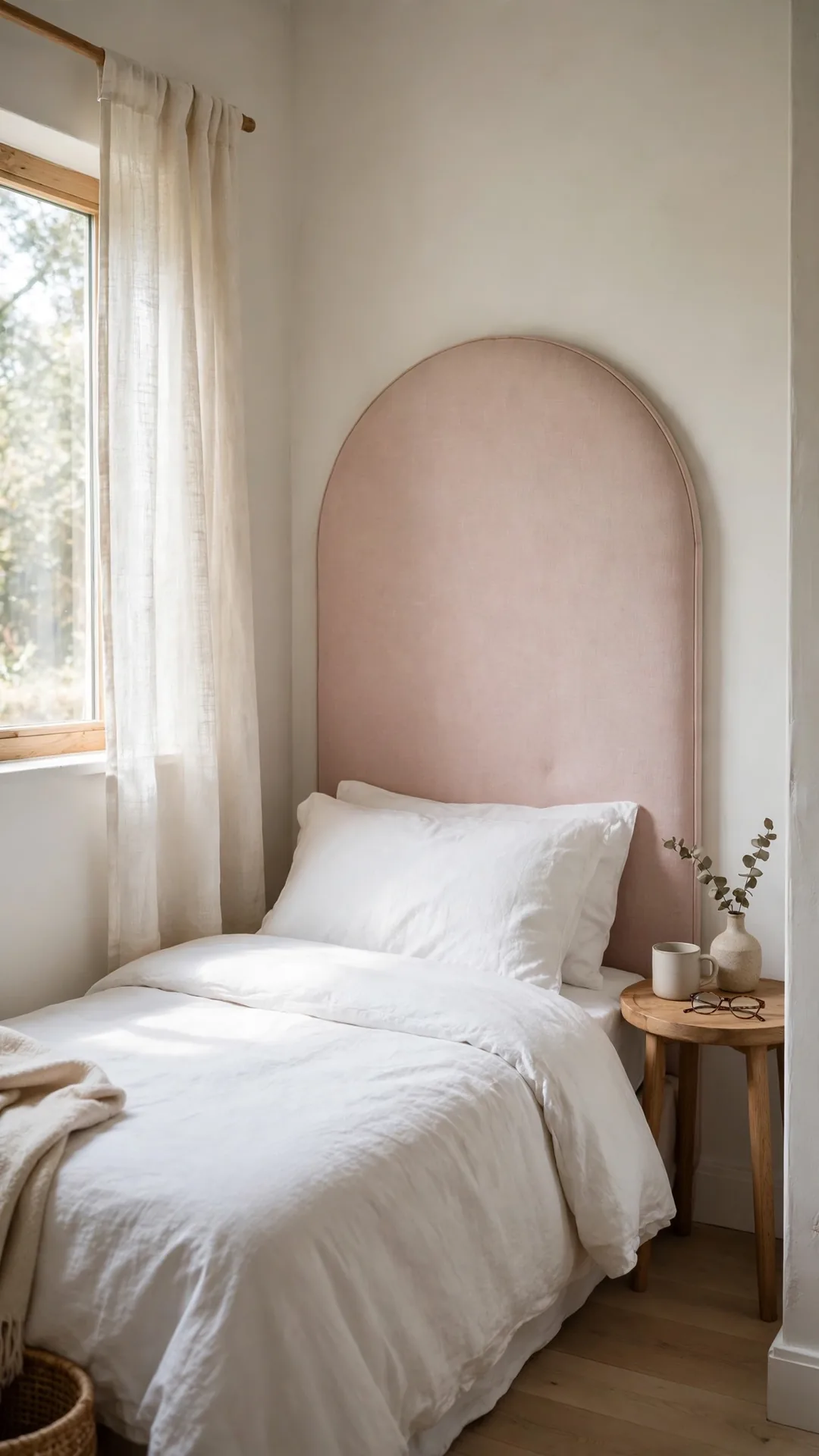
An arch panel softens a boxy room at once. The curve breaks up the straight lines around it. It reads like furniture, not a flat board.
How to do it:
- Cut the arch from plywood with a jigsaw curve.
- Pad the face with 1 inch foam and batting.
- Staple fabric around the back, easing the curve.
- Hang it on a cleat so the base hides low.
Best for: Square rooms that feel plain and hard edged.
Budget: $70 to $150
Quick tip: Keep the arch top below picture rail height for balance.
31. Try a Half Moon Padded Panel
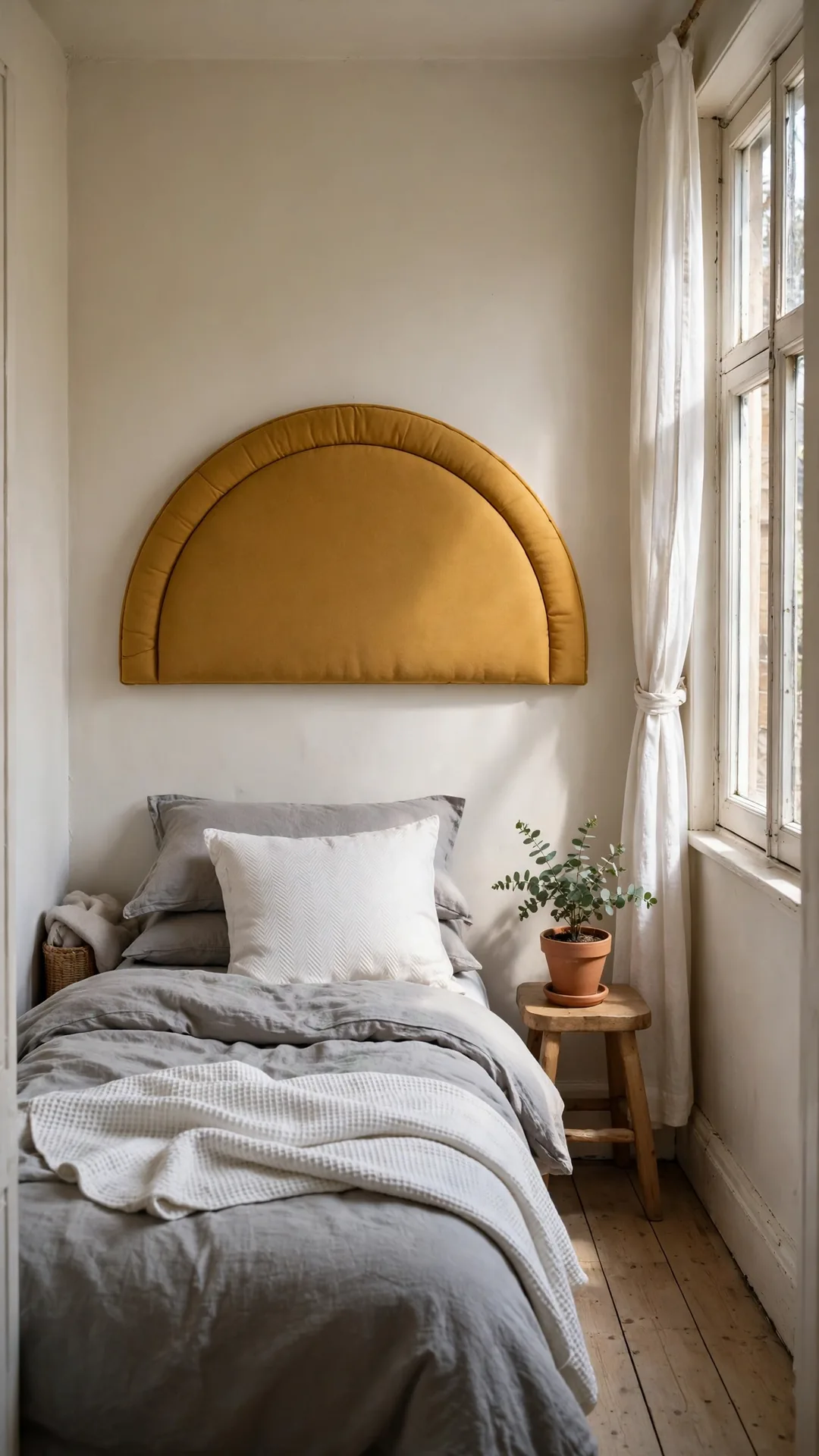
Half moon panels are headboard ideas for small bedrooms that feel playful. The round top adds shape without sharp corners. It takes the wall space of a wide picture only.
How to do it:
- Size the half moon about 6 inches wider than the bed.
- Use 2 inch foam for a plump, soft edge.
- Mount it so the flat edge sits behind the pillows.
- Pick a color that repeats in one small accent.
Best for: Kids rooms, guest rooms and fun loving spaces.
Budget: $55 to $120
Quick tip: Pair it with round cushions to echo the curve.
32. Split the Design Into Two Twin Panels
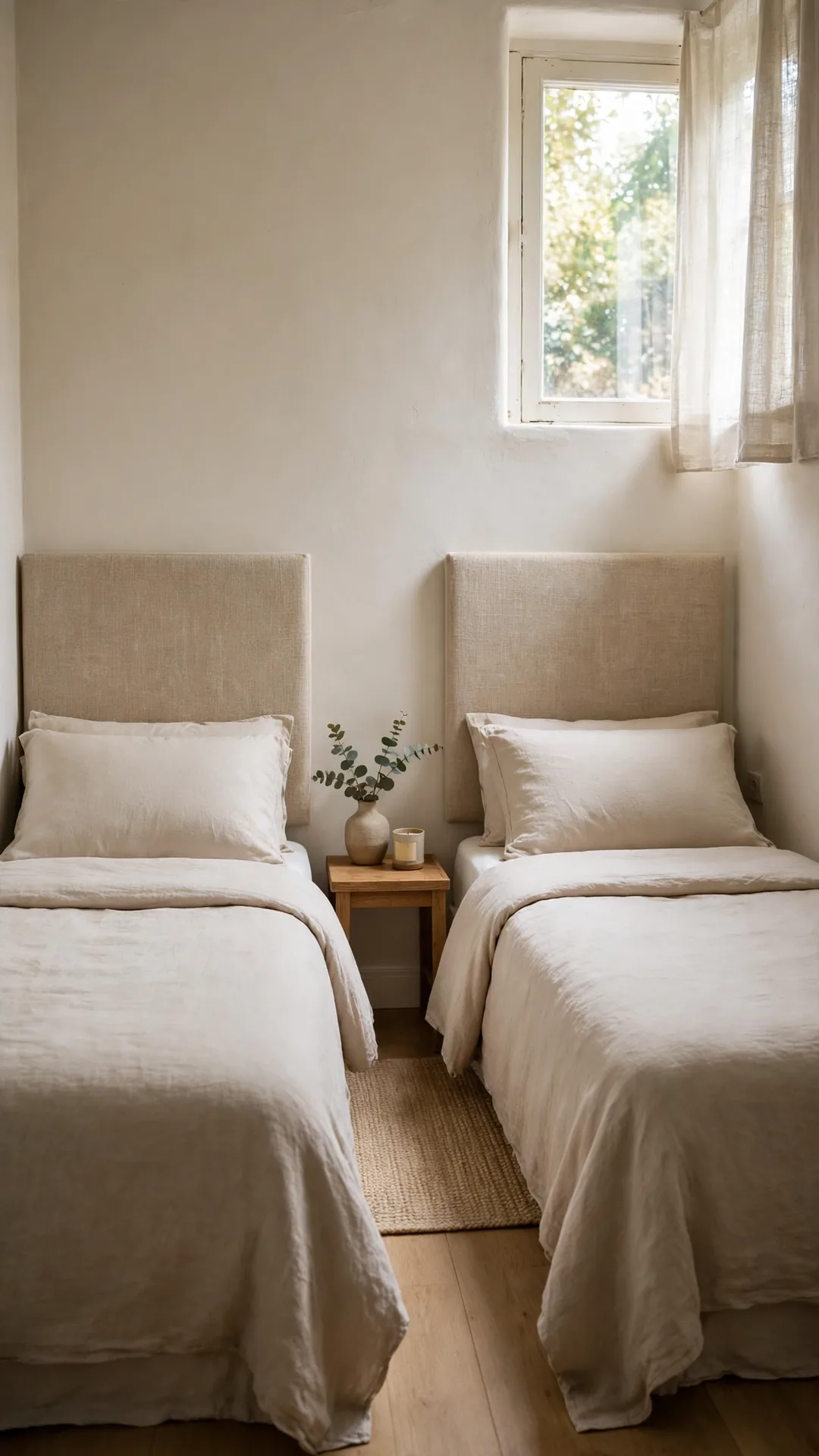
Two twin panels let each bed stand on its own. A shared room keeps a tidy, matched look. Each panel lifts off alone for cleaning.
How to do it:
- Size each panel about 4 inches wider than its bed.
- Hang both panels at the exact same height.
- Leave a 6 to 10 inch gap for a shared table.
- Use the same fabric on both for a calm match.
Best for: Shared kids rooms and twin guest rooms.
Budget: $60 to $130
Quick tip: Number the panels on the back so they rehang right.
33. Wrap a Panel Around a Corner Bed
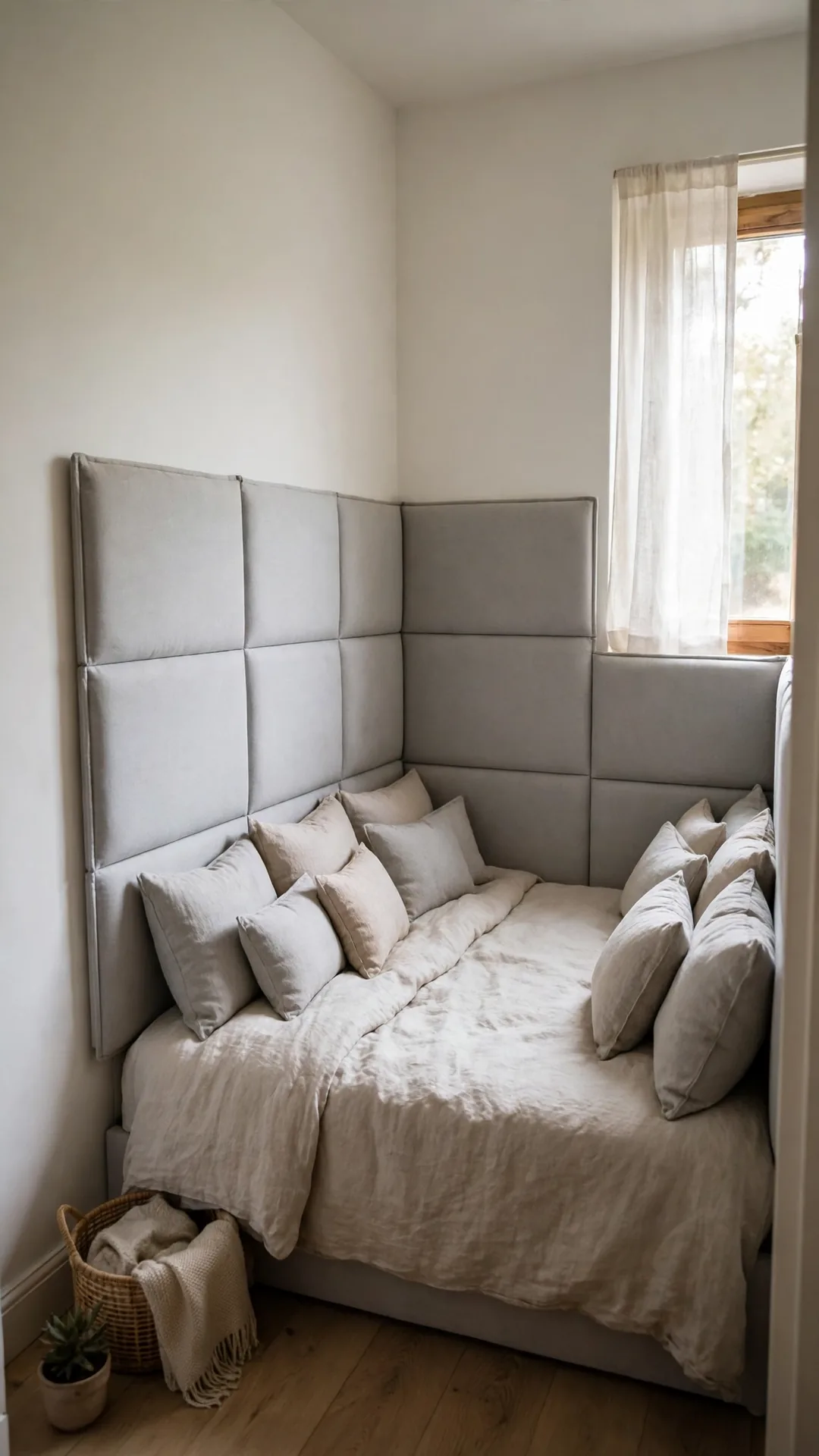
A corner wrap pads two walls where the bed touches. It turns a pushed in bed into a cozy nook. Kids stop bumping heads on the side wall too.
How to do it:
- Measure both walls from the corner outward.
- Use two slim panels that meet in the corner.
- Keep panel tops level for a clean wrap line.
- Add a long cushion along the side wall.
Best for: Beds pushed into corners to save floor space.
Budget: $65 to $140
Quick tip: Continue the wrap only as far as the pillows reach.
34. Run a Long Panel for a Daybed Wall
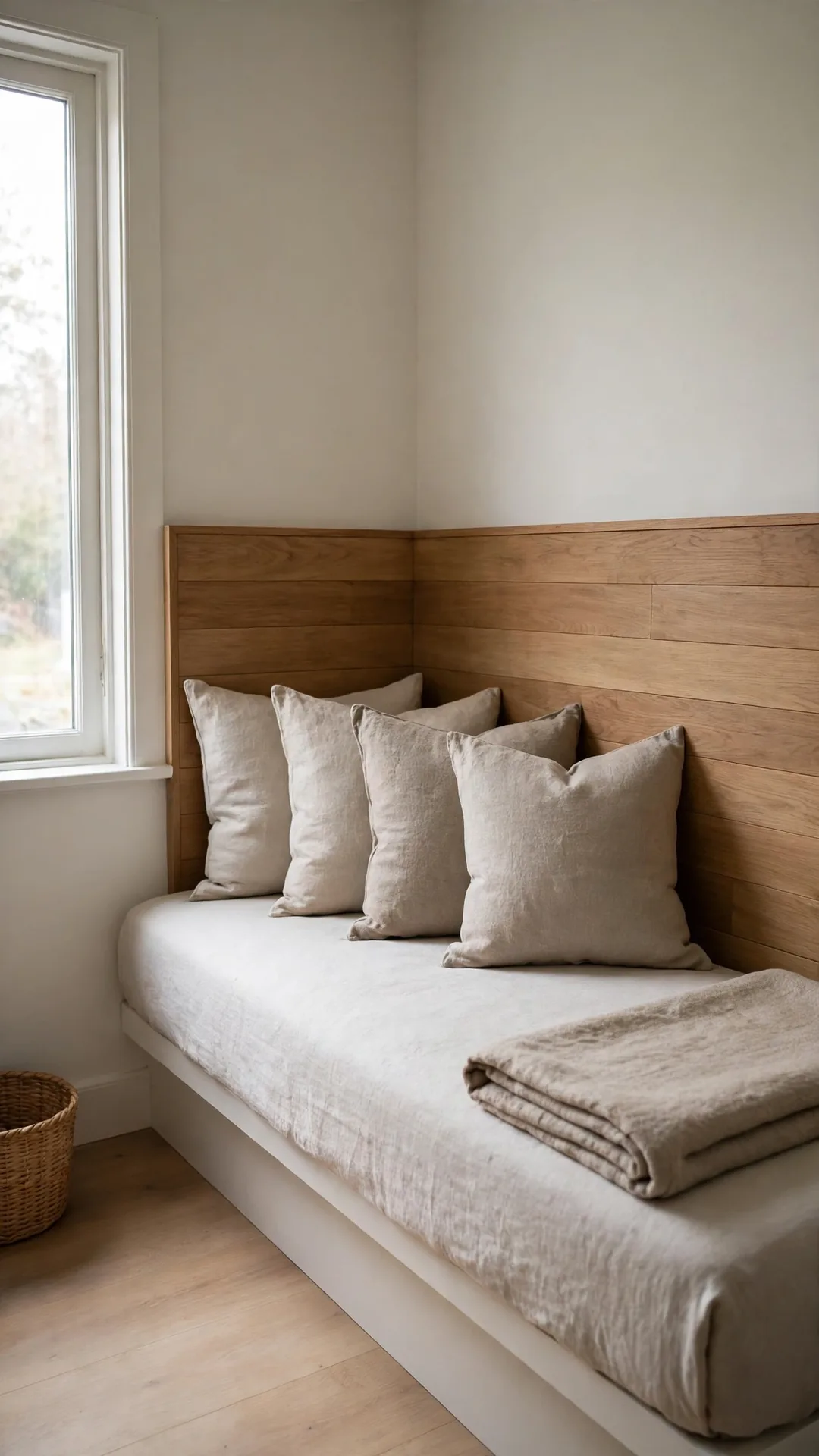
Daybeds are headboard ideas for small bedrooms that double as sofas. A long low panel backs the whole daybed wall. It gives daytime sitters a firm place to lean.
How to do it:
- Run the panel the full length of the daybed.
- Keep the top edge about 30 inches above the seat.
- Add three loose cushions for daytime comfort.
- Choose a finish that wipes clean with a cloth.
Best for: Studio corners and guest beds that seat guests.
Budget: $60 to $125
Quick tip: Store spare bedding in a basket at the daybed end.
35. Build a Stained Plywood Panel

A single plywood sheet makes a clean, honest panel. Stain warms it up without paint or fabric. The whole build fits in one afternoon.
How to do it:
- Buy a sheet cut to the bed width plus 4 inches.
- Sand the face and edges until they feel smooth.
- Stain, then seal with two coats of matte finish.
- Screw through the panel into studs and plug the holes.
Best for: Beginner builders who own a drill and a sander.
Budget: $40 to $85
Quick tip: Test stain on the back edge before the full face.
36. Upholster a Foam Board in Linen

A foam board wrapped in linen is the classic DIY panel. It costs little and weighs almost nothing. For more weekend builds, browse The Spruce list of DIY headboard ideas before you shop.
How to do it:
- Cut a foam board to the bed width plus 2 inches.
- Wrap it in batting first for soft, round edges.
- Staple linen on the back, pulling each side firm.
- Hang it on two picture hooks rated for the weight.
Best for: First time DIYers who want a soft, pro look.
Budget: $35 to $75
Quick tip: Iron the linen before wrapping so seams stay crisp.
37. Button Tuft a Panel for a Classic Look
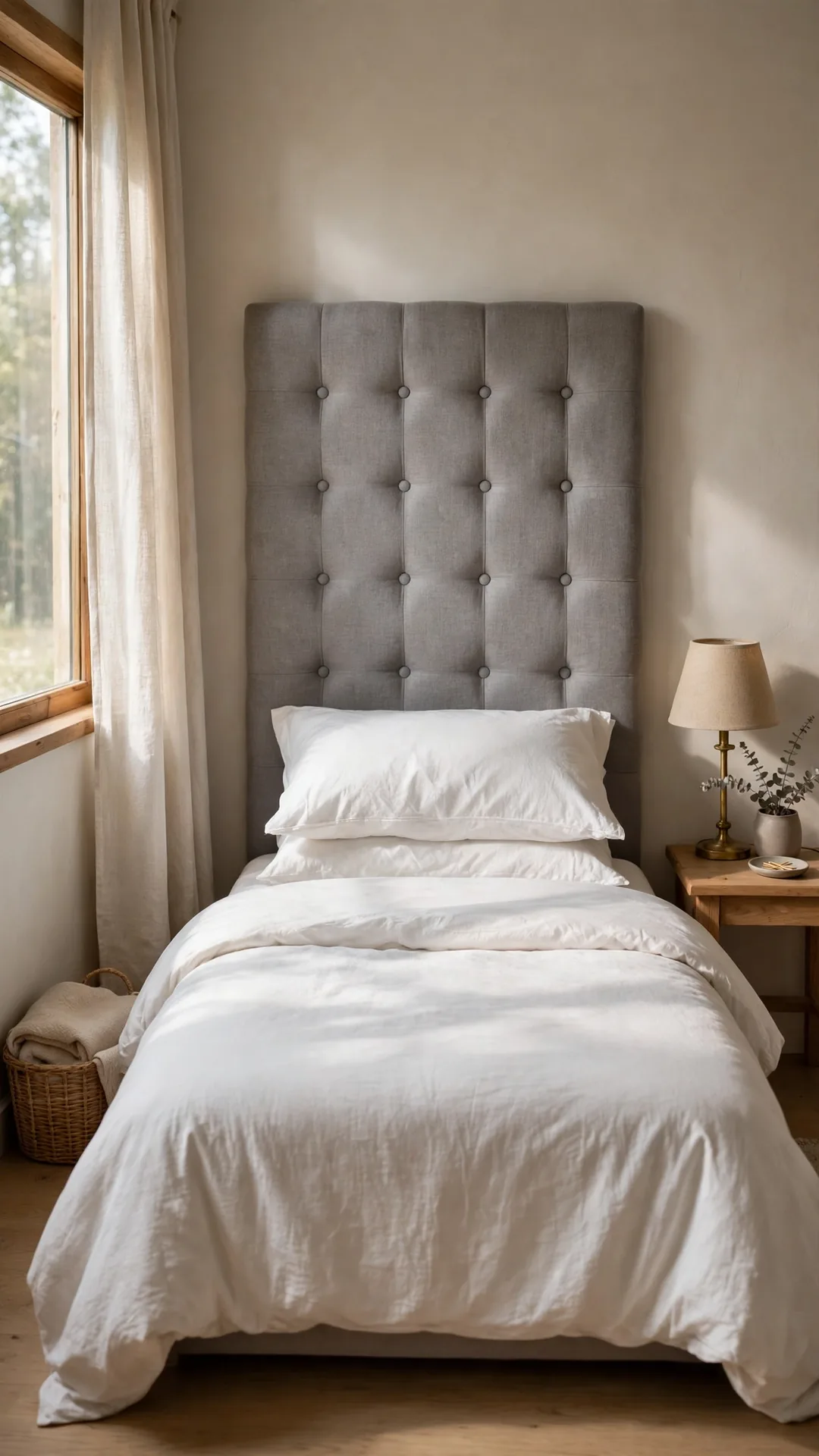
Tufted panels are headboard ideas for small bedrooms with classic taste. Buttons pull the fabric into soft, even dimples. The look reads rich even on a foam board base.
How to do it:
- Drill a grid of small holes in a plywood base.
- Mark button spots about 8 inches apart.
- Pull each covered button tight with strong thread.
- Staple the fabric edges flat on the back.
Best for: Patient DIYers who enjoy a detailed project.
Budget: $60 to $130
Quick tip: Use a long upholstery needle to save your fingers.
38. Sand and Seal a Pallet Wood Panel

Pallet planks build a warm panel for very little money. Sanding and sealing keeps the rustic look safe. Each plank adds its own tone and grain.
How to do it:
- Choose heat treated pallets marked HT only.
- Pull nails, then sand every board until smooth.
- Seal both faces and edges so no splinters can lift.
- Screw the planks to two vertical battens on studs.
Best for: Budget builds in farmhouse or rustic rooms.
Budget: $15 to $45
Quick tip: Keep one spare sealed plank stored flat for later repairs.
39. Turn an Old Door on Its Side
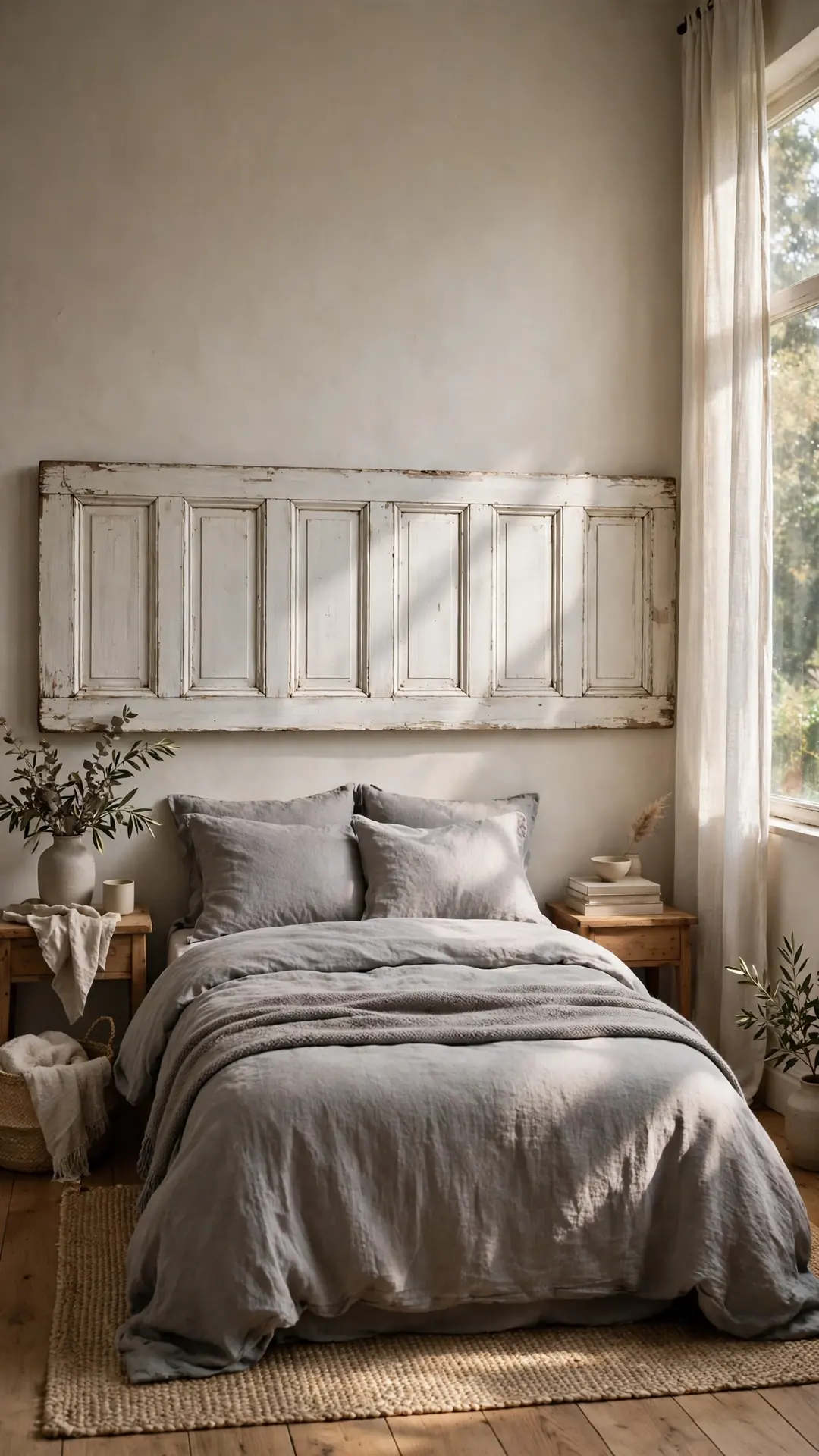
An old door turned sideways fits a full bed well. The raised panels give you built in detail. Paint unifies a scratched or mixed wood find.
How to do it:
- Measure the door first, since most suit full or queen beds.
- Scrub, sand and fill any deep dents first.
- Prime, then paint two coats in a satin finish.
- Bolt the door to the frame or cleat it to studs.
Best for: Thrift fans who like one of a kind pieces.
Budget: $30 to $80
Quick tip: Keep the door knob hole as a fun cord pass.
40. Cover Foam Tubes for Channel Padding
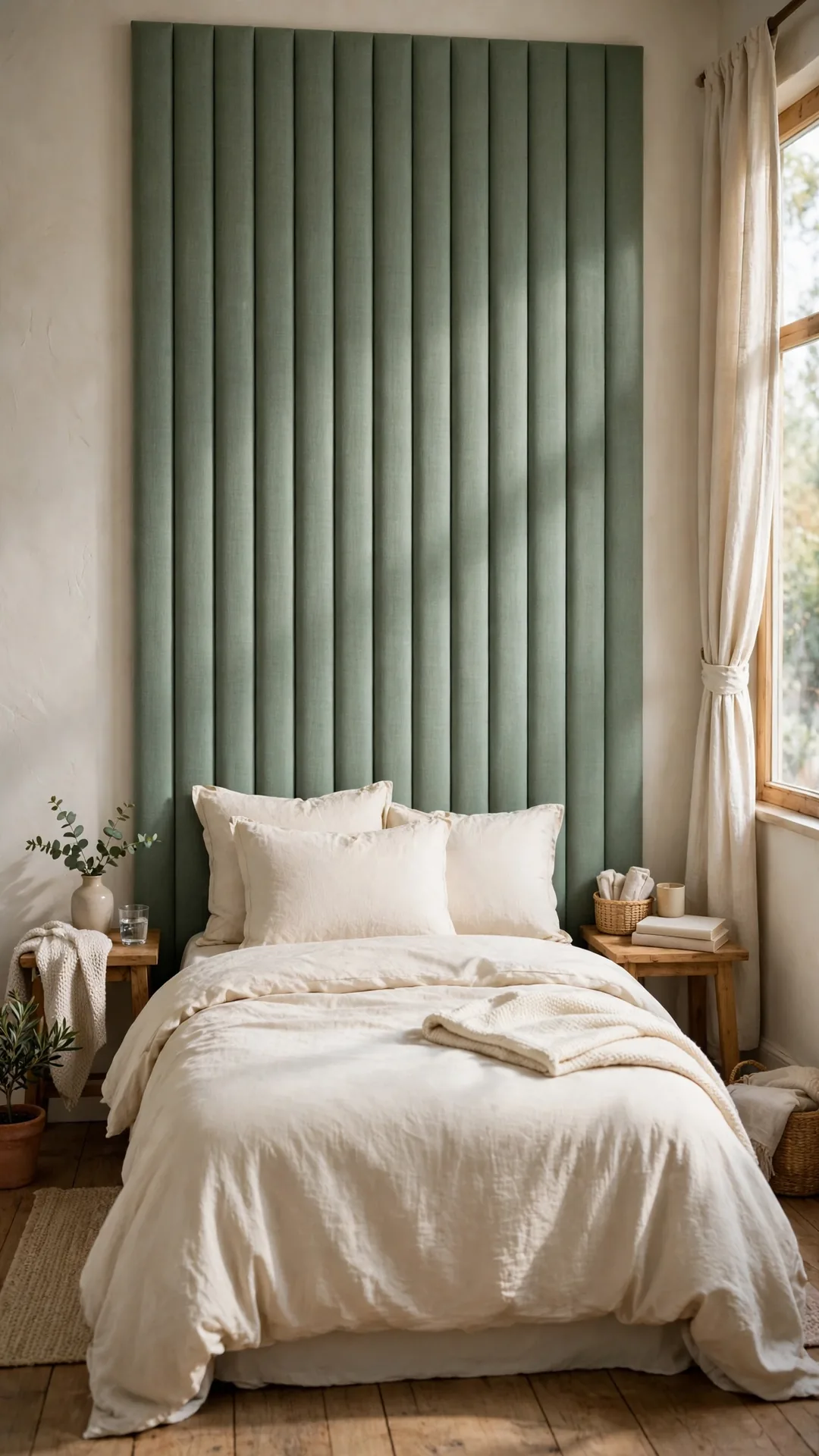
Channel panels are headboard ideas for small bedrooms trending now. Foam tubes wrapped in fabric form each soft channel. The vertical lines add height to the bed wall.
How to do it:
- Cut foam tubes to about 30 inches long.
- Wrap each tube in fabric and staple the back.
- Glue and pin the tubes side by side on a board.
- Hang the board so channels run true vertical.
Best for: Trend led rooms that want a soft, tailored wall.
Budget: $55 to $115
Quick tip: Even tube spacing matters more than perfect fabric.
41. Make a No-Sew Panel From Pillow Shams

Pillow shams stuffed firm fake a paneled look fast. No sewing, no stapling and no wood needed. The covers unzip and wash like normal bedding.
How to do it:
- Pick three shams that match your bedding set.
- Stuff each one firm with a standard pillow.
- Mount them in a row on adhesive hook strips.
- Align the top edges with a level before pressing.
Best for: Dorm rooms and rentals with strict no tool rules.
Budget: $20 to $50
Quick tip: Rotate the shams monthly so the stuffing wears even and stays plump.
42. Build a Pegboard Panel With Movable Shelves
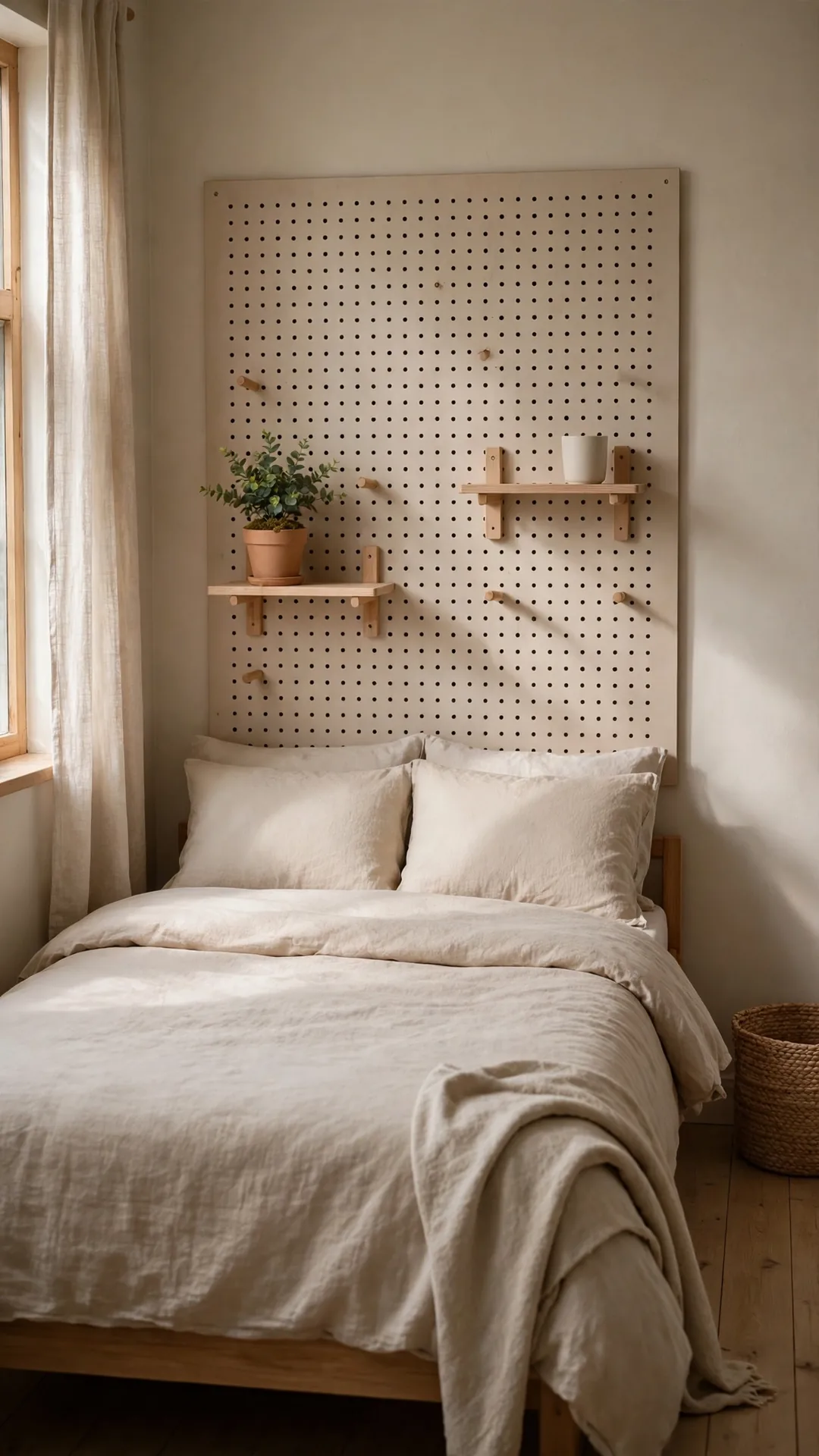
A pegboard panel moves its shelves whenever you like. Small shelves hold a phone, a plant and water. The board itself is only about an inch deep.
How to do it:
- Cut pegboard to the bed width plus 6 inches.
- Frame the back with strips so pegs have clearance.
- Paint the board to match or contrast the wall.
- Add two shelves and three hooks to start.
Best for: Restless organizers who rearrange things often.
Budget: $35 to $80
Quick tip: Keep heavy items on the lowest shelf row only.
43. Clip Reading Lights on a Slim Panel
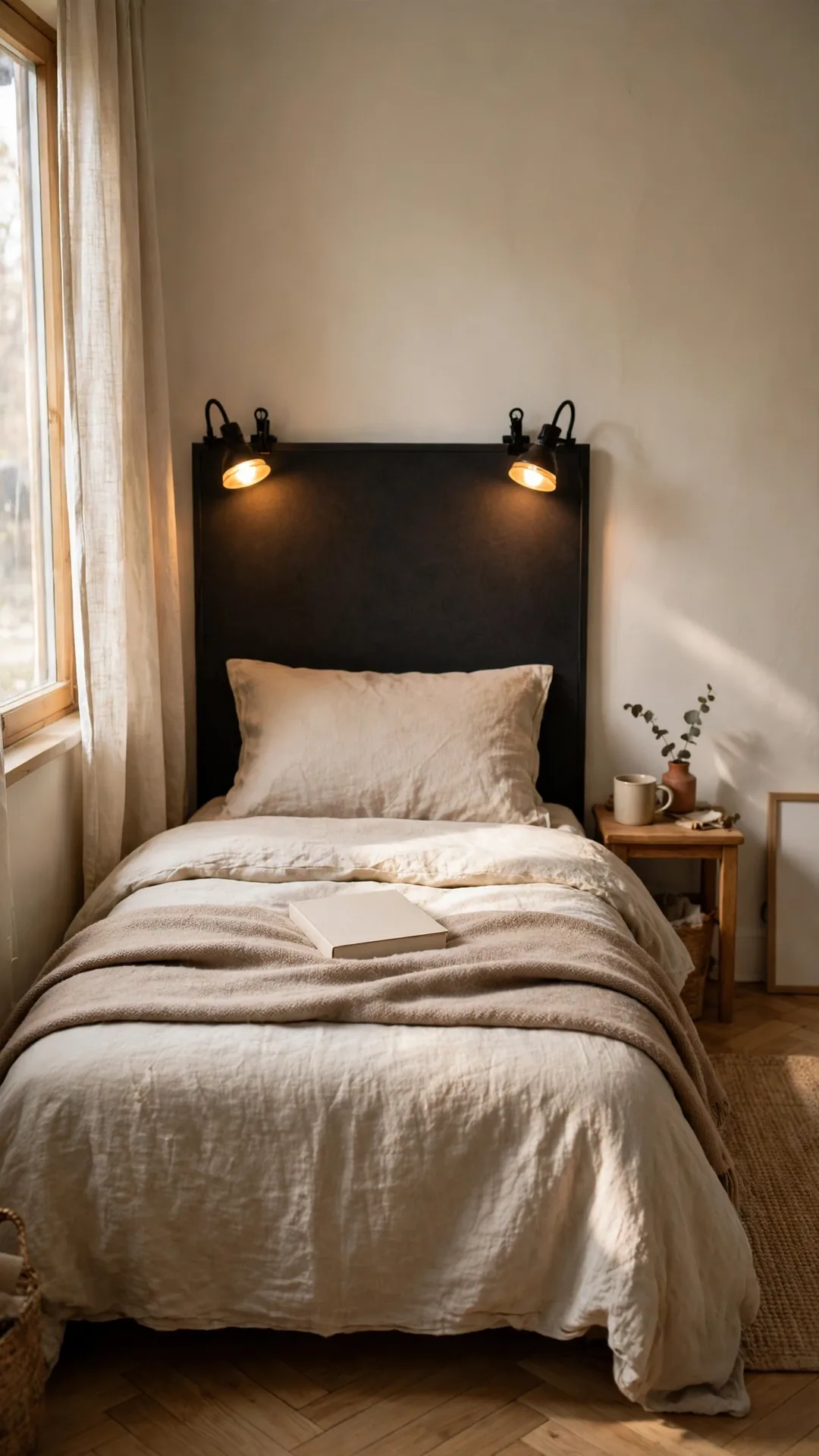
Clip lights are headboard ideas for small bedrooms short on outlets. Two small lamps clip right where you read. Nightstands stay free for books and water.
How to do it:
- Pick clip lights with a padded clamp jaw.
- Clip one at each side of the panel top.
- Aim the beams down at the book, not the room.
- Tuck cords behind the panel so they stay hidden.
Best for: Night readers in rooms with tiny nightstands.
Budget: $25 to $55
Quick tip: Choose warm white bulbs so the light feels calm.
44. Hide an LED Strip Behind a Floating Panel
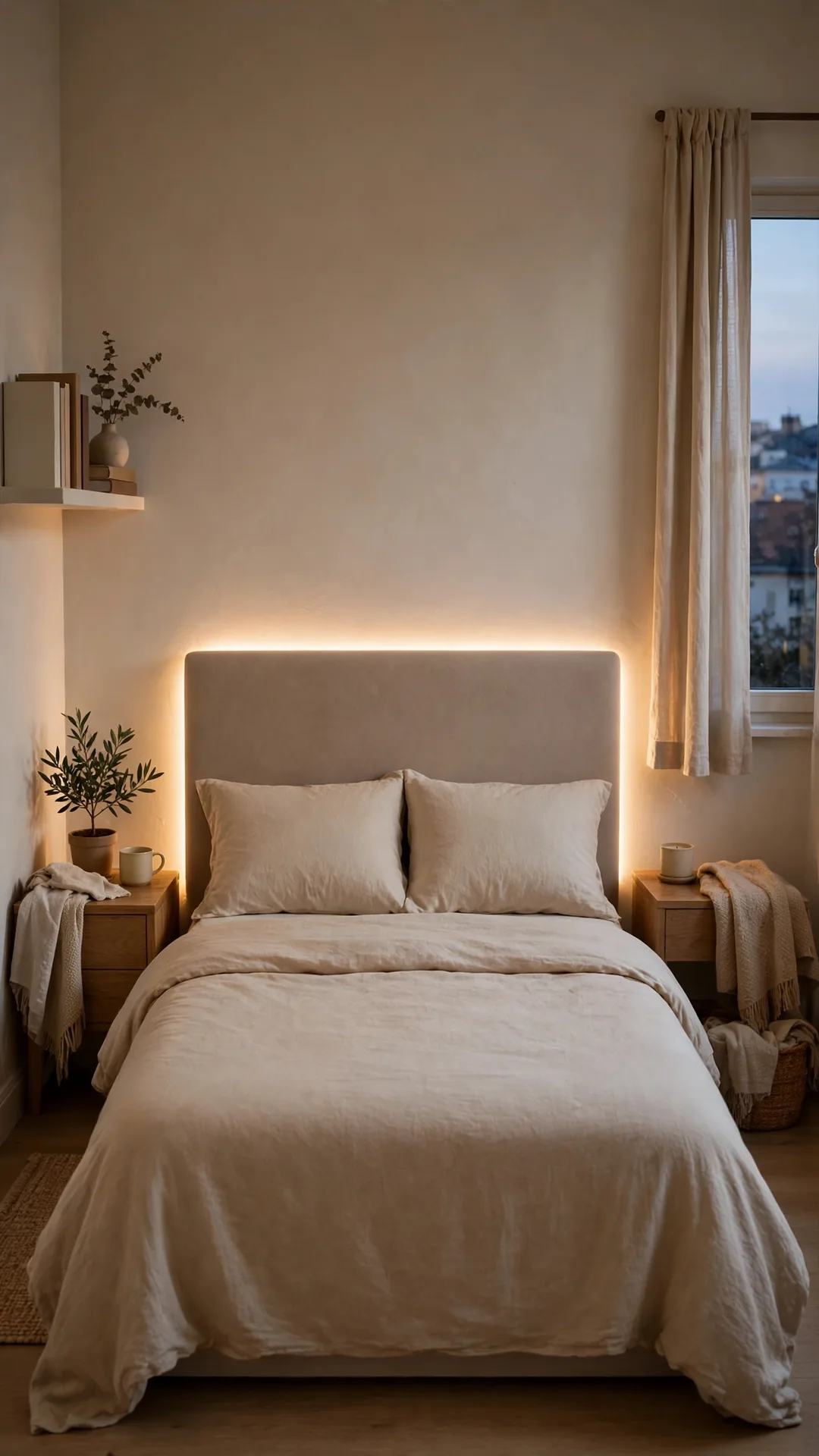
A floating panel with hidden light feels like a hotel. The soft glow replaces a harsh bedside lamp. The panel floats just 2 inches off the wall.
How to do it:
- Mount the panel on a frame 2 inches deep.
- Stick an LED strip around the frame inner edge.
- Use a warm white strip with a simple remote.
- Leave the power cord path planned before hanging.
Best for: Modern rooms that want mood light without clutter.
Budget: $65 to $130
Quick tip: Put the strip on a timer so it fades at bedtime.
45. Pick Thick Padding for Sitting Up
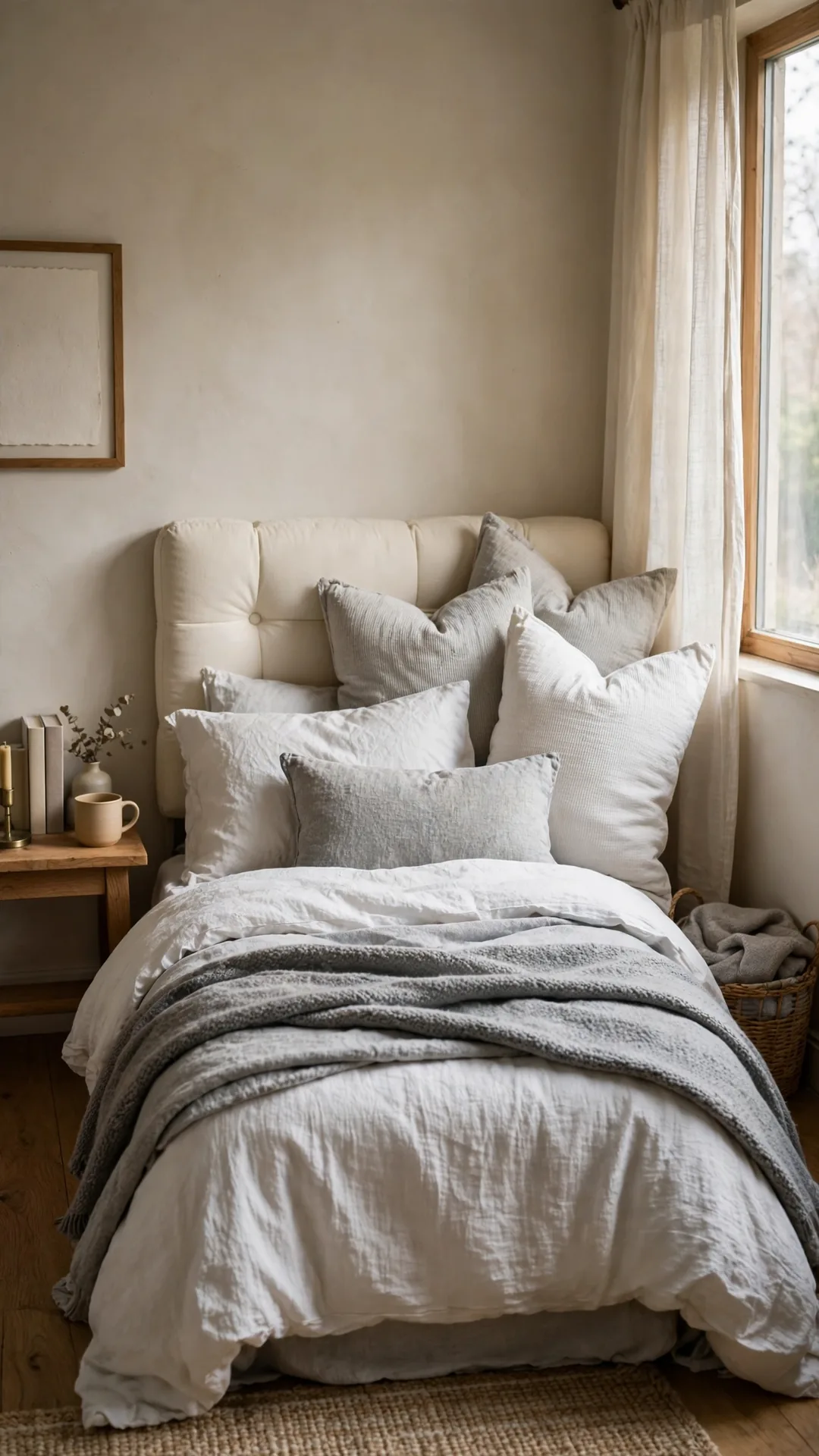
Thick padding turns the bed into a reading chair. Four inches of foam supports your whole back. It also blocks cold from an outside wall.
How to do it:
- Choose foam at least 3 to 4 inches thick.
- Pick a panel height that reaches your shoulders seated.
- Use a sturdy cleat, since thick panels weigh more.
- Add two firm pillows for long reading sessions.
Best for: Readers and laptop workers who sit up in bed.
Budget: $90 to $190
Quick tip: Test foam firmness in store by leaning on it.
46. Add Washable Slipcovers to Plain Panels
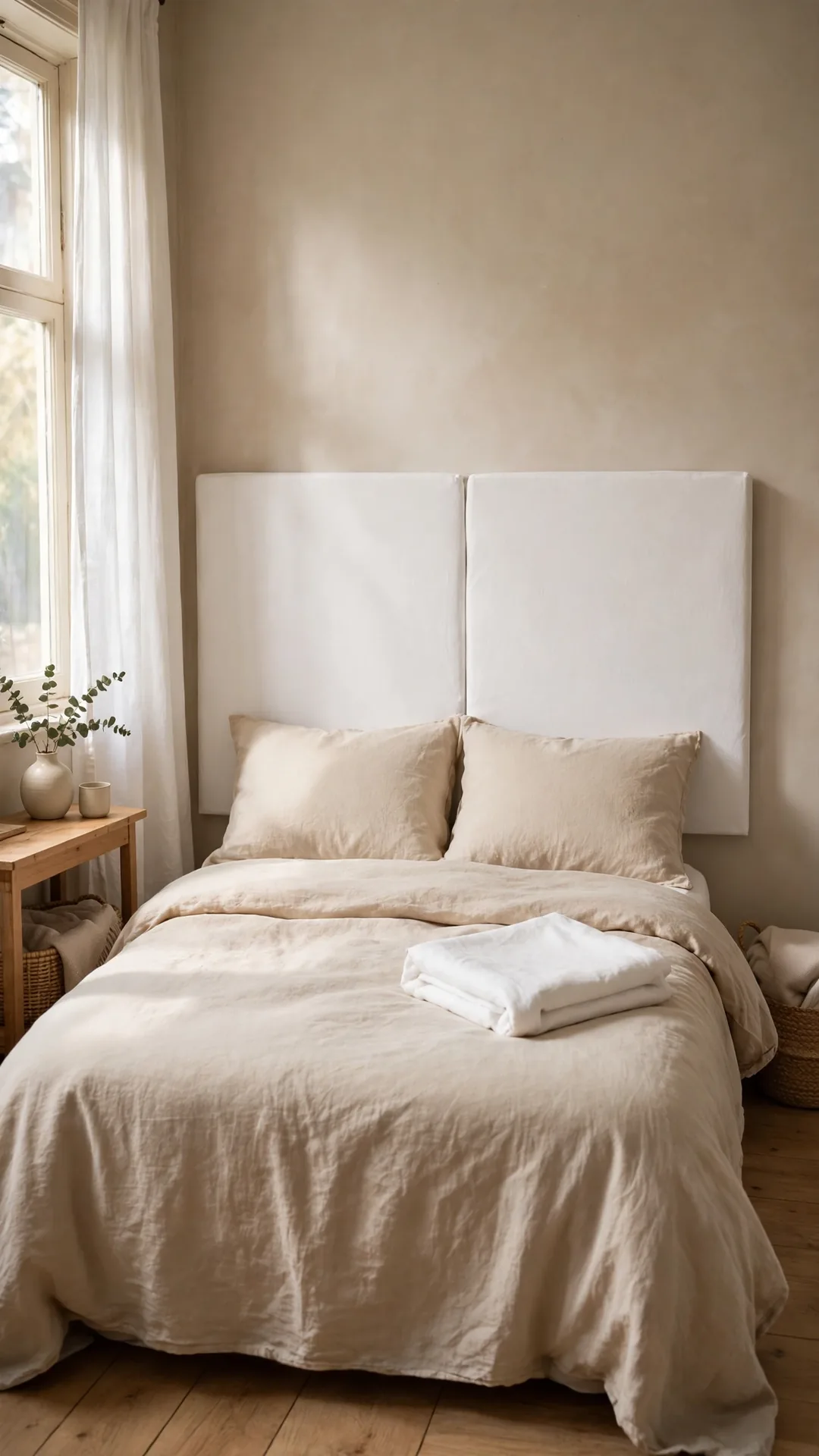
Slipcovers are headboard ideas for small bedrooms with kids or pets. The covers unzip and go straight in the wash. A plain panel underneath keeps the cost down.
How to do it:
- Buy or sew covers with a zipper on one side.
- Make covers from cotton canvas for easy washing.
- Keep a spare cover ready for laundry day swaps.
- Fit covers snug so seams sit at the panel edges.
Best for: Busy homes that need washable everything.
Budget: $45 to $95
Quick tip: Wash covers cold so they keep their exact fit.
47. Layer Two Thin Panels for Depth
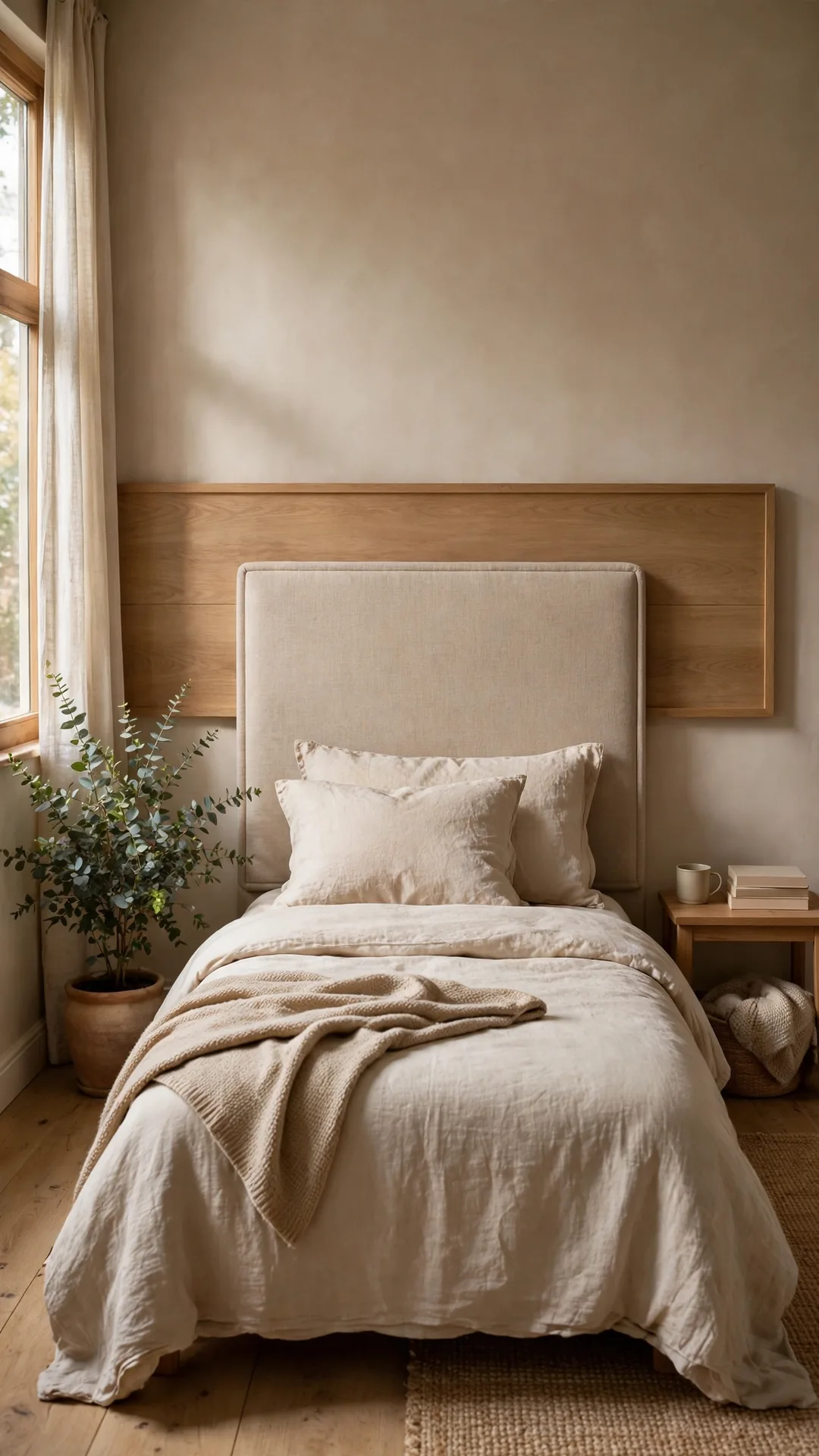
Two thin panels layered read deeper than one thick one. Wood behind fabric mixes warm and soft textures. Total depth stays near 2 inches on the wall.
How to do it:
- Hang the wider, thinner panel first.
- Center the smaller padded panel over it.
- Leave at least 6 inches of the back panel showing on each side.
- Repeat one color from each panel in the bedding.
Best for: Rooms that feel flat and need quiet depth.
Budget: $70 to $140
Quick tip: Mock the layers with taped paper before you drill.
48. Choose Felt Tiles to Soften Echo
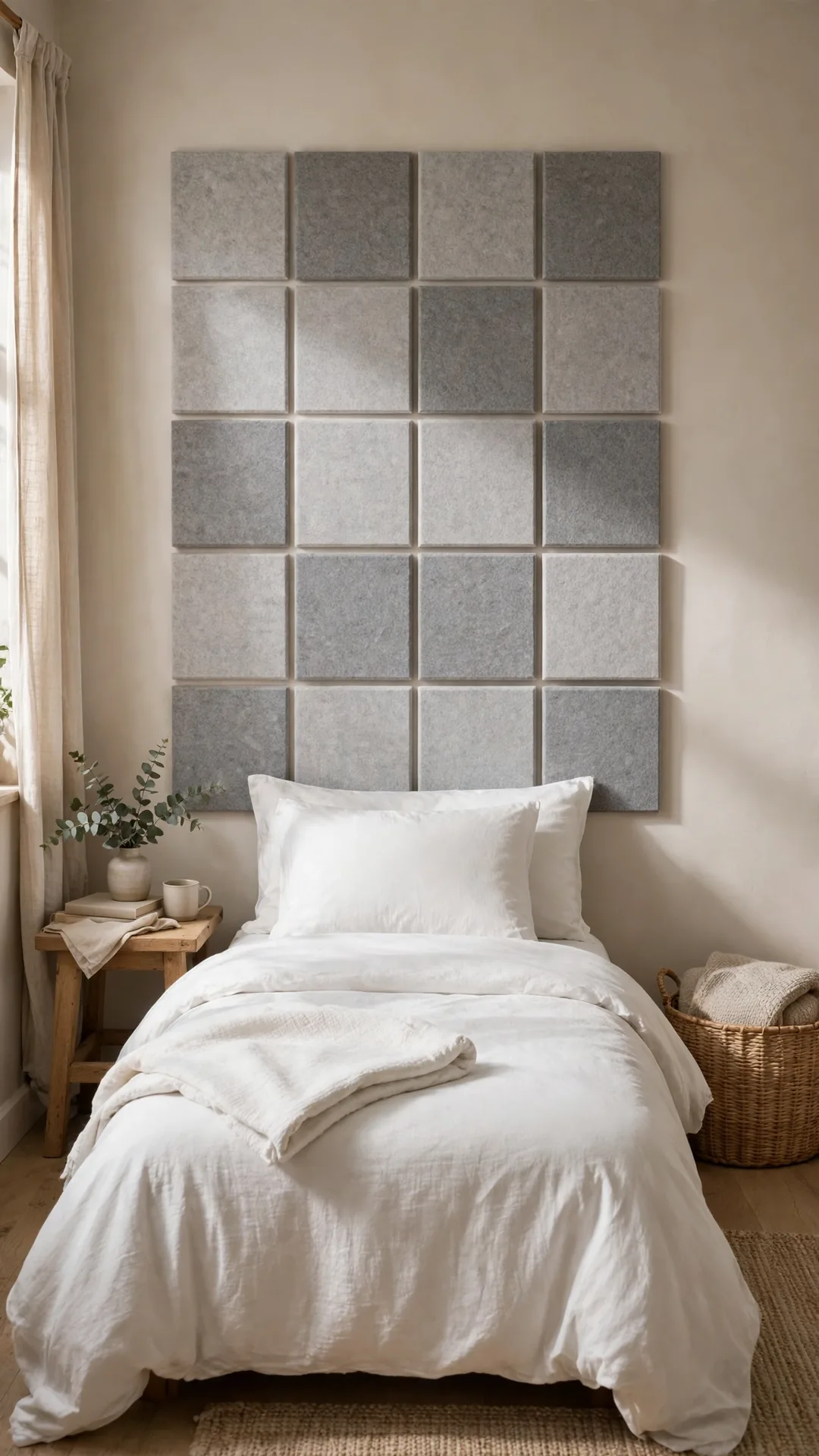
Felt tiles soften both the wall and the room sound. They help in echo prone rooms with hard floors. The tiles stick on and peel off with care.
How to do it:
- Plan a grid about 60 inches wide and 30 inches tall.
- Mix two soft tones for a gentle pattern.
- Press each tile flat from the center outward.
- Keep tiles above pillow line to avoid rubbing wear.
Best for: Light sleepers in noisy or echo heavy rooms.
Budget: $35 to $80
Quick tip: Save the backing papers so tiles can move with you.
49. Keep the Door Swing Clear With a Flat Panel
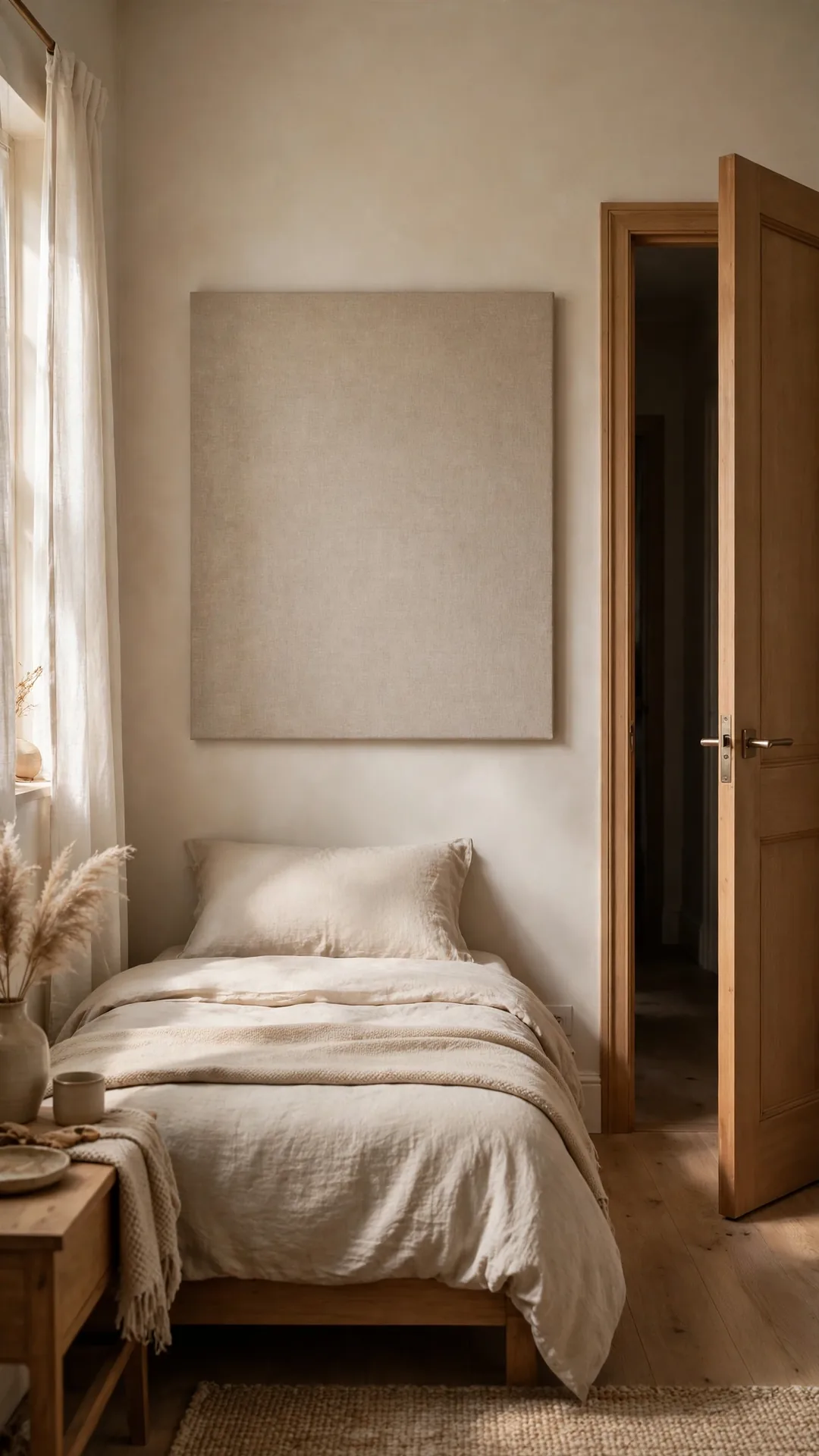
Flat panels are headboard ideas for small bedrooms where doors swing close. A panel with zero depth never blocks the swing. It also keeps the walkway open, much like these small hallway storage ideas do for a narrow entry.
How to do it:
- Measure the door swing arc before you place the panel.
- Choose a panel no deeper than 1 inch total.
- Mount it flush with adhesive strips or flat screws.
- Keep handles and art outside the swing zone.
Best for: Beds placed on the same wall as the door.
Budget: $30 to $70
Quick tip: Open and close the door ten times to test clearance.
50. Frame the Panel With Wall Trim Molding

Trim molding frames a plain panel like art. Painted the wall color, it adds shadow line detail. For more ways to stretch a tiny sleep space, browse these small bedroom space saving ideas.
How to do it:
- Mark a rectangle about 10 inches wider than the panel.
- Cut trim at 45 degree angles for clean corners.
- Glue and pin the trim, then caulk the edges.
- Paint the trim and wall inside the frame one color.
Best for: Plain rooms that need detail without new furniture.
Budget: $25 to $60
Quick tip: Use a level and tape outline before cutting any trim.
51. Fit a Low Panel Under a Window Sill
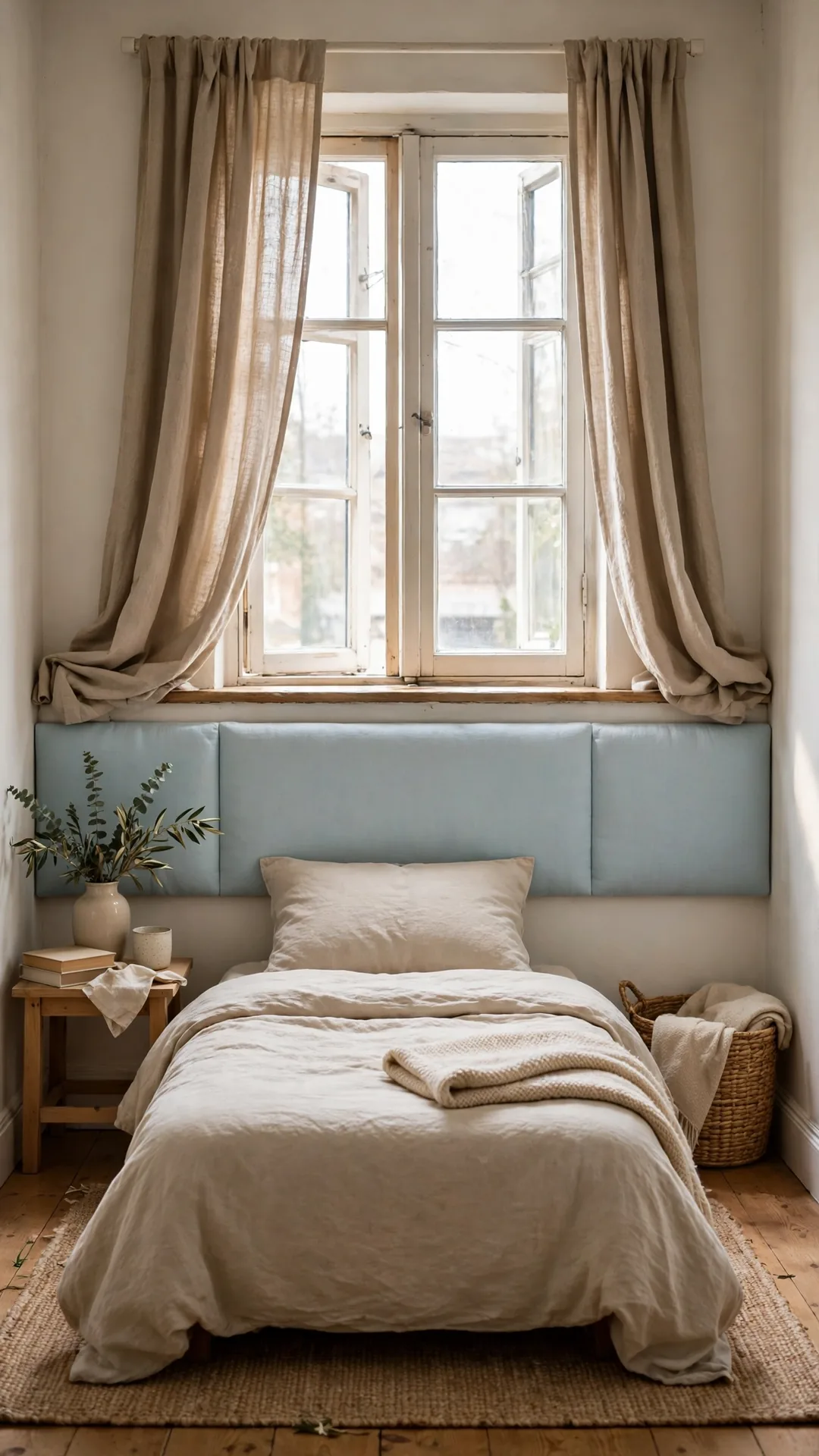
A low panel fits where a window rules the wall. It stops pillows from rubbing the sill edge. Curtains can still close over the top of it.
How to do it:
- Measure from the mattress top to the sill bottom.
- Keep the panel at least 2 inches below the sill.
- Choose a slim profile so curtains hang free.
- Use moisture safe fabric near drafty windows.
Best for: Beds that must sit under a window.
Budget: $40 to $90
Quick tip: Add a washable cover, since window spots gather dust fast.
52. Use a Divider Panel in a Studio
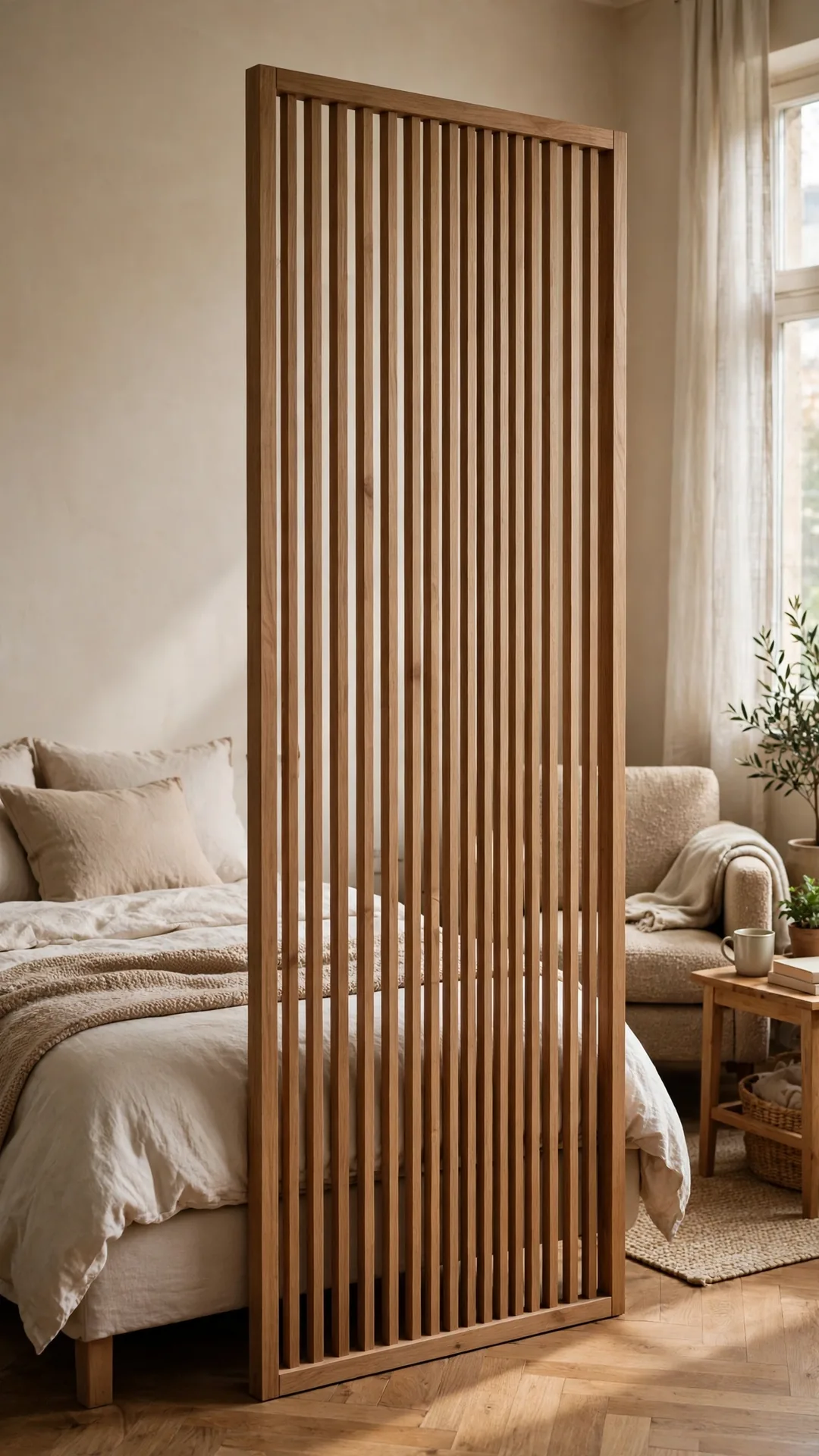
Divider panels are headboard ideas for small bedrooms inside studios. A freestanding panel marks the sleep zone clearly. Pair it with these round table ideas for small dining rooms if the other half seats diners.
How to do it:
- Pick a divider about 60 inches tall for privacy.
- Set it 2 to 3 inches behind the bed head.
- Choose slats or fabric that let some light pass.
- Anchor or weight the feet so it stands firm.
Best for: Studio renters splitting one room into zones.
Budget: $80 to $180
Quick tip: Face the nicer side toward the living zone for guests.
Start With One Panel This Weekend
You do not need a bigger room to give your bed a finished back. Pick one of these headboard ideas for small bedrooms and set it up this weekend. Save this post or pin your favorite panel so the plan is ready when you shop.

- 52 Clever Headboard Ideas for Small Bedrooms Done Right - November 16, 2026
- 55 Curtain Ideas to Make Small Rooms Look Bigger to Copy Now - November 15, 2026
- 54 Cube Storage Ideas for Small Spaces That Pros Swear By - November 15, 2026