
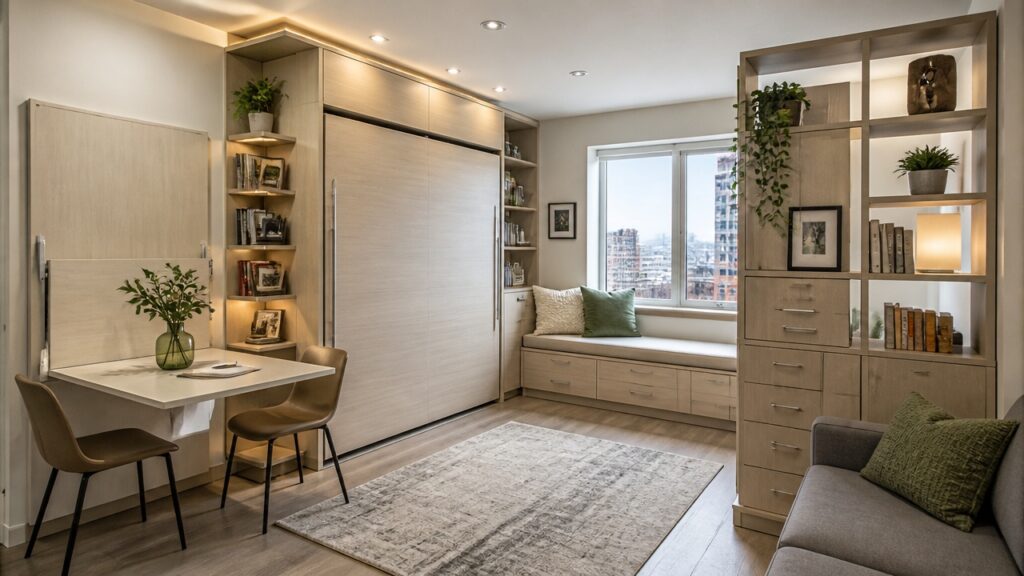
In compact urban dwellings, from Brooklyn lofts to central Paris apartments, every cubic inch benefits from thoughtful ingenuity, as designers like De Rosee Sa employ joinery that conceals storage behind mirrored panels, and boutiques such as Ferm Living craft bijou cabinet doors that transform into hidden compartments, turning potential clutter into cocooning havens with subtle, yet effective, solutions that sustain aesthetic discipline. While these strategies seem simple, yet nearly mystical, they hinge on the keen, precise application of principles that de-clutter, optimize verticality, and selectively pair versatile furnishings, offering reassurance that smaller spaces don’t have to lose their sense of grace or function. So, perhaps it’s time to contemplate whether your own cocooning techniques can join this cadre of subtle innovations.
Turn Stairs and Beams Into Hidden Storage Solutions
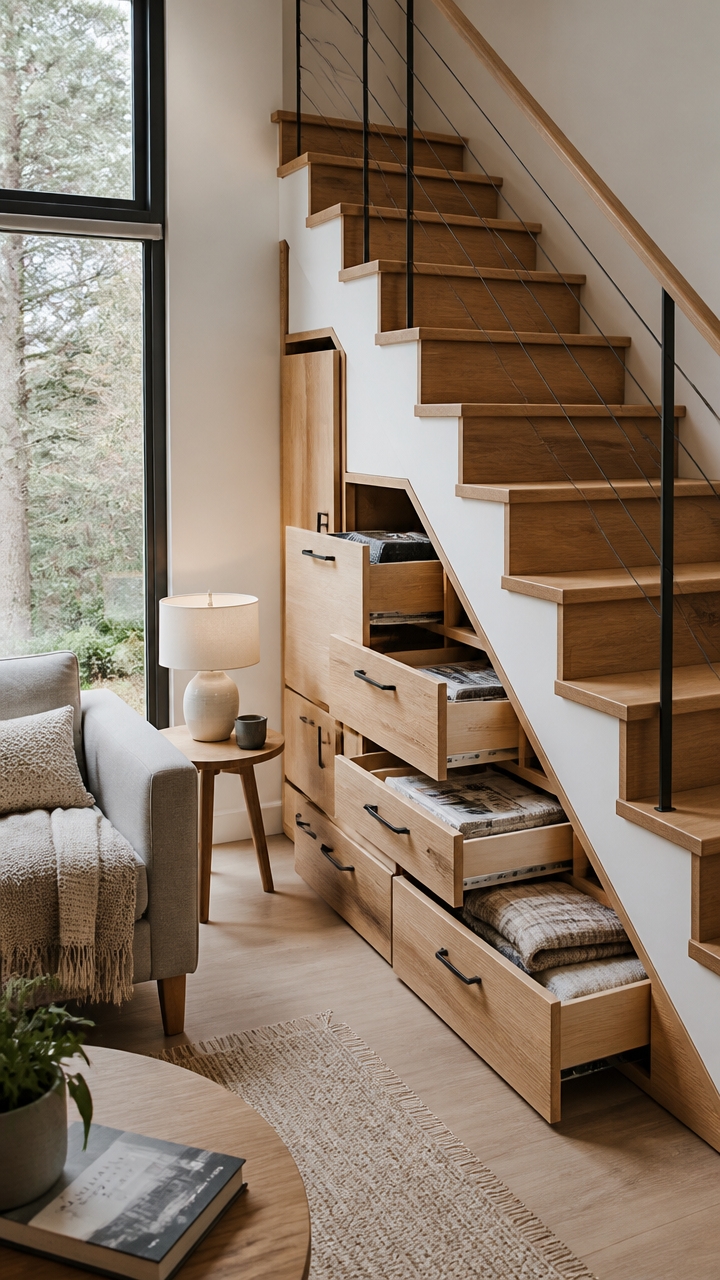
Turning stairs into drawers offers an innovative way to maximize your home’s storage capabilities. By converting the space beneath each step into discreet drawers, you can efficiently store clothes, toys, outdoor gear, or other small items without sacrificing valuable living space. This approach is especially beneficial in small homes where every square foot counts. To implement this, consider the size and depth of each drawer to match your storage needs and guarantee easy access. Use durable materials that blend seamlessly with your stairs for a polished look. Additionally, integrating a soft-close mechanism can make the drawers more user-friendly and prevent unnecessary wear. This hidden storage solution keeps clutter out of sight while maintaining a clean and organized appearance in your home. Incorporating space-efficient furniture ideas can further enhance your small space’s functionality.
Maximize Small Kitchen Space With Clever Organizers and Accessories
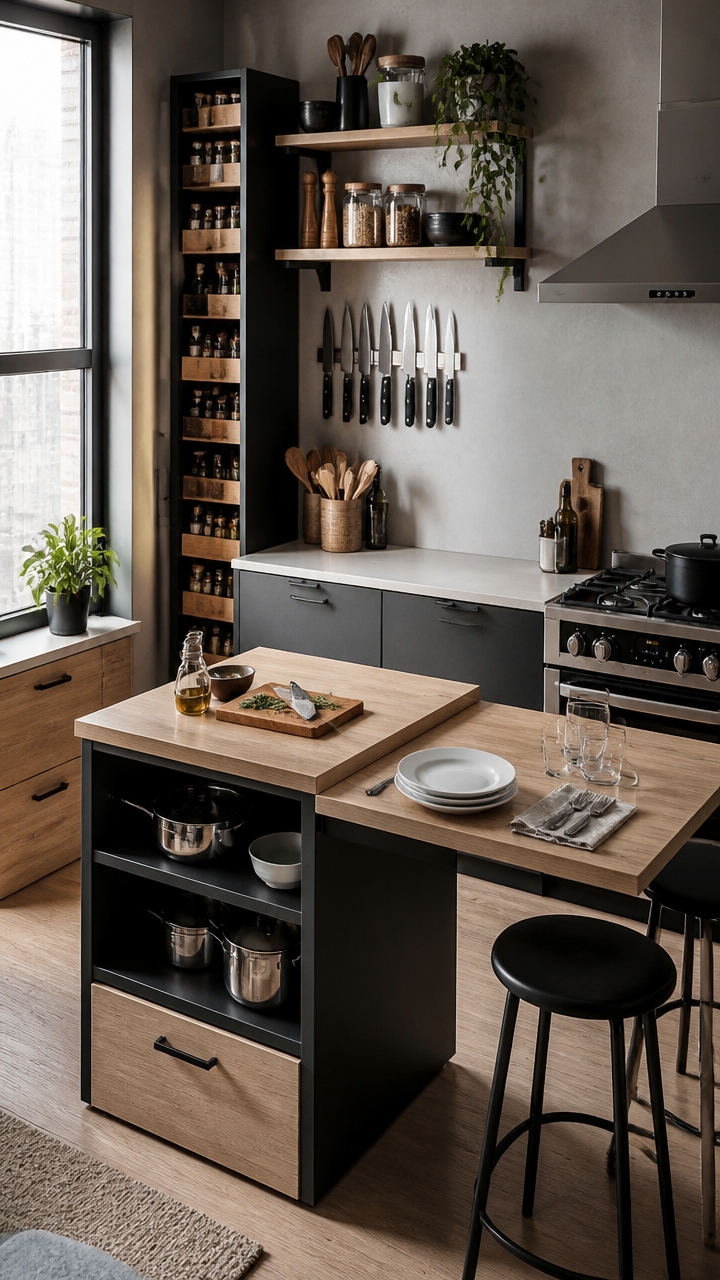
Installing hanging pot racks or wall-mounted hooks can dramatically free up cabinet space by providing designated spots for pots, pans, and utensils. Position these racks near your cooking area for easy access, and choose durable materials like stainless steel or wrought iron that complement your kitchen’s style. Wall hooks are ideal for hanging frequently used utensils or mugs, keeping them within arm’s reach while clearing counter clutter. These solutions maximize vertical space and keep essential tools organized without sacrificing aesthetic appeal. Utilizing small space wallpaper can also create an illusion of more space and add visual interest to your walls, making your small kitchen feel larger and more inviting. Using adjustable, multi-tier shelving inside cabinets allows you to customize and optimize vertical storage. These shelves can be repositioned or stacked to fit items of varying heights, making efficient use of every inch of cabinet space. This setup is perfect for storing plates, cups, and pantry items, preventing clutter and making it easier to locate what you need. When selecting shelves, consider corrosion-resistant materials, especially in humid areas, and ensure the arrangement allows easy access to frequently used items. Properly organized shelving transforms cramped cabinets into well-ordered storage areas.
Choose Versatile Furniture That Doubles as Storage
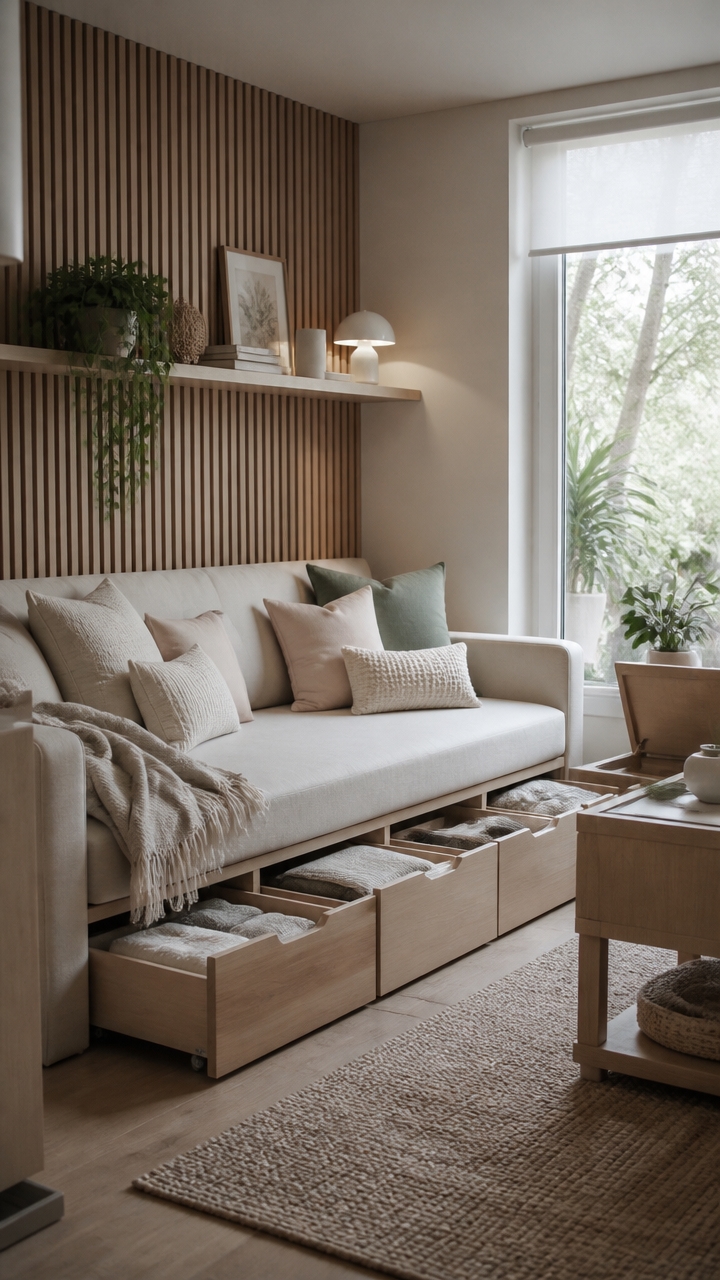
Opting for multi-purpose furniture can dramatically increase the functionality of a small living space. Pieces such as storage beds with built-in drawers combine a comfortable sleeping area with ample under-bed storage for linens, clothing, or seasonal items. Similarly, coffee tables and media units designed with integrated shelves or hidden compartments help keep clutter out of sight while providing surfaces for everyday use. Reconfigurable furniture like stacking chairs or modular shelves adds flexibility, letting you adapt your space for different activities without sacrificing valuable real estate. When selecting versatile furniture, prioritize proportions that fit your space, durable materials for long-lasting use, and styles that complement your decor. This approach guarantees your home remains open, organized, and comfortable, even in tight quarters. Incorporating space-saving strategies can further optimize your small bathroom and living areas.
Use Wall-Mounted Shelves and Pegboards to Free Up Counter Space
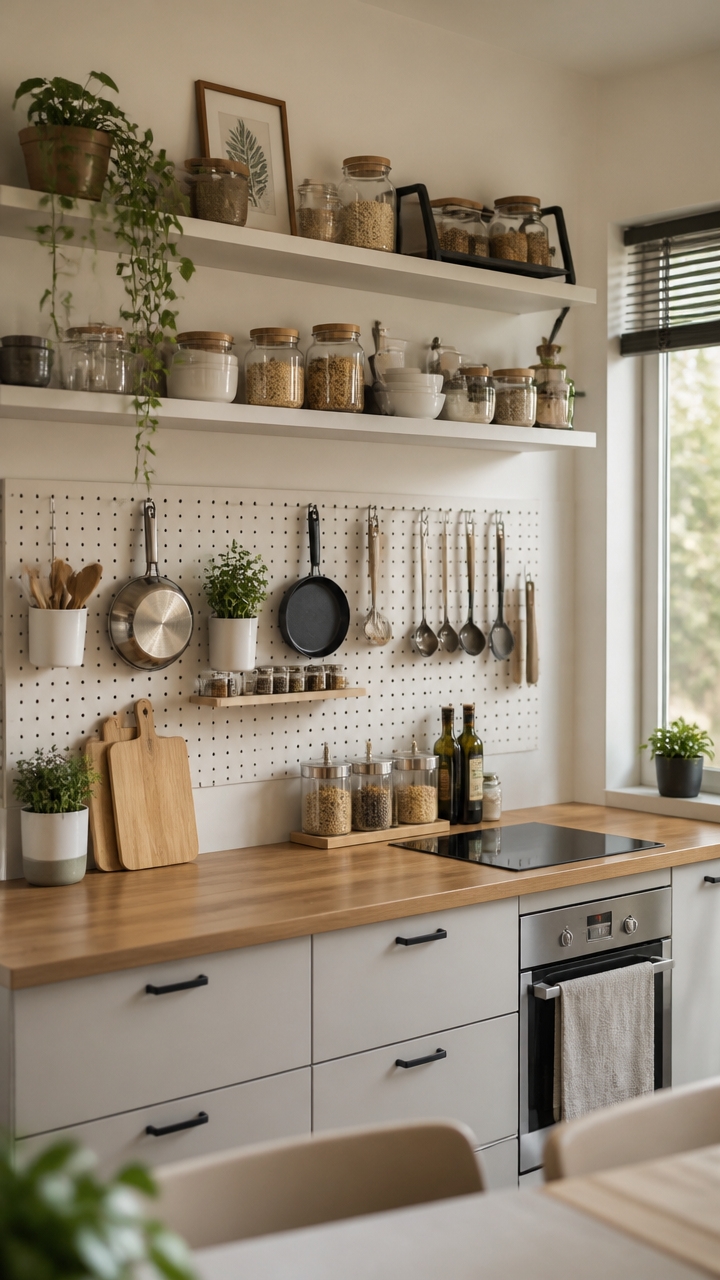
Wall-mounted shelves and pegboards are excellent solutions for maximizing storage in small kitchens, studios, and bathrooms. By utilizing vertical wall space, these storage options keep frequently-used items within easy reach without crowding your countertops. Shelves can hold dishes, spices, toiletries, or decorative elements, while pegboards offer customizable arrangements with hooks, baskets, and tools tailored to your specific needs. Materials like wood and metal are durable choices that support a wide range of items, from kitchen gadgets to craft supplies. Placing shelves and pegboards strategically, above work areas or along unused wall sections, enhances functionality and visual openness, making your small space feel more organized and spacious. Incorporating vertical storage solutions can further optimize your limited area.
Install Multi-Functional Furniture for Living, Dining, and Sleeping Zones
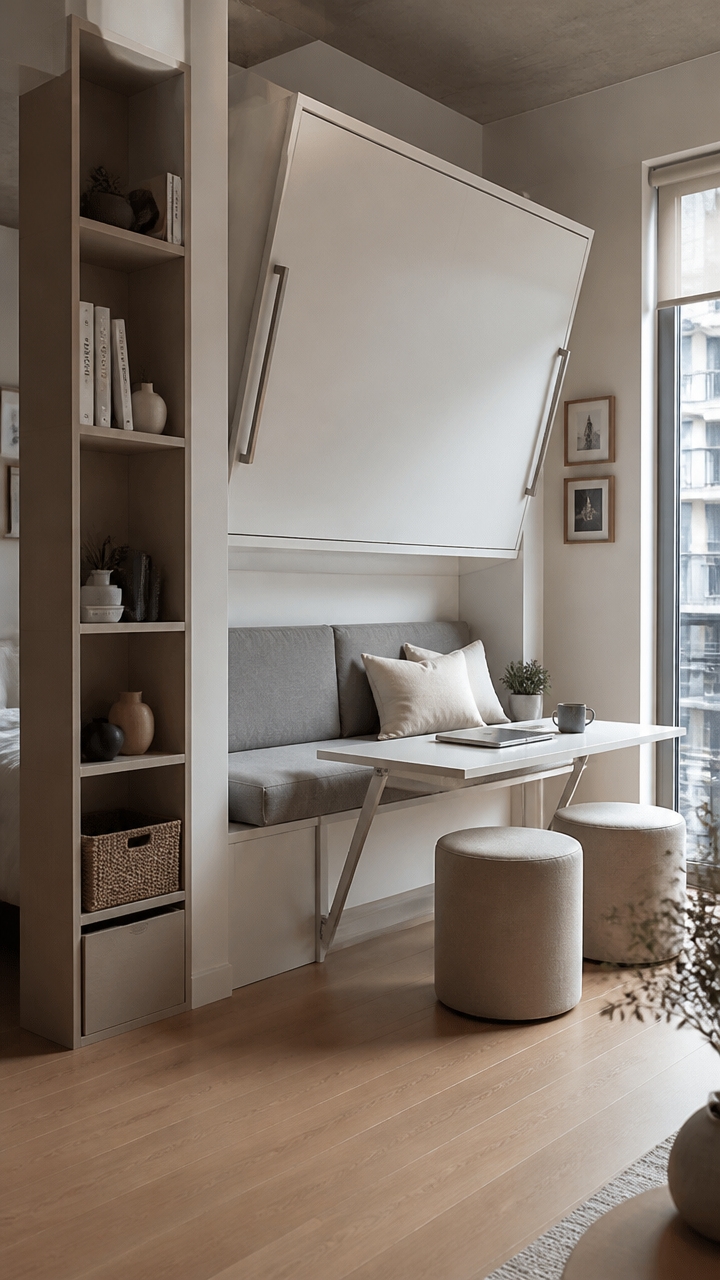
In small homes, maximizing space is essential, and multi-functional furniture offers an efficient solution. Pieces like Murphy beds allow a sleeping area to fold away during the day, freeing up precious floor space for daily activities. These beds are often easy to operate and can be integrated into closets or built-in wall units, creating a seamless look that doesn’t clutter the room. Smart decorating strategies can further enhance the functionality of your space. Fold-away tables and wall-mounted desks are also excellent for versatile living. A fold-down dining table can be tucked into a wall or a corner when not in use, providing ample space for meal times without permanently sacrificing floor area. Similarly, wall-mounted desks that fold into the wall allow you to create a dedicated workspace that vanishes when you need more room for other activities. Compact sofas with built-in storage or pull-out beds further streamline your living arrangement. These furniture pieces serve dual purposes, providing comfortable seating while also offering space to store blankets, cushions, or small household items. Some sofas even convert into beds, making them perfect for overnight guests without requiring additional furniture.
Use Under-Bed Storage and Vertical Space for Seasonal Items
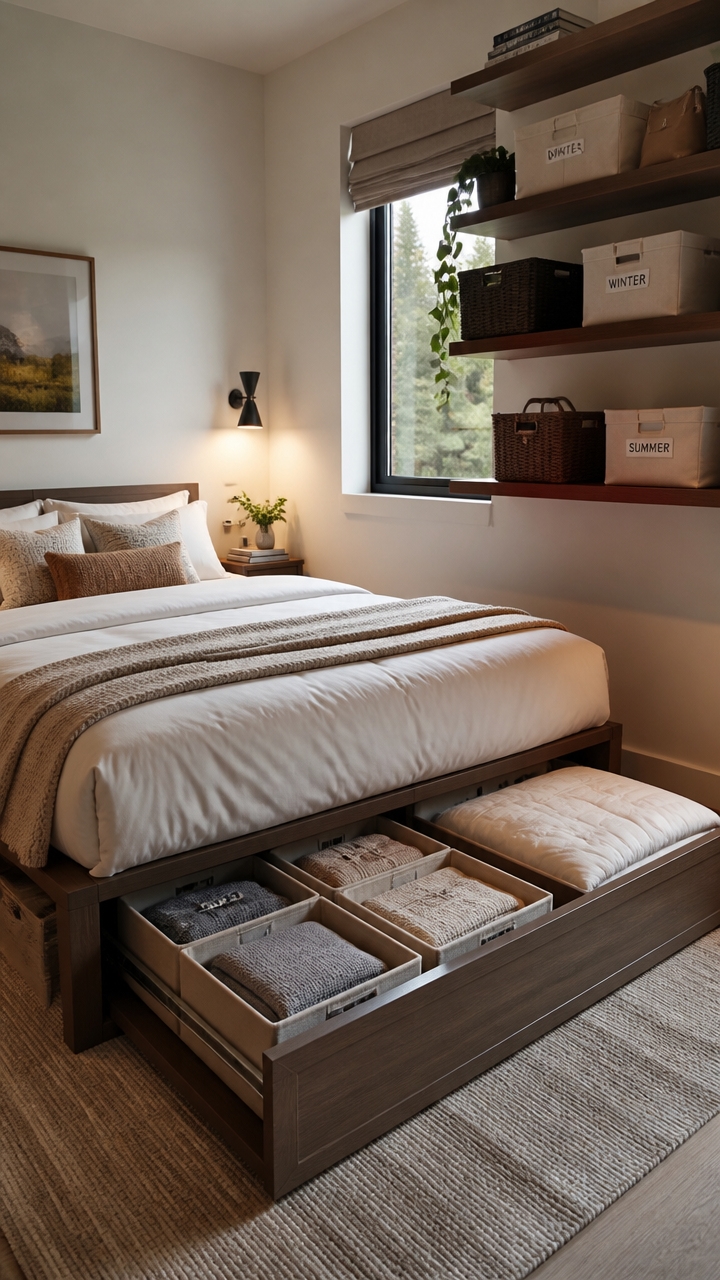
Maximizing the often overlooked space beneath your bed can substantially enhance your small home’s storage capacity. Incorporate under-bed storage containers or drawers that are designed to slide easily in and out, allowing quick access to seasonal clothing, linens, or shoes. These containers keep items organized and protected from dust while freeing up closet space for everyday essentials. Opt for clear, labeled bins so you can identify contents at a glance, and choose ones with lids to prevent dust accumulation. Additionally, vacuum-sealed storage bags can reduce bulky winter jackets or bedding to a fraction of their original volume, making them perfect for fitting under the bed or stacking in storage areas. Utilizing this hidden space effectively helps maintain a clutter-free environment and keeps seasonal items accessible when needed without occupying prime closet real estate.
Build Hidden Storage Inside Cabinets and Behind Mirrors
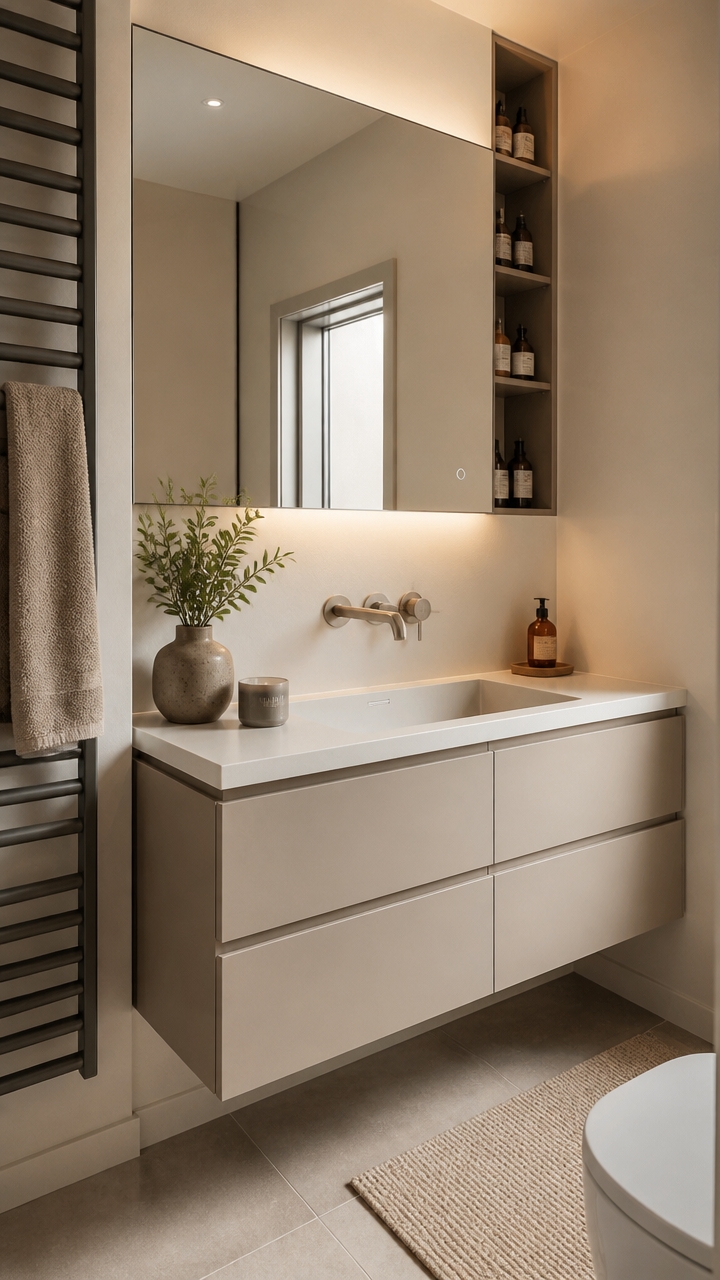
Creating concealed storage within your cabinetry and mirrors is an excellent way to maximize space while keeping clutter out of sight. Installing secret compartments behind mirrors, such as mirrored cabinets or false back panels, offers a discreet spot for small items like jewelry, keys, or important documents. These hidden compartments can be seamlessly integrated into existing mirror surfaces, maintaining a sleek, modern look while providing functional storage. For example, a mirrored cabinet can open to reveal shelves inside, perfect for organizing personal accessories or medicines, without taking up additional room.
Recessed niches within cabinet panels or behind folding doors also utilize otherwise wasted wall space effectively. These hidden storage areas can be tailored to hold spices, small tools, or cleaning supplies, keeping essentials accessible but out of view. When planning for such hidden compartments, consider their placement for ease of access and the durability of materials used to assure they blend seamlessly with your existing cabinetry.
Incorporating these discreet storage solutions allows small spaces to stay organized and open without sacrificing style, keeping your essentials tucked away in clever, hidden spots that maximize every inch of your home.
Optimize Closet Organization With Modular and Adjustable Systems
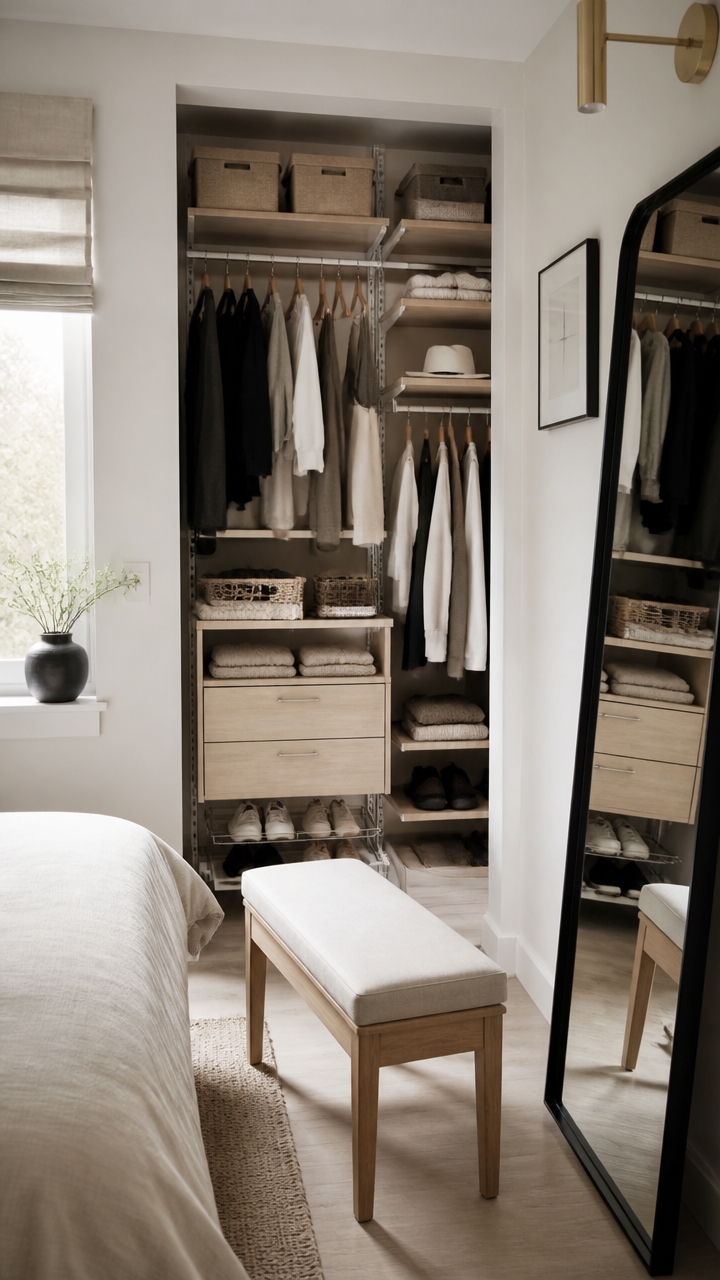
Using modular closet systems like IKEA’s PAX allows for complete customization to fit your storage needs. These systems typically include shelves, drawers, and hanging rails that can be arranged in various configurations, making it easy to adapt as your wardrobe or storage requirements change over time. Incorporating adjustable organizers enhances flexibility because compartments can be easily reconfigured or expanded, guaranteeing your closet remains functional and clutter-free.
Maximizing vertical space is key in small homes. Installing high-mounted shelving and double hanging rods utilizes otherwise wasted ceiling height, effectively doubling your hanger capacity without taking up additional floor space. This approach is perfect for storing seasonal clothing or items used less frequently, freeing up lower compartments for everyday essentials.
To keep belongings organized and accessible, incorporate pull-out baskets, dividers, and labeled bins within your modular systems. These accessories help prevent clutter from accumulating and allow you to quickly locate specific items, whether they are accessories, footwear, or smaller garments. Placing these storage solutions within reach maximizes the efficiency of your closet and keeps everything neatly in its place.
Finally, consider using hidden storage options such as installing modular systems behind closet doors or within small alcoves. This approach maximizes every inch of available space by creating discreet compartments that are perfect for seasonal items, rarely used accessories, or specialty storage needs. This clever use of hidden areas ensures your closet remains organized and minimizes visual clutter in your small living space.
Install Pull-Out Shelves and Drawers in Small Bathrooms
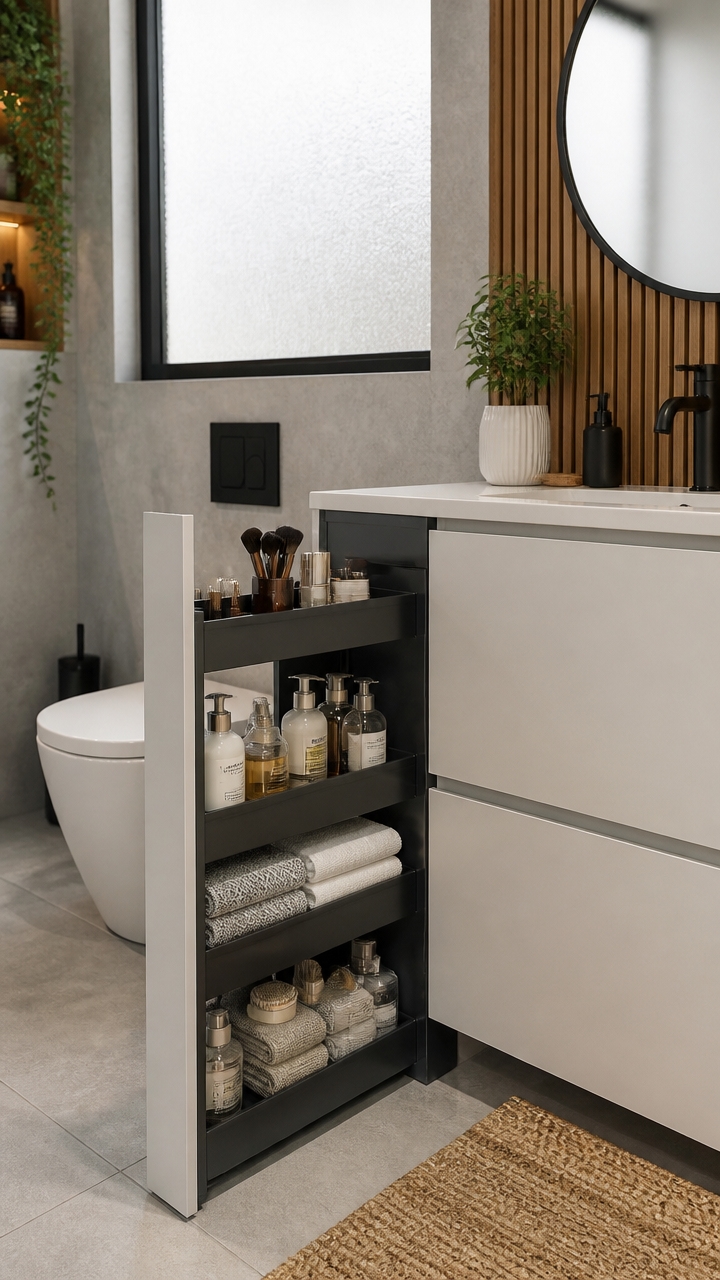
Adding pull-out shelves and drawers to small bathrooms is an effective way to maximize vertical storage while maintaining accessibility and reducing clutter. These units can be installed behind existing cabinet doors or beneath sinks to provide discreet, organized compartments for toiletries, cleaning supplies, and other essentials. Pull-out shelves are adjustable, allowing you to customize the height and depth to fit your specific items and awkward spaces, ensuring every inch of your cabinetry is utilized efficiently.
Using sliding or roller systems in narrow cabinets simplifies access to stored items, making it easier to reach products at the back without disturbing the front. These features are especially practical in small bathrooms, where space is limited. Opt for materials that match your existing decor for a cohesive look, and consider incorporating soft-close mechanisms for quiet, smooth operation. Incorporating adjustable pull-out options allows you to customize storage as your needs change, making this a versatile and practical solution for small-space bathroom organization.
Use Over-the-Door and Magnet Storage to Save Space
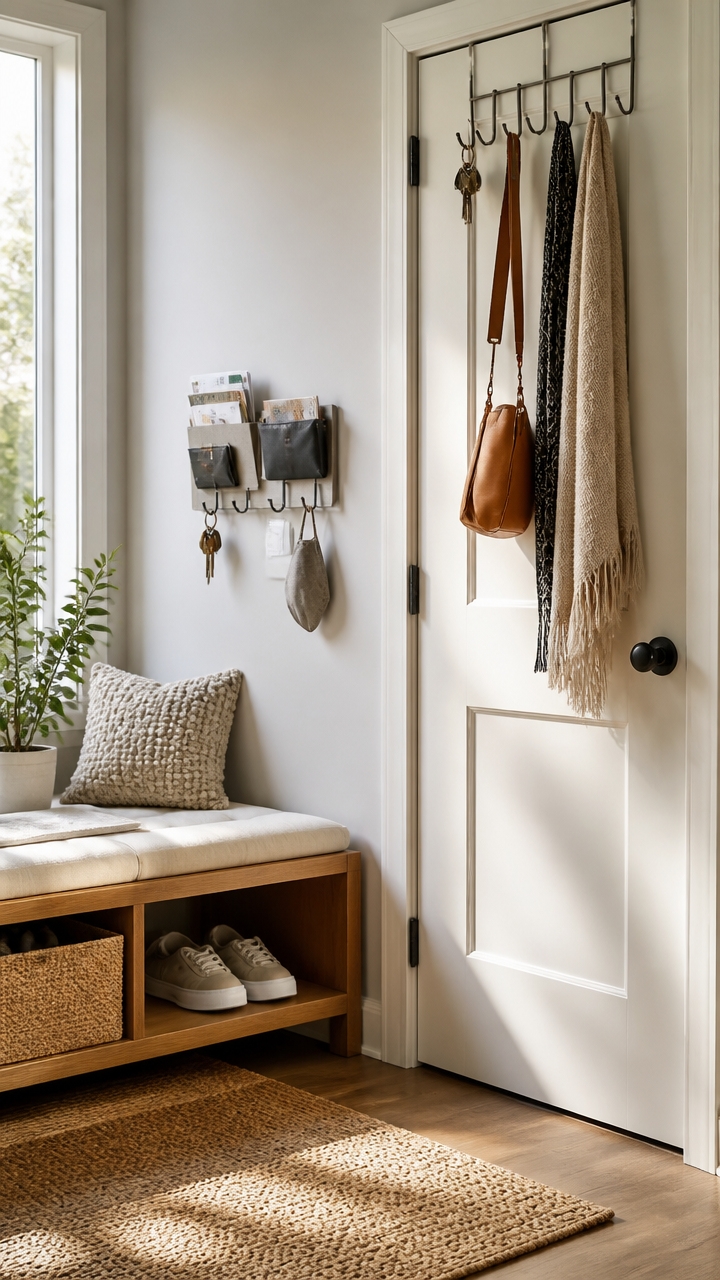
Over-the-door storage solutions, like racks and pockets, are a clever way to maximize small spaces. These organizers hang over standard doors, adding several square feet of accessible storage in entryways, bathrooms, or closets without taking up additional floor space. They’re especially useful for storing shoes, accessories, toiletries, or small household items, helping keep clutter out of sight and easy to find.
Magnetic storage options, such as metal shelves, hooks, and strips, utilize existing metal surfaces, like refrigerators, filing cabinets, or metal doors, to create convenient, unobtrusive storage areas. Magnetic hooks and strips are versatile and can hold utensils, tools, keys, or spices without damaging surfaces, making them ideal for renters or those seeking flexible options. Installing magnetic racks or strips is straightforward and doesn’t require tools or permanent modifications, enabling quick reorganization or relocation as needed.
Both over-the-door and magnetic storage solutions are cost-effective, simple to install, and adaptable to various spaces. They dramatically increase storage capacity in small living areas while maintaining a clean, organized look. When selecting these options, consider the weight limitations and door clearance to ensure they fit seamlessly into your space and meet your storage needs.
Maximize Entryway Storage With Slim Shoe Racks and Hooks
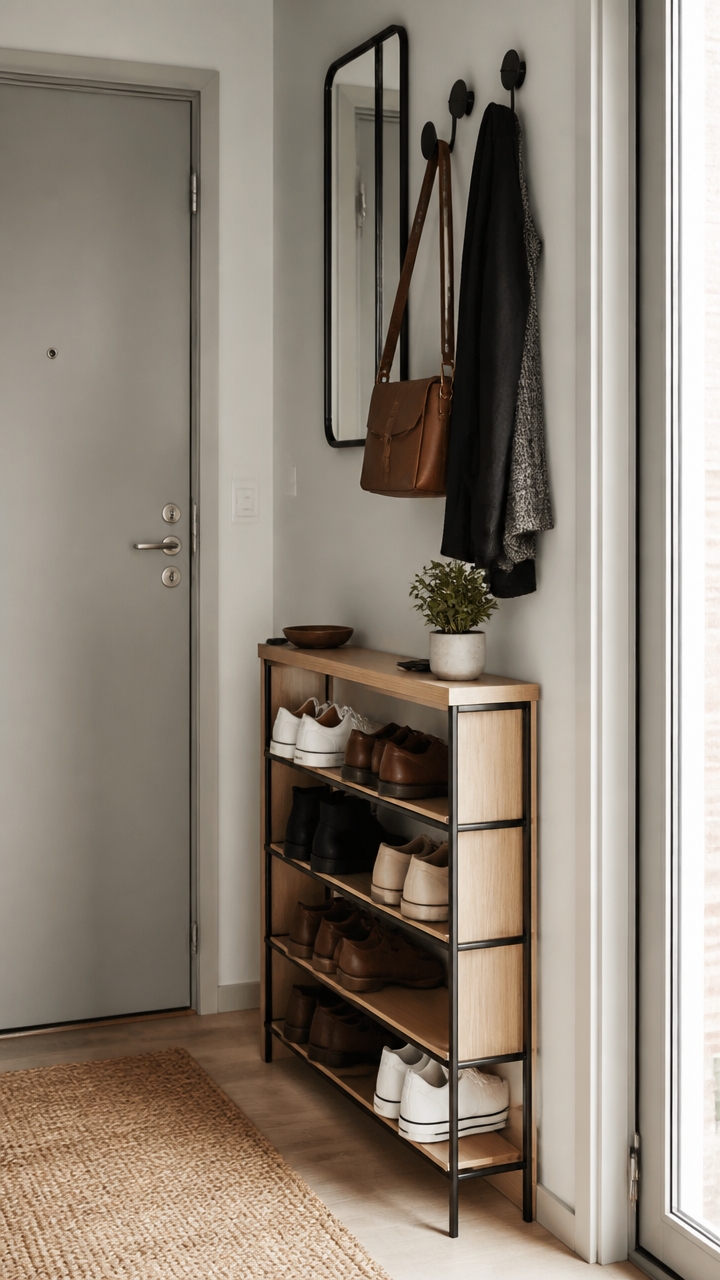
Using slim shoe racks, like Ikea’s Hemnes, is an ideal solution for narrow entryways where space is limited. These narrow shelves can neatly organize several pairs of footwear without protruding into the walking area, helping keep the entryway tidy and functional. Position the shoe rack against a wall or in a corner to optimize space and prevent clutter from spreading across the floor. When selecting a shoe rack, consider materials that match your decor and verify it’s tall enough to accommodate various shoe heights.
Installing wall-mounted hooks or over-the-door hooks adds extra storage for coats, scarves, and bags without taking up floor space. These hooks can be placed at varying heights for easy access, and their placement around the entryway helps create designated spots for frequently used items. Combining hooks with small baskets or bins on the wall provides areas for keys, gloves, and accessories, keeping everything organized and easily reachable.
This combination of slim shoe racks and wall hooks is a practical, space-efficient way to keep the entryway functional, clutter-free, and welcoming.
Select Space-Saving Folding and Multi-Use Furniture Pieces
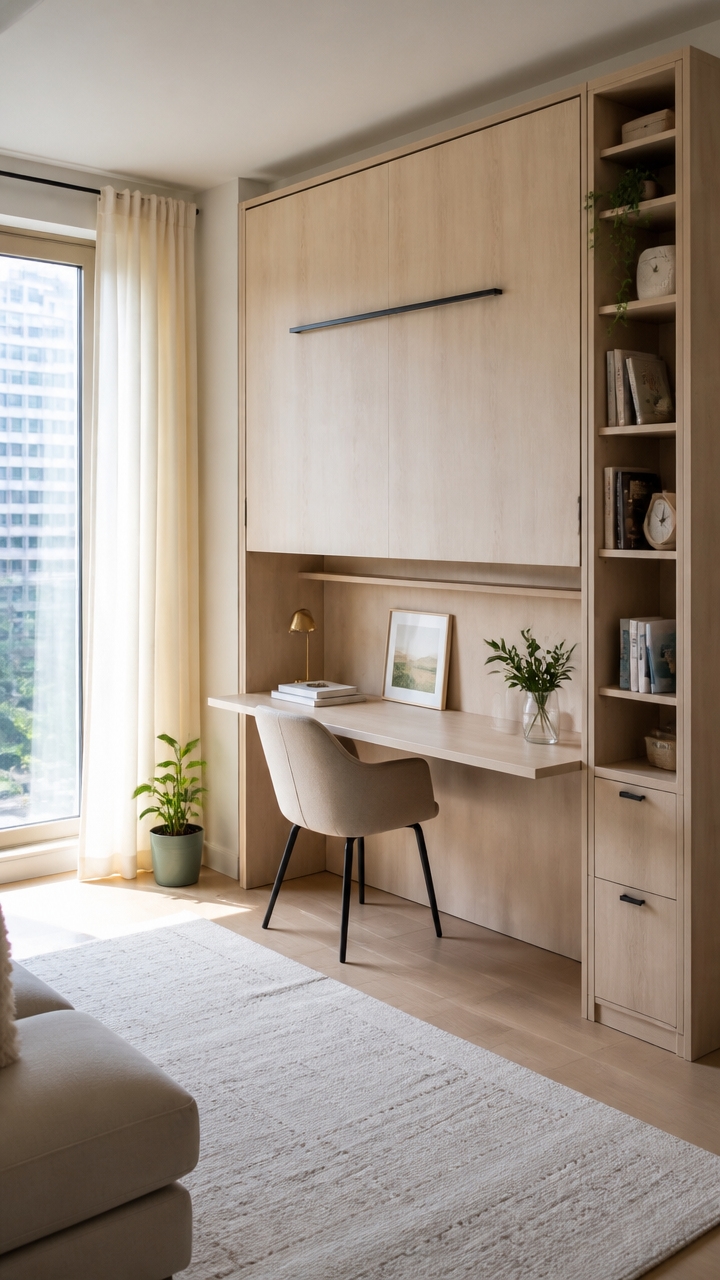
Folding and multi-use furniture are essential for making the most of limited space in a small home. Wall-mounted Murphy tables are a perfect example, seamlessly transforming from decorative wall art into a sturdy dining or work surface. When not in use, they fold away neatly against the wall, freeing up valuable floor space. These pieces are especially useful in multipurpose rooms where an area functions as both a living space and a workspace.
Multi-use furniture like storage beds or ottomans with built-in compartments can combine several functions into one piece. A storage bed provides a comfortable place to sleep while offering hidden drawers or compartments underneath for clothing, linens, or other belongings. Ottomans serve as additional seating and can double as storage units, helping to keep rooms tidy and clutter-free. When choosing these items, consider proportion, style, and ease of access to optimize both form and function.
Collapsible chairs and fold-down desks add further flexibility. Foldable chairs can be brought out for guests and tucked away into closets or under tables when not needed. Fold-down desks can be mounted on walls and folded flat against the wall when not in use, perfect for creating a workspace only when necessary. Their portability and space-saving design allow for quick reconfiguration of your living area to suit daily needs.
Nesting tables and stackable chairs are another smart solution for adapting to different occasions. Nesting tables can be grouped together or separated to serve as side tables or a larger surface for meals or projects, then easily stored when not in use. Stackable chairs can be stacked out of the way or brought out in multiples for gatherings, providing seating without permanently taking up floor space.
Fitted folding kitchen carts with wheels are versatile additions to small kitchens or multi-purpose rooms. They can serve as portable islands, extra prep surfaces, or serving stations and are easy to move around as needed. When not in use, they can be tucked into a corner or stored in a closet, immediately freeing up valuable kitchen or living space.
Arrange Your Layout to Define Zones Without Walls
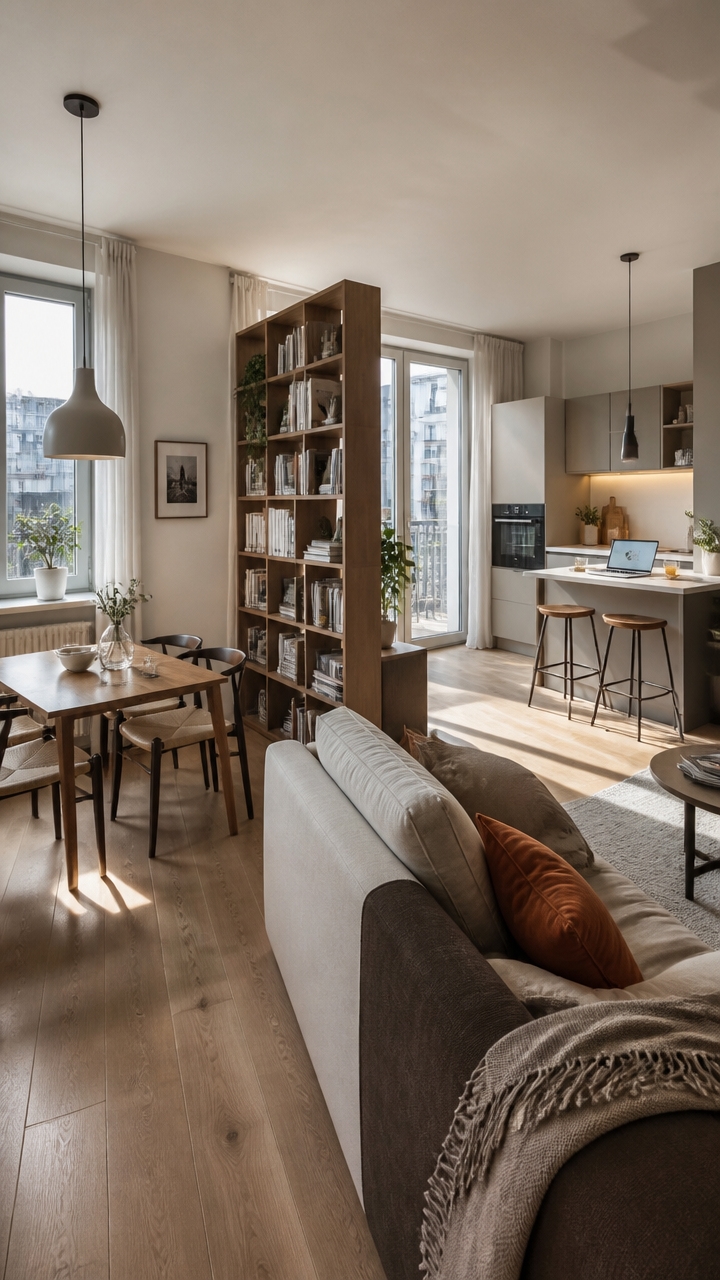
Strategically positioning furniture and storage units allows you to carve out distinct functional areas in your small home without the need for walls or partitions. For example, placing a sofa or a large cabinet in a way that separates the living space from the dining area helps create visual boundaries while maintaining an open feel. Bookshelves placed perpendicular to the main flow can serve as room dividers that allow light and sightlines to pass through, keeping the space feeling airy. Open shelving and modular crates also work well, they can define zones through their placement and styling without blocking views or restricting movement. Vertical storage solutions like high shelves or tall cabinets can further delineate areas upwards, conserving floor space while adding functional separation. Tactically arranging furniture and storage like this encourages an intuitive flow, making each zone feel distinct yet connected, perfectly suited for maximizing functionality in small living areas.
Add Vertical Gardens and Overhead Storage for Decor and Utility
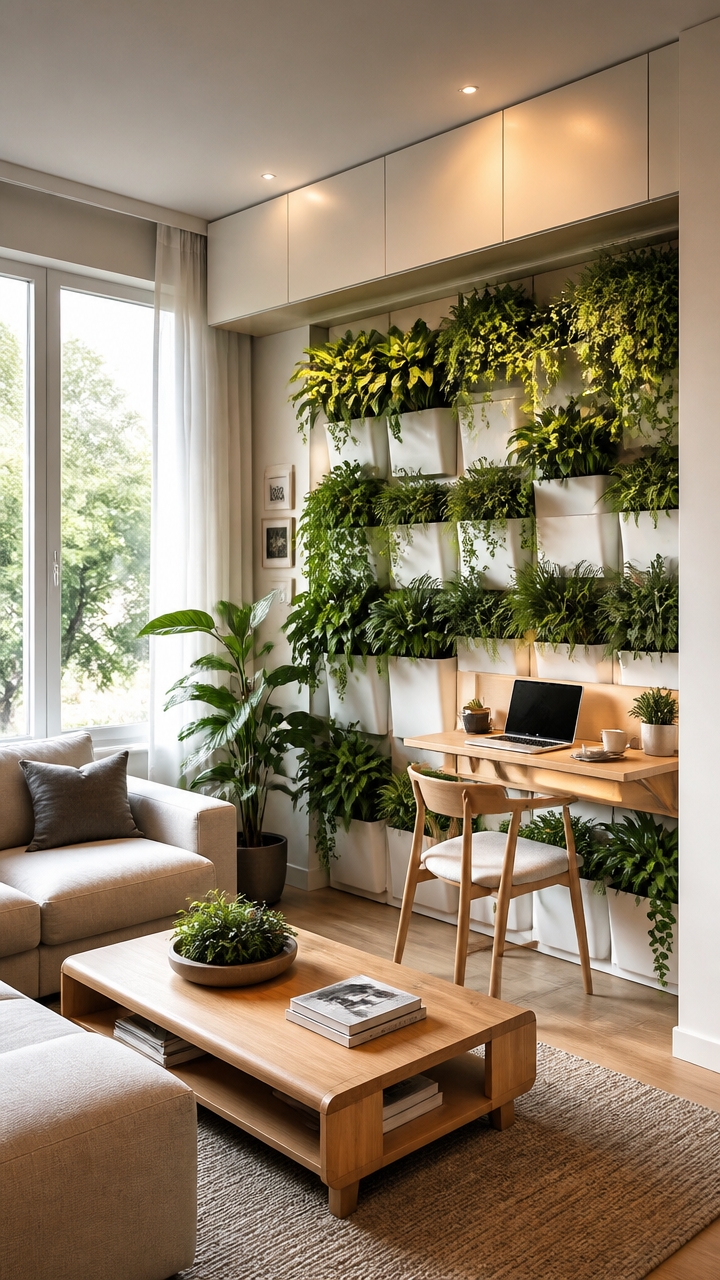
Adding vertical gardens and overhead storage to your small home can markedly enhance both its beauty and functionality. Vertical gardens, created with wall-mounted planters or pocket systems, maximize greenery without taking up valuable floor space. These living walls not only add a soothing natural element but also improve indoor air quality, making your space feel fresher and more vibrant. Place them on free wall sections in living rooms, kitchens, or even bathrooms, ensuring they receive appropriate light for plant health.
Overhead storage makes use of ceiling-mounted racks, suspended shelving, hooks, or baskets hung from ceiling beams or support brackets. This clever solution is ideal for storing lightweight items such as seasonal decorations, kitchen supplies, or small tools. Position these storage elements above eye level or in less trafficked areas to keep your essentials accessible yet out of the way. Combining vertical gardens with overhead storage creates a harmonious, organized space where greenery and storage neatly coexist, freeing up floor space and making even the smallest homes feel open and inviting.
Install Shelving Above Doors and Windows for Hidden Storage
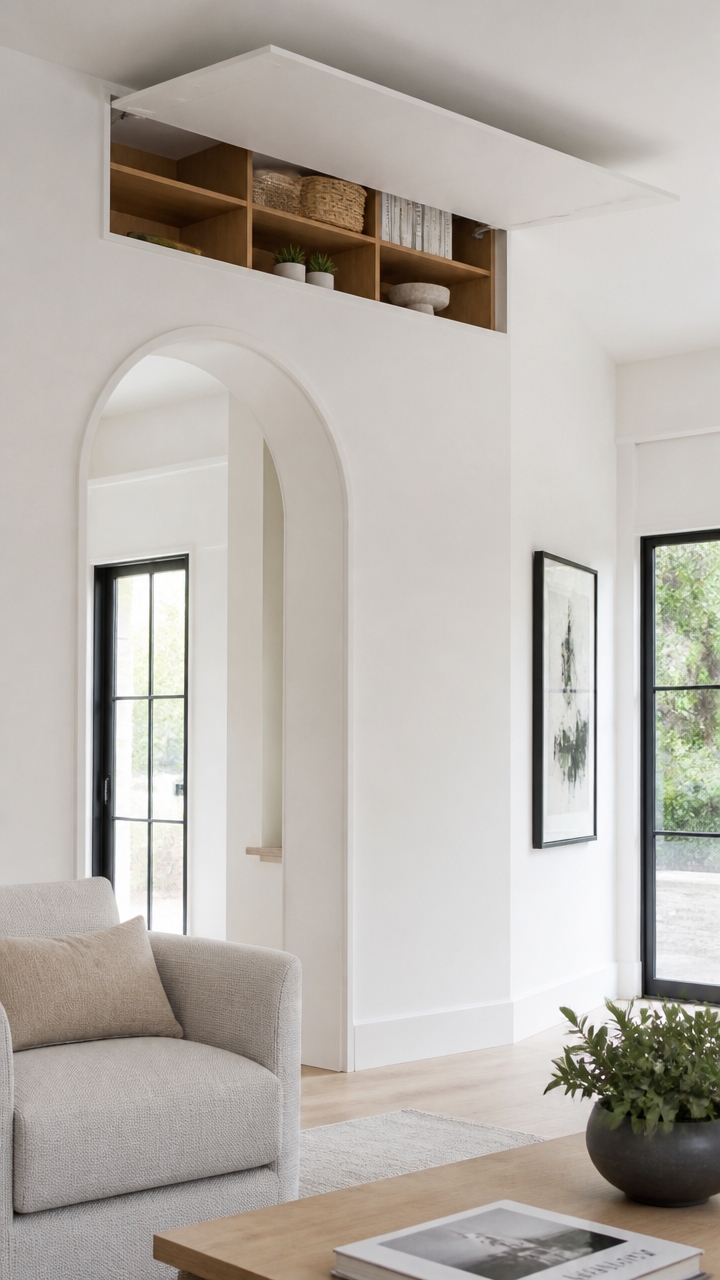
Installing shelves above doors and windows creates valuable hidden storage in small rooms by utilizing often-overlooked vertical space. These high shelves are perfect for stowing away items that are used infrequently, like seasonal decorations, extra linens, or seldom-accessed supplies. To maximize safety and stability, carefully measure the space before installing and secure the shelves firmly into wall studs or appropriate anchors. Choose lighter materials such as wood or metal to prevent the shelves from becoming burdensome or risky. Keep the stored items organized in labeled bins or decorative boxes to easily locate what you need without cluttering other areas. This unobtrusive storage solution maintains a clean, open feel in your space while providing a clever way to keep essentials within reach yet out of sight.
Repurpose Vintage Suitcases and Creative Containers for Discreet Storage
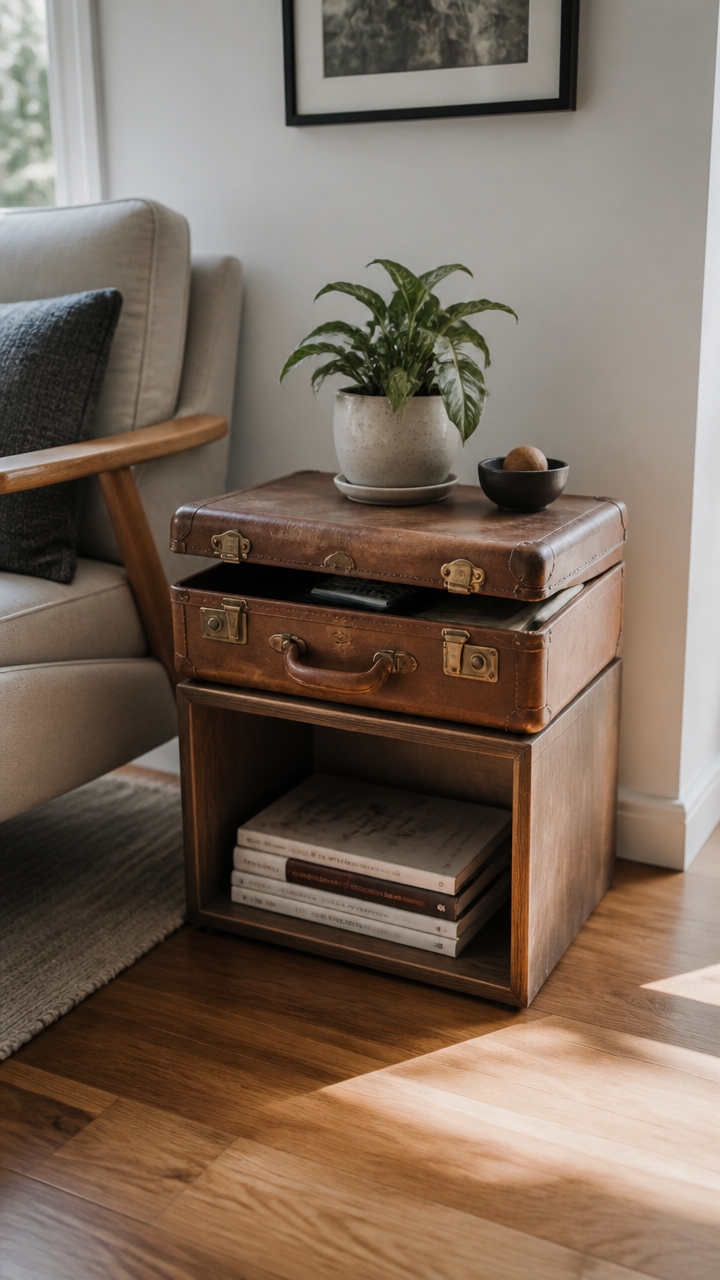
Vintage suitcases and trunks offer both charm and practicality in small spaces. They can be repurposed as stylish storage chests at the foot of beds or on shelves, providing concealed space for blankets, clothes, or keepsakes. Hollowed-out vintage trunks serve as discreet containers for seasonal clothing, linens, or memorabilia, adding a touch of vintage flair while keeping clutter out of sight. By stacking decorative suitcases vertically, you can create functional side tables that also feature hidden compartments ideal for small items like chargers or books. Upcycled suitcases with removable lids are perfect for hidden storage inside closets or under stairwells, maximizing otherwise unused space without sacrificing style. Antique suitcases with hardware or leather accents not only enhance the decor but also serve as practical organizers for miscellaneous belongings, combining form and function seamlessly in small living areas.
Use Compact Appliances and Space-Efficient Electronics
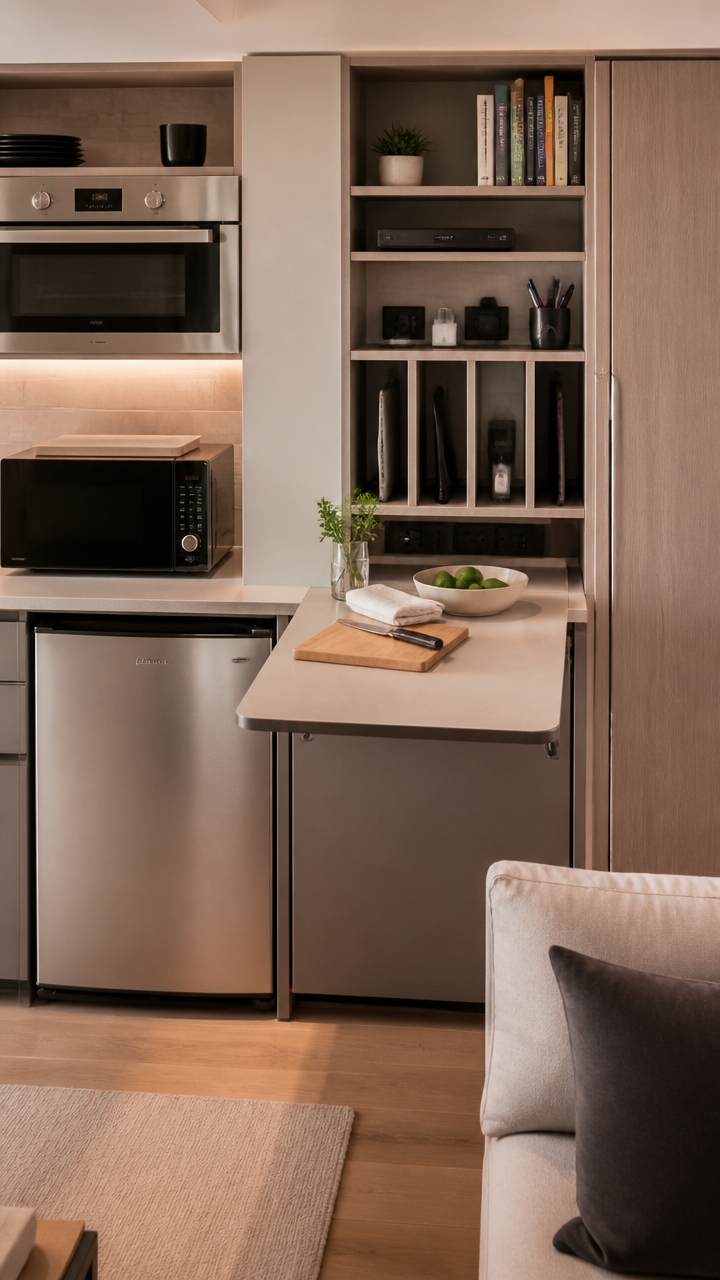
Choose compact, ENERGY STAR-rated appliances like slim refrigerators, washer-dryer combo units, and countertop microwaves designed for small spaces. These appliances are specifically engineered to maximize functionality while taking up minimal room. Slim refrigerators, often just a few feet wide, can fit easily into tight kitchen corners or built-in cabinetry, freeing up precious floor and counter space. Washers and dryers combined into a single unit eliminate the need for separate machines, making laundry chores more convenient without sacrificing space. Countertop microwaves with a sleek, compact profile can be stored away intuitively or mounted under cabinets, keeping counters clear and organized.
When selecting these appliances, consider their dimensions carefully to guarantee they fit comfortably within your designated areas. Look for models with energy-efficient ratings to reduce utility costs and environmental impact. Proper placement, such as integrating them into cabinetry or using designated appliance garages, helps create a seamless, uncluttered look. These space-efficient appliances not only save room but also contribute to a streamlined, functional small living environment.
Store Clothes and Linen in Vacuum-Sealed Bags for Space Savings
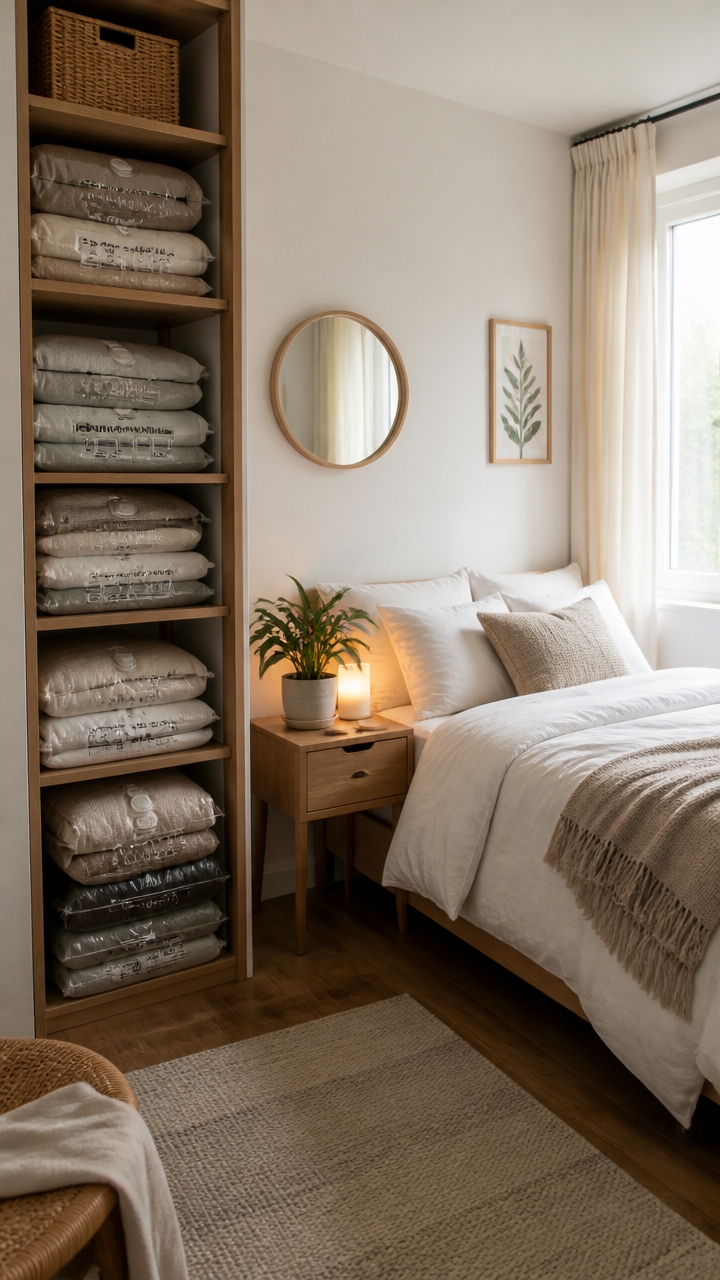
Storing clothes and linens in vacuum-sealed bags is a highly effective way to maximize space in small homes. These bags can reduce the volume of blankets, seasonal clothing, and bedding by up to 75%, freeing up valuable closet and storage space. They are especially useful for items you don’t need to access regularly, such as winter coats during summer or holiday linens double-duty for guests.
Using vacuum-sealed bags keeps your items protected from dust, moisture, and pests over long periods, maintaining their condition without taking up extra space. Their lightweight and stackable design allows you to tuck them under beds, in closets, or in attic storage without cluttering your living area. Label each bag clearly to facilitate quick identification and seasonal rotation, helping you keep your small space organized and functional.
Incorporate Rotating or Hidden Storage in Your Furniture
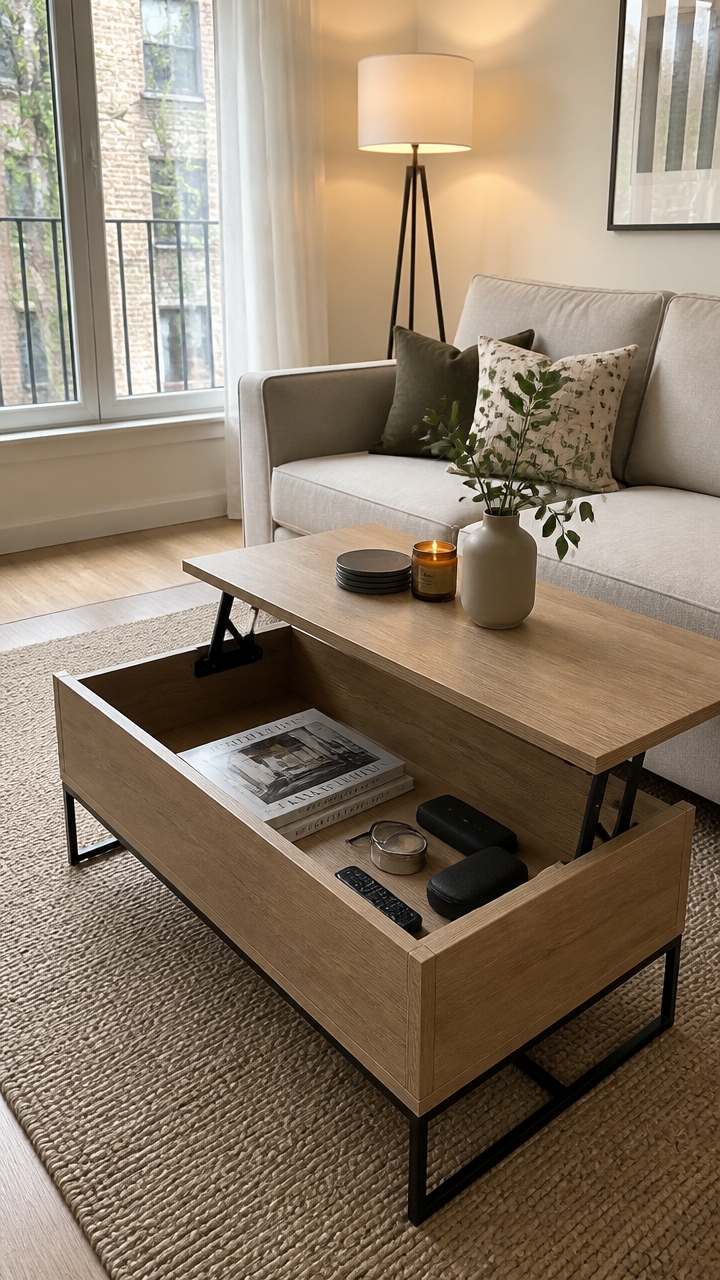
Furniture with built-in rotating compartments can considerably enhance space efficiency in small homes. Items like swivel ottomans or coffee tables with turntables allow you to access hidden storage areas easily without needing extra furniture pieces, helping to keep clutter out of sight. These rotating sections can be used for storing blankets, books, or miscellaneous items, making them perfect for maximizing utility in limited spaces.
Another smart option is furniture with hidden compartments, such as beds with lift-up mattresses or sofas featuring concealed storage beneath the cushions. These designs leverage often-underused space to store seasonal clothing, linens, or other seldom-used items. The key is to choose pieces with sturdy hinges or mechanisms that facilitate easy access while maintaining a sleek appearance.
Integrating rotating shelves or lazy Susans into tables or cabinets is also highly practical, especially for tight kitchen or storage areas. These rotating solutions enable easy retrieval of spices, condiments, or small items without sifting through clutter, making meal prep and organization quicker and more efficient.
Selecting multifunctional furniture that combines seating, storage, and hidden compartments can drastically reduce the need for excess furniture, freeing up valuable floor space. For example, a storage ottoman that doubles as a footrest and contains a hidden compartment or a bench with built-in drawers offers both style and practicality.
Finally, furniture with removable or hidden drawers, such as mirrored cabinets with fold-out desks or secret compartments, helps keep belongings out of sight while remaining accessible when needed. This type of concealed storage is ideal for maintaining a tidy appearance and maximizing every inch of your small living space.
Regularly Declutter and Reassess Your Storage to Maximize Space
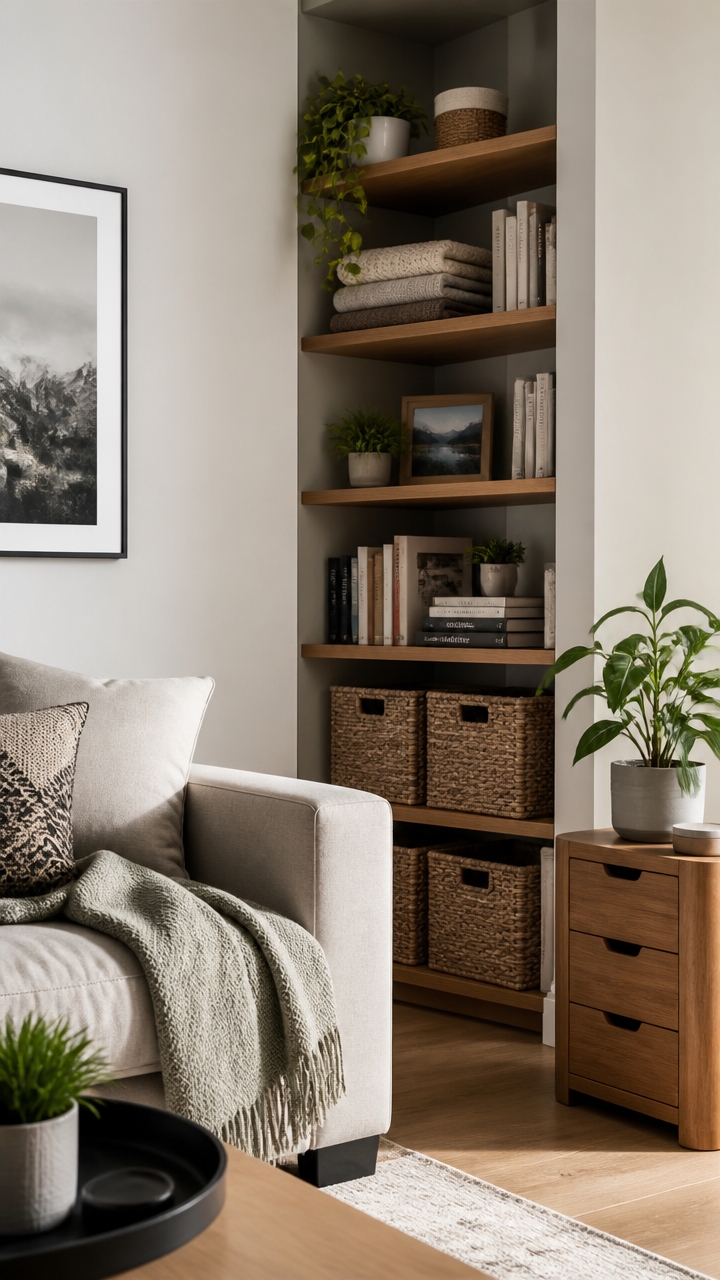
Regularly decluttering your space and reassessing your storage systems can greatly enhance your small home’s functionality. Set aside time every few months to review your belongings, donating or discarding items you no longer need or use. This habit frees up to 30% of your storage areas, creating more room for essentials and reducing visual clutter. It’s also helpful to evaluate your organizational solutions periodically, adjust shelves, containers, or storage methods to fit your changing habits and needs. Implementing a “touch it once” rule for papers and small items prevents them from piling up, encouraging you to handle items only once before putting them away or discarding them. Additionally, reviewing seasonal decorations and clothing regularly ensures you only keep items that bring value or joy, further reducing unnecessary clutter. Maintaining a weekly habit of tidying and organizing your belongings sustains this efficiency, making your small space feel more open, functional, and inviting.
Final Takeaways
In tight quarters, your ingenuity can transform constraints into clever features, as recent surveys reveal that well-executed space-saving measures can boost perceived room size by up to 25%. By embracing discreet joinery, strategic colourways like Benjamin Moore’s “Revere Pewter,” and designer touches, think, “Havstad” storage beds or vintage trunks, you’re not just maximizing square footage; you’re curating a cocoon of order and style. With a nuanced eye and thoughtful planning, small living becomes an understated celebration of refined efficiency.
- 20 Small Home Space Saving Ideas That Transform Any Space - September 28, 2026
- 23 Small Guest Room Ideas Maximize Space Designers Swear By - September 28, 2026
- 22 Small Space Apartment Ideas That Make a Big Difference - September 27, 2026