
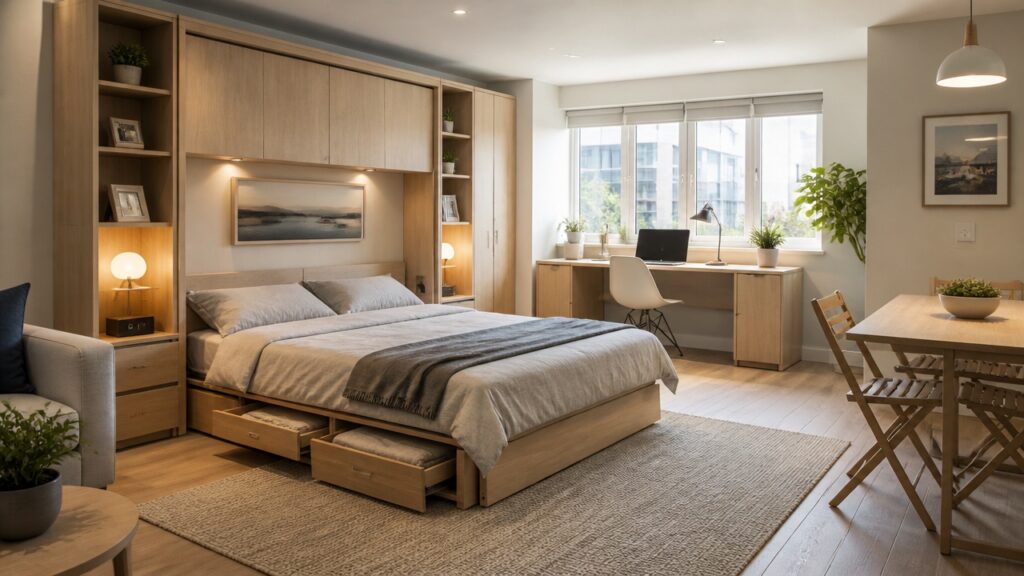
In a twist of coincidence, many homeowners find that the smallest spaces, often overlooked, hold potential for surprising serenity if you carefully curate your joinery, like the sleek, multilevel shelving by Ligne Roset, and select a colourway inspired by Farrow & Ball’s “Elephant’s Breath,” which can visually expand a cocooning nook or a bijou studio apartment. Here, strategic decision-making, installing vertical shelves that reach for the ceiling, integrating hidden compartments, or opting for a footstool that doubles as storage, can transform clutter into calm without sacrificing style.
Declutter First: Let Go of Unnecessary Items
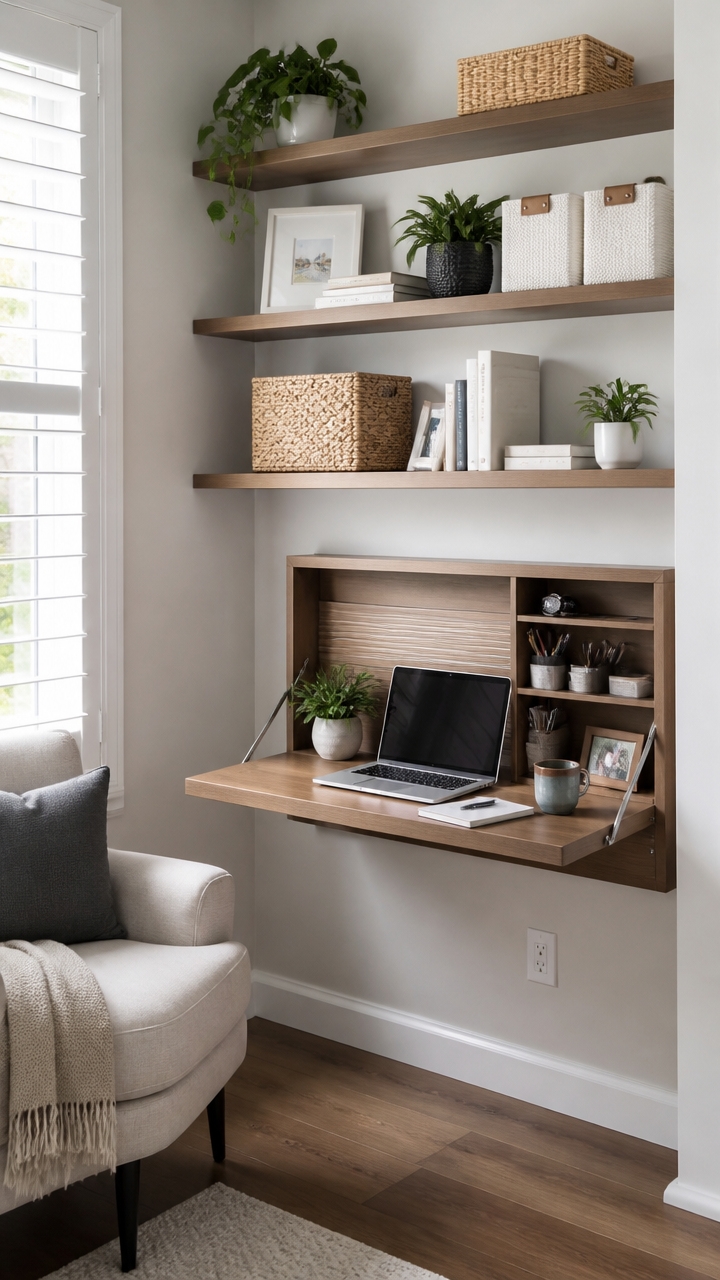
Before optimizing a small home’s layout or adding storage solutions, it’s crucial to start with a thorough declutter. Regularly assess your belongings and eliminate items that haven’t been used within the past year. This process helps reduce visual clutter, creates a sense of calm, and frees up space to better organize the essentials. Practice ruthless decluttering by donating or discarding broken, outdated, or duplicate items, ensuring that only functional, meaningful possessions remain. Creating designated zones for similar items and returning items to their proper places immediately after use helps prevent clutter from accumulating over time. Limiting new possessions, such as accepting only hand-me-downs or gifts that fit within your existing storage capacity, can also help maintain a clutter-free environment. Periodic decluttering sessions are crucial to keeping your small home organized, manageable, and enjoyable to live in. Incorporating space-saving strategies can further enhance your efforts to optimize small spaces and create a more organized environment.
Maximize Vertical Storage With Shelves and Racks
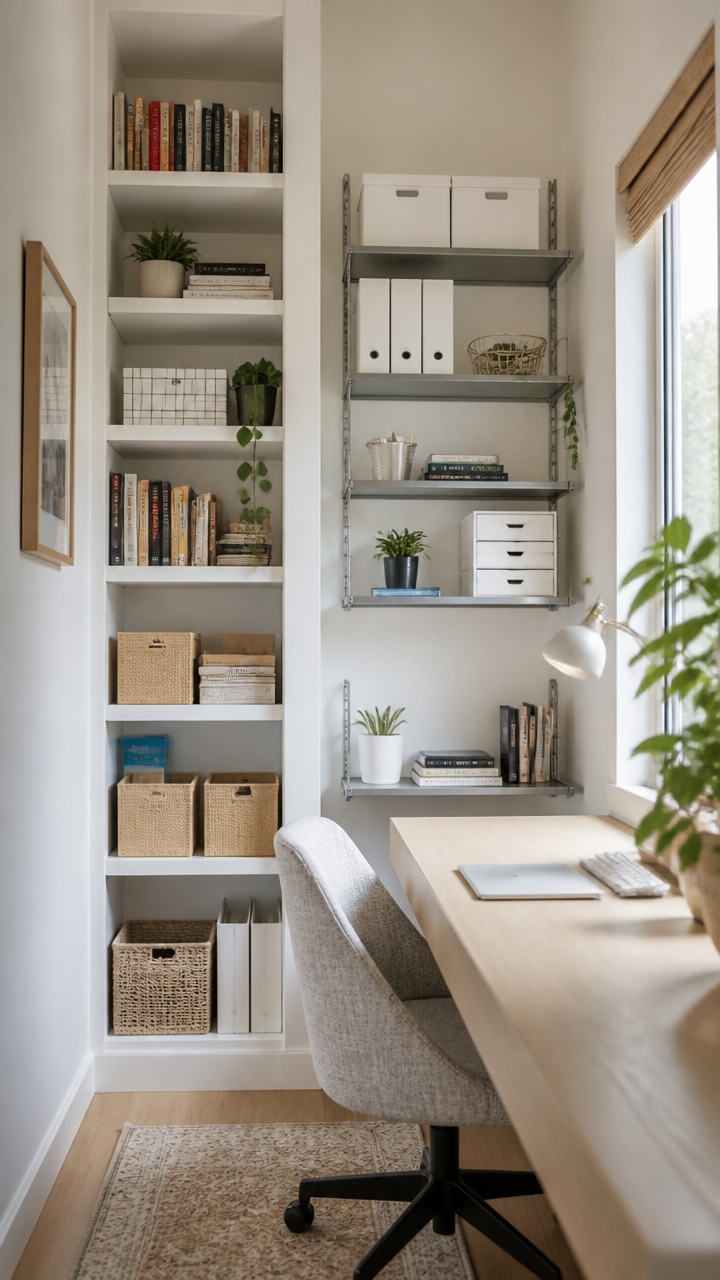
Vertical storage solutions are essential for making the most of limited space in small homes. Installing wall-mounted shelves allows you to free up valuable floor space while adding extra storage for books, decor, or household essentials. High wall shelves or over-the-door racks are excellent options for utilizing unused vertical areas, creating additional storage without cluttering the living area. Tall, narrow shelving units can be placed in corners or alongside furniture, providing organized storage without taking up much horizontal space. Wall-mounted racks and hooks are perfect for hanging coats, bags, or tools, keeping everyday items off surfaces and reducing clutter. When choosing storage solutions, consider durable materials like wood, metal, or plastic that complement your decor, and guarantee your shelves and racks are securely anchored to support the weight of stored items. Proper placement and organization of these vertical solutions can markedly enhance functionality and maintain a tidy, open atmosphere in small rooms. Incorporating vertical storage options not only maximizes space but also contributes to a more organized and accessible environment.
Use Multi-Purpose Furniture for More Space and Flexibility
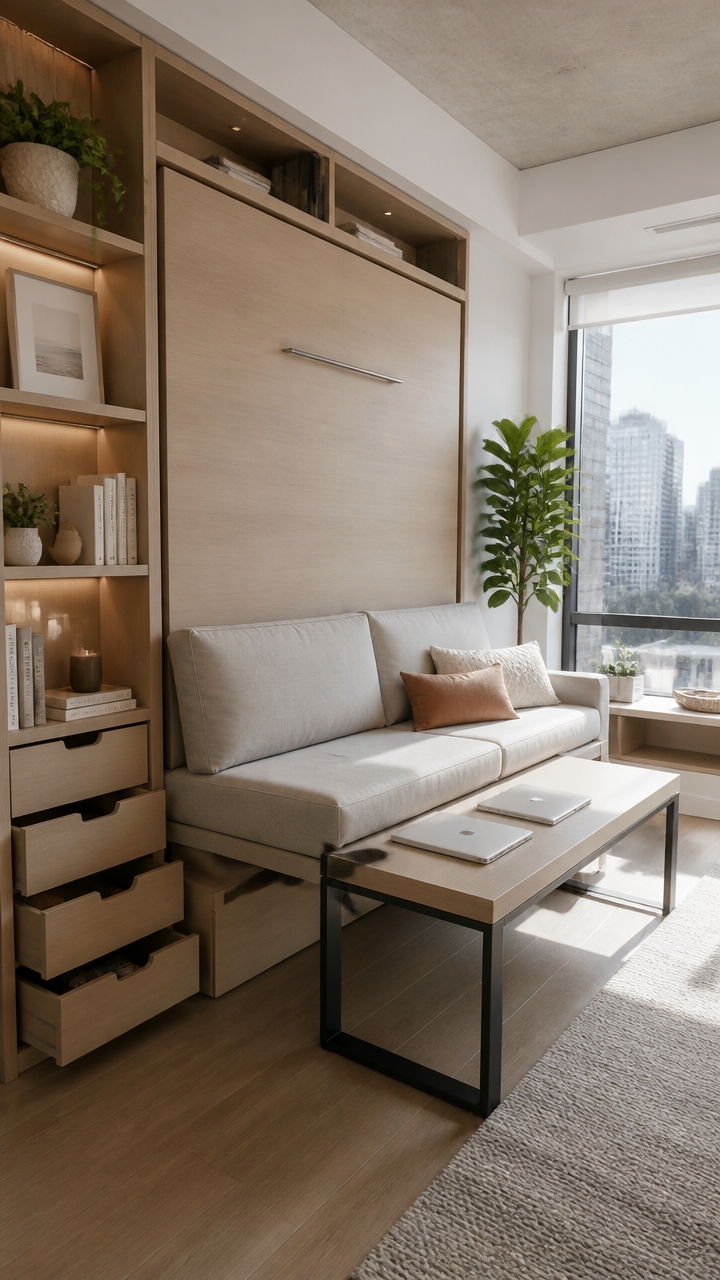
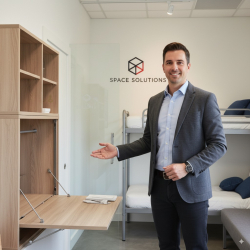
Multi-purpose furniture is a game-changer for small homes, allowing you to maximize functionality in limited space. Items like beds with built-in storage or fold-out tables serve dual roles, offering comfort and practicality without sacrificing precious square footage. For example, a bed with under-bed drawers or a lift-up storage platform provides a clean, clutter-free sleeping area while concealing away seasonal items or essentials. Incorporating these flexible pieces supports a well-organized layout, making the most of every inch of your home. Wall-mounted or fold-out furniture pieces, such as Murphy beds or extendable desks, can be easily stowed away when not in use, transforming a room from a sleeping area into a workspace or living room in seconds. This flexibility is especially useful in multipurpose rooms or studio apartments. When choosing multi-use furniture, consider the proportions and style to assure it complements your space without overwhelming it. Materials like light-colored wood or sleek metal can help maintain an open feel.
Incorporating furniture with integrated storage, such as benches or ottomans that conceal compartments, adds seating and hidden organization solutions. These versatile pieces help reduce the amount of standalone furniture needed, creating a tidier, more spacious look. When selecting these items, think about accessibility and how often you’ll need to access stored items to find the best fit for your lifestyle.
Create Clear Zones for Work, Relaxation, and Storage
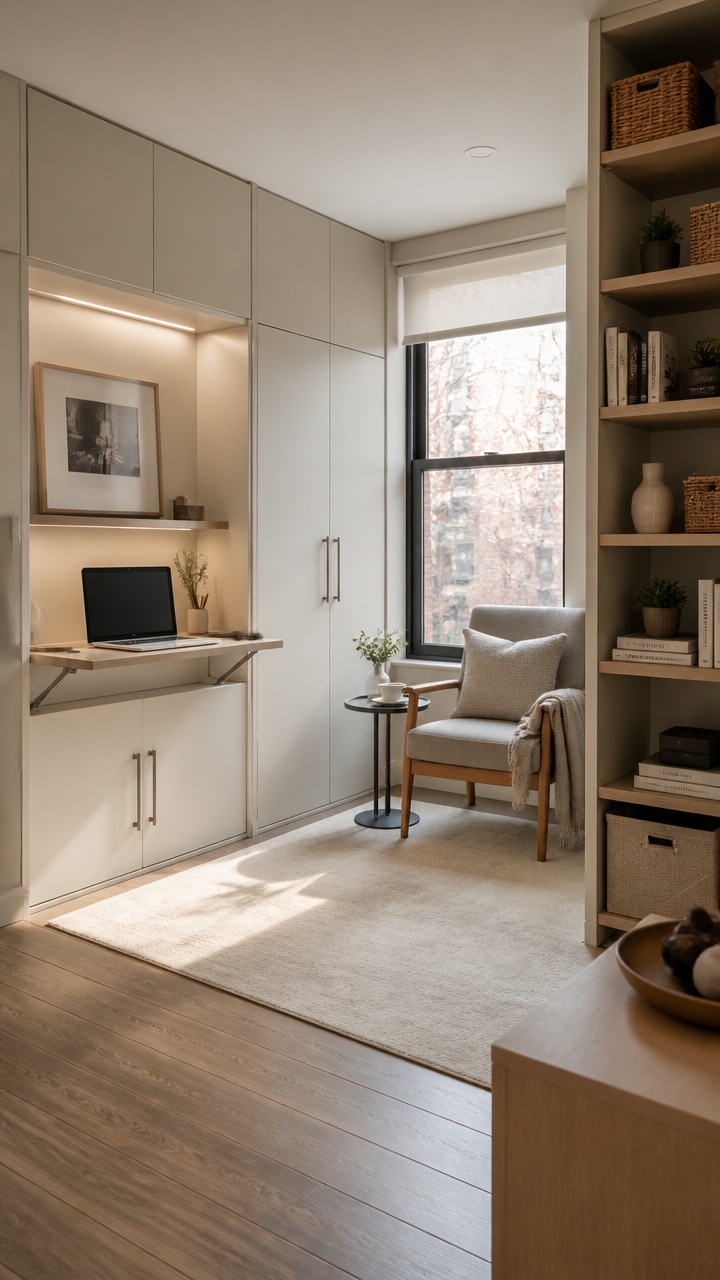
In small homes, defining specific zones for different activities helps maximize space efficiency and maintain an organized, comfortable environment. Using furniture and shelving as visual and functional separators allows you to carve out dedicated areas without the need for permanent walls, making the space feel open yet purposeful. For instance, placing a bookcase or open shelving unit between your workspace and relaxation zone creates a clear boundary while allowing light and airflow to flow through. Arranging furniture strategically, such as positioning a desk near a window for natural light or placing a comfortable chair in a cozy corner, guides movement naturally through the space and visually segments each area. Incorporating space-saving strategies helps optimize every inch of your small home. Assigning specific zones tailored to their intended use, like a corner with a desk, shelves, and task lighting for work, and a separate seating area with plush cushions and decor for relaxation, helps prevent clutter and encourages a sense of order. Incorporate rugs, lighting, and color schemes to reinforce each zone’s purpose, making spaces feel intentional and inviting. When choosing furniture, consider proportions that fit comfortably within your space, ensuring pathways remain open and accessible. With thoughtful placement and styling, you can transform a small home into a well-organized sanctuary that meets all your needs seamlessly.
Organize Closets With Simple Inserts and Use Hanging Solutions
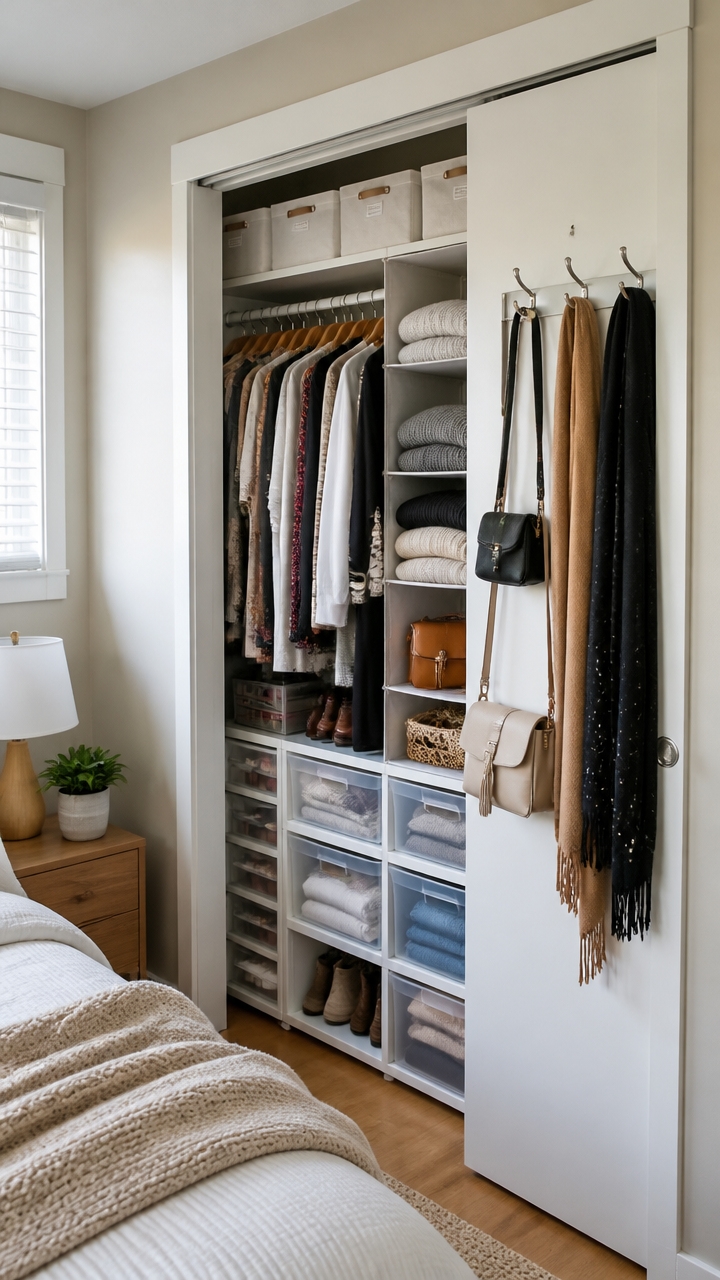
Using simple closet inserts like shelf dividers and hanging organizers can dramatically improve your closet’s efficiency. Shelf dividers keep stacks of clothing, towels, or accessories neatly separated, preventing them from toppling over or merging into muddled piles. Hanging organizers that fit over doors or along rods provide designated compartments for shoes, small accessories, or folded items, making everything easily visible and accessible. These inserts are affordable, versatile, and easy to install, making them perfect for maximizing vertical space and creating a tidy, functional closet environment. When choosing inserts, consider the size and depth of your shelves or hanging space to guarantee a snug fit, and opt for breathable materials if storing fabric items to prevent mustiness. Regularly adjusting and reconfiguring these inserts can help accommodate changing needs and keep clutter at bay. Additionally, incorporating adjustable storage solutions can further optimize space and flexibility within your closet.
Store Clothes and Toys Efficiently Under the Bed
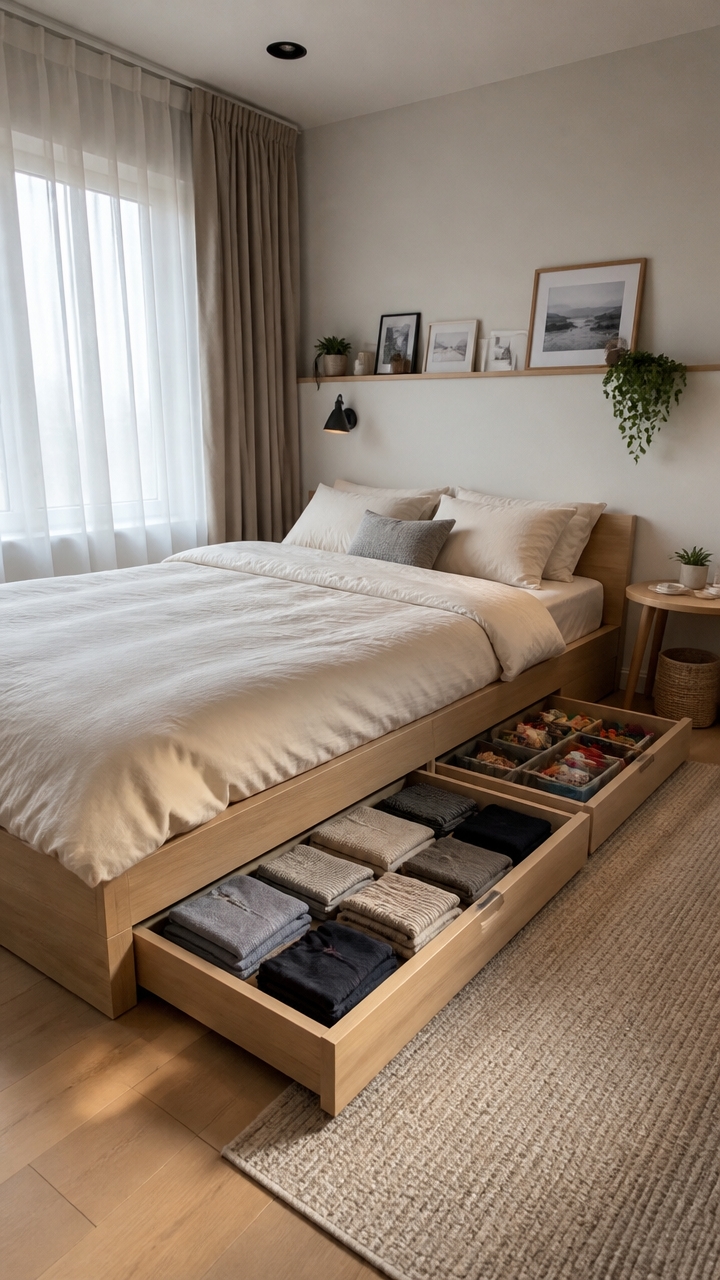
Maximize the available space beneath your bed by using shallow storage drawers or bins specifically designed for under-bed use. These containers keep clothes and toys organized and hidden, maintaining a tidy appearance while providing easy access when needed. To optimize space, opt for stackable bins or drawers that utilize vertical capacity, effectively doubling your storage potential. Choose options with wheels or handles to facilitate quick removal and convenient access to your stored items. Clearly label each container to quickly identify contents, preventing unnecessary rummaging and making it easier to maintain organization. Regularly declutter and rotate the stored belongings to prevent accumulation of unused items, ensuring your under-bed storage remains functional and clutter-free.
Use Over-the-Door Organizers for Shoes and Toiletries
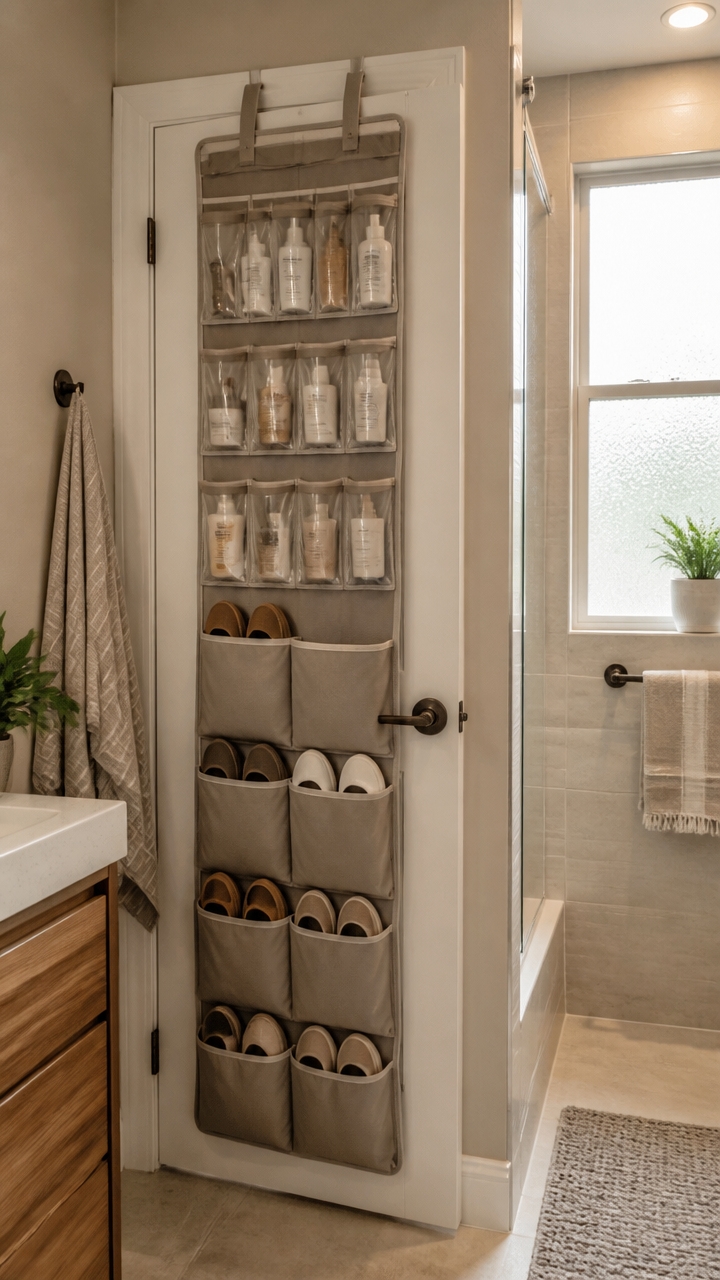
Over-the-door organizers are a practical solution for small homes, especially for maximizing vertical space. They’re ideal for storing shoes, toiletries, cleaning supplies, or small accessories, keeping these items easily accessible while freeing up other storage areas. Clear pockets are particularly helpful, allowing you to see at a glance what’s inside without rummaging through compartments. Install them on bedroom or bathroom doors using adjustable hooks that fit various door thicknesses, this guarantees a secure and simple setup. Position the organizer at a convenient height for your daily routine, and arrange items logically (shoes grouped together, toiletries sorted by type) to maintain order. Choosing durable, lightweight materials will help the organizer last while blending seamlessly with your decor. This solution reduces clutter on countertops and floors, making your small space feel more open and organized.
Regularly Donate or Discard Items to Keep Clutter Down
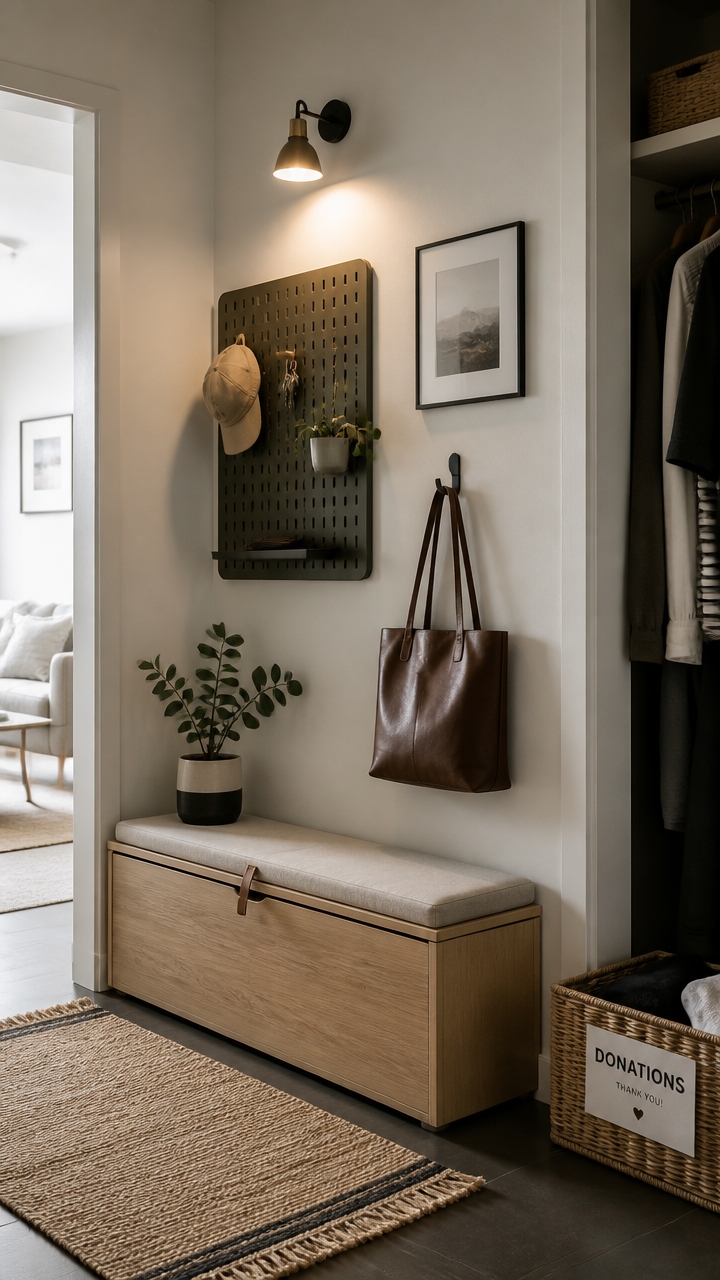
Regularly donating or discarding unused items is essential for maintaining a clutter-free small home. Establishing a routine, whether monthly or seasonally, helps you identify belongings that no longer serve a purpose or bring joy. Setting clear criteria, like “keep only what sparks joy” or “use items at least twice a year,” simplifies decision-making and guarantees consistency. Donating items to charity or recycling not only clears your space but also gives these belongings a new purpose elsewhere. Consistent habits of decluttering prevent accumulation over time, making daily organization easier and creating a more open, functional environment. Incorporate accessible donation bins or scheduled dates into your routine to make this process seamless and keep your small space feeling spacious and organized.
Fold Clothes Vertically to Save Drawer and Closet Space
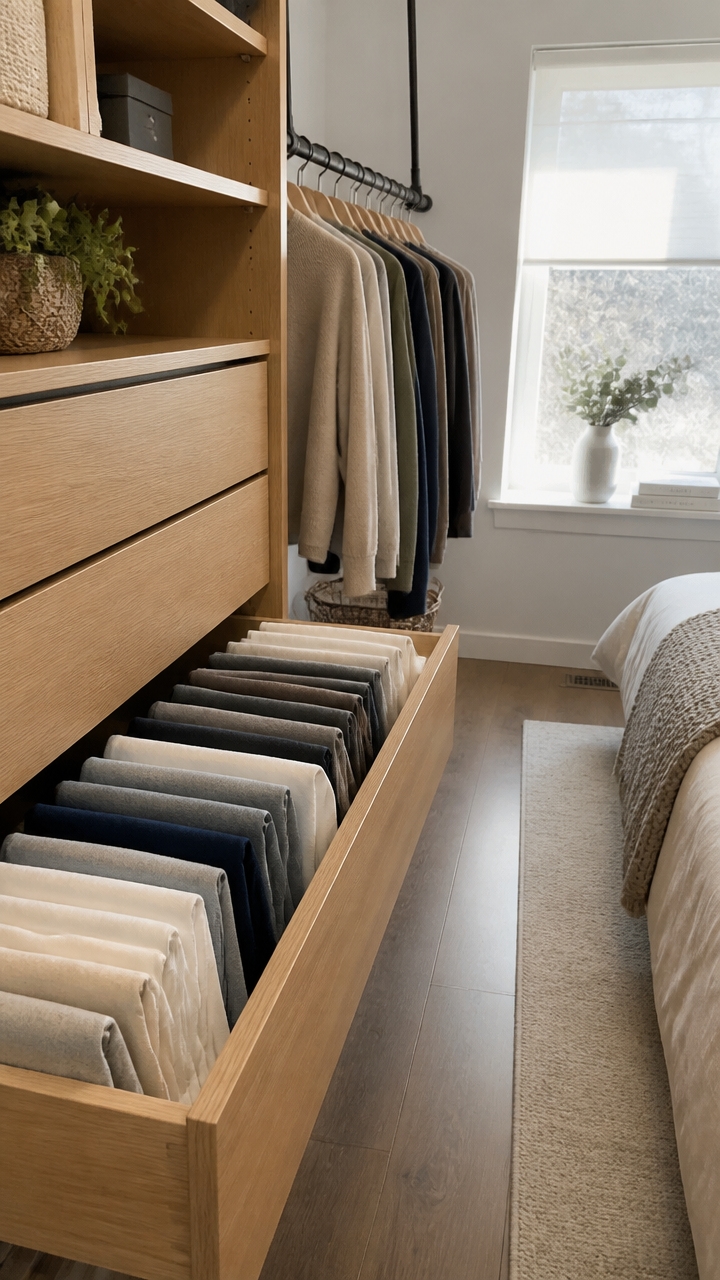
Folding clothes vertically allows you to fit more items in each drawer or closet, maximizing your storage space efficiently. This method involves folding garments into small, tight rectangles, which can then be stacked upright. By doing so, you utilize less horizontal space compared to traditional folding techniques, making it easier to organize and store your wardrobe items. Vertical folding also keeps clothes more visible and accessible, enabling you to see all your options at a glance without rummaging through piles. This approach prevents overcrowding and overstuffed drawers, while also reducing fabric wrinkling by minimizing unnecessary shifting. When implementing this method, make certain each item is folded uniformly for neat stacks and easy retrieval, especially in limited space environments such as small closets or drawers.
Incorporate Hidden Storage in Furniture Pieces
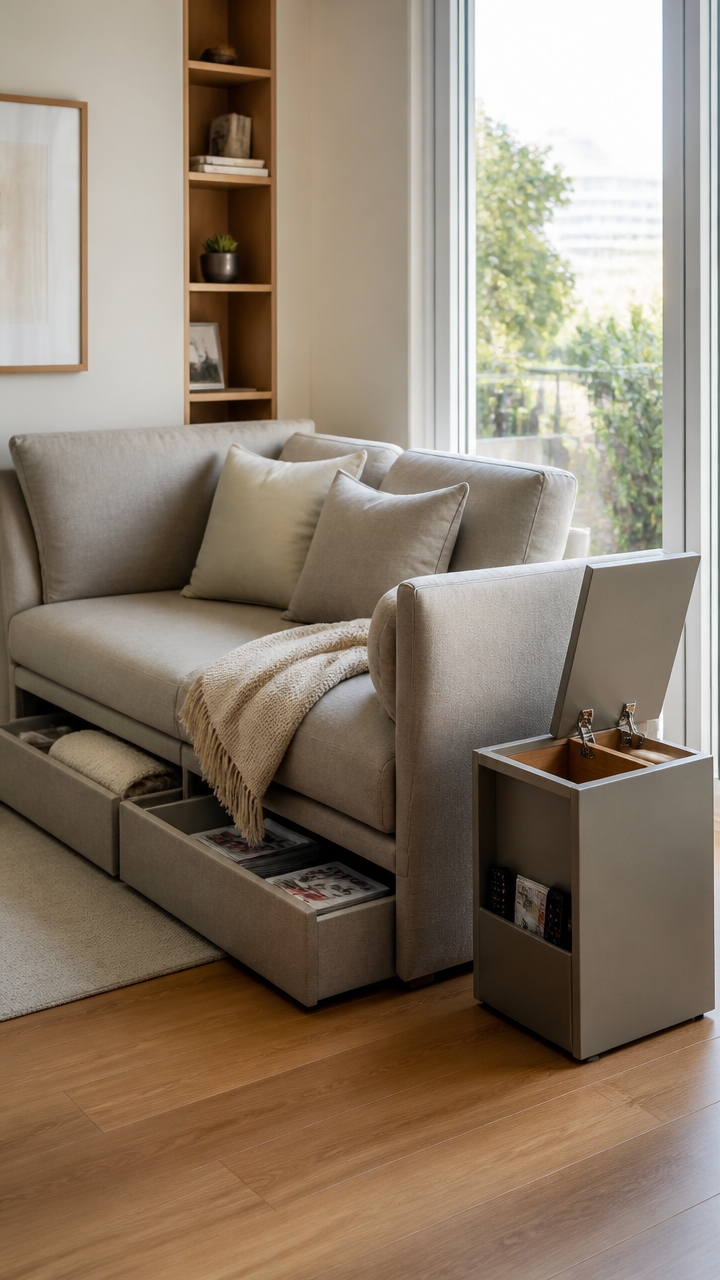
Incorporating hidden storage into furniture pieces is a smart way to maximize your small home’s functionality without sacrificing style. Beds with built-in drawers or lift-up storage compartments offer a discreet way to store seasonal clothing, extra linens, or toys, freeing up closet space and keeping clutter out of sight. These beds are especially practical in rooms with limited closet options, as they transform the bed into both a restful space and an organizational hub. Choosing furniture with the right proportions and materials will guarantee the storage compartments blend seamlessly with your decor. Opt for materials that complement your existing furniture, and consider the ease of access when selecting a design. Placing such beds strategically in bedrooms or multi-purpose rooms can considerably improve organization while maintaining a clean, streamlined aesthetic. Hidden storage beds are a versatile, functional solution that maximizes space without compromising style.
Digitize Paper Files and Keep Important Documents Organized
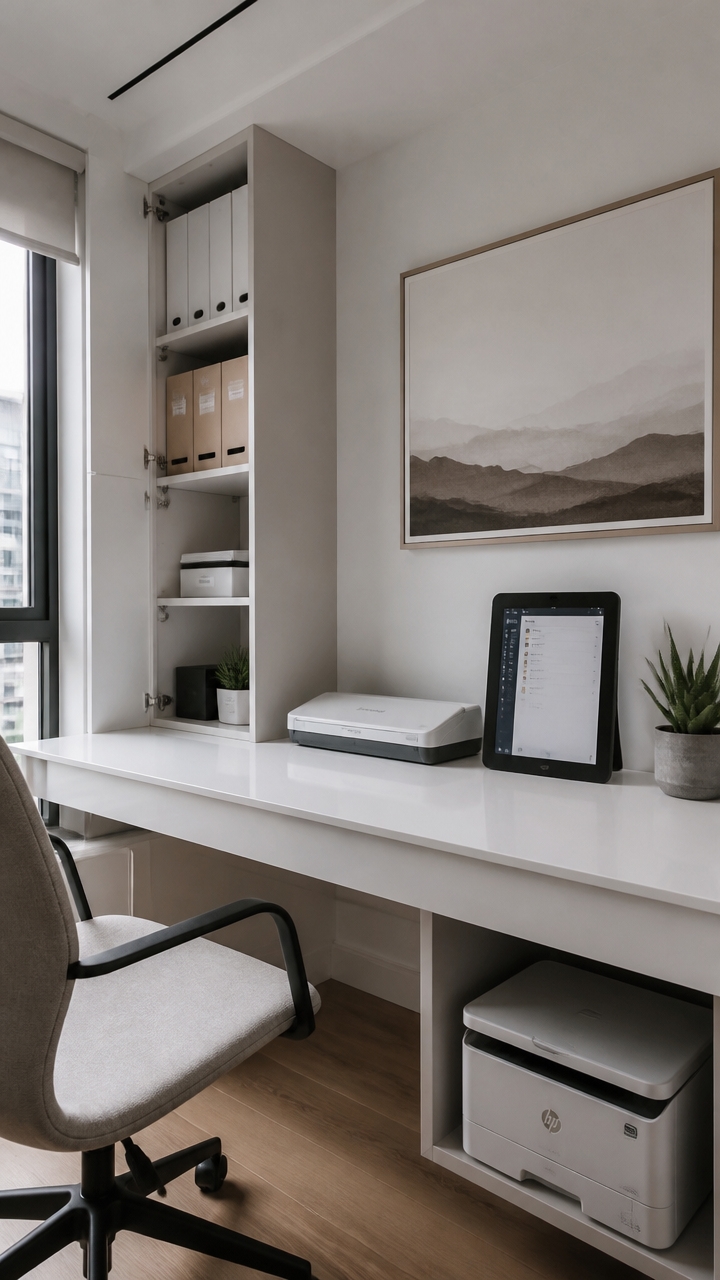
Digitizing important papers can considerably reduce clutter and improve organization in small homes. Using a high-quality scanner or a reliable scanning app allows you to create clear, digital copies of essential documents, photos, and receipts. Once digitized, organize these files into clearly labeled folders on your computer or cloud storage, categorizing them as “Taxes,” “School Records,” or “Receipts” for easy retrieval. Regularly reviewing your digital collection and deleting or donating the physical copies you no longer need helps maintain a tidy space. To safeguard your important documents, back up these digital files to secure cloud services or external drives, ensuring that critical information is protected in case of technical issues or accidental loss. This approach keeps your living area uncluttered while preserving easy access to important documents whenever necessary.
Set Up a Central Mail and Keys Station
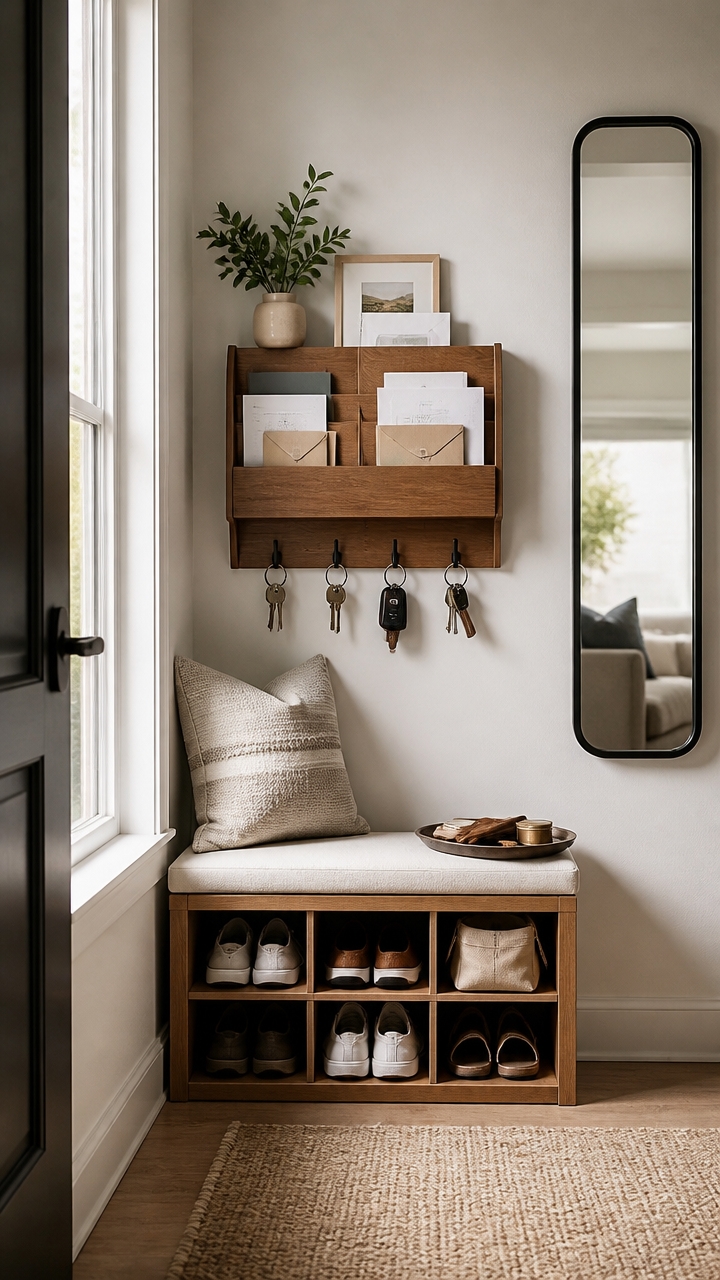
Designating a dedicated spot near the entryway for a tray or small container helps keep daily essentials like mail, keys, and lanyards organized and in one place. Choose a shallow dish, basket, or tray that fits comfortably on a nearby console or wall-mounted shelf, making it easy to drop items as you walk in. Position this station at eye level or within arm’s reach to encourage regular use. Incorporate wall-mounted hooks or a small pegboard adjacent to the station for hanging keys, lanyards, or bags, preventing clutter from spreading across surfaces. Label compartments or baskets within the station to sort bills, receipts, and important documents, this keeps paper clutter in check and ensures essential items are easy to find. For added convenience, include a small dry-erase or chalkboard nearby for jotting reminders, appointments, or to-do lists. Regularly returning items to this dedicated space and decluttering ensures your entryway remains tidy and organized, making your daily routines smoother and more efficient.
Designate a Fun, Rotating Play Area for Kids’ Toys
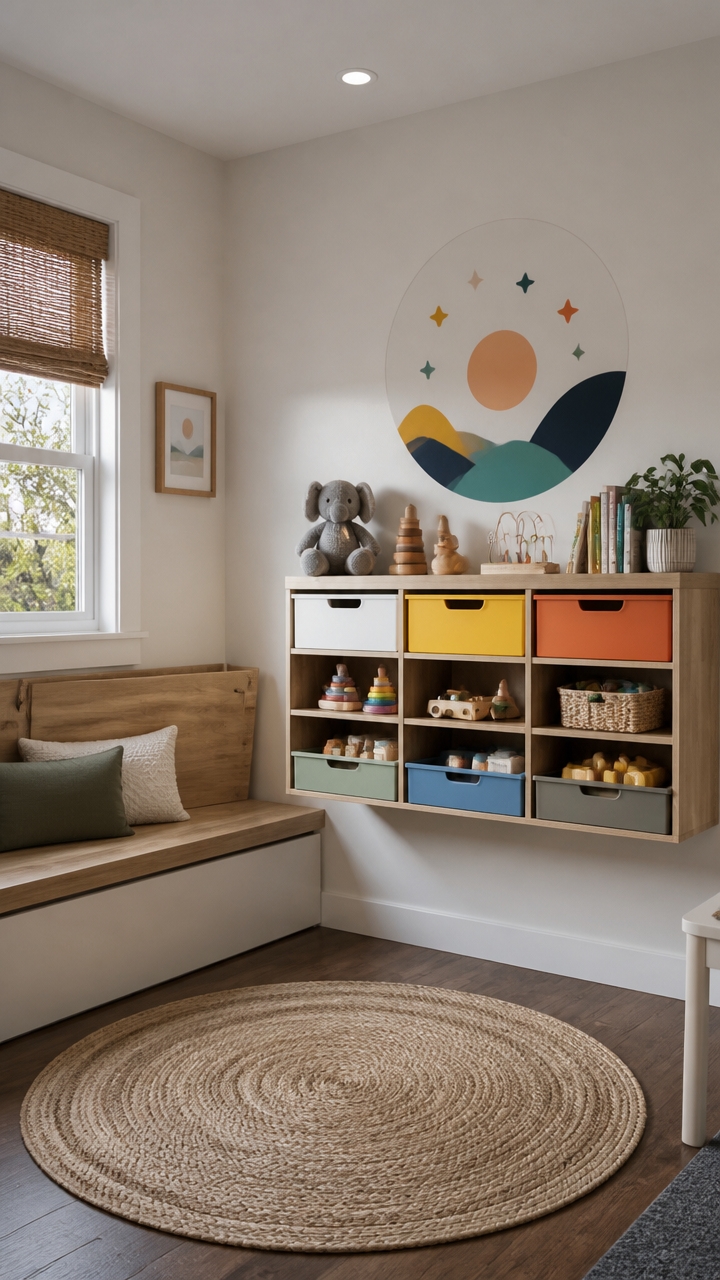
Creating a dedicated play zone that can be easily accessed and organized is key to maintaining a clutter-free small home. Set aside a specific corner or section of a room for your child’s toys, and furnish it with a toy storage bench or colorful bins. Incorporate vibrant, themed containers that make the area inviting and stimulate your child’s interest. To keep the space fresh and engaging, rotate toys monthly, storing some away and introducing new or different items regularly. This approach prevents overwhelm, sustains curiosity, and encourages your child to stay organized by having a clear, designated spot for their playthings. Placing shelves or clear bins on vertical wall space maximizes storage in small areas, making toys easy to find and put back. Establish a daily routine where your child spends a set amount of time playing in this area independently, fostering autonomy and good organizational habits.
Make Your Entryway Practical With Baskets and Hooks
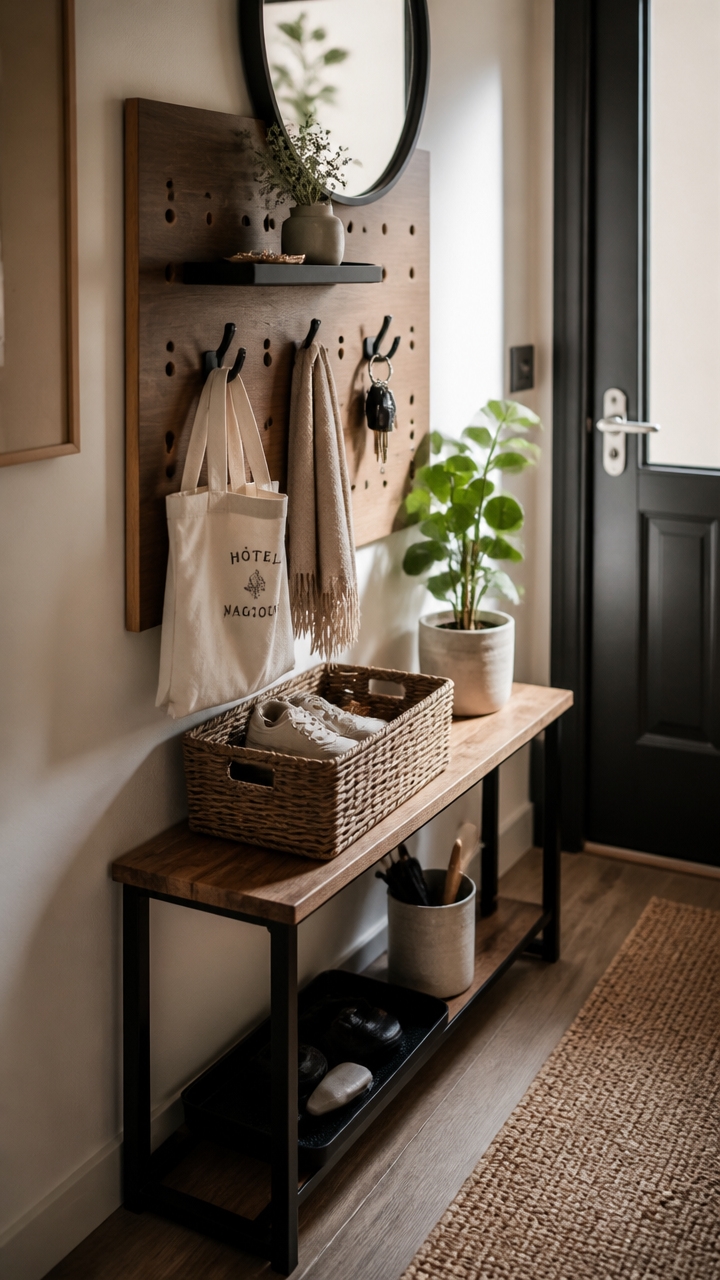
Using baskets and hooks in your entryway maximizes vertical and small space storage, keeping your area neat and accessible. Baskets are perfect for organizing smaller items like hats, scarves, socks, and shoes, preventing clutter from spreading across the floor or surfaces. Position baskets near the entry door at a convenient height or on open shelving to easily grab or stow items as you come and go. Label each basket to encourage consistent organization and quick identification.
Hooks installed on the wall or behind the door are ideal for hanging coats, bags, and keys, making daily routines smoother. Place hooks at various heights to accommodate family members or guests, and consider grouping them by item type for clarity. Keep frequently used items, such as umbrellas or reusable shopping totes, within arm’s reach by hanging them on these hooks or placing them in designated baskets nearby. This setup ensures everything has a specific spot, reducing clutter and promoting tidiness.
When designing your entryway, opt for sturdy hooks and breathable baskets that suit your style and space constraints. Material choices like wood, metal, or woven fibers can add visual warmth while providing durability. Remember to enforce simple rules, such as a “shoes off” policy, and have a dedicated shoe storage basket to contain dirt and keep the floor tidy. Organized with practical baskets and hooks, your small entryway will be functional, inviting, and clutter-free.
Use Labeled Clear Bins to Easily Find Items
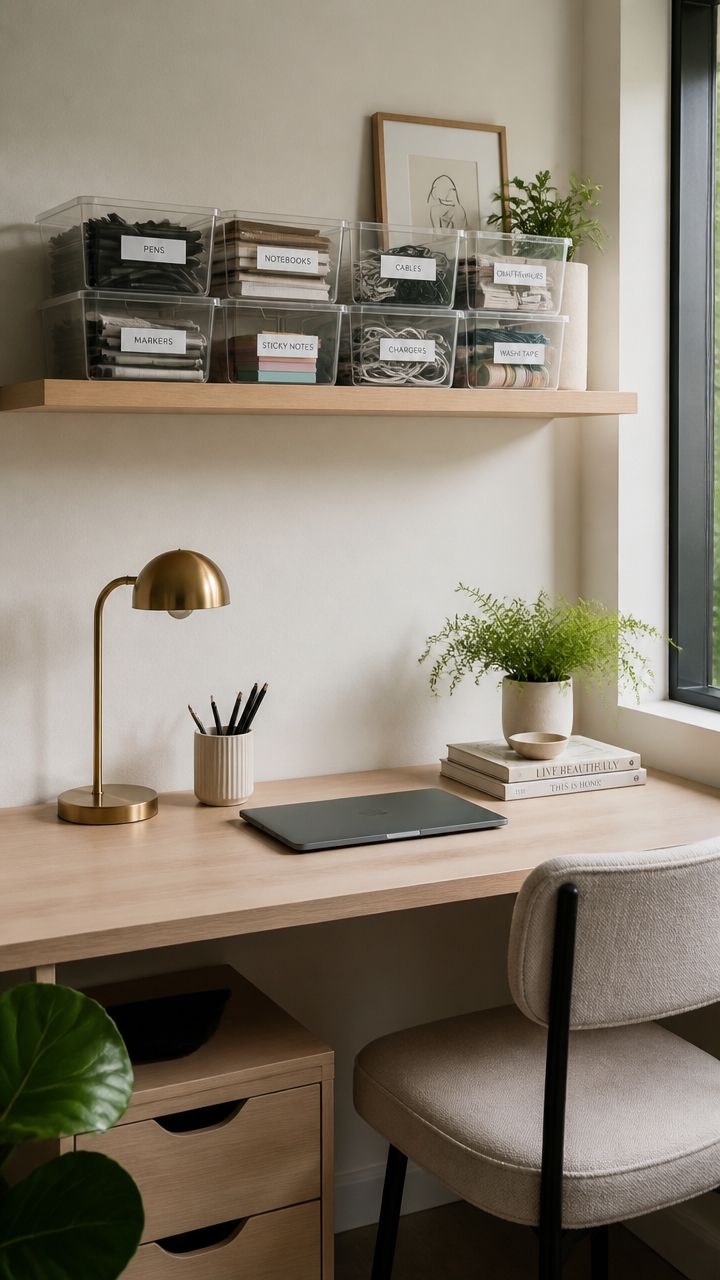
Implementing labeled clear bins is a straightforward way to streamline your storage in a small home. These containers keep your belongings visible and accessible, reducing the time spent searching for items. Place the bins on shelves or in cabinets where they fit comfortably, and assign each with clear labels indicating their contents, such as “Cleaning Supplies,” “Snack Foods,” or “Craft Materials.” This system encourages everyone in the household to return items to their designated spots, maintaining organized spaces with minimal effort. When shopping for bins, opt for durable, stackable clear plastic options that complement your interior style, and verify labels are legible and weather-resistant if necessary. This simple change can dramatically improve your ability to locate and manage household items efficiently.
Create Cozy Outdoor Spaces for Dining and Relaxing
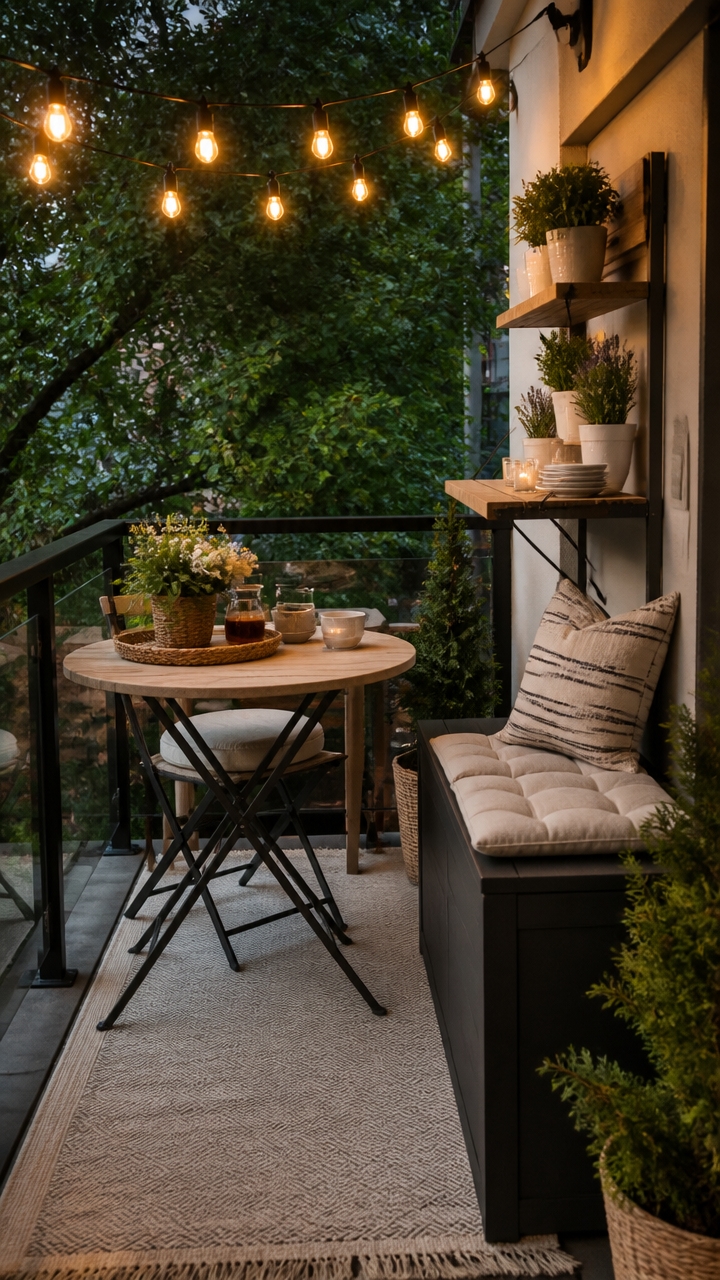
In small homes, outdoor areas can serve as a crucial extension of your living space, offering a perfect spot to unwind, entertain, and enjoy meals outside. To maximize comfort and functionality without cluttering the limited space, incorporate built-in seating with storage underneath, such as benches or window seats. These provide comfortable spots for lounging or dining while hiding away outdoor cushions, gardening tools, or other essentials. Choosing furniture with a low profile helps keep the area open and inviting. Adding ambient lighting with string lights or lanterns sets a warm, welcoming tone that encourages relaxation after sunset, while outdoor rugs define the space and add personality. Using a foldable or extendable dining table allows you to enjoy intimate meals or host gatherings comfortably, then tuck it away to save space when not needed. Vertical gardening with wall-mounted planters maximizes greenery without taking up valuable ground space, bringing freshness and vibrancy to your outdoor oasis. Finally, multifunctional furniture pieces such as storage ottomans or side tables that double as extra seating or surfaces help keep the area organized and clutter-free, making your small outdoor space a cozy, practical retreat.
Opt for Foldable Outdoor Furniture to Save Space
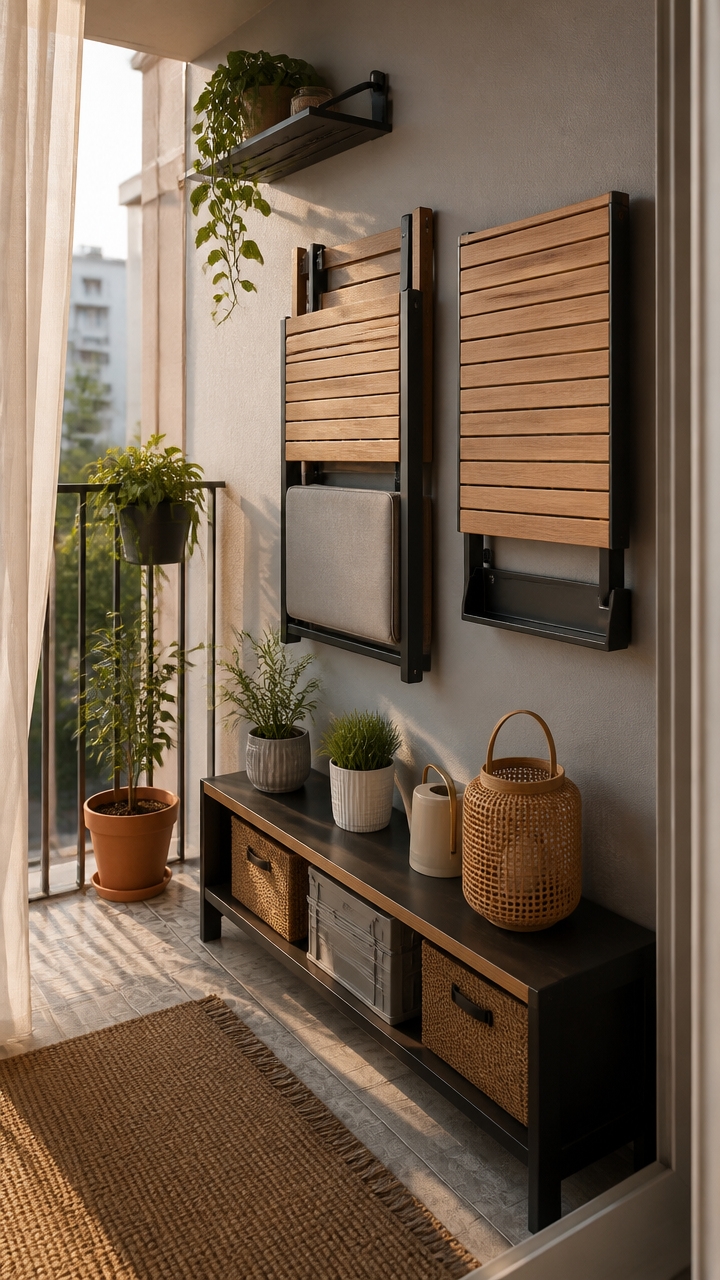
Foldable outdoor furniture is an excellent solution for maximizing limited outdoor areas in small homes. These pieces, like tables and chairs, can be easily folded away when not in use, freeing up critical space for other activities or simply creating a clutter-free environment. Their lightweight and portable design allows for effortless transport and quick setup during gatherings, outdoor meals, or relaxing times. Made from durable materials such as aluminum or weather-resistant plastics, foldable furniture withstands outdoor conditions and frequent handling without compromising longevity. To optimize their utility, consider storing foldable furniture vertically or in designated storage spaces when not in use, ensuring your outdoor area remains open and inviting. This approach promotes flexibility, making small outdoor spaces more functional and aesthetically pleasing.
Use Mirrors to Make Small Rooms Feel Larger and Brighter
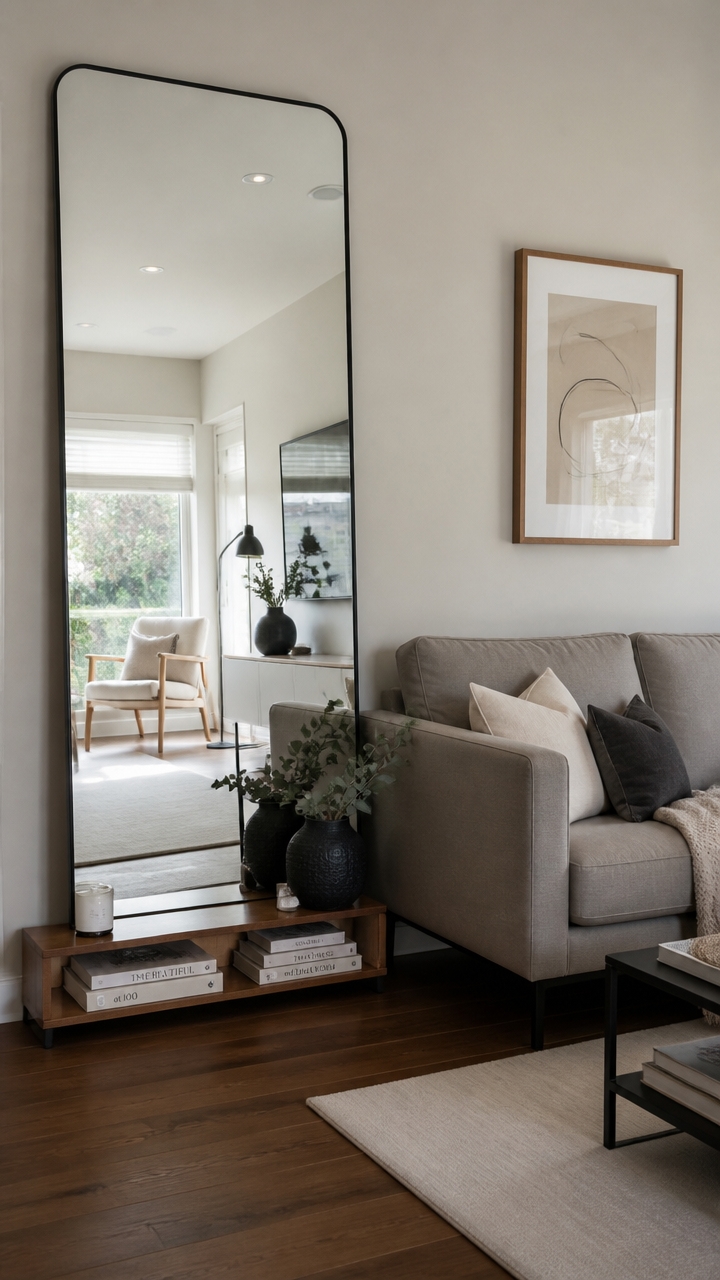
Mirrors are one of the most effective tools for enhancing small spaces. They reflect both natural sunlight and artificial lighting, which brightens the room and creates the illusion of more space. By bouncing light around, mirrors help small rooms feel less confined and more open.
Position a large mirror opposite a window to maximize light reflection. This placement captures sunlight as it enters and distributes it throughout the room, amplifying the sense of openness and warmth.
In addition to large mirrors, incorporating multiple small mirrors or mirrored furniture can split visual weight and add interest. For example, a dotted arrangement of small mirrors on a wall can make narrow areas seem wider while also serving as decorative accents.
Strategic placement is key, mounting mirrors at eye level in key areas, such as near entryways or above furniture, enhances their visual impact without occupying additional space. Mirror panels or full-length mirrors mounted flush against the wall can double the depth of a room, making even tiny spaces feel expansive and inviting.
Choosing appropriately proportioned mirrors and framing them to complement your decor will assure they blend well and serve their purpose effectively, transforming your small space into a brighter, more open environment.
Maximize Kitchen Storage With Hanging Racks and Tiered Shelves
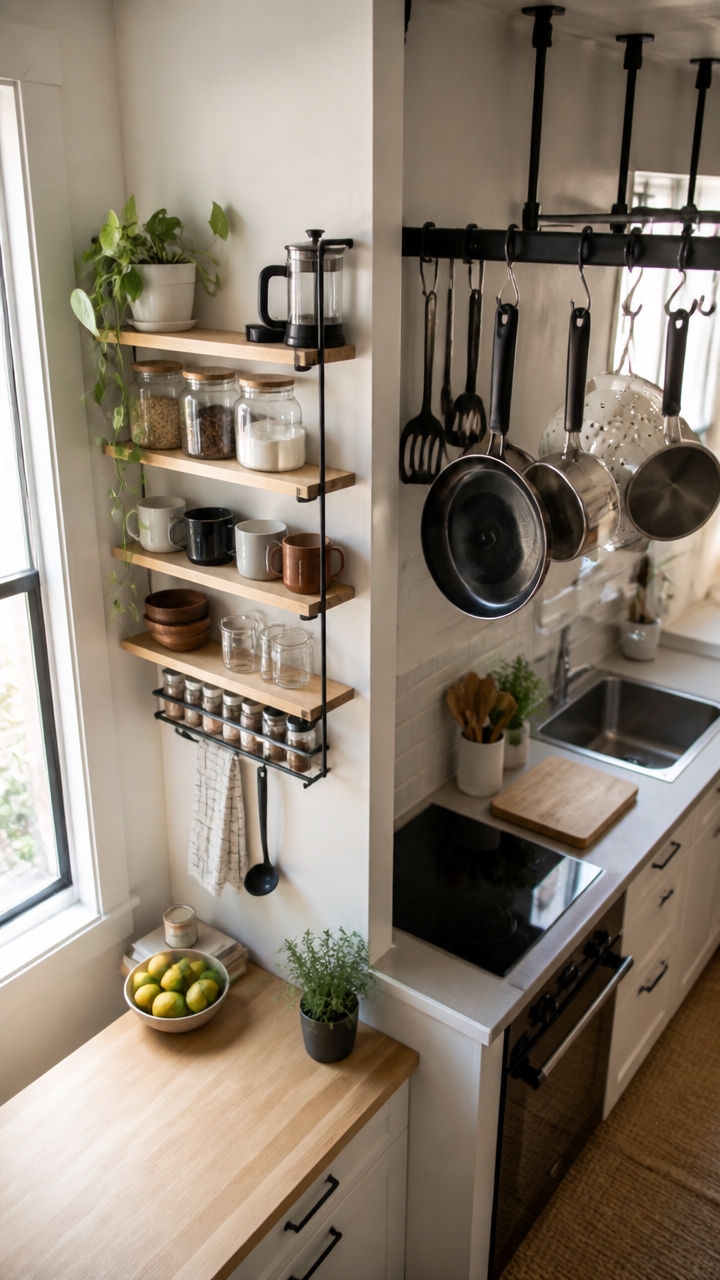
Installing hanging racks above your kitchen counters or cabinets is an efficient way to increase storage space for pots, pans, utensils, and frequently used items. These racks keep essential tools within arm’s reach while freeing up valuable cabinet and drawer space below. Choose durable materials like stainless steel or wrought iron, and guarantee the rack is securely mounted to support the weight of your cookware. This setup not only improves kitchen organization but also adds a stylish, functional focal point. Be mindful of proper placement to prevent obstruction of workspace or light, and consider adjustable or removable racks for flexible use. To enhance accessibility, group similar items such as large pots or spatulas together, turning your hanging rack into both a practical storage solution and a decorative element.
Add Shelves and Lazy Susans in Bathroom Nooks
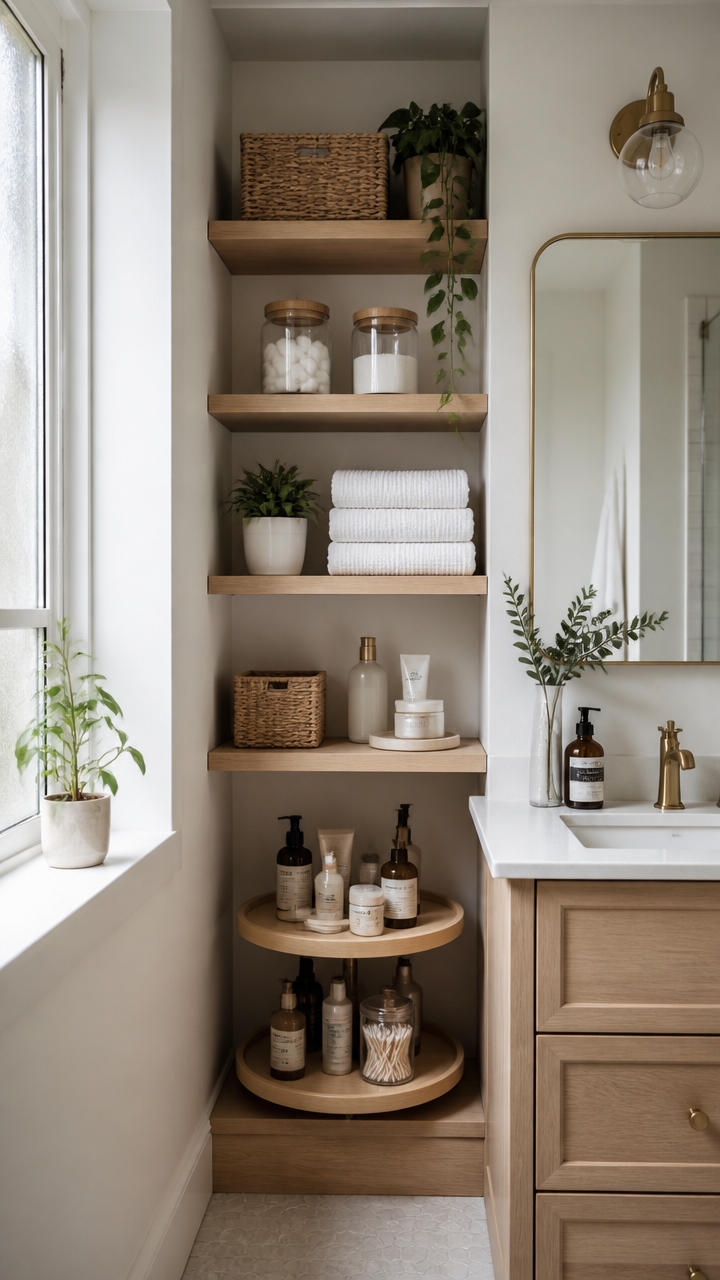
Adding shelves and Lazy Susans in bathroom nooks is an effective way to utilize vertical space and keep small bathrooms organized. Installing adjustable, wall-mounted shelves allows you to maximize storage capacity by fitting various nook sizes, guaranteeing you can customize your setup for maximum use. Tiered shelving or Lazy Susans are particularly useful in corner spaces, providing easy access to bottles, jars, and small items without cluttering countertops. These rotating or stacked storage solutions help you keep essentials tidy, visible, and within reach, reducing the need to dig through drawers or cabinets. When choosing materials, opt for moisture-resistant options like plastic, glass, or treated wood to withstand bathroom humidity. Proper placement and secure installation ensure safety and convenience, making daily routines smoother while keeping your bathroom looking neat and functional.
Use Corner Shelves and Hooks to Utilize Every Inch
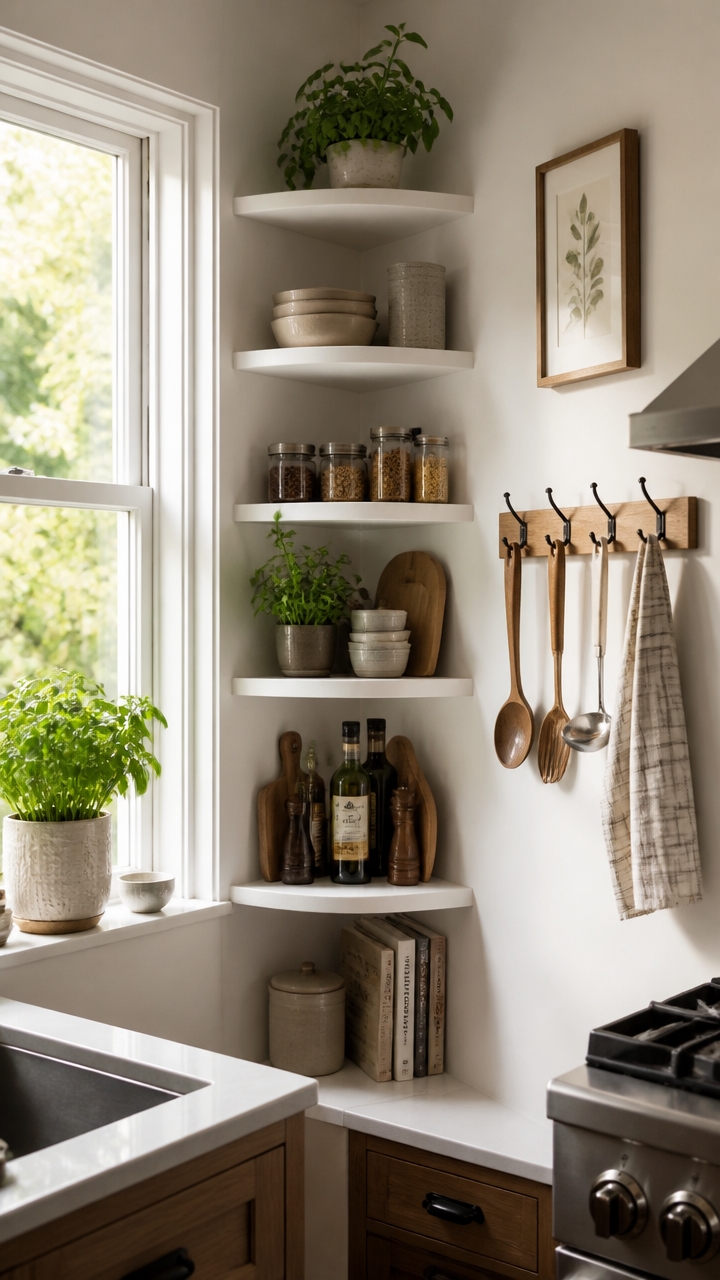
Using corner shelves and hooks effectively transforms awkward spaces into practical storage solutions. Corner shelves maximize unused corner areas, providing extra room for items like plants, books, or decorative bins without blocking main walkways. Adjustable or modular designs allow customization to fit different items and optimize space usage. Installing hooks on corner walls or inside cabinet doors creates convenient spots for hanging keys, bags, scarves, hats, or tools, helping to keep surfaces clear and supplies accessible. Strategically positioning these hooks and shelves ensures that every inch of corner space contributes to your organization, making small homes more functional and less cluttered.
Keep Shopping Mindful: Limit New Items and Practice Intentional Buying
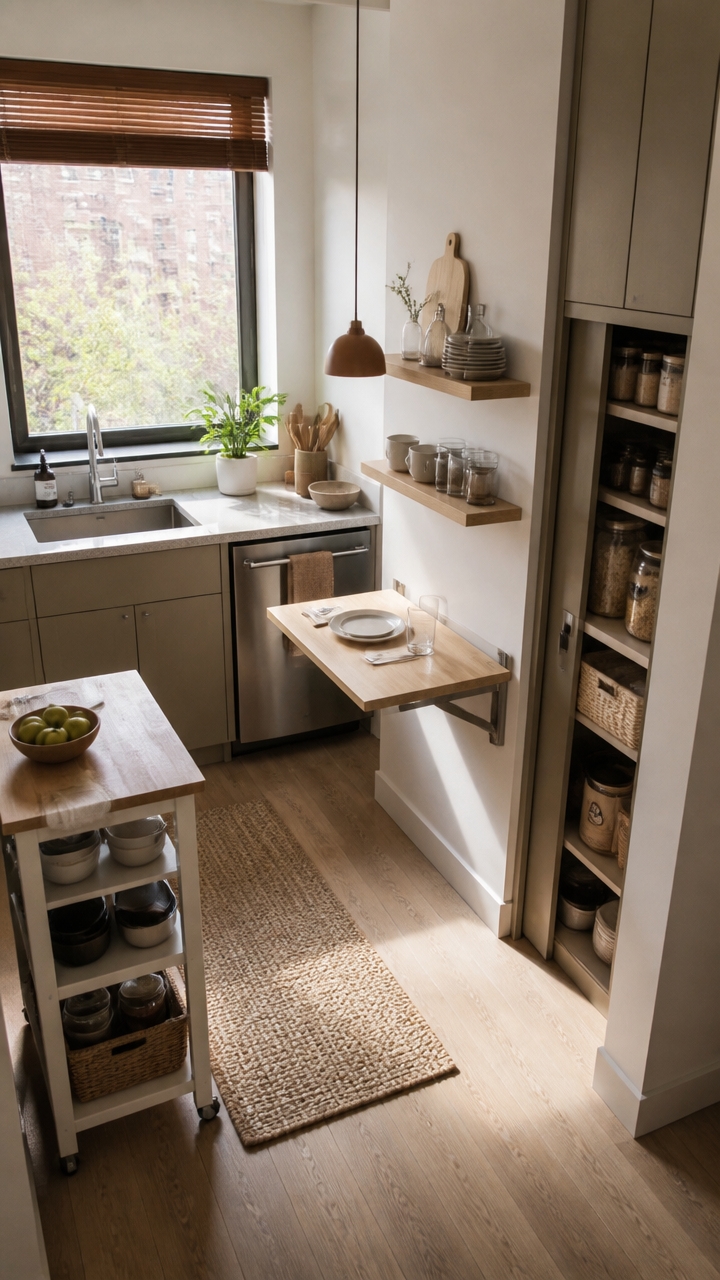
Practicing mindful shopping is essential for maintaining a clutter-free small home. Set a tangible limit, whether monthly or seasonal, on the number of new items you allow yourself to bring in. This helps you stay aware of your overall space and prevents overstocking. Before making a purchase, pause and ask yourself if the item truly adds value, solves a specific problem, or enhances your daily life. Avoid impulse buys by considering if you already have something similar or if the item can serve multiple functions. By adopting these simple habits, you’ll make more deliberate choices that support your small space’s organization and minimize unnecessary clutter.
Maintain Your Organization Routine With Regular Tidying
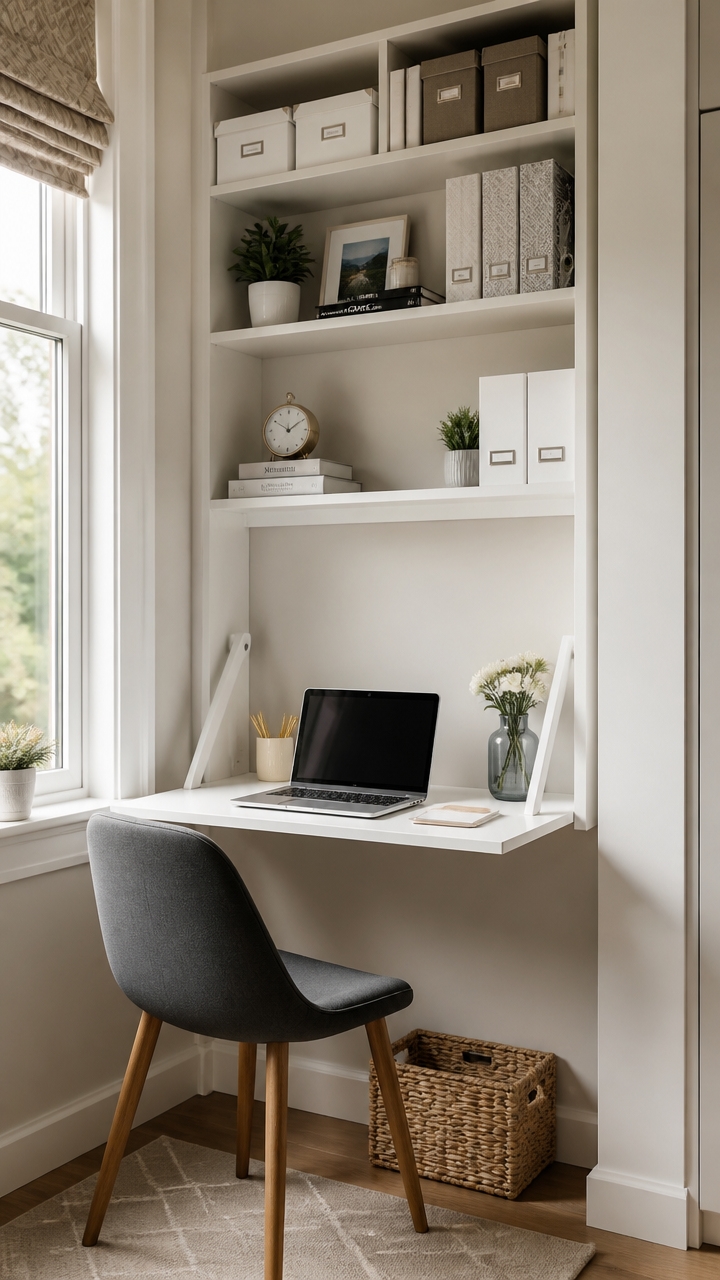
Establishing a consistent schedule for tidying, such as weekly or bi-weekly sessions, is key to preventing clutter from building up in your small home. Regularly dedicating a specific time to tidy ensures that clutter doesn’t accumulate unnoticed, making it easier to maintain a neat environment. Choose a day and time that works for your routine and stick to it, turning tidying into a habitual part of your week. This practice not only keeps your space organized but also minimizes the time spent on larger cleanups later. By carving out moments for regular organization, you create a more relaxing and functional living environment, making small space living much more manageable and enjoyable.
Final Takeaways
From the sleek joinery of Muuto’s “Outline” shelving to the bijoux organizing bins from The Container Store, your small space can feel expansive, yet cocooned in thoughtful design. Embrace the paradox of clutter reduction and curated embellishment, for in mindful choices like a curated colourway inspired by Farrow & Ball’s “Railings” or a freestanding chaise from West Elm, you craft not just a home, but an intimate sanctuary of order amidst the chaos.
- 20 Small Home Space Saving Ideas That Transform Any Space - September 28, 2026
- 23 Small Guest Room Ideas Maximize Space Designers Swear By - September 28, 2026
- 22 Small Space Apartment Ideas That Make a Big Difference - September 27, 2026