
In a cozy corner of your venue, every inch counts, whether it’s a bijoux bar setup by Ferm Living’s “Tove” bar stools, or a cocooning lounge with soft, mohair textiles from Ian Mankin, every decision influences the space’s intimacy and style. For small event spaces, blending vertical joinery with layered lighting creates an atmosphere that’s as inviting as it is functional, with a dash of designer restraint. This is where thoughtful execution becomes essential, and the real artistry begins, so, consider the cues that transform a space from merely usable into sublimely memorable.
Foundations of Small Event Space Design
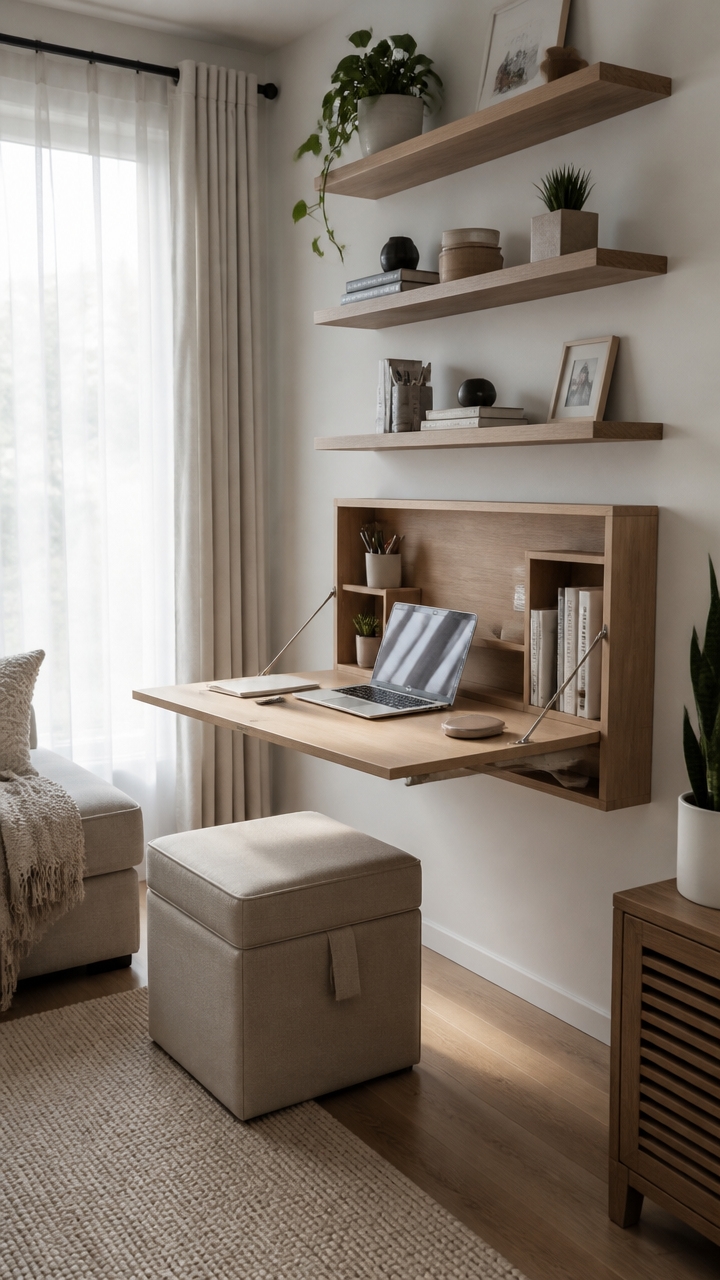
Maximizing vertical space is a key strategy in designing small event venues. By installing hanging lights, you can draw the eye upward, creating an illusion of height and making the space feel less cramped. Wall-mounted décor, such as art, shelving, or decorative panels, adds personality without sacrificing floor area, while tall furniture like elongated cabinets or bookcases helps utilize vertical real estate efficiently. These elements not only enhance the aesthetic but also contribute to an open, airy atmosphere, making the venue feel more spacious and welcoming. Proper implementation involves careful planning of placement so that vertical elements complement the overall flow and purpose of the space, avoiding overcrowding and maintaining ease of movement. Incorporating space-saving strategies is essential for transforming small event spaces into functional and stylish venues.
Maximize Space With Open Layouts and Clear Sightlines
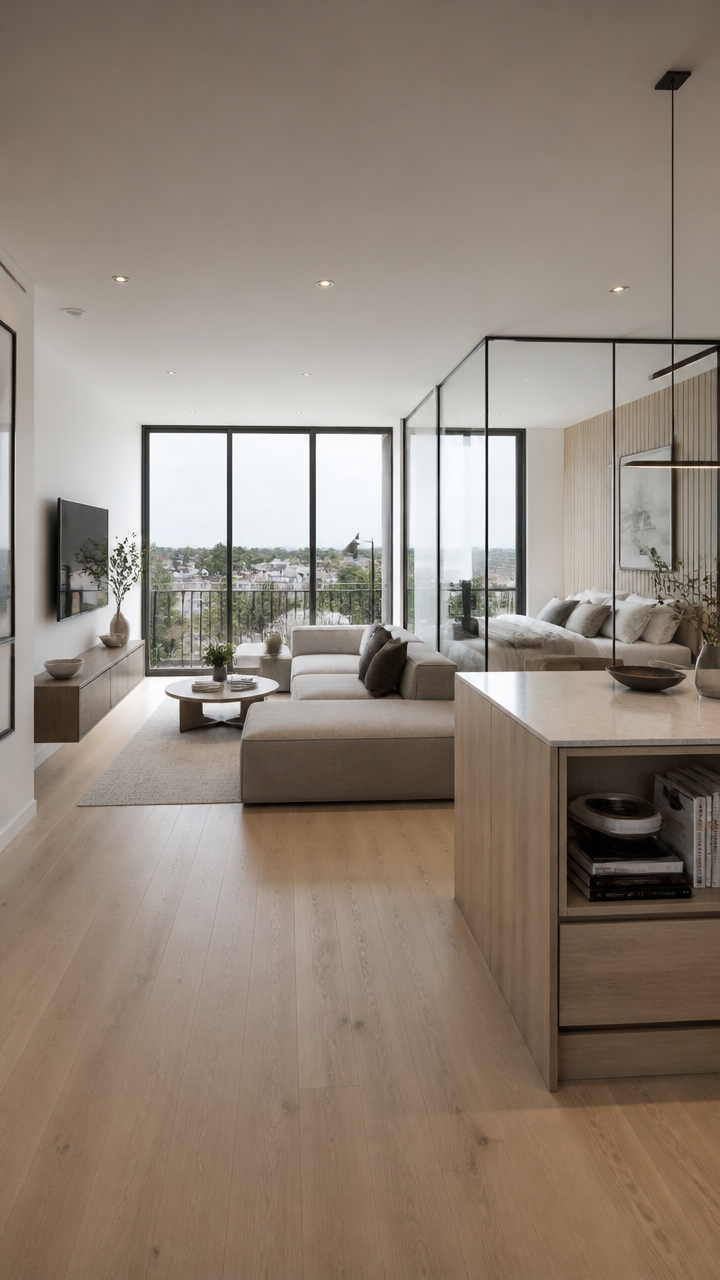
Creating an open floor plan with minimal partitions is one of the most effective ways to make a small event space feel larger and more inviting. By removing walls or heavy dividers, you allow sightlines to stretch across the entire venue, giving a sense of continuity and spaciousness. This design approach not only enhances the visual appeal but also encourages better flow and movement for guests, preventing crowded or cramped conditions. Incorporating space-saving strategies can further optimize the layout and ensure efficient use of every inch of your small space.
To achieve this, consider choosing furniture that is proportionate to the space, large, low-profile pieces like banquet or oval tables work well because they reduce clutter and maintain an airy feel. Position these tables in a way that allows clear pathways through the room, avoiding placement directly against walls. Keeping furniture a few inches away from the walls further enhances perception of space, makes the area more accessible, and prevents the room from feeling confined.
This open, unobstructed layout makes the space more functional for small gatherings, where intimacy and easy interaction are key. Strategically designed sightlines combined with thoughtful furniture placement help you maximize your limited area, creating an atmosphere that feels open and welcoming rather than cramped.
Use Natural Light to Make Your Venue Feel Larger
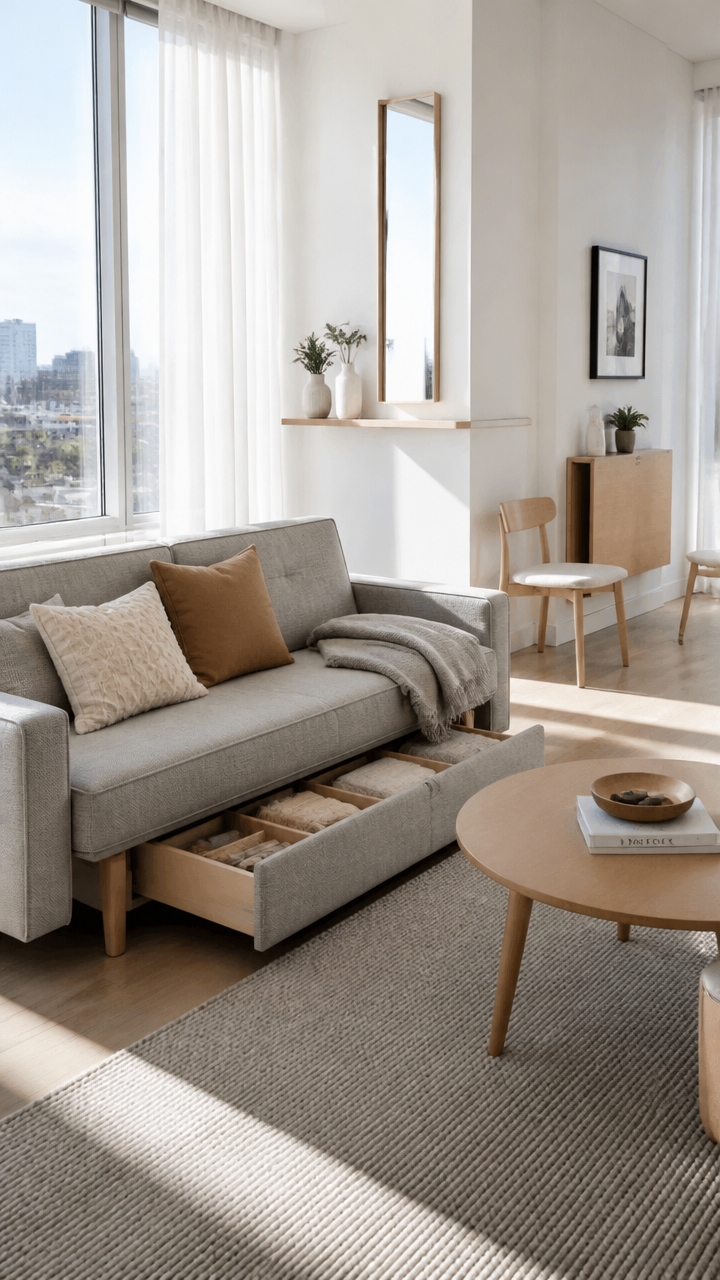
Maximizing natural light is one of the simplest and most effective ways to make a small event space feel more open and inviting. Large windows or skylights allow daylight to flood the room, creating a bright, airy atmosphere that visually expands the space. When planning your layout, position key seating areas and focal points near windows to draw attention to the outdoor views and enhance the sense of openness. Light-colored or sheer window treatments are ideal because they let in more sunlight while providing privacy and softening glare. During events, consider removing heavy or dark curtains that can block light and make the room feel more confined. To further amplify natural brightness, place mirrors opposite windows to reflect daylight throughout the space, doubling the perception of openness. Understanding space-saving strategies can help you optimize every square inch and create a more spacious vibe. These simple adjustments can transform an intimate setting into a spacious, welcoming environment for your guests.
Choose Light Colors for a Bright, Airy Atmosphere
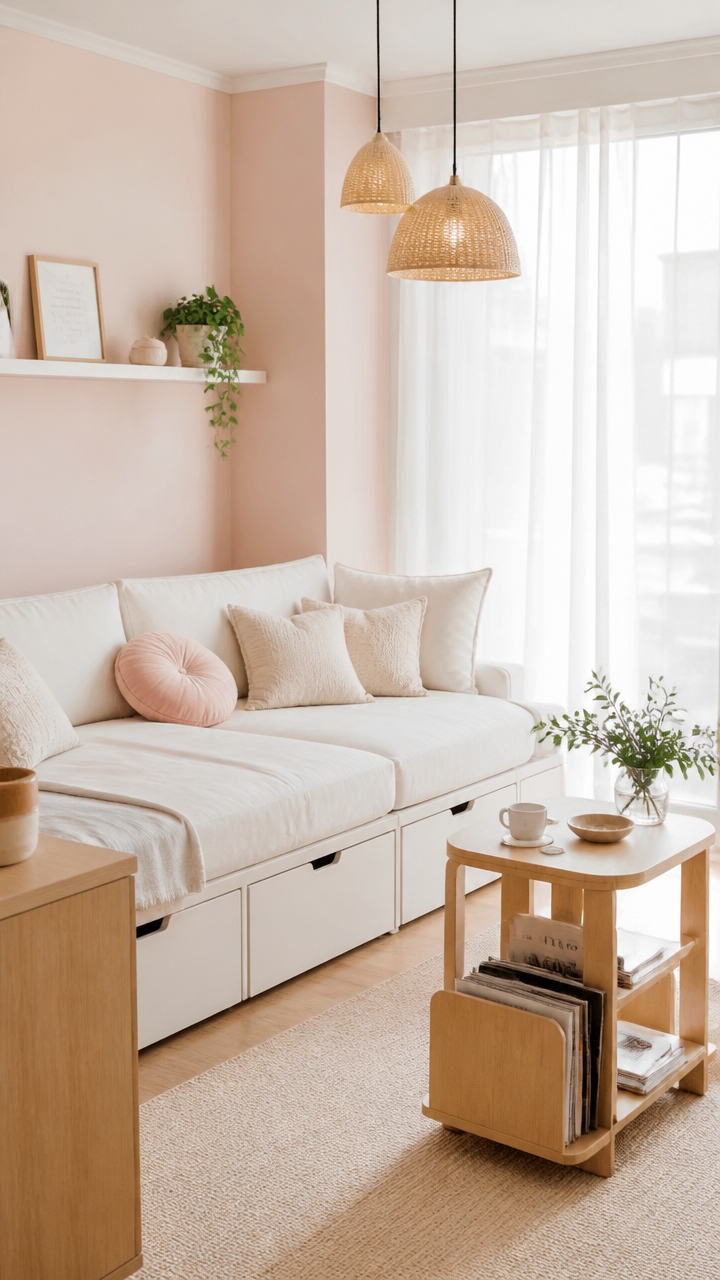
Using light colors in your small event space is a simple yet powerful way to create a welcoming and spacious feel. Light shades such as white, cream, and pastel hues reflect natural light effectively, making the area appear larger and more open. Applying these colors to walls and furniture minimizes visual clutter, helping the space feel clean and organized, ideal for hosting small gatherings. Pale textiles and decor items further enhance brightness, reducing the need for excessive artificial lighting during events. Incorporating light colors also provides a versatile backdrop that can easily adapt to different themes and color schemes, giving you flexibility in decorating your space. When planning, consider choosing light-colored paint for walls and furniture and complementing these with pale textiles on tablecloths, curtains, and cushions. Strategically placing these shades to maximize natural light will amplify the sense of height and openness, making your small venue feel more inviting and airy. Light reflection plays a crucial role in enhancing the overall |brightness and perceived spaciousness of the room.
Elevate Space With Vertical Lighting and Uplights
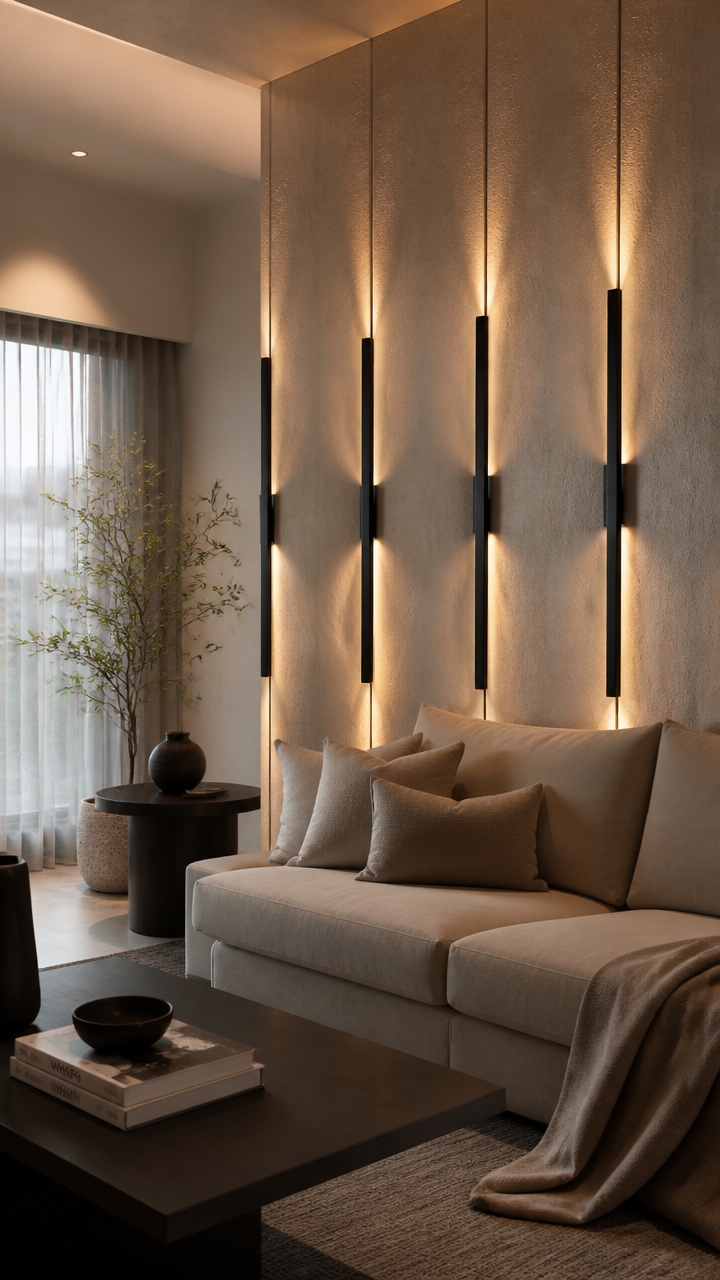
Strategic use of uplighting can dramatically enhance a small event space by creating the illusion of higher ceilings and adding visual interest. Placing uplights on the floor around key architectural features such as walls, columns, or focal points draws the eye upward, emphasizing verticality and making the room feel more expansive. To achieve the best effect, position uplights approximately 30-36 inches above the floor, aiming them at walls or surfaces to cast upward beams. This placement accentuates height and depth without cluttering the space with bulky fixtures. Incorporating lighting techniques like this can further refine the ambiance and make the most of limited space.
Uplights can be customized in color to match your event theme or mood, whether aiming for a subtle glow or a bold splash of vibrant hues. By highlighting specific areas like a focal wall or stage, uplighting creates a dynamic atmosphere and adds an element of sophistication. Practical considerations include choosing adjustable or remote-controlled fixtures for flexibility and ensuring that cords are concealed for a clean look. Incorporating uplights thoughtfully allows for a more inviting, spacious ambiance that maximizes your small event space’s potential.
Incorporate Translucent Decor and Minimalist Textiles
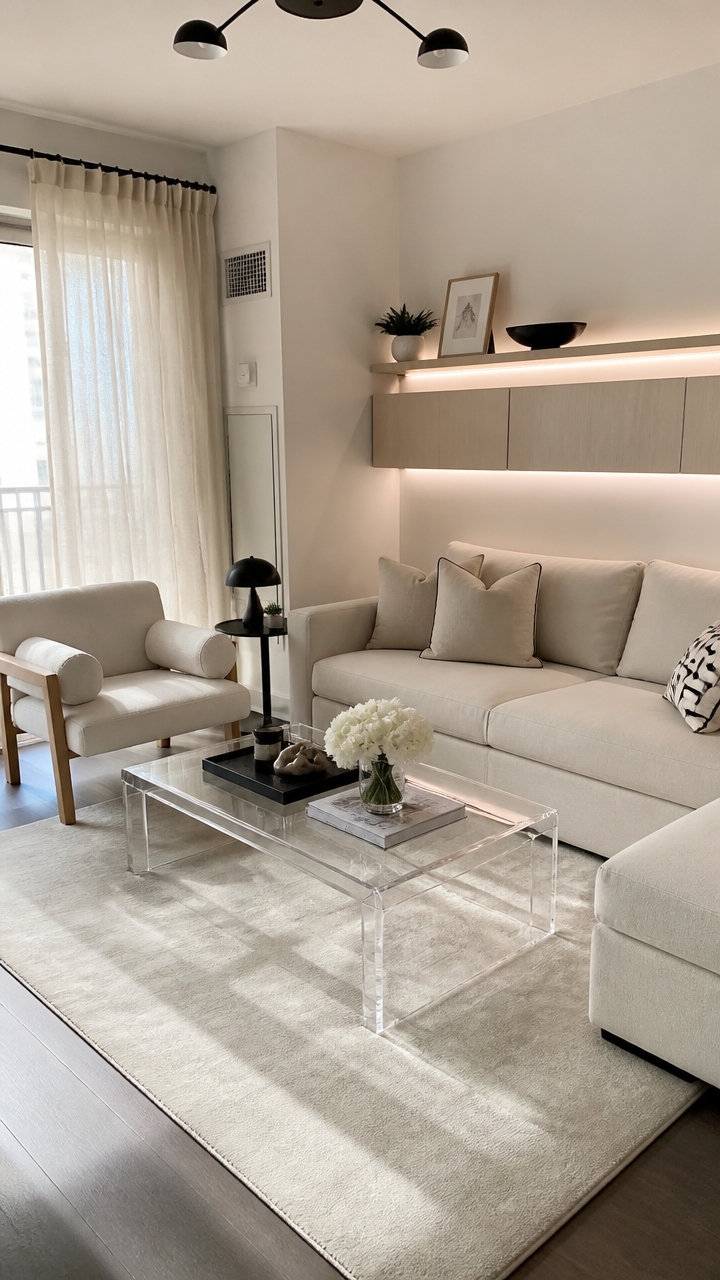
Incorporating translucent decor elements and minimalist textiles into a small event space can make a significant difference in creating a welcoming and open atmosphere. Translucent decor items like glass votives, acrylic furniture, or clear acrylic chairs allow light to pass through, visually expanding the area and reducing visual clutter. Placing these items strategically on tables or as accents around the room ensures the space feels airy without sacrificing style.
Pair these with minimalist textiles such as solid-colored tablecloths and simple runners. Choosing fabrics in neutral tones or light hues helps emphasize clean lines and keeps the space feeling uncluttered. Using plain, unembellished linens allows other decor elements to stand out while maintaining a cohesive, spacious look.
Adding sheer curtains or translucent fabrics for window treatments softens natural light, spreading it evenly across the room and creating a seamless shift between walls and windows. This visual continuity enhances transparency and openness, making the space feel larger and more inviting.
In small event spaces, focusing on subtle textures and transparent materials makes the environment feel less crowded and more elegant. These choices help maximize the feeling of openness, allowing your event to look stylish while maintaining comfort and functionality.
Simplify With Low-Profile Centerpieces and Clear Materials
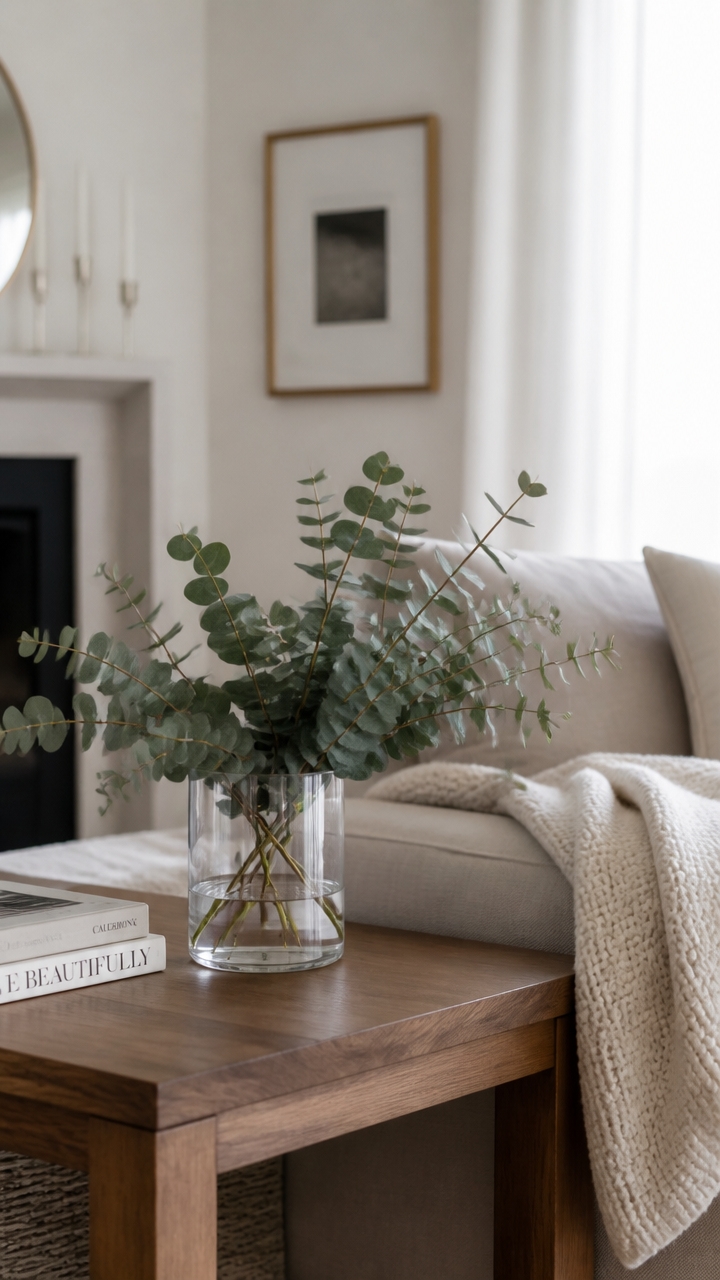
Using low-profile centerpieces like candles, small vases, or stacked books is an effective way to enhance an intimate event space without cluttering sightlines. These items sit just above table level, allowing guests to see each other across the table easily and maintain a sense of openness. When selecting centerpieces, focus on proportion, avoid large, bulky arrangements that can dominate the table. Placing them towards the center or slightly off-center provides balance while keeping the overall look streamlined.
Incorporating clear materials like glass votives, acrylic stands, or translucent chairs further amplifies the sense of space. Transparent or semi-transparent furniture elements do not visually weight down the room, making it feel larger and less crowded. These pieces pick up and reflect light, creating a bright, airy atmosphere that is welcoming and comfortable for guests.
Practical considerations include ensuring that these clear items are sturdy and easy to clean, and selecting sizes that complement the table dimensions to avoid visual clutter. By combining low-profile decor with transparent materials, you can craft a sophisticated, open ambiance perfect for small event spaces without sacrificing style or functionality.
Create Cozy Nooks and Micro-Sections for Intimacy
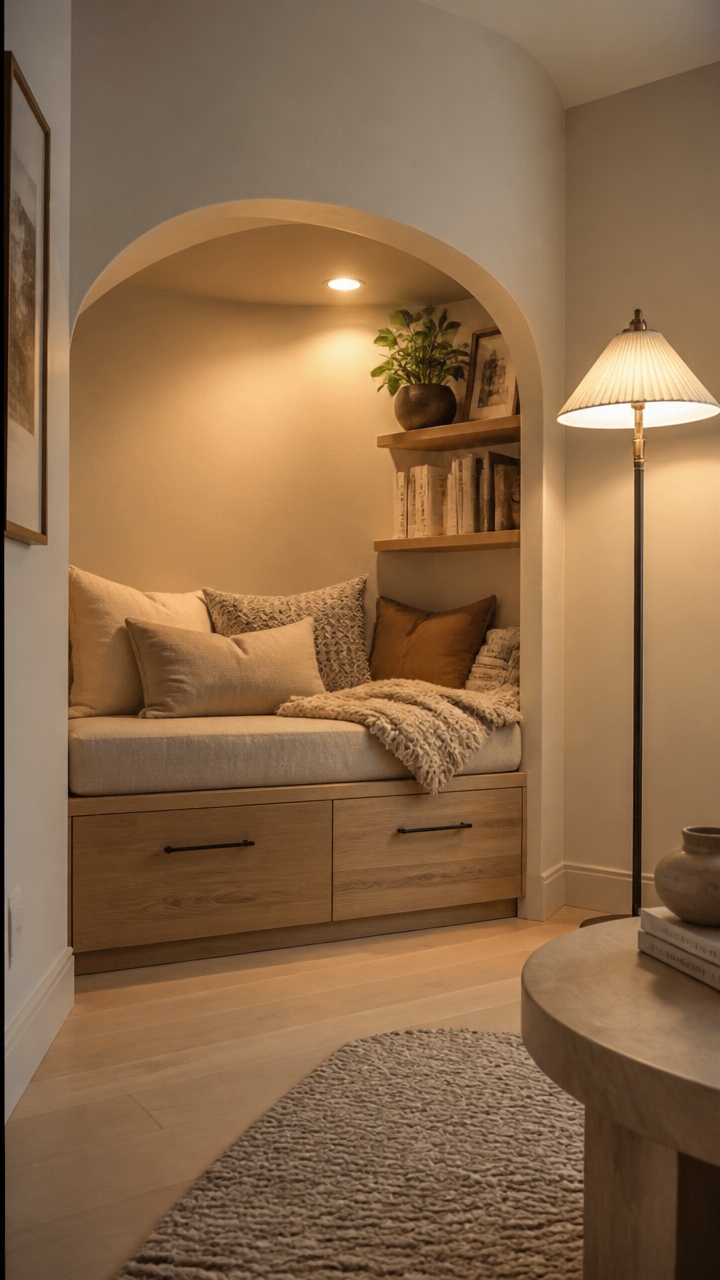
Designing small event spaces around cozy nooks or micro-sections can markedly enhance the atmosphere, making the area feel inviting and personal. To achieve this, arrange furniture into small clusters or semi-enclosed corners that encourage intimate conversations and relaxed interactions. For example, grouping a couple of armchairs around a low table can create a charming chat nook, perfect for small gatherings. Using low-profile furniture helps define these spaces without overwhelming the overall room, maintaining a sense of openness. Incorporate soft lighting, such as table lamps or string lights, to highlight these areas and foster a warm ambiance. Including personal touches like cushions, throws, or decorative items can further personalize each nook, making guests feel comfortable and at home. When designing these micro-sections, consider the flow of movement to ensure they feel accessible yet distinct, and choose durable, easy-to-maintain decor for practicality. Ultimately, thoughtfully crafted cozy corners can make your small event space feel larger and more inviting while providing designated spots for meaningful interactions.
Arrange Seating With Round Tables and Circular Layouts
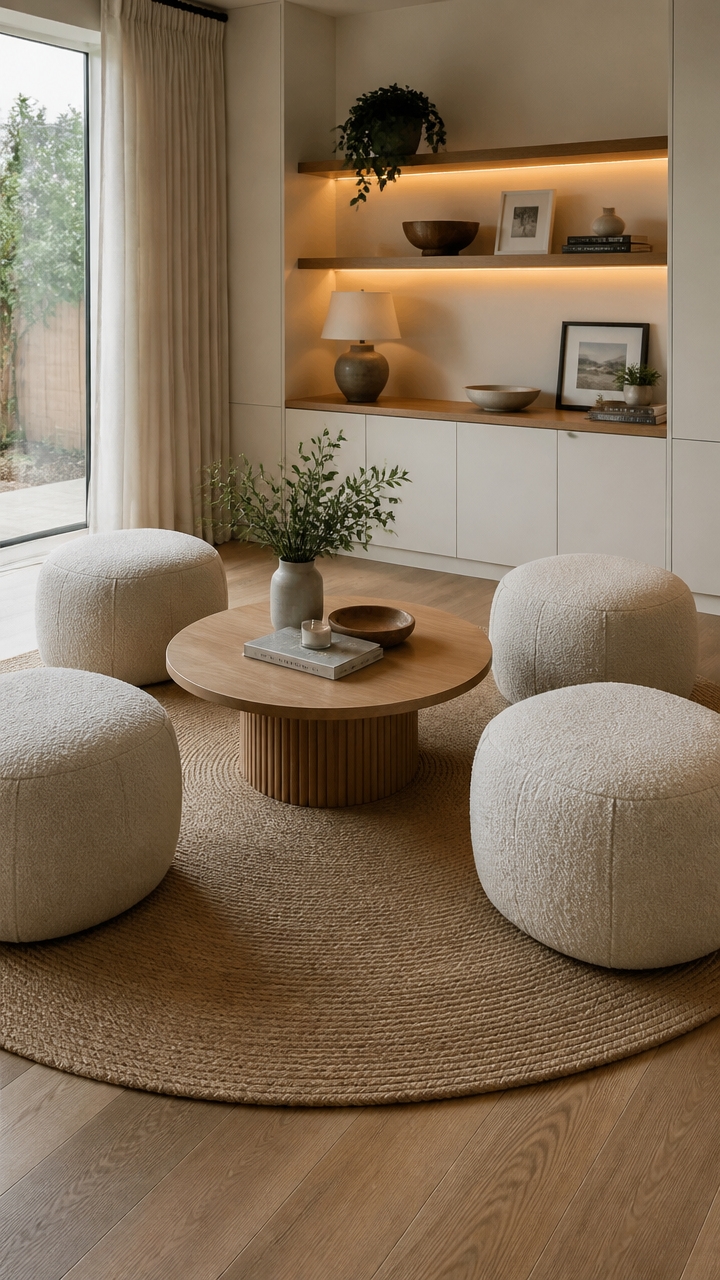
Using round tables and circular arrangements allows for a more natural flow of conversation and interaction among guests, making your small event feel more inclusive and lively. These layouts eliminate sharp corners and awkward angles, resulting in a softer, more open environment that can make even tight spaces appear larger and more welcoming. When planning your seating, consider placing tables in a central position to maximize space efficiency, or grouping them in half or full circles to encourage intimacy and engagement. Opt for lightweight or stackable tables that can be easily moved or stored when not in use, providing flexibility for your event setup. Choose simple, cohesive tableware and centerpieces that enhance the circular theme and keep the overall look balanced. Circular seating arrangements help create a harmonious visual aesthetic and foster equal participation, making your small event feel more spacious and connected.
Use Multi-Functional, Foldable Furniture for Flexibility
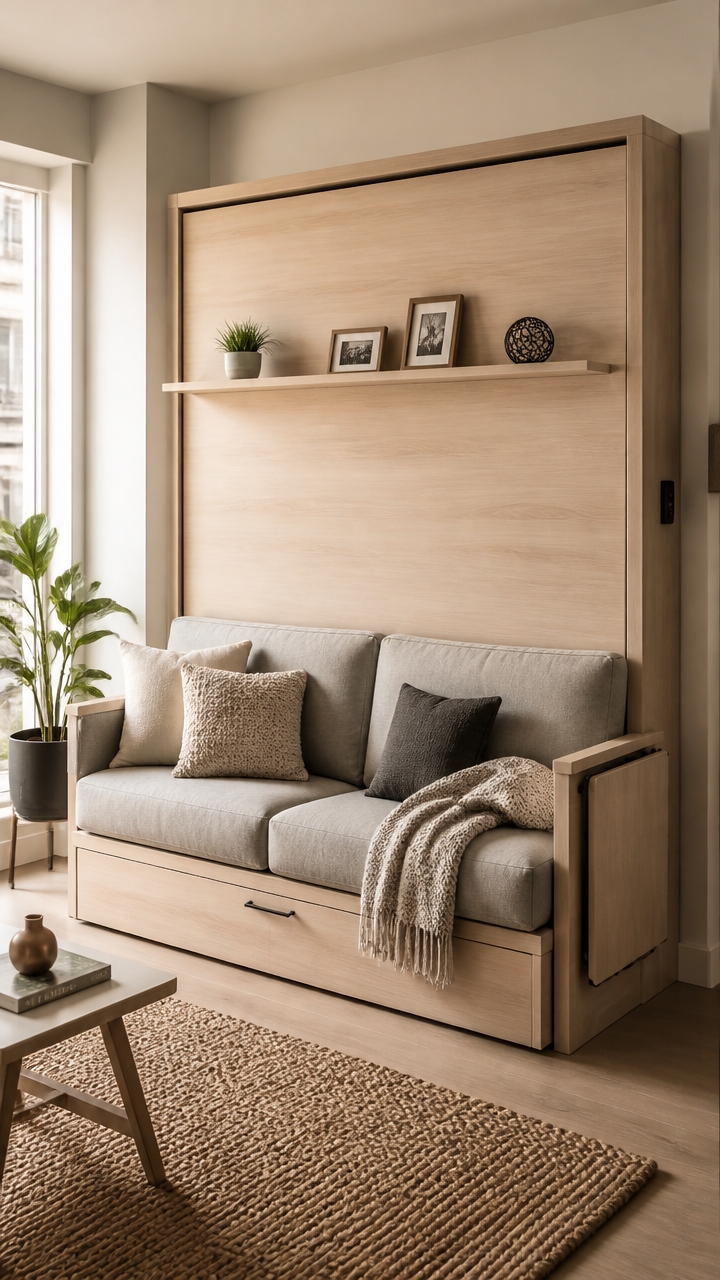
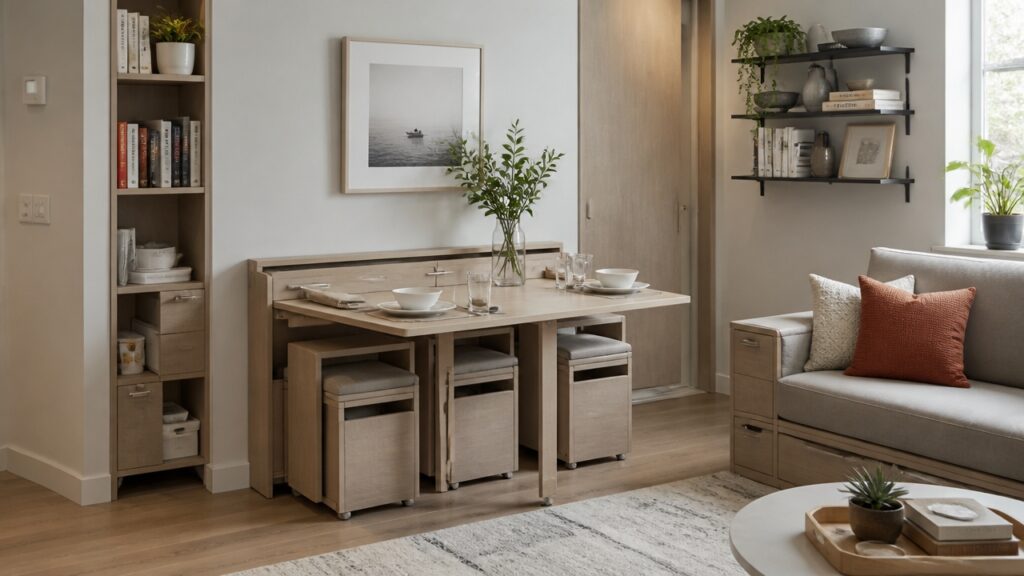
In small event spaces, versatility is key to maximising limited square footage. Incorporating foldable furniture with dual purposes, such as storage ottomans or extendable tables, can transform the environment rapidly to suit different needs. These pieces are designed to serve more than one function; for example, a foldable table can be expanded for larger gatherings or collapsed for intimate settings, saving space when not in use. Storage ottomans not only provide extra seating but also hide away essentials or decorations, keeping the area tidy and clutter-free. Their lightweight construction makes setup and teardown quick and effortless, reducing the strain during events. When selecting foldable furniture, consider proportions to ensure proper fit within your space, and opt for materials that match your decor while maintaining durability. Storing these pieces efficiently, either on-site or in designated storage areas, further enhances your ability to adapt the space effortlessly for any occasion.
Add Visual Interest With Statement Art and Backdrops
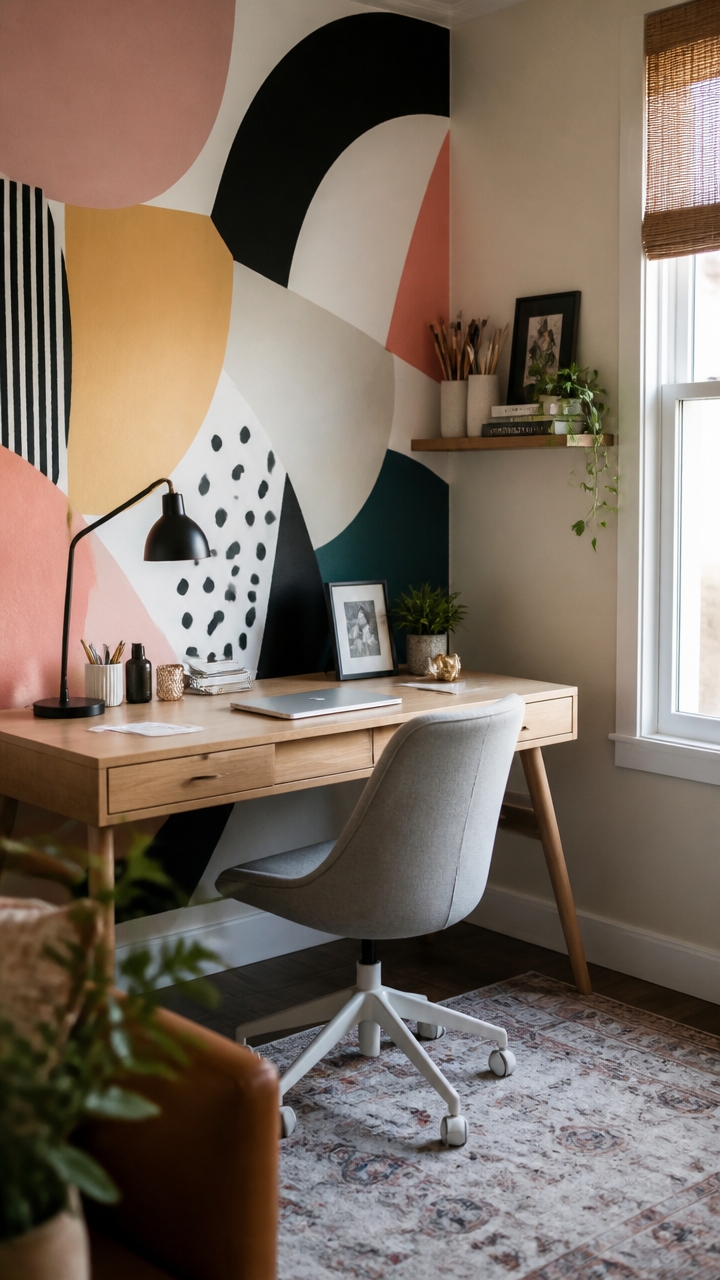
In small event spaces, creating a focal point is essential to make the area feel engaging and visually appealing. Incorporating large statement art pieces or murals can serve this purpose perfectly. These pieces act as eye-catching centerpieces that draw guests’ attention immediately and inject personality into the space. When choosing artwork, consider bold colors, thematic imagery, or abstract designs that reflect the event’s vibe. Position them on a primary wall where they can be easily seen, but avoid overcrowding the area to keep the space feeling open.
Colorful or themed backdrops behind key areas like the dessert table or photo station are another excellent way to add visual interest. Use vibrant fabrics, custom printed panels, or themed decorations that complement the event’s palette. Such backdrops not only enhance the aesthetic but also naturally frame photo opportunities, encouraging guests to take memorable pictures. Be mindful of the backdrop’s proportion relative to the space so it doesn’t overwhelm the area.
Incorporating these design elements thoughtfully transforms a small venue into a lively and personalized setting, making each moment more memorable for guests while maintaining a balanced and inviting atmosphere.
Use Candles and Soft Lighting for Warmth and Dimension
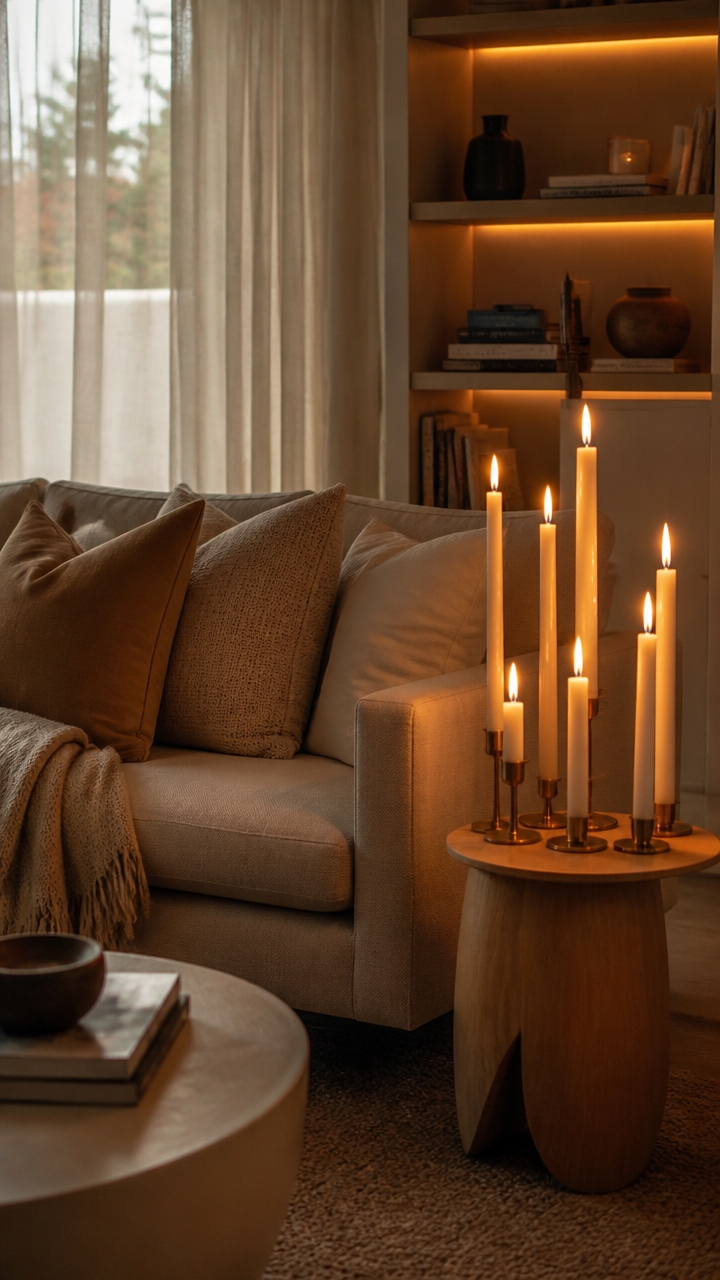
In small event spaces, the strategic use of candles combined with soft, dimmable lighting creates a welcoming and intimate atmosphere. Varying candle heights and sizes add visual interest, making the space feel more layered and dynamic. Placing candles on tables or shelves allows their gentle glow to spread evenly, reducing harsh shadows and fostering a cozy vibe. Incorporating scented candles subtly engages guests’ senses, enhancing the overall ambiance without overwhelming the space. Pairing candles with dimmer soft lights helps highlight focal areas while maintaining a dimensional environment, ensuring your small event feels warm, inviting, and thoughtfully designed.
Optimize Layouts With Accurate Diagrams for Space Efficiency
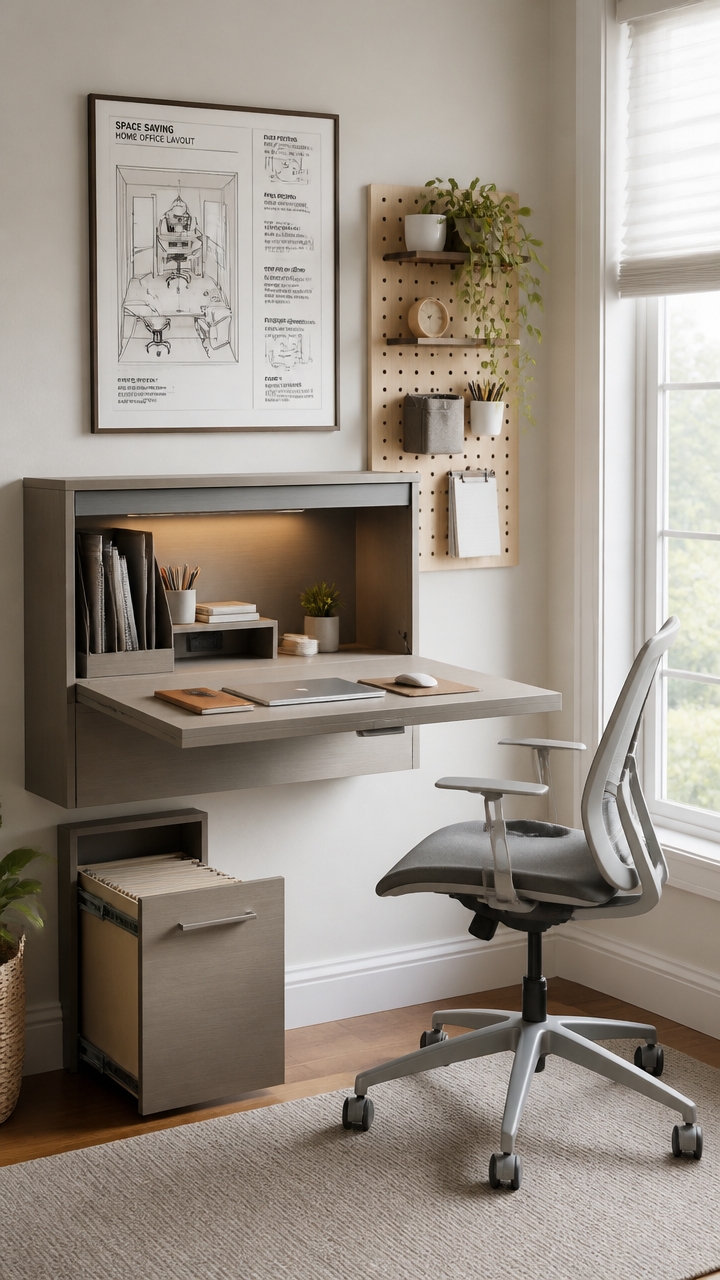
Creating accurate diagrams of a small event space is essential for visualizing the ideal placement of furniture and pathways. Using scale diagrams ensures that every element fits comfortably within the available area, helping to prevent overcrowding and facilitating smooth guest movement. By carefully plotting the layout beforehand, event planners can identify potential bottlenecks and adjust furniture arrangement accordingly. These diagrams also highlight sightlines and focal points, allowing for strategic placement of key features like stage or decor to guarantee all guests have clear views. Regularly reviewing and updating the floor plan allows for flexibility, accommodating changing attendance or activity needs without disrupting the flow or comfort of the space. Implementing this practice ultimately leads to a more efficient, enjoyable event experience for everyone.
Plan Your Decor to Enhance Focus and Flow
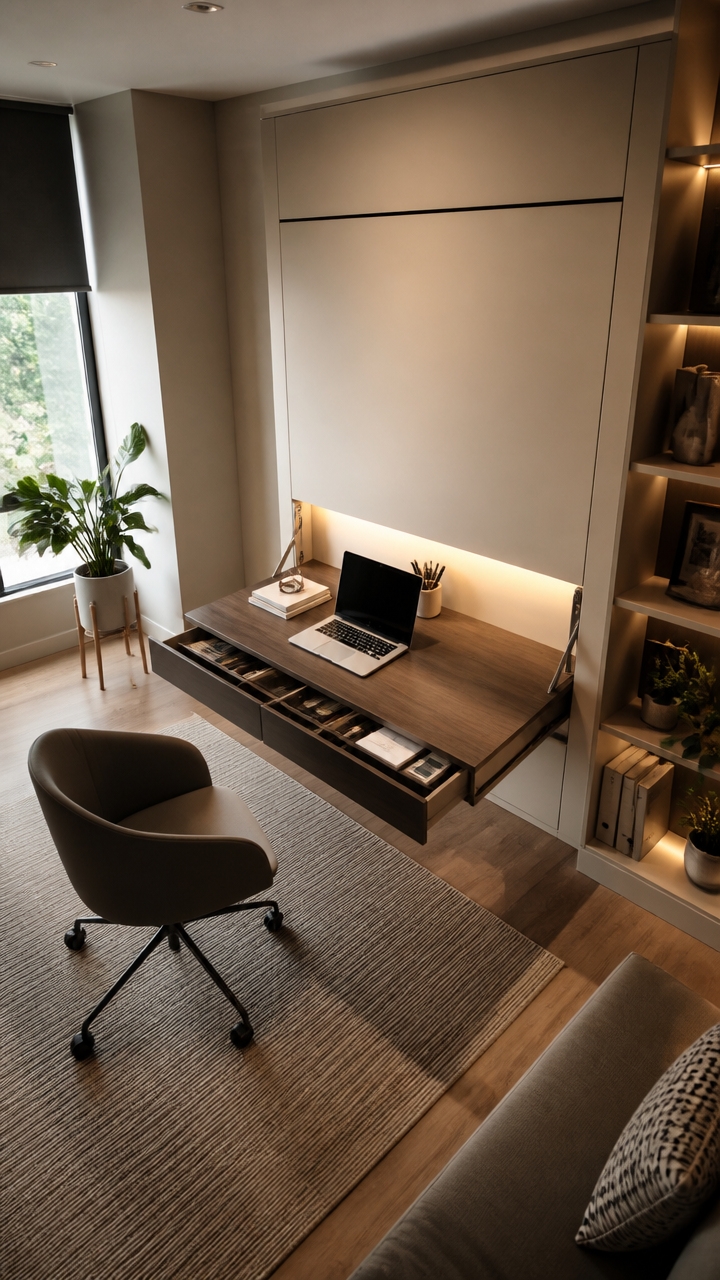
Using minimalistic decor with cohesive color schemes is essential in small event spaces to maintain clear sightlines and prevent visual clutter. Select a neutral or monochromatic palette that complements your overall theme, and stick to a few key decorative elements to create a unified look. This approach allows your space to feel open and organized, making it easier for guests to focus on the event rather than on excess decor.
Incorporate vertical elements such as tall centerpieces or hanging lights to draw the eye upward. Vertical accents add perceived height and openness to a small room, making it feel less cramped. Tall arrangements can be simple, like slim floral or greenery displays, or elegant pendant lights that cascade from the ceiling, which also free up surface space below.
Arrange furniture in flow-oriented layouts, such as circles or semi-circles, to facilitate conversation and ensure easy movement throughout the space. These layouts promote an inclusive atmosphere and help guests navigate naturally without obstruction. Keep pathways clear and avoid overcrowding with excessive furniture, choosing versatile pieces that can be easily moved or reconfigured as needed.
Focus lighting on key areas with uplights and candles to set the mood and define different zones within your small space. Uplights placed beneath or behind focal points create visual interest and draw attention upward, while candles add warmth and ambiance. Thoughtful lighting helps guide guests’ eyes and enhances the overall flow of the event.
Keep surfaces uncluttered by selecting decor elements that serve multiple purposes. For example, a stylish storage ottoman can double as seating and conceal event supplies, while decorative trays can organize table essentials. Using multifunctional decor helps maintain a streamlined look, ensuring the space remains focused, functional, and inviting.
Modified sentence for “ensure”:
Arrange furniture in flow-oriented layouts, such as circles or semi-circles, to facilitate conversation and guarantee easy movement throughout the space.
Incorporate Textures and Scent for a Memorable Experience
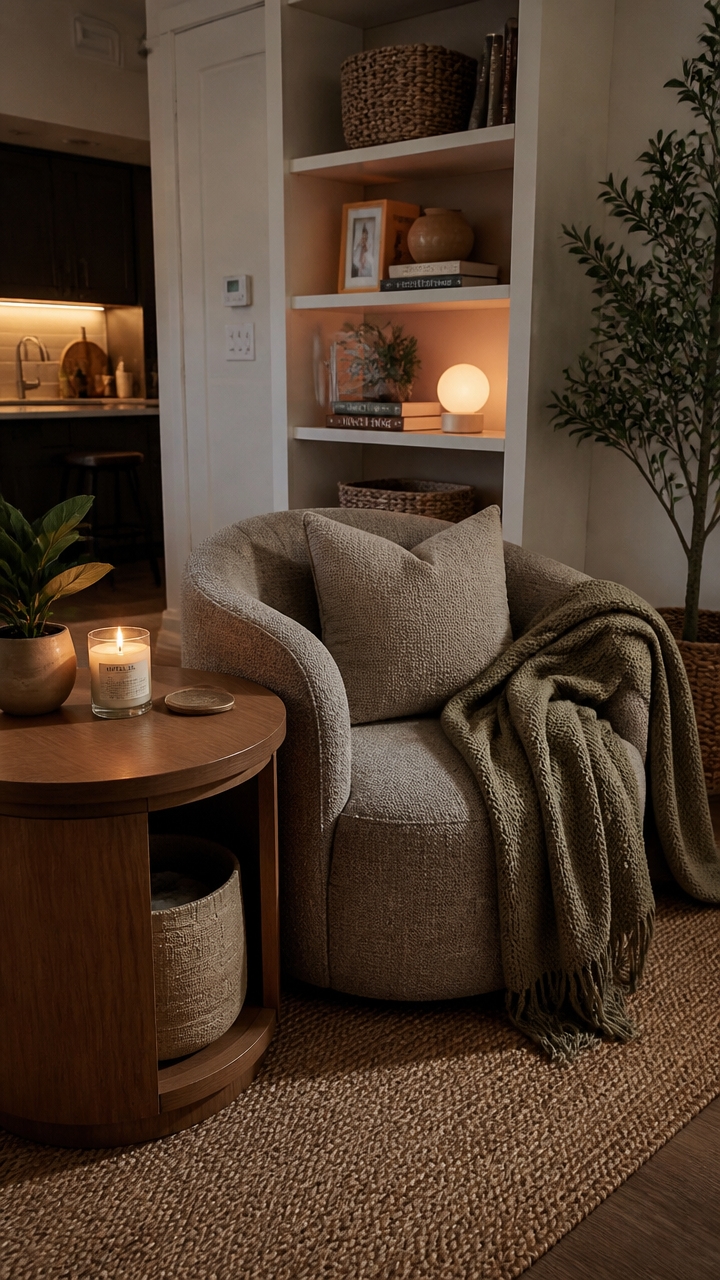
Incorporating textures and scent into a small event space can transform an ordinary gathering into a memorable sensory experience. Use plush rugs or velvety table runners to add visual softness and tactile comfort, encouraging guests to relax and linger. Introducing rough-hewn wooden accents or textured ceramics provides contrast and visual interest, making the decor more dynamic and engaging to the touch. Layering these textured elements with soft lighting, such as string lights, candles, or hidden LEDs, creates gentle shadows that add depth and warmth to the space, enhancing its cozy atmosphere.
Scent plays a subtle yet powerful role in elevating the ambiance. Scented candles or diffusers with fragrances like lavender, vanilla, or citrus can make the environment inviting and sophisticated. Selecting scents that complement the event theme, like fresh herbs for a garden-inspired gathering or floral sprays for a springtime celebration, can subtly stimulate guests’ senses and create lasting memories. Be mindful of fragrance intensity to ensure it enhances rather than overpowers the space. Strategically positioning these scent elements near seating areas or entry points maximizes their effect without cluttering the decor.
Combining texture and scent thoughtfully can turn a small event space into a multisensory sanctuary that feels welcoming, intimate, and engaging, making every guest’s experience truly special.
Leverage Small Event Space Ideas for Impactful Settings
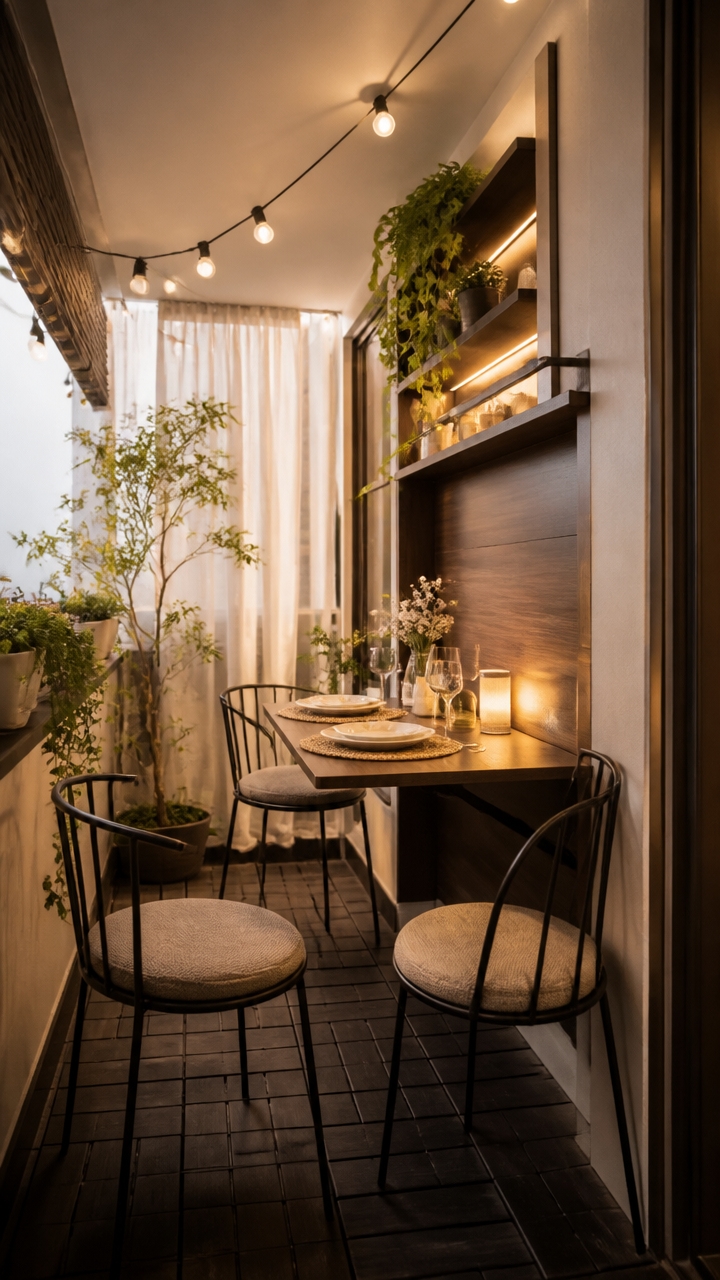
Creating an impactful small event space requires strategic use of the available area to make it feel larger, inviting, and engaging. One effective approach is to utilize vertical space by hanging lights or wall-mounted décor. These elements draw the eye upwards, freeing up floor space and adding visual interest without clutter. Position hanging fixtures above key areas like the seating or gathering zones to highlight focal points. Wall-mounted art, shelving, or vertical gardens also add personality while maintaining an open, airy feel. This technique makes the venue appear more expansive and dynamic, ensuring your event leaves a lasting impression even in limited spaces.
Use Event Planning Software to Visualize Your Setup
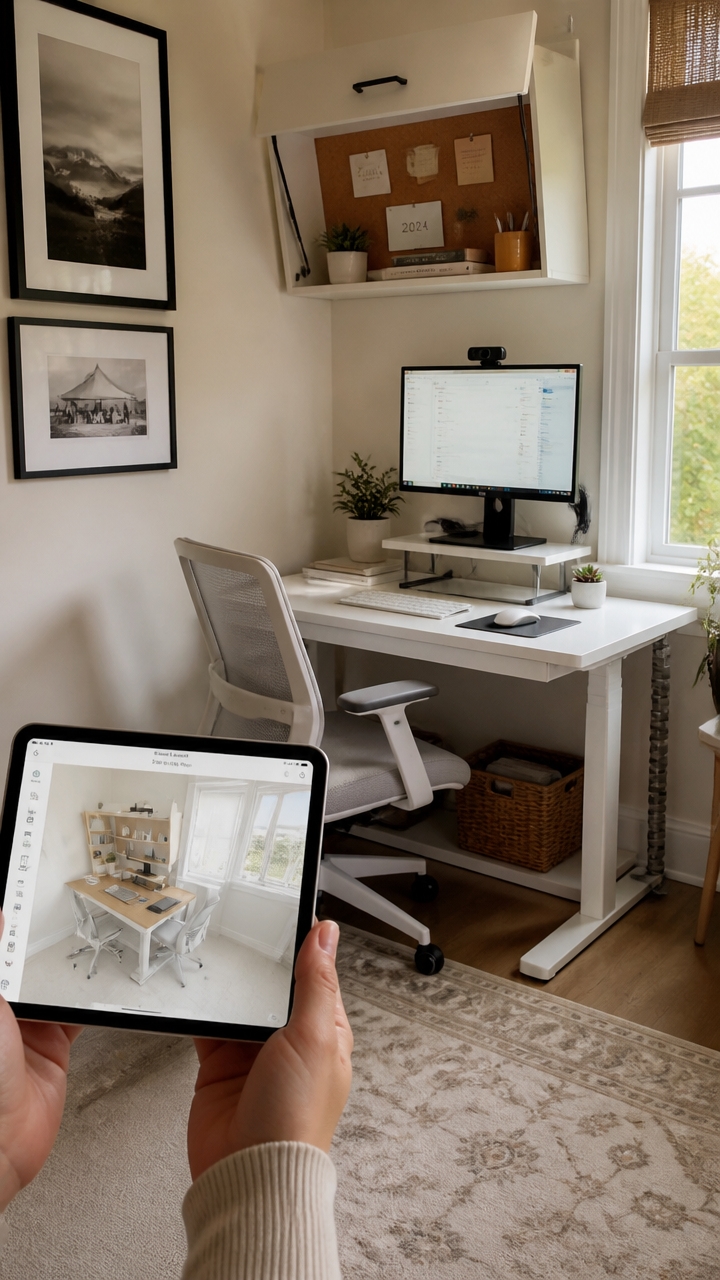
Using event planning software to visualize your setup can transform how you design small event spaces. These digital tools allow you to create detailed, accurate floor plans that are scalable, providing a clear representation of how furniture, decor, and equipment will fit within your limited area. By experimenting with different arrangements digitally, you can optimize guest flow and guarantee there’s enough space for comfortable movement.
Many platforms offer features like 3D rendering and virtual walkthroughs, giving you a realistic preview of your event setup before any physical work begins. This visualization helps you identify potential congestion points or awkward layouts early, saving you time and costly adjustments during setup. Additionally, real-time collaboration with clients, vendors, and team members allows everyone to approve the layout beforehand, reducing miscommunications and ensuring the event design aligns with everyone’s expectations.
Using this software streamlines planning, enhances precision, and ultimately contributes to a more organized, enjoyable event experience, even in small spaces.
Maximize Functionality Through Strategic Zone Design
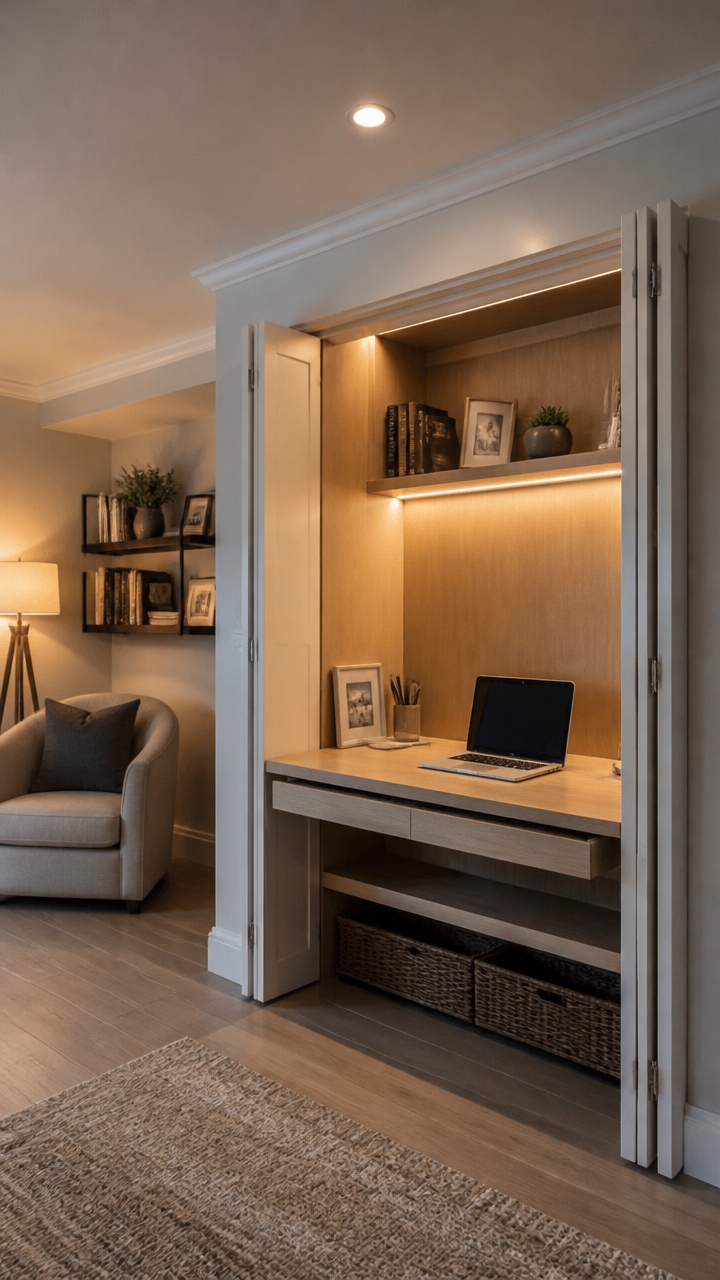
Dividing your small event space into distinct zones, such as seating, dining, and activity areas, can dramatically improve both flow and usability. Start by visually defining each zone using furniture placement and area rugs. For example, position seating arrangements away from the dining area with a rug to create a cozy lounge space, while a different rug or a change in furniture orientation can delineate the dining zone. This approach creates clear functional boundaries without the need for physical barriers, making the space feel open yet organized.
Incorporate multi-purpose furniture to enhance versatility within each zone. Ottomans that double as extra seating or storage, fold-out tables, and stackable chairs can adapt to different needs, preventing clutter and maximizing space. When arranging zones, place food stations and bars strategically to allow easy movement and avoid congestion. Position these features along pathways or at natural progression points to facilitate smooth flow during events.
Ensure each zone has appropriate lighting and decor tailored to its purpose. Softer lighting and warm decor create an inviting atmosphere for lounging, while brighter, focused lighting suits dining or active areas. Thoughtful design of each zone not only enhances functionality but also elevates the overall ambiance, making your small event space welcoming, efficient, and memorable.
Enhance Engagement With Creative Seating and Interaction Zones
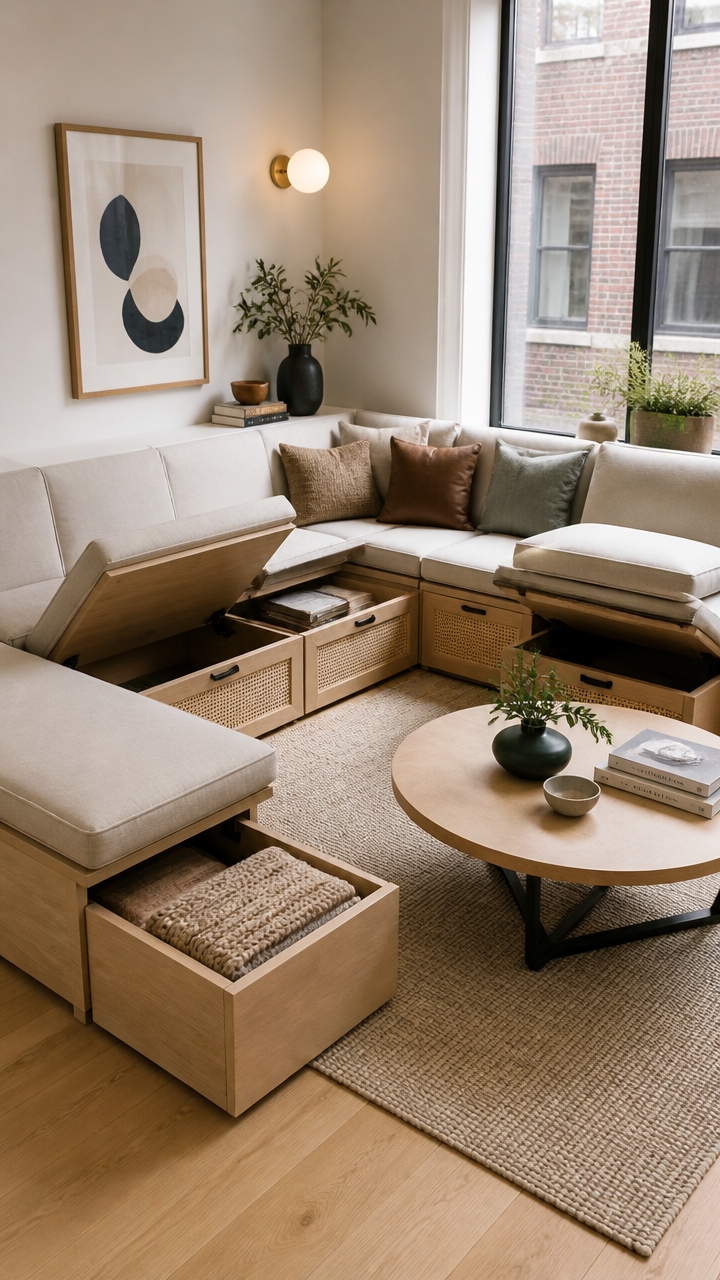
Creating designated areas for interaction can substantially boost engagement at small events. Incorporate small, flexible zones such as game tables or photo booths in accessible corners to encourage guests to mingle and participate actively. These areas serve as focal points for conversation and fun, making the space feel lively without overwhelming it. Position them near main activity zones or entry points to draw attention naturally. Using portable or multi-functional furniture, like foldable tables or stackable chairs, makes it easy to set up, rearrange, or store these zones as needed, maintaining flexibility. Choosing playful, inviting decor and lighting for these zones can further entice guests to gather and create memorable moments within the limited space.
Focus on Key Decor Elements to Add Charm Without Clutter
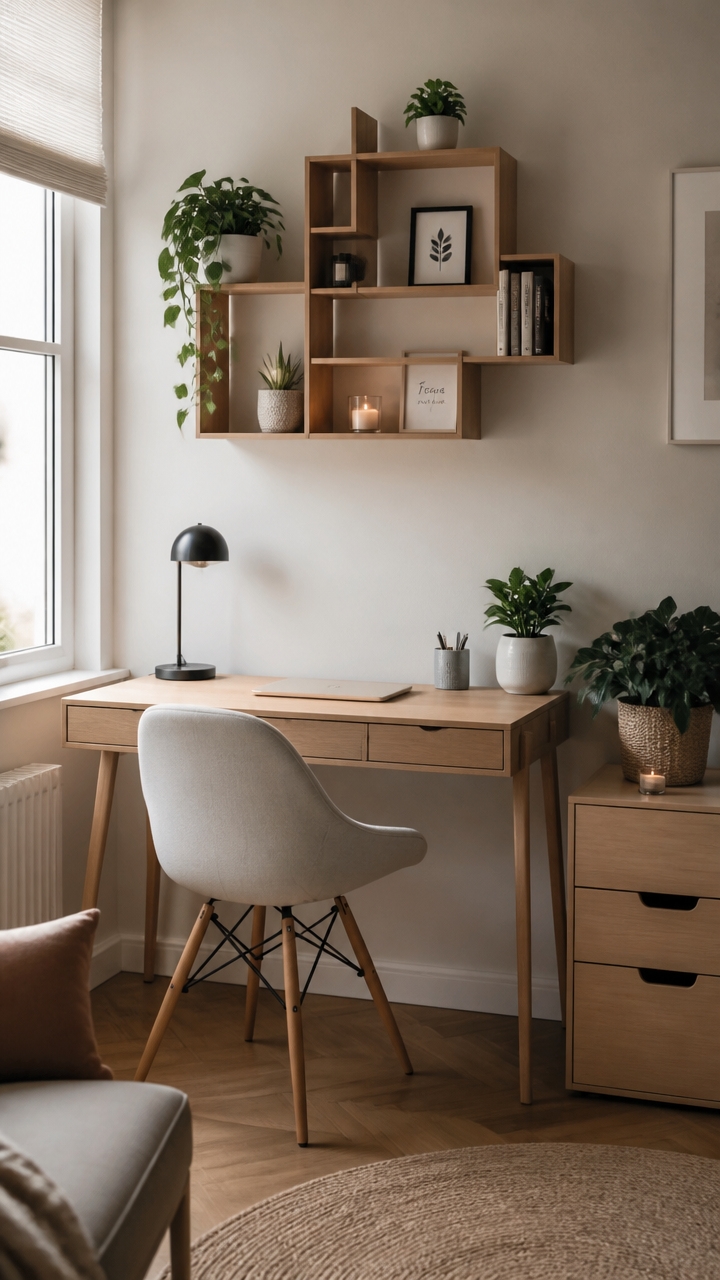
In small event spaces, less truly is more. Instead of overcrowding surfaces and walls with numerous decorations, choose a few impactful decor elements that create visual interest and charm without overwhelming the space. Statement centerpieces such as a single elegant candle arrangement, a distinctive small vase with fresh flowers, or a stack of vintage books can serve as focal points that draw attention and set the mood. Position these pieces thoughtfully on tables or side surfaces, ensuring they don’t block sightlines or hinder movement. Limiting decorative accessories helps maintain an open, inviting atmosphere while still showcasing personality and style. By focusing on quality over quantity, your small event space can feel both charming and effortlessly organized.
Tailor Your Design for Small Venues: Tips and Tricks
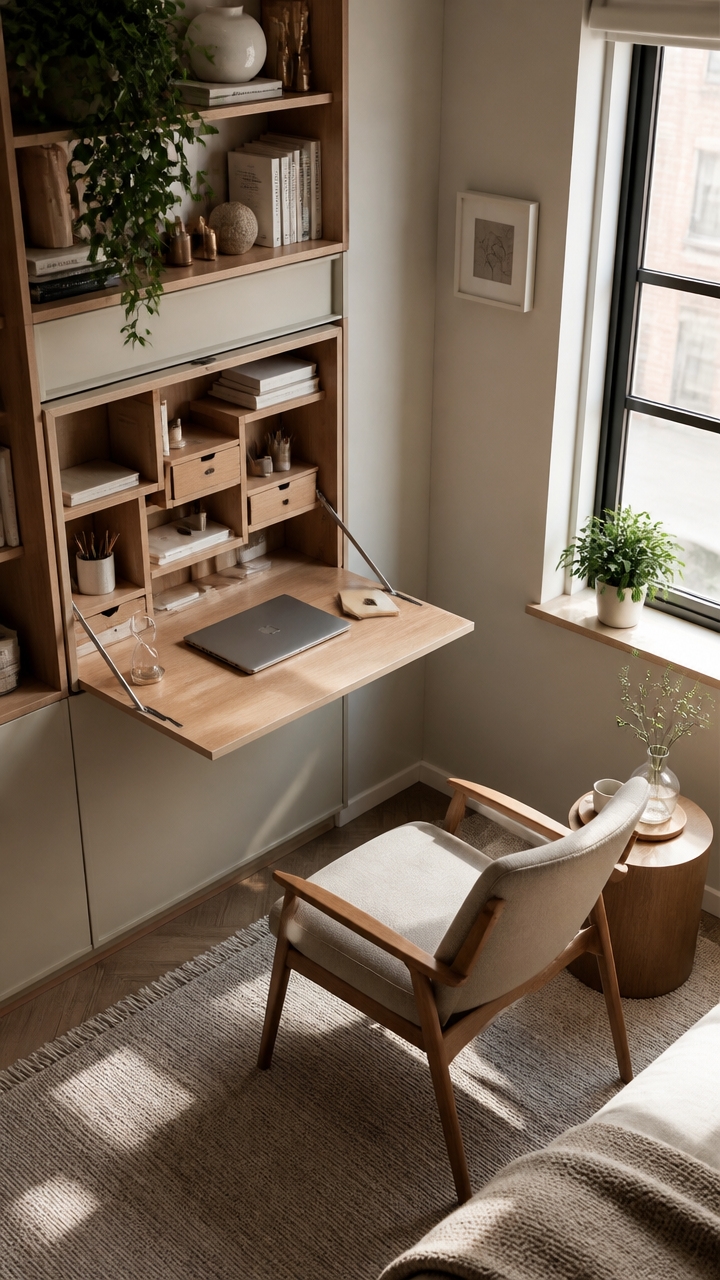
Using rounded or circular furniture layouts can considerably enhance a small event space by fostering a sense of intimacy and improving flow. Arranging tables, chairs, or lounge seating in a circular configuration encourages conversation and makes guests feel more connected, which is especially important in cozy venues. This layout breaks up the rigidity of straight lines and reduces visual clutter, helping the room appear more inviting and spacious. When planning, consider the room’s dimensions to guarantee there’s ample space for movement around the circle without obstructing pathways. Choosing furniture with soft curves or rounded shapes also adds to the cohesive, open feel. Incorporating this layout strategically can transform a small venue into a warm, welcoming environment perfect for socializing and celebrating.
Common Mistakes to Avoid in Small Event Space Design
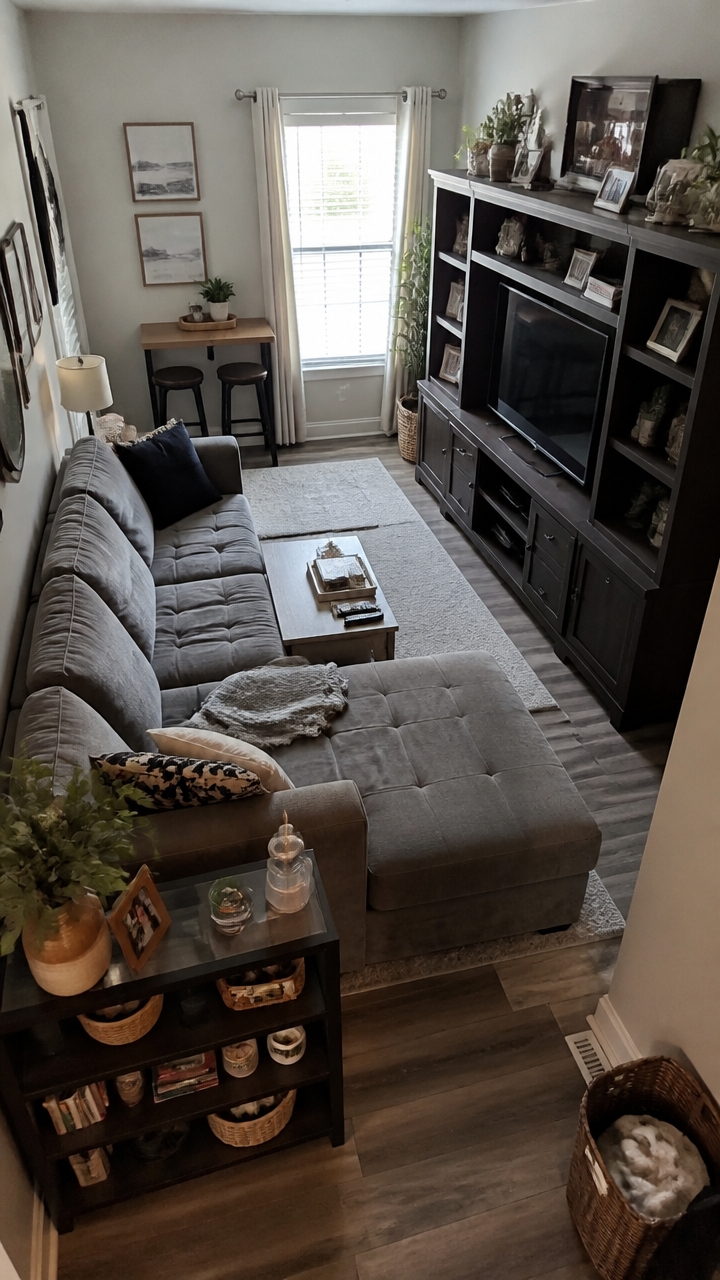
Overcrowding furniture or decor can quickly make a small event space feel cramped and overwhelming. To create an inviting and open atmosphere, focus on choosing multifunctional furniture that offers ample surface area without taking up excessive space. Opt for streamlined, slim-profile tables and chairs that can be easily moved or stacked when not in use. Keep decorative elements minimal and choose pieces that serve a purpose, such as storage ottomans or built-in shelving, to avoid clutter. Arranging furniture thoughtfully, with enough clearance for easy movement, helps maintain flow and prevents the space from feeling restricted. Remember, less is often more in small venues; intentionally curated furnishings can enhance comfort without sacrificing openness.
Final Tips for a Cohesive, Inviting Small Event Space
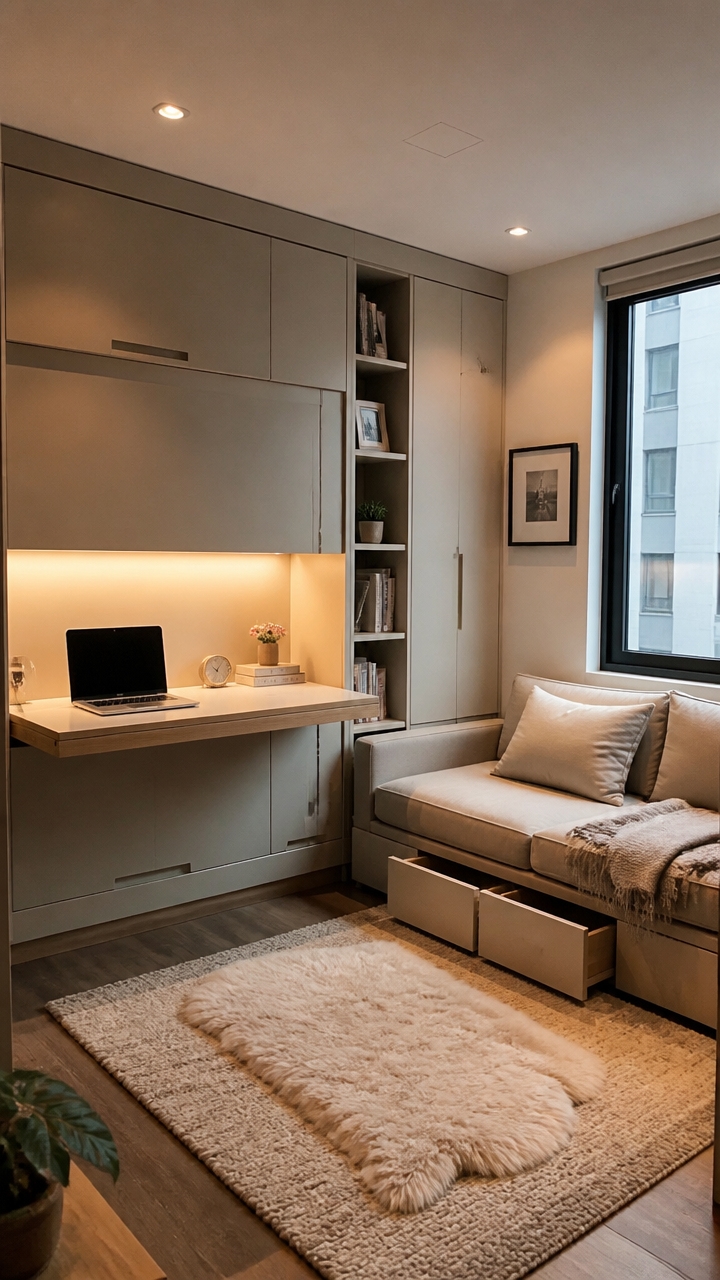
Keep the overall design cohesive by using a unified color palette of whites and neutrals throughout the space. This creates a calming and harmonious atmosphere that feels spacious and inviting. Incorporate vertical elements like tall vases, wall-mounted art, or hanging decor to add visual interest without cluttering the floor. These elements draw the eye upward, making the room appear taller and more spacious. Enhance the ambiance with layered lighting, such as candles, fairy lights, and uplighting, to introduce warmth and depth, making the space feel cozy and inviting. Make certain furniture is arranged with openness and flexibility in mind, keeping pathways clear allows for smooth guest movement and encourages conversation. Finally, integrate sensory touches like subtle scents or textured textiles to deepen the cozy vibe, making your small event space memorable and welcoming for all attendees.
Final Takeaways
In a quaint boutique in Charleston, a seemingly modest event space transformed into a cocooning haven with layered lighting, a rich “Nara” beige palette, and go-with-everything furnishings by Knoll, formerly overlooked, now unforgettable. Your design choices, be those bijou table arrangements or vertical statement lighting, serve as the joinery that stitches ambiance and function, creating an environment where guests feel both welcomed and intrigued. With thoughtful planning, even the tightest quarters cultivate a sense of effortless charm.
- 21 Small Space Tv Stand Ideas Designers Swear By - September 22, 2026
- 23 Small Craft Space Ideas For a More Organized Home - September 22, 2026
- 20 Small Event Space Design Ideas That Make a Big Difference - September 22, 2026