
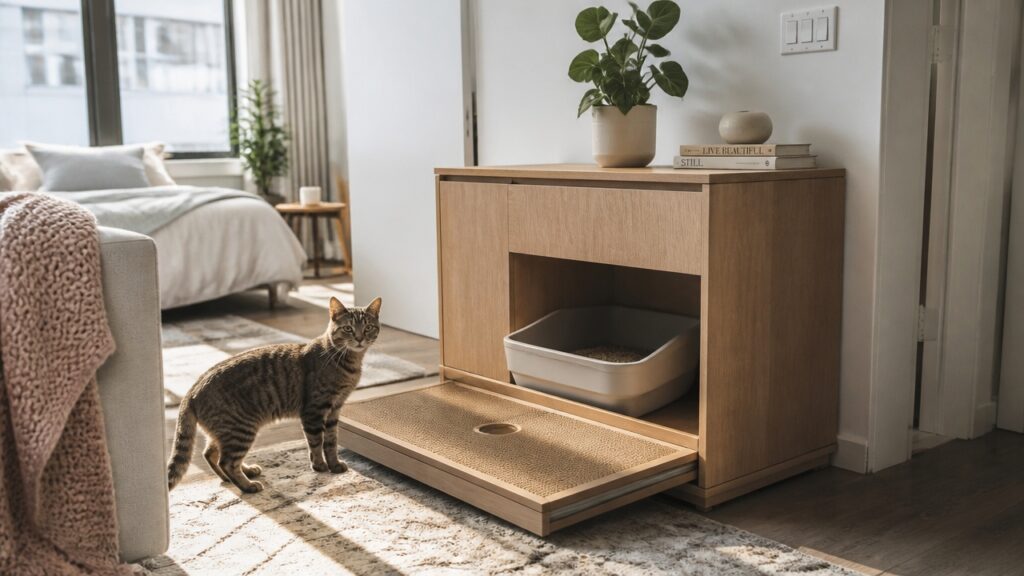
Across tight city apartments, where space is as precious as a Carl Hansen & Son Sessel, you’ll find innovative ways to cocoon a litter box, be it concealed in a bespoke joinery piece replicating “the Smiths’” understated elegance or tucked within a cleverly repurposed credenza from IKEA’s “Besta” series, priced around $150, 2019, transforming clutter zones into decor frameworks that demand silence and discretion. This exploration signals that even in the most bijoux interiors, a discreet, well-designed nook isn’t just possible; it’s essential, inviting you to rethink how form and function intertwine within the smallest footprints.
Why Small Spaces Need Special Cat Litter Boxes
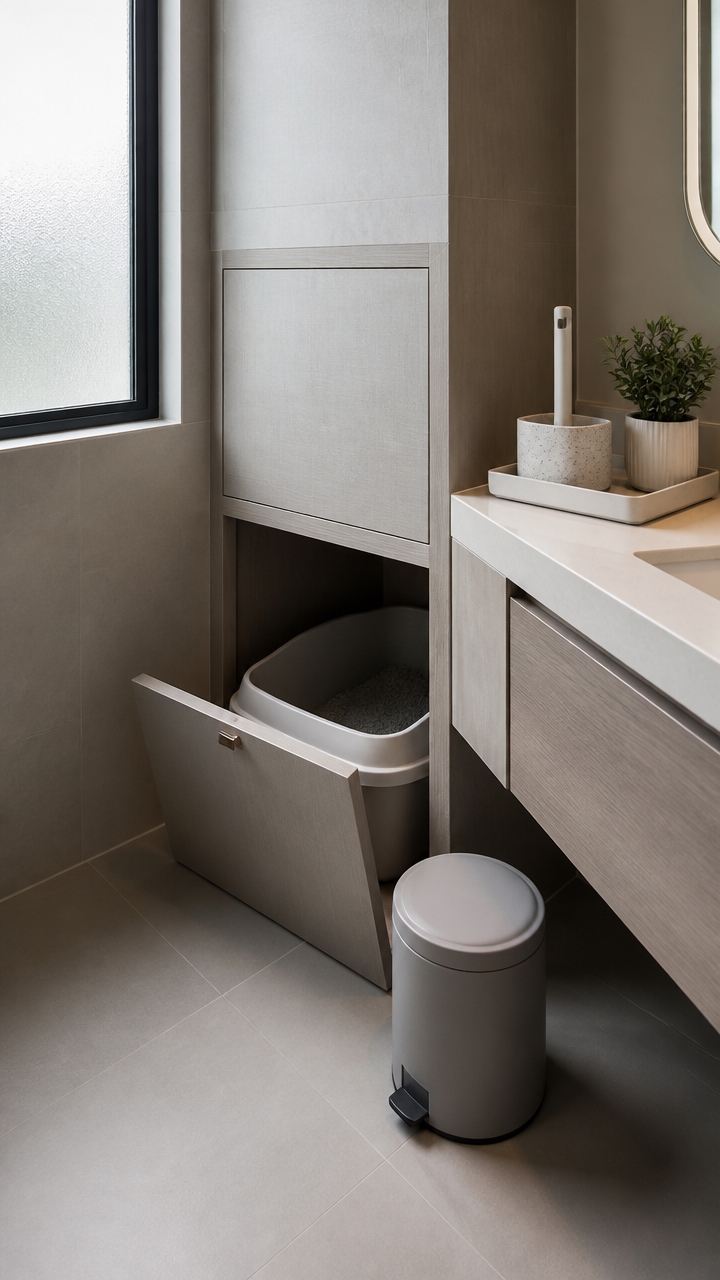
Small spaces require specially designed cat litter boxes that optimize functionality while fitting seamlessly into limited areas. Standard litter boxes often take up too much room or create clutter, making them impractical for apartments or cozy homes. Choosing the right small-space solution involves selecting models that are compact, well-integrated, and multipurpose. Elevated or corner litter boxes, for example, make use of vertical space and fit neatly into corners, preventing litter scatter and reducing odor spread. Furniture-style or hidden enclosures provide a discreet container that blends into home decor, saving valuable floor space and reducing visual clutter. These designs often feature high sides, perforated lids, or integrated storage compartments to enhance convenience and cleanliness. Proper placement, such as in less trafficked corners or under furniture, along with choosing appropriately sized models, can prevent overcrowding and maintain hygiene in tight living environments, creating a harmonious balance between practicality and style. Additionally, space-saving strategies are essential to maximize the usability of small living areas while maintaining a clean and organized environment.
Key Factors When Choosing a Compact Litter Box
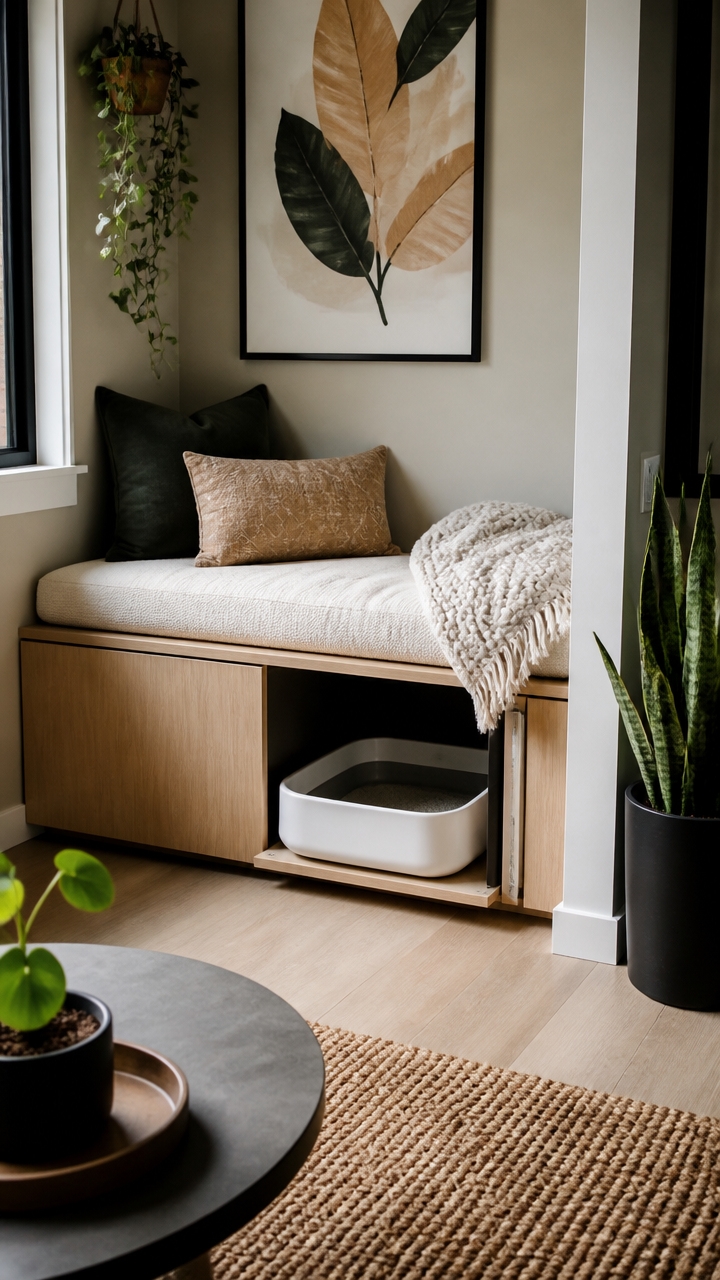
Choosing a compact litter box involves considering several key factors to guarantee it fits seamlessly into your small living space while meeting your cat’s needs. First, opt for a model with high sides or an enclosed design to effectively contain scatter and odors, which is especially important in confined areas. The size of the litter box should match your cat’s breed and activity level; larger cats or more active ones require more spacious options around 17-20 inches long to provide comfort and prevent messes. Entry options like top or front doors can also influence ease of access, particularly for kittens or elderly cats, and can help minimize tracking outside the box. Materials play a significant role in maintaining cleanliness; choose coated plastic or engineered wood with non-stick and odor-resistant properties for easier cleaning and improved odor control. Moreover, space-efficient designs such as furniture-style or hidden enclosures can serve as functional decor, blending seamlessly into your home while maximizing space utility and keeping the litter box discreet and accessible.
How to Pick the Right Size for Your Cat and Space
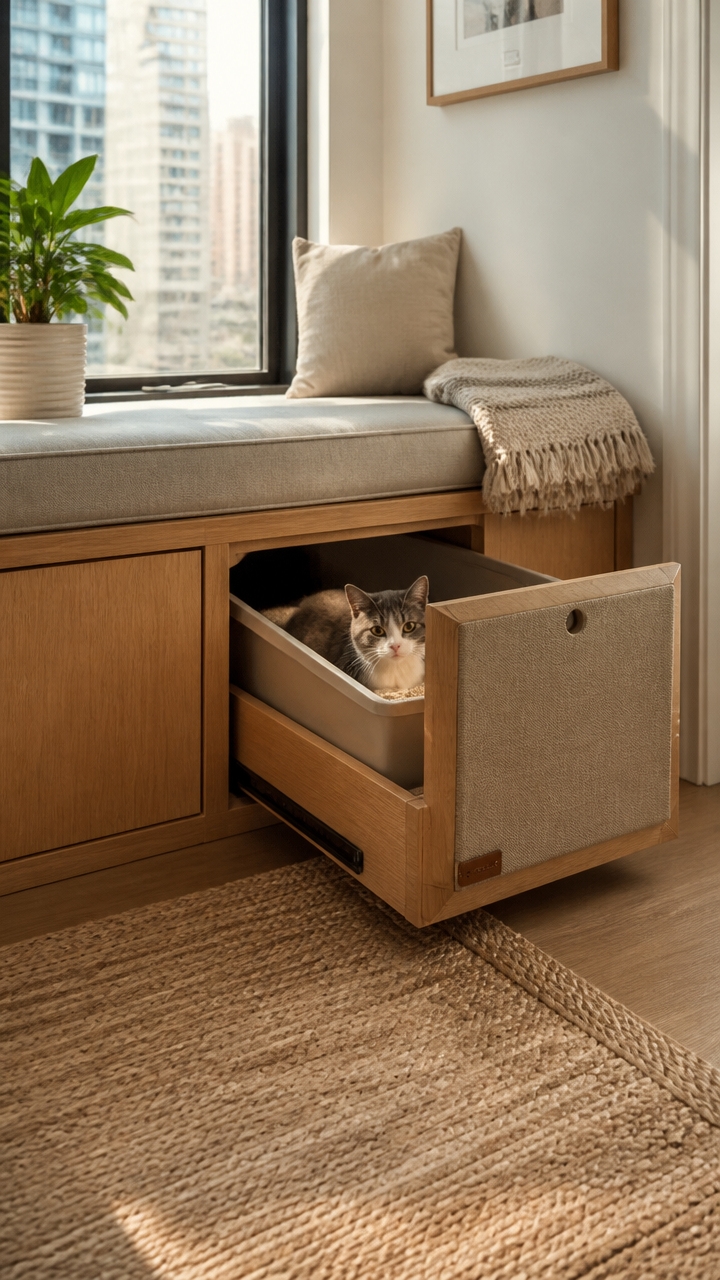
Choosing the right size for your cat and space is essential for maintaining their comfort and guaranteeing the litter box fits seamlessly into your home. Measure your cat from nose to tail and add extra space to determine the minimum length needed, typically at least 1.5 times your cat’s body length. For larger cats, look for spacious boxes over 18 inches long to prevent discomfort and encourage proper use. Before purchasing, measure the available area to confirm the box won’t obstruct pathways or clutter your home. Consider high-sided or corner litter boxes designed to maximize containment in tight spaces, providing a practical solution without sacrificing floor space. Additionally, select an entry height suitable for your cat’s age and agility, lower entrances work well for kittens and senior cats, making access easier and more comfortable. Tailoring the size to both your feline’s needs and your living space creates a harmonious environment that promotes cleanliness and convenience. Space-saving strategies are particularly useful when working with limited room, helping to optimize your small space effectively.
Best Space-Saving Litter Box Designs for Small Apartments
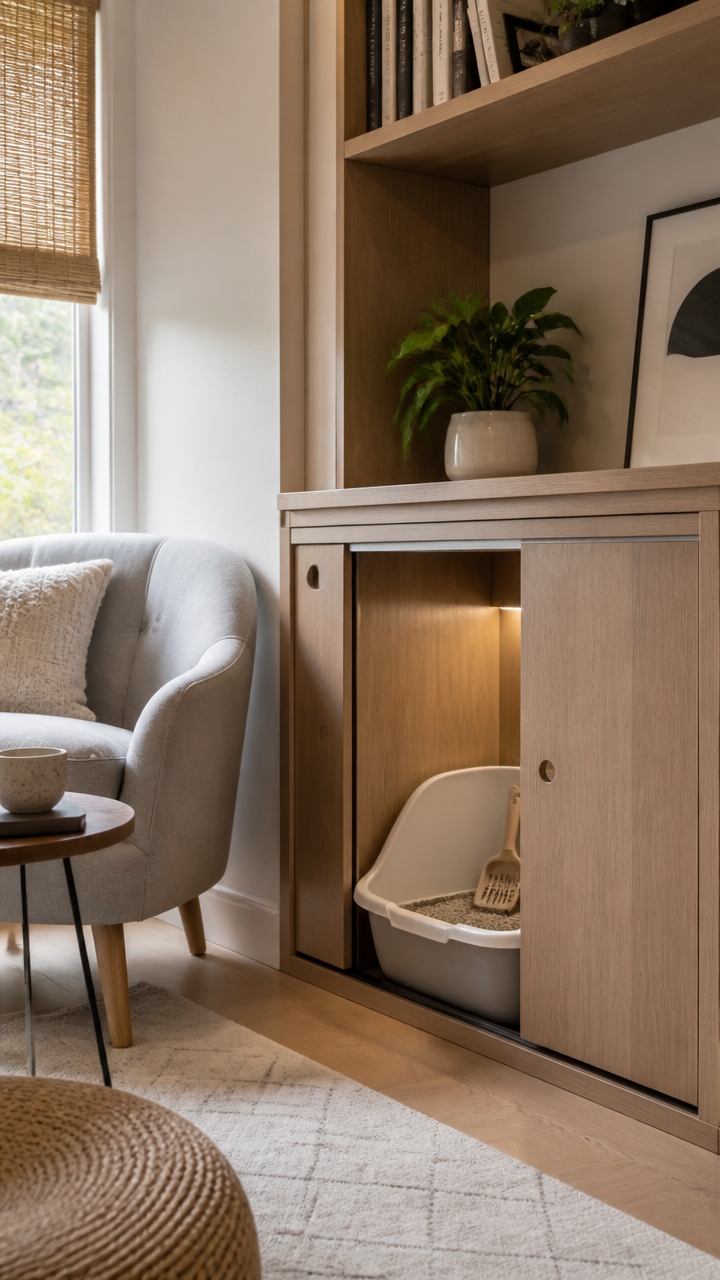
Triangular or ovular litter boxes, such as the Van Ness High-Sided Corner Litter Box, are ideal for small apartments because they make *best* use of corner spaces that often go underutilized. Their shape allows them to snugly fit into tight corners, freeing up valuable floor space while containing messes efficiently. These designs help keep the litter area organized and clean, preventing clutter from spilling into main living areas. When selecting one, *guarantee* it has high sides to control splashes and odor, and choose smooth, durable materials for easy cleaning. Placing the corner litter box near a wall or in a discreet corner keeps it accessible for your cat while maintaining seamless integration into your home decor. Additionally, space-efficient designs can help maximize small areas without sacrificing accessibility or cleanliness.
Pros and Cons of Enclosed vs. Open Litter Boxes in Small Spaces
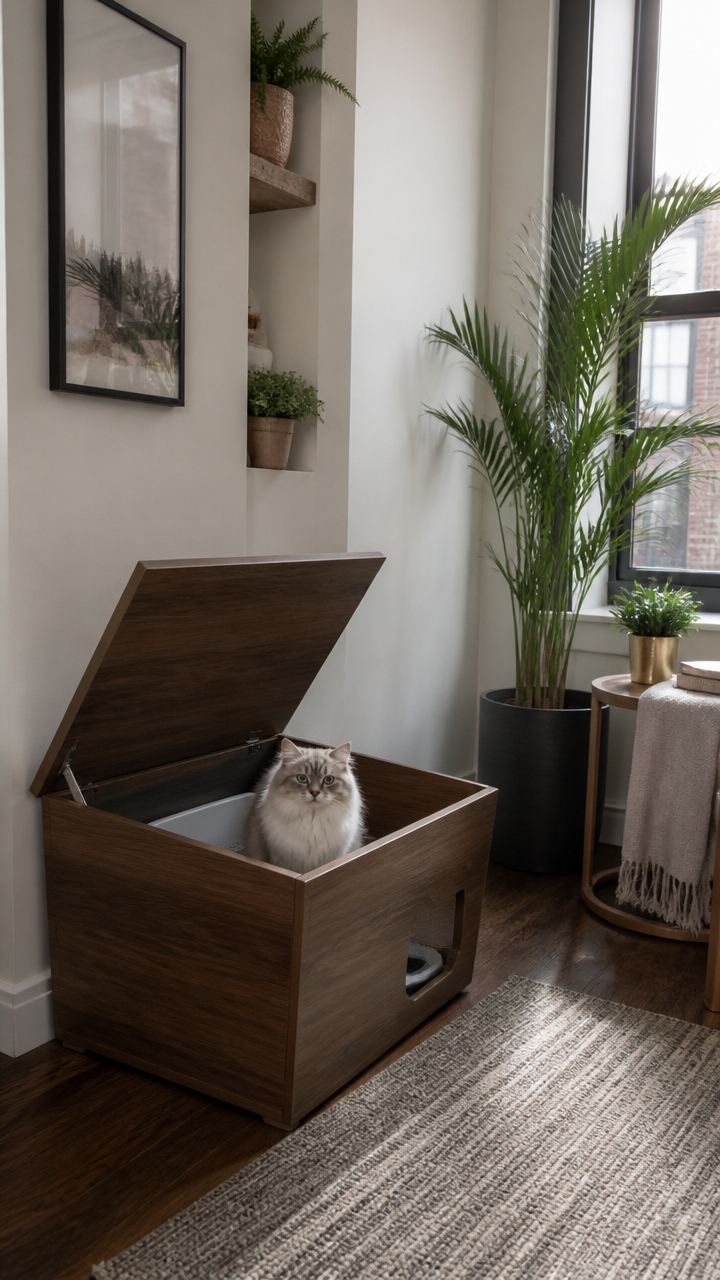
Enclosed litter boxes contain odors and scatter better than open boxes but can restrict entry and make cleaning more challenging for larger cats. Their high sides and door access help contain messes and odors, making them ideal for saving space and maintaining cleanliness in small living areas. However, these models may pose difficulties for elderly or disabled cats that struggle with climbing or squeezing through door openings. When choosing an enclosed litter box for small spaces, consider models with low entry points or removable doors to accommodate cats of all ages and mobility levels. Placement should be in accessible, low-traffic areas to minimize stress and disturbance. Regular cleaning and selecting a size proportionate to your cat can guarantee comfort and hygiene without sacrificing the practicality needed for compact spaces. Additionally, ventilation features in some models help further control odors and improve air quality.
Creative Ways to Hide Your Cat’s Litter Box in Your Home
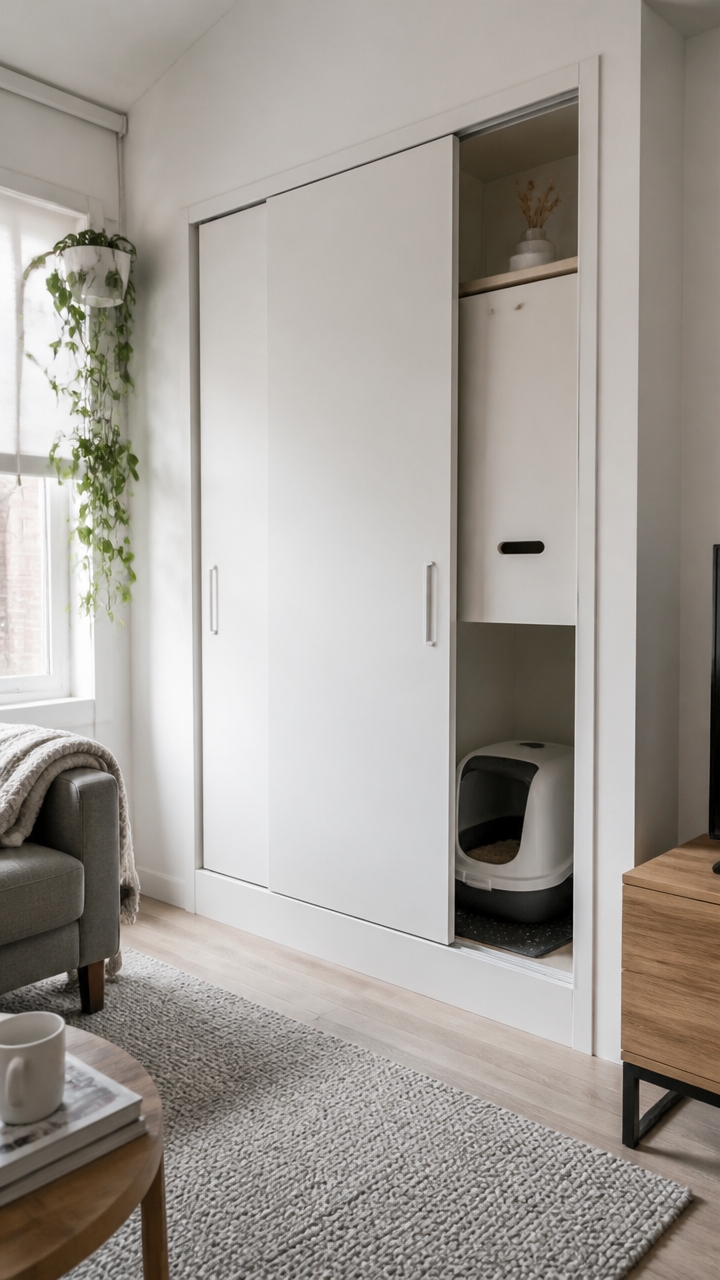
Using furniture like armoires or benches with cutouts transforms the litter box into a stylish, hidden storage space that blends seamlessly with home décor. By repurposing existing furniture or selecting pieces designed to include easy-access openings, you can conceal the litter box while maintaining a cohesive aesthetic. For example, an armoire with a hinged door or a bench with side or front cutouts provides a discreet hiding spot that doesn’t compromise accessibility for cleaning. When choosing furniture, consider the size of your litter box to ensure a comfortable fit and enough ventilation. Using materials that are easy to clean, like laminated wood or sealed surfaces, helps maintain hygiene. Placement is key, situate the furniture in a low-traffic area that offers privacy for your cat but remains convenient for you. Adding soft touches, such as decorative cushions or stylish hardware, ensures the piece complements your décor while serving a functional purpose. This approach not only keeps the litter box out of sight but also elevates your space with a practical yet attractive piece of furniture.
Top Hidden Litter Box Ideas to Save Space and Control Odors
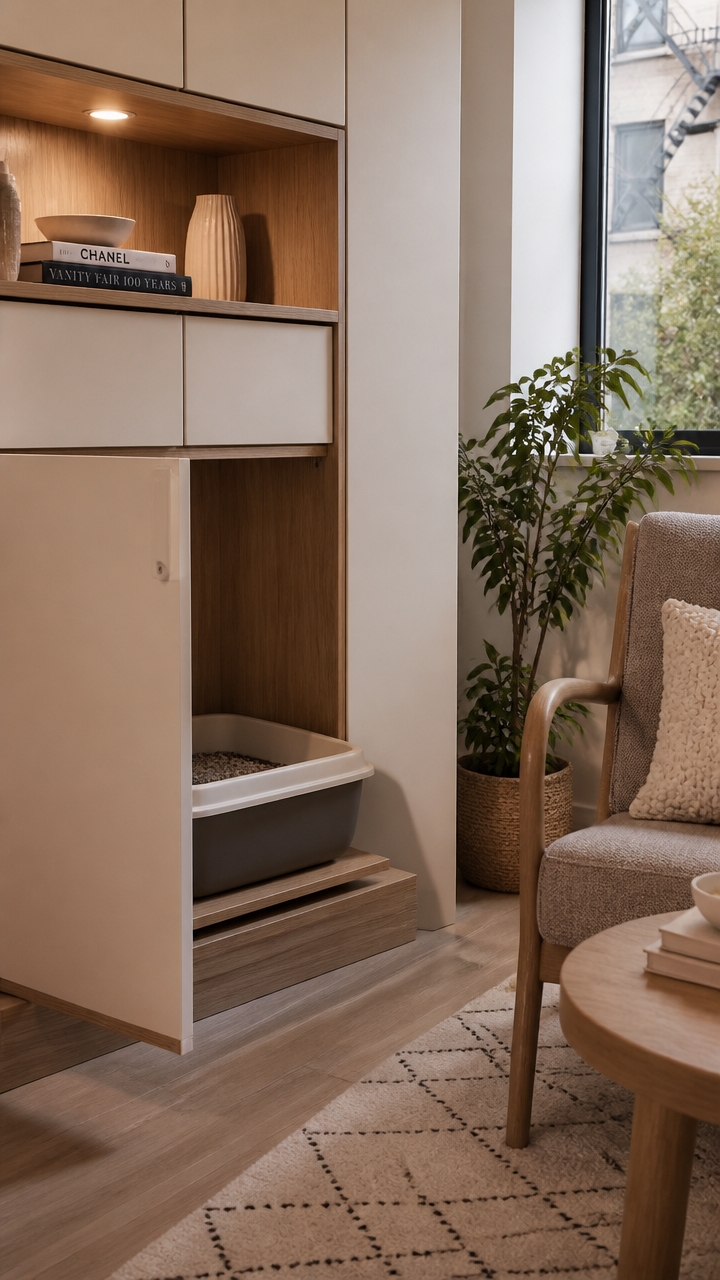
Using furniture pieces like side tables or armoires with cutouts offers a clever way to integrate the litter box seamlessly into your small apartment’s decor. These pieces can be customized with a discreet opening that provides easy access for cleaning and regular maintenance, while also keeping the litter and waste out of sight. Choosing furniture made from durable materials such as wood or metal guarantees longevity and complements your existing decor. When selecting a piece, consider its size relative to your cat, make sure there’s enough room for it to move comfortably without making the space feel cramped. Proper placement is key; position the furniture in a quiet, low-traffic area to promote your cat’s comfort and minimize odor spread. Regular cleaning of the furniture enclosure and periodic emptying of the litter box will help prevent odor buildup, ensuring your small space remains fresh and inviting for both you and your feline companion.
How to Turn Furniture Into a Discreet Litter Box Spot
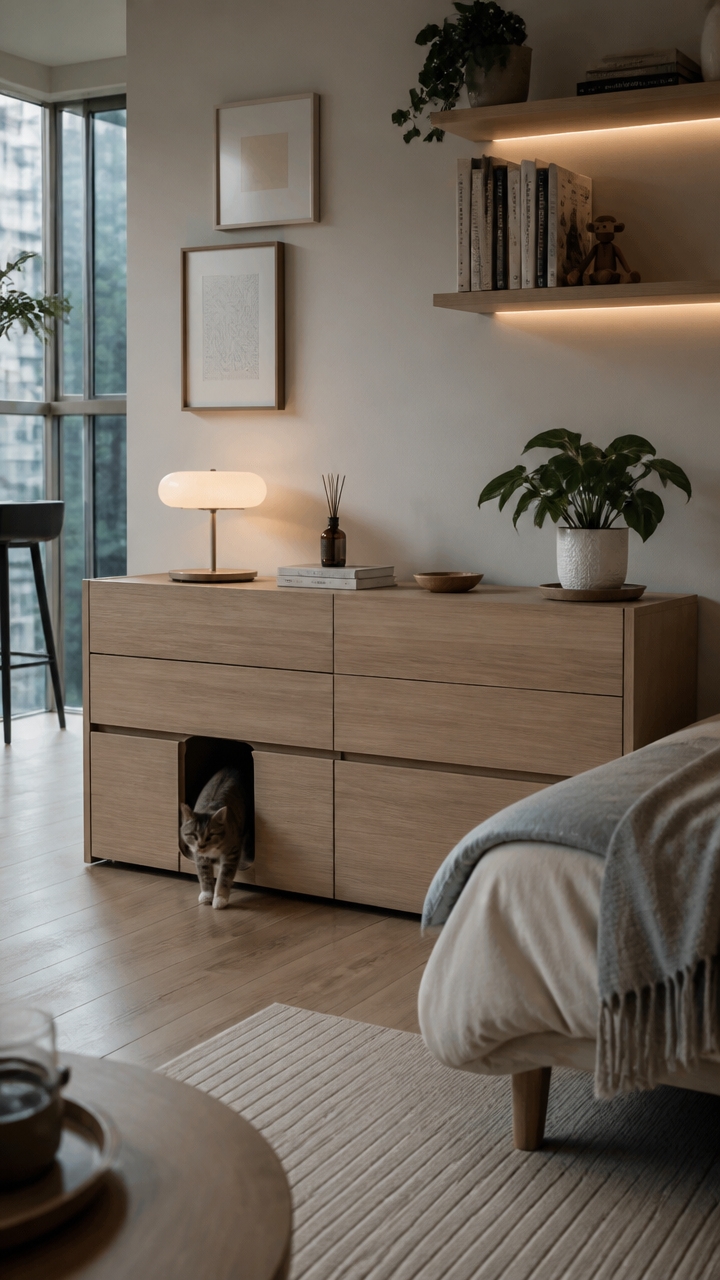
Turning furniture into a discreet litter box spot involves thoughtful modifications that blend seamlessly into your space while keeping your cat’s needs in mind. Select a piece of furniture with a sturdy, smooth surface, such as a side table, cabinet, or an unused storage piece, that has enough room to accommodate a litter box inside. Cut a doorway in the side or top panel that’s large enough for your cat to enter comfortably, ensuring cleanability and accessibility. Installing a removable tray or liner inside the furniture makes weekly cleaning straightforward, giving you quick access to waste and litter deposits. Line the interior with materials like faux grass or plastic liners that are easy to clean and help contain litter scatter. To address odor control, add ventilation features such as small fans or vent holes, carefully designing them to prevent litter from escaping and to keep the enclosed space fresh. This approach not only keeps the litter box hidden from view, maintaining the aesthetic of your living area, but also offers convenience and low maintenance for small-space living.
Using Corner Spaces for Compact Litter Box Placement
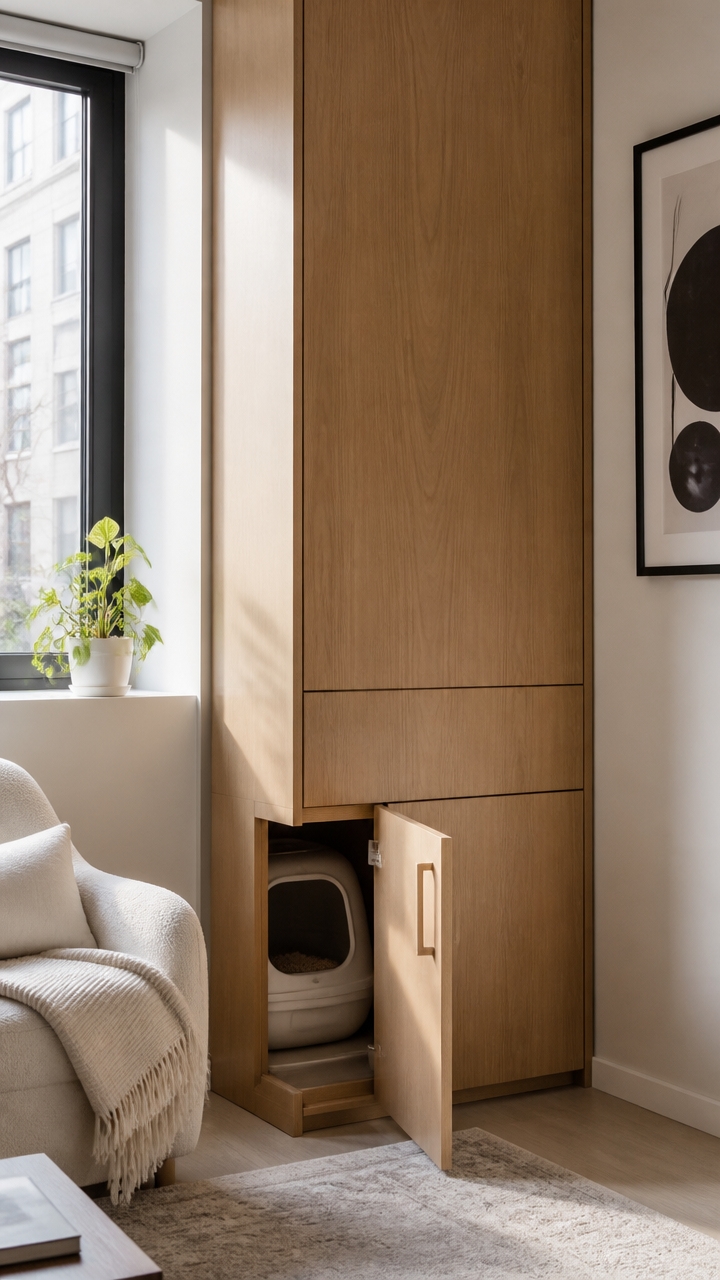
Placing a litter box in a corner is one of the most practical solutions for small-space living. These corner litter boxes, like the Van Ness High-Sided Corner Litter Box, are specifically designed with a triangular shape that fits snugly into tight spaces, making the most of every inch of your home. By positioning the litter box in the corner of a bathroom, laundry room, or spare nook, you free up valuable central area for daily activities or furniture. The high sides, usually around 11 inches, help contain litter scatter and spray, keeping the surrounding area cleaner and reducing mess. This setup not only maximizes room efficiency but also discreetly hides the litter box behind furniture or in less visible spots, maintaining a tidy and aesthetically pleasing environment. When choosing a corner placement, guarantee the box is accessible and stable, and consider pairing it with a mat or tray to further contain litter outside the box.
DIY Small-Space Litter Box Enclosures: Easy Projects to Try
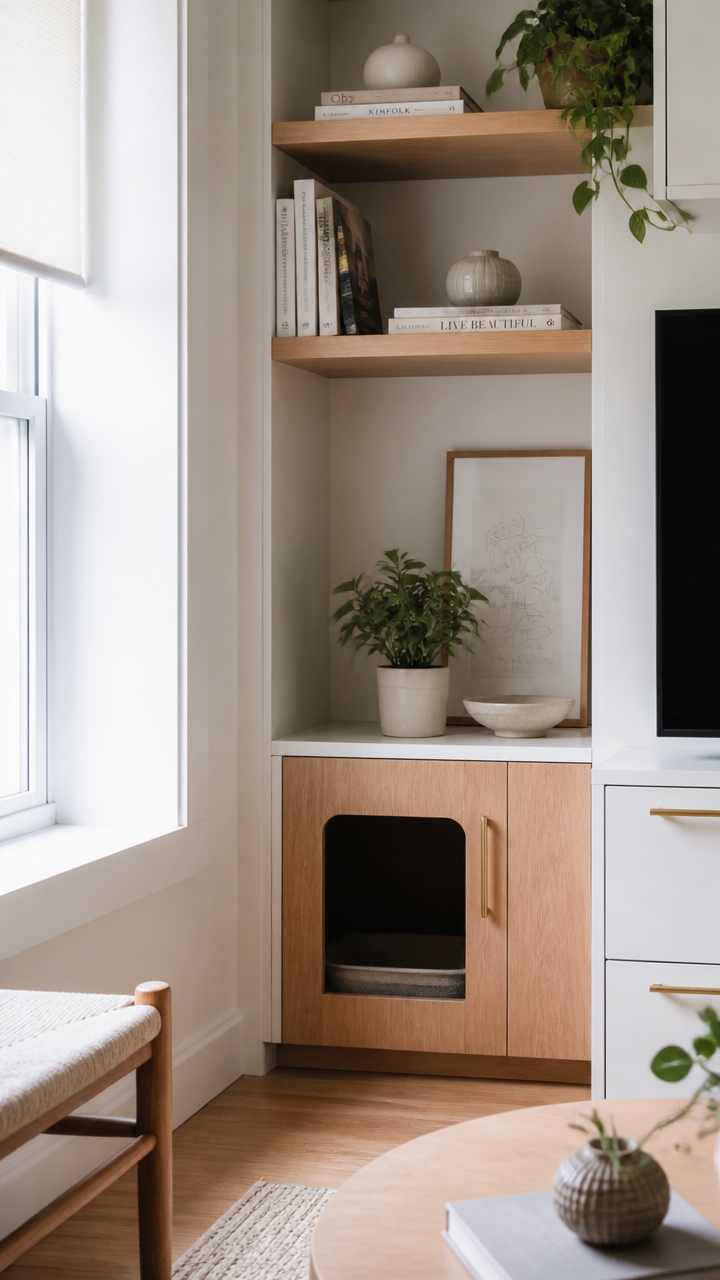
Creating a DIY small-space litter box enclosure from existing furniture offers a practical and customizable solution for keeping your cat’s bathroom discreet and contained. Repurposing pieces like side tables, cupboards, or benches allows you to craft a hidden, functional space without taking up additional room. Start by selecting furniture that suits your space and has enough interior room for the litter box. Cutting a clean, appropriately sized hole in the side or front provides easy access for your cat while keeping the litter box concealed from view. To simplify cleaning, consider lining the interior with removable trays or faux grass mats, which can be easily taken out and rinsed. Enhancing airflow with small vents or a quiet ventilation fan reduces odors and keeps the enclosure fresh. Personalization is simple, painting or adding decorative hardware can help the enclosure blend seamlessly with your home décor. By carefully choosing and modifying furniture, you create a practical, attractive litter box station perfect for tight spaces.
Multi-Functional Furniture Ideas to Conceal Your Litter Box
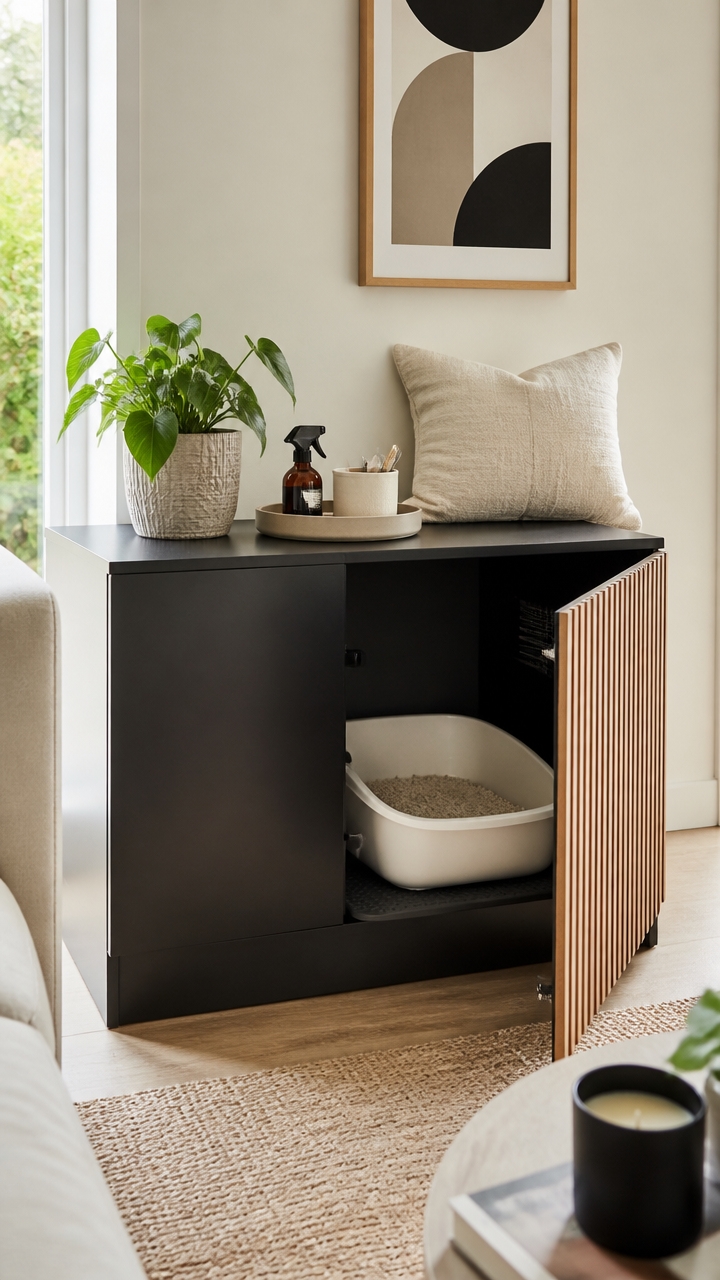
Using multi-purpose furniture is an efficient way to hide your cat’s litter box while enhancing your home’s style. Pieces like the Frisco Elevated Side Table or the Lark Manor Elborough Armoire are thoughtfully designed to blend seamlessly into living spaces. These furniture items often feature designated compartments or hidden sections that can accommodate a litter box without disrupting the room’s decor.
To customize, you can create a discreet entry by cutting a side hole or installing a small cat flap, allowing your feline to access the box easily while keeping it out of sight from visitors. Furniture with built-in ventilation or removable panels helps control odors and simplifies cleaning, making the setup both practical and attractive.
Opting for furniture designed with hidden compartments also helps maximize small spaces , combining essential storage with a clever concealment solution. When choosing pieces, consider their proportions to ensure enough room for your cat and ease of cleaning. Materials that are easy to clean and match your existing décor can further enhance the aesthetic appeal.
Integrating multi-functional furniture for litter concealment is a stylish, space-saving solution that keeps your home tidy and inviting while ensuring your cat’s needs are well met.
Best Small Litter Boxes With Built-In Storage and Shelves
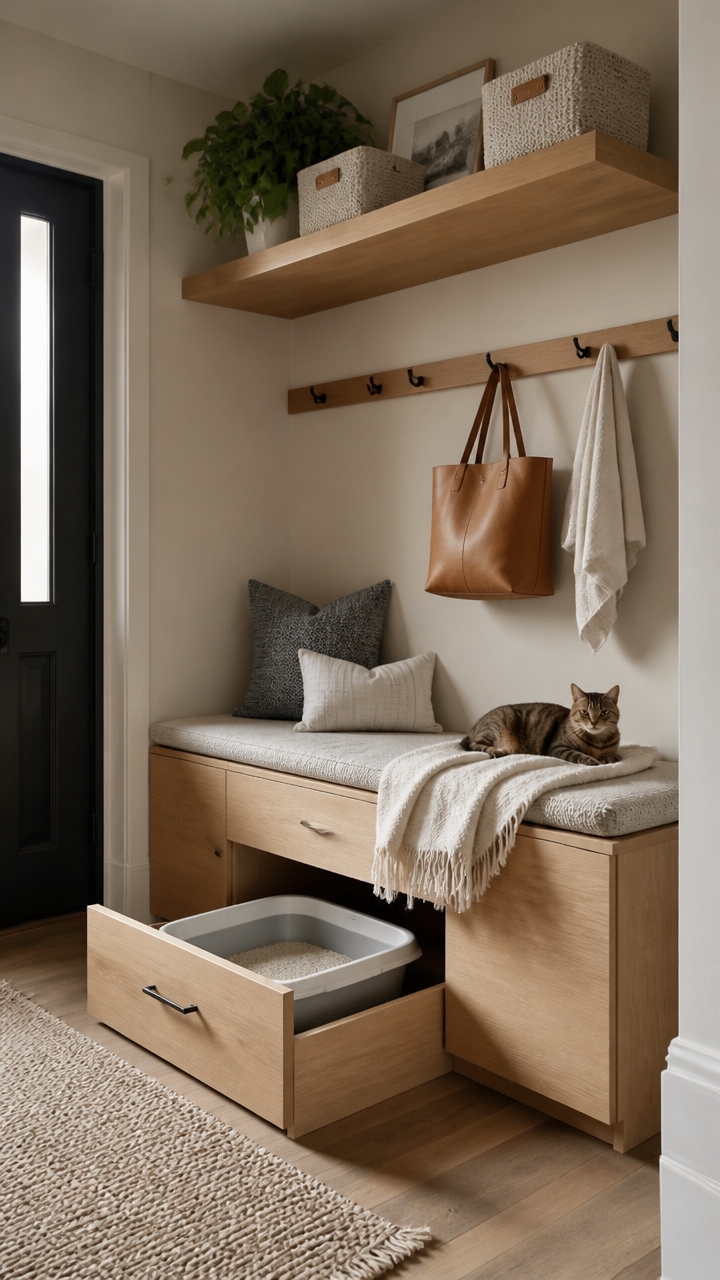
Maximizing space in a small home while keeping your cat’s litter area organized and stylish is easier with litter boxes that feature built-in storage and shelves. These innovative designs seamlessly blend function and aesthetics, transforming what could be clutter into a practical piece of furniture. For example, the Tuft & Paw Cove Litter Box incorporates integrated storage for scoops and cleaning tools within its sleek, modern form, helping you keep everything you need close at hand without sacrificing style. Its space-efficient design makes it ideal for tight corners or small nooks, providing a tidy solution without bulky accessories. When choosing a model, consider the accessibility for cleaning and refilling supplies, as well as ensuring the storage compartments are large enough to hold the necessary tools. Such multi-purpose furniture not only keeps your space organized but also maintains a clean, contemporary look, perfect for small apartments or rooms where every square inch counts.
Why Top-Entry Litter Boxes Are Great for Small Apartments
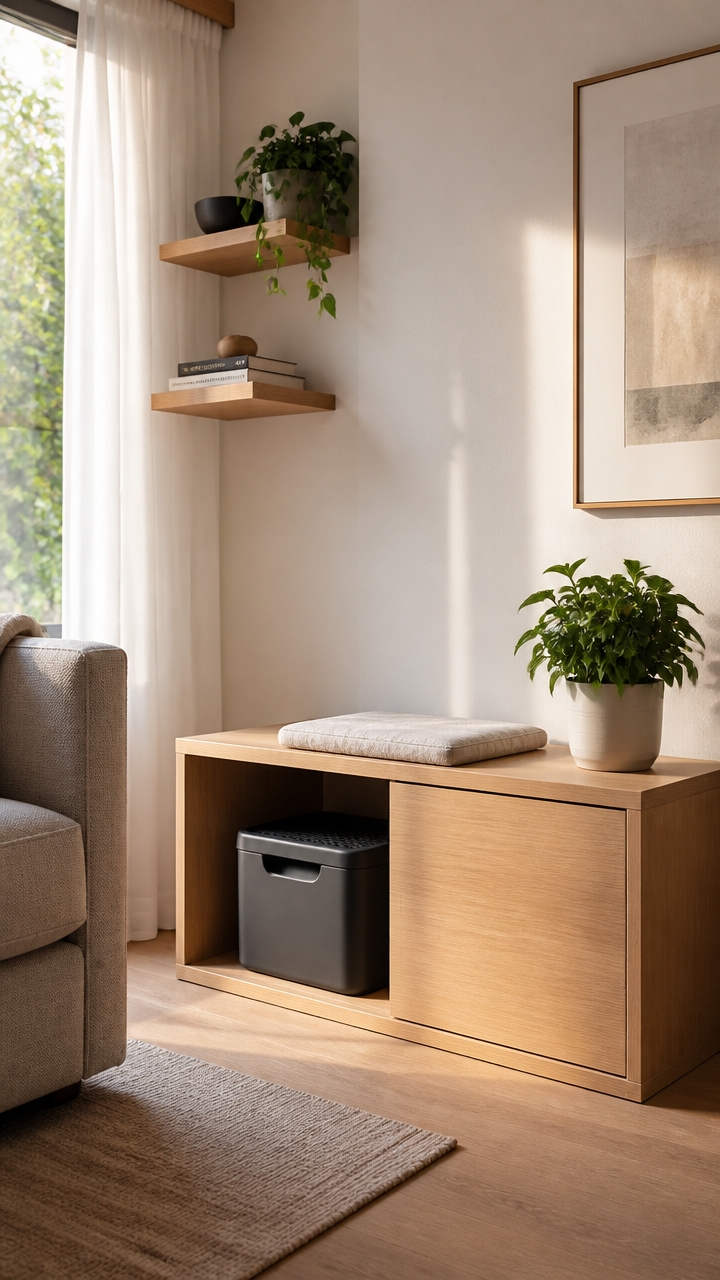
Top-entry litter boxes are an excellent choice for small apartments due to their space-efficient design and practical benefits. Their high walls help contain litter scatter and spray, keeping your living area cleaner and more organized. Since they often feature a top-opening lid, they provide enhanced privacy for your cat and help control odors by reducing the escape of smells compared to traditional side-entry models. The elevated opening makes it easier for larger cats to access the box comfortably, minimizing messes outside the litter area. Many models are compact and can fit snugly into corners or against walls, maximizing available floor space. When choosing a top-entry litter box, consider materials that are durable and easy to clean, and place it in a discreet but accessible location to maintain a tidy and pleasant living environment.
How Self-Cleaning Litter Boxes Fit in Small Spaces
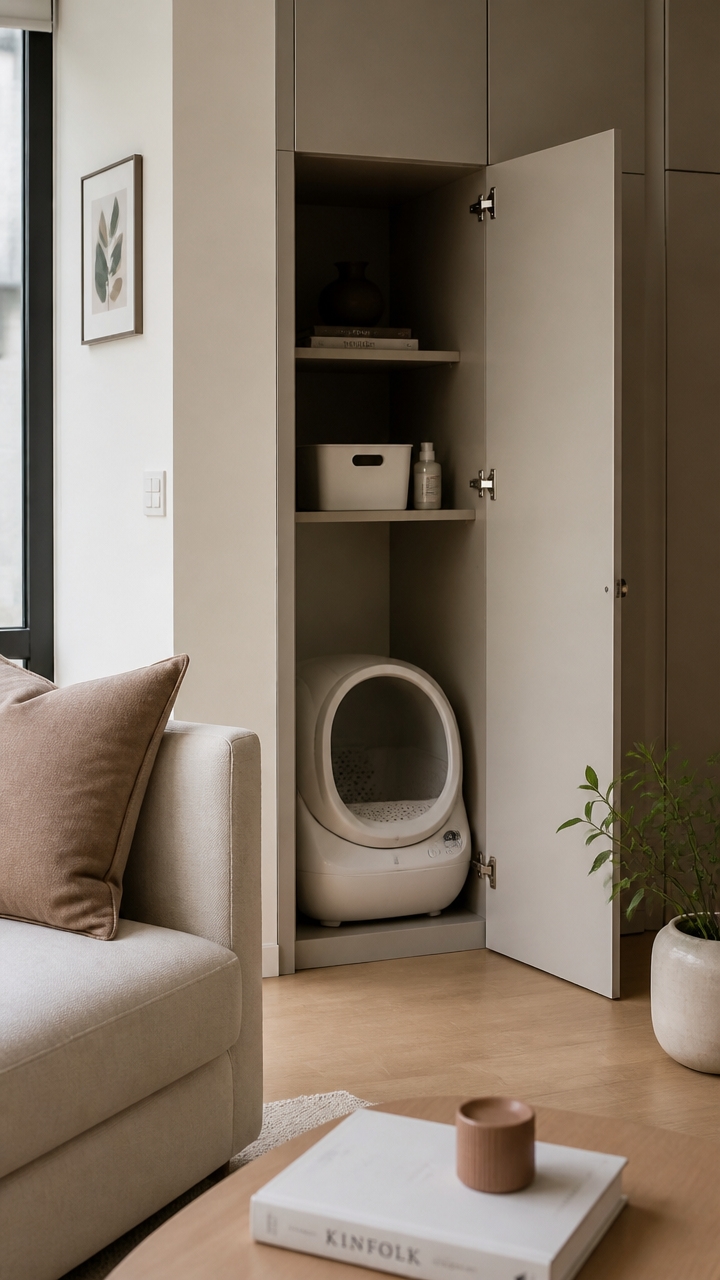
Self-cleaning litter boxes like the Litter-Robot 4 are designed with a compact footprint, measuring about 27 x 22 x 29.5 inches, making them an excellent choice for small spaces. Many models incorporate smart sensors and app connectivity that automatically detect when your cat has used the box, then perform the cleaning cycle without manual intervention. This integration not only minimizes the need for scooping but also reduces clutter, as the waste is neatly deposited into an odor-controlled, integrated waste drawer. These features mean you don’t need additional litter pails or air purifiers nearby, keeping your small living area tidy and odor-free. Some models, such as the Litter-Robot EVO, are specifically designed to fit under bathroom counters or snug corners, effectively utilizing vertical or hidden space. The automated cleaning process and minimal maintenance make these units highly practical for busy households or apartments, where every inch counts. Proper placement, like under a counter or in a corner, maximizes space efficiency while maintaining accessibility and ease of use.
Must-Have Features for Space-Saving Litter Boxes
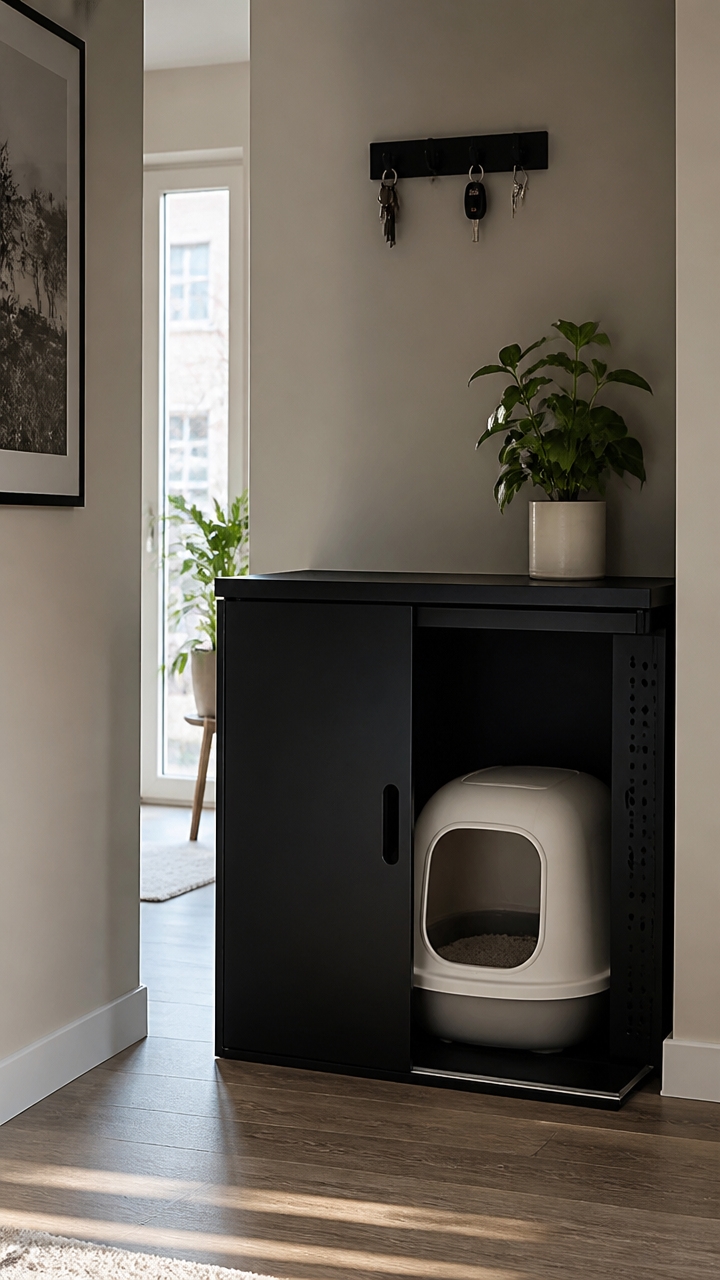
For small spaces, a litter box with high sides or an enclosed design offers excellent containment of litter scatter, spray, and odors. These features help keep surrounding areas cleaner and reduce the need for frequent cleaning, making them ideal for compact living environments. Enclosed models often come with a door or entryway that directs the cat inside and traps odors, while high-sided options prevent litter from being kicked out during play or digging. When choosing an enclosed or high-sided box, consider the size and accessibility for your cat to ensure comfort and ease of use. Placement in a corner or tucked away corner of a bathroom or closet maximizes space efficiency while maintaining a tidy appearance.
Choosing Durable, Odor-Resistant Materials for Small Areas
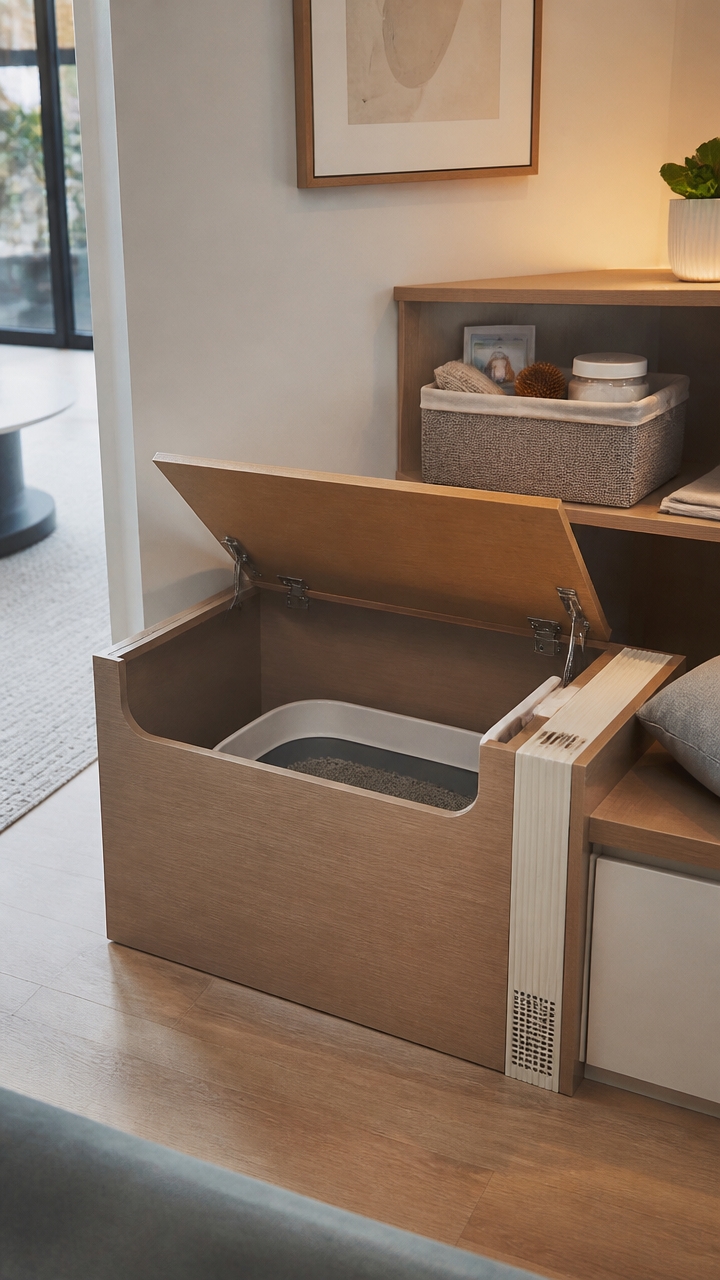
Choosing durable, odor-resistant materials for small areas is essential for keeping your space clean, fresh, and functional. Materials like stain-resistant plastics, ceramics, and coated metals stand up well to daily wear and are easy to maintain. Their durability ensures the litter box remains intact despite frequent use, while their non-porous surfaces prevent litter from sticking and accumulating, making cleaning quicker and more efficient.
Opting for odor-resistant materials such as polypropylene and silicone coatings helps inhibit bacterial growth that causes lingering smells. These materials naturally absorb less odor and can be treated with additional coatings or embedded filters to further minimize unpleasant scents. When selecting a litter box, consider options that incorporate these materials for long-term freshness, especially in compact living spaces.
Additionally, enclosed litter box designs with perforated or high-sided walls combined with odor-resistant surfaces trap litter scatter and urine spray, reducing mess and odor escape. Choosing boxes with non-stick coatings not only prolongs the lifespan of the unit but also makes cleaning effortless. Incorporate activated charcoal or carbon filters within the enclosure to absorb residual odors, maintaining a clean and inviting environment for both your cat and your living space.
Tips for Ventilation and Odor Control in Compact Setups
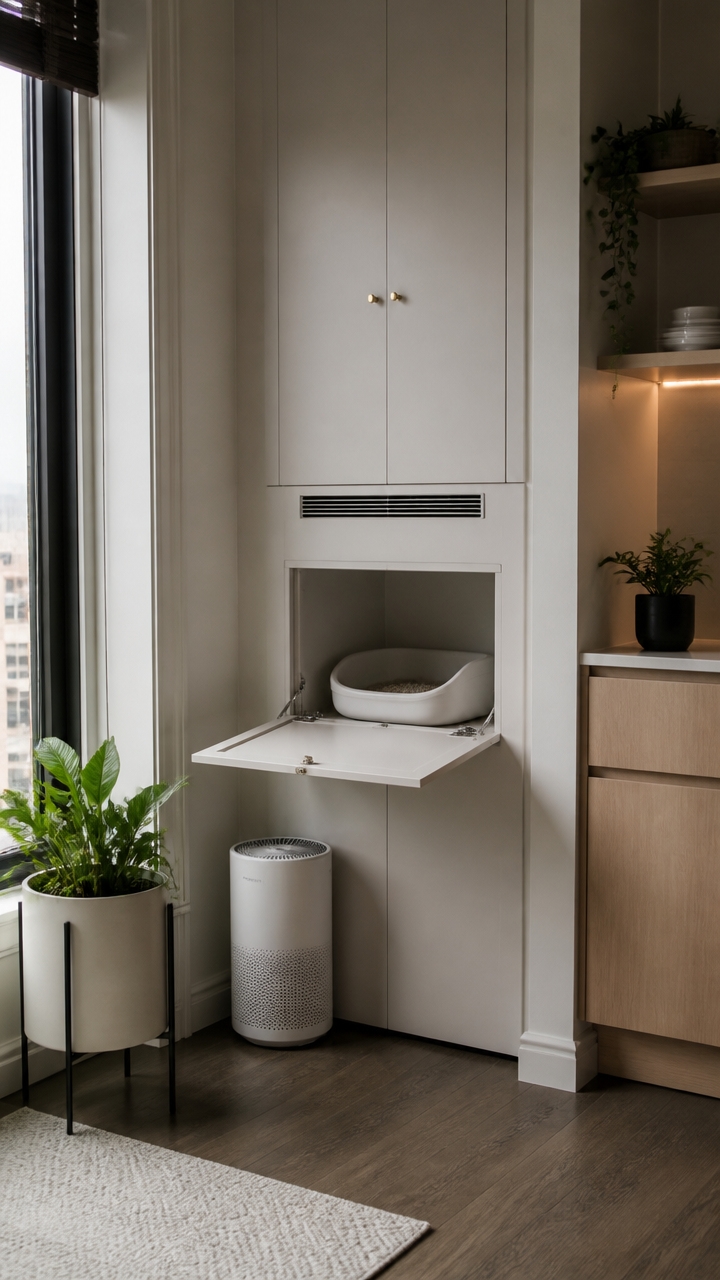
Proper ventilation is essential for maintaining a fresh and odor-free small space litter box setup. Installing exhaust fans or portable air purifiers like Molekule can substantially help in reducing odor buildup. Position these devices strategically near the litter area to ensure continuous airflow and air purification. In small spaces, choosing compact, quiet models ensures they don’t interfere with daily activities while effectively filtering airborne odors. Regularly replacing or maintaining these ventilation devices maximizes their efficiency. If electrical outlets are limited, consider battery-operated or rechargeable options to keep the area well-ventilated at all times. Good airflow not only minimizes persistent odors but also helps control moisture, creating a healthier environment for both your pet and your living space.
Places to Avoid When Positioning Your Litter Box in Small Apartments
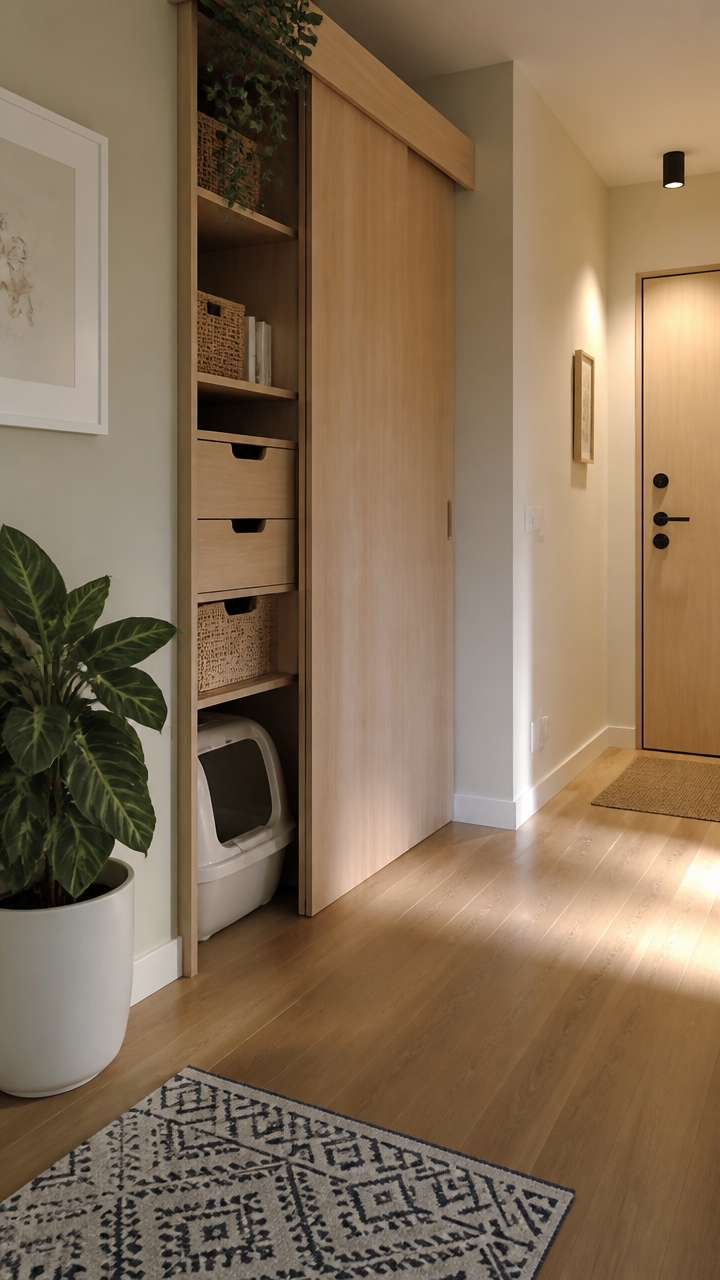
Avoid placing the litter box in high-traffic areas such as hallways or near doorways. These busy spots can be disruptive and stressful for your cat, making it less likely they’ll use their box consistently. In a small apartment, it’s tempting to keep everything accessible, but your feline friend needs a quiet, private space to do their business without frequent disturbances. Choose a tucked-away corner or less-used part of a room where your cat can feel secure. Confirm the area has enough space for easy access and cleaning, and avoid spots where household foot traffic or daily activities might startle or scare them. A well-chosen location promotes good hygiene and helps keep your small space organized and comfortable for your pet.
Training Your Cat to Use Hidden or Specialty Litter Boxes
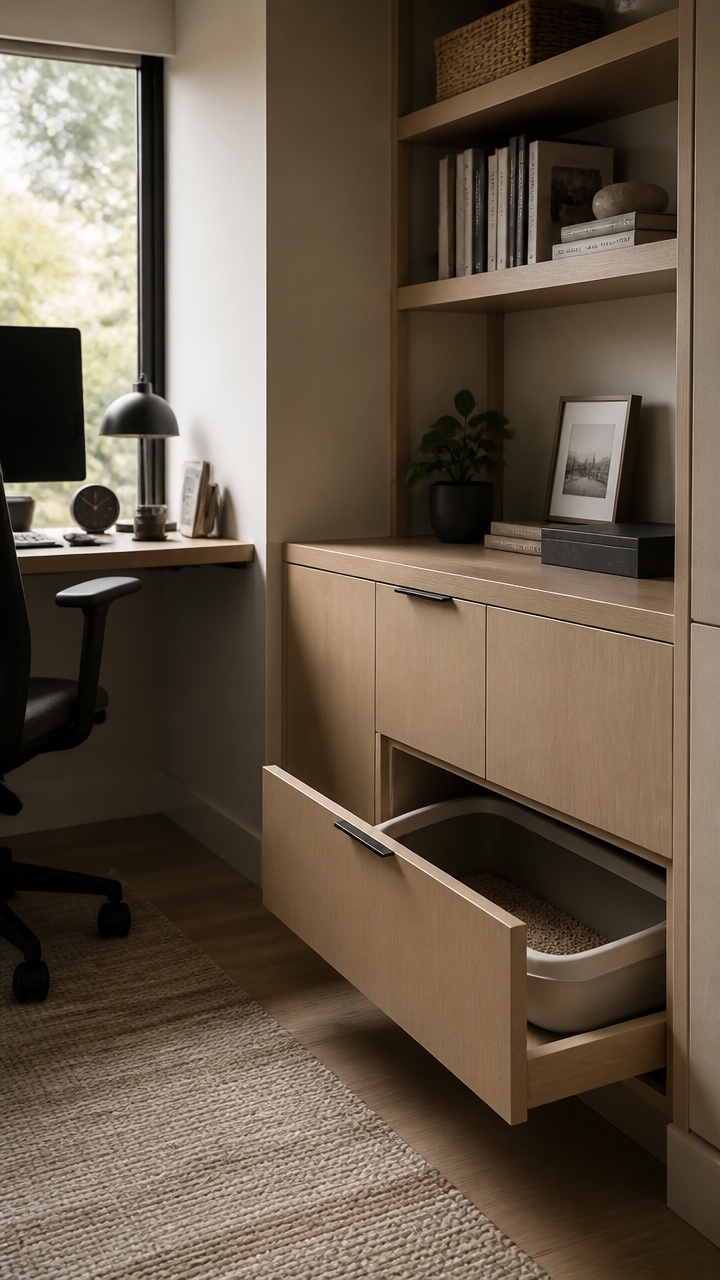
Training your cat to use hidden or specialty litter boxes requires patience and gradual acclimation. Start by placing the new litter box near your current one, allowing your cat to explore it without feeling overwhelmed. Over the course of several days, slowly move the new box closer to its intended permanent location, ensuring each shift feels natural to your cat. Use positive reinforcement, such as treats, praise, or play, to reward your cat whenever it uses the new box. This encourages a positive association and eases anxiety about the change. Make sure the new litter box is accessible, with an entry height appropriate for your cat’s age and mobility, to prevent any slips or avoidance. Keep it clean and odor-free to make it inviting; cats are more likely to use a fresh, well-maintained litter box. If your cat shows resistance during the shift, consider adding a familiar scent, like a cloth with your scent, or use temporary barriers to guide them. Patience and gentle encouragement are key to helping your cat adapt smoothly to a hidden or specialty litter box in a small space.
Space-Friendly Litter Box Solutions for Multiple Cats
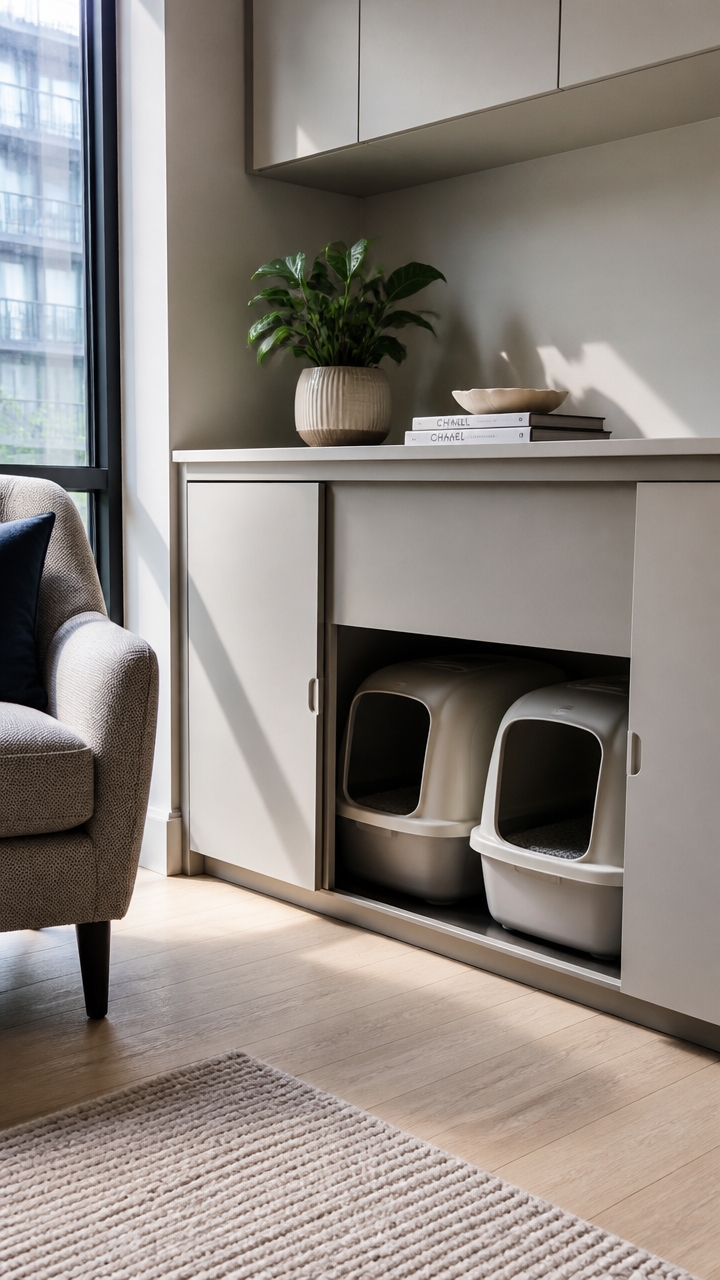
Space-efficient solutions like corner litter boxes or furniture-style enclosures are excellent choices for small apartments with multiple cats. These designs utilize typically unused corner spaces or blend seamlessly with your decor, helping to maximize your available room. Corner litter boxes fit snugly into a corner, reducing visual clutter and freeing up central space for other furniture or pathways, while furniture-style enclosures, such as cabinets or benches with built-in litter boxes, serve dual purposes, hiding messes while offering a stylish, cohesive look. When selecting these options, consider the size and accessibility for your cats to guarantee they’re comfortable when entering and exiting. Proper placement away from busy areas prevents disturbance, and choosing materials that are easy to clean, like smooth wood or plastic, helps maintain a tidy environment. These compact, functional setups make caring for multiple cats in limited space both practical and appealing.
Affordable Ideas for Concealed Litter Areas in Small Homes
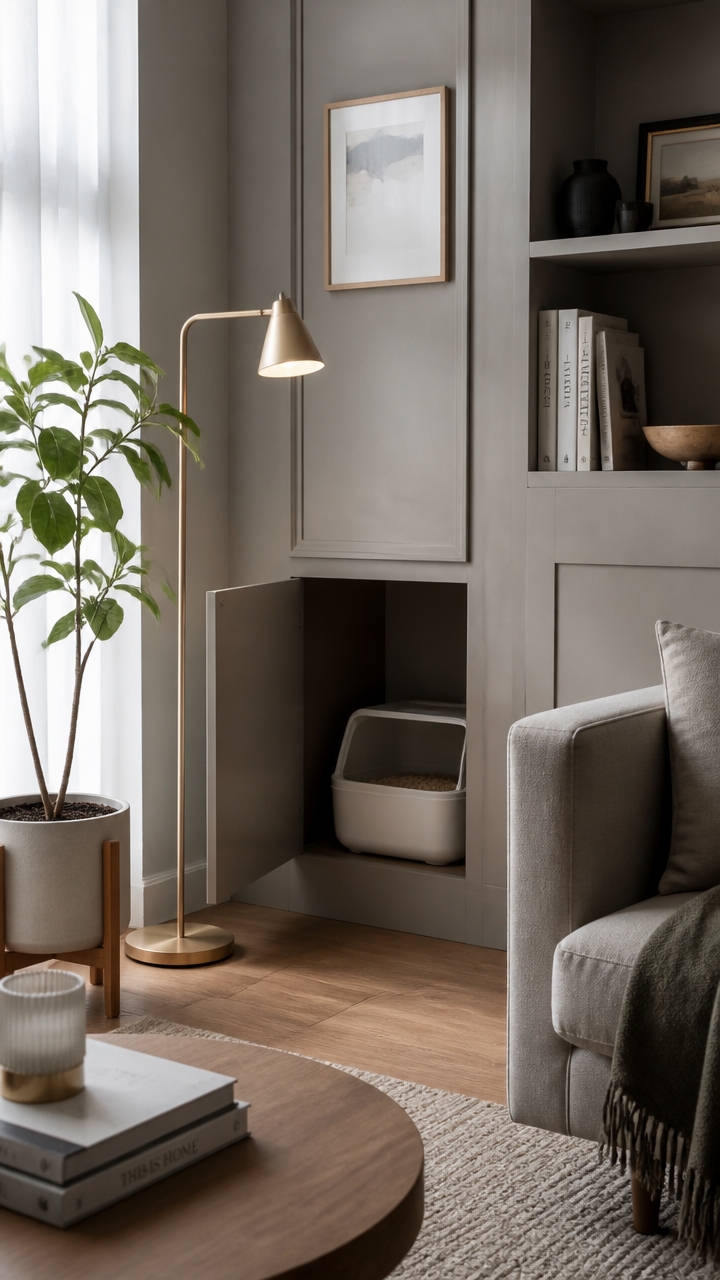
Using DIY furniture projects is an excellent way to create concealed litter spots without breaking the bank. Converting a side table or bench by adding a cut-out opening and lining the interior with a sturdy, washable material can transform an ordinary piece of furniture into a discreet litter box enclosure. These projects allow customization in size and style, ensuring the unit blends seamlessly with your home decor. Placement is key, position such DIY furniture in spots with easy access for cleaning, like near an entryway or in a seldom-used corner. With basic tools and materials, DIY furniture solutions offer a practical, low-cost way to hide litter discreetly while maintaining the flow of your living space.
Easy Maintenance Tips for Your Small-Space Litter Box Setup
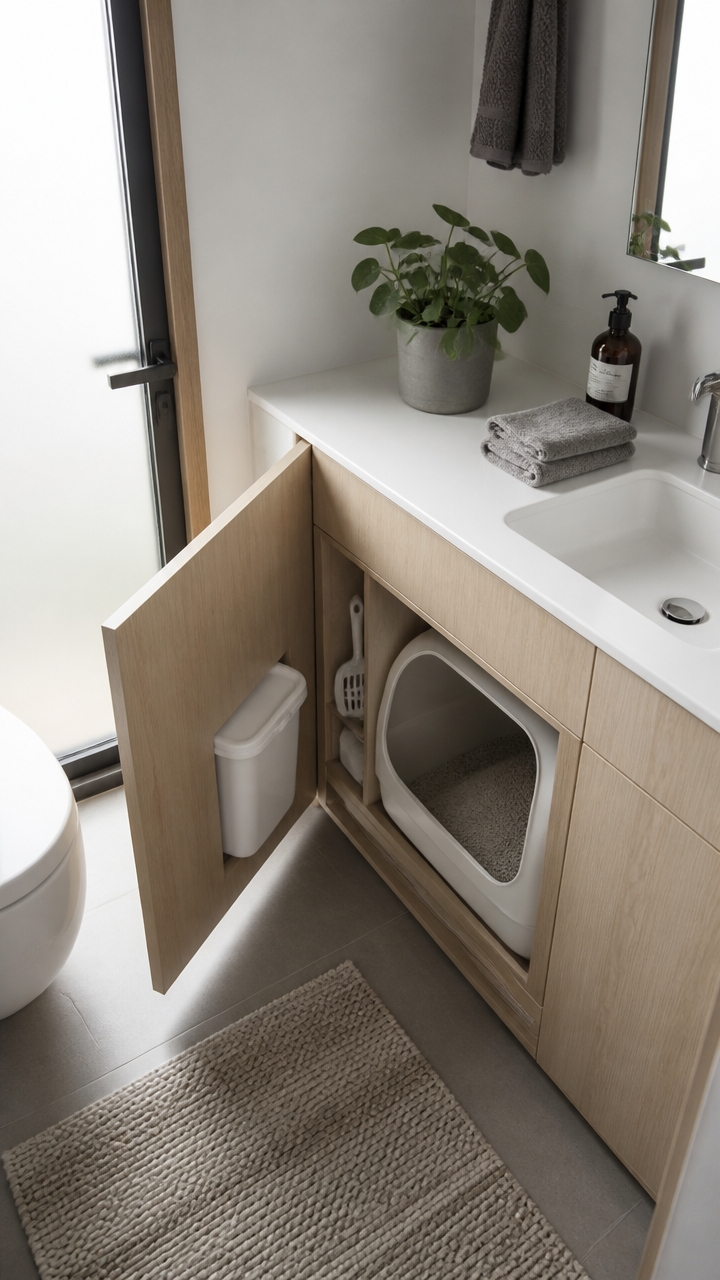
Enforcing a regular cleaning routine is key to maintaining a tidy and odor-free small-space litter box setup. Scooping the litter at least once daily prevents waste buildup and minimizes odors, ensuring a fresher environment for both your pet and your living space. Using high-quality, odor-controlled litter can considerably reduce smell and extend the time between full changes, which should be every 1-2 weeks to keep the area consistently fresh. When cleaning the litter box, scrub it thoroughly with soap and water weekly to remove residue and prevent bacterial growth. Incorporate pet-safe disinfectants for a deeper cleanse without harming your feline friend. Position the litter box in a well-ventilated spot, and consider an enclosed or high-sided box to contain messes and odors effectively in small spaces. Adding a small, quiet air purifier nearby can further improve air quality by capturing lingering smells, creating a more pleasant environment for both your pet and your home. Regular maintenance not only keeps odors under control but also promotes your pet’s health and comfort in confined living spaces.
Final Takeaways
In wrapping up, your small space can become a curated tableau of both form and function, where every cubic inch is optimized, like a bijou Chanel suite, balancing discreet sophistication with practical needs. By thoughtfully selecting among designer joinery options, eco-conscious materials from Ferm Living’s “Svensk” line, or custom fabrications akin to Vincente Wolf’s “Larson” textiles, you create a cocooning environment. Rest assured, with strategic thinking, whether choosing a hidden nook or an elegant banquette, you’ll master the art of small-space chic, more effortlessly than you ever imagined.

- 20 Small Home Space Saving Ideas That Transform Any Space - September 28, 2026
- 23 Small Guest Room Ideas Maximize Space Designers Swear By - September 28, 2026
- 22 Small Space Apartment Ideas That Make a Big Difference - September 27, 2026