
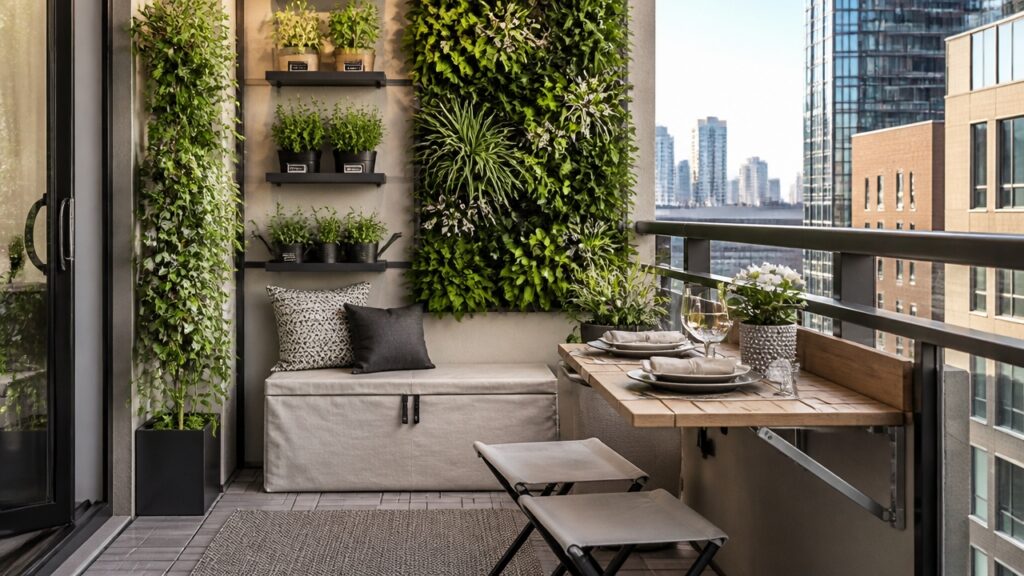
In the compact confines of your garden, whether a courtyard, balcony, or tightly edged plot, strategic design decisions, such as evaluating spatial potential with a laser measure from Ryobi ($30, 2022), then framing pathways with cobbled stones sourced from Marshalls ($4 per linear foot), can dramatically shift perceptions; layering elements like vertical greenery on sleek, aluminium joinery from Z Laminate ($120 per panel, 2021), employing colours like Benjamin Moore’s “Hale Navy,” and selecting multifunctional furniture from IKEA’s VIMLE collection, these choices, often overlooked, form a cocooning environment that balances charm with function.
Start Your Small Garden Plan With Key Principles
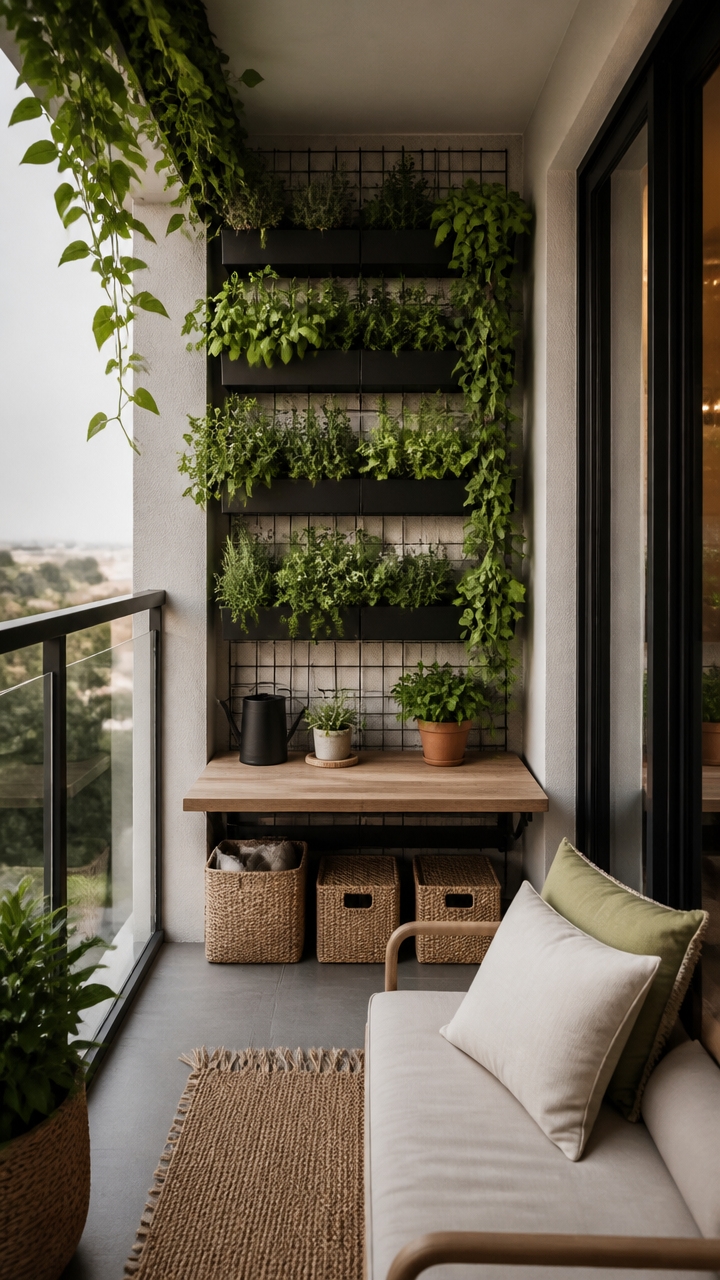
Prioritizing key principles like balance, proportion, and layout is essential when designing a small garden. These foundational concepts help you make the most of limited space while creating a visually harmonious and functional area. Balance involves distributing plantings, furniture, and features evenly to prevent overcrowding and achieve visual stability. Proportion ensures that elements are scaled appropriately; for example, large planters or furniture should complement the overall size of your garden rather than overpower it. Attention to layout allows for clear pathways, designated zones for seating or growing, and logical flow, making the space inviting and easy to navigate. Implementing space-saving strategies can further optimize your layout and maximize every inch of your small garden. By keeping these principles in mind from the start, you lay a solid foundation that enhances both the beauty and usability of your small garden, guaranteeing that every inch is thoughtfully utilized.
Assess Your Space and Set Realistic Goals
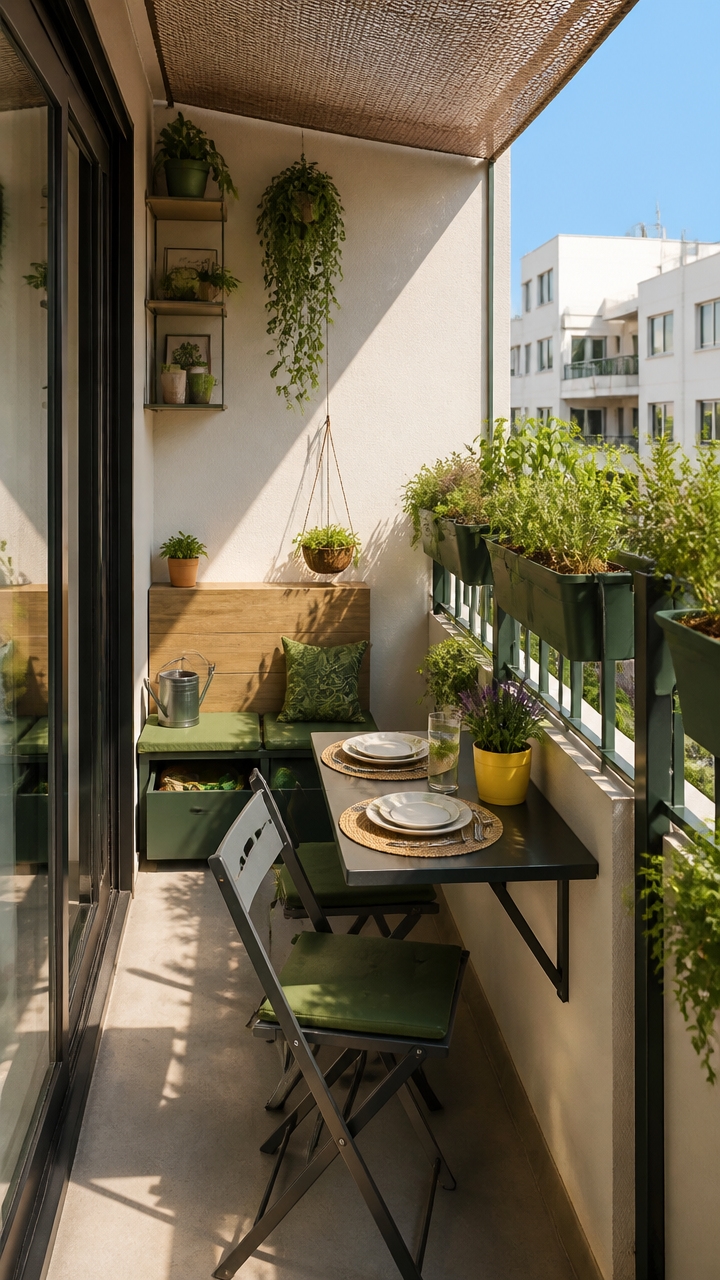
Before diving into your small garden project, take the time to carefully measure your available space. Knowing the precise dimensions and shape of your area helps you design efficiently and avoid overestimating what can be achieved. Use a tape measure to record length and width, and note the location of existing features like walls, fences, trees, or shaded spots that might influence your layout. This understanding allows you to plan a garden that fits comfortably without feeling crowded or cluttered. Additionally, exploring space-saving strategies can help you make the most of your small area.
Next, clarify what you want your garden to accomplish. Are you aiming for a lush veggie patch, a peaceful retreat, or a colorful display? Setting specific, achievable goals guides your choices and keeps your project focused. Be realistic about the time and effort you can dedicate to maintenance, and select plants and features that match your lifestyle. By aligning your vision with the actual space and your capabilities, you create a garden that remains enjoyable and manageable in the long run.
Define Zones With Pathways and Borders
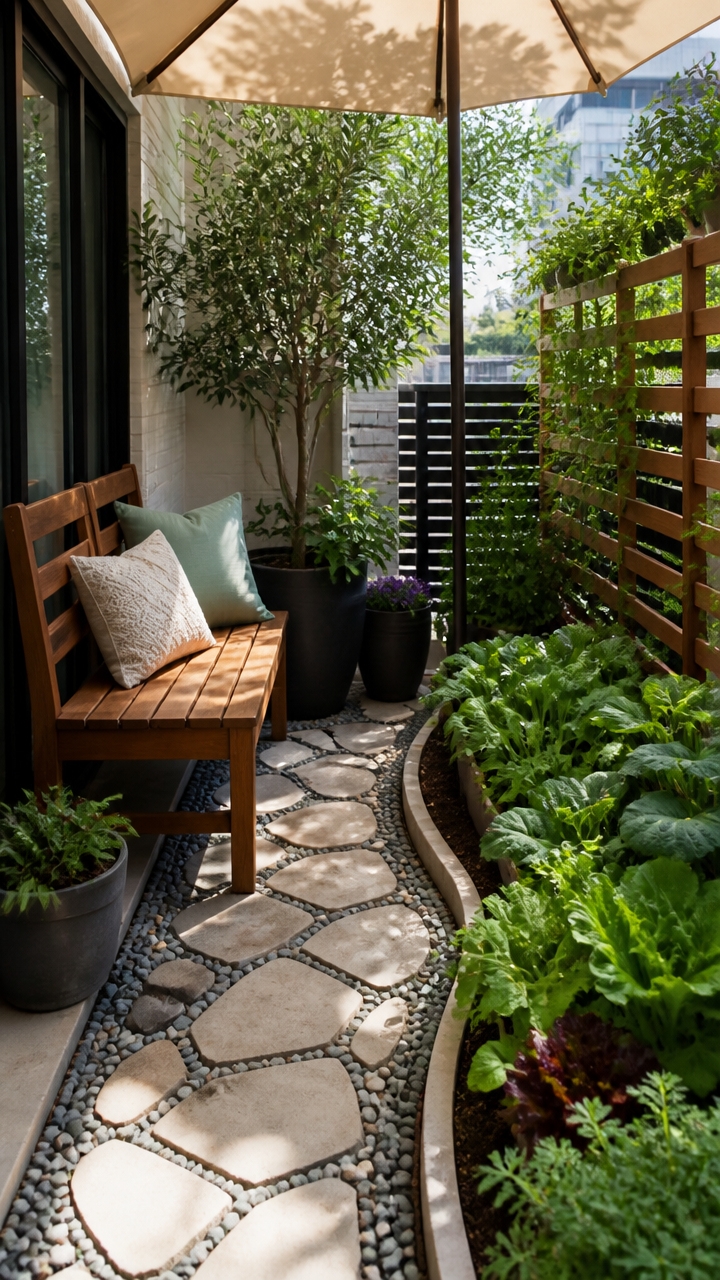
Using pathways and borders is an effective way to organize a small garden into distinct, functional areas. Pathways made of materials like stone, gravel, or pavers can be curved or meandering, which not only guides the eye through the space but also creates the illusion of a larger area. This visual interest encourages exploration and makes the garden feel more expansive than it actually is. Borders, constructed from bricks, wood, or planting beds, serve to clearly delineate each zone, providing a tidy boundary that helps keep plants contained and prevents soil or mulch from spilling into pathways. Incorporating visual interest through varied textures or patterns in pathways and borders can also enhance the overall aesthetic.
Strategically placed pathways allow for easy maintenance and harvesting without disrupting other areas of the garden. They also make it simpler to water, prune, and tend to different plants, reducing foot traffic over sensitive beds. Incorporating decorative borders around each zone enhances visual clarity and adds an attractive element to the overall design. Properly chosen materials and proportions should complement the garden’s style, ensuring that pathways and borders contribute both functionally and aesthetically to the small-space layout.
Maximize Space Using Vertical Gardening Techniques
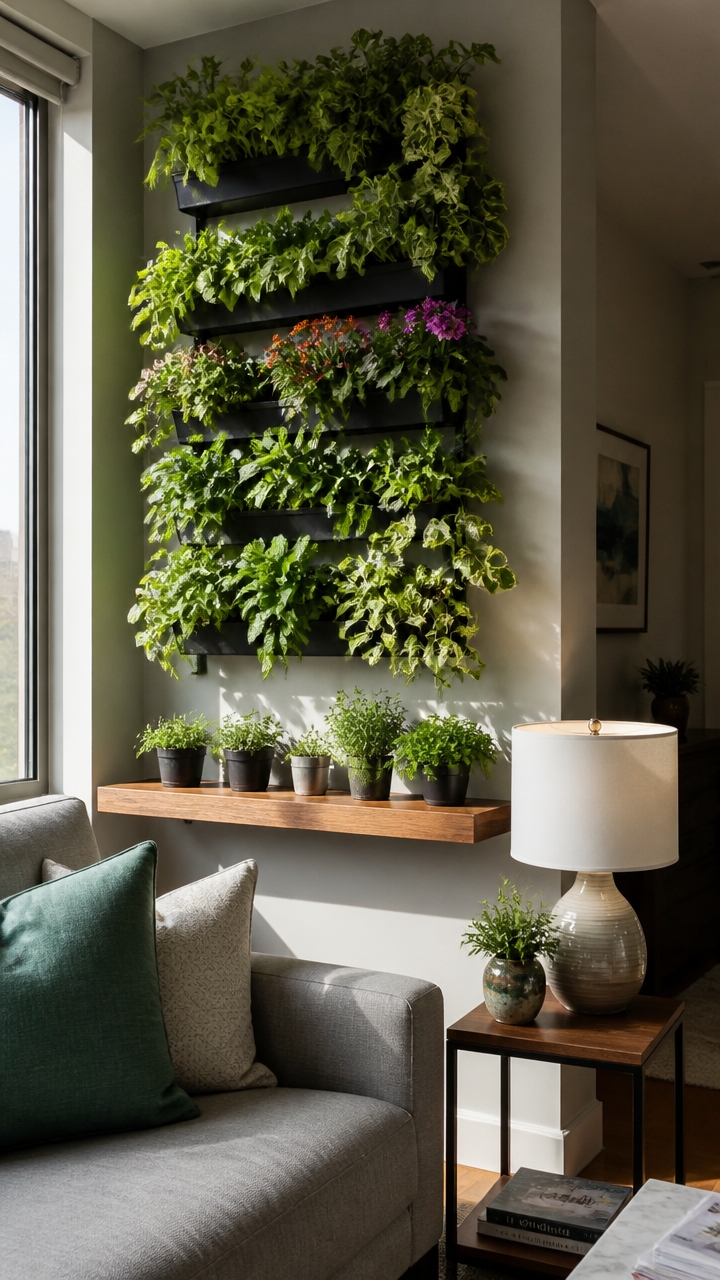
Vertical gardening utilizes wall-mounted planters, trellises, and hanging baskets to considerably increase planting space without the need to expand the garden’s footprint. This approach allows small gardens to maximize their limited ground area by shifting greenery upward. Incorporating climbing plants like tomatoes, beans, and flowering vines enables efficient use of vertical structures, making the most of every available inch. Setting up vertical gardens on fences, walls, or dedicated green walls not only conserves space but also enhances visual interest and adds lush greenery to confined areas. Growing plants vertically also benefits their health by reducing soil disturbance and improving air circulation, which can prevent disease and promote stronger growth. Overall, vertical gardening offers a practical and attractive solution for small garden spaces, transforming narrow plots into thriving, productive, and beautiful urban oases. Maximizing planting space through vertical techniques allows gardeners to create lush environments even in limited areas.
Choose Multi-Functional Furniture for a Smarter Setup
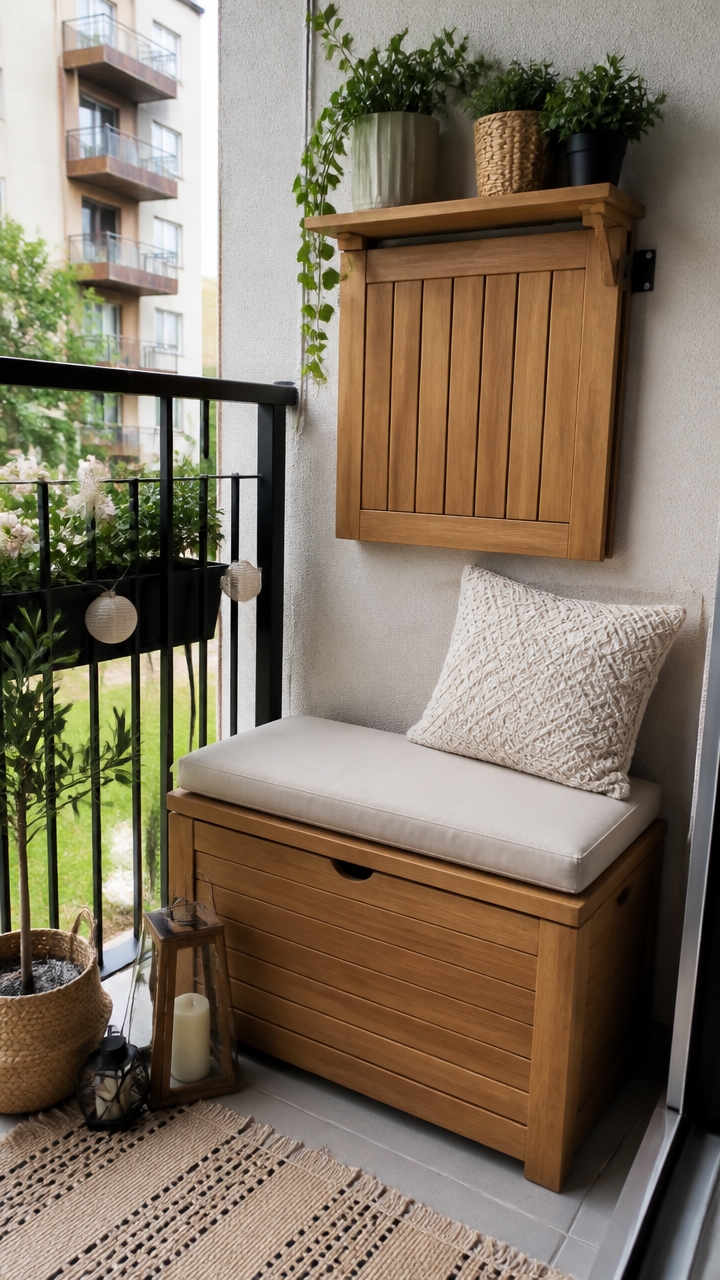
Integrating multi-functional furniture into your small garden is an effective way to maximize limited space while enhancing functionality. Garden benches with built-in storage allow you to keep outdoor essentials like tools, cushions, or gardening supplies tucked away yet easily accessible. These pieces serve as both seating and storage, reducing clutter and making efficient use of vertical and horizontal space. Similarly, tables that can double as plant stands provide flexibility, when hosting a gathering, use the table for socializing; during quiet moments, reposition it to display plants and greenery, creating an inviting, layered look. Selecting durable materials ensures that your furniture remains functional and attractive despite exposure to the elements. When selecting these multi-purpose pieces, consider proportions to guarantee they fit comfortably within your garden without overwhelming the area. Materials should be durable and weather-resistant, such as treated wood, metal, or composite materials suitable for outdoor use. Placement should be intuitive, position storage benches near seating zones or along pathways to facilitate easy access. This approach not only helps keep your small garden organized but also creates a versatile environment where furniture serves multiple roles, making every inch work harder for you.
Use Light Colors and Reflective Surfaces to Open Up Your Garden
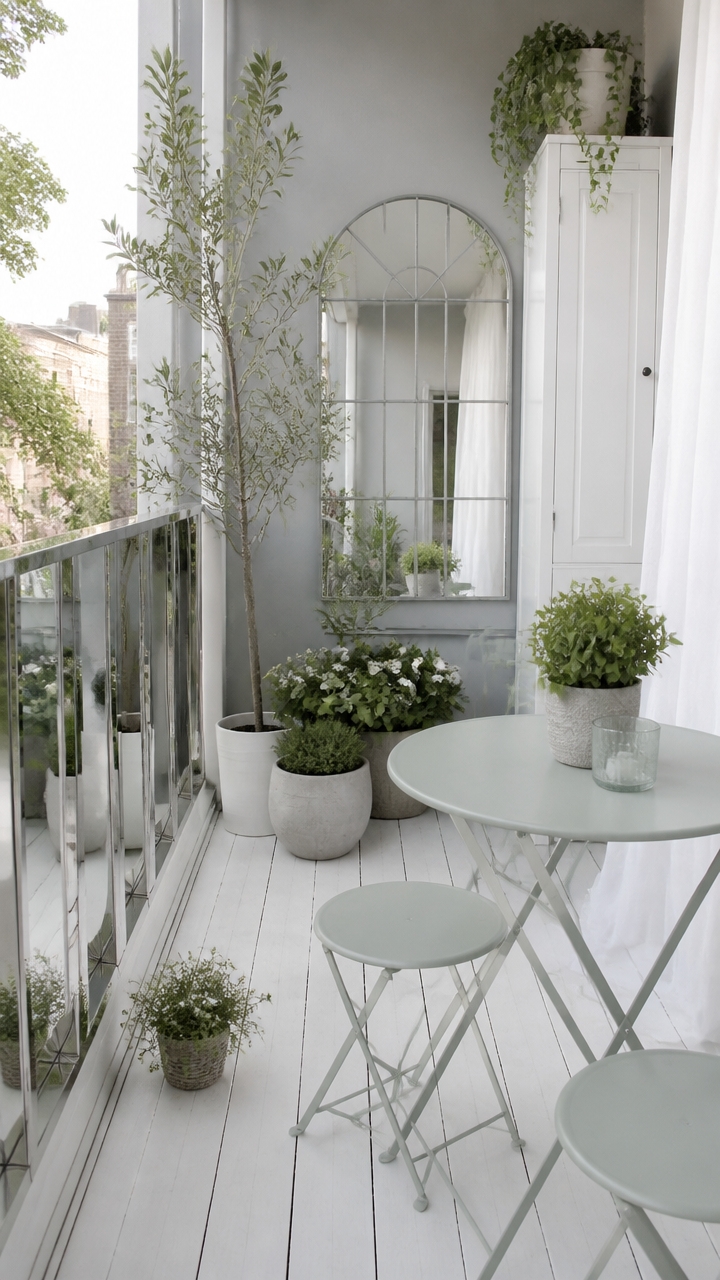
In a small garden, creating a sense of openness can transform it from a cramped spot into a welcoming outdoor retreat. Incorporating light colors and reflective surfaces is a simple yet effective way to achieve this. Light-colored paving, walls, and furniture reflect more sunlight, which brightens the space and enhances the feeling of spaciousness. Opt for neutral shades like whites, creams, or pastels for surfaces and furniture to maximize this effect. These colors bounce natural light around the garden, reducing shadows and making the area feel larger.
Adding reflective surfaces such as mirrors or shiny water features further amplifies this illusion. Strategically placing mirrors on walls or fencing can double the perceived size of your garden, creating visual depth and expanding the space. Water features that have a glossy or reflective surface , like small ponds or fountains with shimmering finishes , also contribute to this sense of openness by reflecting light and surroundings.
When selecting colors and materials, consider maintaining a consistent, light palette to create unity and flow. Keep reflective surfaces clean and well-positioned to catch and bounce sunlight into shadowed corners. Overall, using light colors combined with well-placed mirrors and water features can dramatically open up a small garden, making it feel brighter, larger, and more inviting.
Add Elevated and Raised Beds for More Planting Room
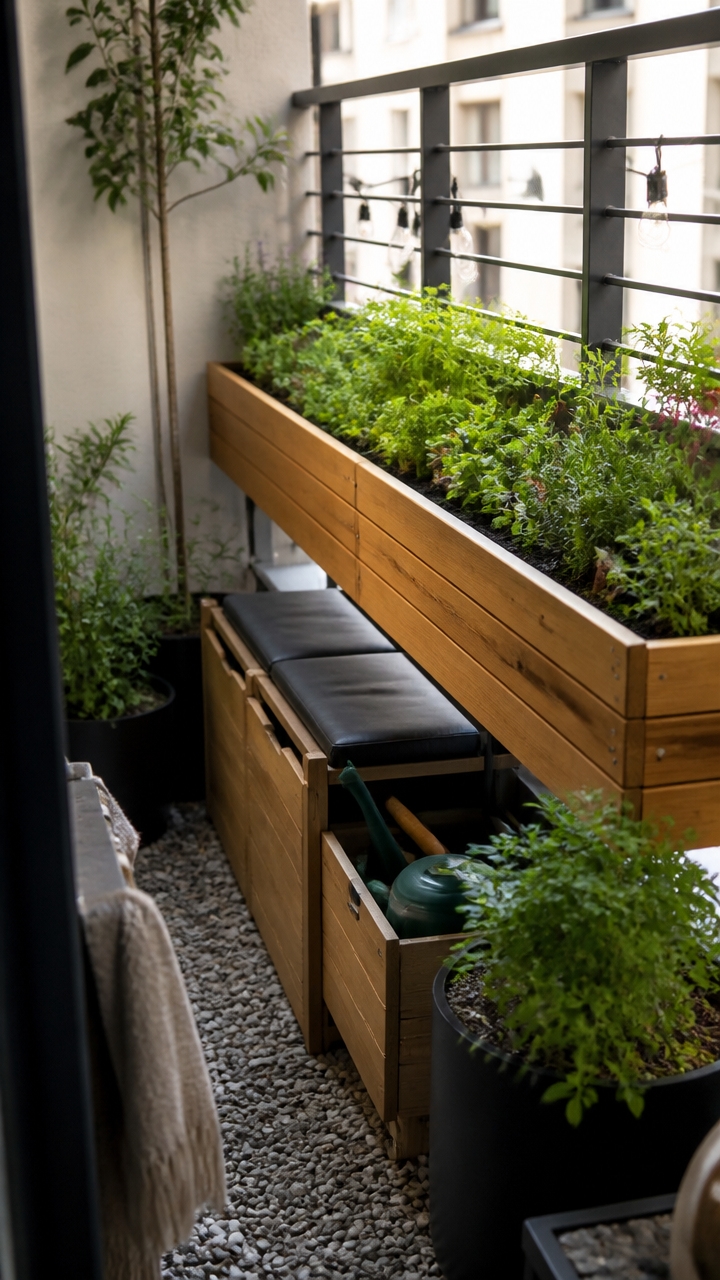
Adding elevated and raised beds to your small garden maximizes planting space while improving soil quality and drainage. These beds increase planting depth, allowing you to grow a wider variety of plants and boost their health. By defining specific zones within your garden, raised beds make a small area feel more organized and functional. They also reduce the need to bend or kneel, making garden maintenance more accessible and comfortable for everyone. Using different heights and materials for your raised beds can add visual interest and complement your garden’s design. Additionally, constructing these beds with sustainable or recycled materials offers an eco-friendly and cost-effective way to enhance your garden’s beauty and functionality. Proper placement and proportion are key, position raised beds where they receive adequate sunlight and fit well within your space, ensuring ease of access and maintenance.
Incorporate Climbing Plants and Trellises to Save Ground Space
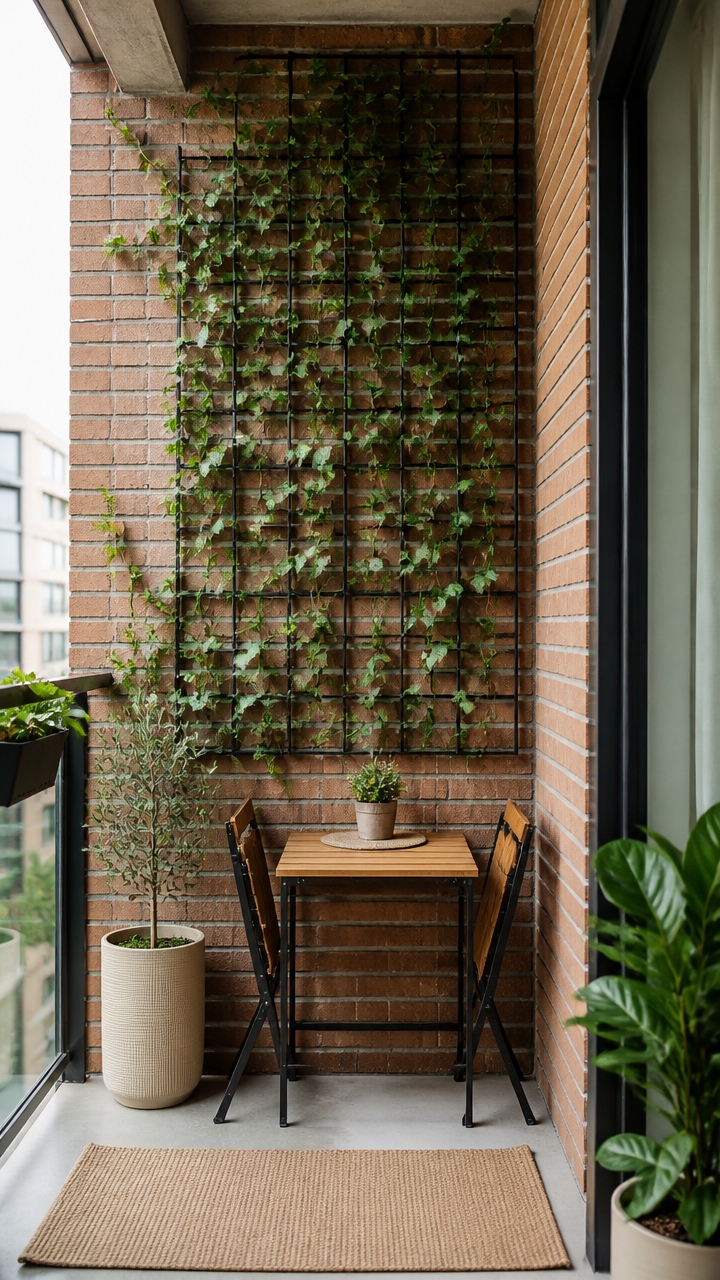
Using trellises along walls or fences is an excellent way to maximize your small garden space by encouraging climbing plants like roses, clematis, and jasmine to grow vertically. This vertical growth frees up valuable ground area for other plants or features while adding lush greenery and vibrant blooms. Position trellises strategically against existing structures or create standalone frameworks for added flexibility. When choosing materials, opt for durable options like metal, wood, or sturdy plastic that can withstand weather conditions. Regularly train and prune your climbing plants to ensure healthy growth and maintain a tidy appearance. This approach not only saves space but also creates an engaging vertical garden display that enhances privacy and visual interest.
Select Small-Scale or Dwarf Plants for a Harmonious Look
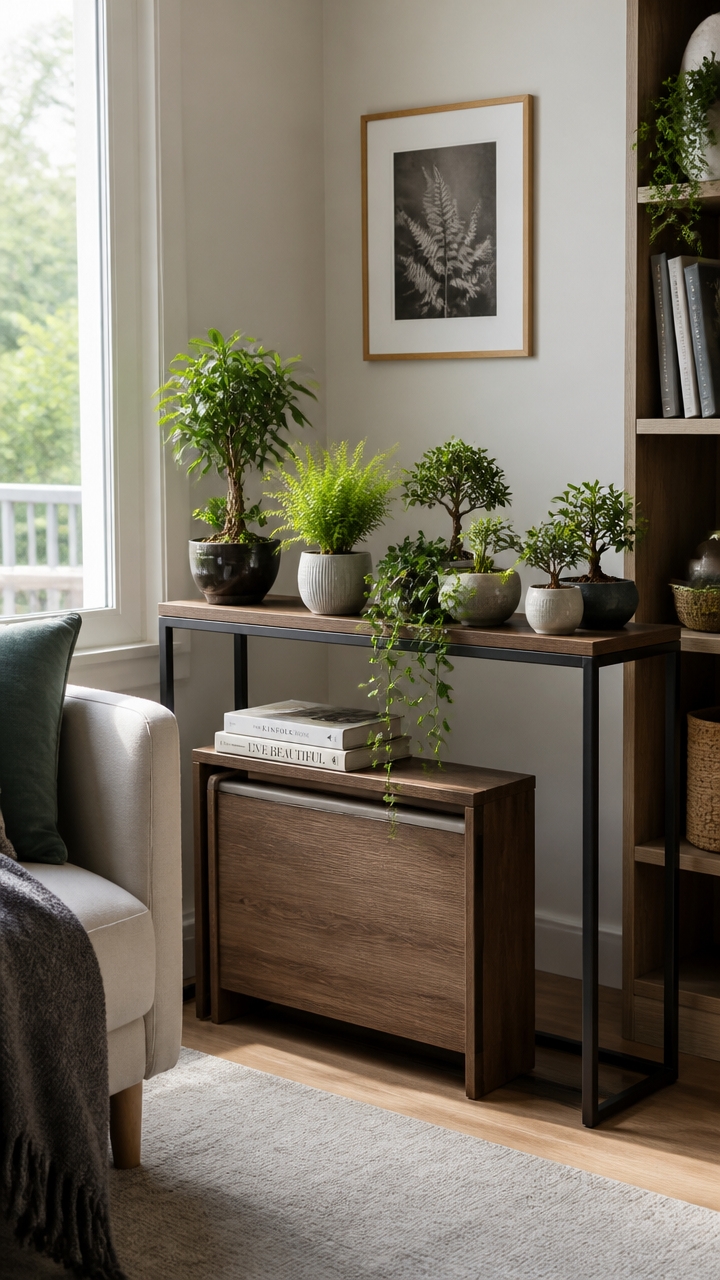
Selecting small-scale or dwarf plants for your garden is essential to creating a balanced and harmonious outdoor space within limited square footage. These plants are naturally compact, which helps maintain proportion and prevents overcrowding. Consider using dwarf varieties of popular plants like Dwarf Alberta Spruce or compact lavender, which stay manageable while adding structure and color. Miniature plants such as creeping thyme, tiny roses, or bonsai trees can also provide visual interest without taking up too much room. Incorporating these smaller plants allows you to maximize your garden’s potential, offering a lush, layered look without overwhelming the space. When planting, pay attention to their mature size and growth habits to guarantee they remain proportionate, and place them thoughtfully around focal points, pathways, or containers to create an inviting, well-organized outdoor area.
Create Focal Points With Water Features or Garden Art
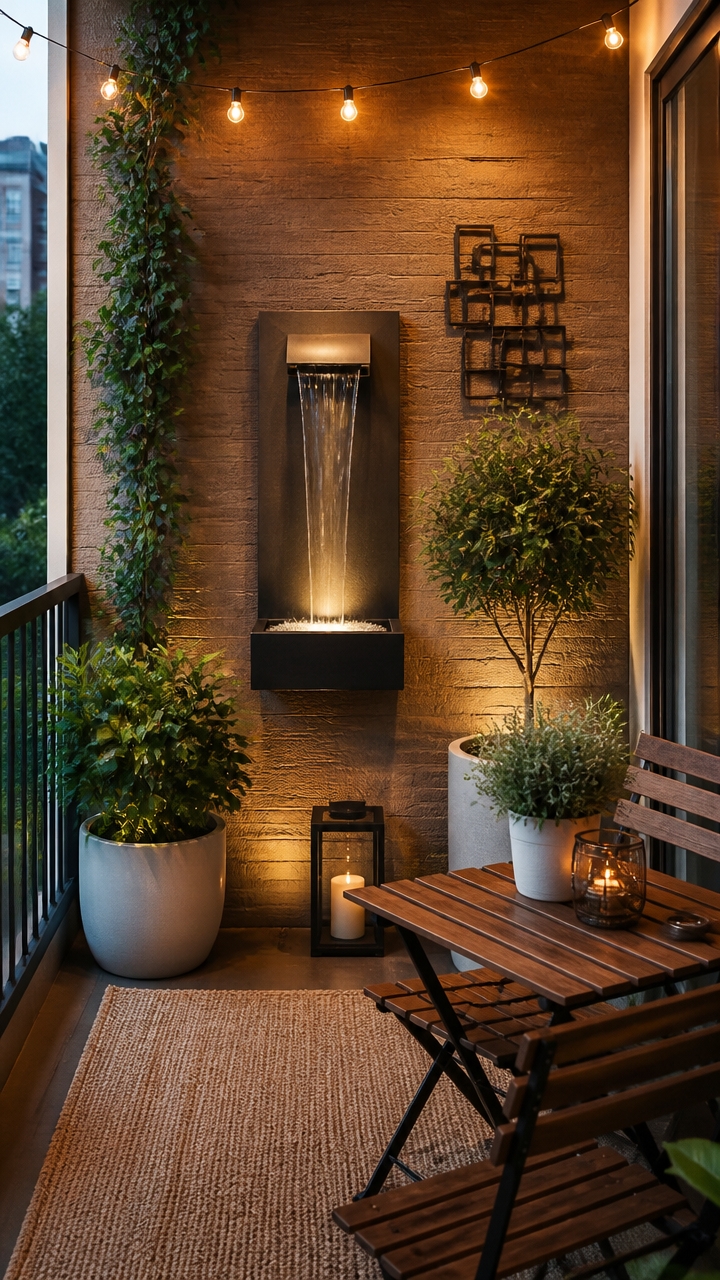
In small garden spaces, establishing a striking focal point is key to creating visual interest and a sense of harmony. Incorporating water features, such as a tiny pond, fountain, or birdbath, serves as a soothing centerpiece that naturally draws the eye. These elements not only add aesthetic appeal through their reflective surfaces and gentle movement but also introduce calming sounds that enhance the tranquility of the area. To maximize their impact, place water features near the center or at a visible entry point, and select proportions that complement the overall size of the garden.
Garden art, including sculptures or decorative statues, is another effective way to personalize a compact outdoor space. Strategically positioning these pieces in prominent locations, such as along pathways or near seating areas, captures attention and provides a sense of personality and style. Material choices and finishes should harmonize with other elements in the garden, ensuring the art enhances rather than overwhelms the space. When paired with water features, garden art can further elevate the visual appeal by creating a dynamic, multi-layered focal point that anchors your entire garden design.
Brighten Tiny Gardens With Colorful Plantings and Decor
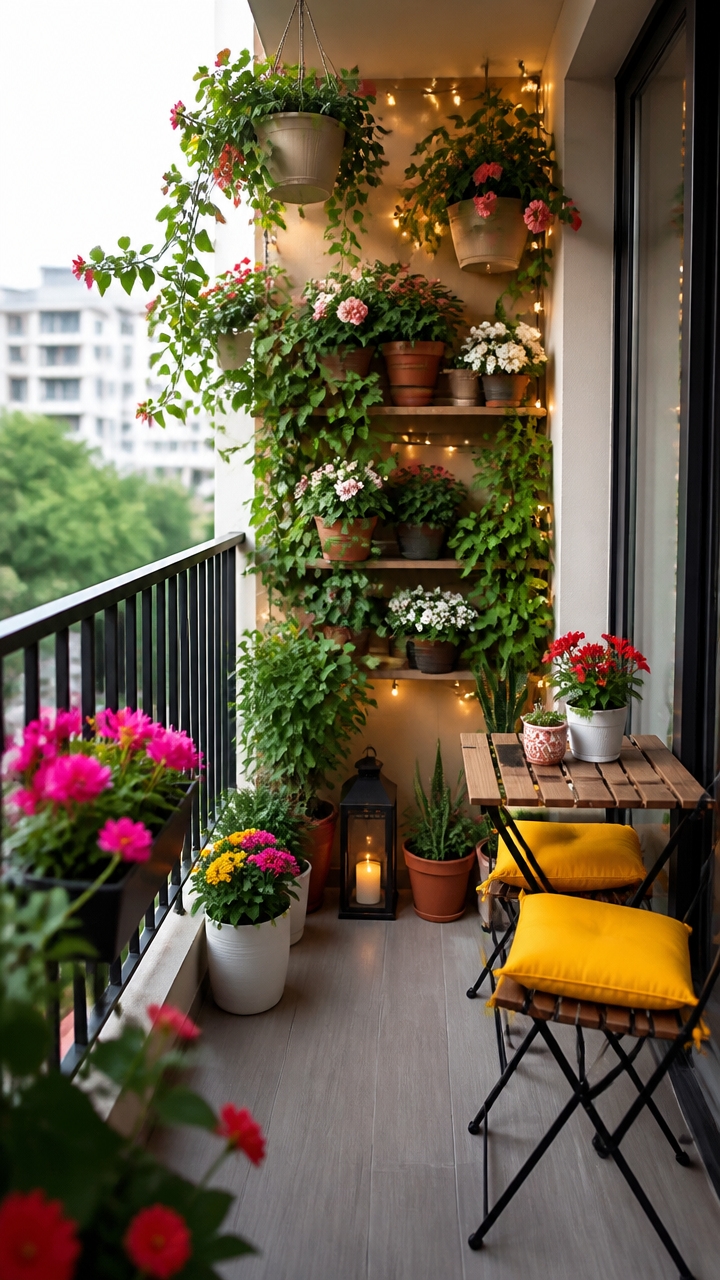
Adding vibrant flowering plants like petunias, marigolds, and begonias can instantly infuse small garden spaces with lively color. Group these blooms thoughtfully in clusters or containers to maximize visual impact and create cheerful focal points. Using colorful containers and planters not only supports your plants but also serves as decorative accents that draw the eye. Mix contrasting foliage and flower colors, such as purple lavender paired with yellow daisies, to craft eye-catching combinations that lift the overall atmosphere. Incorporating decorative garden décor, like painted pots or cheerful outdoor furniture, further amplifies the lively, inviting vibe of your tiny garden. Be sure to select seasonally blooming plants to guarantee your garden remains vibrant and colorful throughout the entire year.
Save Space and Reduce Clutter With Hidden Storage Solutions
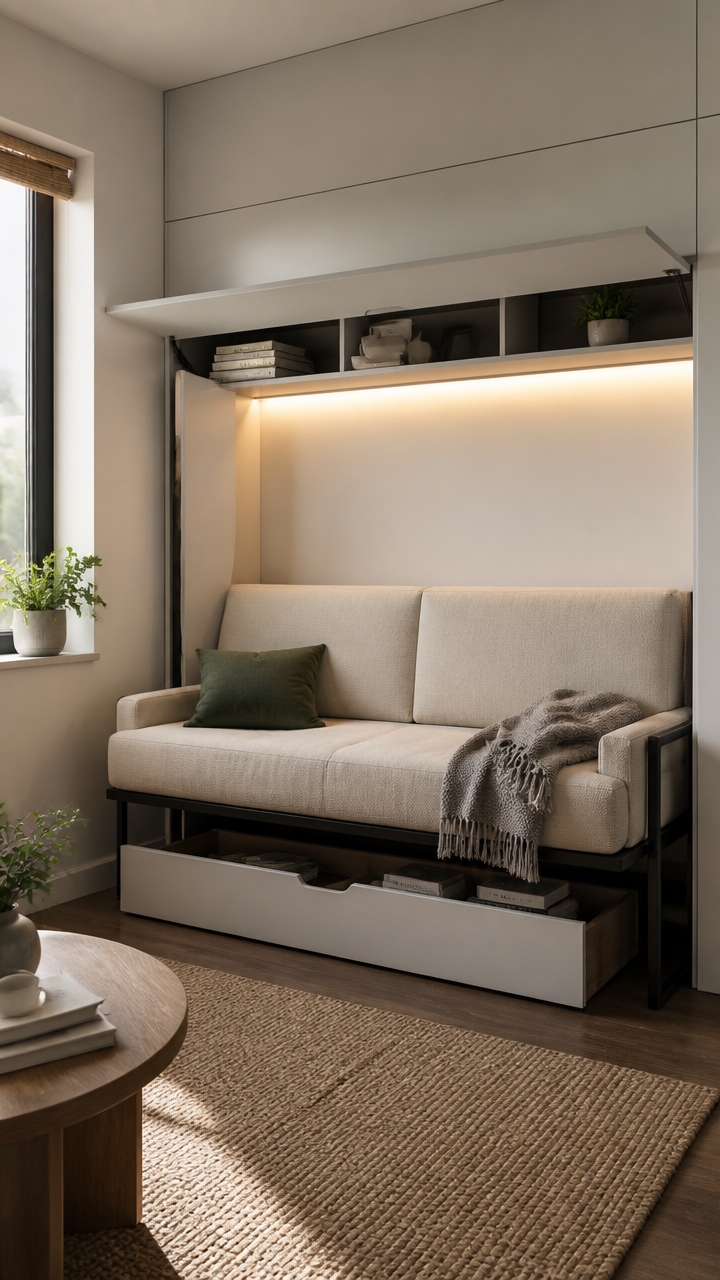
Maximizing a small garden requires creative use of space, and hidden storage solutions are an excellent way to keep your area tidy and functional. Incorporating under-seat compartments or built-in benches provides discreet storage that blends seamlessly with your furniture, making use of otherwise wasted space. Garden beds designed with built-in storage allow you to hide tools and supplies beneath plants, maintaining a natural aesthetic. Recessed wall niches and façade-integrated cabinets are perfect for tucking away garden tools and supplies out of sight, reducing clutter. Multifunctional furniture, like storage ottomans or planters with hidden compartments, offers dual-purpose seating and storage; just choose sizes and styles that complement your garden’s overall design. Vertical storage options, such as wall-mounted hooks, shelves, and hanging baskets, help keep equipment organized without occupying valuable ground space. Using concealed storage within garden features not only keeps your outdoor area looking neat and spacious but also guarantees your essentials are easily accessible when needed.
Introduce Container Gardens and Hanging Planters
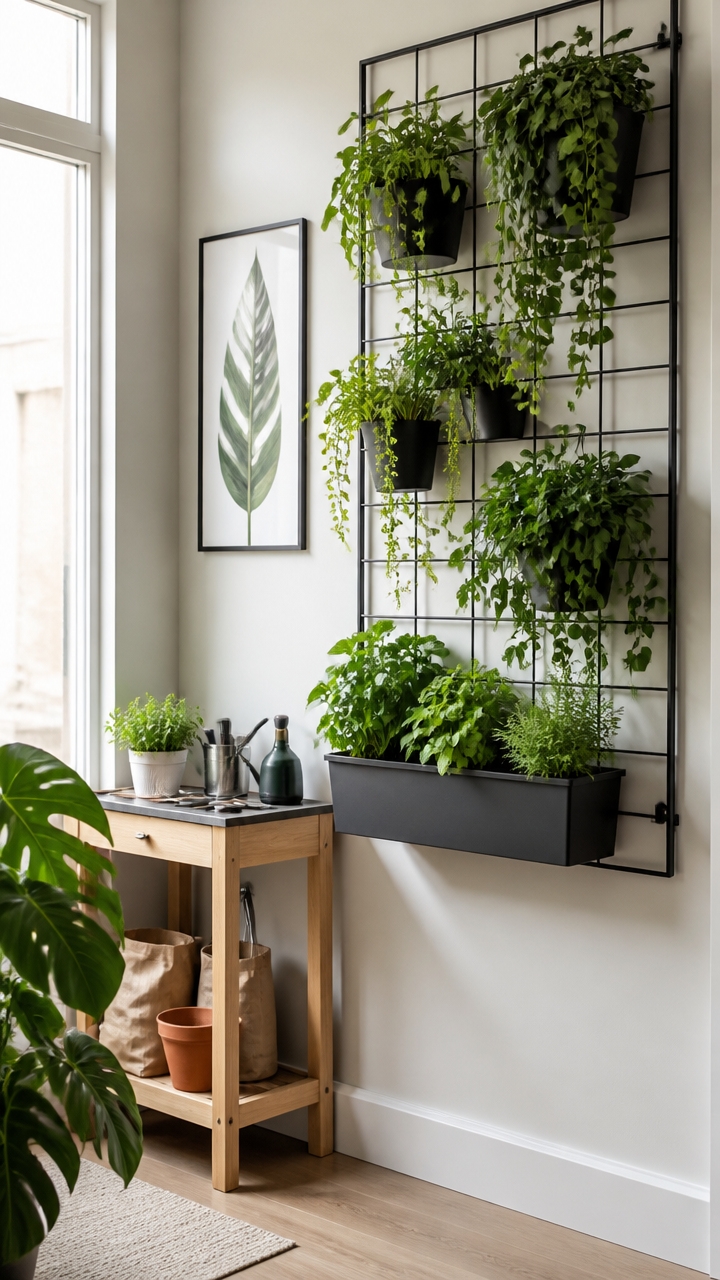
Container gardens and hanging planters are excellent solutions for maximizing limited outdoor spaces. Container gardens use pots and containers that can be easily moved and rearranged, allowing you to tailor your garden layout as desired. This flexibility is especially helpful in small courtyards, balconies, or patios where space is at a premium. Choosing the right containers, such as lightweight plastic or ceramic pots, and arranging them strategically can create a lush, organized look that maximizes every inch of available space.
Hanging planters are perfect for utilizing vertical space, making them ideal for small gardens, balconies, or patios with minimal ground area. They can be mounted on walls, fences, or ceiling hooks to add greenery without sacrificing valuable floor space. When selecting hanging planters, consider materials like durable fabric, ceramic, or plastic, and ensure they have proper drainage. Arranging hanging plants at different heights can add visual interest and depth to your small garden. Both container gardens and hanging planters are versatile choices that support a wide range of plants, from flowers to herbs and vegetables, making them practical and attractive additions to compact outdoor areas.
Use Mirrors and Reflective Surfaces to Enhance Illusions of Space
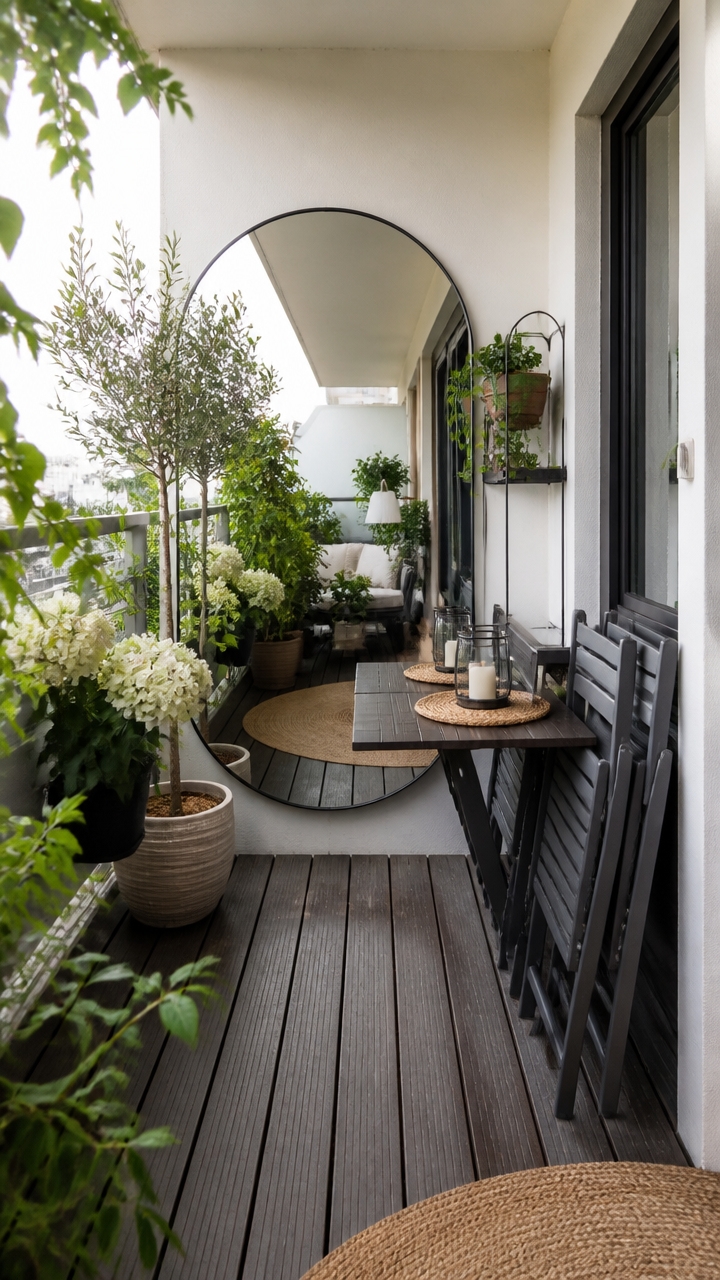
Mirrors and reflective surfaces are among the most effective ways to make a small garden feel larger and more inviting. By strategically placing mirrors opposite focal points, such as a striking plant, water feature, or garden sculpture, you create the illusion of depth that extends beyond the physical boundaries of your space. Reflective surfaces bounce natural light around the garden, brightening dark corners and making the entire area feel more open and airy.
Weather-resistant mirror panels designed specifically for outdoor use are ideal, as they withstand the elements and can be incorporated into walls, fences, or freestanding installations. These panels come in various sizes and styles, allowing you to tailor their placement to your garden’s layout and aesthetic. For example, a tall, narrow mirror placed near a pathway can elongate the view, while a large, square panel can reflect the sky and surrounding greenery to double the visual impact.
In addition to mirrors, reflective garden ornaments such as metallic sculptures, water features, or glossy planters can add visual interest while increasing the sense of space. Incorporating these elements thoughtfully not only enhances your garden’s beauty but also creates the illusion of a larger, more vibrant outdoor area.
Choose Light-Powered or String Lighting for a Cozy Atmosphere
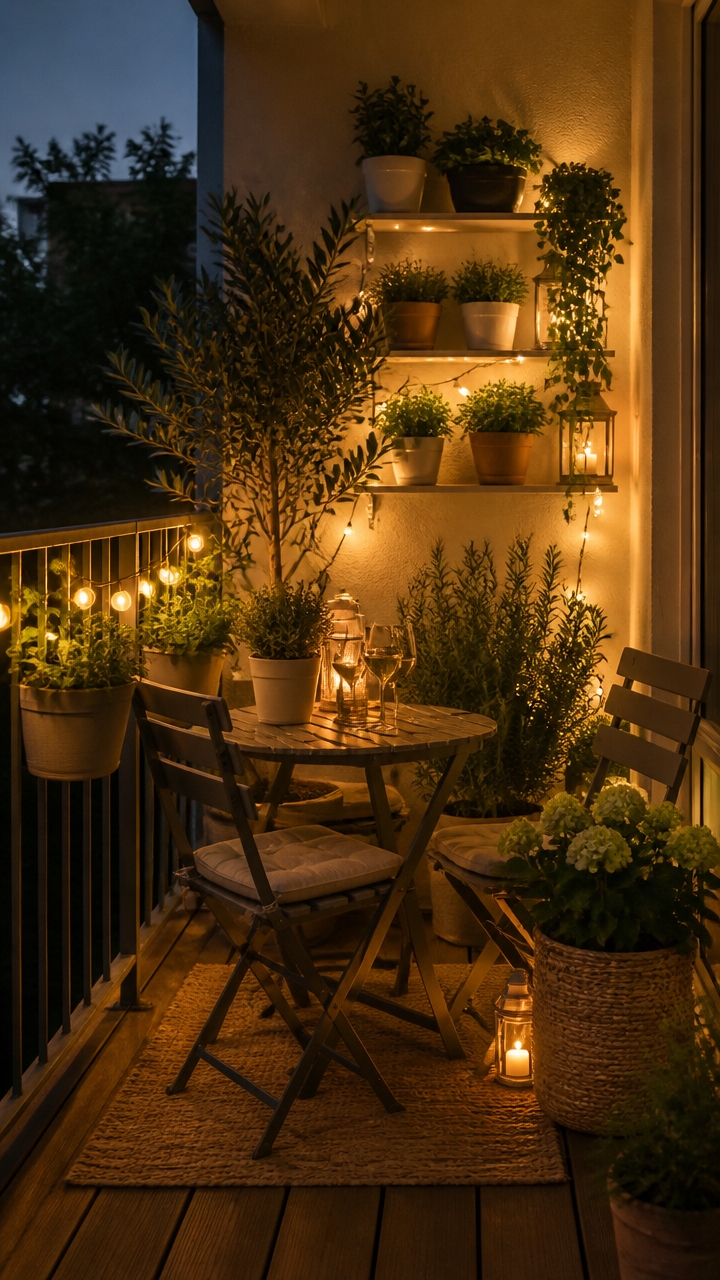
Implementing light-powered or string lighting is an excellent way to create a warm, inviting ambiance in a small garden without adding to your energy bills. Solar lights are particularly practical, they charge during the day using sunlight and turn on automatically at dusk, providing eco-friendly illumination that reduces your environmental footprint. String lights are highly versatile and can be draped over trees, along fences, or along pathways to define spaces and add visual interest. LED string lights offer energy efficiency, durability, and a variety of color options, allowing you to customize the mood to match your garden’s personality. Proper placement is key; target focal points such as seating areas, decorative plants, or garden features to highlight and expand the perceived size of your outdoor space after sunset. Ensuring the lights are positioned where they can get adequate sunlight or strategic placement for aesthetic appeal will maximize their charm and functionality.
Implement Low-Maintenance, Drought-Tolerant Plants
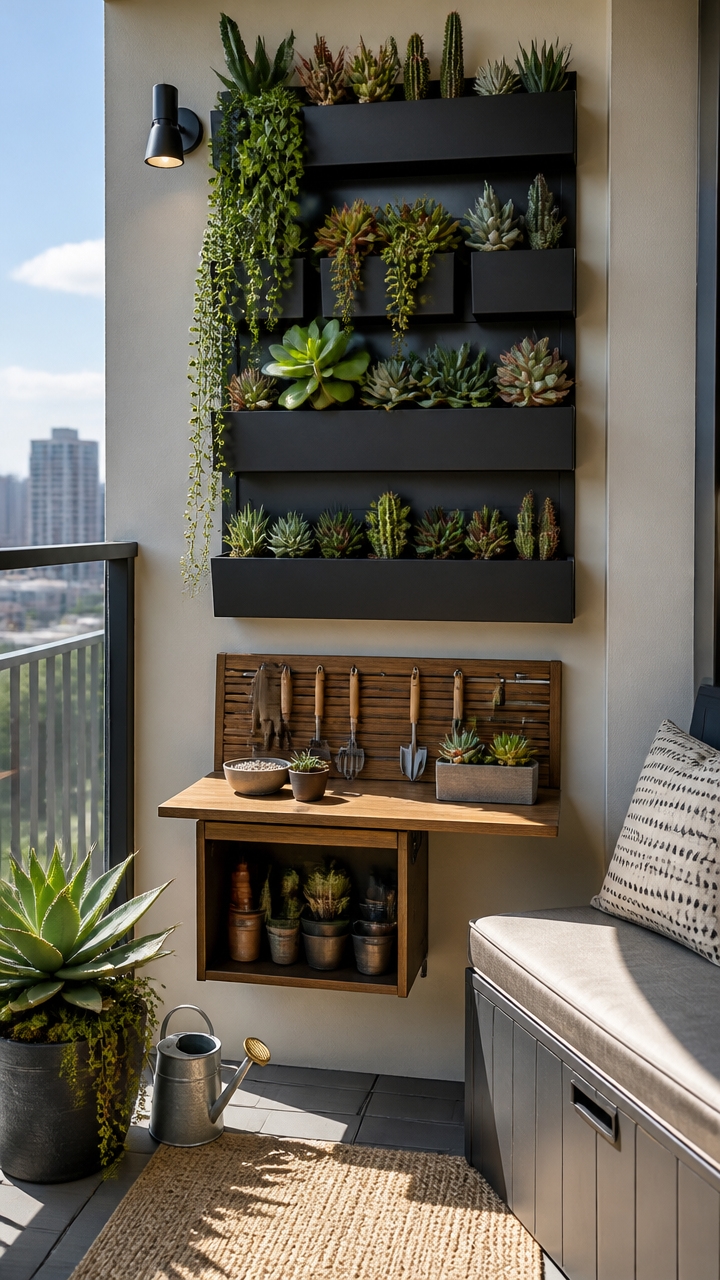
Choosing drought-tolerant plants like succulents, lavender, and Russian sage creates a beautiful, easy-to-maintain garden with minimal watering needs. These plants are well-suited for small spaces because they require little attention once established, making them ideal for busy gardeners or those seeking water conservation. Place them in well-draining soil and select sunny spots to guarantee their health and resilience. Incorporate these plants into your garden beds or containers, and group them with mulch to help retain soil moisture and suppress weeds. Using drought-resistant ground covers such as creeping thyme or sedum not only covers bare soil but also adds texture and color with very little maintenance. Combining these plants with strategic placement and mulching creates a sustainable, vibrant garden that thrives with less water and effort.
Plan for Year-Round Interest With Seasonal Planting
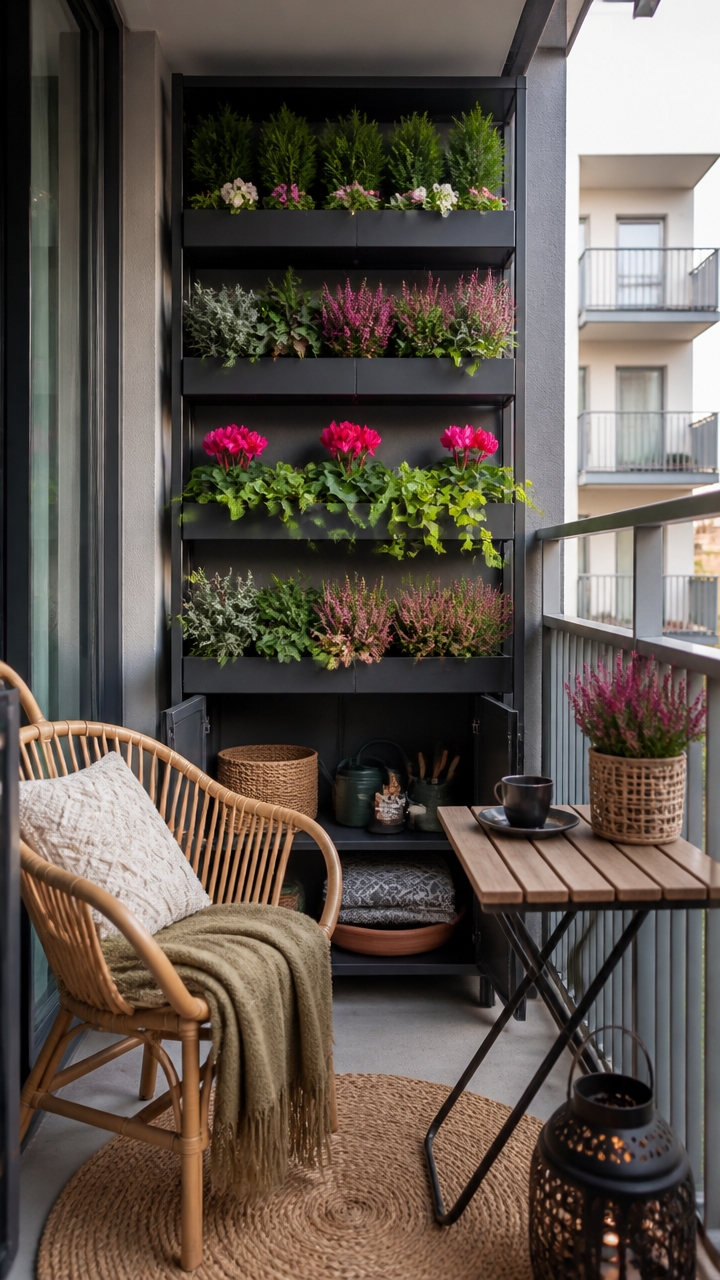
In a small garden, maximizing visual interest across all seasons is achievable through strategic seasonal planting. Incorporate seasonal flowers like tulips in spring, dahlias in summer, and chrysanthemums in autumn to guarantee there’s always something in bloom, creating a vibrant display no matter the time of year. Layer your planting scheme by combining early bloomers, mid-season perennials, and late-season foliage, which provides continuous color and texture as the seasons change. Use evergreen shrubs and trees such as boxwood or holly to add structure and greenery during winter months, offering a lush backdrop when other plants have gone dormant. Select plants with varying bloom times and colors to craft dynamic displays that evolve throughout the year, keeping your small garden lively and engaging. Finally, enhance the seasonal charm with decorative elements like wreaths, lanterns, or ornaments, which can be swapped out as the seasons progress, maintaining a welcoming and festive atmosphere year-round.
Incorporate Water-Conserving Design Elements and Permeable Surfaces
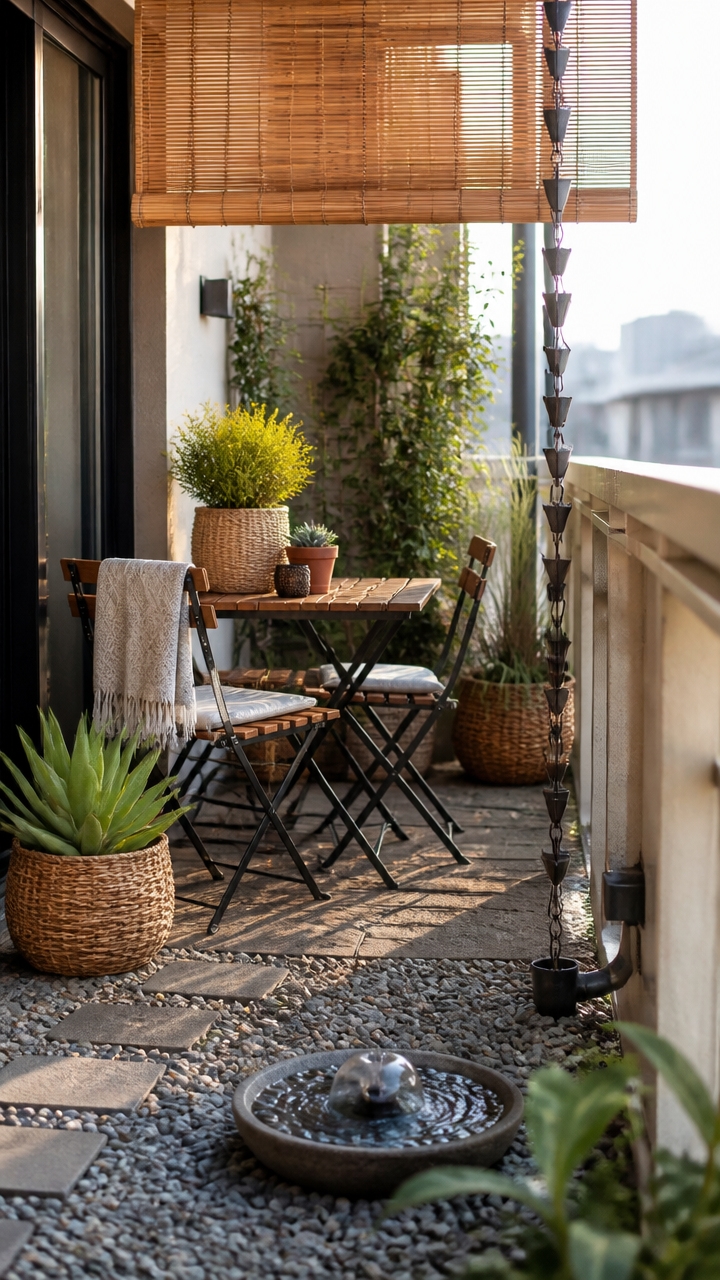
Adding water-conserving features and permeable surfaces is an effective way to make a small garden more eco-friendly and sustainable. Using permeable hardscaping options like gravel paths, permeable pavers, or turf alternatives such as artificial grass allows rainwater to seep into the ground naturally, reducing runoff and helping recharge groundwater supplies. Position these surfaces in walkways, patios, or seating areas to maximize their benefits while maintaining a cohesive look.
Integrating rain gardens and strategic drainage areas helps manage stormwater efficiently, preventing puddles and soil erosion while conserving water resources. These features can be shaped to fit the available space and planted with drought-tolerant plants, which require less watering and thrive in limited environments. Incorporating water-wise plants not only saves water but also adds vibrant color and texture to your garden.
Consider installing a green roof or using turf alternatives in areas where traditional grass may be impractical. These solutions decrease water usage and improve drainage. Make sure that these features are appropriately sized for your space and kept simple to maintain a clean, modern aesthetic. When planning, balance functional areas with permeable surfaces to create a water-smart, sustainable garden that enhances small space living.
Create a Cohesive, Inviting Small Garden With Simple Style
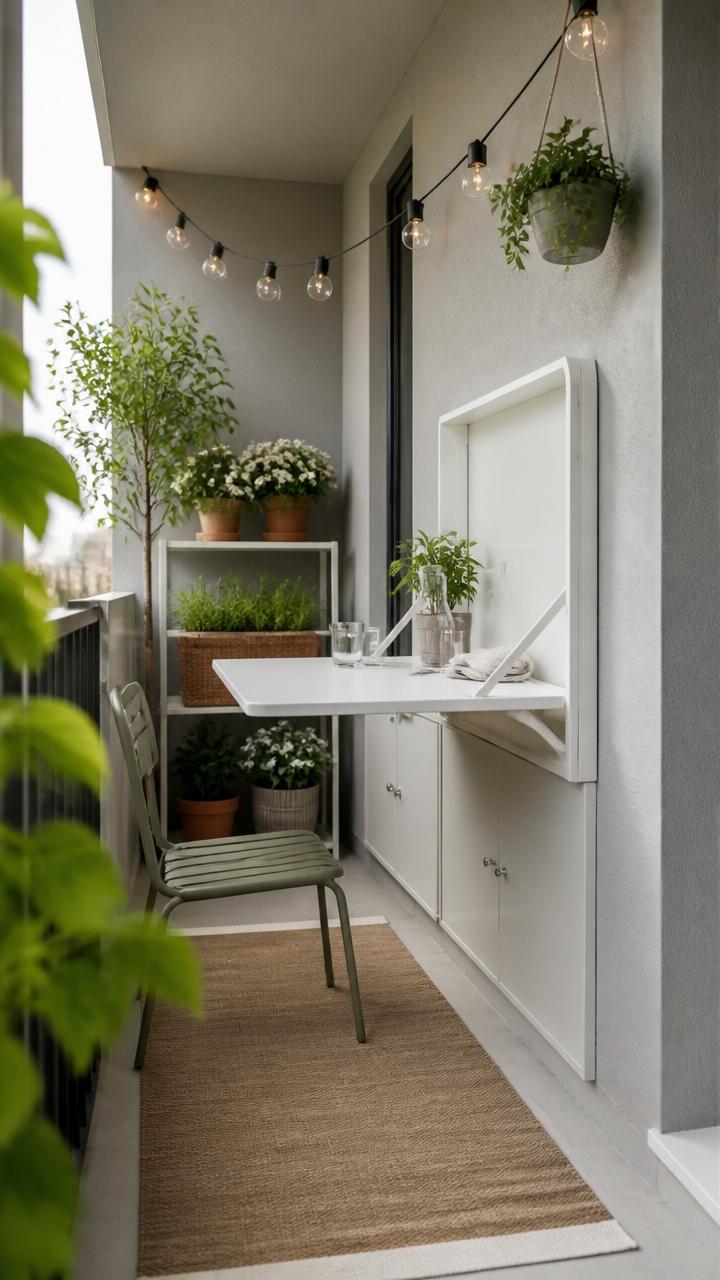
Using a unified color palette and consistent plant styles helps establish visual harmony in a small garden. Select a range of plants that share similar foliage tones or flower colors to create a cohesive look. For example, pairing silvery greenery with soft pastel blooms or sticking to shades of green throughout your plant choices can tie the space together. Incorporate plants at different heights and textures to add interest without overwhelming the senses, but guarantee they follow a consistent style or color theme.
In addition, opt for simple, clean-lined furniture and decorative elements that enhance the natural beauty of your plants without cluttering the space. Choose streamlined materials such as metal, wood, or resin in neutral or matching tones to keep the look cohesive. Decorations like small planters, minimal sculptures, or sleek lanterns can accentuate your garden’s style without overshadowing the plantings.
Planning a clear layout with designated zones for seating, planting, and pathways creates structure and invites relaxation. Use simple pathways made of stepping stones, gravel, or wood to define movement areas. Position seating away from busy zones and integrate plants around the seating to create intimate, inviting corners. Keeping the design minimal and organized ensures each element has space to breathe, making your small garden feel more spacious and welcoming.
Choose versatile plants that work well together and reinforce your garden’s unified aesthetic. Think of pairing plants with similar foliage tones or complementary flowering colors. Plants like hostas, ferns, or succulents can provide a harmonious backdrop, while selective flowering plants add bursts of color within the cohesive scheme. This approach simplifies plant care and helps maintain a balanced, stylish appearance.
Finally, minimizing clutter is essential for an organized and peaceful small garden. Use streamlined storage solutions like discreet garden boxes, compact tool sheds, or hidden compartments to keep tools and supplies out of sight. Avoid overly intricate or busy decor elements, opting instead for simple accents that complement (but do not compete with) your plantings. This approach guarantees your garden remains a relaxing retreat with a clean, unified aesthetic.
Add Decorative Features Like Ponds, Art, or Microclimates
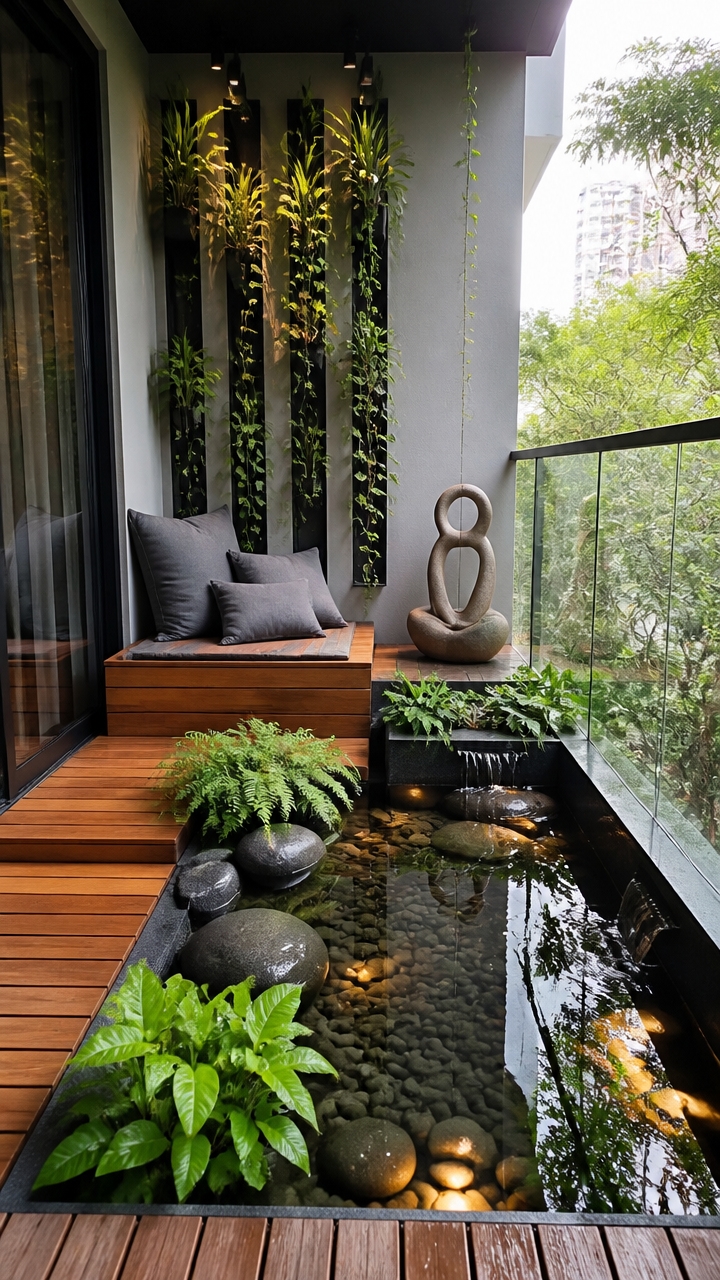
Adding decorative features like ponds, garden art, or microclimates can *considerably* enhance a small garden space by creating visual interest and functional beauty. Incorporating a small pond or water feature introduces a soothing focal point that promotes tranquility while attracting beneficial insects, birds, and pollinators. When designing a pond, consider placement where it can be enjoyed from multiple angles and *guarantee* it’s proportionate to the size of your garden to avoid overwhelming the space. Using natural materials such as stones or aquatic plants can help it blend seamlessly into the landscape.
Garden art, including sculptures, decorative ornaments, or even hanging lanterns, adds personality and serves as visual anchors within the garden. Strategic placement of art pieces can create points of interest, guide the eye along pathways, or frame views. Choose weather-resistant materials for durability, and consider scale so that the art complements rather than dominates the small space.
Creating microclimates through strategic plant grouping and shelters enhances plant health and extends growing seasons. Plant taller or denser greenery on the north or windward side to provide shelter and temperature regulation. This not only protects delicate plants from harsh weather but also allows you to cultivate a broader variety of species within your limited space. Using lightweight, movable screens or trellises can help customize these microclimates based on seasonal needs.
Incorporating reflective surfaces like mirrors or metallic sculptures can visually expand a small garden by bouncing light and creating the illusion of depth. Position these features where they reflect natural light or attractive garden views, making the space appear larger and brighter. Be mindful of placement to avoid glare or confusion, and choose surfaces that complement your overall garden style for cohesive visual appeal.
Features like rain gardens or sheltered nooks streamline water management and provide cozy, protected spots for relaxation. Rain gardens, specifically, help soak up runoff and reduce water pooling, which is ideal for small yards with variable drainage. Sheltered nooks, perhaps surrounded by tall greenery or built-in benches, serve as intimate retreats. Incorporate durable, weather-resistant materials in these features, and place them thoughtfully where they can be accessed easily and enjoyed year-round.
Keep It Easy: Maintenance Tips for Small Gardens
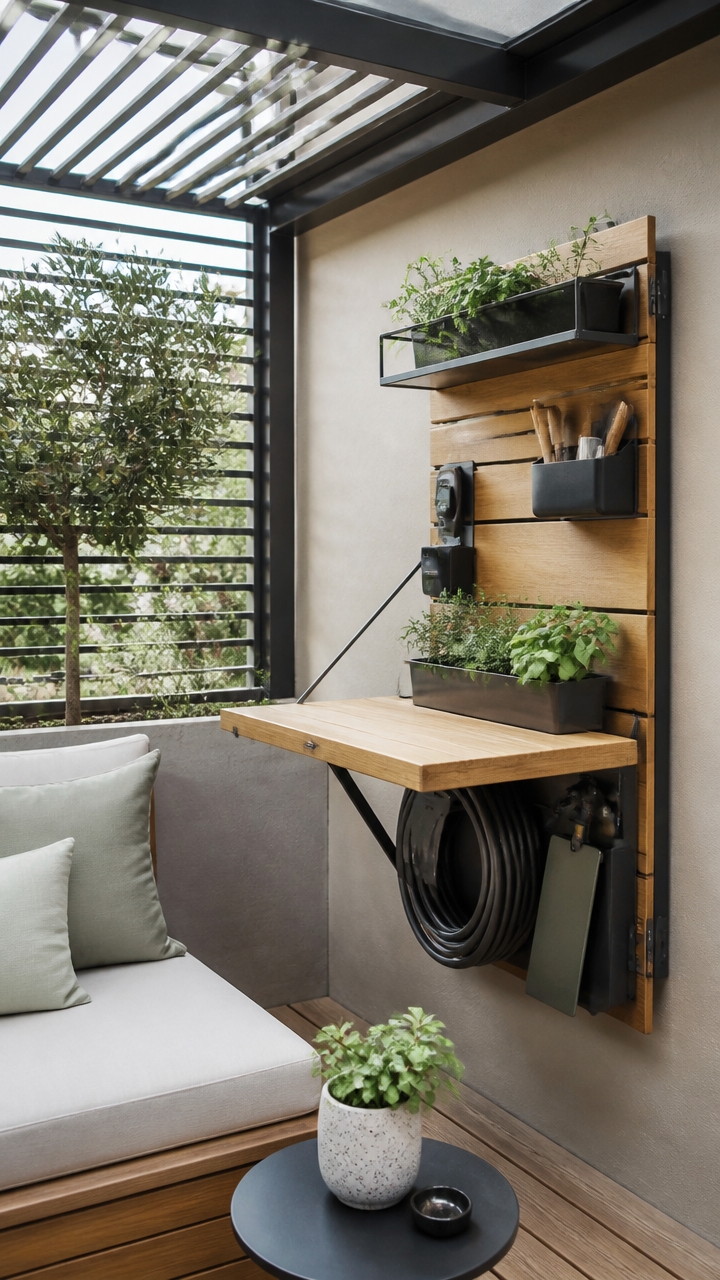
Choosing low-maintenance plants like succulents, ornamental grasses, and native species is a smart way to reduce the time spent on watering and pruning. These plants are generally well-suited to your local climate and require minimal care, making them ideal for small gardens where space and time are limited. Place them in spots with appropriate sunlight and avoid overcrowding to guarantee they thrive with less attention.
Incorporating mulch around your plants helps retain soil moisture, suppress weeds, and decrease the need for frequent watering and weeding. Spread a layer of organic mulch, such as bark or compost, around your garden beds, keeping it a few inches away from plant stems to prevent rot. This simple addition makes your garden easier to maintain and healthier over time.
Opting for perennial plants ensures your garden will flourish year after year without the need for replanting. Choose species suited to your climate that bloom or grow seasonally, and plant them thoughtfully to create a continuous display of greenery or flowers. This reduces the ongoing work of planting new annuals and keeps your space vibrant with minimal effort.
Simplify your garden structures by using fewer containers and avoiding intricate features. Larger, unified planting beds are easier to manage than many small pots, which require frequent cleaning, watering, and repositioning. Use durable materials and straightforward designs to keep maintenance manageable, freeing up time to enjoy your garden rather than tending to it constantly.
Installing automatic irrigation systems or drip watering supplies a convenient way to keep your small garden properly watered without daily effort. Schedule timers for consistent watering, and use drip emitters to deliver water directly to plant roots efficiently. This saves time, conserves water, and guarantees your plants stay healthy with minimal manual intervention.
Finish With Next Steps: Enjoy and Keep Improving Your Garden
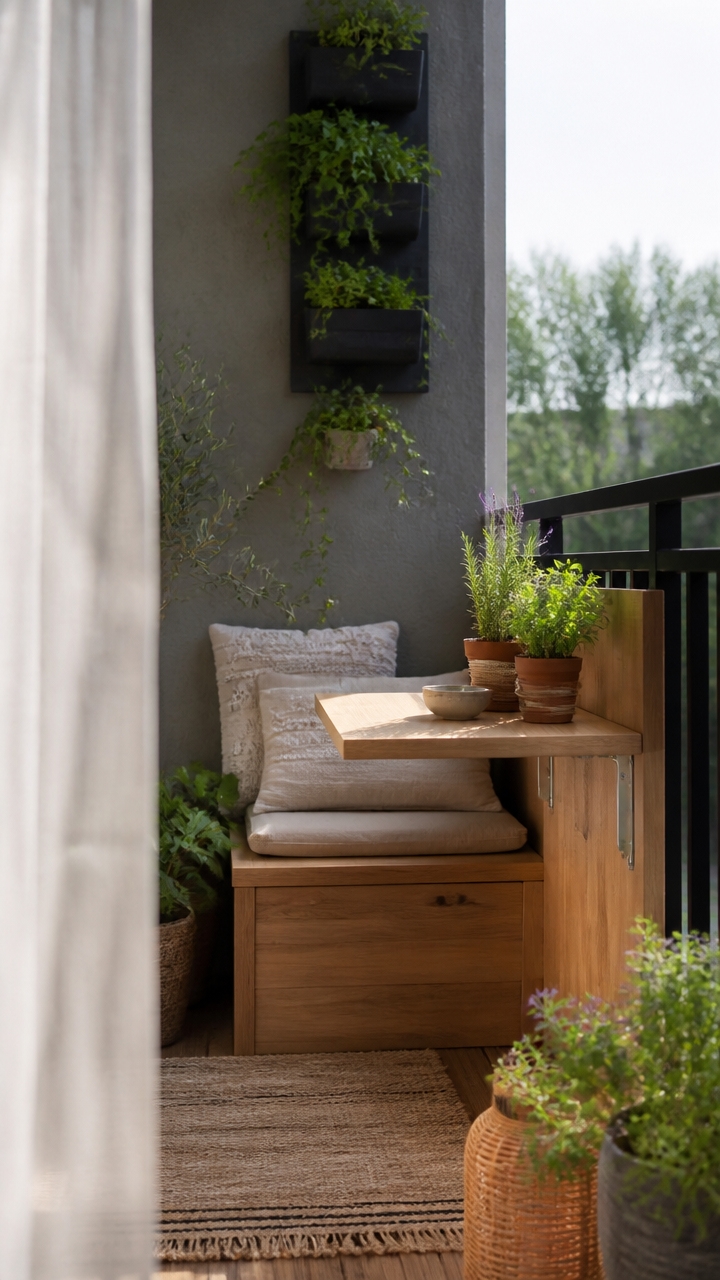
Once you’ve created a beautiful small garden space, the key to ongoing enjoyment is to actively maintain and adapt it over time. Regularly assess your garden’s growth, and make seasonal adjustments to enhance its beauty and usability. This might mean planting new varieties that thrive in the current season or rearranging furniture and decorative elements to refresh the look. As your garden evolves, incorporate new plants, furniture, or accents gradually to keep the space engaging without overwhelming it.
Consistently remove dead or overgrown plants to maintain a tidy appearance and promote healthy growth. Experiment with different layouts, lighting setups, and plant combinations to discover what best suits your space and personal style. Keeping a garden journal can be invaluable, track what works well, note successful strategies, and jot down ideas for future improvements. With attentive care and thoughtful planning, your small garden can become a dynamic, inviting outdoor oasis that continues to delight year after year.
Final Takeaways
From the initial blueprint to the last bolt, every decision in your small garden, be it choosing a “Farrow & Ball” “Cook’s Blue” hue, selecting a bespoke timber planters’ joinery, or layering a palette of drought-tolerant succulents, has the power to craft a cocooning retreat that invites both contemplation and conviviality. Trust your instincts, follow through with disciplined yet flexible alterations, and remember: even in a compact space, a garden’s potential blooms boundlessly, able to turn a modest plot into your personal sanctuary.

- 22 Small Space Landscape Ideas That Actually Work - September 13, 2026
- 21 Small Space Backyard Ideas For a More Organized Home - September 13, 2026
- 20 Small Space Pool Ideas Backyards That Transform Any Space - September 12, 2026