
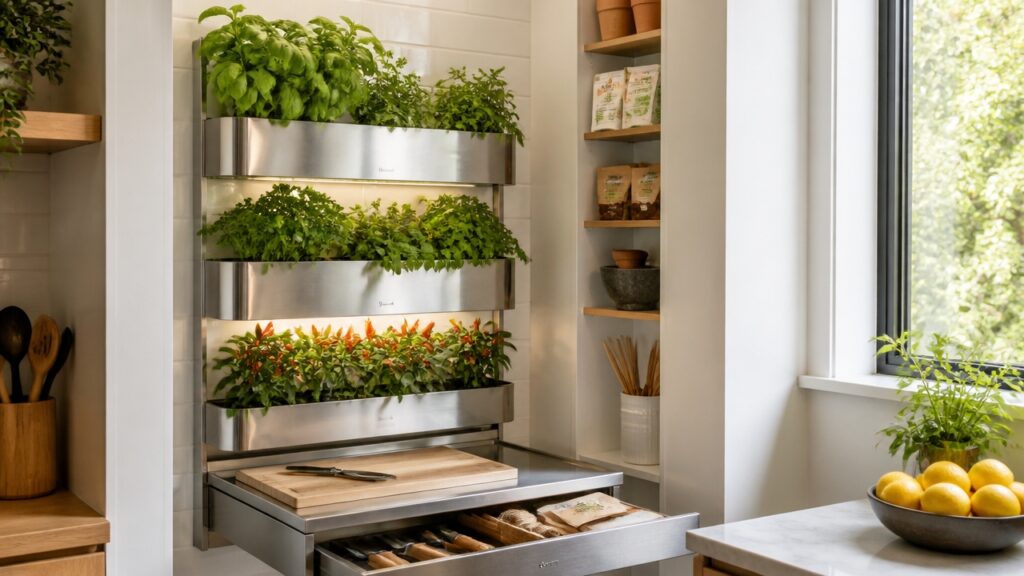
In your compact haven, where every inch counts, whether nestled on a balcony, tucked behind a specimen border, or cocooned within a courtyard, the challenge lies in transforming modest volumes into lush, functional vegetable spaces. From judiciously employing raised beds and container arrangements to strategic zone zoning with joinery-grade fencing and clever cold frames, each choice echoes a designer’s touch, akin to layering a palette of “Ashen Gray” hues by Farrow & Ball or selecting the perfect “Franchi” artisan pots. Behind these choices, an emphasis on organization and season extension invites ongoing productivity, but how you might shape these elements to redefine small-scale cultivation warrants…
Overcome Small Space Challenges: How to Plan Your Garden Layout
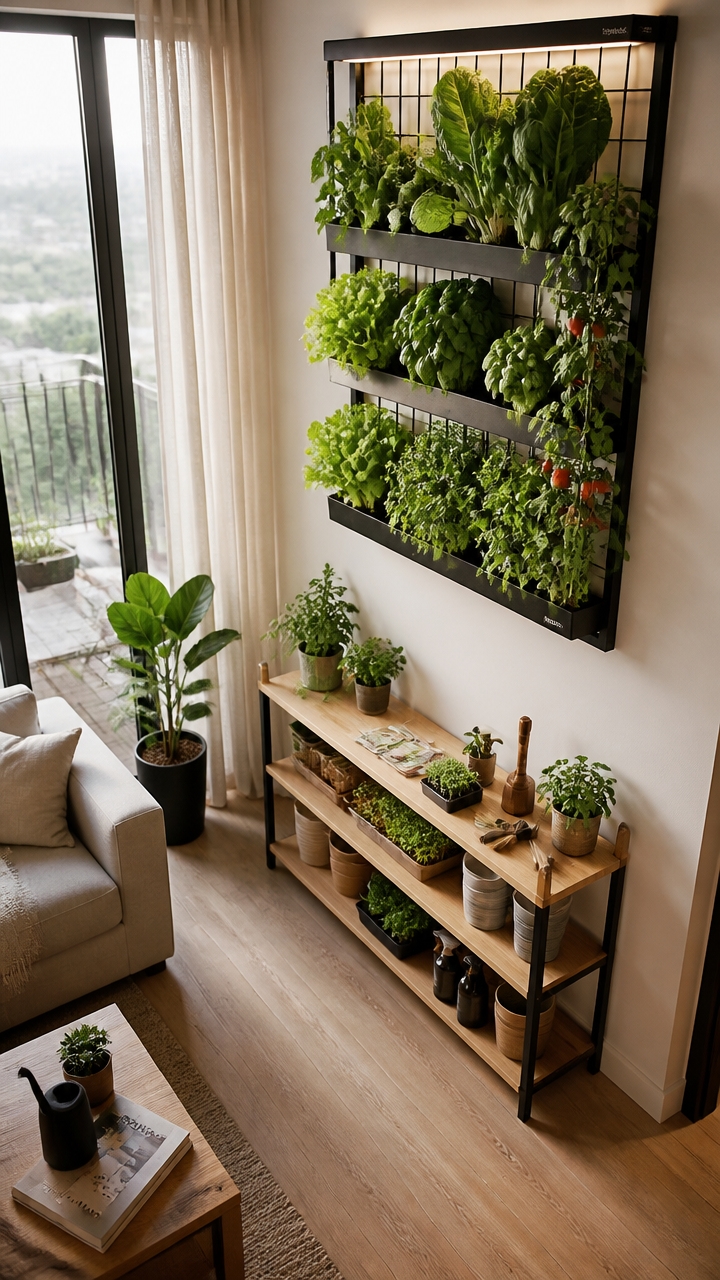
Thoughtful planning is essential for making the most of a limited garden area. Start by sketching a layout that considers the sizes and growth habits of your chosen plants. Visualizing how tall, sprawling, or bushy plants will grow helps you allocate space appropriately and prevents overcrowding, which can hinder plant development and air circulation. Group plants with similar requirements together to optimize watering and soil conditions, and designate pathways that are narrow yet workable to maximize planting zones. Incorporating compact or container-grown crops can also free up ground space for other vegetables. By carefully mapping out your garden before planting, you’ll create a more organized, productive, and enjoyable space that adapts to your gardening goals and spatial constraints. Paying attention to plant spacing guidelines ensures healthy growth and more efficient use of limited space.
Use Raised Beds and Containers to Organize Your Growing Area
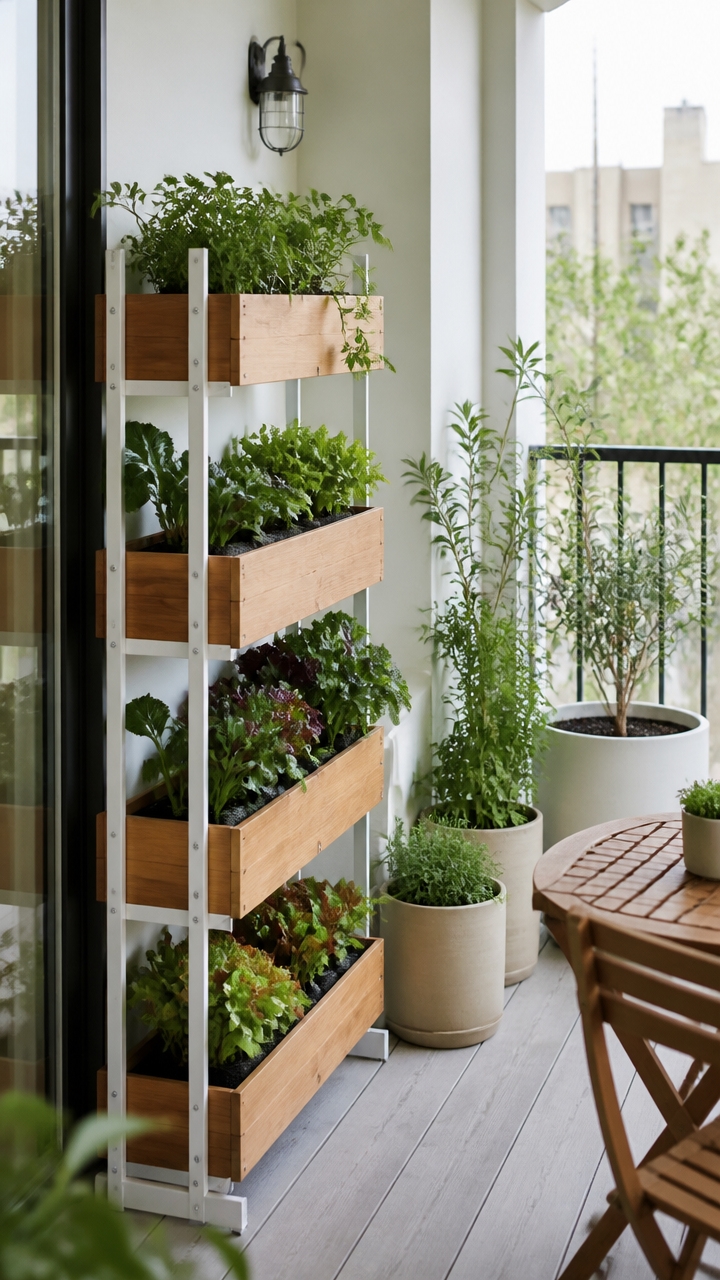
In small gardens, efficient organization is key to maximizing limited space and keeping your plants healthy. Raised beds are an excellent way to define your growing area, improve soil quality, and make planting and maintenance easier. They help contain soil, preventing erosion and keeping weeds at bay, while also providing better drainage, crucial for many vegetables. Position your beds along available walls or in corners to make the most of vertical and horizontal space, and choose materials like wood, stone, or recycled composites to match your aesthetic. Incorporating space-efficient solutions such as vertical gardening or tiered planting can further optimize your small garden area. Containers are versatile tools for small gardens, offering flexibility and easy reorganization. Use containers of at least 8-10 gallons to ensure ample root room for your plants. Group containers together by crop type or growth needs, which simplifies watering, feeding, and harvest routines. Place them on patios, balconies, or near entrances where accessibility is important. Combining raised beds with container groups allows you to optimize space, keep pathways clear, and maintain a clean, organized look conducive to regular gardening tasks.
Divide Your Garden Into Manageable Sections With Square Foot Gardening
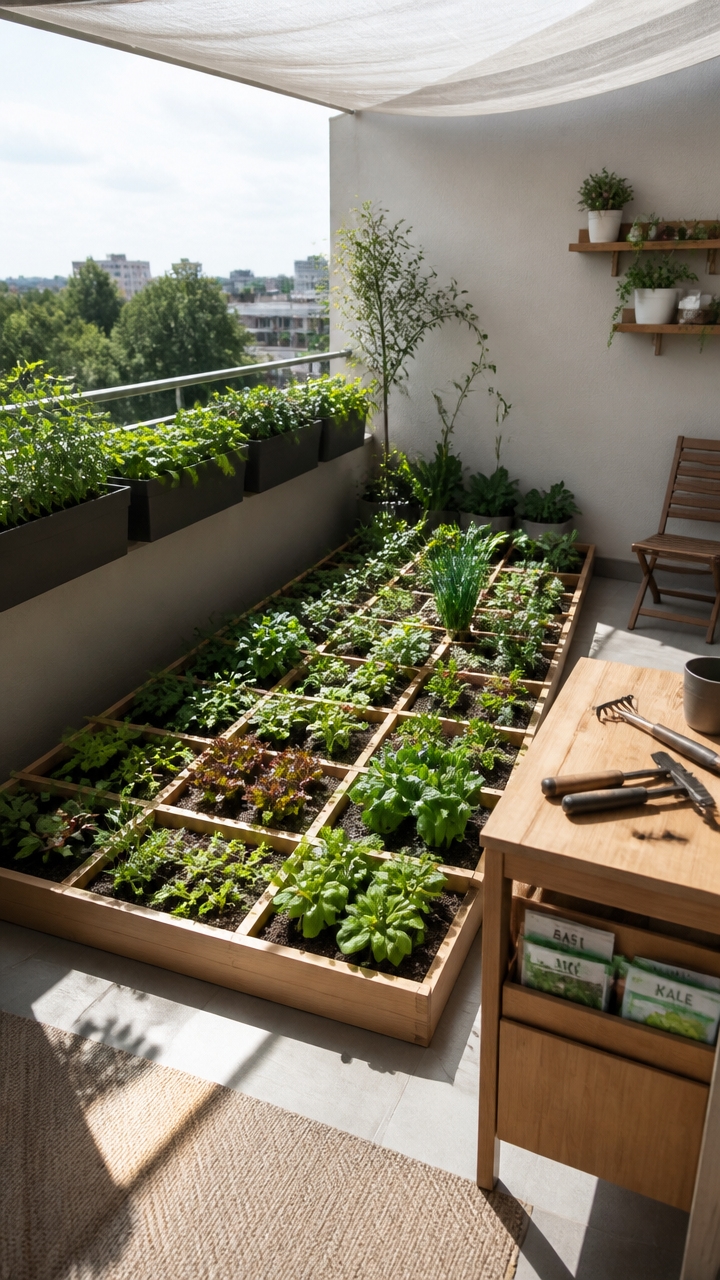
Dividing your garden into manageable sections with square foot gardening is a highly effective way to maximize limited space. Using twine and nails to create 2’x2’ squares establishes clear boundaries that keep your planting organized. This method simplifies the process of planting, watering, and maintaining your garden, making it easier to track growth and manage resources. Each square can be dedicated to specific vegetables, herbs, or flowers, helping you optimize space and prevent overcrowding. The neat, grid-like layout also makes crop rotation and succession planting straightforward, ensuring a steady supply of fresh produce throughout the season. Additionally, clear boundaries between squares assist in identifying plant health issues quickly and enable targeted soil amendments, promoting healthier plants and higher yields in even the smallest gardens. Incorporating organized sections not only enhances efficiency but also makes space-saving strategies easier to implement and maintain.
Choose the Best Containers for Small Gardens
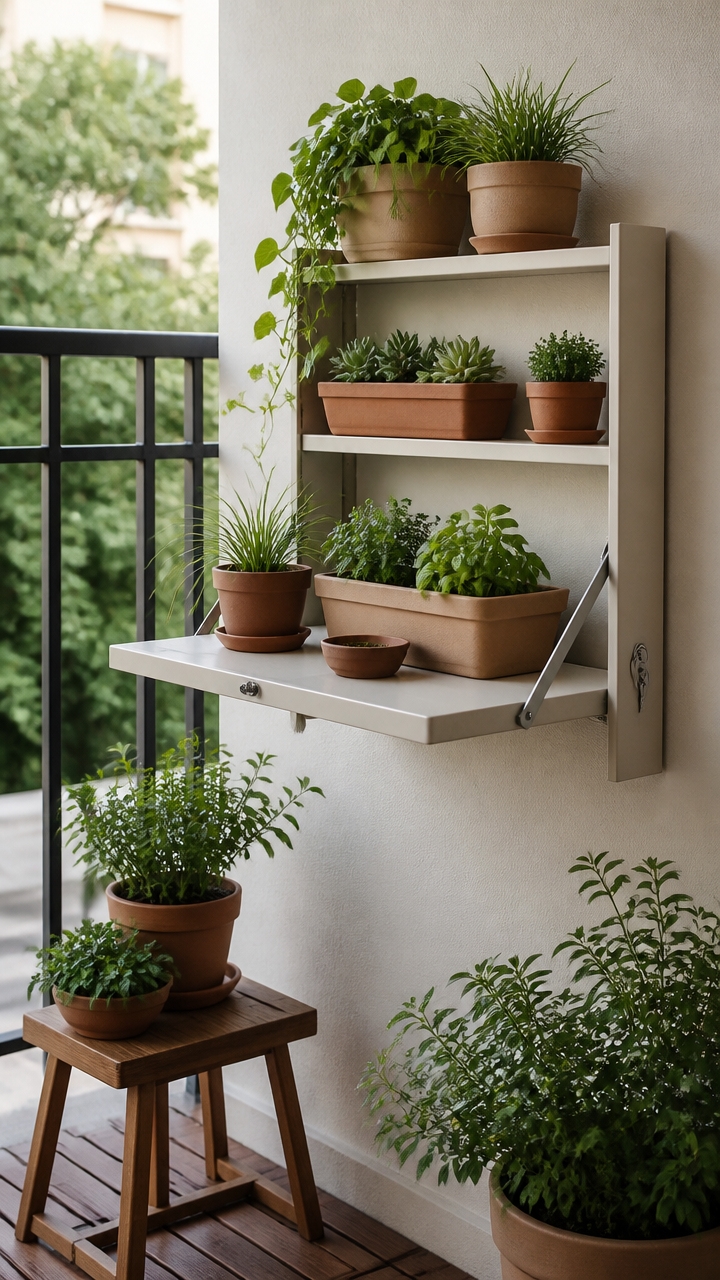
Selecting the right containers is vital for a successful small-space vegetable garden. Opt for large containers, such as 8- to 10-gallon pots or stock tanks, to maximize soil volume and support healthy root growth. These larger containers provide ample space for roots to develop, resulting in healthier plants and higher yields. Make sure all containers have drainage holes to prevent waterlogging, which can lead to root rot and other issues. Durable materials like plastic, metal, or fiberglass are ideal because they can withstand outdoor conditions over time. Keep placement in mind, place containers in sunny spots with good air circulation, and elevate them if necessary to prevent excess dampness from ground contact. Properly chosen containers can make small garden spaces highly productive and manageable. Using suitable containers ensures your plants thrive and your garden remains organized.
Create Instant Garden Beds Using Straw Bales
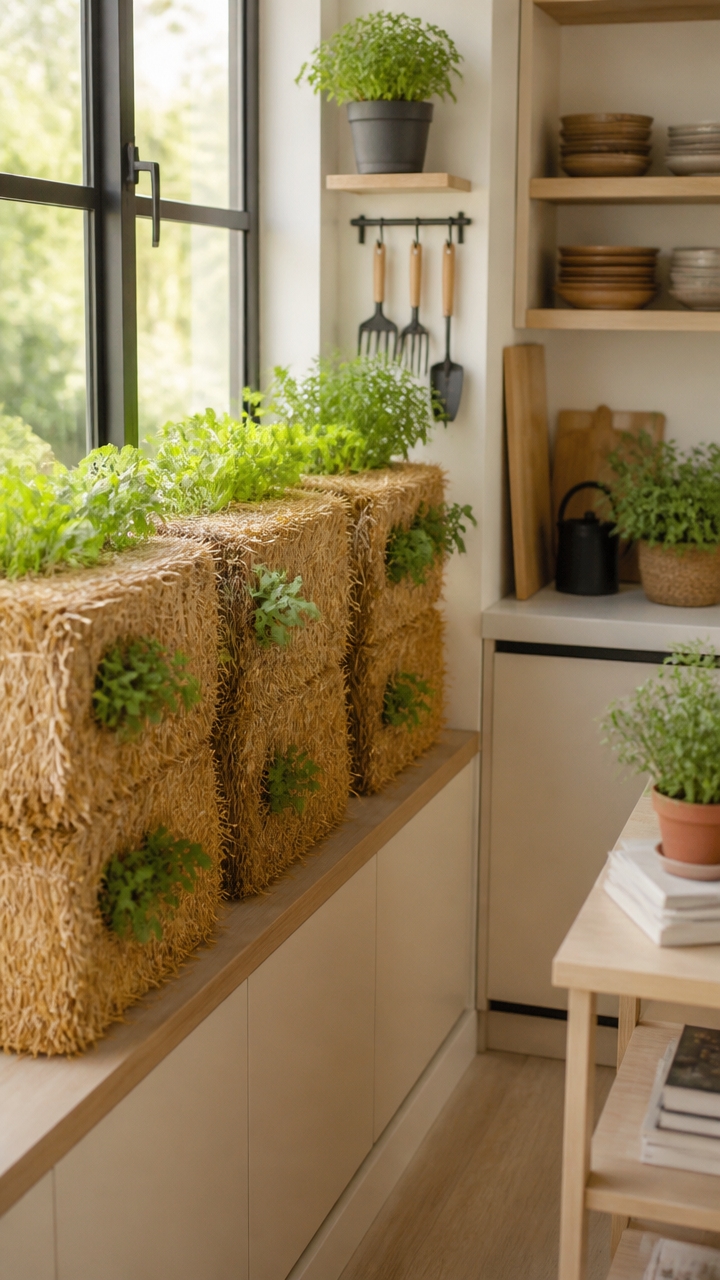
Straw bale gardening offers a simple and efficient way to create elevated garden beds without the need for traditional soil. By soaking the straw bales with water and planting directly into their compressed interior, you can quickly establish a productive vegetable area in small or shaded spaces. This method is especially useful for limited spots such as patios, rooftops, or corners where digging and preparing soil might be impractical. To get started, select sturdy straw bales and condition them by watering thoroughly and applying fertilizer over a week. This process encourages decomposition and releases essential nutrients, creating a natural garden bed environment. Proper space-saving strategies, such as stacking or arranging bales vertically, can further maximize limited areas. Place the bales in a location with suitable sunlight for your plants, ensuring good drainage and easy access for watering and maintenance. Straw bale beds are lightweight and portable, allowing flexible placement and reorganization as needed. They also minimize weed growth compared to traditional beds, making garden management more straightforward. Once prepared, plant vegetables or herbs directly into the bales, enjoying a vibrant, cost-effective, and space-efficient garden solution.
Maximize Vertical Growing for Climbing and Spreading Crops
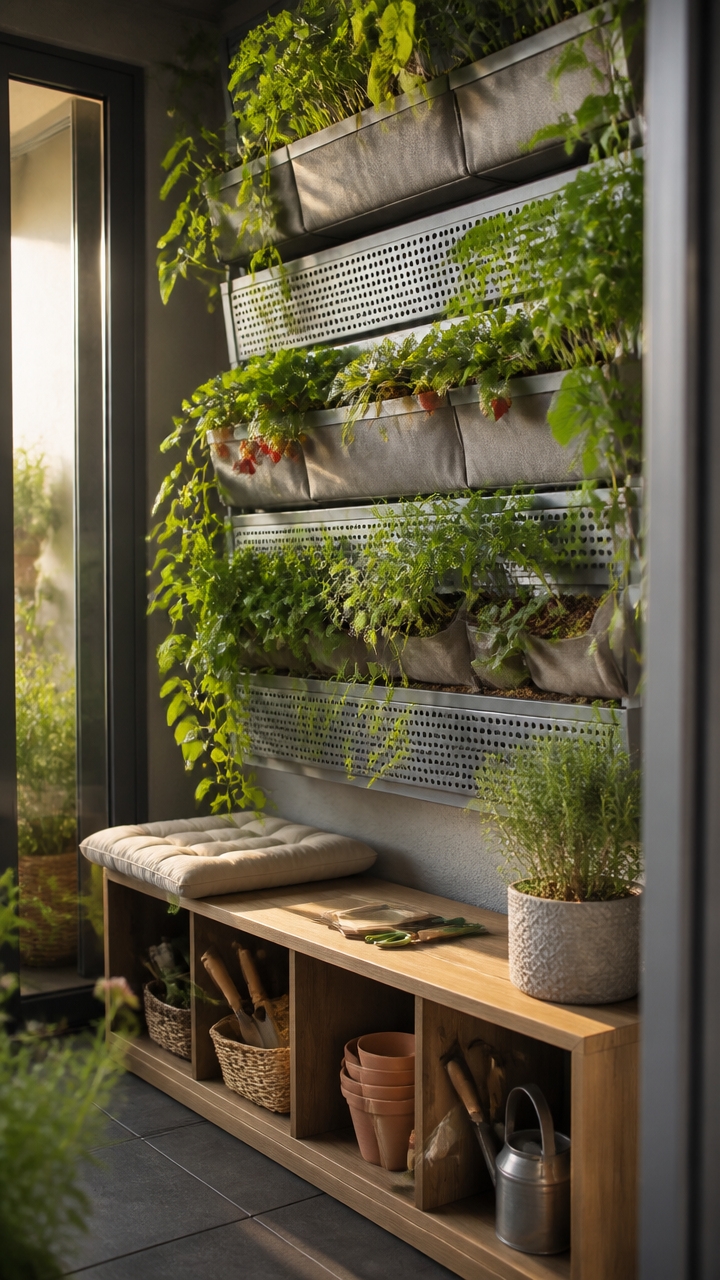
Utilizing vertical space is essential when working within a small garden area. Trellises, A-frames, and livestock panels can be anchored securely in the soil or attached to existing structures to support climbing plants like beans, peas, and cucumbers. These sturdy supports allow the plants to grow upward, freeing up ground space and creating a tidy, organized look. Position the supports near the edge of your planting beds to maximize efficiency and avoid crowding other crops. Regularly check and tie new growth to the supports to encourage healthy, straight development. This method not only guarantees space but also improves sunlight exposure and airflow around the plants, reducing the risk of disease and making harvesting easier. For a polished appearance, choose materials that complement your garden’s style, such as natural wood or metal, and ensure supports are tall enough to accommodate mature plants.
Plant in Blocks Instead of Rows to Save Space
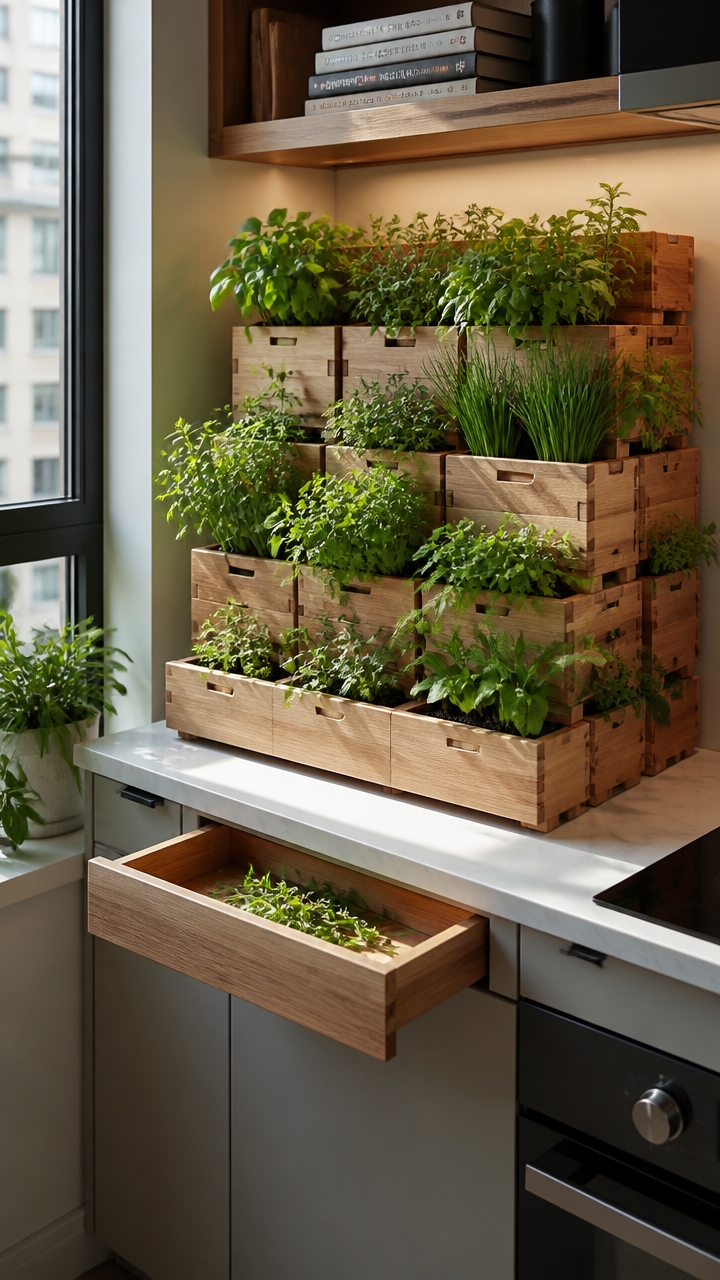
Organizing your small garden into blocks rather than traditional rows maximizes your available space and creates a more efficient growing area. By grouping plants into compact, defined sections, you minimize bare ground, allowing for higher planting density and better utilization of every inch. This method also reduces soil disturbance, helping to prevent weeds and maintain healthier soil conditions.
In practical terms, you can carve out specific blocks for different types of vegetables, such as leafy greens, root crops, or perennial herbs, making maintenance, watering, and harvesting more straightforward. In limited spaces like patios or containers, forming blocks helps keep your garden tidy and accessible, ensuring you can grow a variety of produce without sacrificing precious space. Using materials like raised beds, border edges, or even temporary barriers can clearly delineate your blocks, contributing to an organized and productive small-space garden.
Use Vertical Supports and Trellises for Climbing Plants
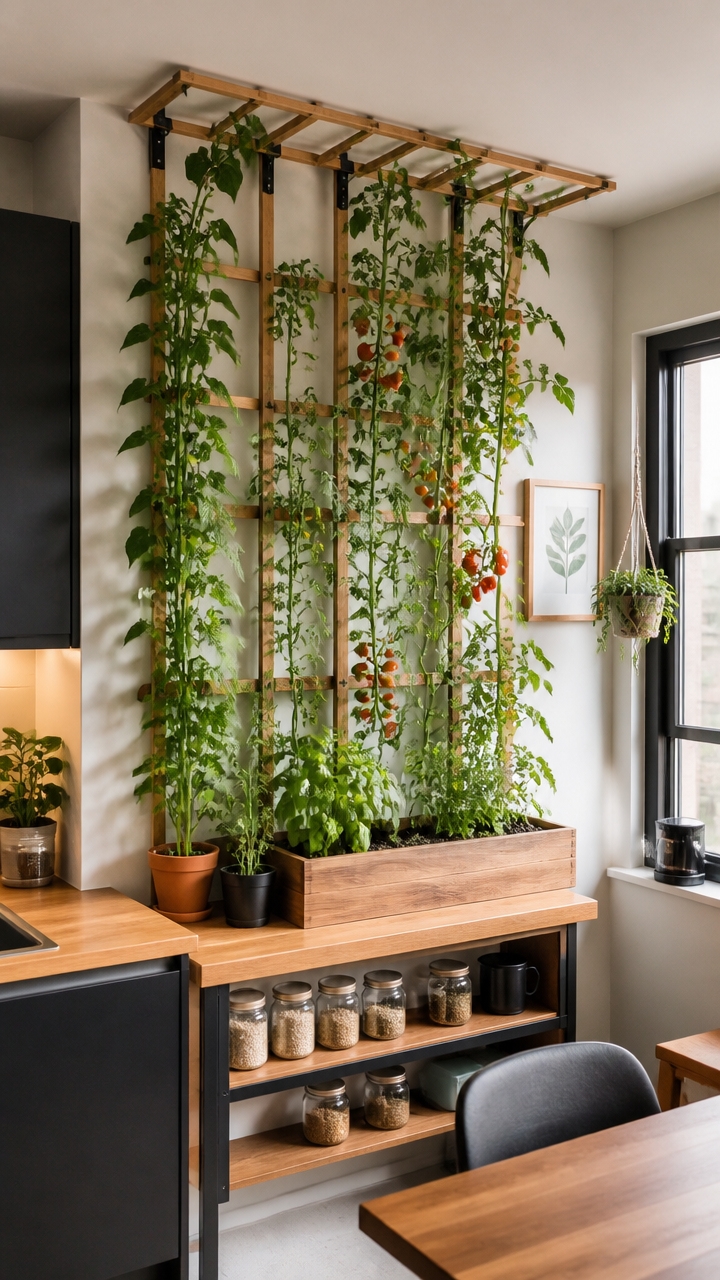
Vertical supports like trellises, stakes, or cages are essential in small-space vegetable gardening, especially for vining crops such as beans, peas, and zucchini. These structures encourage plants to grow upward instead of sprawling across the ground, saving valuable space and creating a more organized garden layout. Installing sturdy supports made from materials like bamboo, wire mesh, or livestock panels provides the necessary stability for plants to reach their full height and flourish.
Placing supports near the root zone of your plants allows for easy training of vines onto the structure as they grow. As the plants develop, gently tying new growth to the support helps guide their upward direction and keeps them tidy. Training and supporting plants this way improve air circulation around the foliage, reducing the risk of fungal diseases and pest issues. Regular pruning and tying of vines help maintain the shape of the plants, increase airflow, and support higher yields.
Vertical support systems can be customized to fit the available space, and some trellises enable multiple layers of planting in the same area, further maximizing limited garden real estate. When choosing materials, opt for durable, weather-resistant options that require minimal maintenance. Properly supported climbing plants not only optimize space but also make harvesting easier, creating a tidy, productive, and visually appealing garden in small spaces.
Minimize Pathways to Maximize Growing Area
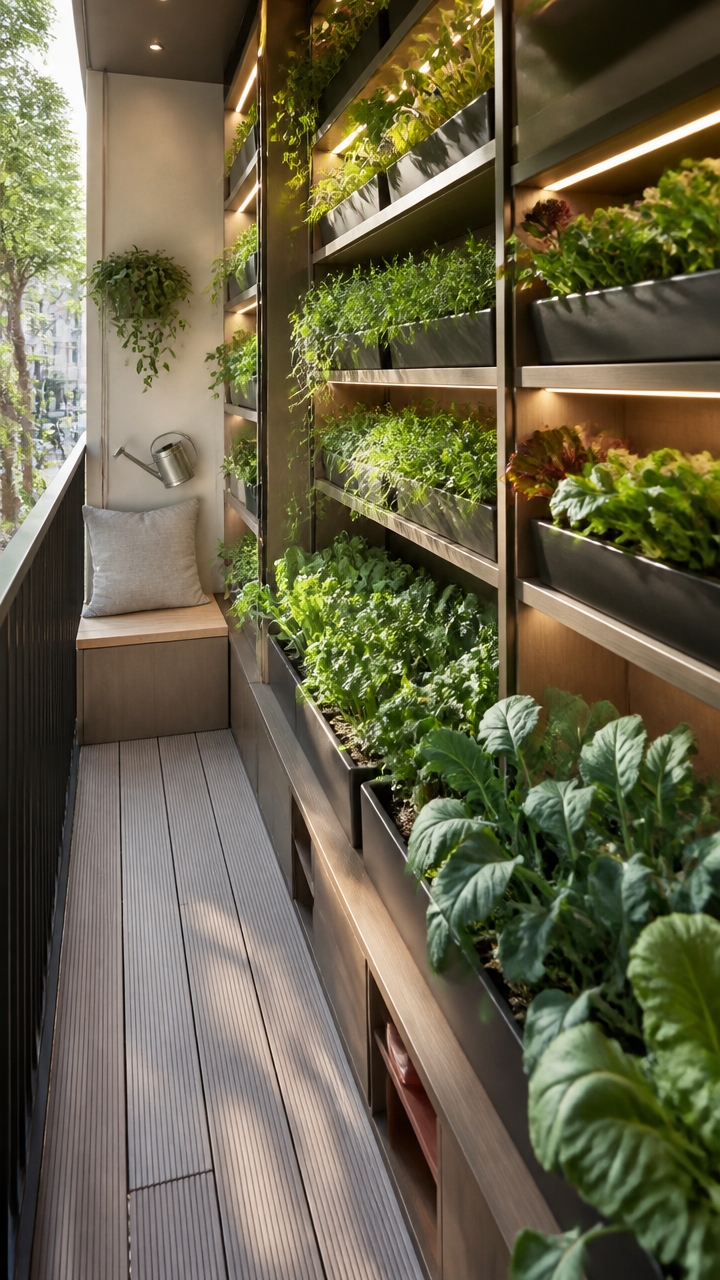
Reducing the number and width of pathways in a small vegetable garden is a smart way to increase planting space and improve overall productivity. Instead of creating wide, traditional walkways, focus on defining only the essential access points with narrow, ergonomic pathways. Materials like compact gravel, stepping stones, or wooden logs can be used in these small zones to mark pathways without taking up significant space. This strategy allows for continuous planting beds, making the most of every inch for crops. Additionally, shorter pathways improve accessibility for maintenance, watering, and harvesting, all while conserving valuable growing area. When designing your layout, consider the placement of pathways carefully to balance ease of access with maximized planting zones, ensuring your small garden remains productive and efficient.
Practice Succession Planting for Continuous Harvests
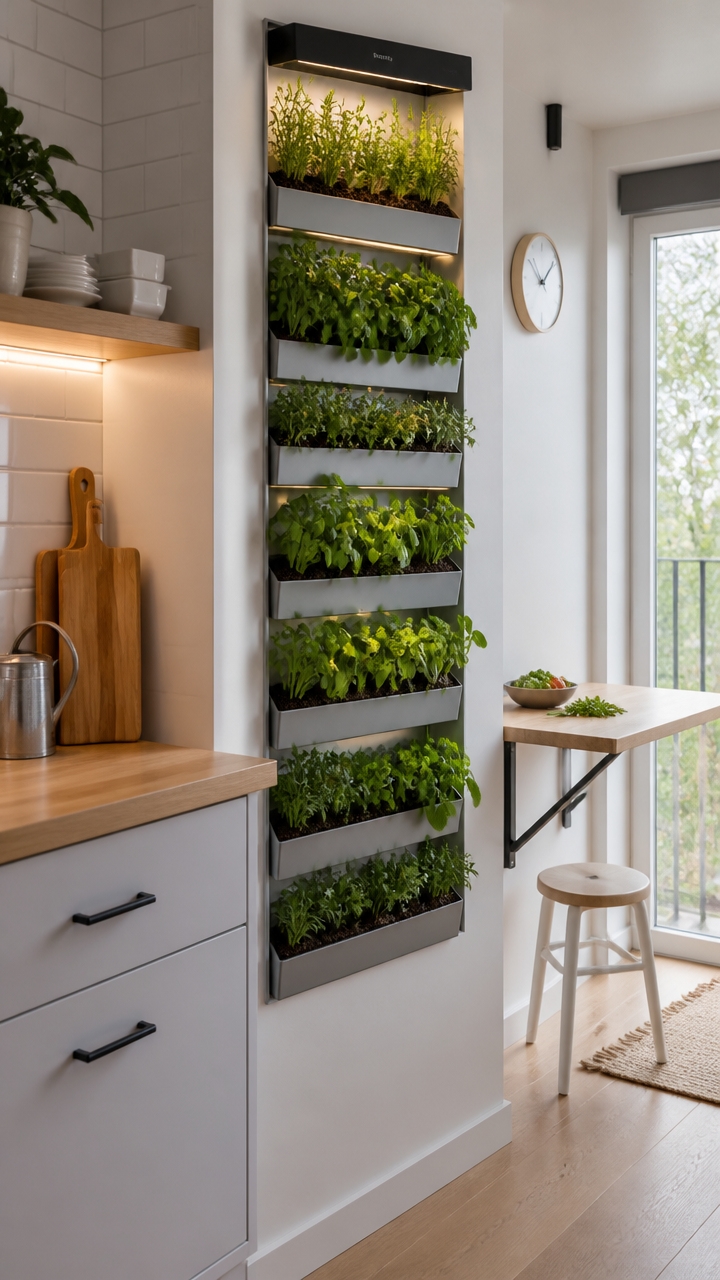
Practicing succession planting allows small garden spaces to yield crops throughout the growing season. This technique involves sowing new plants immediately after harvesting existing ones, guaranteeing the garden remains productive and vibrant. For example, planting radishes early in spring and replacing them with summer crops like beans or peppers helps maximize limited space. Proper timing and planning are essential, keeping track of crop maturation periods and harvest dates assures continuous growth without gaps. This method not only boosts overall yield but also keeps the garden visually interesting by rotating different plants. When implementing succession planting, consider utilizing containers or raised beds for easy replanting, and keep seed supplies organized for quick changeovers. By adopting this approach, gardeners can enjoy multiple harvests of salad greens, carrots, and other quick-maturing vegetables within a single season, making every square inch of a small space work efficiently.
Pair Crops Wisely Using Companion Planting Strategies
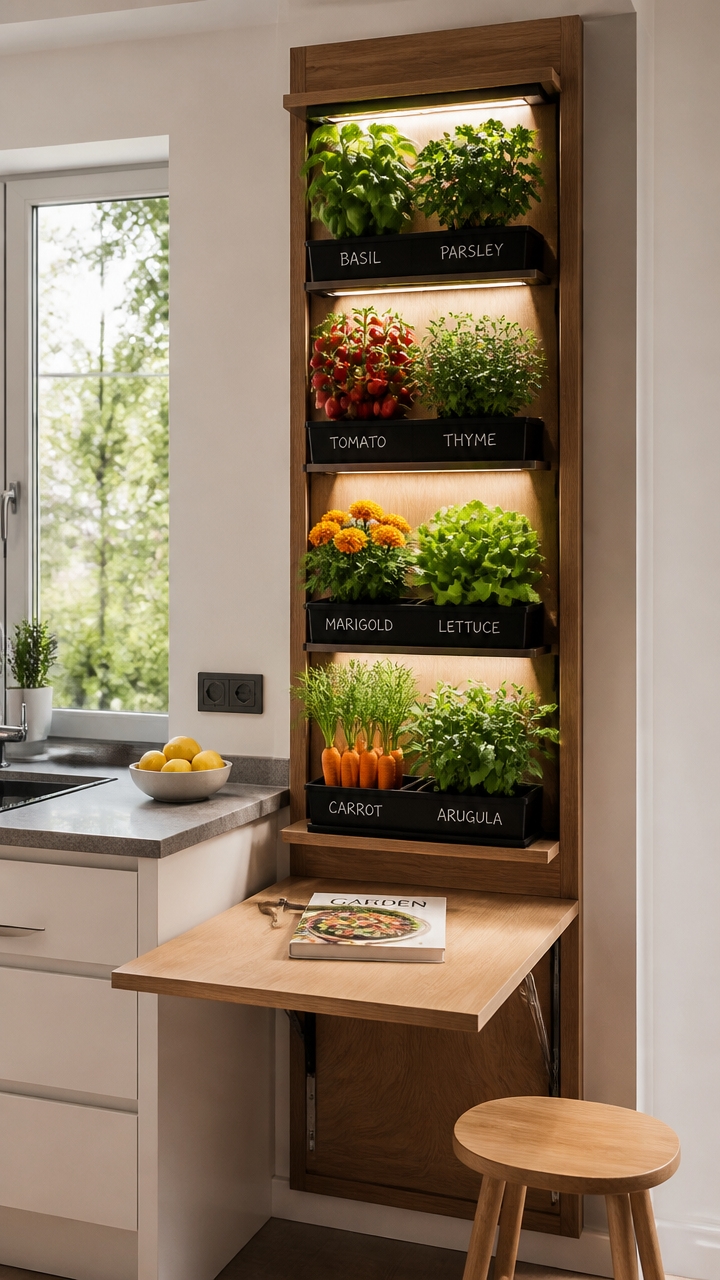
Strategic pairing of vegetables through companion planting can considerably enhance space efficiency and crop health in a small garden. By selecting plant combinations that benefit each other, you can maximize yields while maintaining a tidy, productive layout. For example, planting fast-maturing crops like radishes alongside slower-growing vegetables such as carrots allows you to harvest quickly and free up space for the longer-term plants. Radishes not only make perfect space fillers but also serve a beneficial role by loosening the soil, which supports healthier root development for nearby crops like carrots or beets. Additionally, designing your garden with companion planting principles can help reduce pest issues and attract beneficial insects that enhance plant health. Use science-based guides, such as those in *Plant Partners*, to choose ideal pairings, ensuring your limited space is used efficiently and your plants thrive with fewer inputs and interventions.
Train Vining Crops Upwards to Save Ground Space
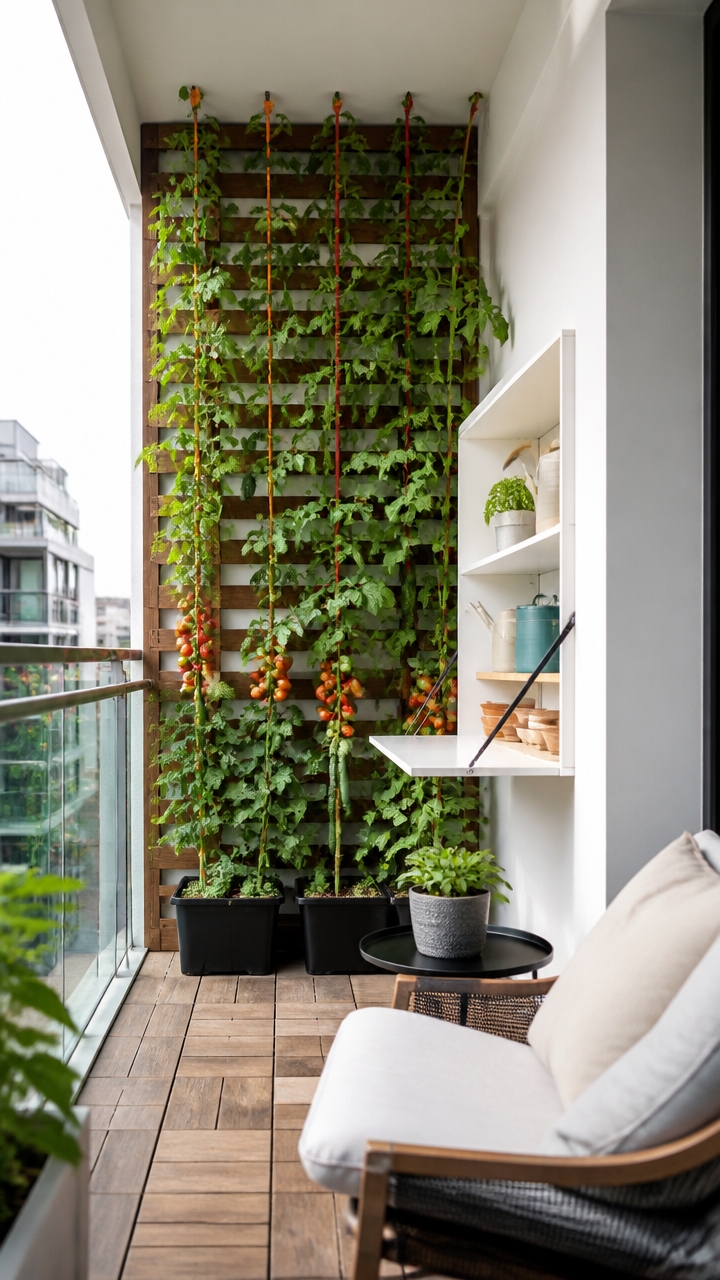
Using vertical supports such as trellises, stakes, or livestock panels allows vining plants like cucumbers, beans, and squash to grow vertically instead of sprawling across the ground. This approach maximizes limited garden space by increasing the amount of productive area within a small footprint. Training the plants involves gently attaching their stems to the supports as they grow, helping them expand upward evenly and preventing damage. Proper placement of supports near the plants ensures easy access for training and harvesting, while choosing sturdy, weather-resistant materials provides stability over the growing season. Vertical growth improves airflow around the plants, reducing the risk of mold, rot, and pest problems that often occur with dense ground-level planting. Overall, incorporating vertical supports for vining crops is an efficient, space-saving technique that boosts yield and promotes healthier plants in a small garden space.
Layer Plants: Shade-Loving Greens Beneath Tall Crops
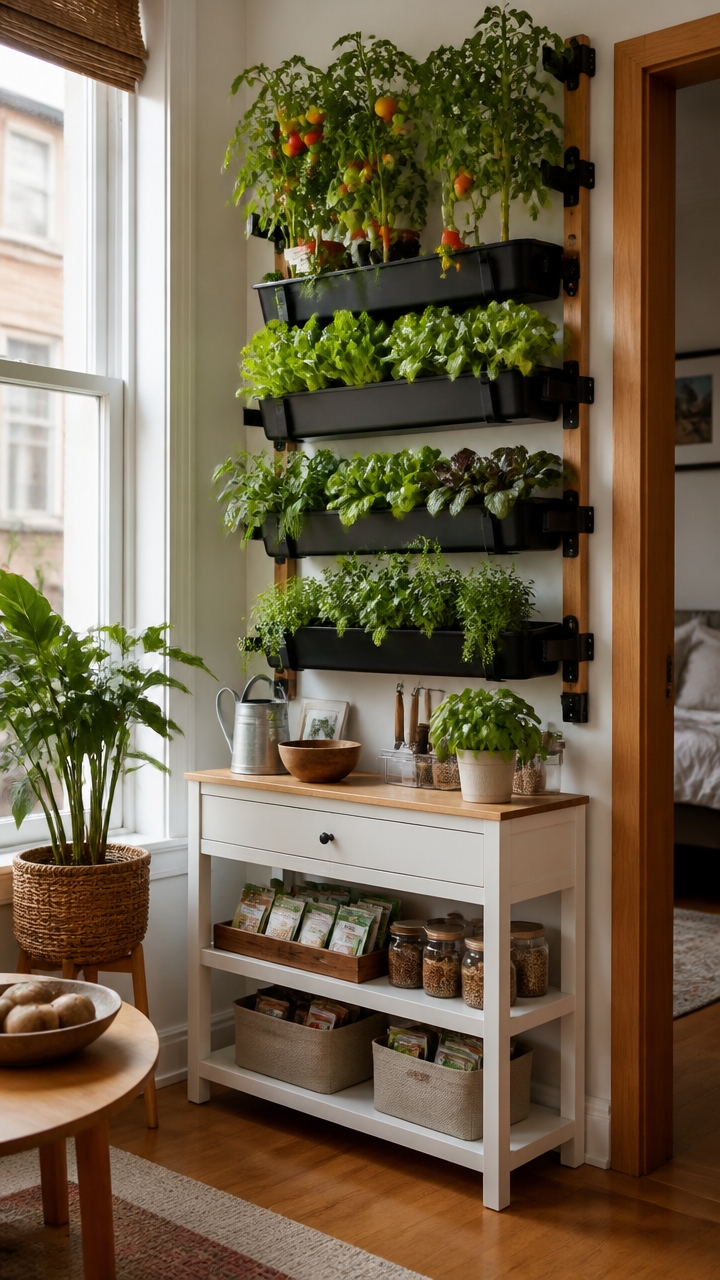
Utilizing vertical space by planting shade-tolerant greens like lettuce, spinach, and arugula beneath taller vining crops such as cucumbers or tomatoes is an efficient way to maximize a small garden. These greens thrive in the protected environment created by the canopy of taller plants, which shields them from direct, harsh sunlight, reducing the risk of heat stress and leaf scorch. Position the shade-loving greens directly beneath the taller crops, ensuring they receive filtered light and remain well-ventilated. This layered approach not only conserves space but also extends your harvest period for the greens, as they benefit from the cooler, shaded conditions. When organizing, consider using low, flat containers or beds for the greens to keep them accessible and easy to harvest. This stratified planting method keeps your garden organized, productive, and visually appealing, making the most of every inch.
Convert Driveways and Patios Into Growing Spaces With Containers
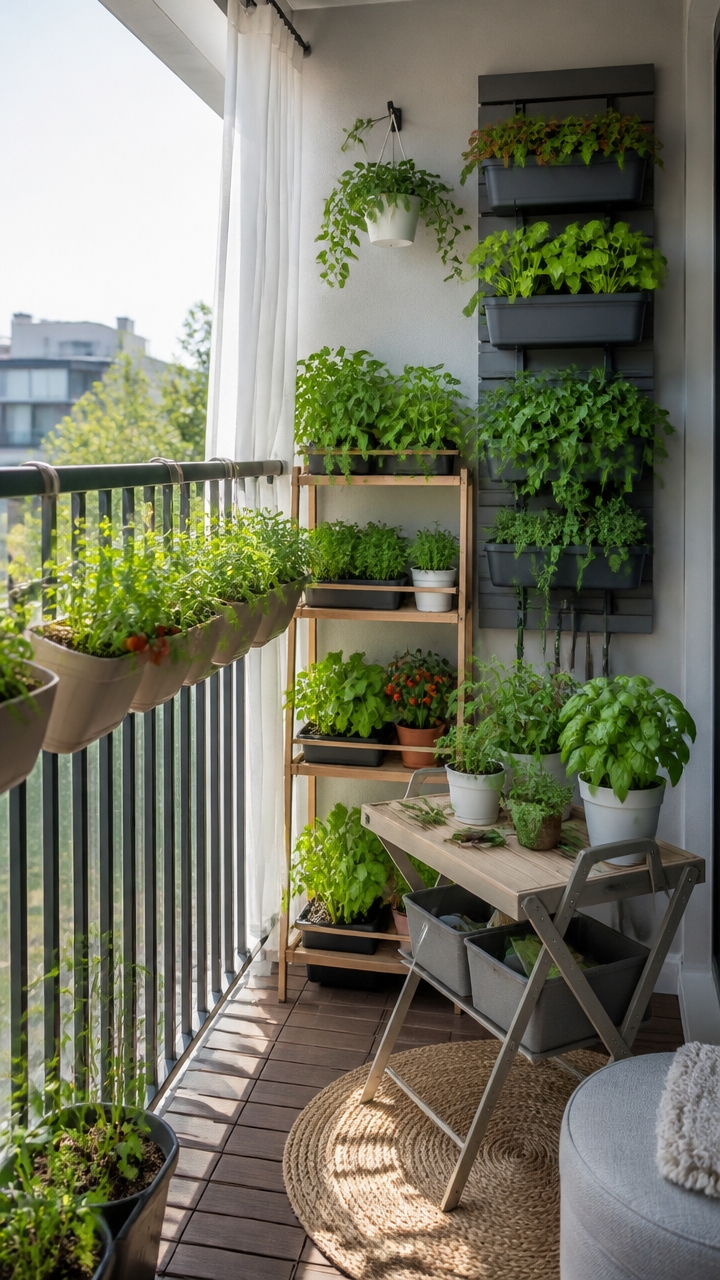
Transforming driveways and patios into productive gardening areas is a practical way to make use of often underutilized space. Large containers, stock tanks, or raised beds filled with quality soil and compost can turn concrete or paved surfaces into lush, vibrant gardens. These containers should have proper drainage holes to prevent waterlogging, ensuring healthy root systems and making maintenance easier. Incorporate vertical structures like trellises and supports within these containers to maximize space, perfect for vining plants such as beans, peas, or tomatoes. Using compact and dwarf vegetable varieties like cherry tomatoes, lettuce, and herbs allows for efficient, manageable growth in limited space. Regularly rotating crops and replenishing soil nutrients with organic amendments such as compost and worm castings will keep plants healthy and productive over time. Position containers where they get ample sunlight, and consider mobility, placing the containers on wheels can simplify watering, harvesting, and repositioning to optimize growth conditions.
Grow Small, Fast-Growing Vegetables Like Greens and Microgreens
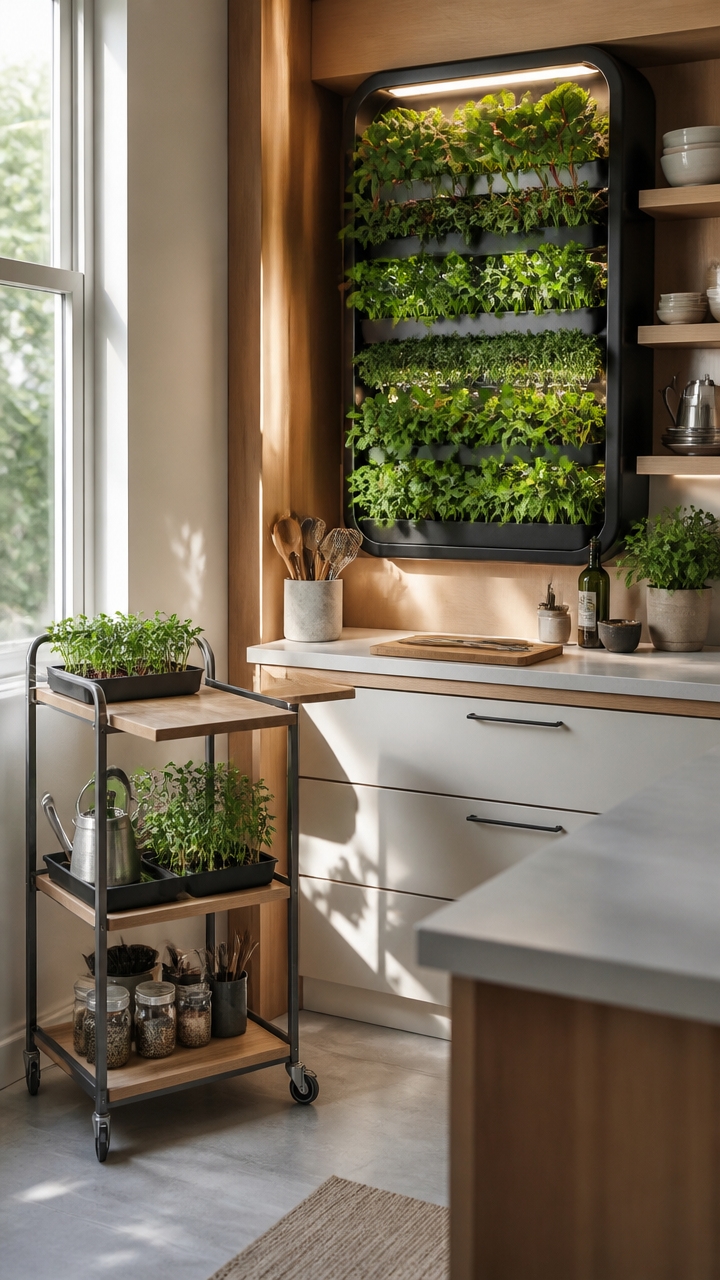
Growing small, fast-growing vegetables like greens and microgreens is an excellent way to maximize your garden space. Lettuce, spinach, and arugula mature within just 30 to 45 days, allowing for multiple harvests per season in a limited area. Microgreens such as basil, cilantro, and radish sprouts can be ready in as little as 7 to 14 days, providing almost instant gratification and fresh flavors. These crops require minimal space, making them perfect for container gardens or small beds, and they often thrive under partial sunlight with shallow soil depths. Incorporating these quick harvest crops guarantees you can enjoy fresh greens regularly without dedicating large amounts of space or resources. Growing microgreens and fast greens is a practical, space-efficient way to enjoy homegrown produce year-round.
Position Plants Based on Their Light and Space Needs
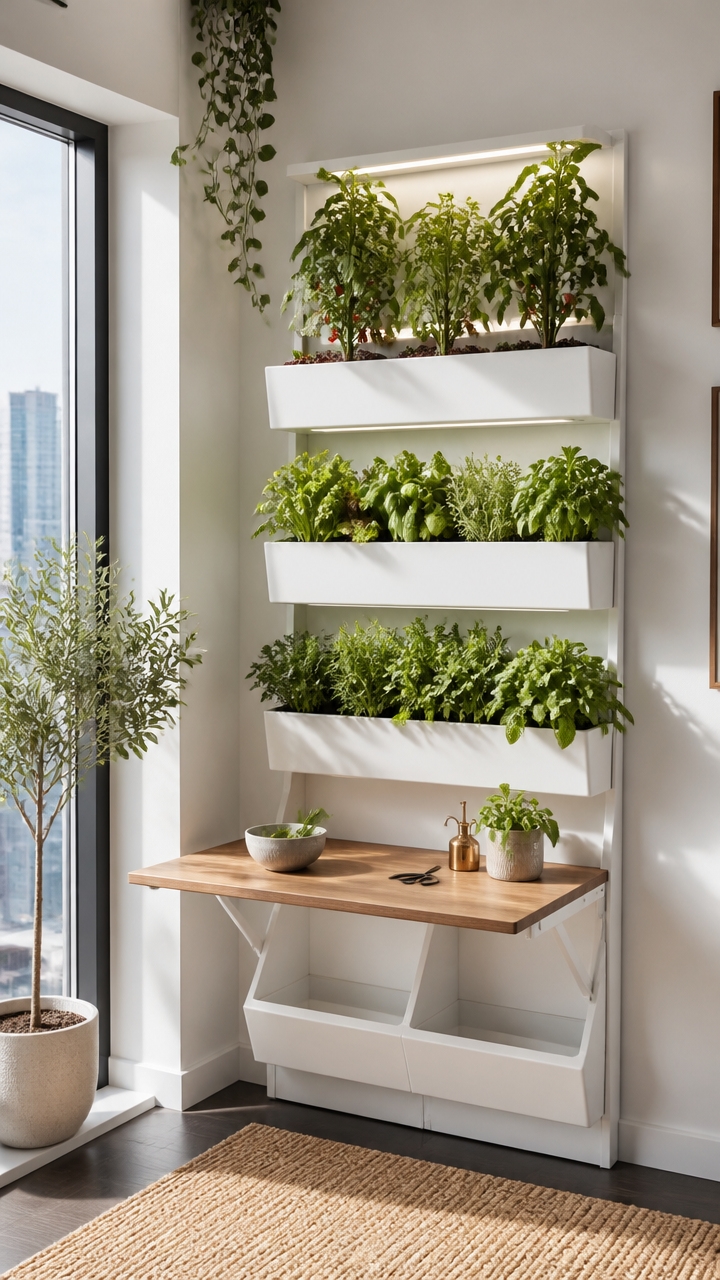
Strategically placing your vegetables according to their sunlight requirements maximizes growth potential in a small space. Sun-loving plants like tomatoes and peppers thrive when positioned in the brightest, south-facing spots, where they can receive at least six hours of direct sunlight daily. These areas should be free from shading by trees, structures, or taller plants. Conversely, shade-tolerant plants such as lettuce and herbs can be comfortably grown in spots with only three to four hours of indirect or dappled sunlight. To make the most of limited light, consider placing these in partially shaded corners or areas with filtered sunlight.
In less sunny parts of your garden, reflect light onto plants by using white or reflective surfaces, such as painted walls, white containers, or reflective mulches. This helps maximize the available light for shade-tolerant plants without requiring a change in their placement. Grouping plants with similar sun and space needs not only simplifies watering and maintenance but also guarantees each plant receives the appropriate amount of light. As the sun’s position shifts seasonally, consider moving containers or supports to keep your sun-loving plants in ideal light spots, further enhancing their growth potential in your compact garden.
Add Aesthetic Organization With Labels and Decorative Supports
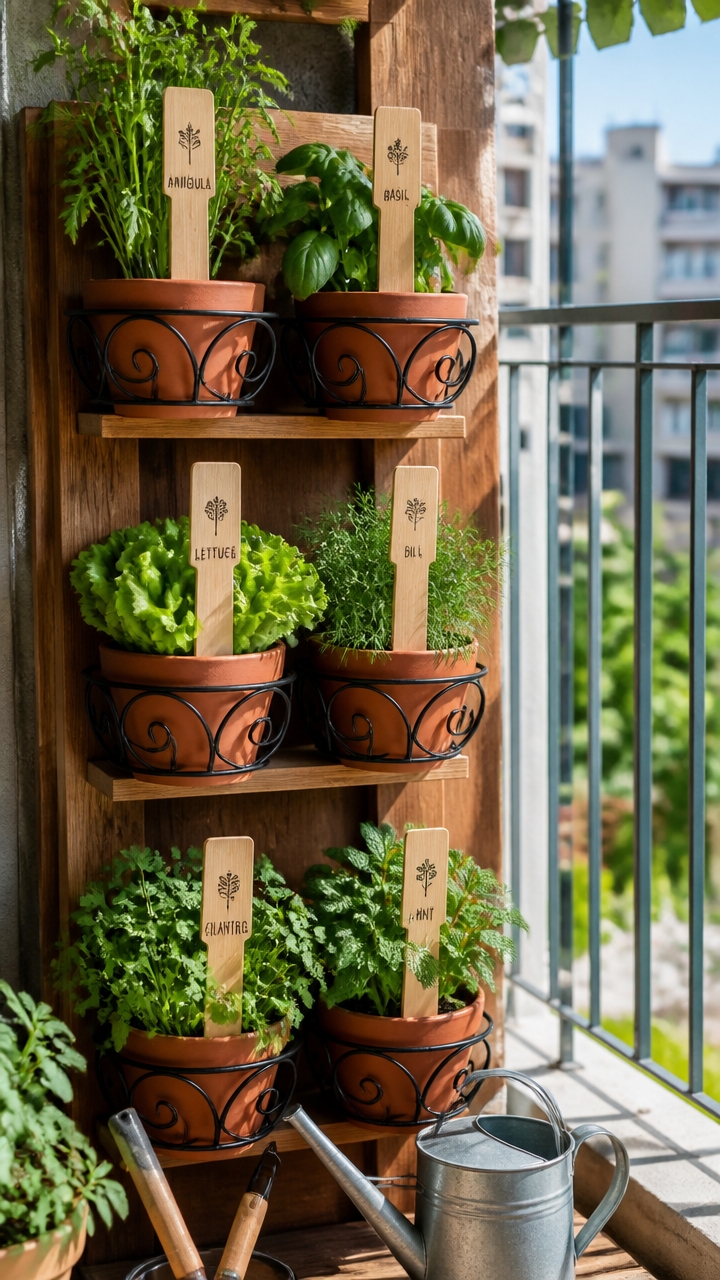
Using labeled tags or plant markers in your small vegetable garden helps keep your layout organized and makes maintenance more efficient. Clearly marking each vegetable or herb guarantees you can quickly identify plants as they grow, preventing mix-ups and making harvesting easier. Choose durable, weather-resistant labels that complement your garden’s style, and place them near the base of each plant or in the soil for easy visibility.
In addition to labels, incorporating decorative supports like colorful trellises, whimsical plant cages, or painted stakes adds visual interest and structure. These supports can be both functional and aesthetic, helping taller climbing plants stay upright while providing a charming focal point. Select supports that match your garden’s color scheme or theme to create a cohesive look. Position taller supports at the back or center of your planting area to keep sight lines clear and maintain an organized appearance. This combination of clear labeling and decorative supports ensures your small garden is both beautiful and easy to manage.
Rotate Crops Annually to Prevent Pests and Maintain Soil Health
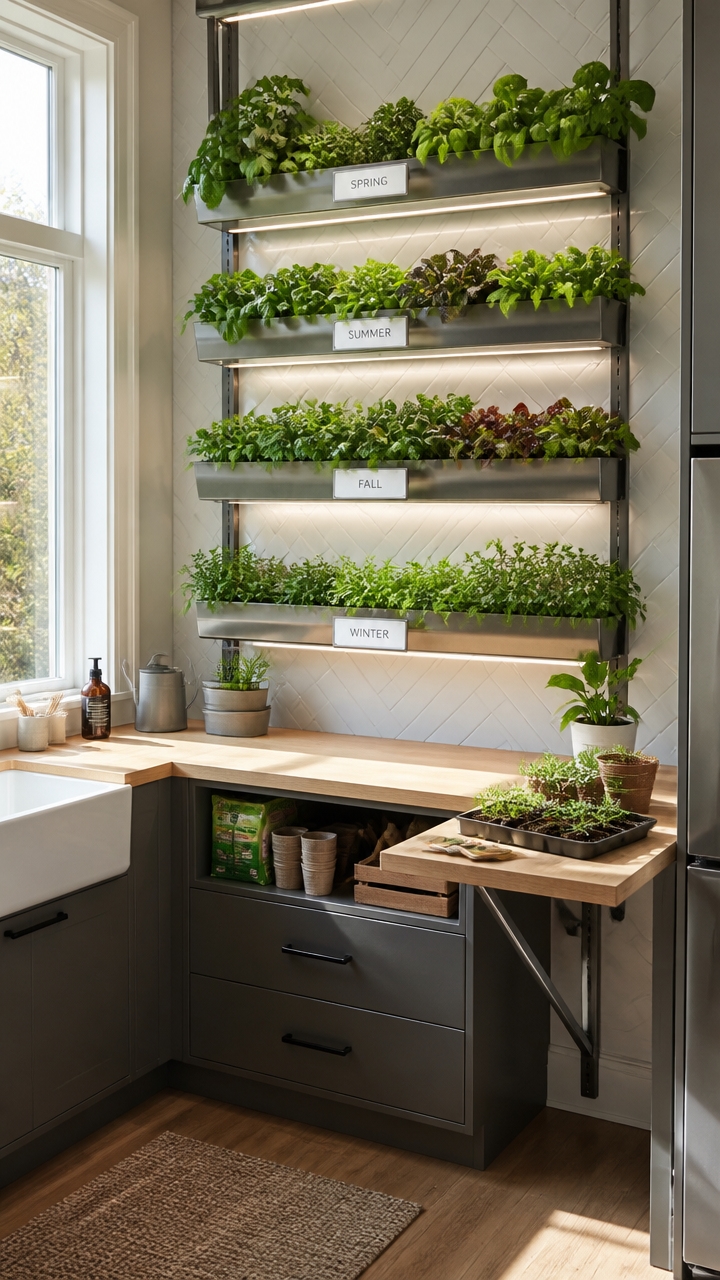
Rotating crops annually is a key strategy for maintaining a healthy and productive small space vegetable garden. This practice involves changing the location of different plant families each season, which helps prevent the buildup of pests and diseases that target specific crops. For example, moving legumes to a new bed after a season of leafy greens discourages pests that prefer certain plants and reduces their chances of establishing long-term infestations.
Additionally, crop rotation enhances soil health by minimizing nutrient depletion. Continuous planting of the same crops can exhaust specific nutrients in the soil, leading to reduced yields over time. Alternating planting groups, such as following nitrogen-fixing legumes with leafy greens that demand high nitrogen, naturally replenishes essential nutrients. This not only improves soil fertility but also reduces the need for chemical fertilizers, making your garden more sustainable.
Implementing a crop rotation schedule is practical for small gardens. Keep a simple record of what was planted where each season, and plan to switch crop families accordingly. This proactive approach helps maintain balanced soil nutrients, keeps pests at bay, and ensures your garden continues to thrive year after year.
Set Up Support Structures for Climbing and Spreading Plants
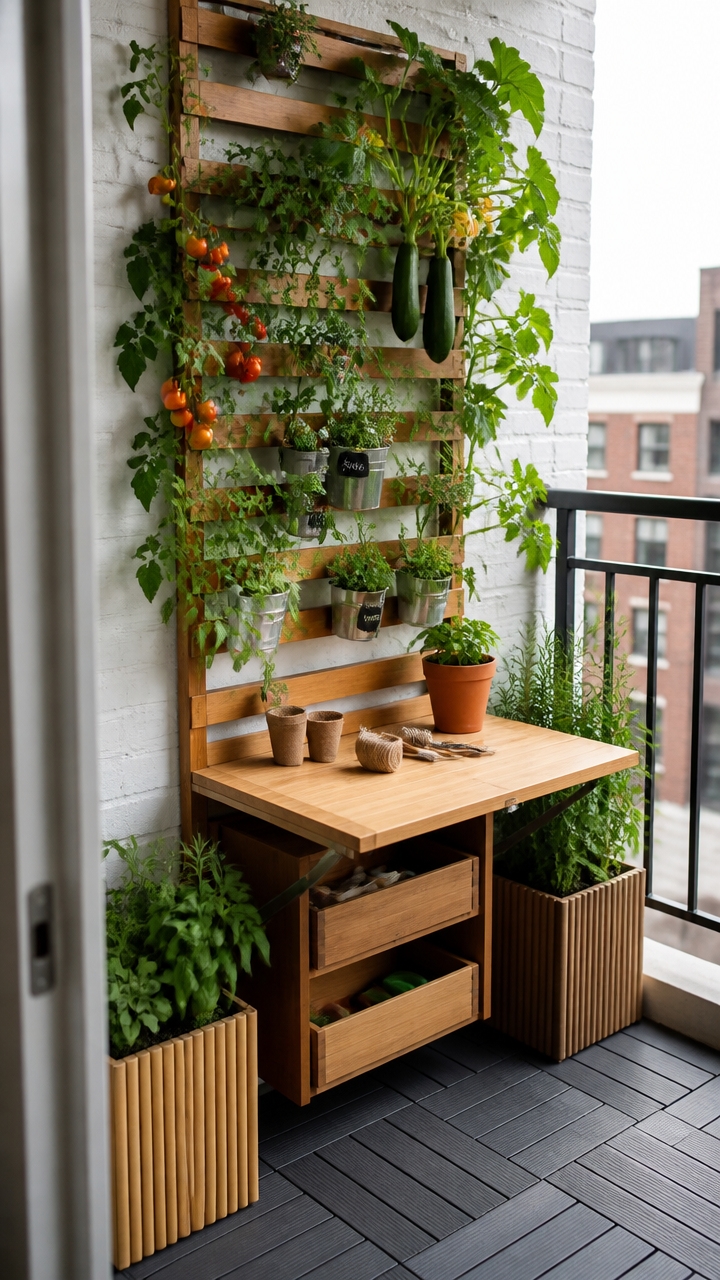
Using vertical support structures is essential for maximizing limited space in a small vegetable garden. Trellises, cages, stakes, and wire mesh can be strategically installed along walls or on free-standing frames to give vining plants like tomatoes, peas, and squash a designated climbing area. These supports help plants grow upward, reducing ground clutter and making better use of the available space. They also improve air circulation around the plants, which can lead to healthier growth and reduce disease risk. When setting up supports, choose sturdy materials that can withstand the weight of the mature plants and their fruit. Position the supports in accessible locations to facilitate easy harvesting and maintenance. Tying plants to supports with ties or clips encourages proper climbing and spreading, keeping your small garden organized and efficient.
Boost Soil Fertility With Compost and Organic Amendments
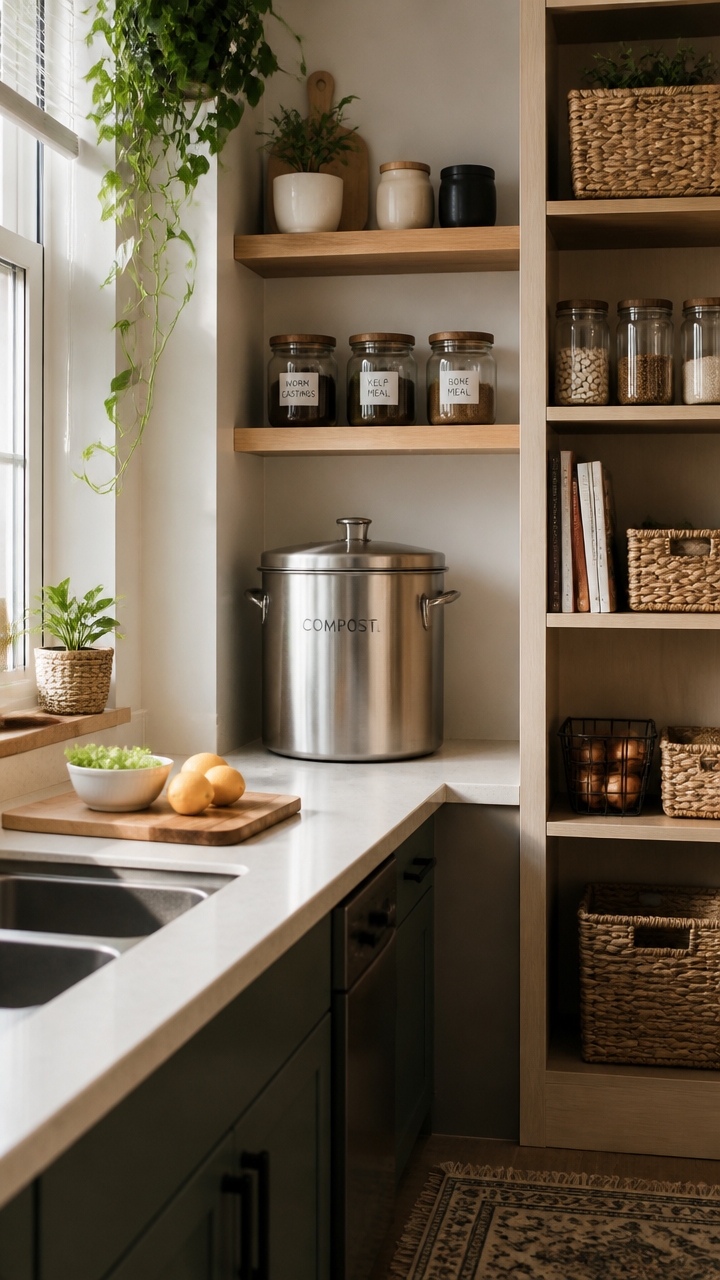
Boosting soil fertility with compost and organic amendments is a cornerstone of successful small space vegetable gardening. Incorporating compost into your garden soil provides essential organic matter that improves soil structure, enhances water retention, and increases nutrient availability for your plants. Organic amendments like vermicompost and composted manure deliver a balanced mix of nutrients, supporting healthy plant growth without relying on chemical inputs.
Adding compost also stimulates microbial activity in the soil, which helps break down organic matter, release nutrients, and boost plant disease resistance. Regularly replenishing your soil with these organic materials prevents nutrient depletion, maintaining soil fertility over multiple growing seasons and ensuring your vegetables thrive year after year. To make the most of this approach, consider conducting soil tests to identify any specific nutrient deficiencies, guiding your compost and amendment applications for ideal results. This practical, natural method creates a vibrant, productive garden even in limited space.
Label and Organize Garden Zones for Easy Maintenance
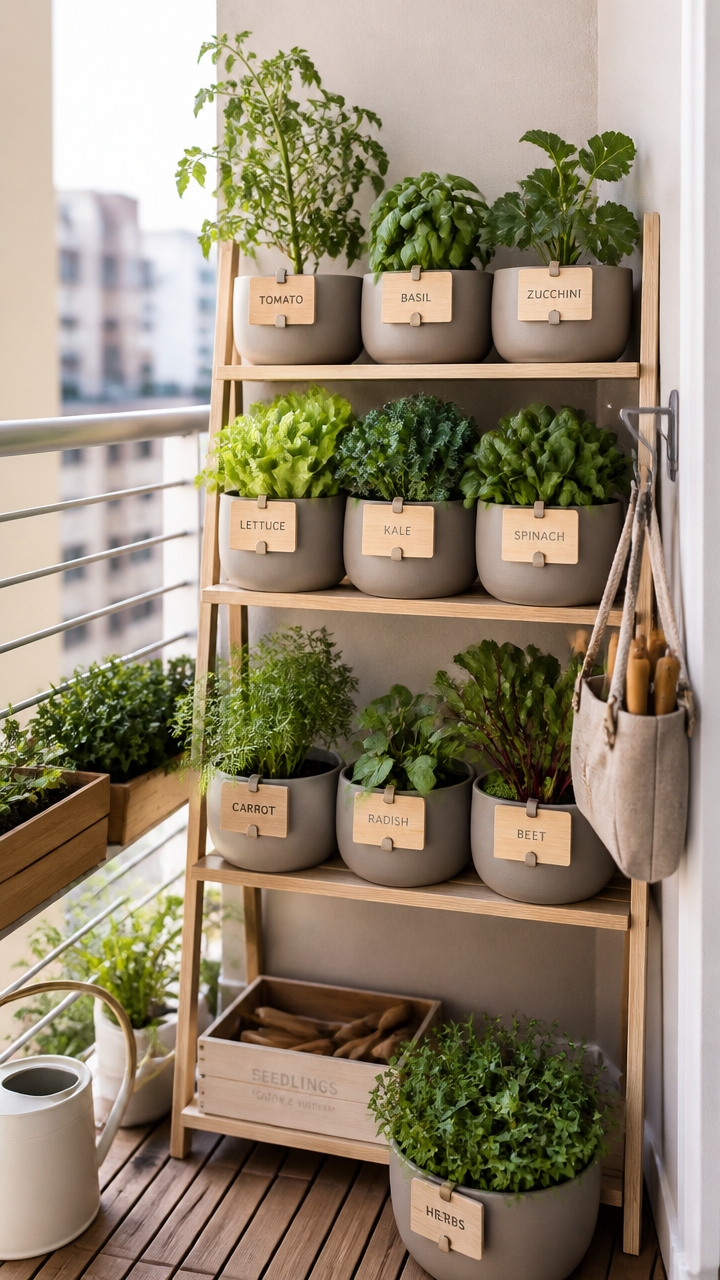
Clearly marking each garden zone with plant names or thematic signs is essential for efficient management, especially in a small space. Use weather-resistant stakes, garden markers, or color-coded labels to denote different areas such as herbs, root vegetables, leafy greens, and flowering plants. These visual cues enable quick identification, help prevent accidental harvesting errors, and streamline tasks like watering, pruning, and harvesting. Establish a consistent labeling system from the outset, consider using reusable labels or plant tags, and update them as your garden evolves, whether adding new plants, rotating crops, or planting seasonal varieties. Position labels at eye level or along pathways for easy viewing, and keep a garden map or diagram nearby to track each zone’s layout and planting schedule. Regularly revitalizing labels and reorganizing as needed will keep your small garden tidy, accessible, and productive throughout the growing season.
Maintain a Regular, Targeted Watering Routine
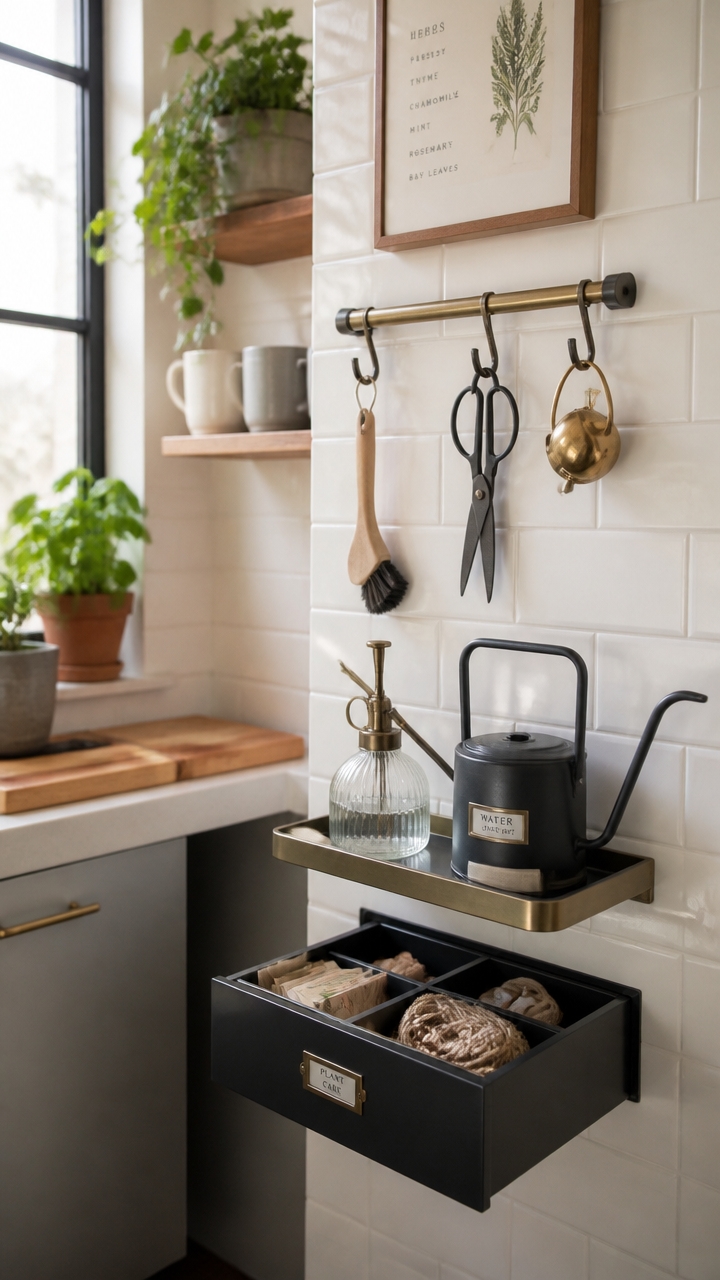
Consistency is key when caring for a small space vegetable garden. Establish a daily watering schedule and check soil moisture regularly to prevent over- or underwatering. Use your finger to feel the top inch of soil; if it feels dry, it’s time to water. This practice guarantees plants receive the right amount of moisture without becoming waterlogged. Deep watering is preferable, allowing water to reach the plant roots, which promotes healthy growth and helps prevent issues like root rot or dehydration. Using a watering can or drip irrigation system gives you precise control, reducing the risk of wetting foliage excessively and minimizing water waste. Water early in the morning to permit plants to dry during the day, lowering the chance of fungal diseases. Adjust your watering frequency during hot, windy, or particularly dry periods, as containers tend to dry out faster than in-ground gardens. Following a targeted, consistent watering schedule helps your small garden thrive, even in limited space.
Extend Your Gardening Season With Cold Frames and Indoor Starts
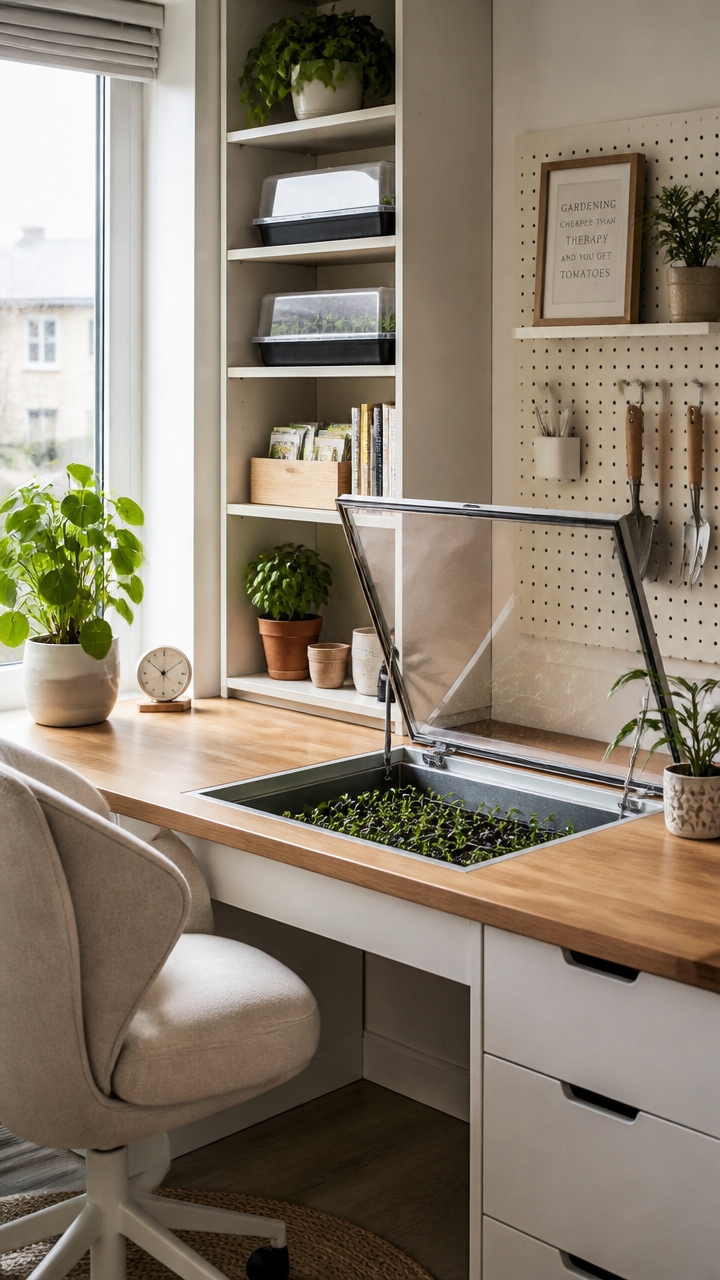
Cold frames are a versatile tool for small-space vegetable gardeners, allowing you to extend your growing season profoundly. These lightweight, transparent enclosures sit directly on the soil and trap warmth from the sun, creating a mini greenhouse environment. By providing a protected space that increases both soil and air temperatures, cold frames enable you to plant hardy crops earlier in the spring and enjoy extended harvests into the fall. Position your cold frame in a sunny, south-facing spot for maximum warmth, and guarantee proper ventilation to prevent overheating on warm days. They can be made from various materials like wood, aluminum, or repurposed storm windows, making them adaptable to different budgets and styles. When not in use, cold frames are easy to store or relocate, making them ideal for small gardens with limited space. Properly managing temperature and airflow inside your cold frame helps create an ideal environment for semi-sensitive and hardy crops, boosting productivity without requiring additional outdoor space.
Final Takeaways
In your compact haven, just as the renowned designer Diller Scofidio once emphasized spatial agility, embracing these strategic garden ideas transforms limitations into opportunities; a survey reveals that 89% of urban gardeners report increased satisfaction when employing such organized, layered, and adaptable layouts. Your meticulous planning, from cold frames to container choices, not only cultivates a cocoon of lushness amid confinement but also fosters sustainable serenity. With a thoughtful approach, even the tiniest corner becomes an inspiring tableau of life and abundance.

- 22 Small Space Landscape Ideas That Actually Work - September 13, 2026
- 21 Small Space Backyard Ideas For a More Organized Home - September 13, 2026
- 20 Small Space Pool Ideas Backyards That Transform Any Space - September 12, 2026