
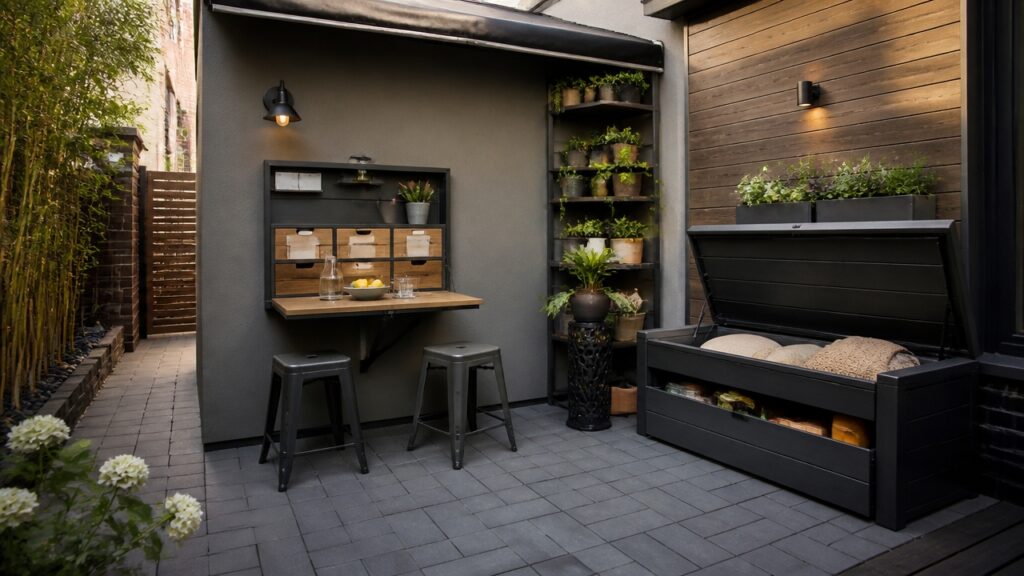
In your compact backyard, clever organization and multifunctional design can transform mere square footage into a bijoux retreat, a cocooning space that balances privacy, functionality, and style, whether it’s by integrating vertical gardens from designers like Piet Oudolf, installing joinery features with a « greige » (Farrow & Ball “Ammonite,” £45/5L) finish, or adding a banquette that doubles as storage with Sinnes’ custom-built pieces. Each decision, from framing a winding pathway with sourced Italian terracotta tiles to selecting layered lighting inspired by Kelly Wearstler’s eclectic palette, should align seamlessly, because just as a good designer’s palette unifies a room, so does intentionality unify your yard, leaving you with more than just a garden but a genuine extension of your home that deserves your ongoing attention.
Understand the Challenges of Small Backyard Spaces
Small backyard spaces come with unique challenges that can make outdoor living feel cramped and unmanageable. Limited room for planting, seating, and storage means every inch must be used thoughtfully. This clutter not only makes the space look smaller but can also hinder movement and reduce enjoyment. Hot weather further emphasizes these issues, as a crowded, unorganized yard can feel even more oppressive and difficult to relax in under the sun. Poor layout choices and lack of vertical or multi-functional features can markedly decrease the usability of a small outdoor space. Without proper zoning or design, you might find yourself unable to incorporate both greenery and seating comfortably. In such cases, small yards tend to feel disorganized and tough to maintain, discouraging regular use. Recognizing these challenges is key to transforming a tiny backyard into a functional, inviting retreat through strategic planning and creative solutions. Space management strategies can help you maximize every inch of your yard for both beauty and practicality.
Set Clear Goals for Your Limited Outdoor Area
Setting clear, measurable goals is essential when designing a small backyard to guarantee your efforts stay focused and your space remains functional. Begin by identifying specific objectives, such as creating three defined zones for lounging, dining, and gardening or installing vertical gardens to maximize planting area. Write down these goals and prioritize them based on your backyard’s size and your lifestyle needs. Having concrete targets helps you stay organized, track progress, and avoid feeling overwhelmed by numerous ideas. As you implement features, regularly evaluate whether your changes align with your initial goals, adjusting plans as needed. Clear milestones motivate continued work and help you create a cohesive, personalized outdoor space that maximizes every inch. Incorporating space-saving strategies ensures you make the most of your limited outdoor area.
Prioritize Your Must-Have Features and Uses
Start by clearly defining what your backyard needs to do to enhance your lifestyle. Whether it’s a cozy outdoor dining area, a tranquil space for relaxation, or a functional garden, identify these core uses first. Make a list of features essential to these activities, such as a compact fire pit for chilly evenings or a dedicated play zone if you have children. Focusing on these priorities guarantees your design emphasizes what truly matters, making the most of limited space. As you plan, consider how each element will fit together without overcrowding, balancing functionality with comfort. Keep future needs in mind, like extra seating or additional plants, so your backyard can adapt as your household evolves. By using your top priorities as a guide, you can carefully select and arrange features that maximize usability and enjoyment, creating a purposeful and inviting outdoor space. Incorporating versatile furniture, like a smart couch, can also help optimize your space for different activities.
Design a Cohesive and Functional Yard Layout
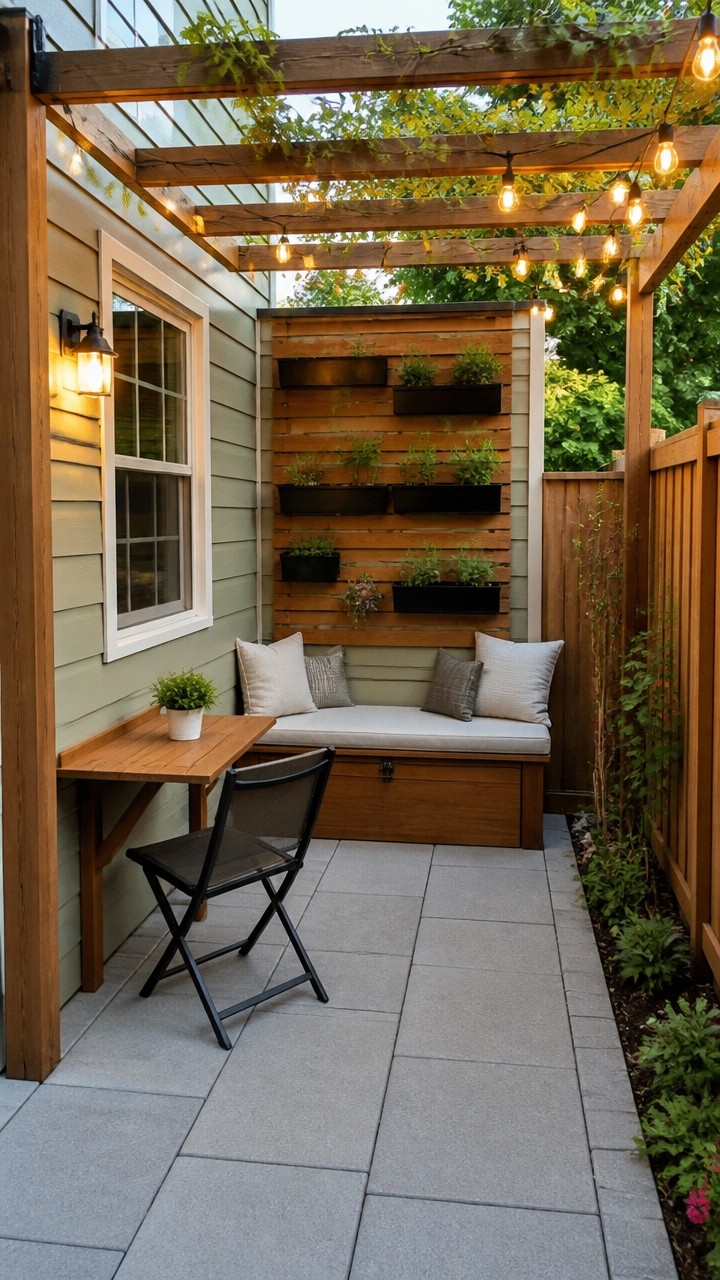
Creating a cohesive and functional yard layout is essential for making the most of a small backyard. Begin by establishing distinct zones for different activities, such as dining, relaxing, and gardening, to organize your space efficiently. Use visual elements like retaining walls, vertical gardens, or even free-standing planters to clearly define each area without crowding the yard. Align pathways, planting themes, and outdoor furniture to promote a seamless flow from one zone to the next, which enhances the sense of openness and continuity. Incorporate sightlines to keep your view unobstructed, making the yard seem larger and more inviting. Keep clutter to a minimum by choosing multi-purpose furniture with built-in storage or stacking options, and select materials and colors that unify the design theme. Planning your layout with scalability in mind guarantees that your backyard can evolve with your needs, whether that means adding a new garden bed, installing an additional seating area, or creating space for future outdoor features. Additionally, consider space-saving strategies to maximize every inch of your small yard effectively.
Use Vertical Gardening to Maximize Ground Space
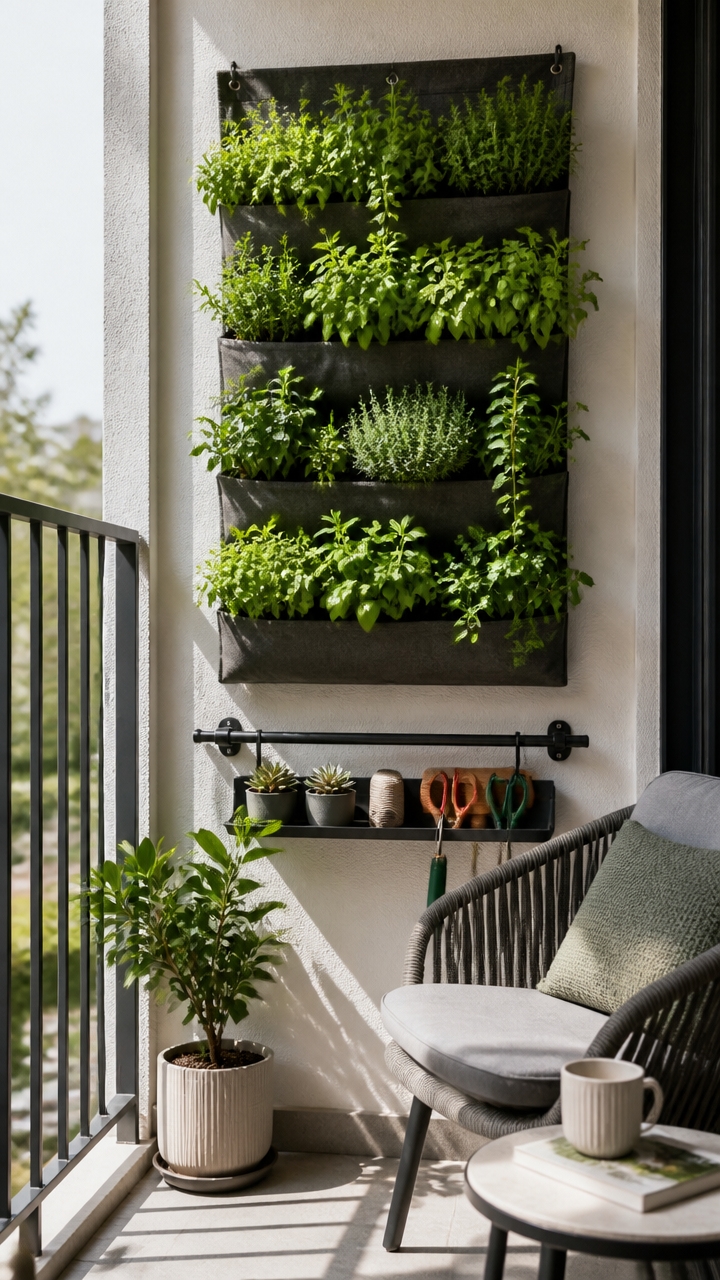
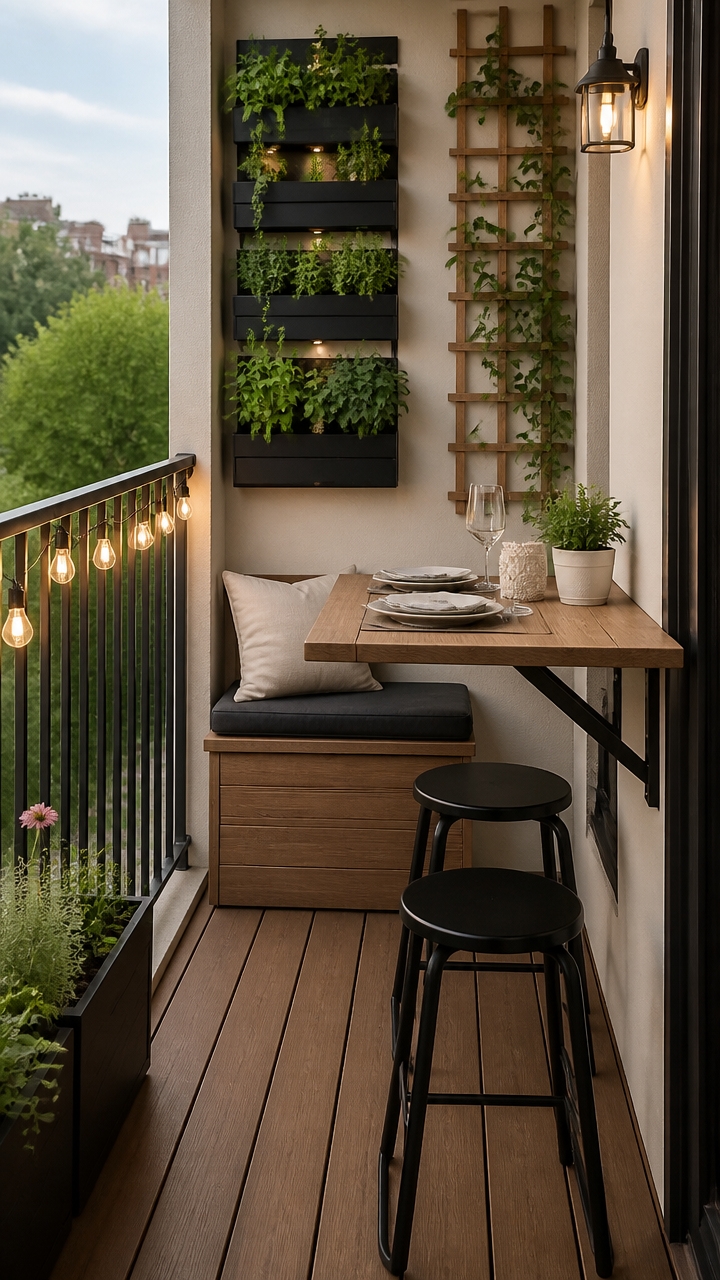
Vertical gardening is an excellent way to make the most of a small backyard by growing plants upwards instead of outwards. This approach involves using walls, trellises, or specially designed planters to create multi-layered green spaces without occupying valuable horizontal area. Wall-mounted pockets, hanging containers, and vertical planters can hold herbs, flowers, or small vegetables, allowing you to enjoy a lush garden even with limited ground space. Climbing plants like tomatoes, vining beans, or ornamental vines are particularly suitable, as they naturally grow vertically and provide dense coverage that adds privacy and visual interest. You can craft your own vertical planters from recycled materials, such as pallets or shoe organizers, making it an affordable and eco-friendly solution. Proper placement, near sunlight sources and accessible for watering, will give your vertical garden the best chance to thrive. Incorporating space-saving strategies, such as tiered plant arrangements, can further maximize limited ground area. Overall, vertical gardening is a versatile, space-efficient way to cultivate a vibrant backyard oasis in tight quarters.
Choose Space-Saving Outdoor Furniture
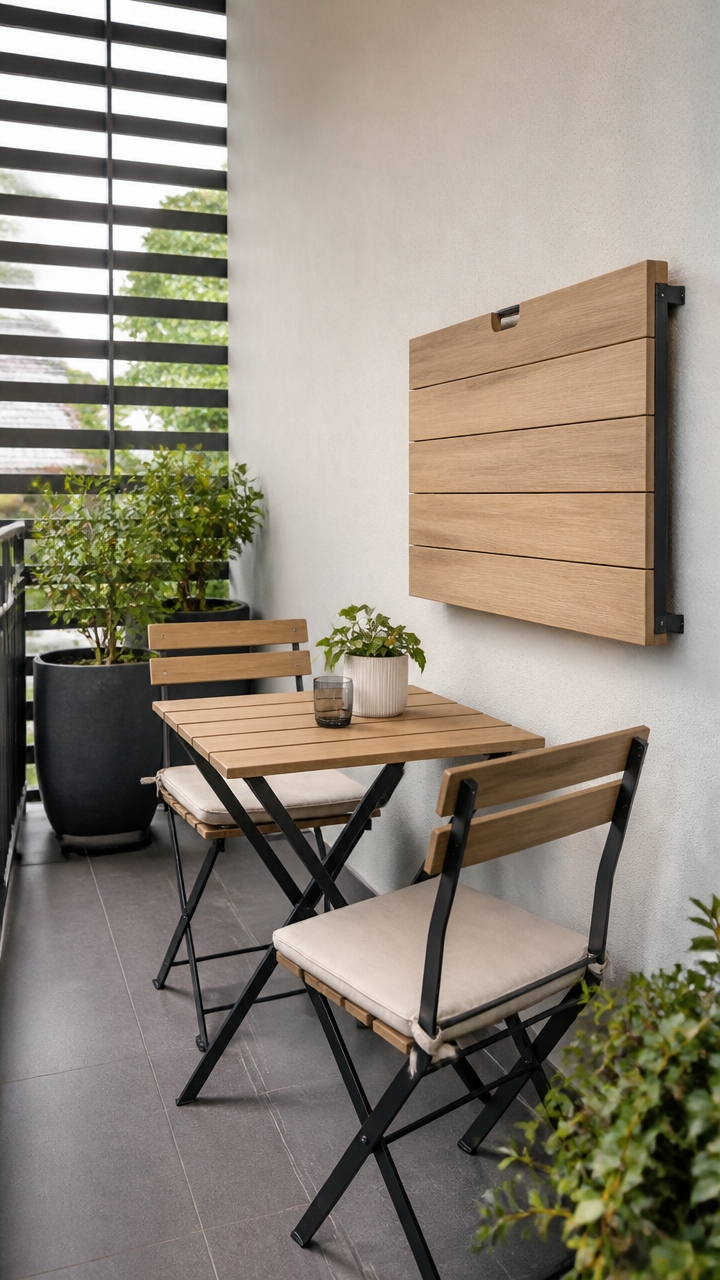
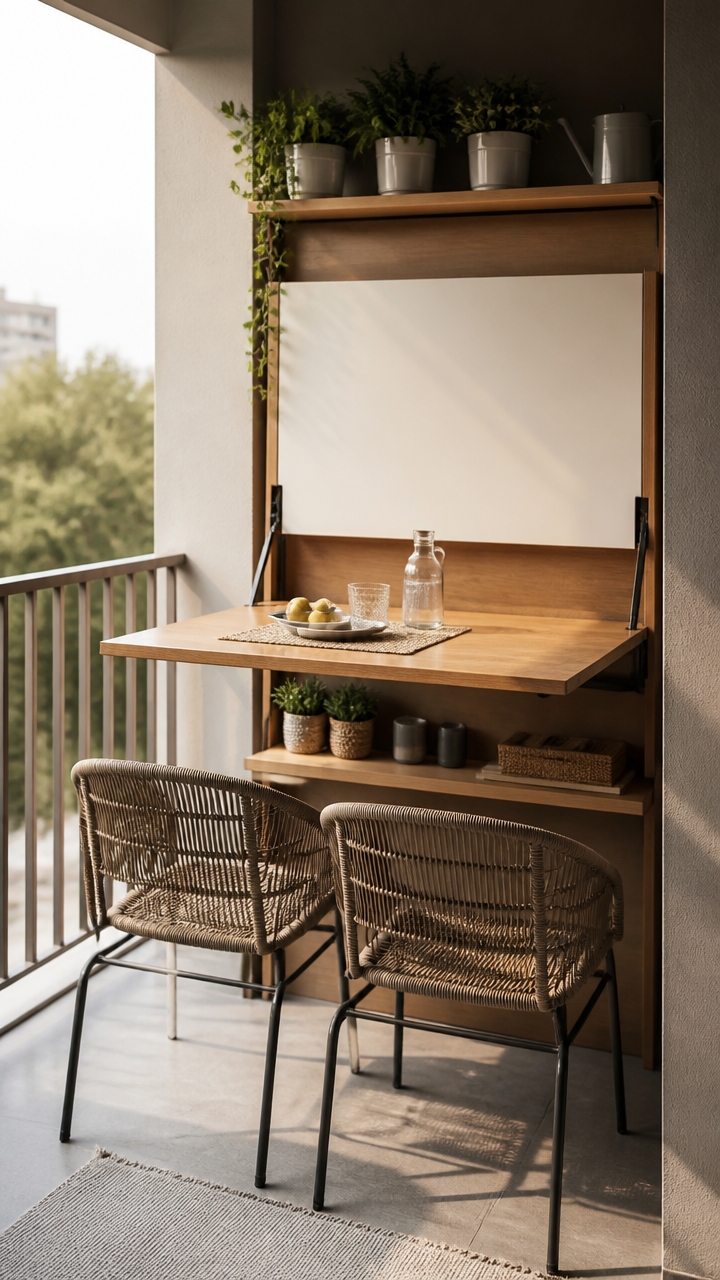
Opt for foldable or stackable outdoor furniture to easily save space when not in use. Foldable chairs, tables, or loungers can be quickly stowed away to free up your yard for other activities or simply to reduce visual clutter. Stackable seating allows you to create storage options during off-peak times, keeping your area neat and adaptable. When selecting these pieces, consider their durability and weather resistance to guarantee they hold up well outdoors and can be stored safely during harsh weather conditions. Placing foldable or stackable furniture along walls or in corners maximizes their efficiency and keeps pathways open, making your small yard feel more spacious and functional.
Create Defined Zones for Relaxation and Play
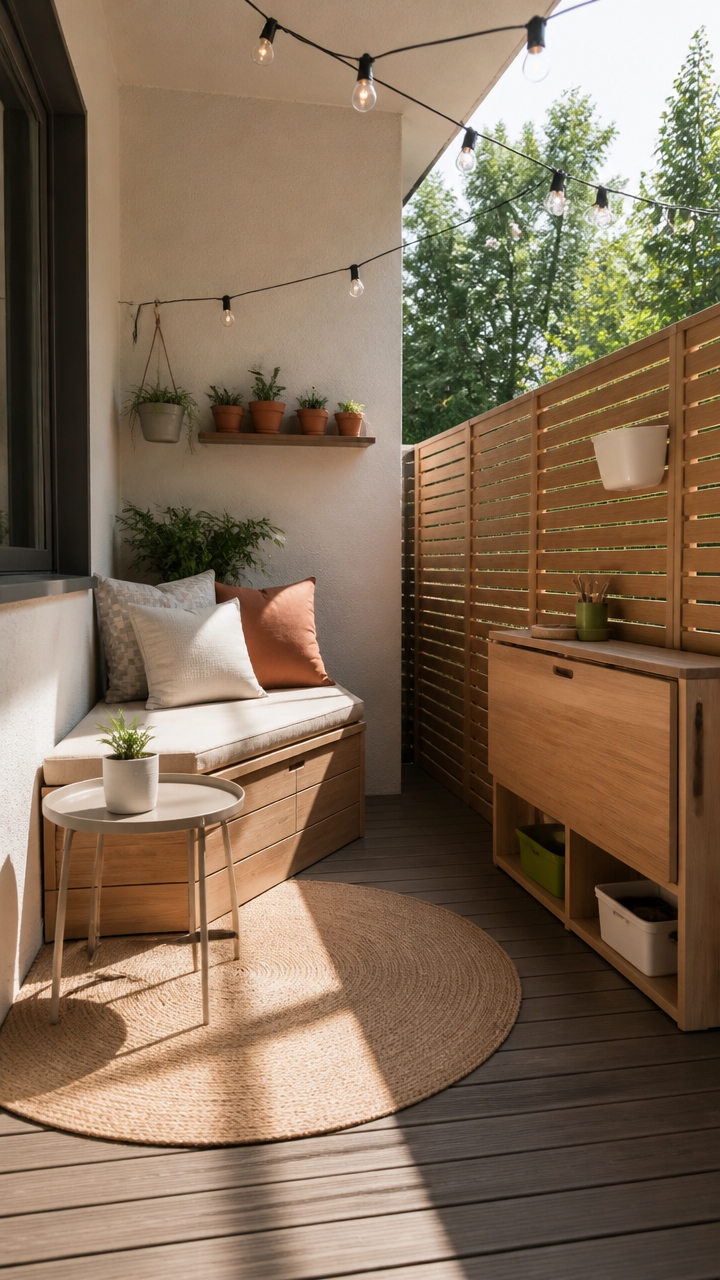
In a small backyard, establishing distinct zones for relaxation and play helps maximize functionality while maintaining an organized appearance. Use different flooring materials, like paving stones, decking, or outdoor rugs, to visually delineate each area. For example, place a paved or decked area with comfortable seating for relaxation, and contrast it with a soft, grassy or rubber surface for a designated play zone. Decorative borders, such as low hedges, planters, or edging stones, further define boundaries and create a sense of purpose within each space. Position play structures or soft-surface areas away from seating to prevent clutter and keep play activities contained. Thoughtful zoning makes your small yard feel larger, while ensuring that each area serves its intended function without encroaching on others.
Incorporate Privacy Solutions in Small Yards
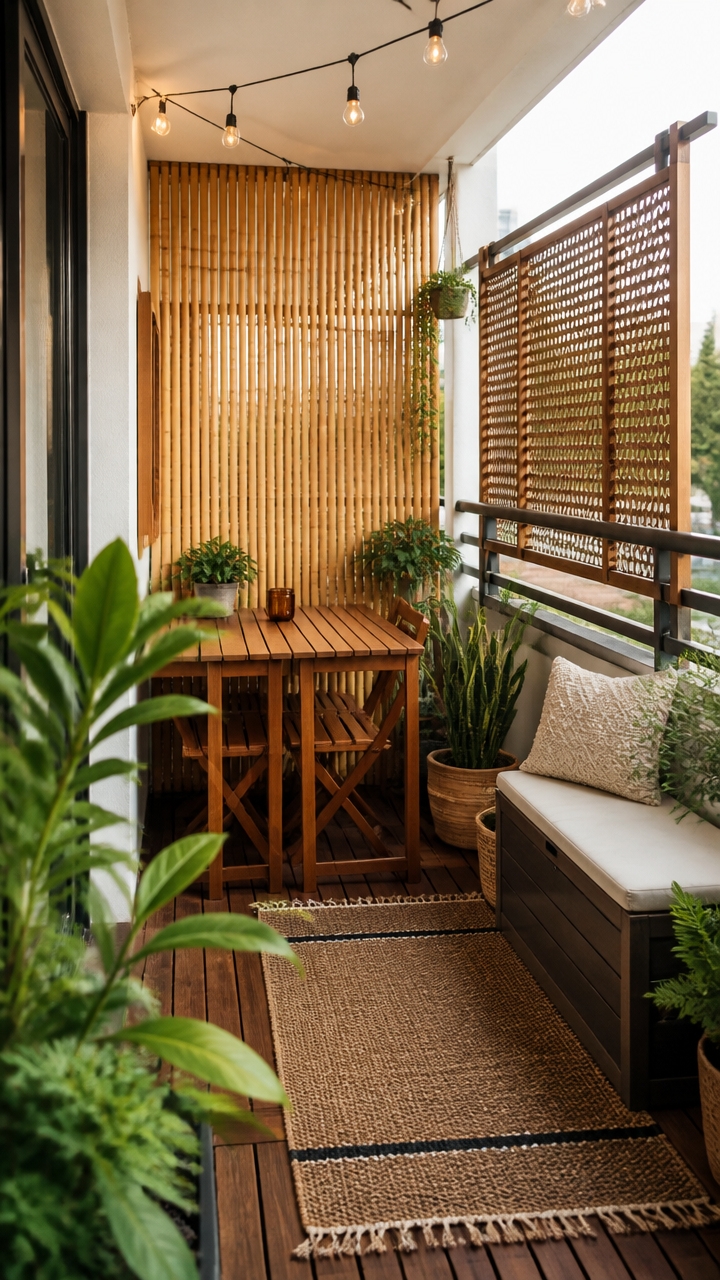
Incorporating privacy solutions in small yards is essential for creating a comfortable and secluded outdoor space. Privacy fences or lattice panels made from natural materials like bamboo or cedar can effectively block views from neighbors while adding a touch of rustic charm. These structures are versatile, easy to install, and can be customized with decorative elements or climbing plants to enhance visual appeal. Planting tall, dense shrubs such as arborvitae or boxwood along the perimeter provides a natural barrier that doesn’t encroach on ground space, offering seclusion without cluttering the yard. Vertical gardens or trellises support climbing plants like ivy, clematis, or roses, creating lush green screens that also serve as visual interest. For adjustable privacy, retractable or movable screens offer flexibility, allowing you to have an open yard when desired or a secluded nook when needed. Incorporating multi-functional structures like a pergola with side curtains not only creates a private retreat but also adds a decorative focal point to your small backyard. These solutions can be combined to tailor privacy to your specific yard size, style, and personal preference, maximizing comfort without sacrificing space.
Add Lighting to Extend Outdoor Use and Create Atmosphere
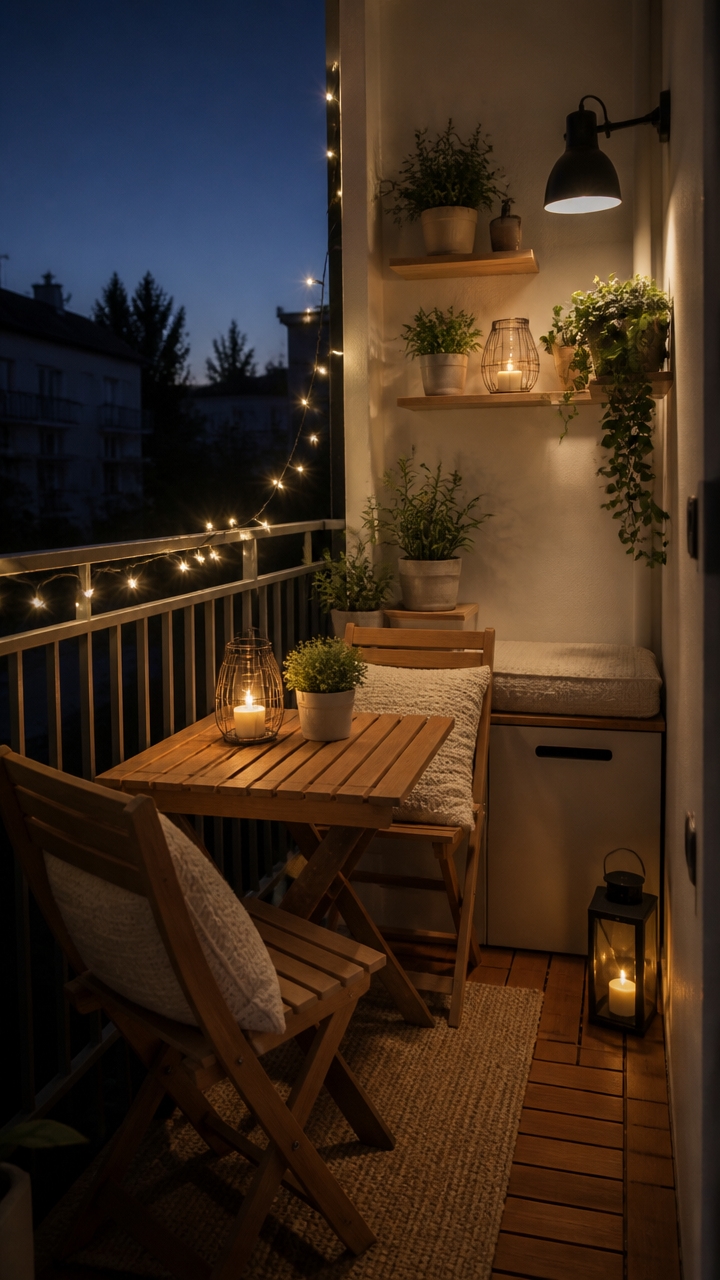
Adding lighting to your small backyard can dramatically extend its usability and create a welcoming ambiance for evening gatherings or quiet relaxation. String lights draped along fences or pergolas add a whimsical touch, casting a soft glow over seating areas. Pathway lights help define walkways, making navigation safe and adding visual interest. Spotlights can highlight key landscape features like plants, trees, or garden art, creating focal points that enhance the space’s charm. Installing solar-powered lights offers an eco-friendly, budget-conscious solution that requires minimal wiring and maintenance. Using layered lighting, combining string lights, pathway lamps, and accent spotlights, not only improves safety but also introduces depth and warmth to your outdoor environment. Incorporate dimmable fixtures or decorative lanterns to adjust the mood easily, creating a cozy atmosphere perfect for evening lounging or entertaining. Proper placement and thoughtful selection of lighting styles can transform your small backyard into a versatile and inviting outdoor retreat.
Optimize Organization With Smart Storage Ideas
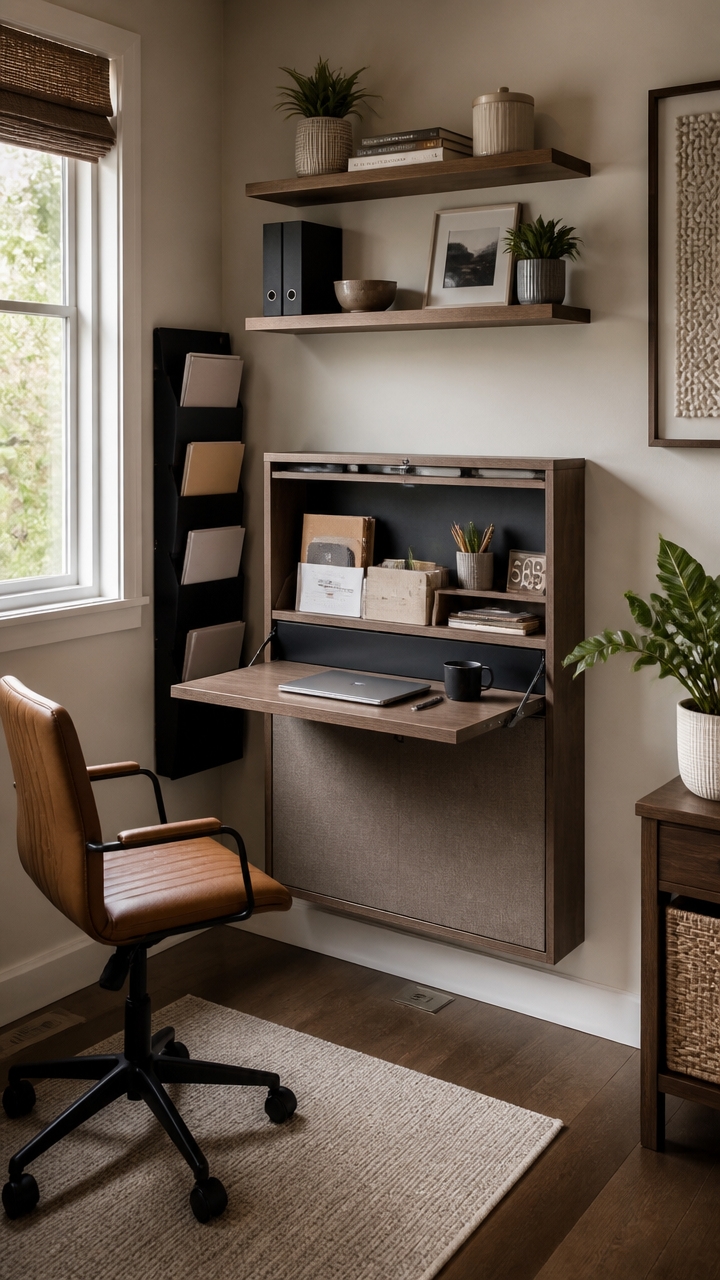
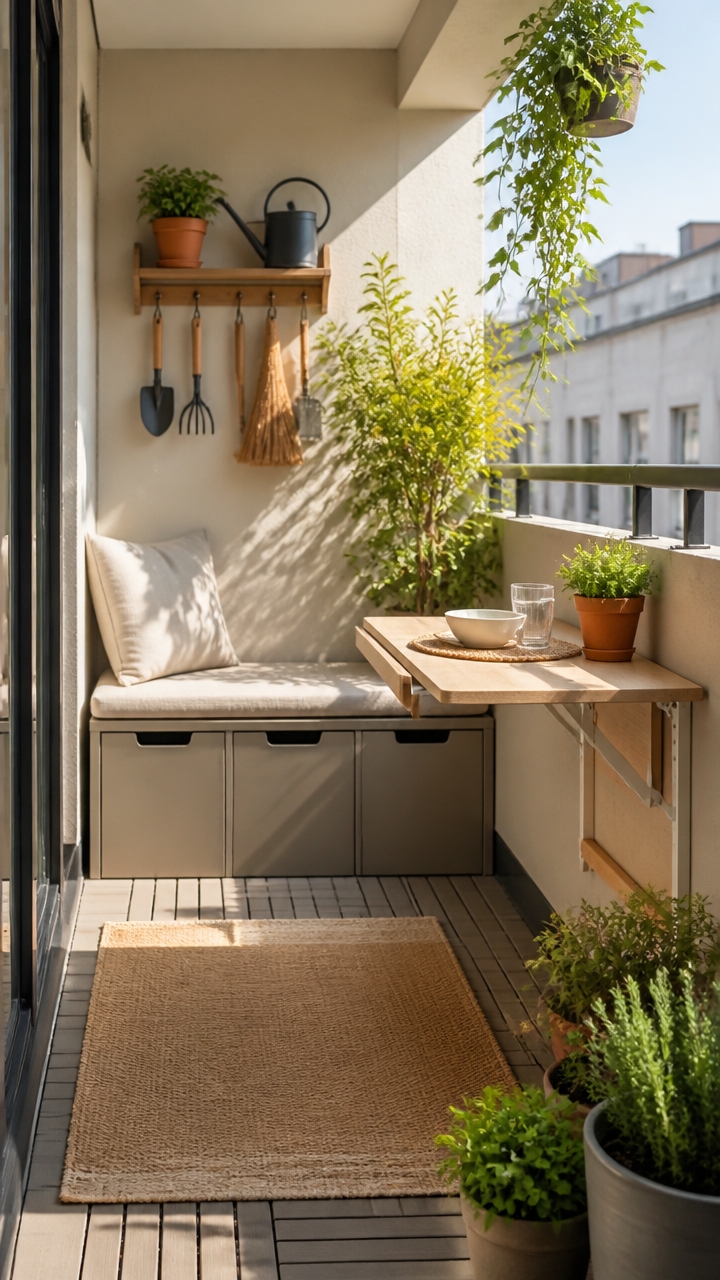
Using vertical storage solutions is an effective way to maximize limited outdoor space. Wall-mounted shelves provide easy access to gardening tools, pots, and decorative items without taking up ground area. Pegboards are versatile; they allow you to hang utensils, lightweight planters, or small tools, keeping clutter off surfaces. Hanging planters not only add greenery but also utilize vertical space, freeing up ground space for other features like a seating area or a compact lawn. When installing these solutions, consider the weight capacity and durability of materials to guarantee safety and longevity. Position shelves and pegboards at accessible heights and arrange items thoughtfully for efficient use. This approach maintains an organized, open feel while making the most of every inch of your small backyard.
Select Easy-Care Plants to Reduce Maintenance
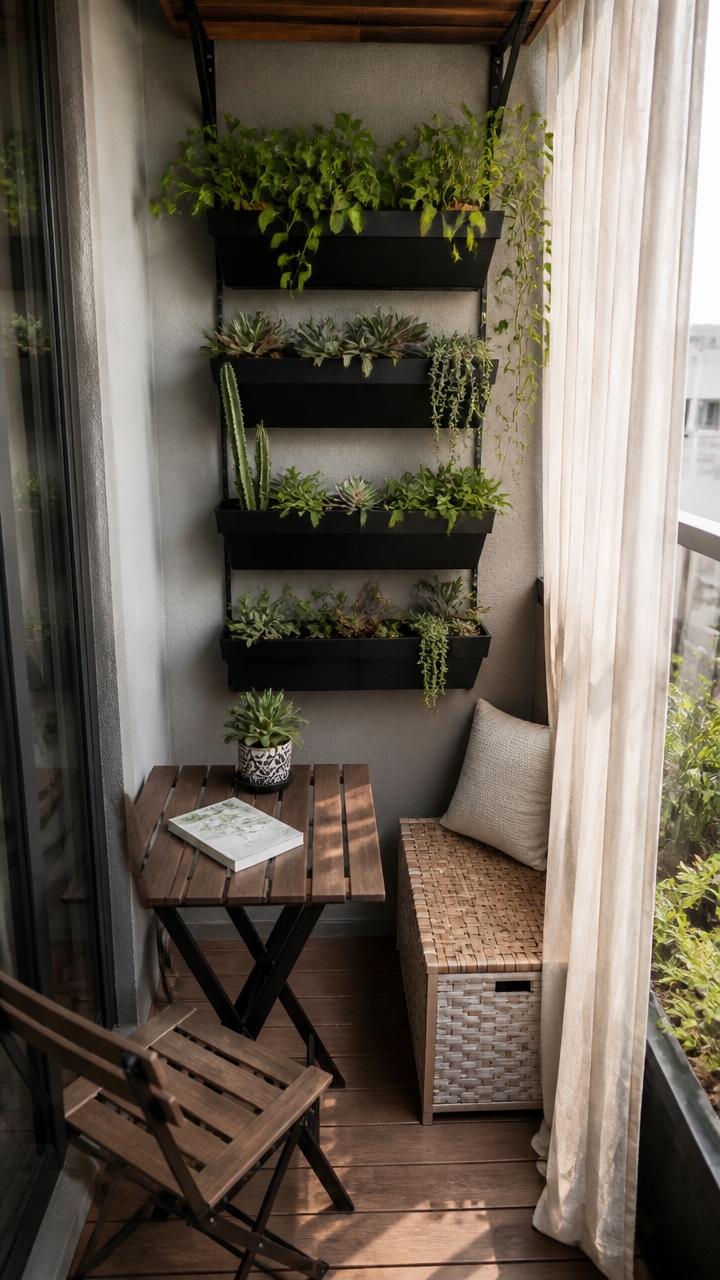
Choosing plants that require minimal upkeep is essential for creating a low-maintenance small space backyard. Opt for drought-tolerant species such as succulents and native grasses, which thrive with little water and are well-suited to confined areas. Incorporate low-maintenance perennials like lavender, daylilies, and hostas, known for their resilience and minimal pruning needs. Select plants that are resistant to pests and diseases to cut down on chemical treatments and interventions. Surround your plantings with mulch to help retain soil moisture and suppress weeds, reducing watering and weeding efforts. For added convenience, consider container gardens with self-watering pots, making watering straightforward and ensuring your plants stay healthy with minimal attention. These choices not only make your small backyard easier to care for but also keep it vibrant and inviting year-round.
Plan Pathways and Walkways for Better Flow
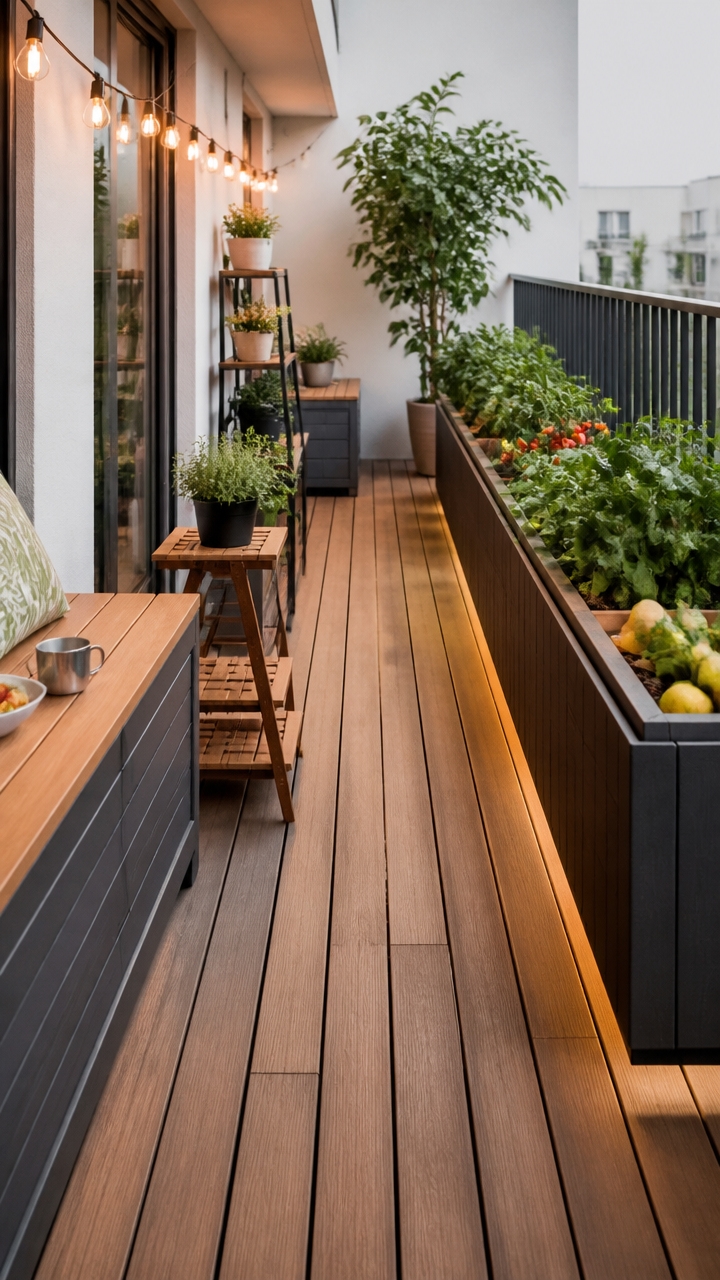
Designing clear pathways and walkways in your small backyard helps establish a logical flow and prevents plants from being trampled. Using materials like gravel, pavers, or stepping stones creates defined routes that are both attractive and functional. Properly planned pathways can connect key areas such as seating zones, garden beds, and storage structures, making your yard feel cohesive and easy to navigate. Incorporating curved or straight lines can also visually expand a compact space, making it appear larger and more inviting. Confirm pathways are at least 24 to 36 inches wide to comfortably accommodate foot traffic and provide easy access for everyone. Thoughtful pathway design enhances safety, organization, and the overall harmony of your small outdoor retreat.
Use Colors and Textures to Make Your Yard Feel Larger
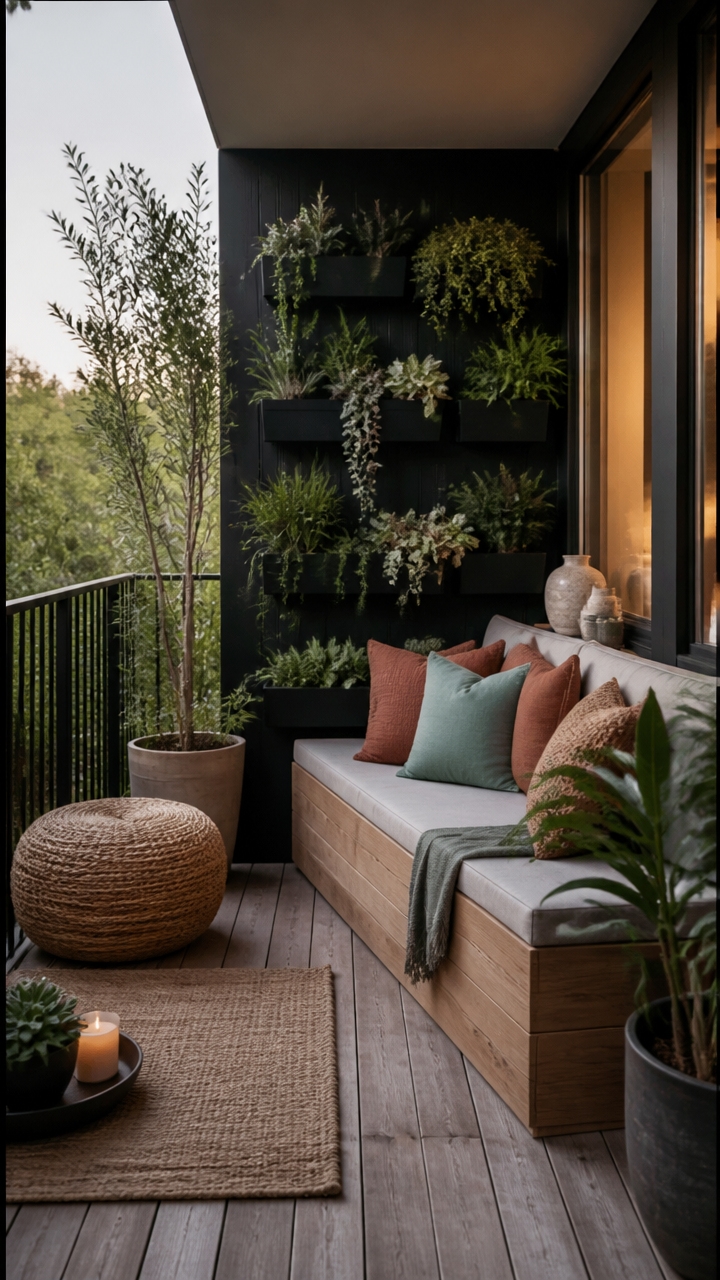
Choosing the right colors and textures can dramatically influence the perception of your small backyard, making it appear more expansive and inviting. Light colors such as whites, pastels, and neutrals on walls and furniture reflect more natural light, brightening the space and creating an illusion of openness. Incorporate these shades in seating areas, planters, or fences to maximize the feeling of airiness without cluttering the yard.
Adding varied textures, like smooth stones, soft cushions, and rough wood, provides visual interest and depth without overwhelming the senses. For example, a gravel pathway contrasted with a wood deck or a plush outdoor sofa paired with textured planters can give the space dimension. Use these textures thoughtfully to highlight different zones within the yard, subtly defining areas for dining, lounging, or gardening, which enhances organization and perceived size.
Monochromatic color schemes with subtle differences in texture can unify a small backyard. For instance, pairing different shades of beige or gray with varied surface textures, such as matte walls, glossy tiles, or woven rugs, can create a cohesive, larger-than-life feel. Complementary colors and textures work together to draw the eye smoothly across the space, reducing visual clutter and making the area seem more open and welcoming.
Combining textures in harmonious color palettes is a highly effective way to create an illusion of space. This approach can guide visitors’ eyes from one feature to the next, fostering a sense of flow that tricks the mind into perceiving the yard as larger than it actually is. When selecting materials and finishes, consider durability, ease of maintenance, and how they will interact with lighting to achieve a balanced, expansive feel.
Design Flexible Features for Future Growth
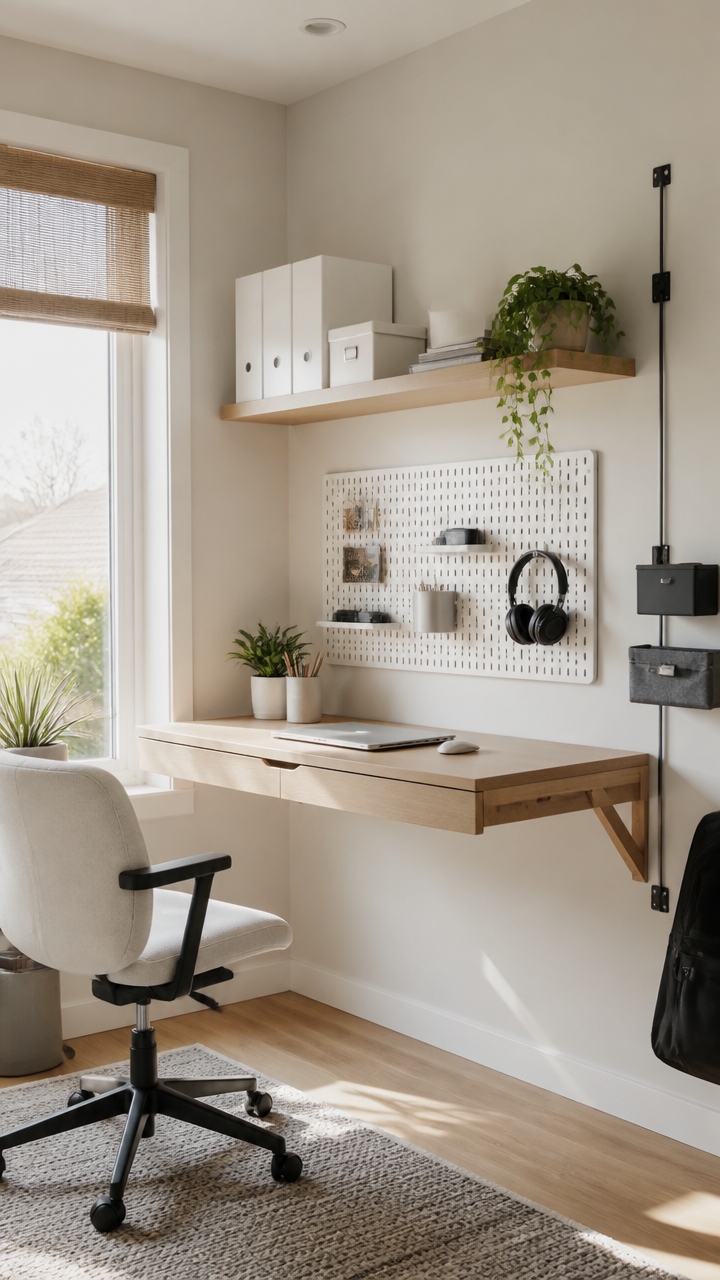
In small backyard spaces, planning for future growth guarantees your outdoor area remains functional and adaptable as your needs change. Incorporating versatile structures like movable garden beds and adjustable fencing allows you to reconfigure your layout easily without extensive renovation. These features give you the flexibility to expand planting areas, create new zones, or update the look as your garden evolves.
Modular furniture and collapsible components, such as fold-away tables and stackable chairs, enable quick reorganization for different activities. Whether hosting guests, enjoying outdoor dining, or setting up a temporary workspace, these adaptable pieces help maximize your available space and keep your backyard feeling fresh and functional.
Leaving open, unoccupied land within your design encourages future development. You can add new plantings, install a shed, or create a play area down the line. Planning for this extra space now prevents overcrowding and provides options for expansion, making your backyard a long-term, multi-use environment.
Multi-purpose zones that can serve several functions are also valuable. Combining a dining area with a convertible workspace, for example, allows you to optimize limited space by switching uses as needed. Incorporate features like vertical gardens or pergolas that can be expanded or reconfigured later, providing additional growth opportunities for both gardening and entertaining.
Incorporate Vertical Planters and Hanging Gardens
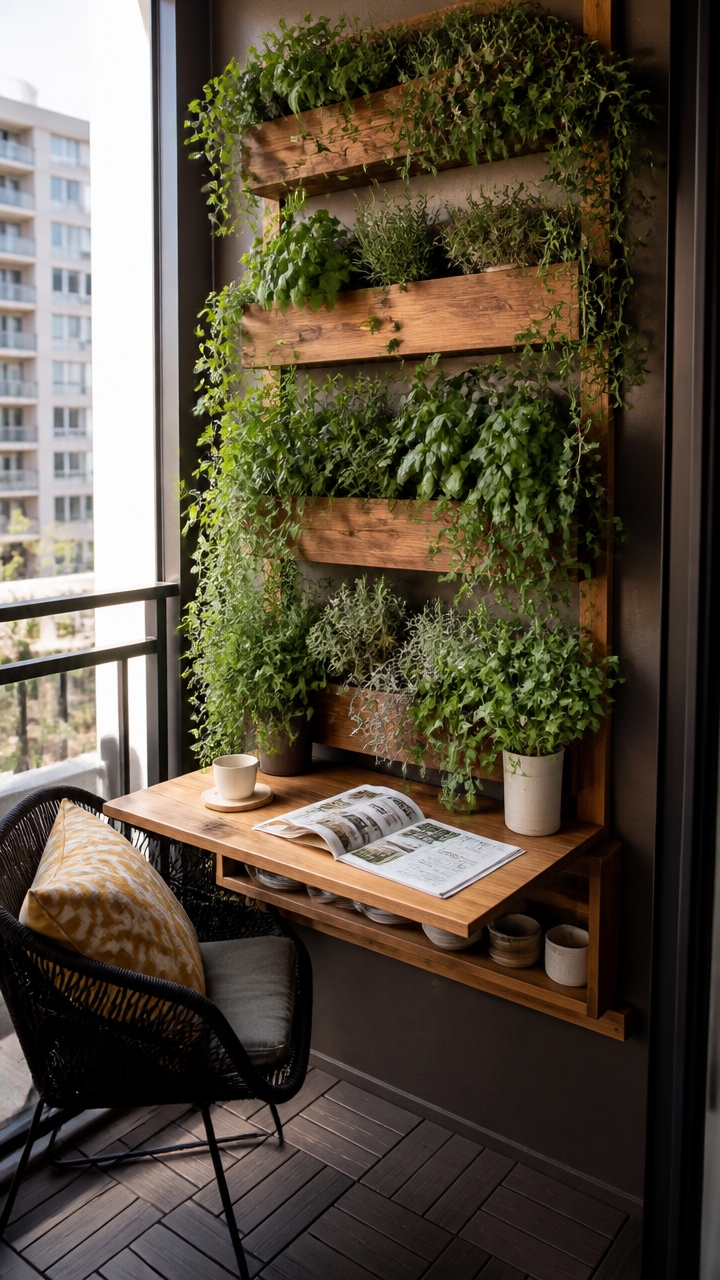
Incorporating vertical planters and hanging gardens is an excellent way to maximize your small backyard space. These green solutions utilize wall and ceiling areas to create lush, vibrant plant displays without taking up valuable ground area. You can craft vertical gardens from repurposed materials like wooden pallets, shoe organizers, or hanging pots, which not only cuts costs but also adds a creative, personalized touch to your garden.
Position wall-mounted planters along fences, blank walls, or garden structures to create visual interest and a layered, textured look. Hanging baskets and pots can be suspended from ceilings, pergolas, or wall brackets to offer easy access to your plants while saving space. This setup allows you to incorporate a variety of plants, from colorful flowers to edible herbs, making your garden both beautiful and functional.
Vertical gardening also improves air circulation around your plants, promoting healthier growth and reducing the likelihood of disease in a confined outdoor setting. With a little planning regarding placement, weight, and watering needs, vertical planters become a practical, attractive, and space-efficient solution for small backyard gardens.
Add Fun Features for Kids and Adults
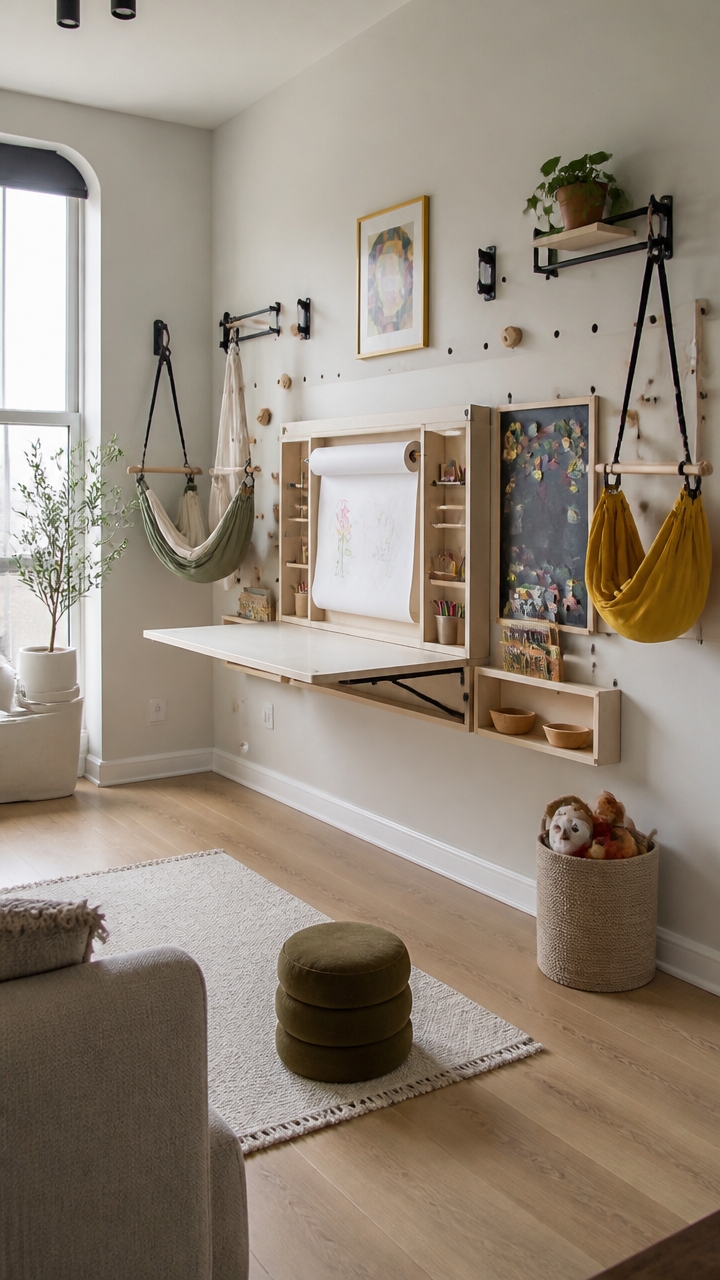
In a small backyard, maximizing the fun and usability of the space can mean incorporating features that appeal to both kids and adults without overwhelming the area. Vertical climbing walls or mounted chalkboards are excellent ways to create active play zones in limited space. A vertical climbing wall can be designed with colorful holds and mounted on a fence or wall to encourage physical activity and outdoor play. Likewise, mounted chalkboards or whiteboards provide a creative outlet for kids to draw, write, and play games, all while saving ground area.
In addition, integrating water elements like stacked wooden barrel fountains or mini outdoor showers introduces a playful yet relaxing component to the yard. These small water features can be positioned along a fence line or tucked into a corner, offering sensory fun and calming effects for all ages. They also serve as focal points that add visual interest without consuming much space.
Creating designated zones with tiered or vertical planters can encourage children to participate in gardening activities while keeping the ground clutter-free. Vertical gardens made from wall-mounted planters or stacked containers allow for growing herbs, flowers, or vegetables in a compact footprint, fostering a sense of involvement and connection to nature.
Finally, multi-functional furniture such as fold-down Murphy bars or stackable, easily stored seating provides flexibility for gatherings and outdoor play. These pieces can be tucked away when not in use, freeing up space for active games or relaxation. By combining practicality with playful elements, you can craft a lively, inviting backyard that maximizes every square foot for all family members.
Integrate Multi-Purpose Decor and Accessories
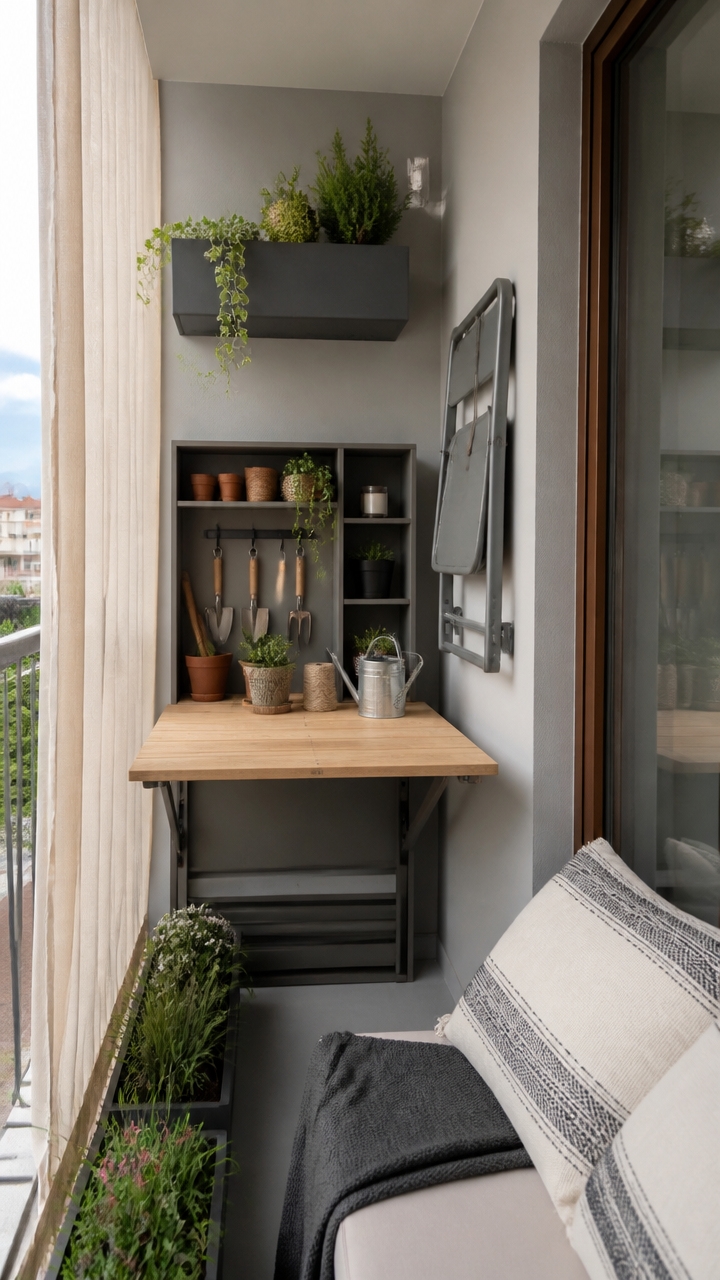
In small backyard spaces, every item should serve more than one purpose to maximize functionality and style. Incorporate benches with built-in storage to provide comfortable seating while also offering space to tuck away gardening tools, outdoor cushions, or other essentials. These versatile pieces help keep the area tidy without sacrificing seating options. Decorative planters that double as vertical storage solutions are another smart choice; they add greenery and visual interest while saving ground space by stacking or mounting herbs and small plants vertically. Opt for accessories like foldable tables that can be easily stored away when not in use or stackable chairs to instantly free up space. String lights with attached lanterns are both charming and practical, illuminating the backyard after dark while adding a cozy ambiance. Ultimately, decorative screens or curtains can act as privacy barriers and visual dividers, helping to define different zones within your small yard without cluttering the space. Combining style with function ensures your backyard remains inviting, organized, and efficient.
Keep Your Small Yard Looking Great With Regular Maintenance
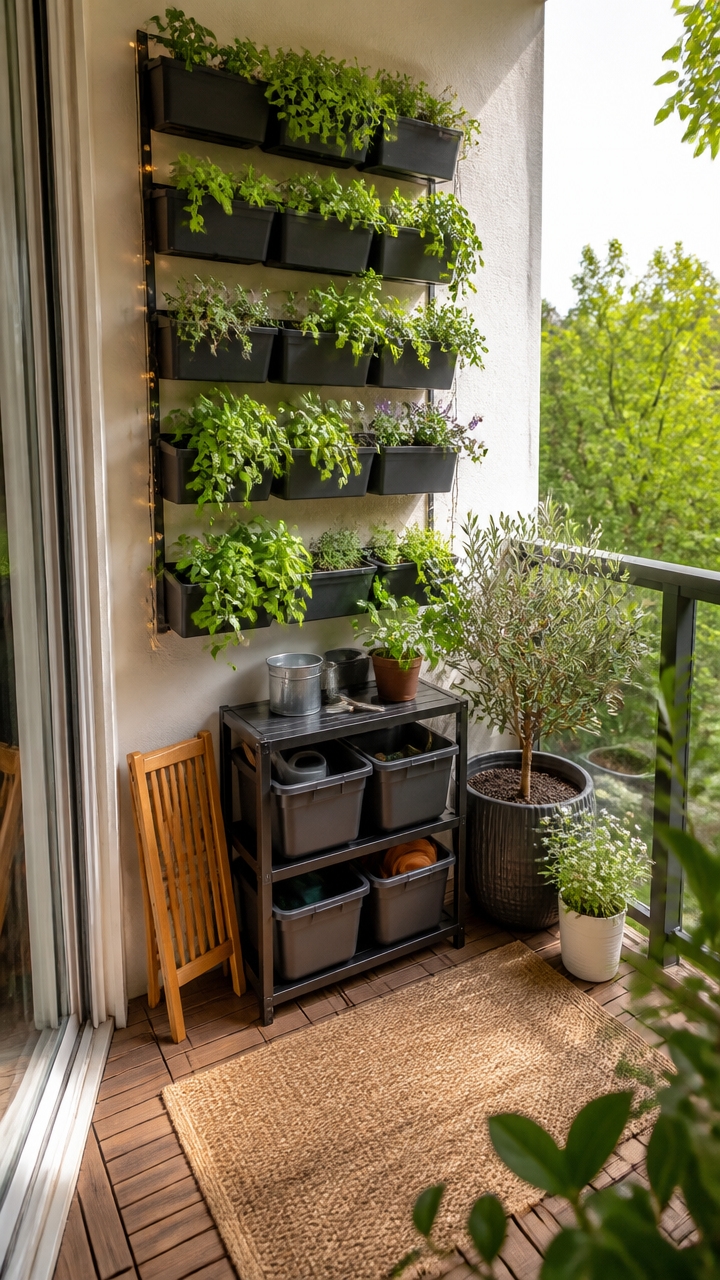
Regular maintenance is key to keeping your small backyard looking its best. Regularly removing dead plants, weeds, and debris prevents clutter and helps maintain a tidy space. Consistent mowing and edging not only give your yard a neat, polished appearance but also define the boundaries of your small outdoor area, making it feel more organized. Weekly watering and pruning promote healthy plant growth while preventing overgrowth that can make the yard appear unruly. Additionally, clearing fallen leaves and trash frequently helps keep the space inviting and clean. In conclusion, routinely inspecting and repairing fencing, pathways, and outdoor furniture prevents structural decay, ensuring your yard stays functional and visually appealing over time. These simple, ongoing tasks create a well-kept backdrop for enjoying your small backyard.
Adjust Your Design as Your Needs Evolve
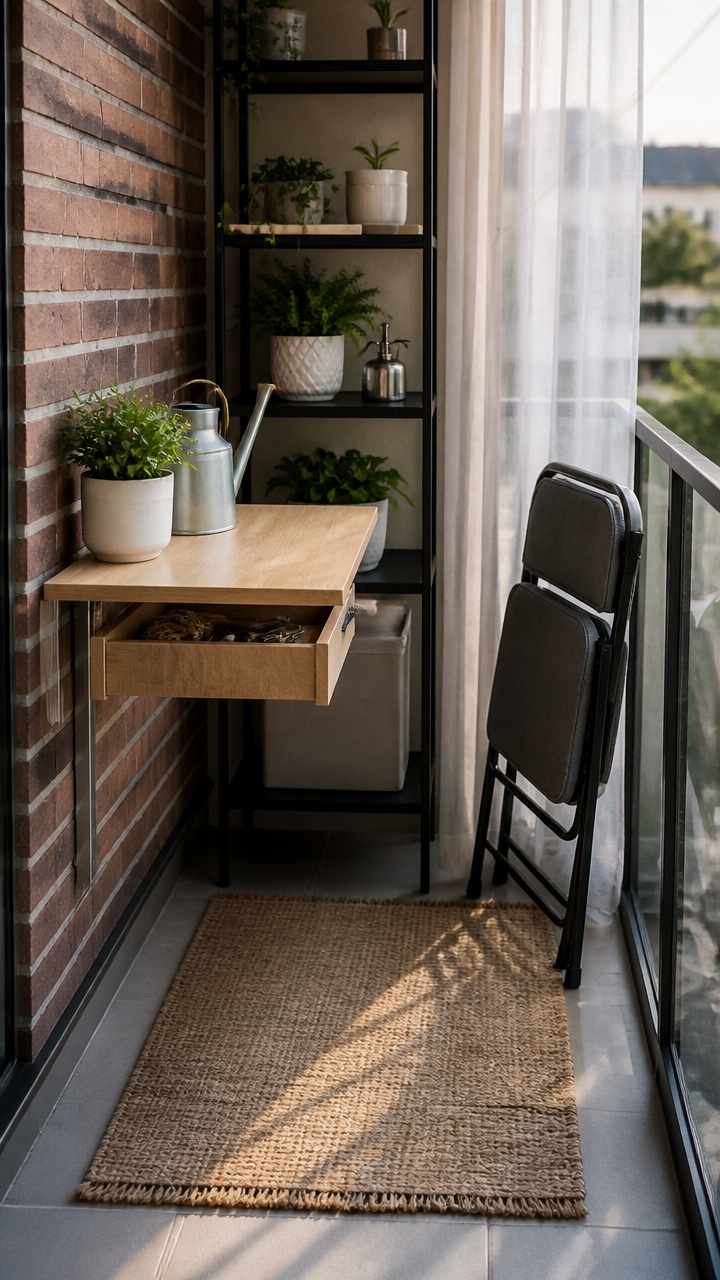
Periodically reassess your backyard layout to guarantee it continues to meet your changing gardening and lifestyle needs. As your family expands, hobbies shift, or gardening interests develop, allocate space accordingly, whether that means creating new planting zones, adding structures like trellises for climbing plants, or establishing designated areas for outdoor activities. For example, if you start growing vegetables and herbs, consider reallocating or expanding your garden beds. Incorporate movable features like modular planters or lightweight furniture to make adjustments easier. Additionally, stay mindful of seasonal weather patterns, making incremental updates such as adding shade, windbreaks, or drainage solutions to optimize comfort and functionality throughout the year. Regularly review your storage solutions to keep tools and supplies organized, accessible, and adaptable as your projects grow or change. Designing a flexible backyard plan allows you to evolve your space seamlessly, ensuring it remains a functional and enjoyable retreat over time.
Create a Personalized Outdoor Space You Love
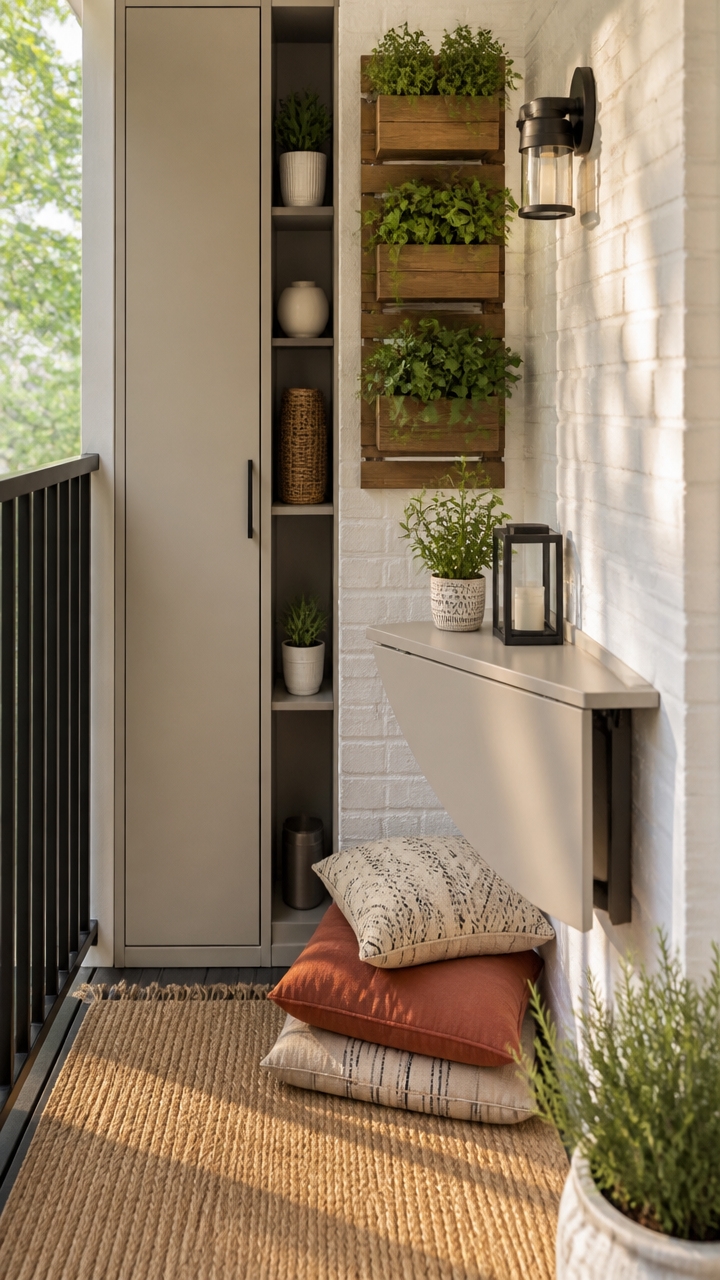
Personalizing your small backyard transforms it from a ordinary outdoor area into a reflection of your style and personality. Start by adding murals or decorative features that capture your favorite colors or themes, these elements can serve as focal points and add visual interest without taking up much space. Incorporate colorful planters filled with your favorite flowers or herbs, which not only brighten the area but also reinforce your personal aesthetic. Consider DIY touches like repurposing vintage items into garden decor or creating unique lighting solutions with string lights or lanterns to give your space a distinctive and inviting ambiance. Including functional features such as a potting station or hanging herb planters can make gardening easier and more enjoyable, ensuring the space works efficiently for your needs. Tailor furniture and accessories to match your preferred color palette to achieve a cohesive and welcoming environment. Finally, add special touches like fairy lights or personalized garden art to make your small backyard uniquely yours, turning it into a space that’s both functional and filled with character.
Enjoy Your Small Backyard: Tips for Ongoing Success
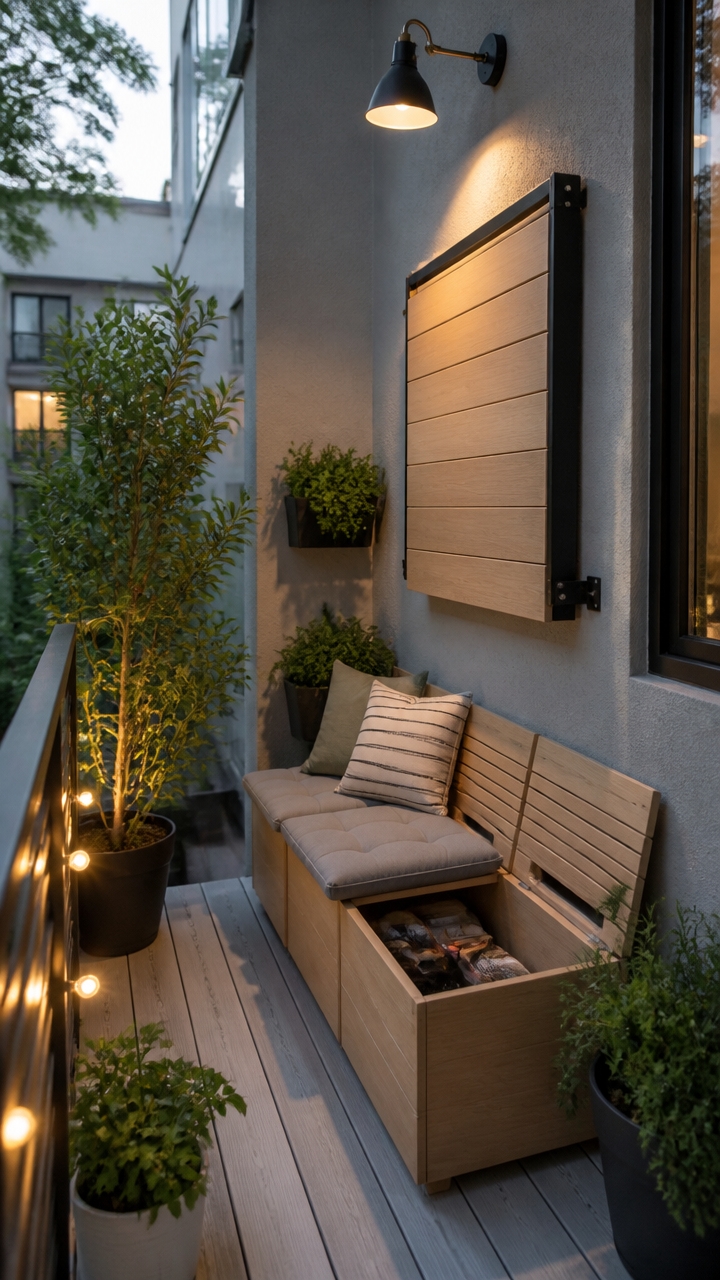
Establishing a routine for backyard maintenance is key to enjoying your small outdoor space long-term. Regularly scheduled tasks like cleaning, pruning, and tidying prevent clutter from building up and help keep your yard looking inviting. Set aside specific times each week or month to remove debris, weed garden beds, and check that storage solutions remain organized. This consistency not only makes each session more manageable but also guarantees your backyard stays attractive and functional throughout the seasons. By integrating simple maintenance habits into your routine, you’ll preserve the beauty and usability of your small backyard, making it a cozy retreat you can enjoy year-round.
Final Takeaways
From your intimate urban haven to a sanctuary of semblance, that small backyard of yours can defy every cliché of confinement, transforming into a bijou oasis meticulously curated with layered lighting, verdant vertical gardens by Garden Trellis Co., and a cozy banquette with upholstery in “Riviera” fabric by Kravet. With strategic joinery, clever zoning, and a hueway that whispers serenity, think Farrow & Ball’s “French Gray”, you’ve fundamentally crafted a cocoon of happiness that’s far larger than its footprints suggest, proving perception is often just a matter of design.

- 22 Small Space Landscape Ideas That Actually Work - September 13, 2026
- 21 Small Space Backyard Ideas For a More Organized Home - September 13, 2026
- 20 Small Space Pool Ideas Backyards That Transform Any Space - September 12, 2026