
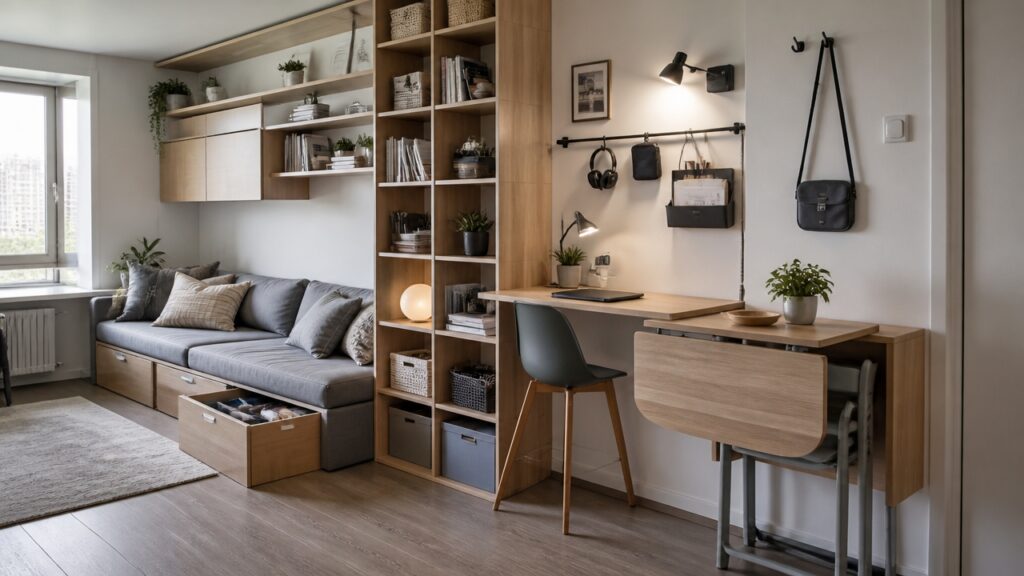
In a city courtyard no larger than a generous walk-in closet, a savvy homeowner once transformed their space into a verdant haven, illustrating that even the most bijoux gardens can wield substantial visual impact, if only they’re approached with strategic joinery, bold colourway combinations like “Benjamin Moore’s” “Hale Navy” against crisp “Alabaster,” and clever vertical integration reminiscent of “Tiny Gardens” by designers like Christine L. Bryant. These small-scape secrets, among them, cocooning corner seating or diagonal pathways, aren’t just aesthetic choices but expert tools to manipulate proportions, maximize utility, and guarantee your miniature retreat is both functional and inviting, changing the way you’ll view tiny yards forever.
Understanding Why Small Gardens Can Make a Big Impact
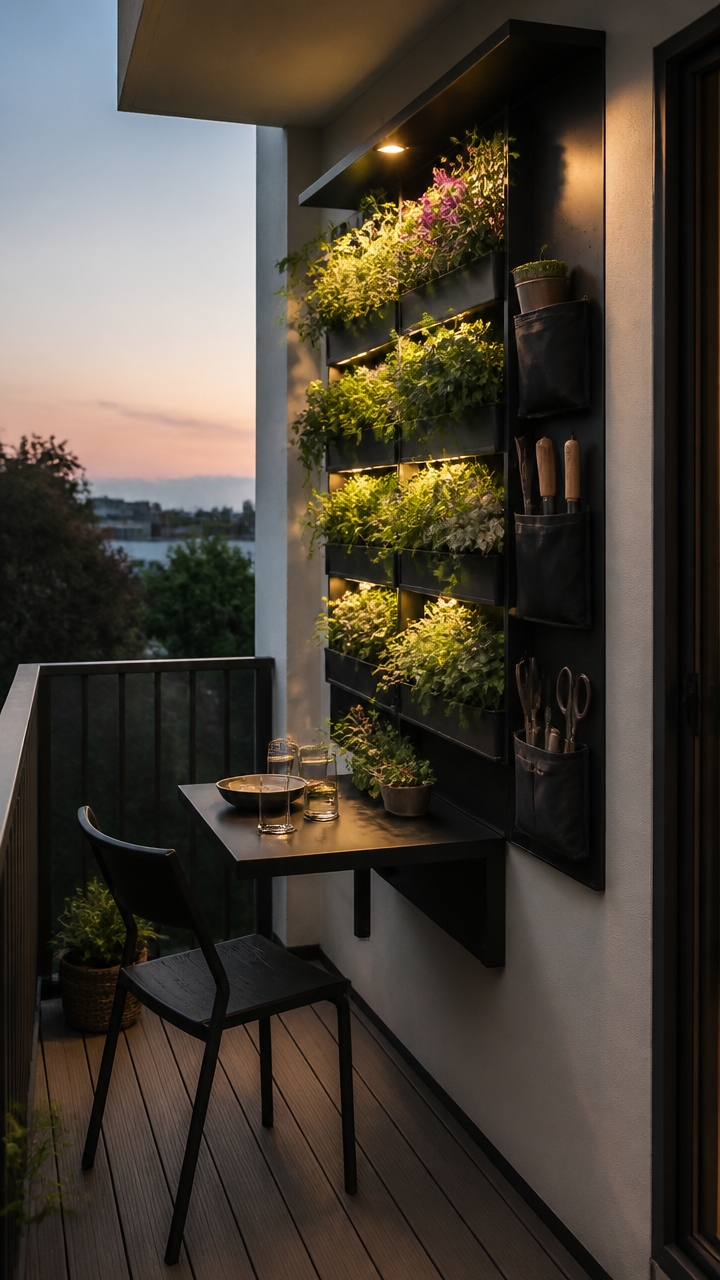
Small gardens have the potential to make a striking visual statement by carefully emphasizing key design elements. Focusing on a limited space allows you to highlight vibrant colors through flower combinations or containers, create interesting textures with diverse foliage, and establish focal points like sculptures or unique planters that draw the eye. By thoughtfully selecting and positioning these features, even a tiny garden can become an inviting outdoor retreat that feels much larger and more intentional than its actual size. The key is to prioritize impactful features that maximize the senses, making every inch work toward creating a cohesive, appealing landscape. Additionally, leveraging space-saving techniques can help you optimize the layout and ensure every element contributes to the overall appeal.
Assess Your Garden’s Size and Limitations
Before diving into garden design, accurately measure the total available space in your garden. Use a tape measure or a laser distance meter to determine the length and width, then calculate the total area. Knowing your garden’s size helps you plan plant placements, seating areas, and decorative features without overcrowding.
Identify any existing structures such as sheds, fences, or retaining walls, as well as pathways or large stones that might limit usable space. These elements can influence your layout by creating natural divisions or obstructions, so noting their positions ensures your design remains functional and harmonious.
Observe the sun exposure patterns throughout the day, noting areas with full sun, partial shade, or full shade. Additionally, identify prevailing wind directions, as they affect plant choices and placement of windbreaks or furniture. This environmental awareness guides you in selecting suitable plants and materials that will thrive in the specific conditions.
Examine the slope and drainage characteristics of your garden. Steep slopes might require terracing or retaining walls, while poorly draining areas may need improved soil or drainage solutions. Testing the soil quality allows you to amend it with compost or other amendments to support healthy plant growth.
Finally, consider your specific needs, whether you want a cozy relaxation corner, a productive vegetable patch, or eye-catching decorative elements. Clarifying your priorities within the available space ensures your garden design is tailored to your lifestyle and maximizes the potential of every square inch.
Additionally, understanding the space limitations in your garden helps you select the most appropriate plants and layout strategies, making efficient use of even the smallest areas.
Set Priorities: What Do You Need Most in Your Garden?
Set Priorities: What Do You Need Most in Your Garden?
Determining your primary needs will help you create a functional and enjoyable small garden. Start by considering how you plan to use the space most frequently. If relaxation is your goal, focus on creating a cozy seating area with comfortable chairs or a small bench, complemented by a few calming plants or a water feature. For entertaining, prioritize an outdoor dining area, a compact table, and some foldable chairs that can be easily stored when not in use. If growing vegetables is your passion, designate a small vegetable patch or container garden that maximizes sunlight and is easy to maintain. Thinking about space-saving strategies can help you utilize your limited area more efficiently.
Balancing these priorities with your available space, budget, and how often you will actually use different features guarantees your garden remains practical and inviting. Remember, it’s best to tackle the essentials first, such as seating, lawn, or container setups, before adding decorative elements. Clarifying your most urgent needs helps prevent clutter and ensures every element enhances your space’s functionality. By focusing on what matters most, you create a small garden that truly serves your lifestyle and personal preferences.
Use Vertical Gardening to Save Space and Grow More Green
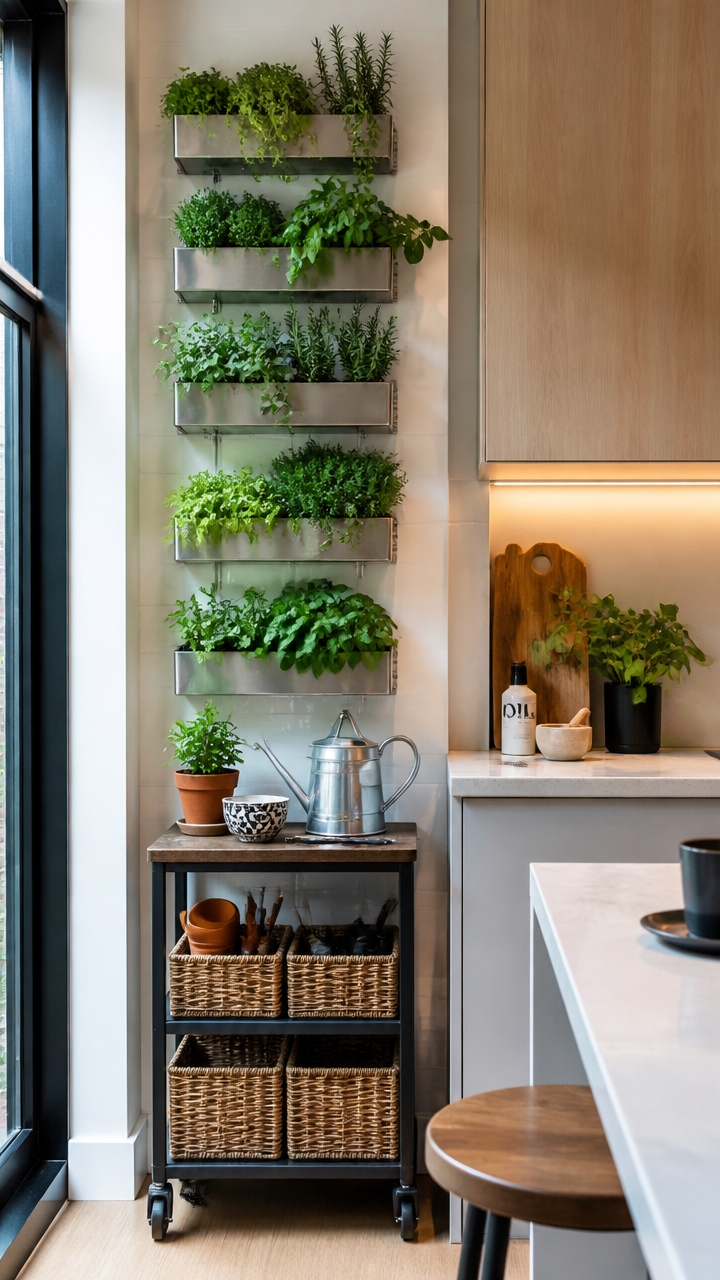
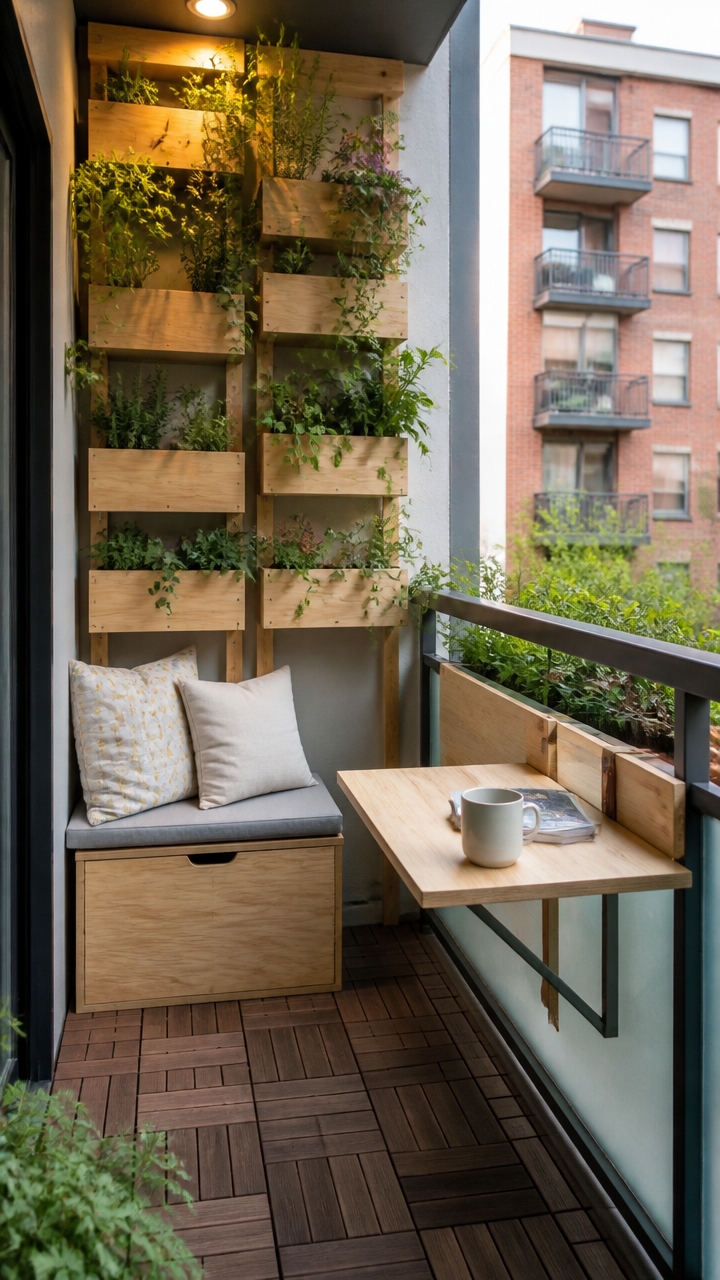
Vertical gardening maximizes limited space by allowing plants to grow upwards on trellises, walls, or vertical planters. This technique effectively expands your planting area without taking up valuable ground space, making it ideal for small yards, balconies, or patios. Installing wall-mounted planters, hanging baskets, or railing gardens can turn vertical surfaces into lush green displays, providing room for herbs, flowers, or small vegetables. Climbing plants such as tomatoes, beans, and flowering vines can be trained on structures like arbors, pergolas, or trellises to add visual interest while conserving space. In addition to maximizing greenery, vertical gardens improve air quality, support biodiversity, and create privacy screens. Many solutions are affordable and DIY-friendly, making vertical gardening an accessible and practical option for anyone looking to grow more in a small space without clutter. Integrating space-efficient planting techniques can further enhance your small space landscape.
Choose Colors Wisely to Add Depth and Visual Interest
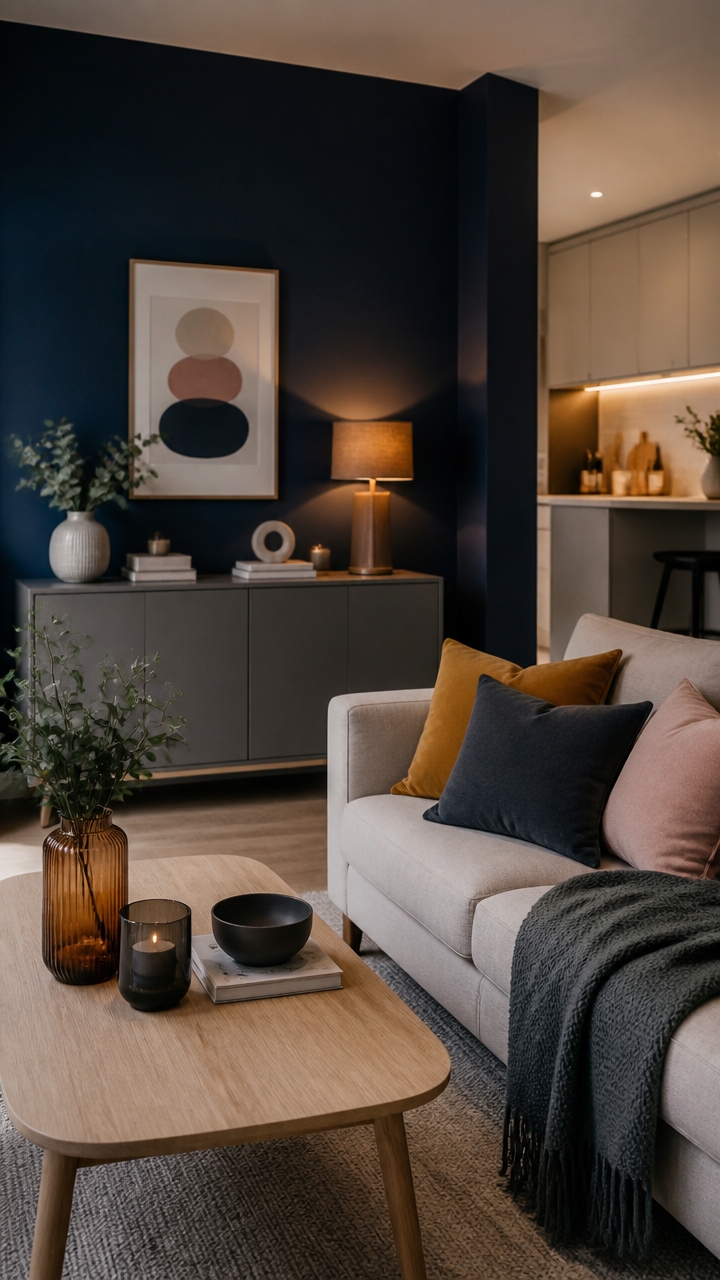
Selecting the right color palette is essential for making a small landscape feel inviting and dynamic. Using a monochromatic or limited color scheme helps create a cohesive look, making the space appear larger and more unified. Soft, neutral tones in hardscapes like pathways, furniture, and walls can enhance the sense of openness, while adding subtle variations in shades offers depth without cluttering the visual field. To keep the design lively, incorporate pops of vibrant color through flowering plants or accessories like pillows or garden art. Strategically placing these brighter elements creates focal points that draw the eye and add dimension to the landscape. Repeating similar colors across different features, such as planters, furniture, and plantings, fosters harmony and makes the space feel more expansive. Employing contrasting colors for specific highlights, like dark foliage against bright blossoms, directs attention and introduces a sense of depth, making the small outdoor area feel more layered and interesting. Additionally, understanding color theory principles can help optimize color combinations for maximum visual impact and perception of space.
Incorporate Multi-Functional Features Like Seating and Water Elements
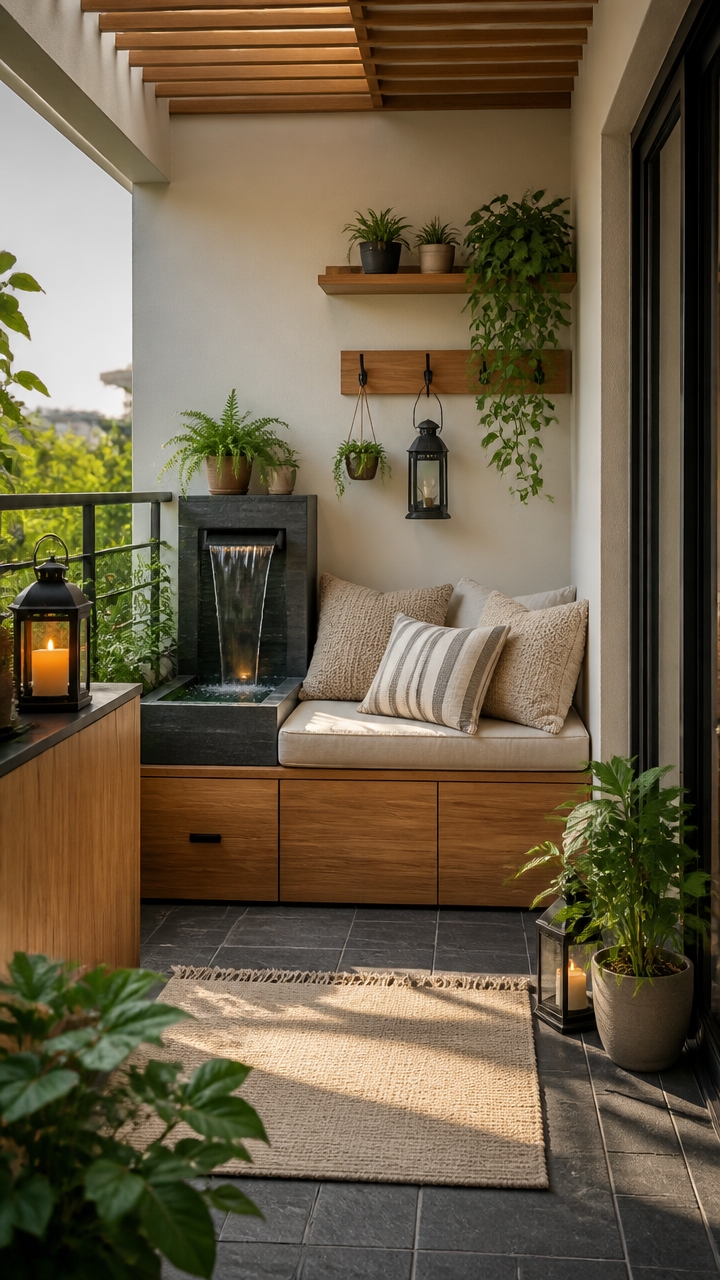
Incorporating multifunctional features like seating and water elements can dramatically enhance small landscape spaces by maximizing utility and visual interest. Built-in seating or retaining walls that double as benches not only provide comfortable spots to relax but also serve as structural elements that save space. Position these features along borders or corners to create intimate seating areas without cluttering the yard.
Adding water features such as small fountains or waterfalls creates an attractive focal point and introduces soothing sounds that enhance the ambiance. Since these water features are generally compact, they can fit into tight corners or integrated into existing landscaping without overwhelming the space. Choose models with built-in lighting or multi-use designs to further streamline the area.
Designing multifunctional elements ensures your landscape remains functional and inviting. Focus on choosing durable materials like concrete, stone, or weatherproof wood for seating and water features, and consider their proportions to maintain a balanced, uncluttered look. Integrating these features thoughtfully creates a cohesive, space-efficient outdoor environment suited to small-scale gardens.
Create Space Illusions With Diagonal Paths and Angled Patios
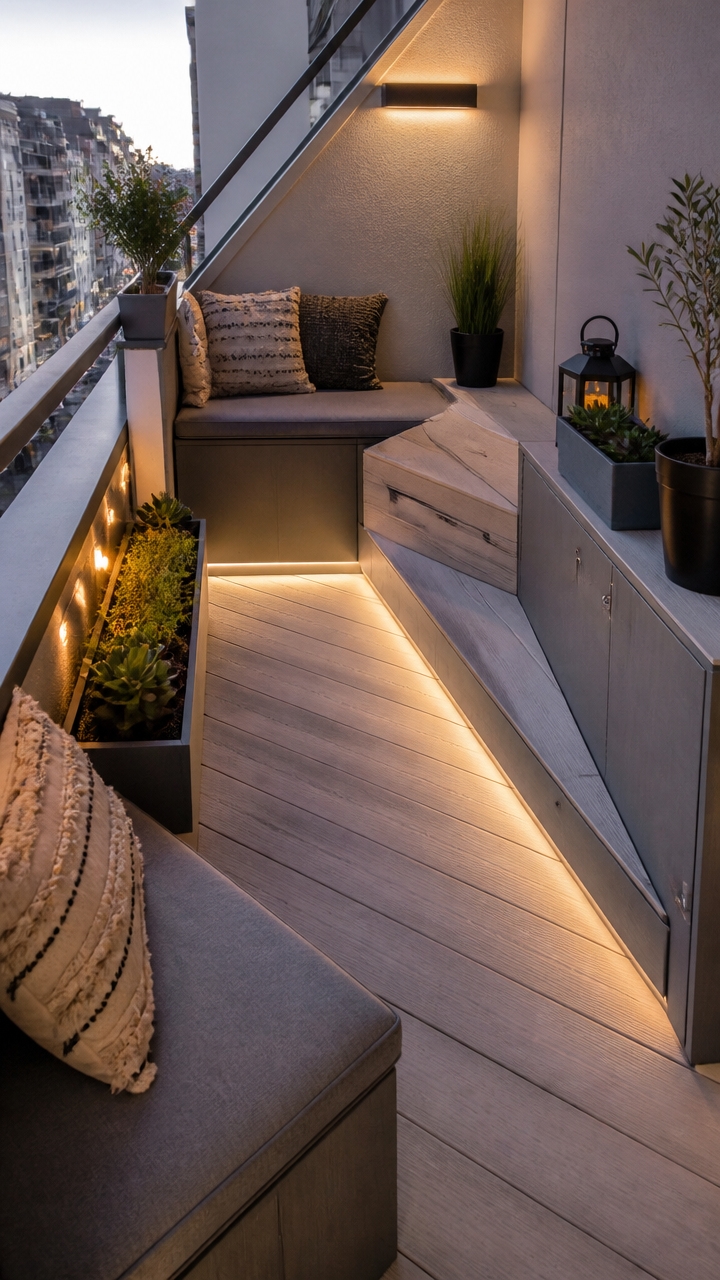
Using diagonal pathways and patios at 45-degree angles can dramatically alter the perception of a small yard’s size. These design choices create a sense of movement and depth, drawing the eye through the space and making it appear larger than it actually is. For example, laying a walkway diagonally across a narrow yard emphasizes its length, making the space feel expansive without physically increasing its dimensions. Similarly, angling a patio at 45 degrees breaks up the natural linearity of a confined area, adding architectural interest while visually widening the space. When incorporating these features, consider proportions and materials that complement the overall design, using pavers or stones in geometric shapes like rectangles or diamonds enhances the modern look and maximizes perceived space. Strategic placement of diagonal paths and angled patios not only expands visual flow but also directs attention toward focal points, creating a more open and inviting landscape.
Pick Low-Maintenance Plants for Small or Shaded Areas
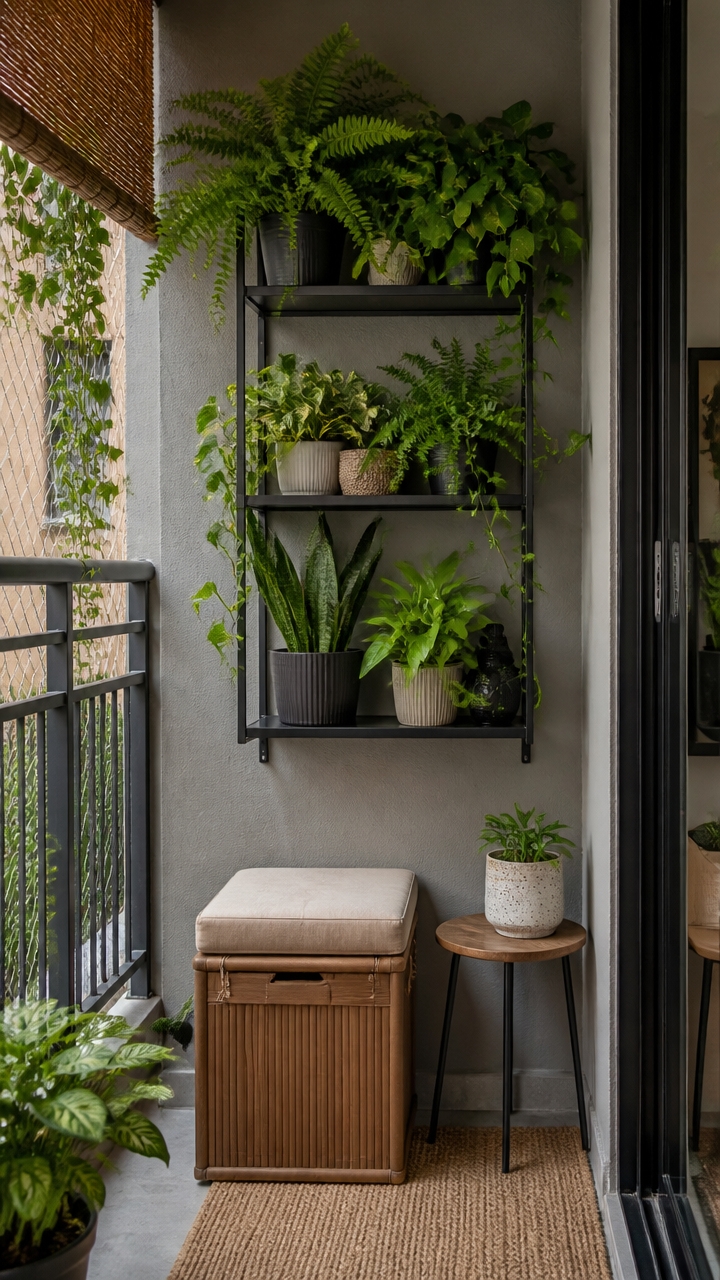
Choose native or drought-tolerant plants like sedum, lavender, and yarrow that require minimal watering and care. These plants are well-suited to small or shaded areas, thriving with less attention and reducing overall maintenance. Place them strategically in beds or containers to add color and texture without the need for frequent watering or fuss. Their resilience makes them an excellent choice for maximizing greenery in compact spaces while keeping upkeep to a minimum.
Use Compact Trees, Shrubs, and Container Plantings
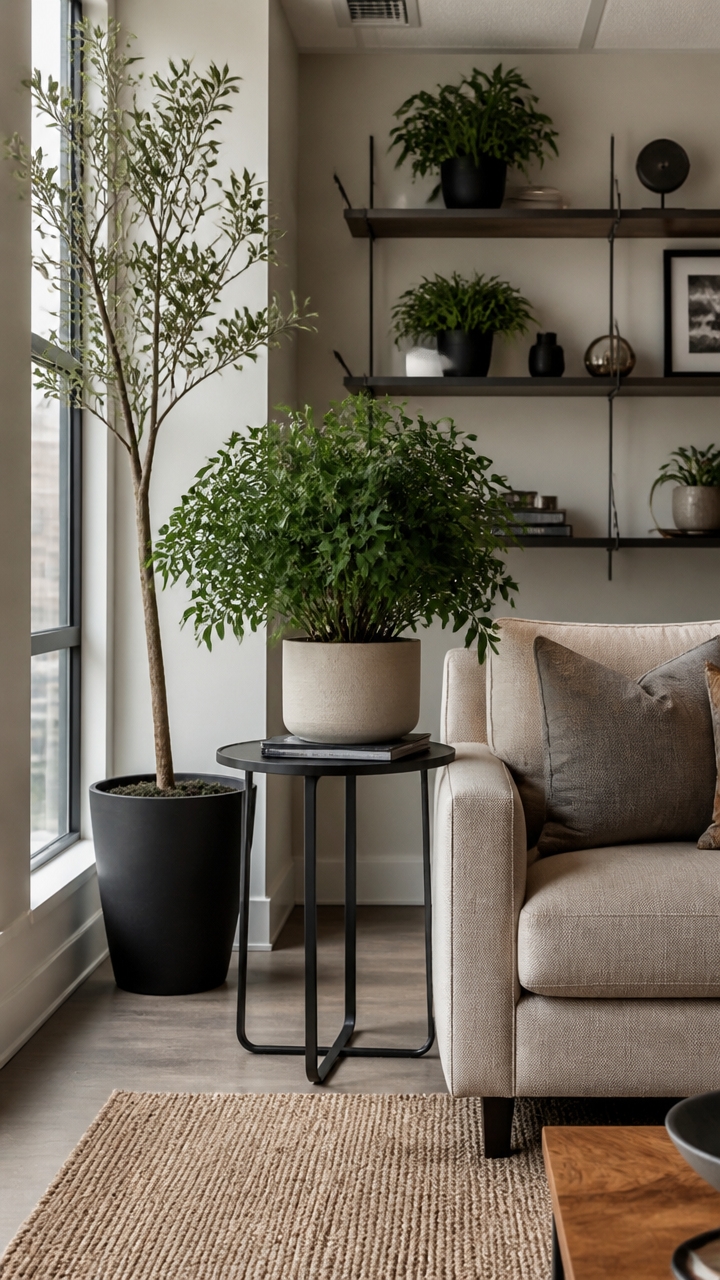
Choosing small or dwarf varieties of trees and shrubs is a smart way to add greenery and visual interest without overwhelming limited space. Dwarf Japanese maples, compact spireas, and other growth habit-specific selections stay manageable and tidy. Position these plants toward the back of beds or in corners to maximize garden depth and avoid blocking sightlines.
Container plantings are highly flexible and ideal for small gardens or patios. Using colorful flowers, fragrant herbs, or tiny trees in pots allows you to create lush, vibrant displays without permanently occupying ground space. Group containers together or place them along pathways for a charming, ever-changing landscape. Consider using lightweight, weather-resistant containers for easy rearrangement and maintenance.
Incorporating these compact plants and container gardens not only conserves space but also enables you to refresh and customize your landscape easily. Select plants with moderate or columnar growth habits to maintain a neat, organized appearance, and guarantee taller plants are positioned strategically to create a sense of openness within your small outdoor area.
Enhance Your Garden With Lighting for Day and Night Magic
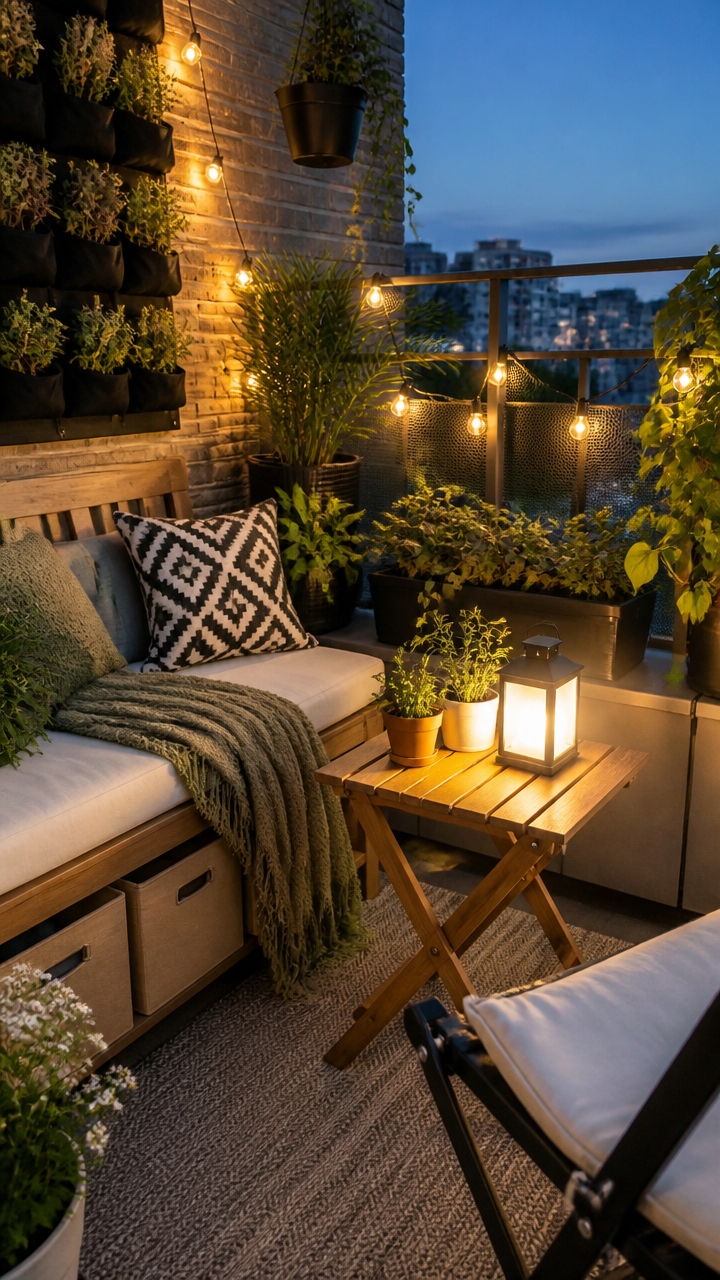
Outdoor lighting is a versatile tool that transforms your small garden into a *mesmerizing* space around the clock. During the day, well-placed lighting highlights key landscape features, such as unique plant specimens, decorative statues, or water features, adding visual interest and depth. This creates a more engaging and curated look that captures attention even without the sun.
At night, lighting serves both functional and aesthetic purposes. Pathway lights along walkways and garden borders improve safety, preventing trips and ensuring easy navigation. They also cast a gentle glow that guides visitors through your outdoor space. Uplighting directed at trees, sculptures, or water features introduces dramatic shadows and highlights, further enhancing the garden’s visual appeal after dark. Combining different lighting techniques can create a layered, *enchanting* atmosphere.
Incorporate string lights or lanterns to foster a cozy, inviting environment for evening gatherings or quiet relaxation. These lights add warmth and charm, making your small garden feel like a magical retreat. Properly positioned lighting extends the usability of your outdoor area into the evening hours, allowing you to enjoy your garden longer and increase its overall visual impact.
Build Retaining Walls and Edging for Definition and Seating
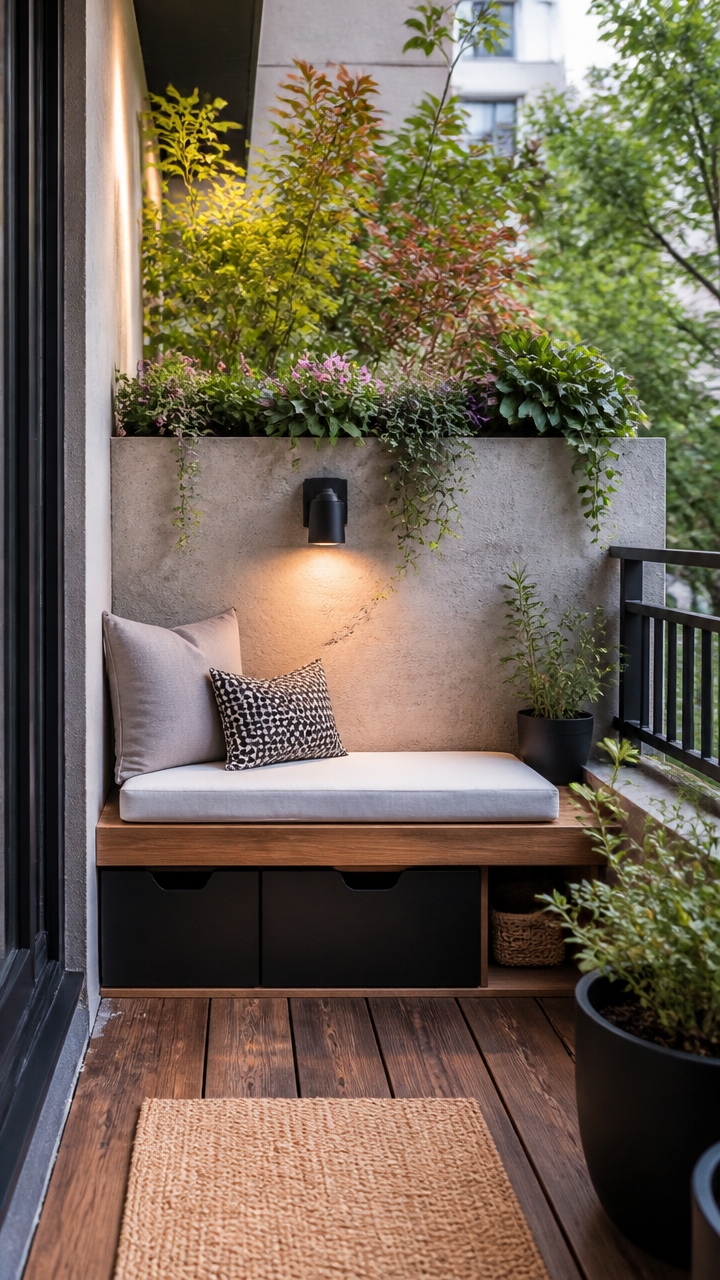
Retaining walls are a versatile and functional addition to small outdoor spaces, providing both stability and style. They can be used to hold back soil on slopes, creating level areas in a garden, or to define different zones within a tiny yard. When designed thoughtfully, retaining walls add visual interest and help maximize limited space. Incorporating built-in seating into these walls transforms them into practical spots for relaxing or entertaining, making efficient use of vertical elements. Materials like natural stone, concrete, brick, or metal can be selected to match your aesthetic, guaranteeing the walls are durable and attractive. Installing these walls at slight angles or with curved designs can visually expand a small yard and soften the overall look. Proper drainage and structural engineering are essential to prevent water buildup and ensure long-term stability, especially in compact areas. With careful planning, retaining walls can become both a stylish and functional cornerstone of your small garden or patio.
Maximize Space With Tiered and Multi-Level Garden Designs
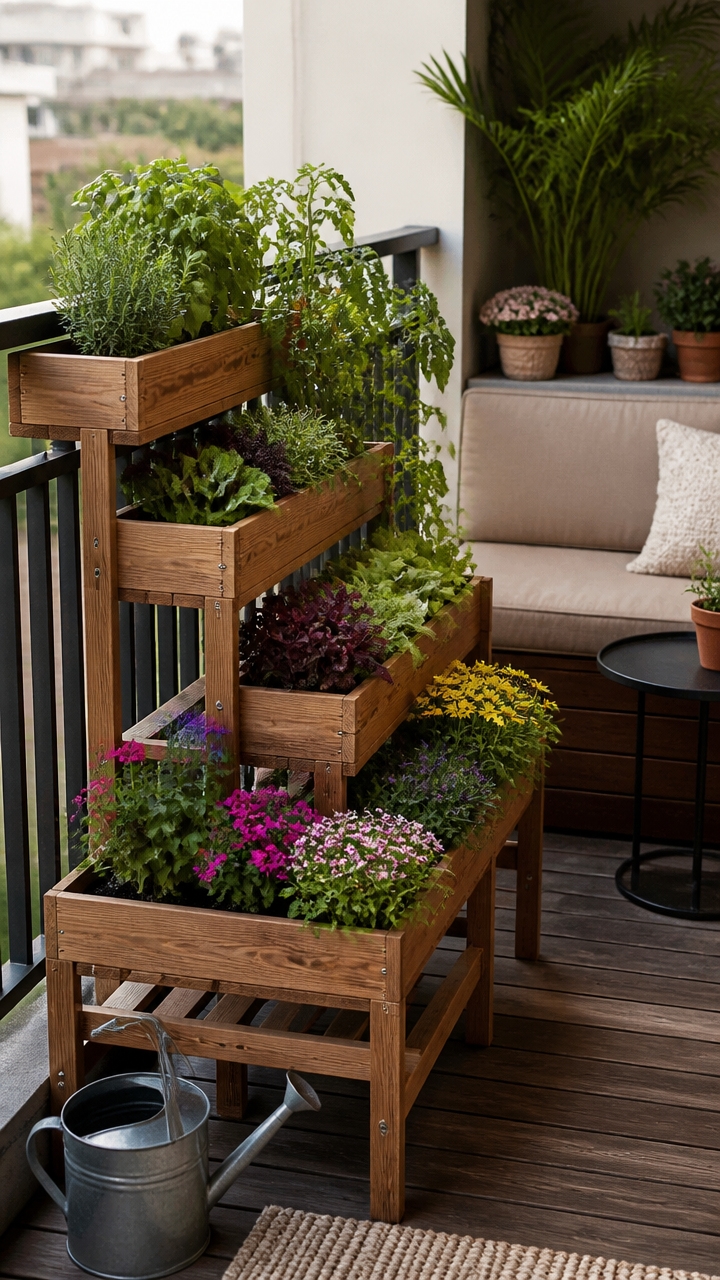
Implementing tiered and multi-level garden designs is an effective way to create the illusion of more space in small yards. By layering different plantings and structural elements at various heights, you add visual depth that makes the area feel larger and more dynamic. For example, placing taller shrubs or trees at the back, with medium-height boxes or flower beds in front, guides the eye upward and sideways, enhancing the sense of openness. Structural features such as retaining walls or raised beds can define separate zones, like a cozy seating area or a vegetable garden, without encroaching on the entire yard. These elements also help organize your space, making it look tidy and intentional. When designing, consider proportional scaling and materials that complement your overall style, ensuring that the multi-level setup enhances rather than overwhelms your small yard. Ultimately, this layered approach transforms a compact yard into a more inviting, seemingly larger outdoor retreat.
Design Small Patios That Feel Open and Inviting
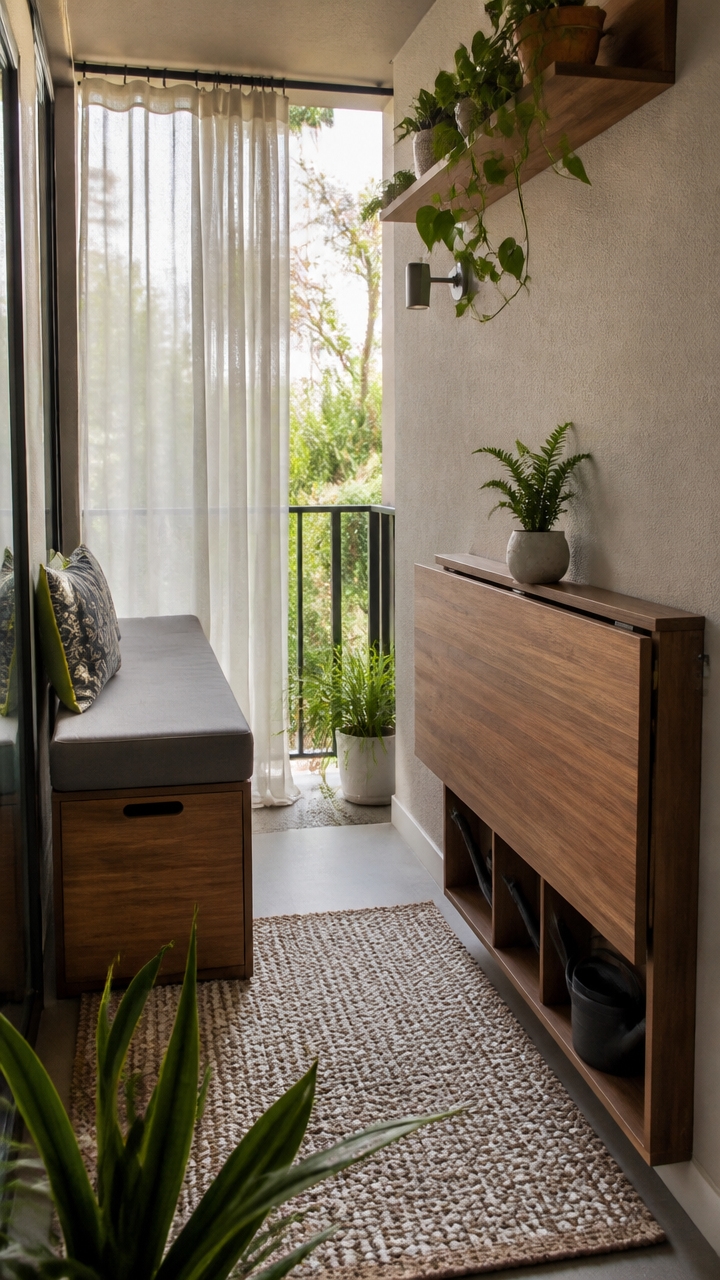
Turning small patios at a 45-degree angle emphasizes their long axes and creates a sense of depth, making the space feel larger. This subtle change in orientation guides the eye along the length of the patio, drawing attention to its extended shape rather than its width. It also allows for more interesting layout options, such as angled pathways or focal points that can enhance visual interest. Practical considerations include ensuring the patio’s structures and furnishings are adapted to the angle, which may involve custom cuts or flexible furniture pieces. This approach can transform a compact outdoor area into a more expansive and inviting retreat, encouraging a feeling of openness even within limited space.
Stay Clutter-Free With Smart Storage Solutions
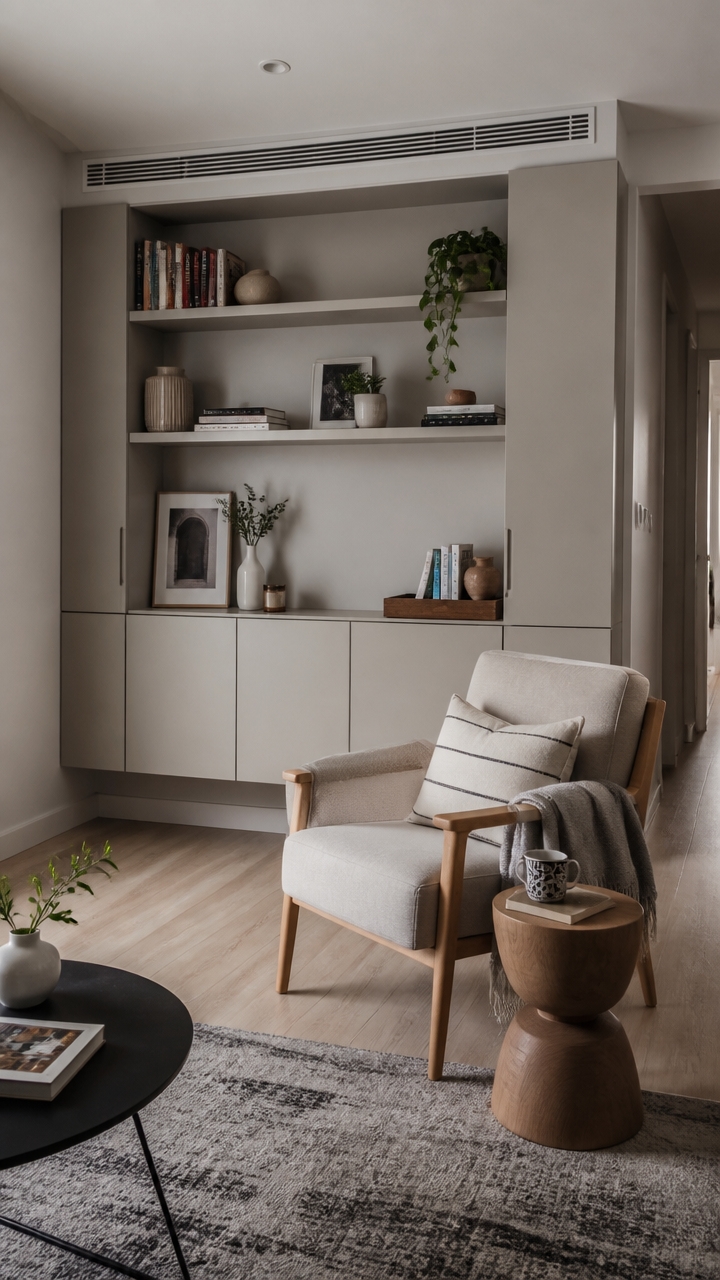
Maximizing storage in small outdoor spaces hinges on clever, multifunctional solutions that keep clutter at bay while maintaining aesthetic appeal. Incorporate furniture pieces like storage benches or ottomans that provide extra seating and hidden compartments for gardening tools, cushions, or small decorative items. These versatile pieces serve dual purposes, making them ideal for tight spaces where every square foot counts. Position them strategically around seating areas or along pathways to blend functionality with style.
Built-in wall planters and hanging baskets are excellent for showcasing greenery without occupying valuable ground space. By elevating plants off the ground, they help keep areas tidy and accessible while creating visual interest. When choosing plant displays, consider materials like weather-resistant metals or durable plastics that withstand outdoor conditions and maintain their appearance over time.
Opt for lightweight, foldable furniture that can be easily moved or stowed away when not in use. Folding chairs, tables, or loungers offer flexibility, enabling you to free up space for other activities or maintain easy access to your outdoor area. Store these pieces in a shed, closet, or under cover when not in use to keep the space open and inviting.
Concealed compartments within retaining walls or raised beds offer discrete storage solutions for gardening supplies and tools. These hidden spaces keep your outdoor environment neat and organized, preventing clutter from cluttering your view. When designing these compartments, guarantee they are easily accessible but well-secured to prevent debris or animals from entering.
Select storage materials that are weather-resistant, such as treated wood, plastics, or metal, to ensure durability and a fresh appearance year-round. Properly maintained, these solutions will serve your small outdoor space with longevity and style, making it easier to enjoy your outdoor oasis without the mess.
Guide the Eye With Pathways and Walkways
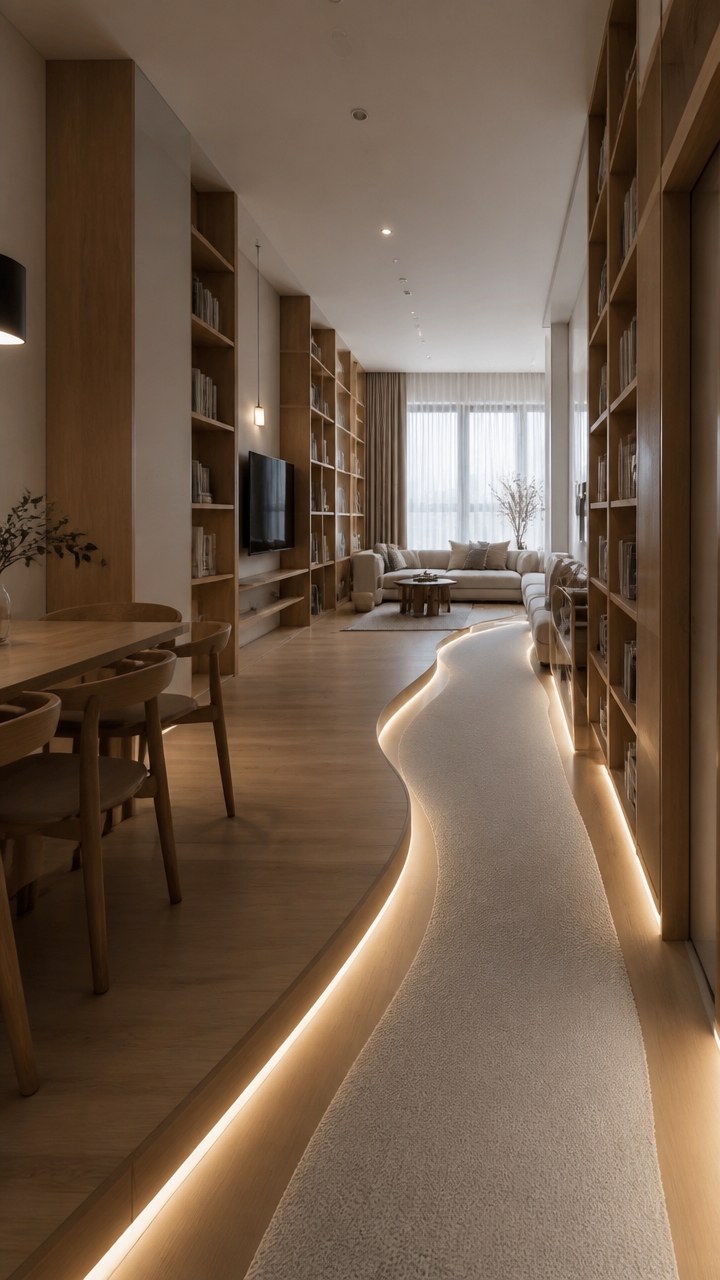
Strategically designed pathways and walkways serve as visual guides through your small landscape, helping to create a sense of expanded space and inviting exploration. Incorporating curved pathways made of materials like limestone, gravel, or sandstone softens the overall look and introduces a natural flow that distracts from limited square footage. These gentle curves also help to visually extend the yard, making it appear larger and more welcoming.
Using diagonal axes instead of traditional straight lines draws the eye inward and inward, creating an illusion of depth and dimension. This positioning guides visitors naturally toward focal points such as garden beds, seating areas, or decorative features, emphasizing the best parts of your yard. Well-placed walkways not only serve decorative purposes but also define zones within the space, helping to organize different functional areas without clutter.
Practical considerations include choosing durable, weather-resistant materials that complement your landscape style, such as gravel for a casual look or pavers for a more structured appearance. Properly proportioned pathways should be wide enough for comfortable navigation but not overwhelming, with gentle curves that blend seamlessly into the surroundings. By thoughtfully designing pathways that guide the eye and create flow, you enhance the feeling of openness and make smaller yards more inviting and easier to enjoy.
Elevate Your Garden With Vertical and Hanging Elements
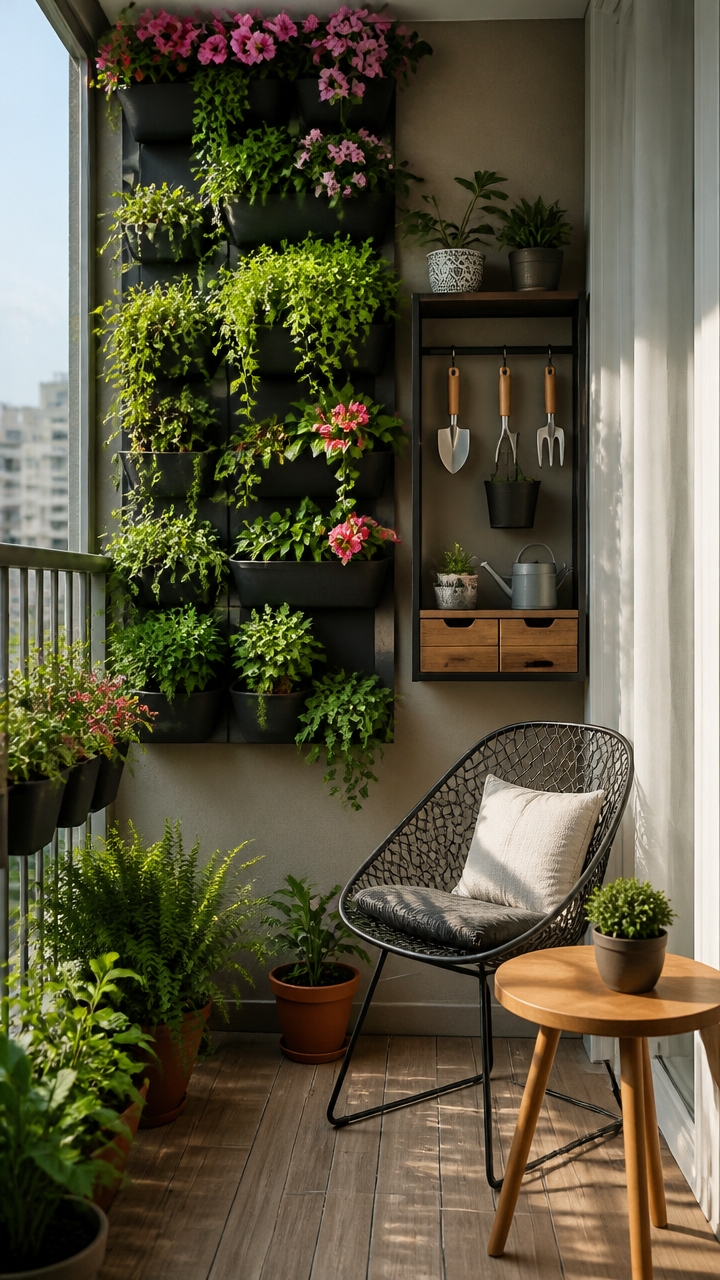
Maximizing constrained space is a key challenge in small gardens, but vertical and hanging elements provide an effective solution. Vertical gardens and trellises allow climbing plants like vines, flowering creepers, or vegetables to grow upwards, freeing ground space for other uses. This not only increases the plant capacity but also adds visual height and structure to your garden. Installing a trellis, wall-mounted plant system, or a vertical garden harnesses walls or fences, creating lush, layered greenery without overcrowding the ground.
Hanging planters and baskets are another versatile option for small spaces. They bring greenery to eye level or higher, making the most of vertical surfaces, balcony rails, or pergolas. These containers work well for flowering plants, herbs, or small vegetables, adding color and interest at different heights. When placing hanging planters, ensure they are securely anchored and consider their size relative to the space to prevent overcrowding.
Using vertical structures like arbor tunnels, pergolas, or wall-mounted containers can create cozy outdoor rooms or defined garden zones in tight areas. These structures support vertical planting, provide privacy, and frame your garden aesthetically. Practical considerations include choosing materials that complement your style, ensuring proper drainage, and placing these structures where they receive appropriate light for your plants.
Incorporating vertical and hanging elements transforms a small garden into a vibrant, multi-dimensional oasis. They optimize space, add visual interest, and make gardening accessible and enjoyable, even in limited footprints.
Choose Small-Scale Furniture and Folding Pieces for Flexibility
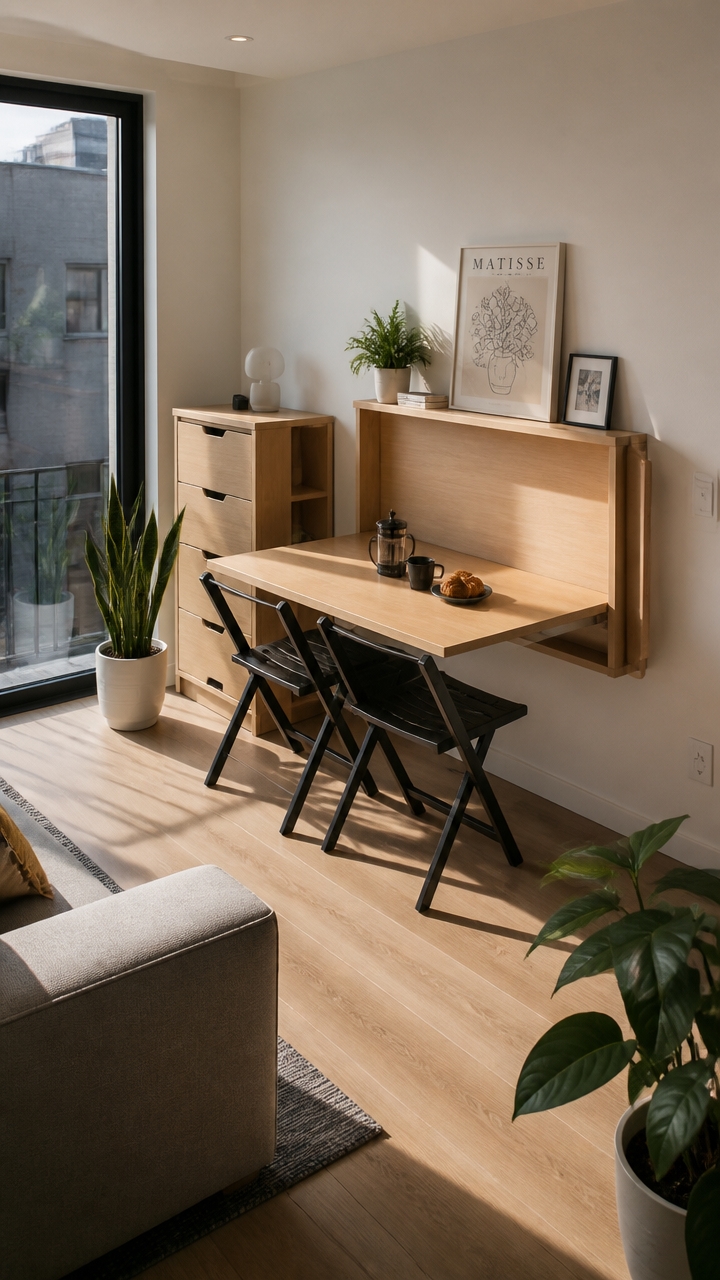
Selecting appropriately sized furniture is essential for making the most of a small outdoor space. Compact sofas, foldable dining sets, and slim-profile chairs help maximize usability without cluttering the area. These pieces can serve multiple purposes, such as a bench that doubles as storage or a table that folds away when not in use, enhancing functionality without sacrificing movement. Folding chairs and tables are particularly practical, allowing you to quickly store or set up for gatherings, making your outdoor area adaptable to different activities. Lightweight and portable furniture also offers the flexibility to reconfigure your layout easily, accommodating changes in your needs or hosting styles. When choosing these pieces, consider materials that withstand outdoor weather, and opt for design styles that complement your overall aesthetic to create a cohesive, open, and inviting outdoor living space.
Add Statement Foliage and Plants for Visual Impact
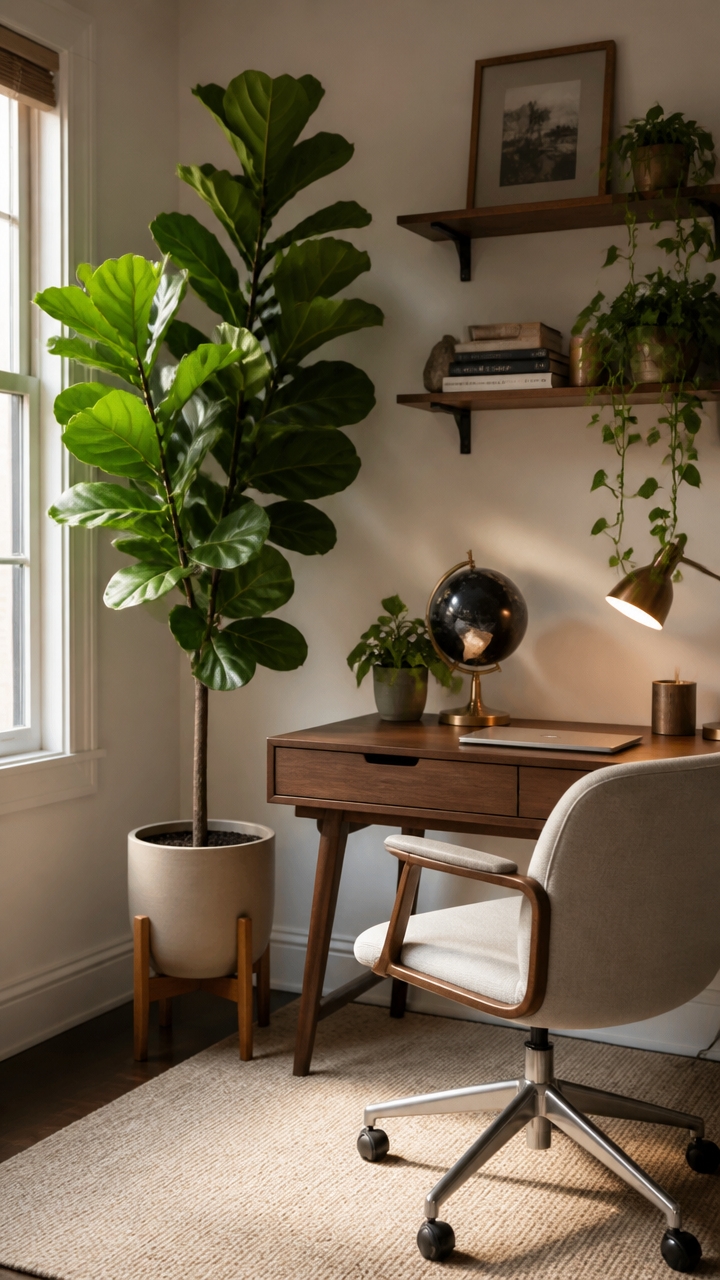
In small gardens, strategic use of statement foliage and plants can dramatically enhance visual interest and create focal points that draw the eye. Incorporate bold, large-leaved plants like hostas and elephant ears to provide immediate impact with their expansive, lush foliage. These plants work well as accents along borders or in corner beds, offering a striking contrast to narrower planting spaces. Adding colorful foliage plants such as purple loropetalum or chartreuse euphorbia introduces vibrant hues and texture variations, enriching the overall palette without requiring extensive space. To boost landscape dimension, select plants with unique shapes or textures, like ornamental grasses or variegated foliage, which add movement and visual complexity. Place taller textural plants toward the back or center for vertical interest, ensuring they don’t overshadow smaller plants. Combining contrasting foliage colors and sizes creates layered, visually compelling arrangements. This approach maximizes small yard appeal by turning simple plant choices into impactful design features that transform your garden into a lush, dynamic oasis.
Plan for Growth: Smart Plant and Structure Choices
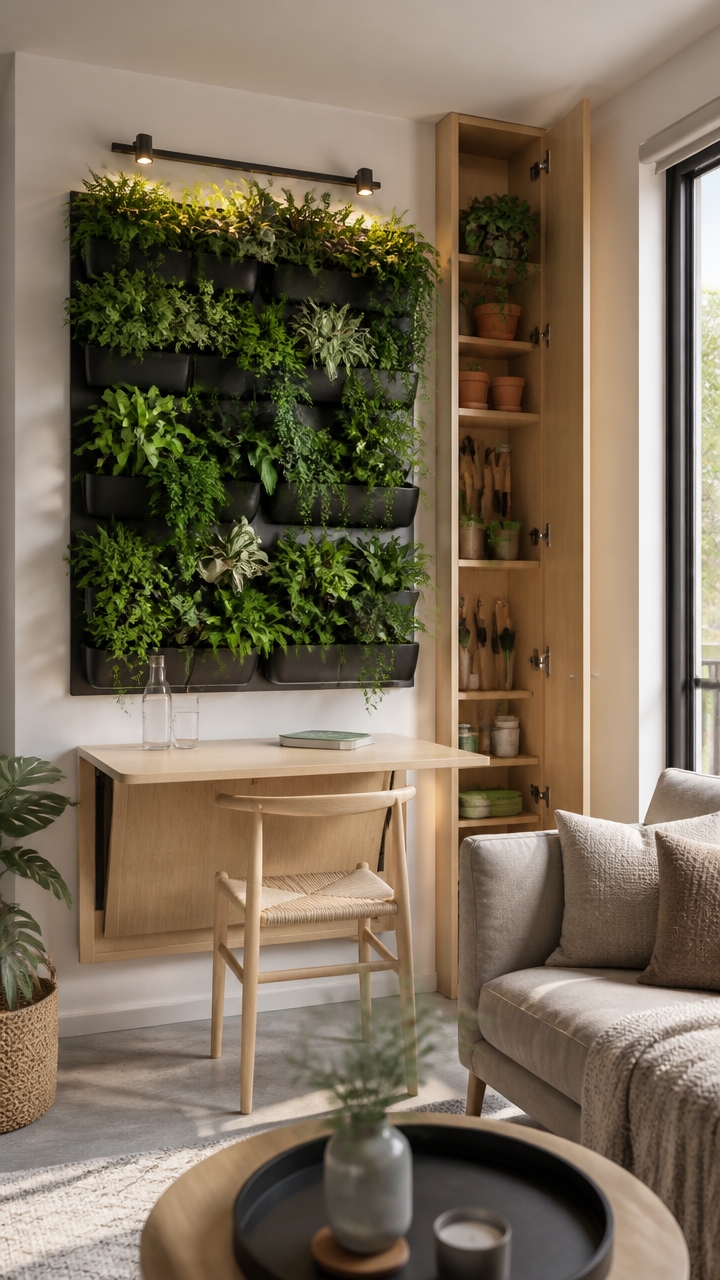
Choosing plants and structures with future growth in mind is essential for maintaining a balanced and sustainable small landscape. Select plants like succulents and small shrubs that stay manageable as they mature, avoiding overcrowding. This approach prevents the need for frequent replanting or reshaping your garden, saving time and effort. When incorporating structures, opt for multi-functional elements such as retaining walls that can also serve as seating or planters, maximizing available space without clutter. Guarantee any plantings are spaced adequately to accommodate growth, giving each plant room to thrive while maintaining a tidy appearance. Using adjustable or movable containers and modular structures allows for flexibility, enabling you to adapt your landscape as it evolves. Planning for growth ensures your small space remains attractive, functional, and manageable over time.
Light Up Your Garden: Tips for Nighttime Appeal
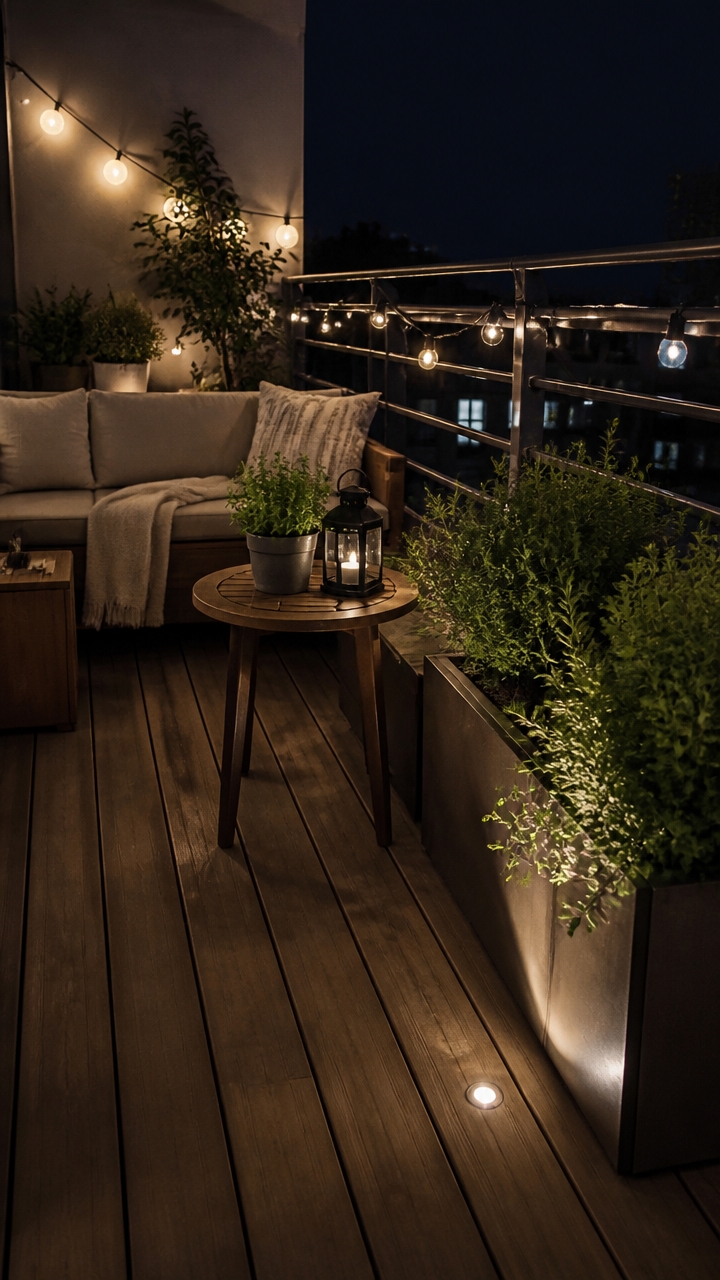
Proper outdoor lighting can transform your small garden into a charming retreat after dark. Focus on accentuating key features like pathways, water elements, and focal plants by using strategic placement of spotlights or pathway lights. Low-voltage LED lights are an excellent choice, they’re energy-efficient, long-lasting, and provide bright illumination that suits compact spaces without overwhelming them. Incorporate string lights or lanterns to add a warm, decorative glow that enhances the cozy atmosphere and invites relaxation. To create visual interest and depth, use uplighting or downlighting on garden borders, trees, or vertical structures. These techniques not only elevate the aesthetic appeal but also improve safety, making your small outdoor space welcoming during evening hours.
Make It Personal: Add Unique Touches to Your Garden
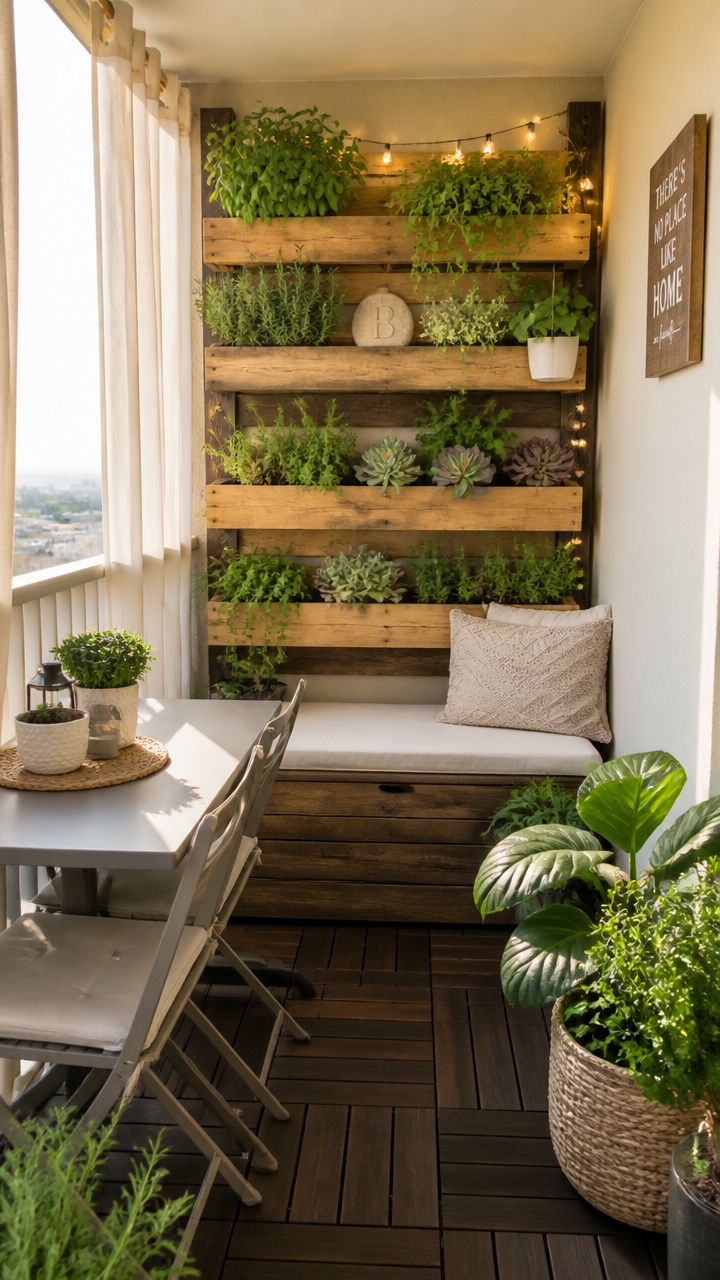
Incorporating personalized elements into your small garden can transform it into a reflection of your personality and a truly inspiring outdoor space. Custom sculptures or painted stones serve as eye-catching focal points that draw attention and add artistic flair. Consider commissioning a piece that resonates with your interests or creating painted stones featuring designs or messages meaningful to you. These touches make your garden feel curated and special.
Using meaningful plant selections elevates emotional connection and uniqueness. Opt for heirloom vegetables, favorite flowers, or plants with sentimental value. For example, growing a rare variety of tomato you loved as a child or planting a flower that reminds you of a loved one can deepen your bond with your space. Thoughtful plant choices help tell your story and create a more inviting, personalized environment.
Adding DIY elements further personalizes your garden. Handmade trellises crafted from recycled materials, painted plant containers, or custom signs can reflect your style and effort. These DIY touches make your garden more inviting and showcase your creative side. Plus, they can be cost-effective and adaptable to the limited space you have.
Displaying personal collections, like vintage garden tools, decorative objects, or small memorabilia, can bring personality into the garden. Arrange your collection thoughtfully, perhaps on a corner shelf or along a pathway, to highlight your interests and spark conversations. These elements turn your garden into a reflection of your passions and memorable moments.
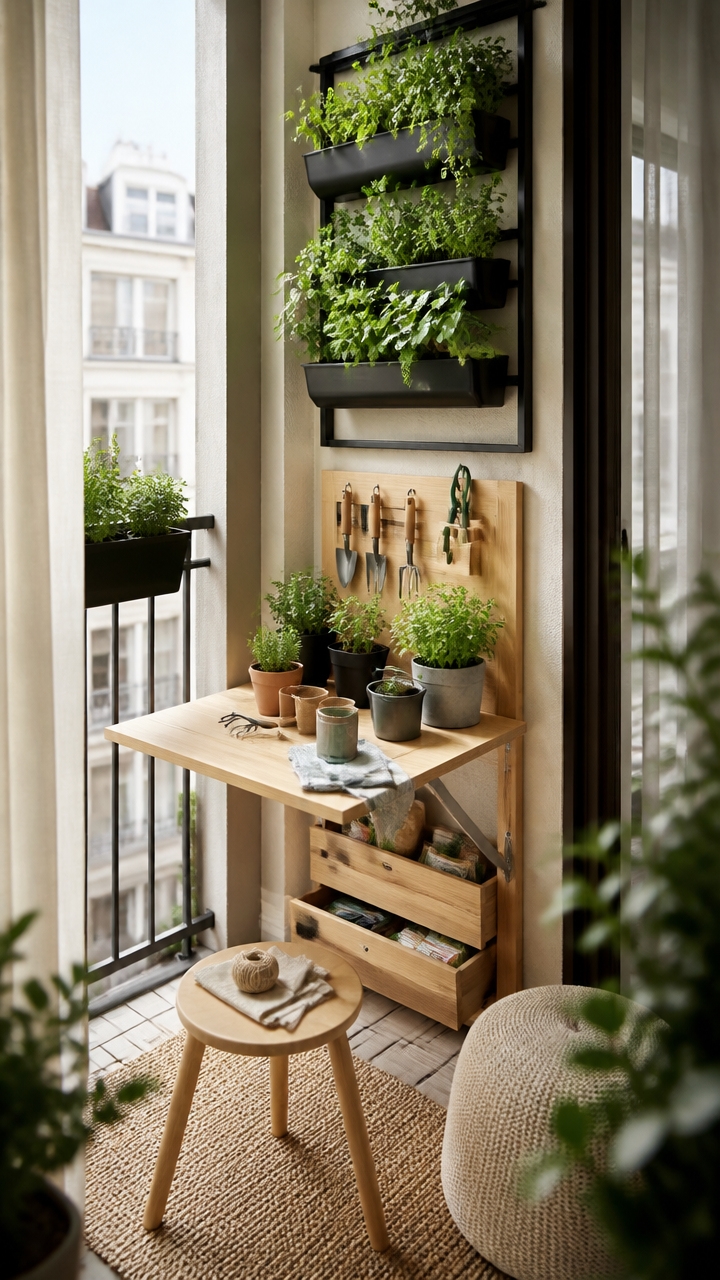
Design functional spaces tailored to your hobbies or routines. For example, setting up a small potting station with organized tools and supplies makes gardening more efficient and enjoyable. Creating a cozy reading nook with a comfortable chair and shaded area invites relaxing visits outdoors. These personalized zones make your garden not just beautiful, but also practical and true to your lifestyle.
Get Inspired: Small Garden Success Stories to Try at Home
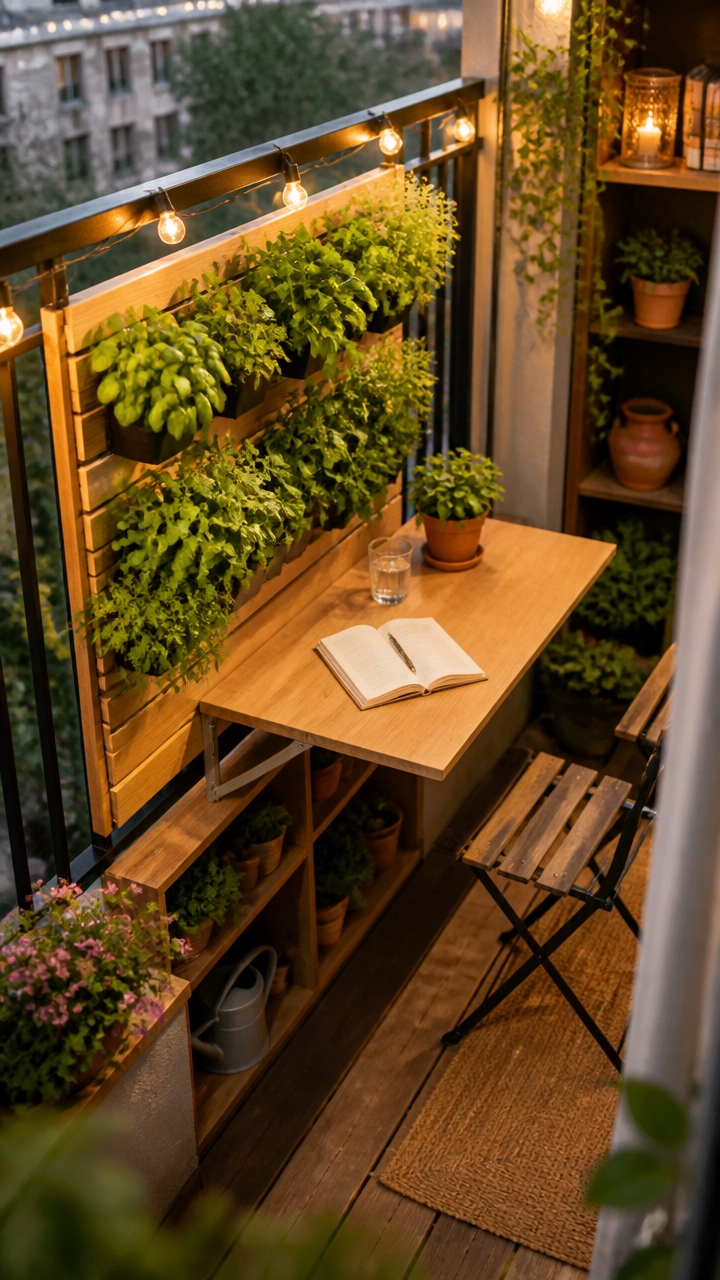
One of the most motivating ways to design a small outdoor space is to look at real-life success stories. Many homeowners have transformed tiny, awkward, or overgrown yards into charming, functional retreats. For example, turning a narrow side yard into a lush green corridor with vertical planting and narrow pathways can create a calming walkway that feels larger than it is. Similarly, converting a tiny patio into a cozy entertaining area with foldable furniture and layered planters maximizes usability without clutter. These stories demonstrate that strategic planting, multi-level arrangements, and creative layout choices can make a significant difference, proving that even the smallest outdoor areas can become beautiful and enjoyable spaces with thoughtful design and a little inspiration.
Final Takeaways
In your garden’s smallest corners, every element becomes a symbol, signifying intention, creativity, a declaration of personality amid the curated chaos. When expertly layered with bijou constructivism and cocooning planting schemes, it whispers confidence, striking a balance between utility and aesthetic, like a carefully chosen joinery detail in a bespoke piece. Remember, even the tiniest space can serve as a personal sanctuary, a reflection of the harmony between thoughtful design and your innate desire to nurture and be inspired.

- 22 Small Space Landscape Ideas That Actually Work - September 13, 2026
- 21 Small Space Backyard Ideas For a More Organized Home - September 13, 2026
- 20 Small Space Pool Ideas Backyards That Transform Any Space - September 12, 2026