
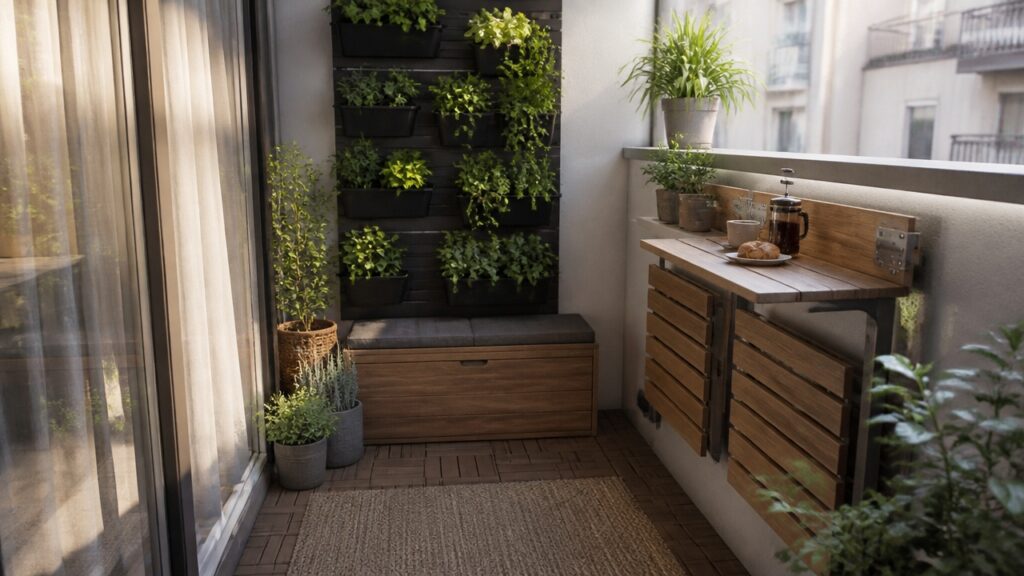
In a world where square footage often limits your imagination, transforming a bijou courtyard or petite terrace into a cocooning outdoor lounge calls for subtle mastery: careful joinery in lattice privacy screens mimicking designer Josef Hoffman’s (circa 1925) penchant for streamlined elegance, or the strategic placement of modular, fold-away furniture, like IKEA’s “TROFAST” bases offering flexible, space-maximizing storage, that subtly redefines your spatial narrative. With rooms and rooms of potential yet little squareage to spare, it’s the thoughtful addition of a DIY fire pit assemblage echoing Mason Jar luminaires and a carefully curated colourway, think Benjamin Moore’s “Hale Navy”, that can ladle in charm, or a reflective water feature by Aquascape, whispering serenity. The question becomes: How do you weave these elements into a cohesive, stylish vignette that’s as functional as it is inviting?
How to Maximize Small Outdoor Spaces With Smart Layouts
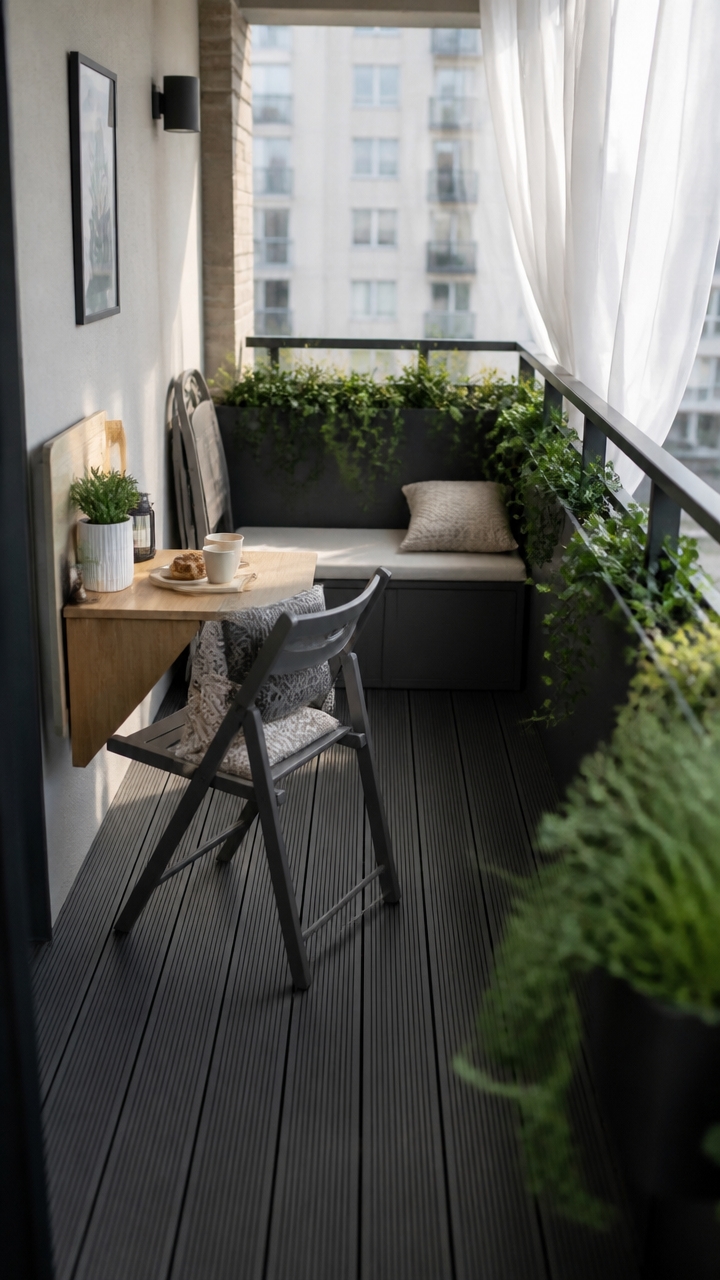
Creating a well-organized layout is key to maximizing small outdoor spaces. Start by arranging furniture in ways that establish clear pathways, allowing easy movement while avoiding clutter. Use shading elements like pergolas or wall-mounted planters to define zones, such as a dining area or a lounging corner, without taking up additional ground space. Incorporate multi-functional furniture, like benches with built-in storage or foldable tables, to serve dual purposes, seating, storage, or table space, helping to reduce the amount of furniture needed overall. Position focal points, such as a compact fire pit or decorative stone feature, to draw attention and create a sense of depth, making the space feel larger. Keep sight lines uninterrupted and choose a consistent color palette to unify the area visually, which enhances the perception of space and minimizes clutter. These layout strategies ensure small outdoor areas are functional, inviting, and visually expansive. Additionally, space-saving strategies are essential in making the most of limited outdoor spaces.
Incorporate Vertical Gardens for Greenery and Privacy
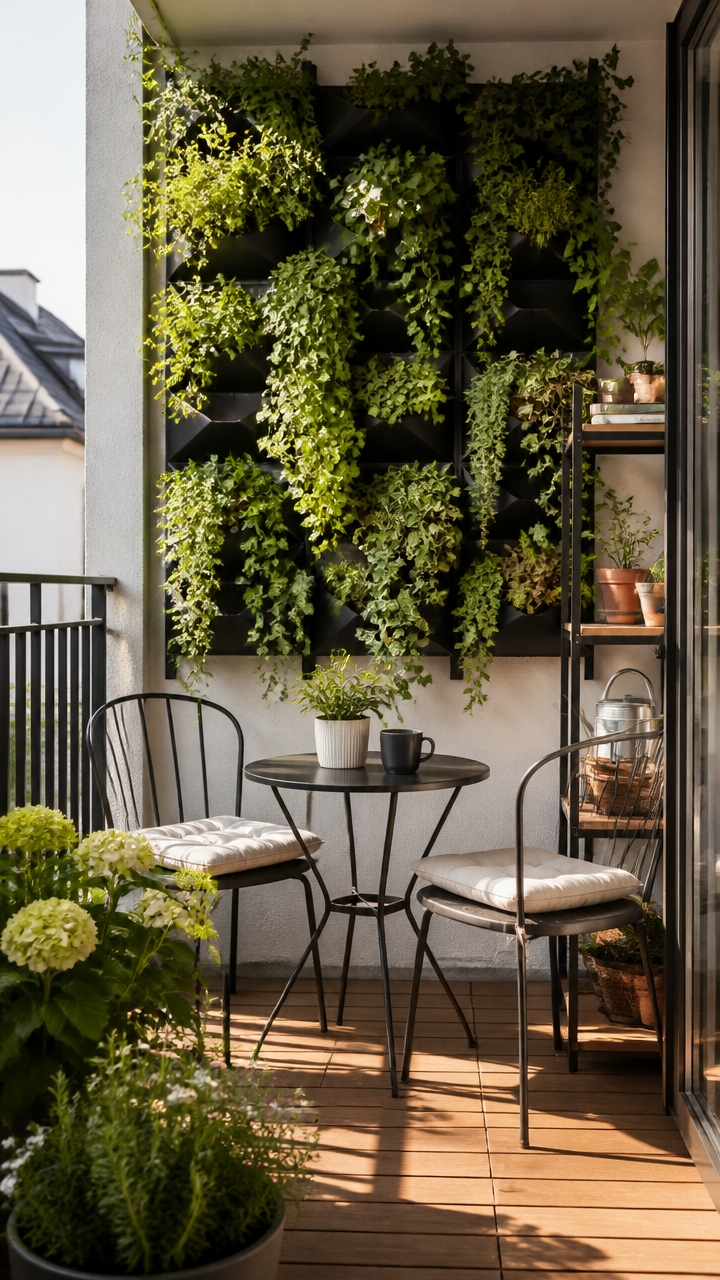
Vertical gardens are an innovative way to bring lush greenery into small outdoor spaces without sacrificing valuable ground area. They work by growing plants upward, using wall-mounted planters, trellises, or hanging pots, which maximizes limited outdoor space. You can create a vertical garden with simple DIY methods like repurposing pallets or wire frameworks, making it accessible for any budget or skill level. These gardens are ideal for growing herbs, flowers, or vegetables, transforming bare walls into vibrant, functional greenery. Incorporating space-saving strategies like vertical gardening helps maximize limited outdoor areas efficiently. Position vertical gardens along blank walls, fences, or narrow corners to add visual interest and soft privacy screens. Climbing plants such as wisteria or clematis can be trained on pergolas or lattice panels, providing shade, fragrance, and a natural barrier from neighbors. Suspended planter boxes filled with real or faux plants offer additional privacy and greenery without taking up ground space, perfect for decks or small patios. Careful consideration of placement, plant choice, and materials guarantees your vertical garden complements your outdoor aesthetic while creating a lush, private retreat in even the tiniest outdoor areas.
Use Multi-Functional Furniture to Save Space and Add Utility
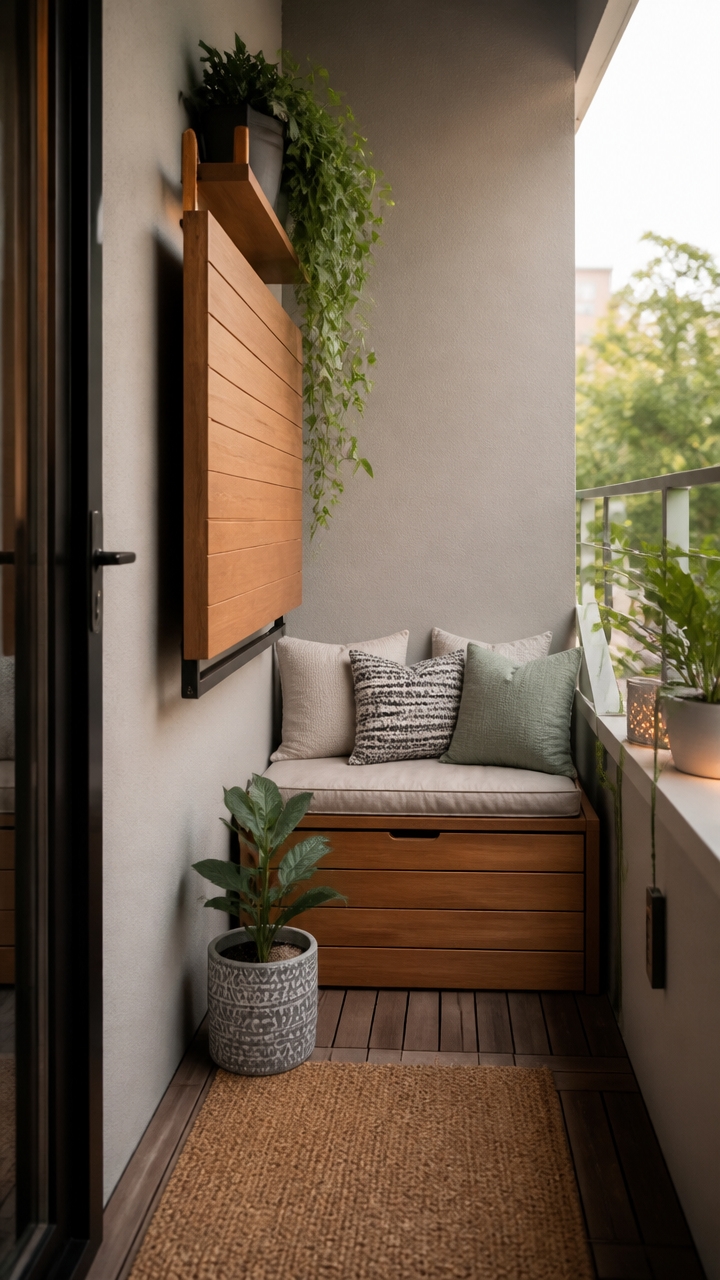
In small outdoor spaces, maximizing functionality is key to creating an inviting and practical environment. Multi-functional furniture like jute poufs can serve multiple roles, acting as footstools, extra seating for guests, or even as side tables for drinks and snacks. Their versatility allows you to adapt your setup based on the occasion, reducing the need for separate pieces and saving valuable space. When choosing such furniture, consider lightweight materials for easy rearrangement and styles that complement your overall decor. These pieces often come in various sizes and colors, allowing you to introduce both practicality and visual interest. Keeping the furniture proportionate to your outdoor area guarantees a balanced and functional space without cluttering it. Multi-functional furniture not only enhances usability but also contributes to a cleaner, more organized outdoor environment, making your small space feel more open and welcoming. Incorporating space-saving strategies can further optimize your outdoor layout and make the most of limited square footage.
Create Focal Points With DIY Fire Pits or Water Features
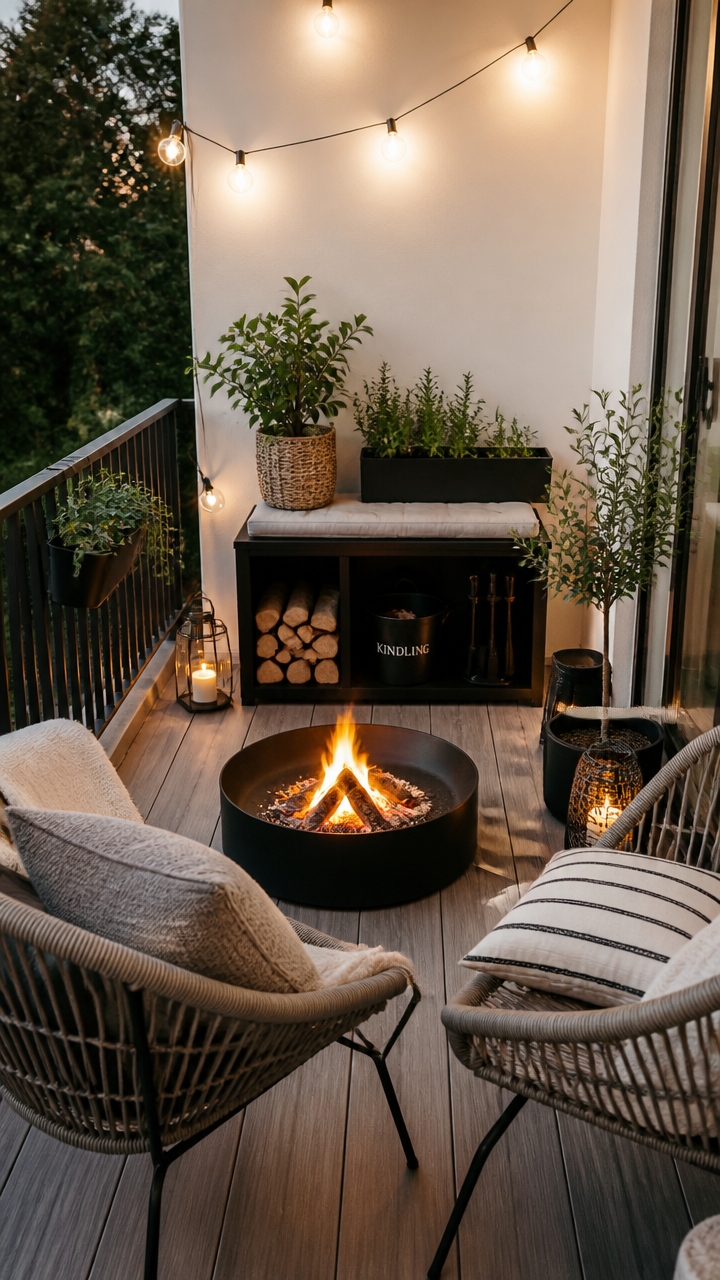
In small outdoor spaces, establishing a central focal point instantly draws attention and creates a sense of comfort and coziness. DIY fire pits and water features are excellent solutions because they are both customizable and affordable. A simple fire pit built with pavers, bricks, or concrete rings can serve as an inviting gathering spot for friends and family, especially when positioned thoughtfully in the yard’s natural center or along a seating area. These features can often be completed in just a few hours and for under $100, making them practical options for limited budgets and time. Incorporating space-saving strategies like compact design elements further enhances the functionality of small yards. Water features like DIY fountains or waterfalls also add visual interest and soothing sounds that enhance the ambiance of your outdoor area. Using inexpensive pumps, stones, and containers, you can create a calming focal point that elevates the space’s aesthetic without overwhelming a small yard. Placing these features strategically to highlight a corner or to serve as a backdrop for seating areas helps define zones and makes compact yards appear larger and more inviting.
Enhance Privacy With Affordable DIY Screens and Fences
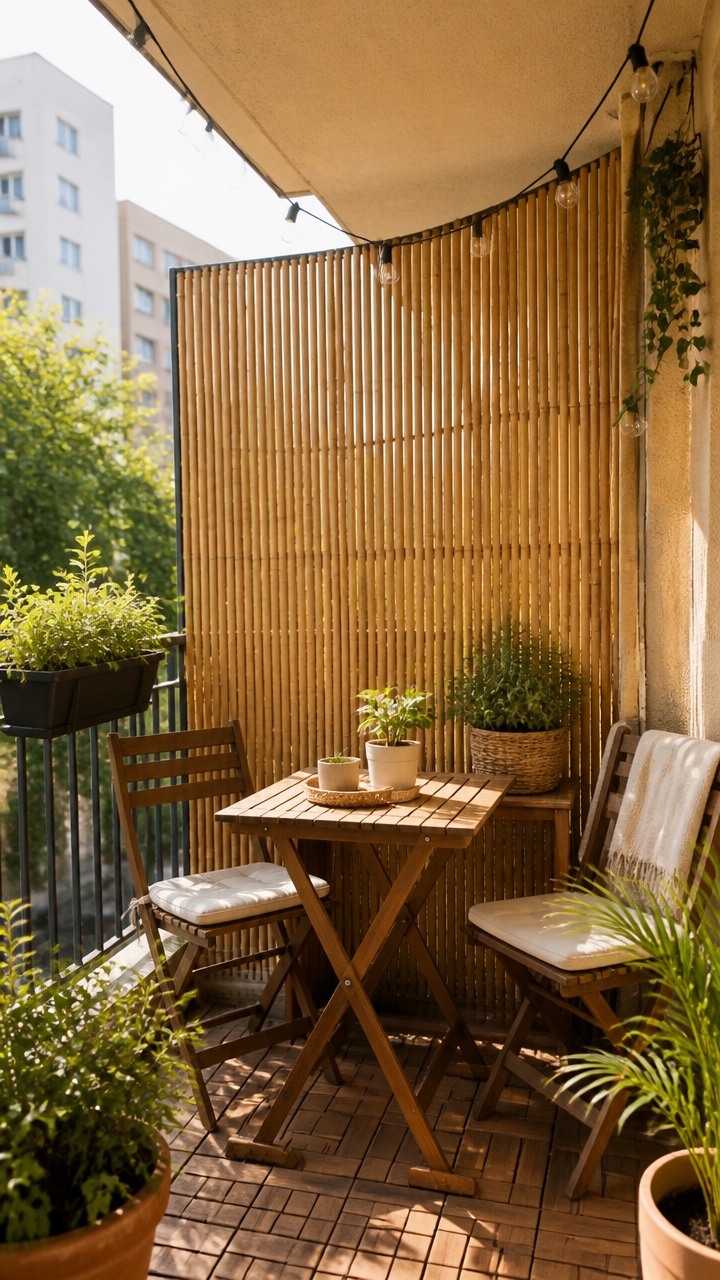
Creating privacy in small outdoor spaces doesn’t have to involve expensive or permanent constructions. DIY privacy screens made from affordable materials like lattice, reclaimed wood, or fabric panels are simple to construct and highly customizable. These screens can be positioned strategically around seating areas or along property lines to block unwanted views while adding visual interest. Lattice panels can be painted or decorated with climbing plants to blend seamlessly into your outdoor aesthetic. Fabric panels stretched between posts offer a lightweight, portable option that can be easily removed or repositioned as needed. Reclaimed wood slats not only provide a rustic, charming look but also make good use of salvaged materials, keeping costs low.
Building privacy fences with decorative designs, such as herringbone patterns or intricate cutouts, offers a stylish and customizable way to enclose small outdoor areas. These fences can be constructed from wood or vinyl, with options to paint or stain for added personality. Incorporating these designs creates visual appeal while effectively blocking views into your space. Natural privacy solutions like dense, evergreen hedges such as arborvitae provide an attractive, low-maintenance, year-round barrier that enhances the sense of enclosure. Planting these along your property line creates a lush living barrier that adds greenery and a sense of enclosure without the need for any construction.
Additionally, suspended planter boxes filled with real or faux plants can double as vibrant, vertical privacy screens. Hanging these planters in strategic locations introduces greenery, softens the boundaries, and creates a private retreat. Combining these solutions can help craft an inviting, secluded outdoor nook, even in a tight space.
Transform Concrete Areas With Budget-Friendly Pavers and Stencils
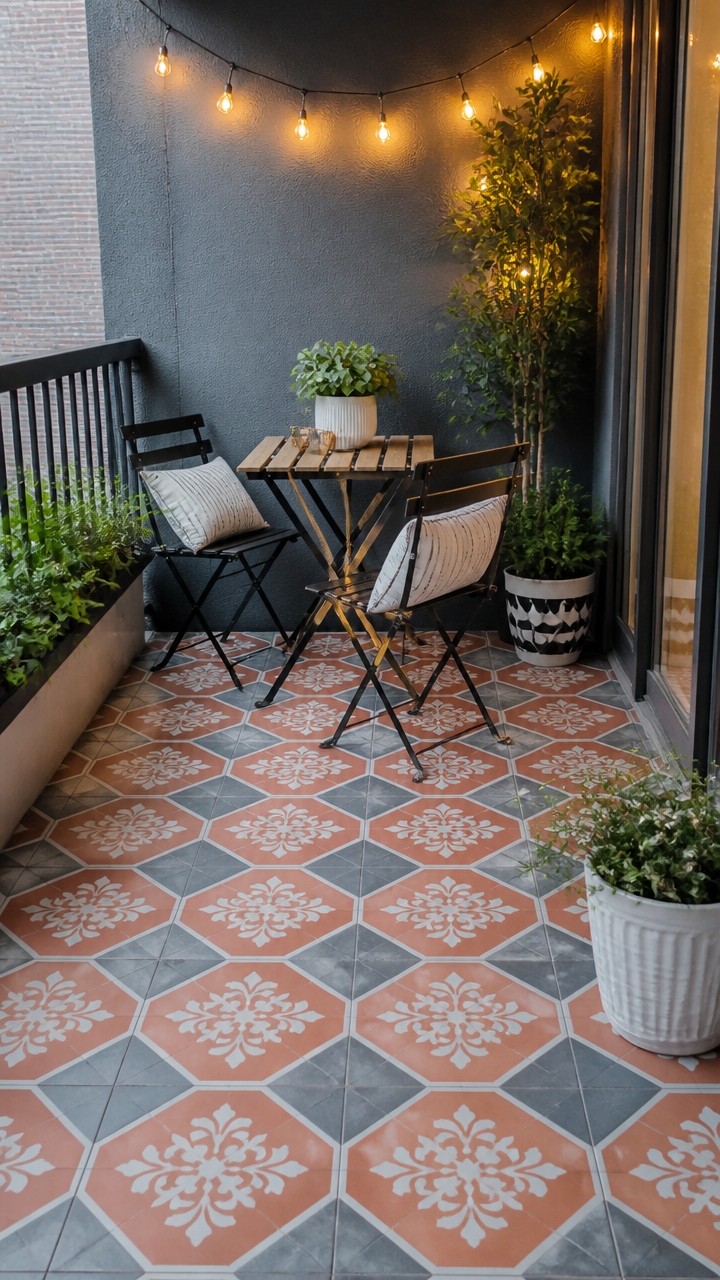
Revamping existing concrete surfaces is a cost-effective way to elevate small outdoor spaces. Budget-friendly concrete pavers are easy to lay down yourself, providing an instant upgrade that doubles the functionality and visual appeal of small patios or walkways. They come in various styles, colors, and sizes, making it simple to create a cohesive look that complements your outdoor decor. Because they can be installed directly over existing surfaces with basic DIY skills, you save on both labor and material costs, transforming a plain concrete slab into a charming, functional area ideal for entertaining or relaxing.
Similarly, stencil painting offers an affordable method to refresh concrete surfaces without the need for costly replacements or extensive renovations. Using concrete stain or outdoor paint, you can create intricate tile-like patterns, adding decorative interest at a total expense under $100. Simply select a stencil pattern that fits your style, apply it over a clean, prepared surface, and seal the design for durability. This approach allows for personalized, eye-catching designs that make small patios or walkways feel more intentional and inviting. With minimal supplies and effort, these decorative techniques bring visual interest and character while maintaining budget-conscious practicality.
Add Color and Texture With Outdoor Rugs and Bold Accents
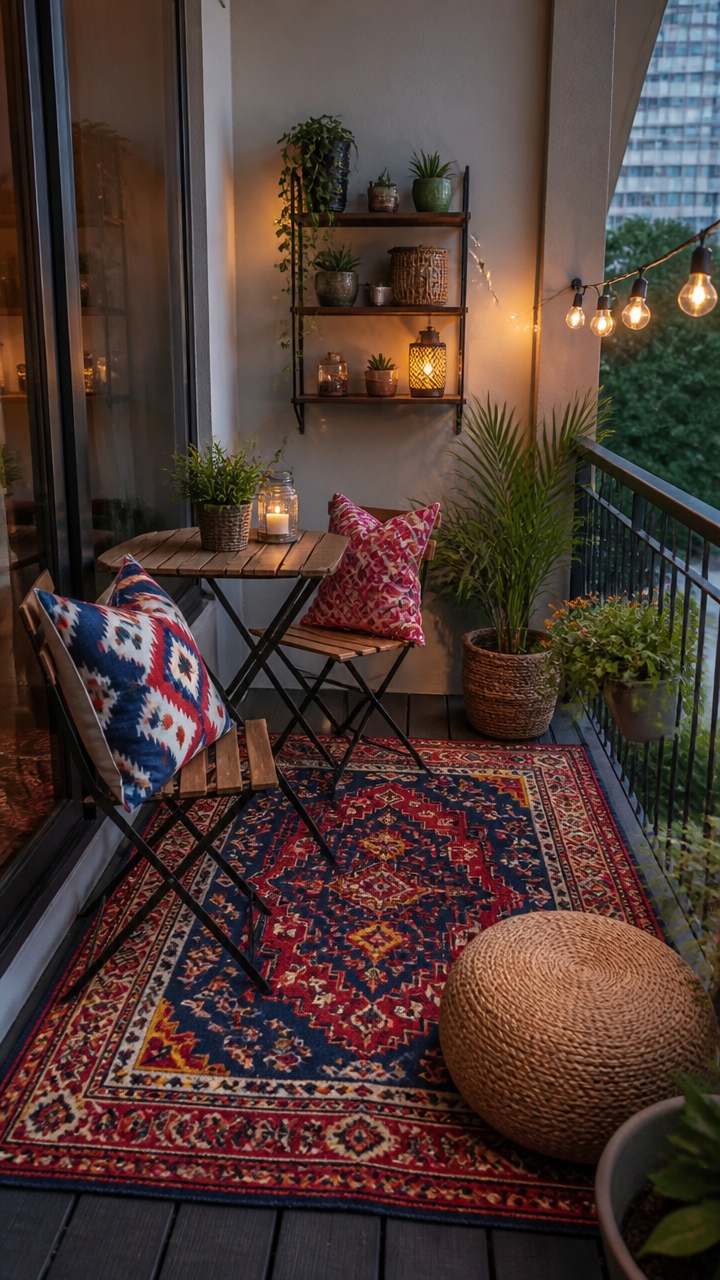
Adding color and texture with outdoor rugs and bold accents can transform a small outdoor space into a lively, inviting retreat. Large outdoor rugs serve as a visual anchor for your furniture, helping to define the area and make the space feel larger. Choosing a rug with vibrant patterns or bright hues instantly adds interest and creates a focal point, especially in minimalist setups.
Incorporate bold cushions, textiles, and decorative accessories to enhance the overall aesthetic. These elements bring in contrasting colors and playful patterns that energize the space and prevent it from feeling cramped or dull. Textured materials such as woven, knotted, or plush fabrics add depth and tactile contrast, making the setup more inviting and cozy.
When selecting a rug and accessories, consider the proportions of your outdoor area to guarantee everything fits comfortably and looks balanced. Opt for durable, weather-resistant materials suitable for outdoor conditions to maintain their appearance over time. Strategically placing these bold accents and textured rugs not only elevates your outdoor design but also creates a lively, welcoming atmosphere perfect for relaxing or entertaining in a small space.
Install Easy Shade Solutions Like DIY Sail Covers
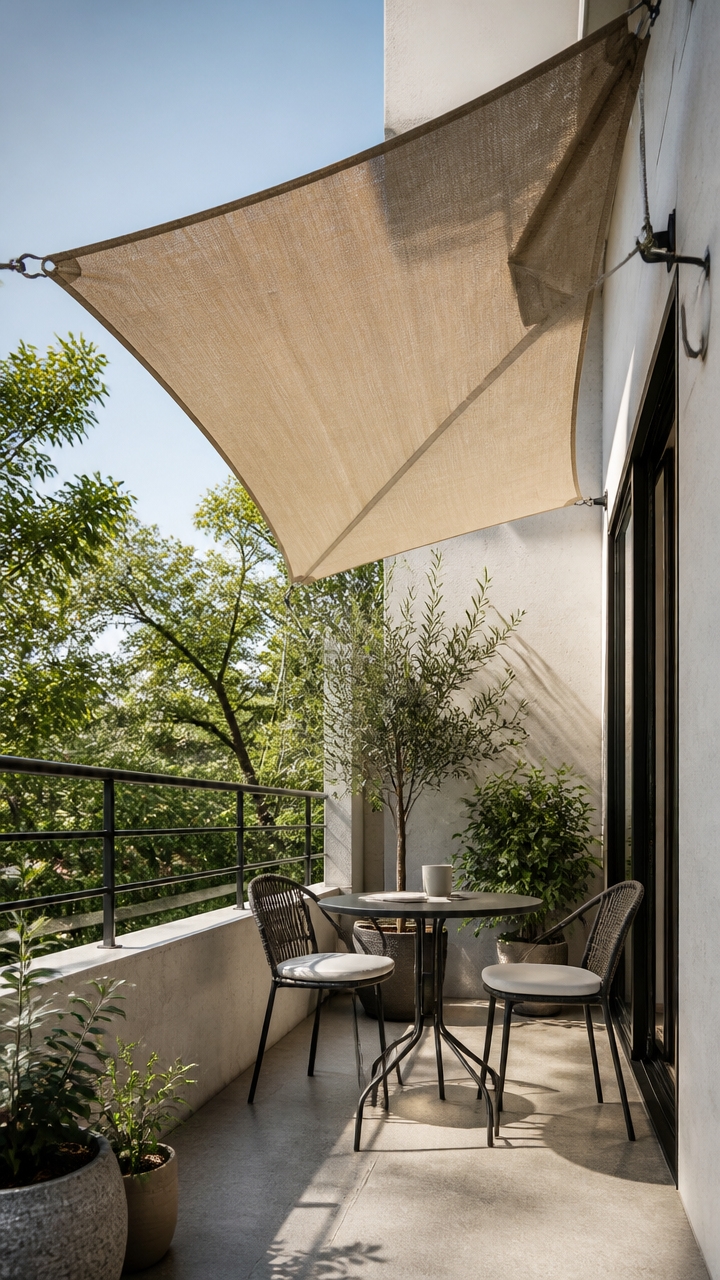
Installing easy shade solutions like DIY sail covers is an effective way to enhance small outdoor spaces. These shades are made from UV-resistant fabrics that block harsh sunlight and help reduce heat, making your outdoor area more comfortable on sunny days. They are inexpensive and straightforward to set up, requiring only a few anchors attached to existing structures such as posts, walls, or fences. The fabric is tensioned to create a sleek, stylish look that can be customized in various shapes, sizes, and colors to match your decor and space requirements. Since sail shades are easily removable and repositionable, they offer flexible shade options that can be adjusted based on the sun’s position or weather conditions. Practical considerations include choosing durable materials, selecting the right placement for preferable, coverage, and storing the shades safely during harsh weather to prolong their lifespan.
Boost Ambiance With Creative Lighting and String Lights
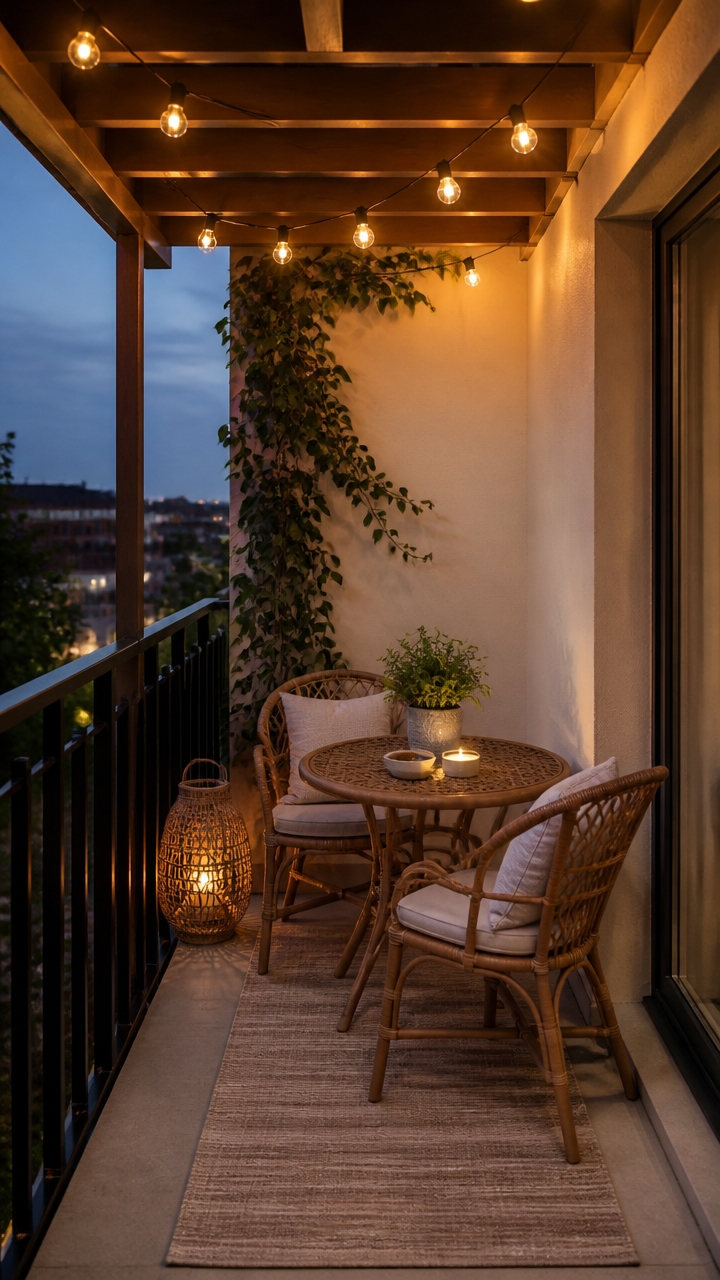
String lights are a versatile and budget-friendly way to transform any small outdoor space into a cozy, inviting retreat. From vintage-style bulbs that add nostalgic charm to sleek LED options that offer bright, energy-efficient illumination, these lights can be easily installed to create a warm atmosphere. Draped along fences, pergolas, or inland trees, string lights help define outdoor zones and add a touch of magic after sunset. For even more visual interest, consider using string lights with varying colors, shapes, or bulb sizes. This variety not only enhances the aesthetic appeal but also helps delineate different areas within the space, making the outdoor area feel intentional and thoughtfully designed. Practical placement along pathways guarantees safety while extending usability into the evening hours, turning your small outdoor space into a cozy haven for relaxing or entertaining well into the night.
Optimize Small Dining Areas With Compact, Stylish Seating
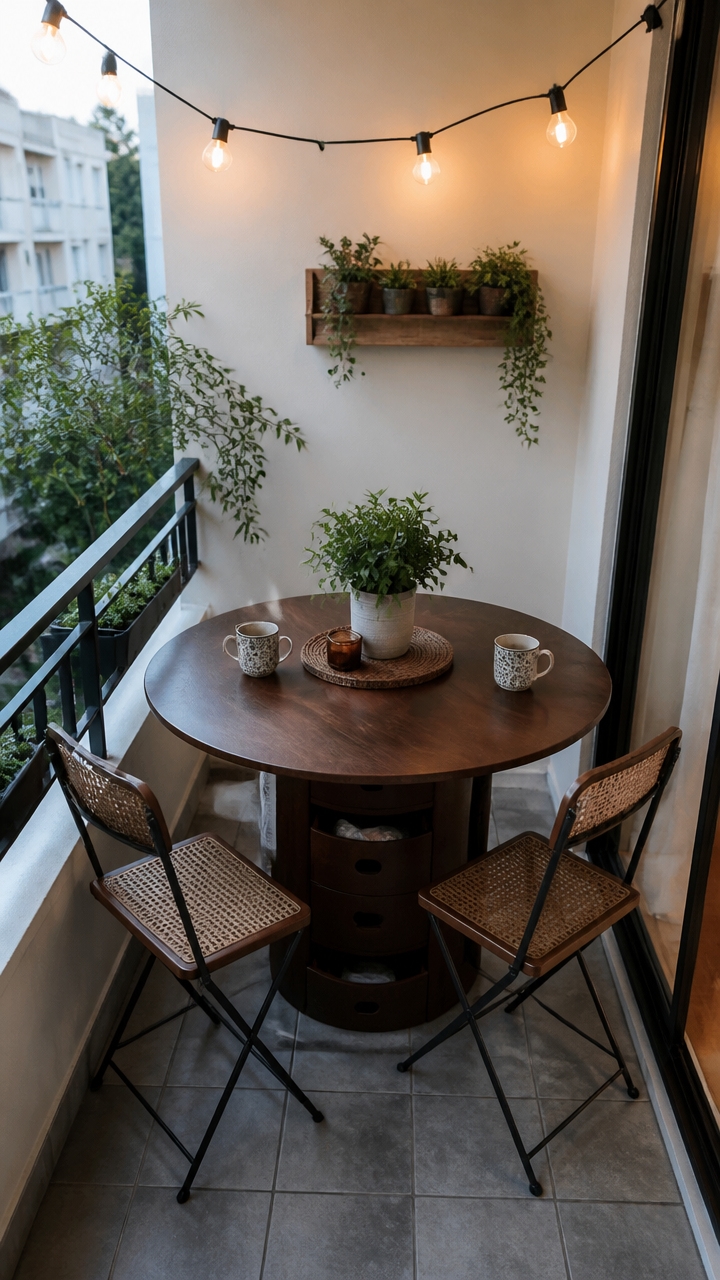
In limited outdoor spaces, choosing the right seating can make a significant difference in both functionality and aesthetics. Opt for small, space-efficient dining setups like bistro or corner tables that fit snugly into tight corners or narrow patios, creating an intimate dining atmosphere without overwhelming the area. Pair these with lightweight, portable chairs that are easy to move or stack when not in use, guaranteeing flexibility for different gatherings or activities. Selecting sleek, slim-profile furniture helps maximize floor space while maintaining a stylish look. Consider materials like metal, resin, or thin wood slats that are durable yet unobtrusive, and choose neutral or cheerful colors to brighten the space. Arranging seats close to the table and around any existing structures or natural features can foster a cozy ambiance while leaving ample room for movement. This strategic approach guarantees your small outdoor dining area remains inviting, functional, and clutter-free.
Build Portable Gardens With Caster-Equipped Planters and Potted Trees
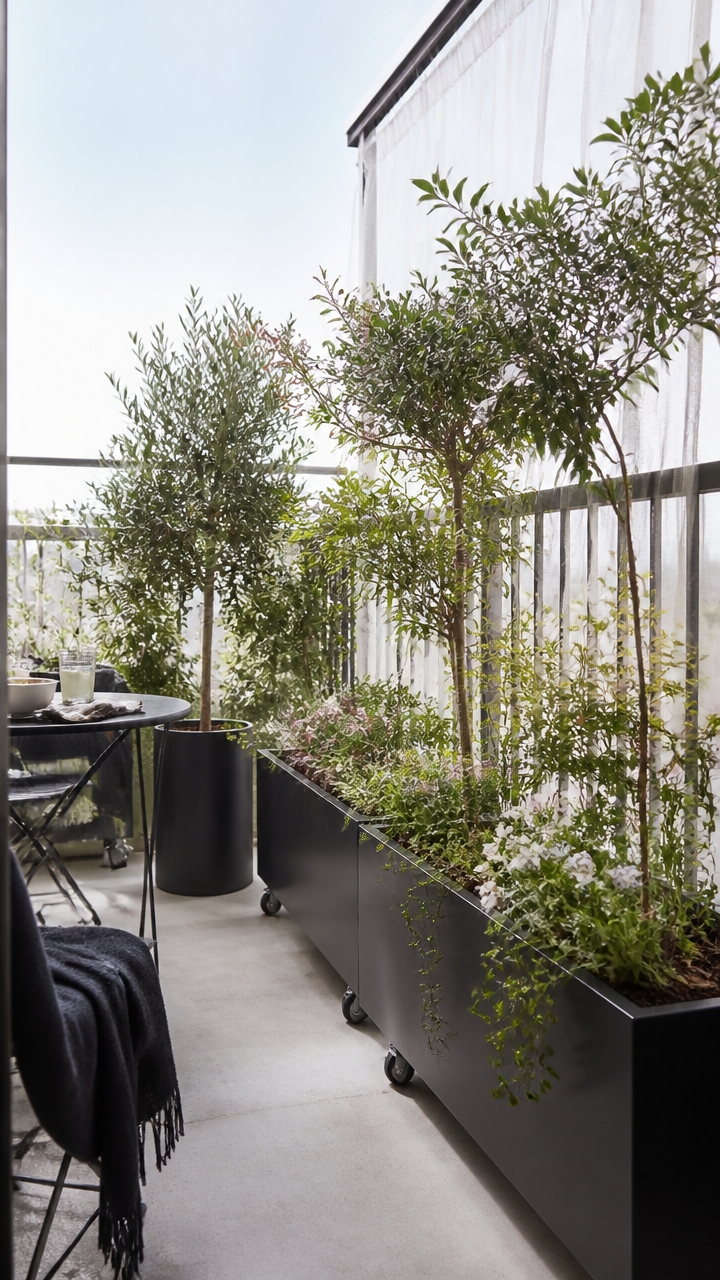
Using caster-equipped planters is a versatile solution for small outdoor spaces, allowing you to create dynamic, movable gardens. Galvanized metal trash cans on casters, for instance, can be transformed into portable containers perfect for flowers, herbs, or even small vegetables. The mobility of these planters makes it easy to rearrange your garden based on sunlight exposure, weather conditions, or aesthetic preference, enhancing the utility of limited outdoor areas. Potted small trees, such as citrus varieties, can benefit from caster wheels, enabling you to relocate them effortlessly for maintenance, watering, or to optimize their sunlight access. When choosing casters, opt for weather-resistant options rated for outdoor use to guarantee durability, and consider the weight of your planters to select appropriate wheels that can handle movement without strain. Position these movable planters near water sources and storage areas for convenient care, and think about their placement in relation to other garden features to maximize your small space’s functionality and beauty.
Design Cozy Nooks With DIY Curtains and Layered Seating
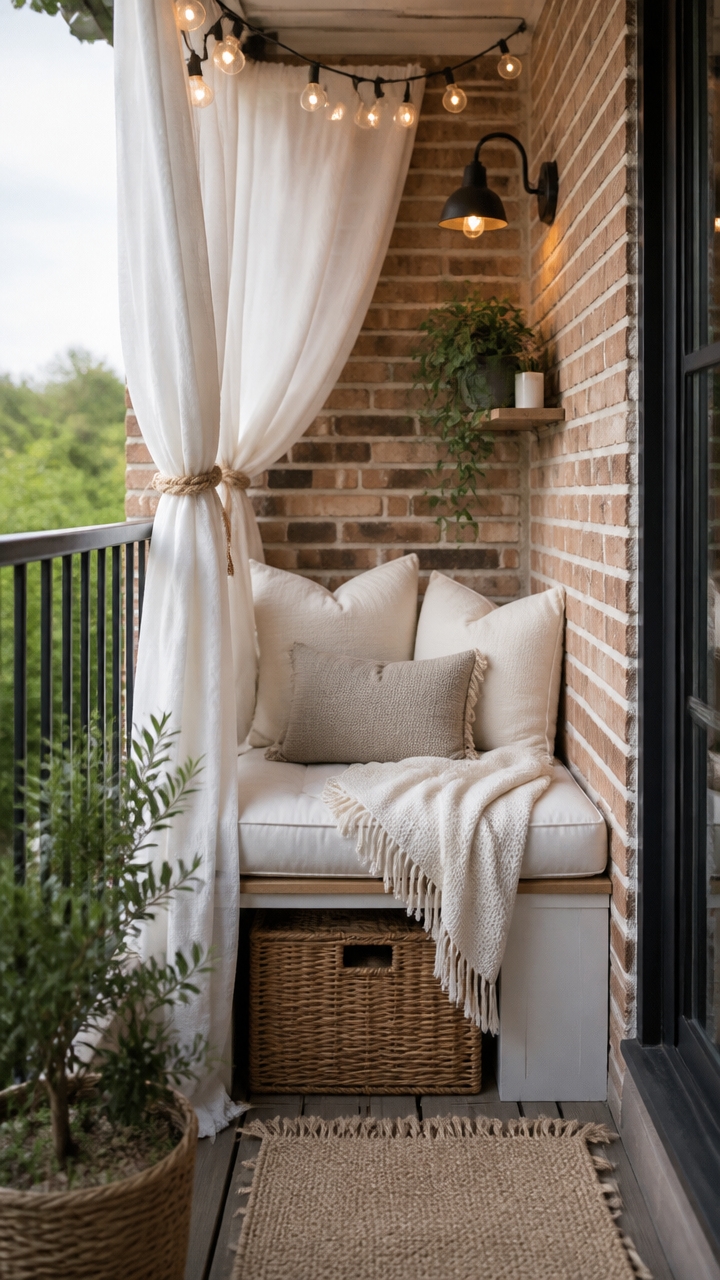
Creating cozy outdoor nooks with DIY curtains and layered seating transforms small spaces into inviting retreats. Using lightweight, weather-resistant fabrics for curtains allows you to define a private area without the expense of permanent structures. Hang sheer or patterned curtains from simple rods or tension wires in corners or around existing furniture to create a sense of enclosure while still allowing airflow. These curtains can be easily tied back during the day or left to gently drift, adding a softer, intimate ambiance.
Layering seating with cushions, pillows, and blankets on small benches, poufs, or even crates enhances comfort and encourages relaxation. Combine a compact bench with a few ottomans or poufs to maximize seating without blocking pathways or overwhelming the space. Overstuffed cushions and colorful pillows introduce additional visual interest and make the nook feel more inviting. Keep stored blankets nearby for cozy evenings, and opt for weatherproof fabrics to withstand outdoor conditions.
Placing a combination of curtains and layered seating in a small corner or alcove creates a charming, self-contained retreat within your outdoor area. This approach not only maximizes functionality but also adds a personalized, comfortable touch that makes your outdoor space perfect for unwinding or entertaining.
Elevate Your Outdoor Look With Stylish Pergolas and Lattice Structures
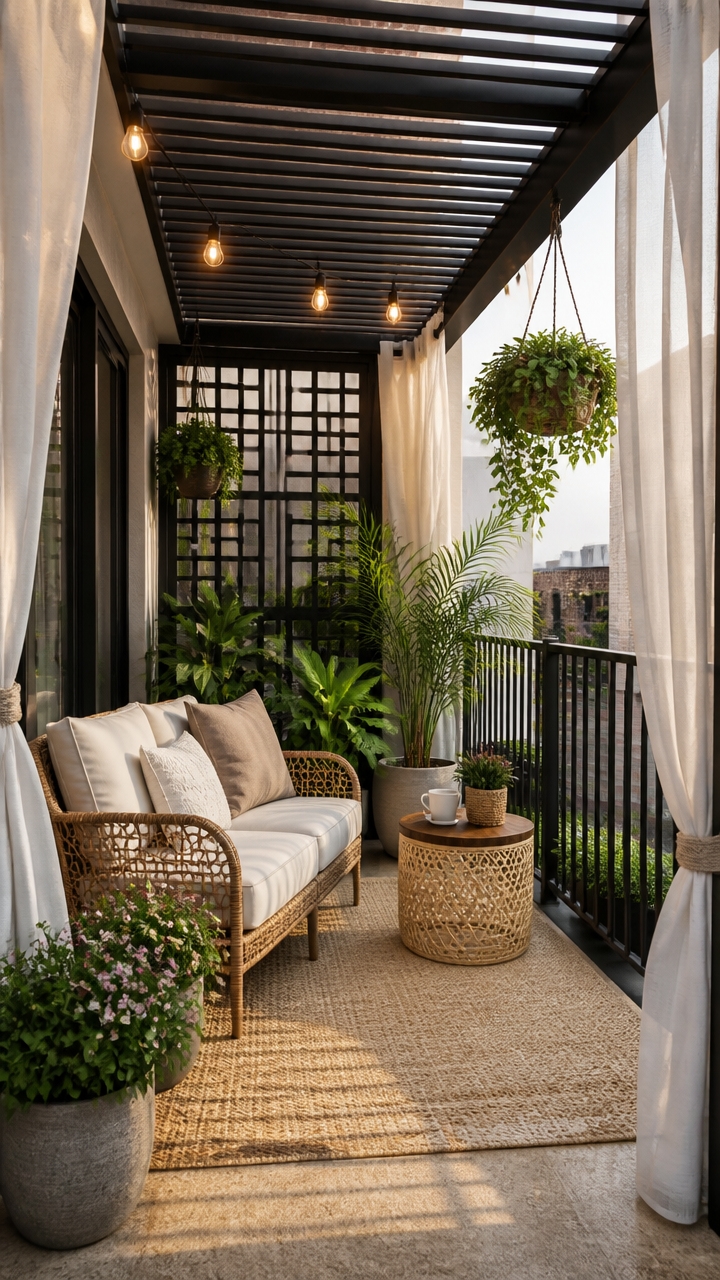
Adding a pergola or lattice framework to a small outdoor space can markedly enhance its visual appeal while providing practical benefits. With budget-friendly materials like wooden beams, a DIY pergola can be constructed to add height and define an inviting outdoor area. These structures create a sense of enclosure and make the space feel more intentional, even in tiny yards.
Lattice panels are versatile and customizable, serving as elegant support for climbing plants or vines that bring natural greenery and privacy. By integrating plants such as jasmine, clematis, or ivy, you can transform a basic structure into a lush, living privacy screen that also attracts pollinators. Additionally, lattice can be paired with outdoor curtains or drapes, allowing you to adjust privacy and shade levels based on the weather or occasion.
Both pergolas and lattice structures serve as ideal anchor points for hanging lighting, decorative accessories, or potted plants, elevating the aesthetic without taking up additional floor space. When designing these features, consider proportions to ensure they complement your yard’s scale, and choose weather-resistant materials for durability. With a bit of DIY effort, these structures can be tailored to suit your style while maximally enhancing your small outdoor area’s function and charm.
Use Mirrors and Reflective Surfaces to Make Spaces Feel Larger
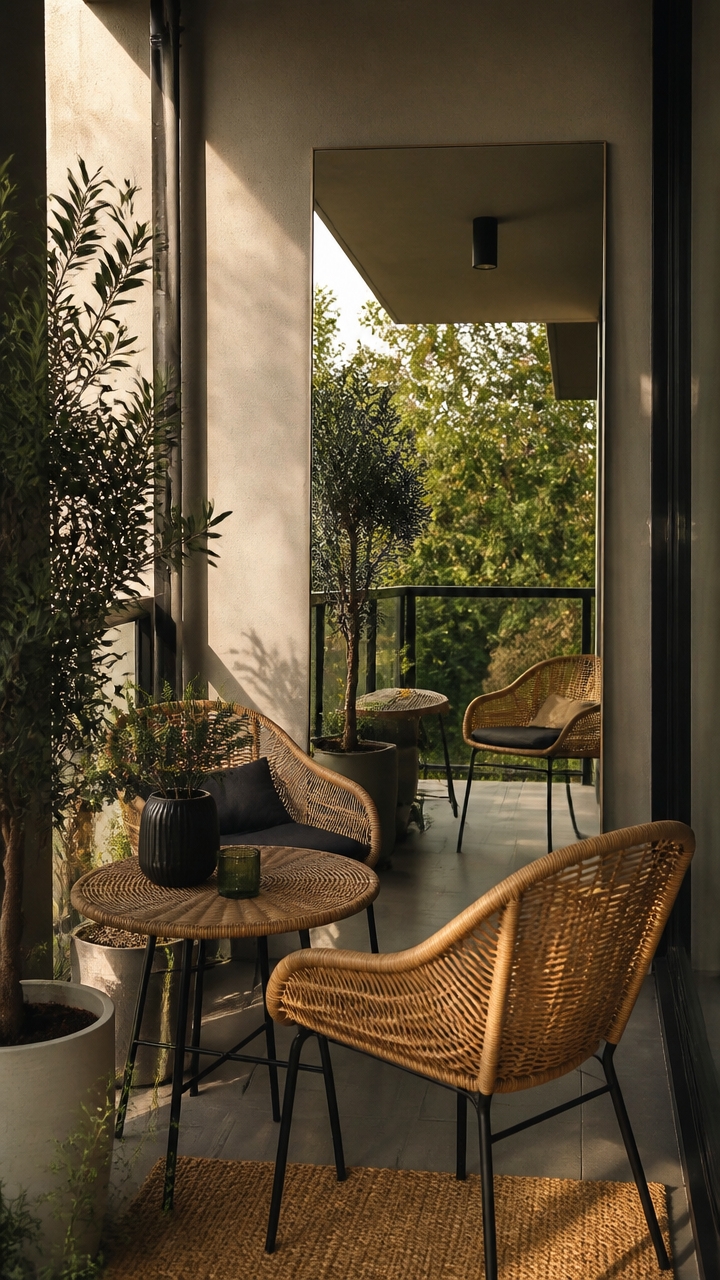
In small outdoor areas, mirrors and reflective surfaces are powerful tools to enhance the sense of space and brightness. Installing weather-resistant mirrors on exterior walls creates the illusion of expanded space by bouncing light and images across the area. Positioning these mirrors opposite focal points, such as a garden feature or seating area, amplifies depth and draws the eye into the landscape, making the yard feel larger. Additionally, incorporating reflective elements like water features, metallic planters, or decorative accents can brighten the space and contribute to a sense of openness. When choosing mirrors for outdoor use, opt for large-scale, durable, weatherproof options to maximize their visual impact and guarantee longevity. Strategic placement and thoughtful styling of these surfaces can transform a cozy outdoor nook into a more airy, inviting retreat.
Create Kid-Friendly Play Areas Without Sacrificing Style
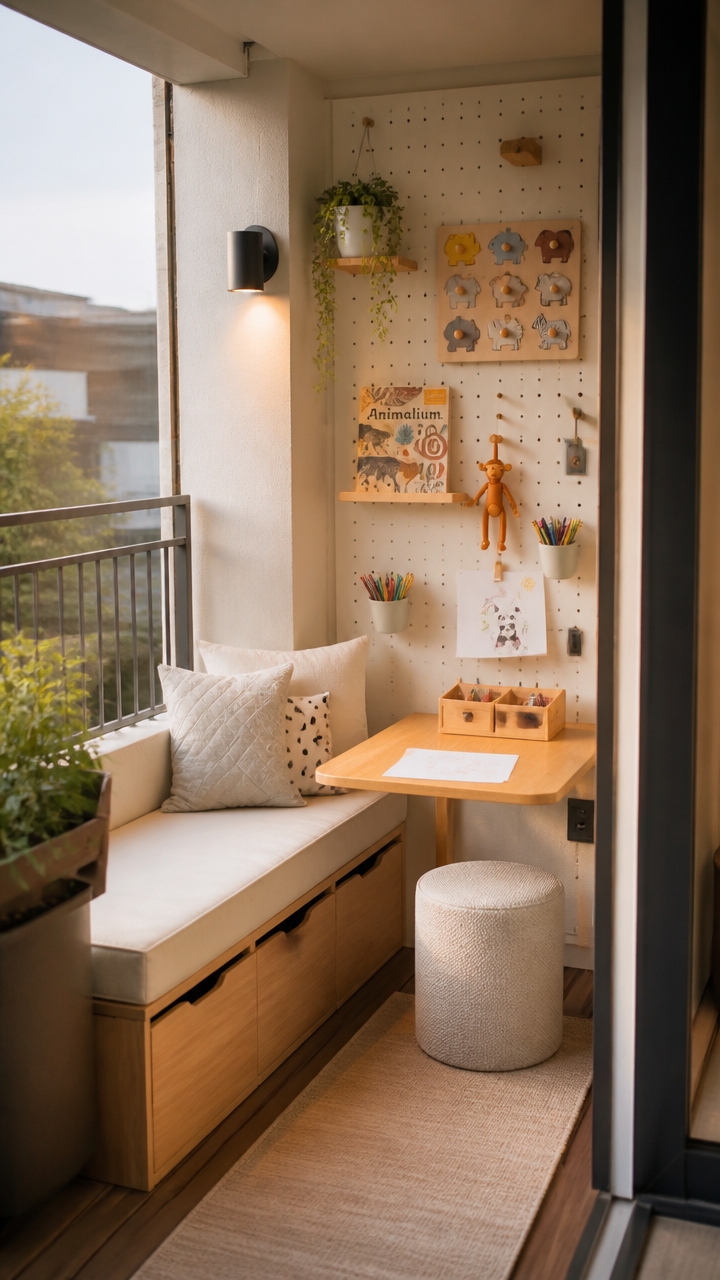
In small outdoor spaces, designing a play area that is both fun and visually appealing can be challenging. The key is to incorporate features that maximize functionality while maintaining a cohesive look. Using vertical play elements like climbing walls or mounted chalkboards adds an exciting dimension without taking up valuable ground space, encouraging active play in a compact area. To keep the space organized and safe, contain zones such as small playhouses or sandbox areas with low boundaries help define play regions without overwhelming the visual flow. Selecting compact, multi-purpose furniture, such as foldable benches and outdoor storage bins, ensures that the space remains tidy and versatile for other uses. Installing wall-mounted storage solutions keeps toys and outdoor gear off the ground, reducing clutter and making cleaning easier. Overall, combining durable, weather-resistant materials with lively, bright colors creates an inviting, safe environment for kids that harmonizes with the overall outdoor aesthetic, proving that style and function can coexist beautifully even in small spaces.
Develop Dual-Purpose Storage and Seating for Flexibility
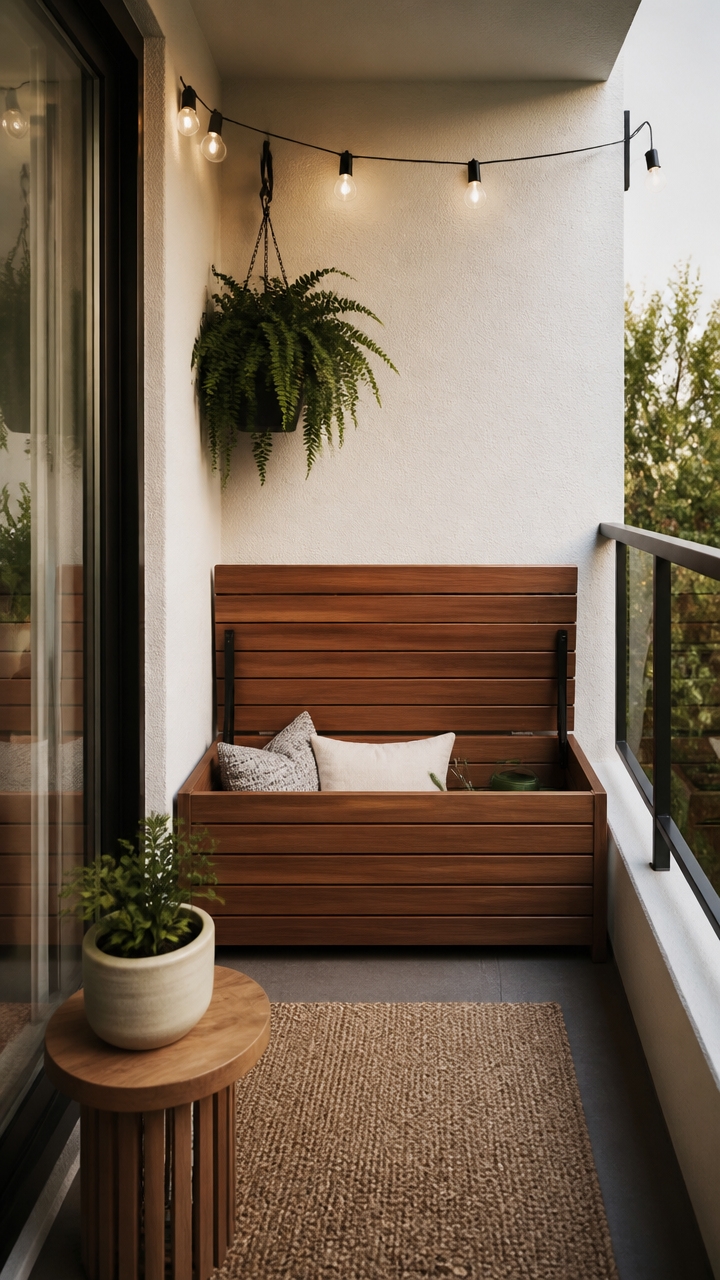
In small outdoor spaces, maximizing functionality is essential. Combining storage with seating creates a versatile environment that caters to both relaxation and organization. Built-in benches with hidden storage compartments are an excellent solution, allowing you to comfortably seat guests while efficiently stashing away cushions, gardening tools, or outdoor accessories. These benches can be integrated into existing structures or built into your design, ensuring they blend seamlessly with your overall aesthetic.
Multi-functional furniture like cinderblock planters that double as seating offers practical benefits, saving space and adding greenery. These sturdy, customizable pieces serve as decorative elements, planters, and seats, making them ideal for compact patios or balconies. When selecting such furniture, consider proportions to keep the space feeling open, and choose durable materials that withstand outdoor conditions.
Incorporating furniture with built-in storage, such as ottomans or side tables, helps maintain a tidy outdoor area. An ottoman with storage inside can serve as additional seating during gatherings and be neatly tucked away when not in use. Side tables with drawers or shelves keep smaller items like gardening gloves, sunscreen, or outdoor lighting within easy reach but out of sight.
Make Your Own Backyard Movie Theatre for Nighttime Fun
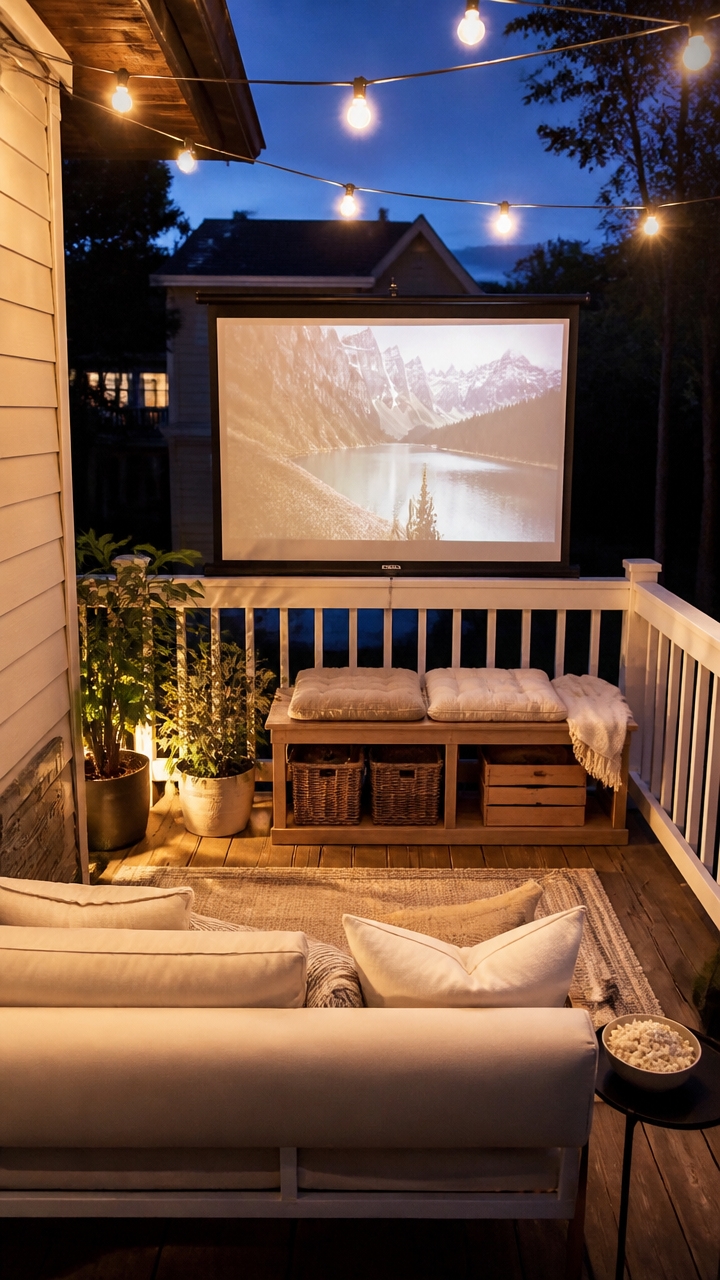
Transform your small outdoor space into a cozy backyard movie theatre by setting up a simple projector and a white sheet or portable screen. Use a smartphone projector or an affordable outdoor projector to keep the setup budget-friendly while still delivering a cinematic experience. Position the projector on a stable surface or small table aimed at the display area, ensuring it has a clear line of sight and is protected from elements like wind or dew. Hang a white sheet, a portable pull-down screen, or even a light-colored outdoor wall to serve as the viewing surface, making sure it is wrinkle-free and properly tensioned for a crisp image. Incorporate cozy seating options such as portable chairs, outdoor bean bags, or layered blankets and cushions to create a comfortable viewing zone. Add string lights or lanterns around the area to provide ambient lighting that enhances the movie atmosphere without interfering with the projector’s visibility. Keep snacks and drinks accessible by placing a small table or stand nearby, completing your outdoor movie experience even within a limited space. Practical placement and thoughtful details will turn your small outdoor nook into an inviting, fun-filled entertainment spot.
Add Unique DIY Decor Elements for Visual Interest
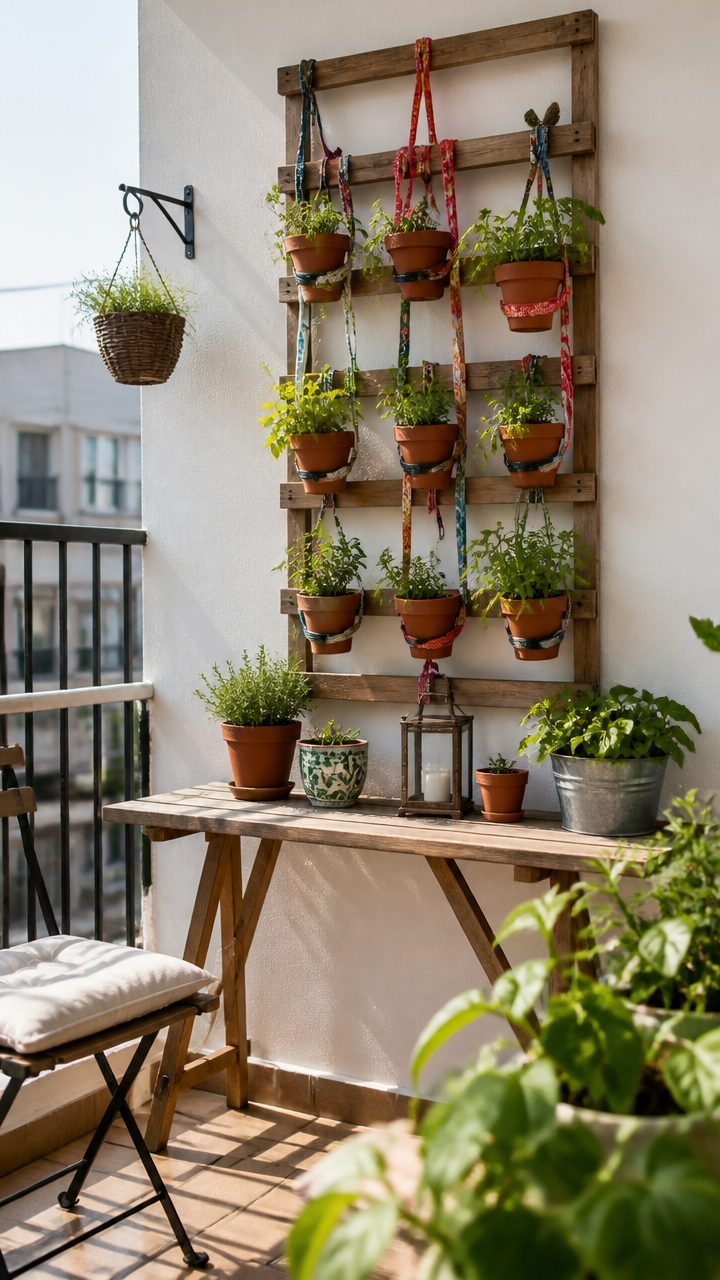
Creating eye-catching decor pieces with DIY elements adds personality and charm to small outdoor spaces without a hefty price tag. For example, stencil-painted concrete or wooden surfaces can mimic the look of tile, adding intricate patterns and visual texture. These can be applied directly to patios, pathways, or planters, making the space feel more polished and personalized. Building custom privacy screens with herringbone designs offers both seclusion and style; using affordable wood or repurposed materials, you can craft patterns that create a sense of enclosure while serving as a focal point. Hanging outdoor curtains made from inexpensive fabrics softens the space, provides privacy, and invites a cozy atmosphere, just guarantee they are weather-resistant or easily removable for cleaning. Finally, incorporating colorful murals or statement wall art through DIY painting or decoupage can completely transform a blank wall into a vibrant focal point, reflecting your personality and making your small outdoor area feel truly unique.
Use Mobile Solutions Like Folding Chairs and Portable Tables
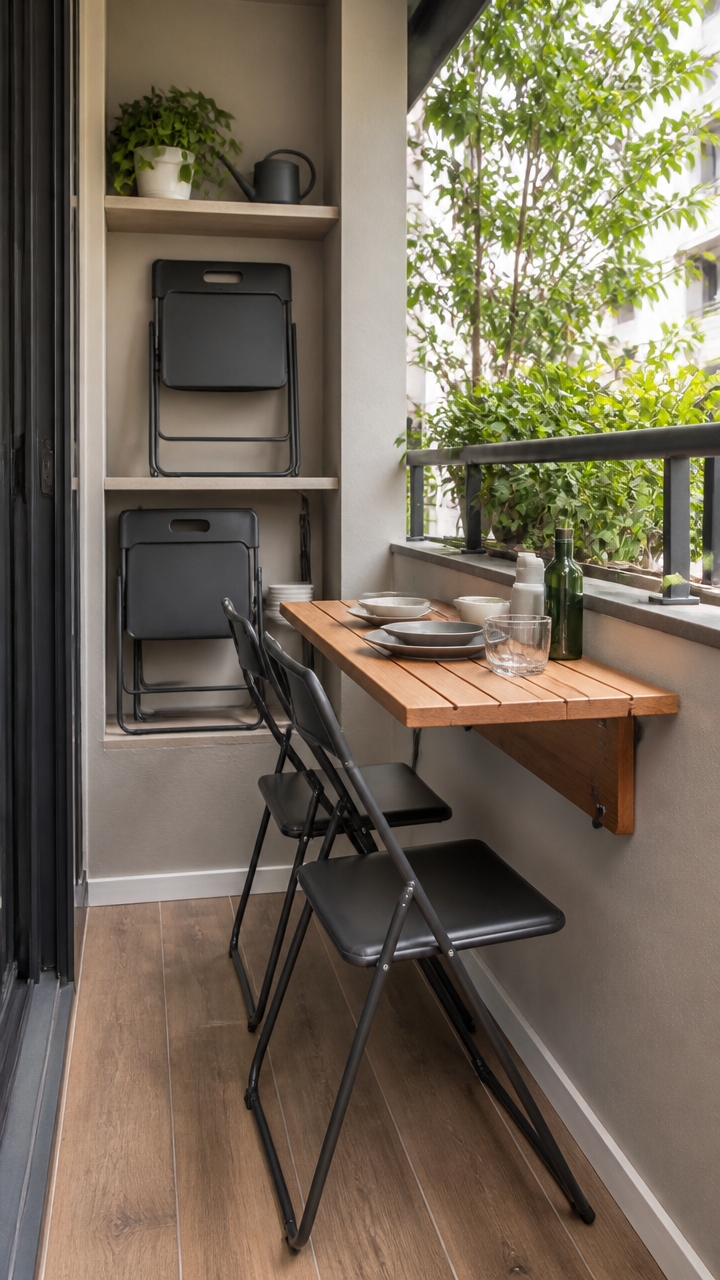
In small outdoor spaces, flexibility is key, and mobile furniture options like folding chairs and portable tables are practical solutions. Folding chairs are lightweight and easy to store, allowing you to quickly set up seating for guests or outdoor activities and then fold them away when not in use. Portable tables can be moved around effortlessly or collapsed to free up space, making them ideal for dining, work surfaces, or casual gatherings. Choosing weather-resistant materials such as plastic, metal, or treated wood ensures these pieces withstand outdoor conditions and require minimal maintenance. To optimize space, consider stacking or nesting your furniture when storing to further minimize clutter. These versatile, easily transportable options enable you to adapt your outdoor area swiftly for different occasions, maximize your available space, and keep the environment organized and functional.
Plan for Future Changes With Flexible Outdoor Design Ideas
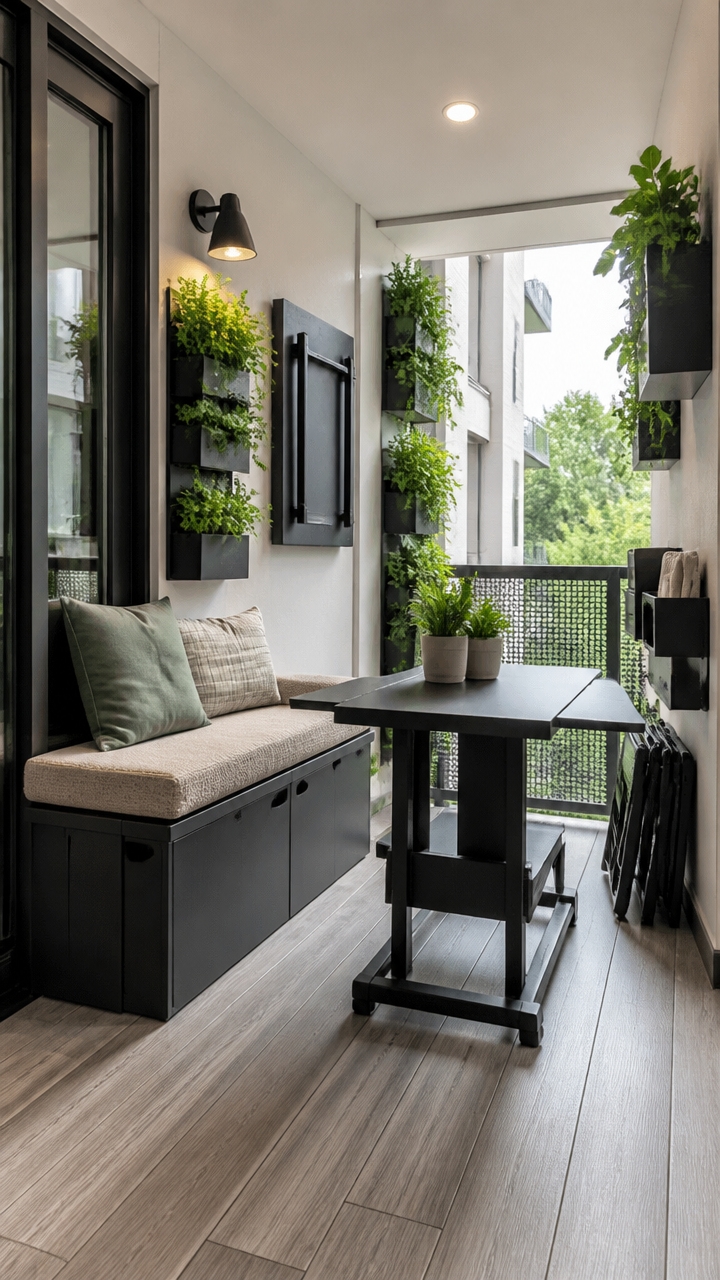
In small outdoor spaces, flexibility is key to making the most of limited real estate and ensuring your area adapts to changing needs. Incorporate multi-purpose furniture, like benches with hidden storage or tables that can double as workspaces, to maximize functionality without clutter. Choose lightweight, portable elements such as galvanized planters on casters, which can be easily moved or expanded to accommodate plant growth or different layout preferences. Design features like removable privacy screens or modular structures allow you to customize your space for events, solitude, or different weather conditions, without permanent commitments. Opt for durable yet adaptable materials like painted concrete or trellises that can be refreshed with paint or reconfigured with new plantings over time. Finally, plan open areas and clear sightlines that serve multiple purposes, whether lounging, dining, or gardening, so your outdoor space remains versatile and ready for future modifications.
Final Takeaways
In your compact outdoor haven, intelligent design choices can elevate the space by up to 30%, according to recent industry reports, transforming every inch into a stylish cocoon. With strategic placement of bijou furniture, layered lighting, and adaptable DIY accents, you create a versatile retreat that marries aesthetics with function, proof that small spaces not only matter but can evoke the allure of a grand jardin. Trust in the expertise of recognized designers like Kelly Wearstler and Christina Kim, whose work exemplifies how thoughtful joinery and a nuanced colourway can redefine your outdoor debut.

- 21 Creative Small Space Ideas You Need to Try - September 23, 2026
- 22 Small Space Computer Desk Ideas That Transform Any Space - September 23, 2026
- 20 Small Sewing Room Ideas Space Saving That Actually Work - September 22, 2026